





Sugar Land sits in the humid subtropical zone where air conditioning systems work harder than almost anywhere in the country. Your AC runs 8 to 10 months each year fighting temperatures above 90 degrees and humidity that regularly hits 80 percent. This constant operation wears down compressors, clogs drain lines with algae growth, and stresses ductwork in ways homeowners in milder climates never experience.
The clay soil throughout Fort Bend County shifts with moisture changes, causing foundation movement that can separate ductwork joints and create air leaks. Homes in Telfair, Sweetwater, and First Colony built on slab foundations are particularly vulnerable to this issue. When ducts separate, your system loses efficiency and your energy bills climb.
Sugar Land's position near the Gulf also means salt air accelerates corrosion on outdoor condenser units. Combine that with the pollen from live oaks and the dust from ongoing construction across the city, and your HVAC filters face a constant assault. Systems need more frequent maintenance here than the national average, and skipping tune-ups leads to breakdowns at the worst possible times.
Titan HVAC Houston has served Fort Bend County for over a decade, and we've learned exactly what Sugar Land systems need to survive the climate. We're not a national franchise following a corporate manual written for Minnesota weather. Our technicians live in this area, work in this heat, and understand the specific problems that plague homes from Riverstone to Greatwood.
We stock parts for the AC brands most common in Sugar Land subdivisions because we know what builders installed. When your Carrier condenser fails at 9 PM on a Saturday, we have the capacitor on the truck. When your Trane evaporator coil develops a refrigerant leak, we carry the replacement and can install it the same day. This local knowledge means faster repairs and less time suffering in the heat.
Our diagnostic process goes beyond the obvious problem. We inspect your ductwork for the separation issues common in Sugar Land foundations. We check drain lines for the algae buildup that humidity causes. We measure airflow to catch problems before they become emergencies. Many companies fix the immediate issue and leave. We find what's actually wrong and explain your options clearly.
We've built relationships with inspectors at the Fort Bend County permitting office, so when you need a system replacement, we handle the paperwork efficiently. We know local code requirements for refrigerant handling, ductwork installation, and electrical connections. Your installation passes inspection the first time because we do it right.

When your AC quits in July heat, waiting until next week isn't an option. We dispatch technicians fast across Sugar Land with fully stocked trucks ready to diagnose and repair most problems on the first visit. You get cool air today, not promises about tomorrow.

You know the cost before we start work. No surprises, no hidden fees, no pressure tactics. We explain what's wrong, show you the options, and let you decide. Many Sugar Land customers tell us this transparency is why they called us back.
Every technician carries Texas Department of Licensing and Regulation certification and maintains EPA refrigerant handling credentials. We invest in ongoing training on new equipment and diagnostic technology because HVAC systems get more complex every year. Your repair is done by someone who knows what they're doing.
We've serviced thousands of Sugar Land homes and know the common problems in each subdivision. We understand how your neighborhood's age, construction quality, and duct design affect performance. This local experience means accurate diagnosis and effective solutions tailored to your specific situation.
Titan HVAC Houston handles every aspect of heating and cooling service in Sugar Land. Whether you need emergency repair at midnight, a new system installation, or routine maintenance to prevent problems, we have the equipment and expertise to do it right. Our service range covers residential homes from small condos to large estates, plus commercial buildings up to 20 tons of cooling capacity.
We organize our services around what Sugar Land customers actually need. Emergency repairs get priority dispatch because we know a broken AC in August heat is a genuine crisis. Installation and replacement projects get careful planning and quality workmanship because a new system is a major investment. Maintenance plans keep your equipment running efficiently and catch small issues before they become expensive failures. Each service category uses different skills and requires different approaches, so we've structured our team to handle all three effectively.
Air conditioning and heating failures happen at the worst times. We dispatch technicians across Sugar Land seven days a week with fully equipped trucks carrying the parts that commonly fail. Our diagnostic process identifies the root cause fast so we can explain your options and get your system running again. We fix compressor failures, refrigerant leaks, blower motor problems, thermostat issues, electrical failures, and frozen coils. Most repairs finish the same day.
Replacing your HVAC system requires proper sizing calculations, quality installation, and attention to details that affect long-term performance. We perform Manual J load calculations to size equipment correctly for your home's square footage, insulation, and window exposure. Our installations include proper refrigerant charge, correct ductwork connections, updated thermostats, and testing to verify the system performs as designed. We handle permits and inspections through Fort Bend County.
Regular maintenance extends equipment life and prevents most breakdowns. Our tune-up service includes filter replacement, coil cleaning, refrigerant level check, electrical connection inspection, condensate drain clearing, and airflow measurement. We catch worn parts before they fail and keep your system running at peak efficiency. Sugar Land's climate demands more frequent service than milder areas, and our maintenance plans are designed for the stress your equipment faces here.
Sugar Land's combination of extreme heat, high humidity, and shifting clay soil creates specific HVAC challenges. Your air conditioner works harder and longer than systems in most of the country, which accelerates wear on critical components. The constant moisture in the air promotes mold growth in ductwork and clogs drain lines with algae. Foundation movement from soil expansion and contraction separates duct connections and reduces system efficiency.
Understanding these common issues helps you recognize problems early. Many homeowners ignore warning signs until their system fails completely, which often happens during the hottest part of summer when repair demand is highest and you might wait days for service. Catching problems when they're small saves money and prevents that miserable period without air conditioning. Here are the issues we see most often in Sugar Land homes.
Gulf Coast humidity and salt air corrode evaporator and condenser coils over time. Small leaks reduce cooling capacity gradually, so you might not notice until the system can't keep up on the hottest days. Low refrigerant makes your compressor work harder and can cause complete system failure if not addressed quickly.
Your AC removes gallons of moisture from indoor air every day. That water drains through a small pipe that algae and mold love to clog. When the drain backs up, water overflows and can damage ceilings, walls, and flooring. Most Sugar Land systems need drain line cleaning at least annually to prevent this problem.
Clay soil shrinks when dry and swells when wet, causing foundations to move slightly. This movement pulls apart ductwork connections, especially in attics where ducts connect to floor registers. Air leaks waste energy and make some rooms uncomfortable while others stay cold. Proper sealing requires mastic compound, not just tape.
Running 8 to 10 months each year in extreme heat puts tremendous stress on your compressor. This is the most expensive component in your system, and failure usually means replacing the entire outdoor unit. Regular maintenance, proper refrigerant charge, and clean coils help your compressor last longer, but eventually the heat wins.
Many Sugar Land homeowners tell us previous HVAC companies left them frustrated with late arrivals, surprise charges, and repairs that didn't last. We built our service process around eliminating those problems. From your first phone call to the final system test, you'll know what's happening, when it's happening, and exactly what it costs.
We treat your home with respect and your time as valuable. Our technicians arrive when promised, protect your floors with boot covers, and clean up completely when finished. We explain problems in plain language without technical jargon designed to confuse you. You make decisions based on clear information, not pressure tactics. Here's what working with us actually looks like.
You get a call when our technician is on the way with an accurate arrival window. Once on site, we diagnose the problem and explain what's wrong in terms you can understand. You receive written estimates before any work begins, with options clearly laid out so you can choose what makes sense for your situation and budget. No surprise bills, no hidden fees, no pressure.
Our technicians wear boot covers, use drop cloths to protect your floors, and minimize disruption to your household. We work efficiently to complete repairs as quickly as possible without cutting corners on quality. If a job takes longer than expected, we keep you informed. When we finish, we remove all debris and leave your space cleaner than we found it.
We stand behind our work with warranties on parts and labor. If something goes wrong with a repair we completed, we come back and make it right at no additional cost. Our goal is fixing your problem permanently, not creating repeat service calls. We use quality parts from manufacturers we trust and install them correctly the first time.
Getting your HVAC system fixed shouldn't be complicated. We've streamlined our process to three simple steps that get you from problem to solution as quickly as possible.
Call us at (281) 552-7766 and describe what's happening with your system. We'll ask a few questions to help our technician prepare and give you an arrival time window. For emergencies, we dispatch immediately. For scheduled service, we work around your availability. You'll get a call when the technician is on the way so you're not waiting around all day.
Our technician examines your system thoroughly to identify the actual problem, not just the obvious symptom. We test components, check refrigerant levels, measure airflow, and inspect electrical connections. Once we know what's wrong, we explain the issue and provide a written estimate. You decide whether to proceed. If you approve, we typically complete most repairs the same visit.
We complete the repair using quality parts and proper techniques. After the fix, we test your system to verify it's operating correctly and efficiently. We explain what we did, answer your questions, and provide maintenance recommendations to prevent future problems. You receive documentation of the work completed and warranty information before we leave.
Professional HVAC service in Sugar Land requires understanding both state regulations and local codes that protect homeowners and ensure system safety. Fort Bend County enforces the International Residential Code with local amendments, and all HVAC work requires permits for system replacement, major repairs involving refrigerant, and ductwork modifications. The Texas Department of Licensing and Regulation mandates that anyone handling refrigerant must hold current EPA certification under Section 608 or 609, depending on system type.
Proper system sizing follows ACCA Manual J load calculations, not outdated rules of thumb like square footage times 500 BTU. Sugar Land's climate data, including design temperatures and humidity levels specific to this area, must be factored into these calculations. Oversized systems short-cycle and fail to dehumidify properly. Undersized systems run constantly and wear out faster. Our technicians perform these calculations correctly because improper sizing is the most common installation mistake that leads to comfort problems and shortened equipment life.
Refrigerant regulations changed significantly with the phase-out of R-22 and the introduction of R-410A and newer blends. Systems installed before 2010 likely use R-22, which is no longer manufactured and has become expensive. When these older systems develop leaks, homeowners face a decision between costly refrigerant recharge or system replacement. We explain these options honestly because the right choice depends on your system's age, condition, and the repair cost versus replacement value.
Ductwork installation must meet specific standards for insulation R-value, sealing methods, and support spacing. Attic ducts in Sugar Land require minimum R-8 insulation because summer attic temperatures exceed 140 degrees. Joints must be sealed with mastic or approved tape, not the standard cloth duct tape that fails in heat. Proper support prevents sagging that restricts airflow. These details separate quality installations from the cheap work that causes problems later.
System cost depends on capacity (tonnage), efficiency rating (SEER), brand, and installation complexity. Higher SEER ratings reduce energy bills but cost more upfront. Two-stage or variable-speed systems provide better comfort and efficiency than single-stage units. Ductwork modifications, electrical upgrades, and thermostat choices affect total investment. We explain these trade-offs so you understand what you're buying.
Most repairs finish within two to four hours once diagnosed. System replacements typically take one to two days depending on complexity. Custom ductwork or modifications take longer. We provide accurate time estimates upfront and keep you informed if anything changes. Peak season in July and August means higher demand, so schedule maintenance in spring or fall when possible.
Equipment manufacturers provide parts warranties ranging from five to ten years depending on brand and model. Labor warranties come from the installing contractor and typically run one to two years. Extended warranties are available for purchase. Warranty coverage requires professional installation and regular maintenance documentation. We register your equipment and provide maintenance records to protect your warranty.
This video explains common HVAC problems specific to Sugar Land, Texas, and how Gulf Coast climate affects air conditioning systems. Topics include refrigerant leaks from humidity corrosion, condensate drain clogs, ductwork issues from foundation movement, and compressor stress from extreme heat. Learn warning signs that indicate service needs and what professional HVAC repair should include in Fort Bend County, from diagnostics to permit requirements.
Titan HVAC Houston serves the entire Sugar Land area, from established neighborhoods near Highway 59 to newer developments along the Grand Parkway. We've worked in hundreds of homes throughout Telfair, where the master-planned community's consistent construction means we know the duct layouts and common issues. First Colony residents call us for service on the older systems in that established area, where many homes are reaching the age when major components need replacement.
Across Highway 6 in Sweetwater, we handle the mix of townhomes and single-family houses, each with different HVAC configurations and access challenges. The Riverstone community along the Brazos River presents unique humidity challenges due to its proximity to the water, and we've learned how to address the moisture issues that affect systems there. Greatwood's sprawling subdivisions east of Highway 6 keep our technicians busy with everything from routine maintenance to emergency repairs on hot summer days.
We also serve Missouri City neighborhoods that border Sugar Land, plus Richmond and Rosenberg areas in western Fort Bend County. Our service area extends to Stafford and Meadows Place to the north, where commercial and residential properties both need reliable HVAC service. Traffic patterns on Highway 59, the Grand Parkway, and Highway 6 affect our routing, so we plan dispatch to minimize your wait time regardless of which part of Sugar Land you're in.
The distance from the Gulf Coast means Sugar Land gets slightly less salt air than communities closer to the water, but humidity remains extremely high throughout summer. Homes north of Highway 90 tend to be older with original HVAC systems that need more frequent attention. Newer construction south toward Brazoria County often has modern high-efficiency equipment that requires different diagnostic approaches and parts. We've adapted our service to handle the full range of equipment ages and types across the entire Sugar Land metro area.
The $5000 rule helps you decide between repair and replacement. If your system's age multiplied by repair cost exceeds $5000, replacement makes more financial sense. For example, a 12-year-old unit needing a $500 repair equals $6000, so you should replace it. In Sugar Land's humid climate, older systems often struggle with efficiency and may fail again soon. This rule prevents throwing money at a dying system. Your contractor should walk through this calculation with you. Newer systems also handle our high cooling demand better and cut your energy bills.
In Sugar Land, expect to pay different amounts based on scope. Basic repairs like capacitor replacement or refrigerant top-off run a few hundred dollars. Compressor or coil replacement can reach several thousand. Full system replacement for a standard 3-ton unit typically falls in the mid-range of market pricing, while larger homes requiring 4 or 5-ton systems cost more. Your final price depends on system size, efficiency rating, ductwork condition, and installation complexity. Get multiple quotes and verify the contractor includes proper load calculations for our climate.
System cost depends on size, efficiency rating, and brand. A basic single-stage unit costs less than a variable-speed high-efficiency system. In Sugar Land, you need adequate tonnage to handle our brutal summers and high humidity. Most homes require 2 to 5-ton systems. Higher SEER ratings cut your monthly bills but increase upfront cost. Installation quality matters more than equipment brand. Poor installation wastes even the best equipment. Your quote should include equipment, labor, permits, ductwork modifications if needed, and proper refrigerant charging for our climate.
The $5000 rule helps you decide between repair and replacement. If your system's age multiplied by repair cost exceeds $5000, replacement makes more financial sense. For example, a 12-year-old unit needing a $500 repair equals $6000, so you should replace it. In Sugar Land's humid climate, older systems often struggle with efficiency and may fail again soon. This rule prevents throwing money at a dying system. Your contractor should walk through this calculation with you. Newer systems also handle our high cooling demand better and cut your energy bills.
In Sugar Land, expect to pay different amounts based on scope. Basic repairs like capacitor replacement or refrigerant top-off run a few hundred dollars. Compressor or coil replacement can reach several thousand. Full system replacement for a standard 3-ton unit typically falls in the mid-range of market pricing, while larger homes requiring 4 or 5-ton systems cost more. Your final price depends on system size, efficiency rating, ductwork condition, and installation complexity. Get multiple quotes and verify the contractor includes proper load calculations for our climate.
System cost depends on size, efficiency rating, and brand. A basic single-stage unit costs less than a variable-speed high-efficiency system. In Sugar Land, you need adequate tonnage to handle our brutal summers and high humidity. Most homes require 2 to 5-ton systems. Higher SEER ratings cut your monthly bills but increase upfront cost. Installation quality matters more than equipment brand. Poor installation wastes even the best equipment. Your quote should include equipment, labor, permits, ductwork modifications if needed, and proper refrigerant charging for our climate.
A 2000 square foot home in Sugar Land typically needs a 3 to 4-ton system. Cost varies based on efficiency rating, installation complexity, and ductwork condition. Expect to invest more for higher SEER ratings, which pay off through lower electric bills during our long cooling season. Your home's insulation quality, window efficiency, and sun exposure affect sizing. A proper Manual J load calculation prevents oversizing, which causes humidity problems in our climate. The quote should include equipment, installation labor, permits, thermostat, and startup.
A 4000 square foot home needs a larger system, often 5 to 7 tons or dual units for proper zoning. Cost increases significantly due to equipment size and installation complexity. In Sugar Land, larger homes benefit from zoned systems that handle our humidity better and cut energy waste. Your quote depends on home layout, insulation quality, ceiling height, and window efficiency. Two-story homes often need multiple air handlers for balanced comfort. Proper sizing through Manual J load calculations prevents short cycling and humidity issues common in oversized systems.
The 3-minute rule prevents compressor damage. After your AC shuts off, wait at least 3 minutes before restarting. This lets refrigerant pressure equalize between the high and low sides of the system. In Sugar Land's extreme heat, homeowners often fidget with thermostats, causing rapid cycling. This strains the compressor and shortens its life. Modern thermostats include built-in delay protection. If your system trips breakers when restarting too quickly, you have a compressor or capacitor issue. Call a technician before you damage expensive components.
A 1200 square foot home in Sugar Land typically needs a 2 to 3-ton system. Smaller homes cost less due to equipment size, but installation quality remains critical. Your price depends on efficiency rating, ductwork condition, and access difficulty. Higher SEER systems cut monthly bills during our brutal summers. Proper sizing matters. Oversized units short cycle and fail to remove humidity, making your home feel clammy. Undersized systems run constantly and die early. Demand a Manual J load calculation that factors in our climate, your insulation, and window quality.
A well-maintained HVAC system in Sugar Land lasts 12 to 15 years. Our climate shortens lifespan compared to cooler regions. Systems run harder and longer during brutal summers and high humidity. Regular maintenance extends life by catching small issues early. Change filters monthly during peak season. Annual professional tune-ups keep efficiency high. Signs your system is dying include frequent repairs, rising energy bills, uneven cooling, and excessive noise. After 12 years, consider replacement before a breakdown during peak summer. New systems offer better efficiency and reliability for our demanding climate.
Capacitor failure tops the list in Sugar Land due to heat stress. Capacitors start the compressor and fan motors. Refrigerant leaks cause poor cooling and high bills. Dirty coils reduce efficiency and freeze up. Contactor failure prevents the compressor from running. Drain line clogs flood your home during humid months. Blower motor issues stop airflow. Thermostat problems cause erratic operation. Our extreme climate accelerates wear on electrical components. Regular maintenance catches these issues before they strand you without AC in 100-degree heat. Replace filters monthly to prevent airflow problems.
A 2000 square foot home in Sugar Land typically needs a 3 to 4-ton air conditioner. Exact sizing depends on insulation quality, window efficiency, ceiling height, sun exposure, and occupancy. Never guess. A Manual J load calculation accounts for our brutal summers and high humidity. Oversized units short cycle, waste energy, and fail to dehumidify properly. Undersized units run constantly and die early. Our climate demands precise sizing. Work with a contractor who performs proper load calculations instead of using outdated rules of thumb. Correct sizing saves money and improves comfort.
A 2000 square foot home in Sugar Land typically needs a 3 to 4-ton system. Cost varies based on efficiency rating, installation complexity, and ductwork condition. Expect to invest more for higher SEER ratings, which pay off through lower electric bills during our long cooling season. Your home's insulation quality, window efficiency, and sun exposure affect sizing. A proper Manual J load calculation prevents oversizing, which causes humidity problems in our climate. The quote should include equipment, installation labor, permits, thermostat, and startup.
A 4000 square foot home needs a larger system, often 5 to 7 tons or dual units for proper zoning. Cost increases significantly due to equipment size and installation complexity. In Sugar Land, larger homes benefit from zoned systems that handle our humidity better and cut energy waste. Your quote depends on home layout, insulation quality, ceiling height, and window efficiency. Two-story homes often need multiple air handlers for balanced comfort. Proper sizing through Manual J load calculations prevents short cycling and humidity issues common in oversized systems.
The 3-minute rule prevents compressor damage. After your AC shuts off, wait at least 3 minutes before restarting. This lets refrigerant pressure equalize between the high and low sides of the system. In Sugar Land's extreme heat, homeowners often fidget with thermostats, causing rapid cycling. This strains the compressor and shortens its life. Modern thermostats include built-in delay protection. If your system trips breakers when restarting too quickly, you have a compressor or capacitor issue. Call a technician before you damage expensive components.
A 1200 square foot home in Sugar Land typically needs a 2 to 3-ton system. Smaller homes cost less due to equipment size, but installation quality remains critical. Your price depends on efficiency rating, ductwork condition, and access difficulty. Higher SEER systems cut monthly bills during our brutal summers. Proper sizing matters. Oversized units short cycle and fail to remove humidity, making your home feel clammy. Undersized systems run constantly and die early. Demand a Manual J load calculation that factors in our climate, your insulation, and window quality.
A well-maintained HVAC system in Sugar Land lasts 12 to 15 years. Our climate shortens lifespan compared to cooler regions. Systems run harder and longer during brutal summers and high humidity. Regular maintenance extends life by catching small issues early. Change filters monthly during peak season. Annual professional tune-ups keep efficiency high. Signs your system is dying include frequent repairs, rising energy bills, uneven cooling, and excessive noise. After 12 years, consider replacement before a breakdown during peak summer. New systems offer better efficiency and reliability for our demanding climate.
Capacitor failure tops the list in Sugar Land due to heat stress. Capacitors start the compressor and fan motors. Refrigerant leaks cause poor cooling and high bills. Dirty coils reduce efficiency and freeze up. Contactor failure prevents the compressor from running. Drain line clogs flood your home during humid months. Blower motor issues stop airflow. Thermostat problems cause erratic operation. Our extreme climate accelerates wear on electrical components. Regular maintenance catches these issues before they strand you without AC in 100-degree heat. Replace filters monthly to prevent airflow problems.
A 2000 square foot home in Sugar Land typically needs a 3 to 4-ton air conditioner. Exact sizing depends on insulation quality, window efficiency, ceiling height, sun exposure, and occupancy. Never guess. A Manual J load calculation accounts for our brutal summers and high humidity. Oversized units short cycle, waste energy, and fail to dehumidify properly. Undersized units run constantly and die early. Our climate demands precise sizing. Work with a contractor who performs proper load calculations instead of using outdated rules of thumb. Correct sizing saves money and improves comfort.
Titan HVAC is proud to serve Houston and the surrounding areas with expert heating and cooling solutions. Our central location allows us to respond quickly to both residential and commercial clients. Whether you need an emergency fix or scheduled service, we’re never far away. Explore our service area and see how close comfort really is. We're just a call or click away—connect with us today.
Address:
Sugar Land, TX, 77479
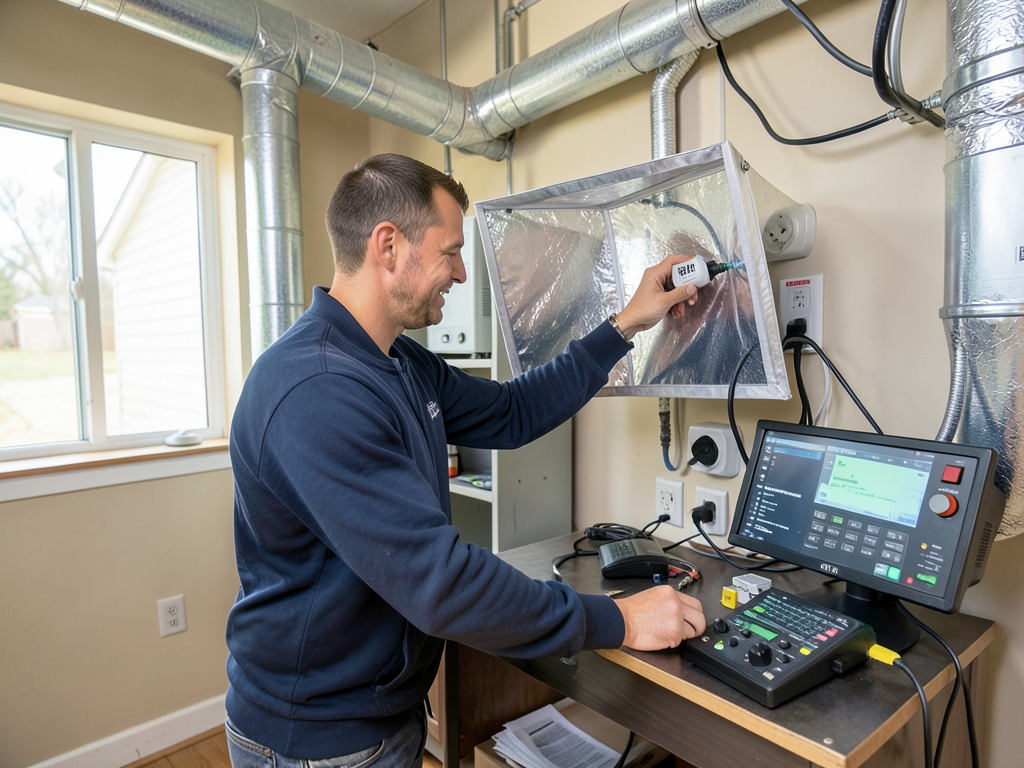
How Air Balancing Makes Every Room the Same Temperature in Your South Park Ranch Home If you live in a South Park ranch home built in the 1960s or 1970s, you know the struggle. One…
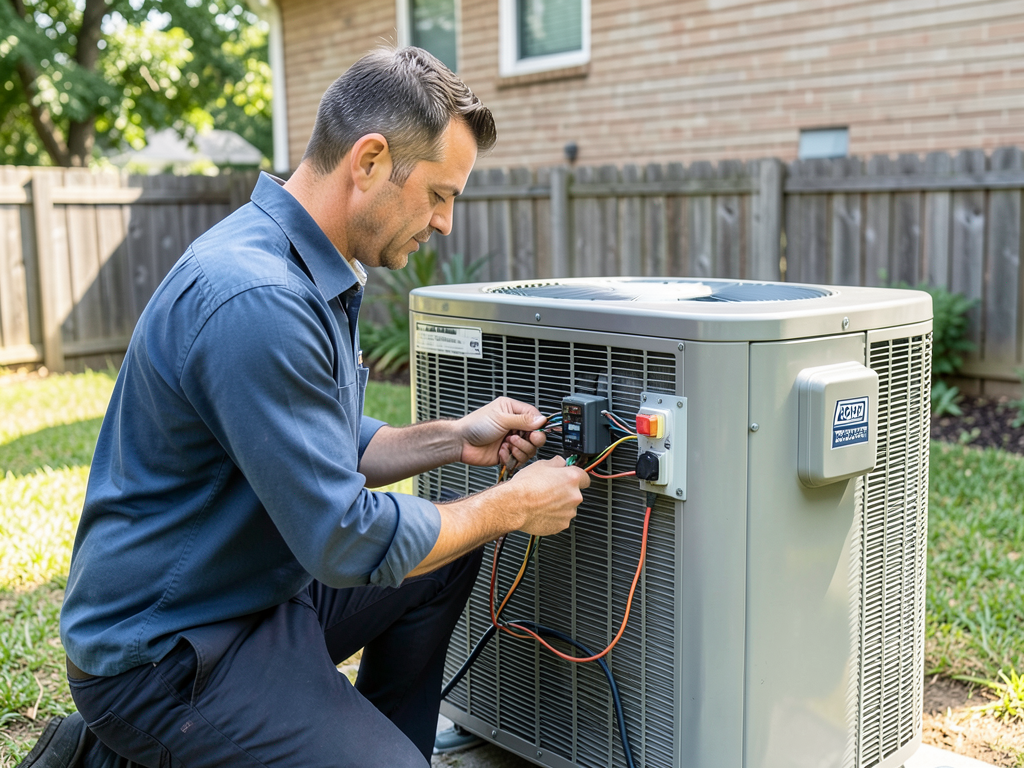
Preparing Your HVAC System to Run on a Whole-Home Generator in Park Ten Power outages…
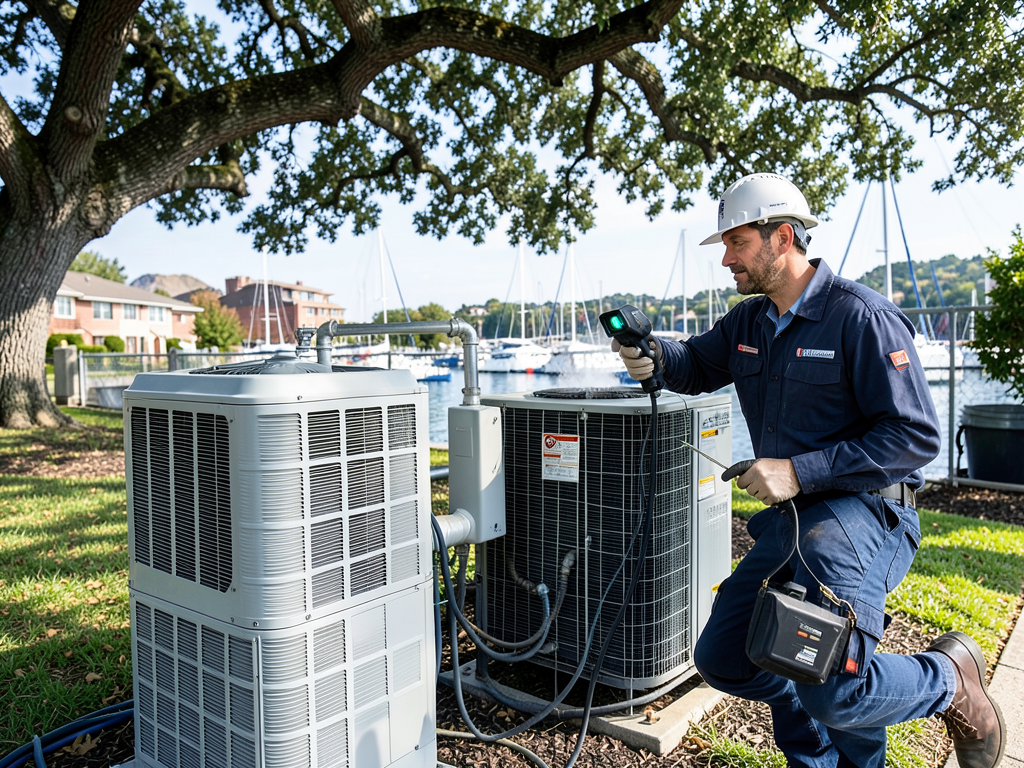
How Mature Tree Shade Impacts Your AC Performance and Efficiency in Denver Harbor Denver Harbor’s…
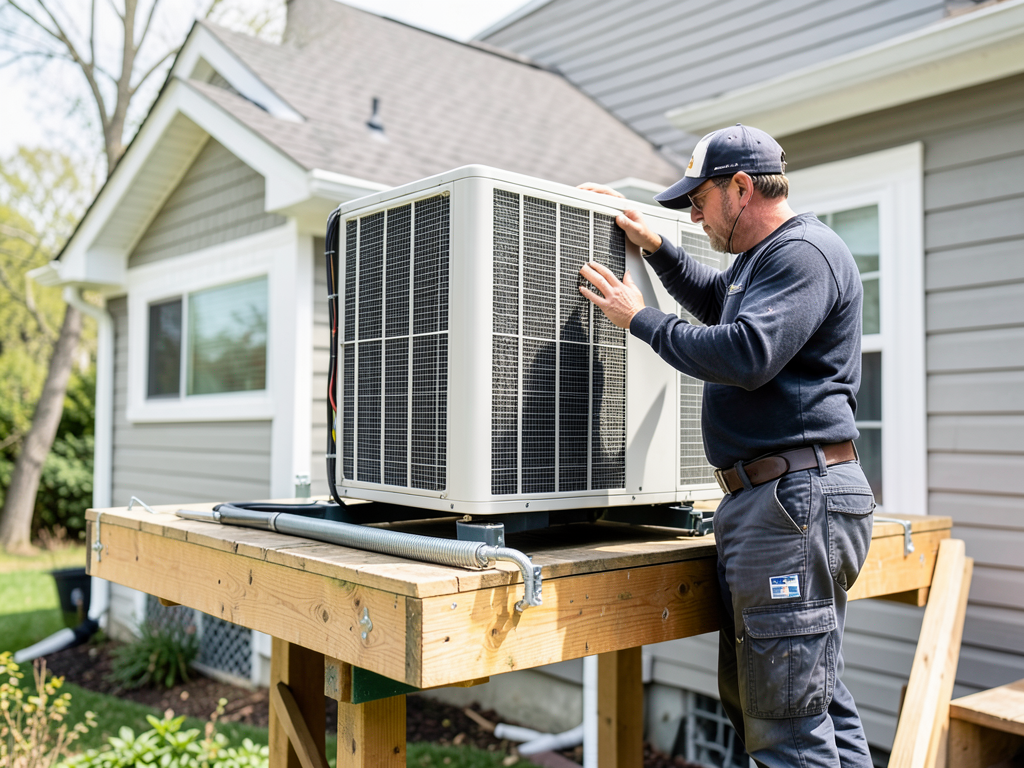
Everything You Need to Know About HVAC Permits and Building Codes in Willowbrook Installing a…
Stop suffering in the heat or cold. Call Titan HVAC Houston now at (281) 552-7766 for fast service across Sugar Land. Our technicians are ready to diagnose your problem and get your system running right. Same-day appointments available for emergencies.