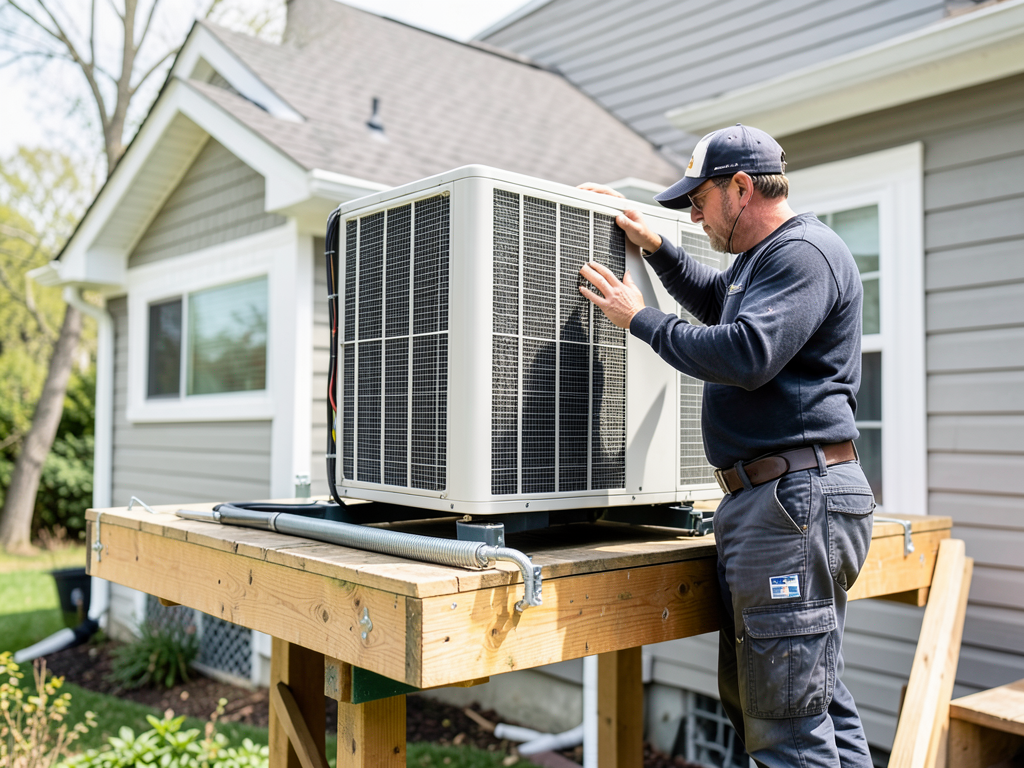





Gas Furnace Leak Repair in Houston – Emergency Response in Under 60 Minutes

When you smell gas or suspect a furnace leak, every minute counts. Titan HVAC Houston dispatches certified technicians to your location immediately, equipped to diagnose, repair, and restore safe operation before the situation escalates.

Slider Image 1
Slider Image 2
Slider Image 3
Slider Image 4
Slider Image 5
Slider Image 7
Slider Image 8
Slider Image 9
Slider Image 10
Slider Image 11

Why Gas Furnace Leaks Are a Critical Emergency in Houston Homes

You smell sulfur. The detector screams. Your chest tightens. A gas furnace leak is not a maintenance issue. It is an immediate threat to your family and property.

Houston's climate creates unique stress on HVAC systems. We run furnaces during brief cold snaps, then they sit dormant for months in extreme heat and humidity. This cycle causes rubber seals to dry out, joints to weaken, and corrosion to spread faster than in temperate climates. When you fire up the furnace in January after a 90-degree Christmas, decades-old gas line connections may fail without warning.

Natural gas is odorless. Suppliers add mercaptan so you can detect leaks. If you smell rotten eggs near your furnace, you need emergency furnace gas leak service right now. Do not investigate. Do not try to fix a gas leak in the furnace yourself. Open windows, evacuate, and call from outside.

Gas leaks can ignite from a pilot light, a spark from an electrical switch, or static discharge. They can cause carbon monoxide poisoning if combustion is incomplete. In Houston's older neighborhoods like the Heights or Montrose, original gas lines installed in the 1940s may have corroded fittings or outdated materials that fail under modern pressure standards.

A furnace gas line leak repair is not a DIY project. The risk is too high. You need a licensed technician who can shut off the gas supply, locate the breach, test for additional weak points, and restore safe operation under Houston building codes. Every hour you wait increases the danger.

Why Gas Furnace Leaks Are a Critical Emergency in Houston Homes
How We Isolate and Repair Gas Leaks in Your Furnace System

How We Isolate and Repair Gas Leaks in Your Furnace System

When you call Titan HVAC Houston for a gas heater leak repair, our first priority is containment. We arrive with combustible gas detectors, pressure gauges, and replacement parts for common failure points. We do not guess. We measure.

First, we shut off the gas supply at the furnace and at the meter if needed. We ventilate the area and use electronic leak detectors to pinpoint the exact location of the breach. Gas leaks often occur at threaded connections, flex line couplings, or the union between the gas valve and the burner manifold. We check every joint from the meter to the heat exchanger.

Once we locate the leak, we assess whether the component can be repaired or must be replaced. A cracked heat exchanger requires full replacement. A loose fitting can be retightened with thread sealant rated for natural gas. A corroded gas valve gets swapped with an OEM part that matches your furnace make and model.

We do not use Teflon tape on gas fittings. We use yellow thread sealant designed for natural gas and LP applications. We torque fittings to manufacturer specs, not beyond. Over-tightening causes future cracks.

After the repair, we pressurize the line and apply leak detection fluid to every connection. We wait. Bubbles mean failure. No bubbles mean we proceed to the next check. We then restore gas flow, relight the pilot or ignition system, and monitor combustion with a flue gas analyzer. We measure oxygen levels, carbon monoxide output, and flame characteristics. If readings are outside acceptable limits, we trace the root cause before releasing the system back to you.

This is how you repair gas leak on furnace equipment without cutting corners.

What Happens During Your Emergency Gas Leak Service Call

Gas Furnace Leak Repair in Houston – Emergency Response in Under 60 Minutes
01

Immediate Dispatch and Safety Lockout

You call. We dispatch within minutes. Our technician confirms your address and instructs you to evacuate if you have not already. We arrive with tools to shut off gas at the furnace valve and meter if necessary. We ventilate the space and use a combustible gas detector to measure concentration levels before proceeding. Your safety is non-negotiable.
02

Leak Detection and Diagnosis

We trace the gas line from the meter to the furnace cabinet. We inspect the flex connector, union joints, gas valve, burner manifold, and heat exchanger. We apply pressure tests and leak detection solution to every fitting. We identify not just the active leak but any weak points that could fail next. You get a full diagnosis, not a patch job.
03

Repair, Testing, and Safe Restart

We replace or reseal the failed component using gas-rated materials. We pressurize the line and verify zero leakage. We restore gas flow and test ignition, burner flame, and combustion efficiency. We measure carbon monoxide output to confirm safe operation. Before we leave, your furnace is running correctly and all safety checks pass. You get documentation of the repair.

Why Houston Families Trust Titan HVAC for Furnace Gas Line Leak Repair

Gas work is not universal. Houston operates under amendments to the International Fuel Gas Code and local permitting rules enforced by the city's Building Inspection Division. Not all HVAC companies understand these requirements. We do.

Our technicians are trained on residential gas systems common to Houston housing stock. We work on older Bryant and Rheem furnaces installed in 1980s ranch homes in Pearland. We service modern high-efficiency Lennox and Carrier units in new construction across Katy and Sugar Land. We know the difference between natural gas and LP setups, and we carry parts for both.

We also understand the risks specific to this region. Houston's humidity accelerates corrosion on gas fittings. Our summer heat causes thermal expansion that can loosen threaded connections over time. When cold snaps hit, homeowners fire up furnaces that have sat idle for months, and latent issues become active emergencies.

When you need to fix a gas leak in a furnace, you need someone who responds fast and works correctly the first time. We do not send undertrained apprentices to gas leak calls. We send experienced technicians who can handle the full scope of diagnosis, repair, and testing without callbacks or delays.

We also work directly with your insurance provider if the leak caused property damage or if you need documentation for claims. We know what adjusters require. We provide itemized invoices, photos of the failed component, and written summaries of the repair process.

You will not get this level of service from a handyman or a cut-rate coupon company. Gas leaks demand expertise. Titan HVAC Houston delivers it.

What to Expect When You Call for Emergency Gas Leak Service

Response Time and Availability

We answer emergency calls 24 hours a day, seven days a week. When you call with a gas leak, we prioritize your call above routine service requests. Our average dispatch time is under 60 minutes for emergency gas furnace repairs in the greater Houston metro. We serve all of Harris County, Fort Bend County, and surrounding areas. You will not wait until tomorrow. You will not get voicemail. You get a live dispatcher who coordinates immediate response.

Diagnostic Process and Transparency

Before we begin any repair, we walk you through what we found. We show you the failed component, explain why it failed, and outline the repair process. We provide upfront pricing before we proceed. You will know what the repair costs and what it includes. If additional issues exist, we explain those separately. You approve the work. We do not add hidden fees or upsell unnecessary services during an emergency.

Quality of Repair and Materials

We use OEM or equivalent parts rated for natural gas and LP applications. We do not use universal adapters or generic fittings that might work temporarily but fail under pressure. Every connection is sealed with yellow gas-rated thread sealant or approved tape where applicable. Every repair is pressure-tested. Every furnace is monitored during startup to confirm safe combustion. You get a repair that meets code and lasts.

Follow-Up and Maintenance Recommendations

After the emergency repair, we provide a written summary of what we fixed and what you should monitor. If your furnace is older or if we identified additional wear, we explain your options. We offer annual maintenance plans that include gas line inspections, combustion analysis, and early detection of potential failures. Preventing the next emergency is smarter than reacting to it. We help you stay ahead of problems.

Frequently Asked Questions

You Have Questions,
We Have Answers

How much does it cost to fix a furnace leak? +

Gas furnace leak repair costs in Houston typically range from $150 for a simple valve replacement to $1,500 for heat exchanger repairs. Most emergency service calls start around $200. The final price depends on the leak source, part availability, and labor time. Houston's high humidity can accelerate corrosion in older furnaces, sometimes requiring more extensive work. A cracked heat exchanger often means replacement instead of repair. Get a diagnostic assessment first. Techs will pressure-test your system and pinpoint the exact leak before quoting. Emergency calls outside business hours cost more, but safety comes first.

Can I fix a furnace leak myself? +

No. Never attempt to fix a gas furnace leak yourself. Natural gas is explosive and odorless without the added mercaptan smell. One spark from a tool or static electricity can ignite leaked gas. You risk carbon monoxide poisoning, fire, or explosion. Texas law requires licensed HVAC technicians to work on gas appliances. DIY repairs void your warranty and violate building codes. If you smell gas in your Houston home, leave immediately. Do not flip light switches or use your phone inside. Call 911 and your gas company from outside. Let trained professionals handle all gas leak repairs.

Do you have to pay to fix a gas leak? +

Yes. You pay for gas furnace leak repairs unless your utility company owns the equipment or the leak occurs on their side of the meter. CenterPoint Energy handles leaks in their gas lines outside your home at no charge. Once gas enters your property through the meter, you own the pipes and appliances. Emergency service calls cost extra but prevent disaster. Some HVAC companies in Houston offer flexible payment plans for urgent repairs. Do not delay repairs to save money. Gas leaks worsen fast and create life-threatening hazards. Get quotes from licensed contractors and prioritize safety over cost.

Whose responsibility is it to fix a gas leak? +

Homeowners are responsible for gas leaks inside their property line, including all furnace components and interior gas lines. CenterPoint Energy owns and maintains the gas main, service line to your meter, and the meter itself. If you smell gas near your meter or street, call CenterPoint immediately for free emergency service. Leaks downstream from the meter, including your furnace, fall on you. Landlords must repair gas leaks in rental properties under Texas law. In Houston's humid climate, furnace leaks often stem from corroded fittings or cracked heat exchangers. Schedule annual inspections to catch problems early.

Does homeowners insurance cover furnace leaks? +

Homeowners insurance may cover sudden, accidental furnace leaks, but rarely covers leaks from wear, poor maintenance, or aging equipment. Policies typically exclude gradual damage. If a covered peril like a storm causes the leak, you might get reimbursed after your deductible. Review your policy's equipment breakdown or systems coverage. Many Houston insurers exclude HVAC systems older than 15 years. Document everything with photos and repair estimates. File claims promptly. Most denials come from lack of maintenance records. Keep annual service receipts to prove you maintained your furnace properly.

Is it cheaper to fix a furnace or replace it? +

If repair costs exceed half your furnace's replacement cost, replace it. Houston's humidity shortens furnace lifespan to 12-15 years versus the national 15-20 years. A cracked heat exchanger in an older unit almost always means replacement because the part costs more than a new system. Simple fixes like valve replacements or igniter repairs make sense. Calculate repair costs against energy savings from a new high-efficiency unit. New furnaces reduce utility bills by 20-30 percent. Factor in rebates from CenterPoint Energy and federal tax credits. Replace if your furnace is over 12 years old and needs major work.

What is the $5000 rule for HVAC? +

The $5,000 rule helps you decide between repairing or replacing HVAC equipment. Multiply your system's age by the repair cost. If the result exceeds $5,000, replace it. Example: A 10-year-old furnace needs $600 in repairs. 10 x $600 equals $6,000, so replace it. This rule accounts for age-related efficiency loss and future repair likelihood. Houston's harsh summer heat and high humidity stress HVAC systems year-round, making this calculation especially relevant. Older units require more frequent repairs. New systems come with warranties and lower energy bills. Use this guideline alongside contractor recommendations.

Is it safe to stay in house with a gas leak? +

No. Evacuate immediately if you smell gas. Natural gas displaces oxygen and causes asphyxiation in enclosed spaces. Concentrations between 5-15 percent become explosive with any ignition source. Do not turn lights on or off, use your phone inside, start your car in the garage, or operate any electrical device. These create sparks that ignite gas. Leave doors open as you exit to ventilate. Call 911 and CenterPoint Energy from outside. Do not re-enter until professionals clear your home. Houston's tight construction and AC use trap gas indoors faster than older, draftier homes. Never wait to see if the smell goes away.

What is the most common furnace failure? +

Cracked heat exchangers cause the most dangerous furnace failures in Houston. The heat exchanger separates combustion gases from breathable air. Cracks let carbon monoxide leak into your home. High humidity accelerates metal corrosion and stress fractures in older units. Other common failures include failed igniters, dirty flame sensors, and clogged condensate drains. Preventable neglect like dirty filters forces furnaces to overwork and fail early. Annual inspections catch cracks before they become lethal. Install carbon monoxide detectors on every floor. Replace detectors every seven years. Never ignore yellow flames, soot buildup, or strange odors from your furnace.

Does homeowners insurance cover gas leaks? +

Homeowners insurance covers gas leaks only if they result from sudden, covered perils like storms or vandalism. Policies exclude damage from neglect, wear, corrosion, or deferred maintenance. Most carriers deny claims for aging furnaces or corroded gas lines. Read your policy's exclusions section carefully. Some policies offer optional equipment breakdown coverage that includes gas appliances. Houston's humidity causes faster corrosion, making maintenance records critical for claims approval. Insurers require proof you serviced your furnace annually. Keep receipts from licensed HVAC companies. Gas explosions from leaks may trigger dwelling coverage, but prevention costs far less than rebuilding.

Why Houston's Humidity and Heat Cycles Make Gas Furnace Leaks More Common

Houston runs hot and wet for nine months, then cold for a few weeks. This thermal cycling causes metal fittings to expand and contract, loosening threaded connections over time. Humidity accelerates oxidation on steel gas lines, especially in older homes where galvanized pipe was standard. When you fire up a furnace after months of disuse, those weakened joints can fail. Annual inspections catch corrosion before it becomes a leak, but most homeowners skip them until they smell gas.

Titan HVAC Houston has been repairing gas furnaces across Harris County for years. We know the building codes. We know the common failure points in the housing stock that defines neighborhoods like Bellaire, Memorial, and Clear Lake. We work with local inspectors when permits are required. We understand what Houston homeowners face when a furnace fails in January, and we respond accordingly. Choosing a local company means choosing someone who knows your home and your risk factors.
HVAC Services in The Houston Area

Titan HVAC is proud to serve Houston and the surrounding areas with expert heating and cooling solutions. Our central location allows us to respond quickly to both residential and commercial clients. Whether you need an emergency fix or scheduled service, we’re never far away. Explore our service area and see how close comfort really is. We're just a call or click away—connect with us today.

Address:
Titan HVAC Houston, 3730 Kirby DrHouston, Houston, TX, 77098

Additional Services We Offer

Our news updates

Latest Articles & News from The Blogs

Updating the HVAC in an Eastwood Brick Bungalow Without Ruining the Character Eastwood’s brick bungalows built in the 1920s and…

Updating the HVAC in an Eastwood Brick Bungalow Without Ruining the Character

Updating the HVAC in an Eastwood Brick Bungalow Without Ruining the Character Eastwood’s brick bungalows built in the 1920s and…

Clever Ways to Hide an Outdoor AC Unit Without Breaking Woodlands HOA Rules

Clever Ways to Hide an Outdoor AC Unit Without Breaking Woodlands HOA Rules Living in The Woodlands means enjoying tree-lined…

Why a Radiant Barrier Might Be the Missing Piece for Your Aliana AC System

Why a Radiant Barrier Might Be the Missing Piece for Your Aliana AC System If your Aliana home feels like…

Contact Us

If you smell gas, evacuate and call (281) 552-7766 immediately. Titan HVAC Houston dispatches emergency technicians across Houston 24/7. Do not wait. Do not investigate. Let us handle it safely.