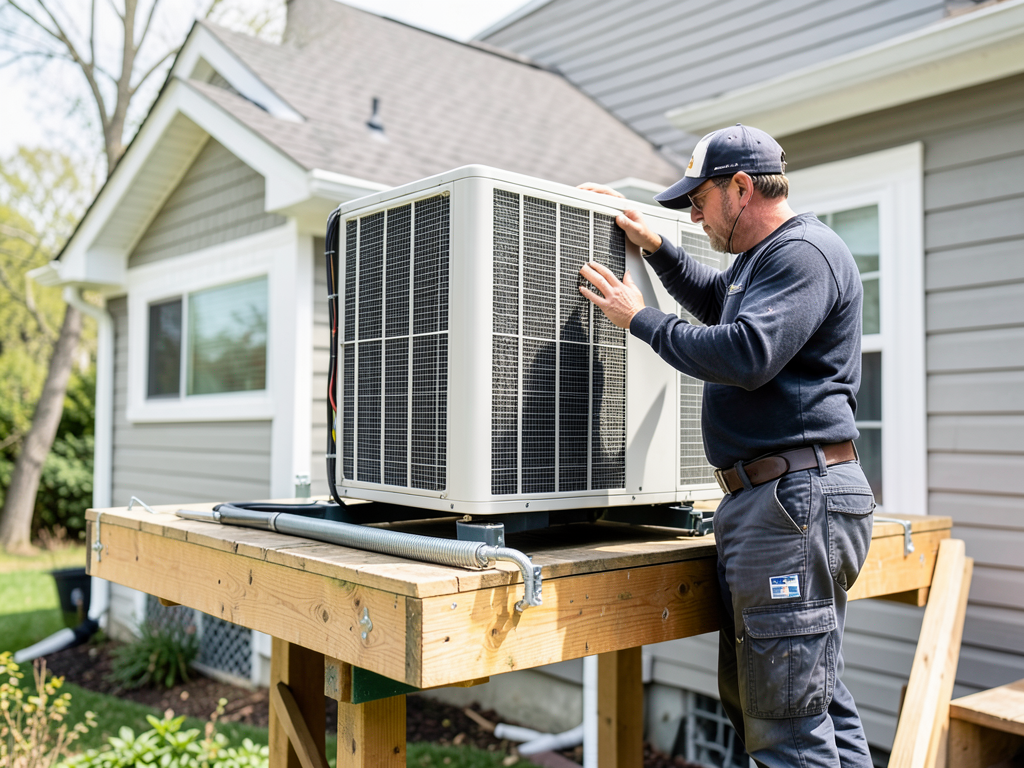





Humidity Issues Indoors in Houston – Expert Diagnosis and Proper Solutions for High Indoor Moisture

Titan HVAC Houston identifies the root cause of humidity issues indoors using precision testing, then implements the right dehumidification, ventilation, and HVAC system modifications to restore comfort and protect your home from mold and structural damage.

Slider Image 1
Slider Image 2
Slider Image 3
Slider Image 4
Slider Image 5
Slider Image 7
Slider Image 8
Slider Image 9
Slider Image 10
Slider Image 11

Why Houston Homes Struggle with High Indoor Humidity Year-Round

Houston sits in a humid subtropical climate where outdoor relative humidity routinely exceeds 75 percent, especially from May through October. When you combine that with poorly sized HVAC equipment, inadequate ventilation, and homes sealed tight for energy efficiency, you create the perfect environment for indoor moisture problems.

High humidity in house becomes more than a comfort issue. It triggers mold growth on drywall, warps hardwood floors, creates musty odors, and forces your air conditioning system to work harder without actually solving the problem. You might notice condensation on windows, clammy air that never feels cool even when the thermostat reads 72 degrees, or allergies that worsen indoors.

Excess indoor moisture also accelerates the deterioration of insulation and framing lumber. In neighborhoods like Montrose, the Heights, and West University, older homes with crawl spaces or pier-and-beam foundations face additional challenges. Moisture wicking up from the ground compounds the humidity load your HVAC system must manage.

Poor humidity control is often misdiagnosed. Many homeowners assume their air conditioner is broken when in reality the system is undersized, the ductwork leaks conditioned air into the attic, or the thermostat cycles the system off before the evaporator coil can remove enough moisture. High indoor humidity levels require a diagnostic approach that examines the entire building envelope, not just the equipment.

Understanding the specific causes in your home is the first step toward a permanent fix.

Why Houston Homes Struggle with High Indoor Humidity Year-Round
How We Solve High Humidity in House Through Targeted HVAC Solutions

How We Solve High Humidity in House Through Targeted HVAC Solutions

Titan HVAC Houston starts with a comprehensive indoor air quality assessment using calibrated hygrometers and thermal imaging cameras. We measure relative humidity in every room, check temperature differentials, and inspect your HVAC system for oversizing, short cycling, and airflow restrictions.

Oversized air conditioners are a common culprit. When a system cools the home too quickly, it shuts off before the evaporator coil can pull enough moisture from the air. We perform Manual J load calculations to determine if your current equipment matches your home's actual cooling and dehumidification needs.

We also inspect ductwork for leaks, especially in unconditioned attics where 120-degree temperatures create massive pressure imbalances. Sealing ducts with mastic and metal-backed tape recovers lost capacity and ensures conditioned air reaches living spaces instead of heating your attic.

For homes where the air conditioner alone cannot handle the moisture load, we recommend whole-home dehumidifiers installed directly into the duct system. These units work in tandem with your HVAC system, removing moisture independently of cooling cycles. We size dehumidifiers based on your home's square footage, occupancy, and local climate data.

Ventilation upgrades also play a role. We install energy recovery ventilators that exhaust stale, humid air while pre-conditioning incoming fresh air. This maintains indoor air quality without introducing additional moisture.

Our approach is methodical. We do not guess. We test, calculate, and prescribe solutions based on building science and psychrometric principles. The result is balanced humidity between 40 and 50 percent relative humidity, which protects your home and improves comfort.

How We Diagnose and Fix Your Indoor Moisture Problems

Humidity Issues Indoors in Houston – Expert Diagnosis and Proper Solutions for High Indoor Moisture
01

Detailed Moisture Assessment

Our technician measures relative humidity in each room using calibrated instruments, checks for condensation on windows and ductwork, and inspects your HVAC system for short cycling. We also use thermal imaging to identify temperature anomalies that indicate poor insulation or duct leaks. This step reveals whether your humidity problem stems from equipment issues, building envelope failures, or ventilation deficiencies.
02

System Performance Testing

We test your air conditioner's latent cooling capacity by measuring supply air temperature and humidity before and after the evaporator coil. We inspect airflow across the coil, check refrigerant charge, and verify the blower motor runs at the correct speed. If your system oversizes for your home, we document the mismatch and explain why short cycling prevents proper dehumidification.
03

Solution Implementation and Verification

Based on test results, we install the appropriate solution, whether that means adding a whole-home dehumidifier, sealing ductwork, upgrading to variable-speed equipment, or improving ventilation. After installation, we retest humidity levels throughout your home to confirm the system maintains balanced moisture control. You receive documentation showing before-and-after measurements so you know the problem is solved.

Why Titan HVAC Houston Understands High Indoor Humidity Levels Better Than National Chains

National HVAC companies often apply cookie-cutter solutions that ignore Houston's unique climate challenges. They replace equipment without diagnosing why the original system failed to control moisture. Titan HVAC Houston approaches every job with a building science perspective, recognizing that high indoor humidity levels result from interactions between your HVAC system, building envelope, and local weather patterns.

We understand that Houston's dew point routinely sits above 70 degrees during summer months, which means outdoor air contains enormous amounts of water vapor. Bringing in outside air for ventilation without conditioning it first floods your home with moisture. We design ventilation strategies that account for this reality.

Our technicians also recognize that Houston's clay soil causes foundation movement, which creates gaps around windows, doors, and penetrations where humid outdoor air infiltrates your home. We identify these entry points during our assessment and recommend targeted air sealing alongside HVAC improvements.

Experience with local construction practices matters. Many Houston homes built before 2000 lack proper vapor barriers in crawl spaces or attics. Newer homes may have spray foam insulation that seals the building envelope so tightly that mechanical ventilation becomes necessary. We tailor solutions to your home's specific construction and age.

We also stay current with Houston's building codes and understand how amendments to the International Residential Code affect HVAC sizing and ventilation requirements. This ensures your system meets code and performs optimally in our climate.

Choosing a local company means working with technicians who see the same humidity challenges every day and know which solutions work long-term.

What You Can Expect When You Call Titan HVAC Houston for Indoor Moisture Problems

Fast Scheduling and Transparent Communication

We schedule diagnostic visits within two business days because we know high humidity in house affects your health and comfort immediately. During your first call, we ask specific questions about your symptoms so our technician arrives prepared with the right diagnostic tools. We provide a two-hour arrival window and call 30 minutes before we arrive. After the assessment, we explain our findings in plain language and provide a written estimate before starting any work.

Comprehensive Humidity and HVAC System Evaluation

Our diagnostic process takes 60 to 90 minutes. We measure humidity levels in multiple rooms, test your HVAC system's cooling and dehumidification performance, inspect ductwork for leaks, and evaluate your home's ventilation. We also check thermostat settings, air filter condition, and refrigerant charge. You receive a detailed report showing current humidity levels, equipment performance data, and specific recommendations ranked by priority. We explain the root cause of your excess indoor moisture, not just the symptoms.

Solutions That Restore Balanced Indoor Humidity

After implementing our recommended solution, your home will maintain relative humidity between 40 and 50 percent year-round. You will notice cooler air that feels more comfortable, elimination of musty odors, and reduced condensation on windows. Mold growth stops when moisture levels drop below 60 percent. We verify performance by retesting humidity levels in every room before we leave. Your HVAC system will also run more efficiently because it no longer struggles against an impossible moisture load.

Ongoing Support and Maintenance Plans

Poor humidity control often returns if HVAC systems are not maintained properly. We offer maintenance plans that include biannual inspections where we verify your dehumidification equipment functions correctly, check humidity levels throughout your home, and clean evaporator coils to maintain latent cooling capacity. During maintenance visits, we also replace air filters, inspect ductwork, and recalibrate humidity controls. Regular maintenance prevents small issues from becoming major problems and extends the life of your equipment.

Frequently Asked Questions

You Have Questions,
We Have Answers

How to fix humidity inside a house? +

Start by running your AC more often. Houston's Gulf Coast humidity makes cooling systems work double duty to pull moisture out of the air. Install a whole-home dehumidifier if your AC alone cannot keep levels below 50%. Check for duct leaks that let humid attic air seep into living spaces. Run bathroom and kitchen exhaust fans during and after showers or cooking. Seal crawl spaces with vapor barriers. If the problem persists after these steps, you need a professional HVAC inspection. Your system may be oversized, causing short cycling that cools fast but does not remove moisture.

What are the symptoms of too much humidity in your house? +

You will notice condensation on windows, especially in the morning. Walls and ceilings feel damp or clammy to the touch. Musty odors develop in closets and bathrooms. Wood floors begin to warp or cup. You may see visible mold spots on walls, grout, or ceiling corners. Allergy symptoms worsen indoors with increased sneezing, coughing, or itchy eyes. Paint may peel or bubble on interior walls. Metal fixtures show rust or corrosion faster than normal. Dust mites thrive above 50% humidity, triggering respiratory issues. Houston homes fight these symptoms year-round due to constant Gulf moisture.

Is 70% humidity in a house bad? +

Yes. Indoor humidity should stay between 30% and 50% for comfort and health. At 70%, you create ideal conditions for mold growth, dust mites, and bacteria. Wood furniture swells and warps. Your AC works harder but cannot remove enough moisture because the air is saturated. You feel sticky and uncomfortable even at cooler temperatures. Houston's climate already pushes outdoor humidity near 90% in summer, so your HVAC system must work aggressively to keep indoor levels safe. Prolonged exposure to 70% humidity damages drywall, insulation, and structural wood. Address this immediately before mold becomes a serious problem.

Why is my house at 67% humidity? +

Your AC may be undersized for Houston's extreme humidity loads. Duct leaks let hot, humid attic air infiltrate your living space. Poor attic ventilation traps moisture that migrates downward through ceiling penetrations. You may have a plumbing leak inside walls or under slabs, common with Houston's shifting clay soil. Oversized AC units cool too quickly and shut off before completing full dehumidification cycles. Lack of exhaust ventilation in bathrooms and kitchens traps moisture indoors. Crawl spaces without vapor barriers allow ground moisture to rise. A professional load calculation and duct inspection will identify the root cause.

Can mold grow in 50% humidity? +

Mold can grow at 50% humidity if other conditions align, but growth is slow and limited. Most mold species thrive between 60% and 80% humidity. At 50%, you are on the edge of the safe zone. The real risk comes from localized moisture pockets. A bathroom at 50% average humidity may spike to 70% after showers. Cold surfaces like AC vents create condensation even when room humidity reads 50%. Houston homes face constant moisture pressure from outside, so maintaining 50% or lower gives you a safety buffer. Keep levels closer to 40% during summer months for better mold prevention.

Do dehumidifiers really work for humidity? +

Yes, when sized and placed correctly. Portable dehumidifiers work well for single rooms or basements but cannot handle whole-home humidity in Houston's climate. Whole-home dehumidifiers integrate with your HVAC system and remove 90 to 130 pints per day, maintaining consistent levels throughout the house. They address the root problem rather than masking symptoms. Portable units require frequent emptying and only treat localized moisture. Houston's year-round humidity demands a permanent solution. Dehumidifiers work by cooling air below the dew point, condensing moisture, then reheating the air before returning it to your space. They dramatically reduce mold risk and improve indoor comfort.

What is dangerously humid indoors? +

Anything above 60% humidity indoors is dangerous for health and home structure. Mold growth accelerates rapidly above this threshold. Dust mites multiply, triggering asthma and allergies. Wood framing begins to rot in hidden wall and ceiling cavities. At 70% or higher, you face serious health risks and expensive structural repairs. Houston's outdoor humidity regularly exceeds 80%, making indoor control critical. Vulnerable populations, including children, elderly residents, and people with respiratory conditions, suffer most. Dangerous humidity also ruins electronics, causes paint failure, and attracts pests like silverfish and termites. Maintain indoor humidity between 30% and 50% to protect your investment and health.

Does opening a window reduce humidity? +

Not in Houston. Opening windows usually makes indoor humidity worse because outdoor air is more humid than conditioned indoor air, especially during summer months. You defeat your AC system by introducing hot, saturated air that your equipment must then cool and dry. Opening windows works in dry climates or during winter cold fronts when outdoor humidity drops. In Houston's Gulf Coast environment, keep windows closed and let your HVAC system do its job. The exception is during rare dry spells in fall or spring when outdoor humidity drops below indoor levels. Otherwise, you waste energy and increase moisture problems.

How to tell if humidity is too high in a house? +

Buy a hygrometer to measure actual humidity levels. They cost less than $20 and provide accurate readings. Look for condensation on windows, mirrors, or metal fixtures. Touch interior walls. If they feel damp or cool to the touch, humidity is too high. Check for musty odors in closets and cabinets. Inspect bathroom grout and ceiling corners for black mold spots. Notice if you feel sticky or uncomfortable even when the AC is running. Wood floors that cup or buckle signal chronic moisture problems. Houston homeowners should monitor humidity year-round, aiming for 40% to 50% during summer and 30% to 40% in winter.

Why is my house so humid all of a sudden? +

A sudden humidity spike points to a specific failure. Your AC may have stopped dehumidifying due to a frozen evaporator coil, refrigerant leak, or failed compressor. Check for plumbing leaks under sinks, behind toilets, or in water heater connections. Houston's clay soil shifts constantly, cracking slab foundations and causing hidden leaks. Recent weather changes bring moisture surges that overwhelm undersized equipment. Duct disconnections in the attic let humid air pour into living spaces. Exhaust fans that stopped working trap bathroom and kitchen moisture indoors. Schedule immediate HVAC diagnostics to prevent mold growth and structural damage.

How Houston's Coastal Climate Makes Humidity Issues Indoors a Year-Round Problem

Houston's proximity to the Gulf of Mexico creates persistent moisture challenges that inland cities do not face. Marine air masses push humidity levels above 70 percent even during winter months when temperatures drop. This means your HVAC system must manage moisture loads year-round, not just during summer. Homes in areas like Clear Lake, Pearland, and League City face especially high humidity because they sit closer to the bay. The combination of warm Gulf water and prevailing southeast winds ensures outdoor dew points remain elevated from March through November, overwhelming undersized or poorly maintained HVAC systems.

Houston's building codes address moisture control, but enforcement varies across Harris, Fort Bend, and Montgomery counties. Titan HVAC Houston stays current with local amendments to mechanical codes and understands how inspectors interpret ventilation and dehumidification requirements. We also know which neighborhoods have older housing stock with inadequate moisture barriers and which newer developments used spray foam insulation that changed ventilation needs. This local expertise ensures your humidity solution meets code and performs reliably in Houston's climate.
HVAC Services in The Houston Area

Titan HVAC is proud to serve Houston and the surrounding areas with expert heating and cooling solutions. Our central location allows us to respond quickly to both residential and commercial clients. Whether you need an emergency fix or scheduled service, we’re never far away. Explore our service area and see how close comfort really is. We're just a call or click away—connect with us today.

Address:
Titan HVAC Houston, 3730 Kirby DrHouston, Houston, TX, 77098

Additional Services We Offer

Our news updates

Latest Articles & News from The Blogs

Updating the HVAC in an Eastwood Brick Bungalow Without Ruining the Character Eastwood’s brick bungalows built in the 1920s and…

Updating the HVAC in an Eastwood Brick Bungalow Without Ruining the Character

Updating the HVAC in an Eastwood Brick Bungalow Without Ruining the Character Eastwood’s brick bungalows built in the 1920s and…

Clever Ways to Hide an Outdoor AC Unit Without Breaking Woodlands HOA Rules

Clever Ways to Hide an Outdoor AC Unit Without Breaking Woodlands HOA Rules Living in The Woodlands means enjoying tree-lined…

Why a Radiant Barrier Might Be the Missing Piece for Your Aliana AC System

Why a Radiant Barrier Might Be the Missing Piece for Your Aliana AC System If your Aliana home feels like…

Contact Us

High humidity damages your home and affects your health every day you wait. Call Titan HVAC Houston at (281) 552-7766 right now for a comprehensive moisture assessment. We will identify the root cause and implement a solution that works.