
Why a Radiant Barrier Might Be the Missing Piece for Your Aliana AC System
If your Aliana home feels like an oven every summer and your AC runs nonstop, the problem might not be your air conditioner at all. Houston’s brutal heat combined with poorly insulated attics can push indoor temperatures to uncomfortable levels. A radiant barrier could be the missing piece that reduces your cooling load and extends your AC’s life without replacing the entire system.
Aliana’s master-planned community sits in a region where summer attic temperatures often exceed 150 degrees Fahrenheit. That heat radiates downward into your living space, forcing your AC to work harder than necessary. A radiant barrier reflects up to 97% of this radiant heat back toward the roof, keeping your attic and home cooler without touching your mechanical equipment.
How Radiant Barriers Work in Houston’s Climate
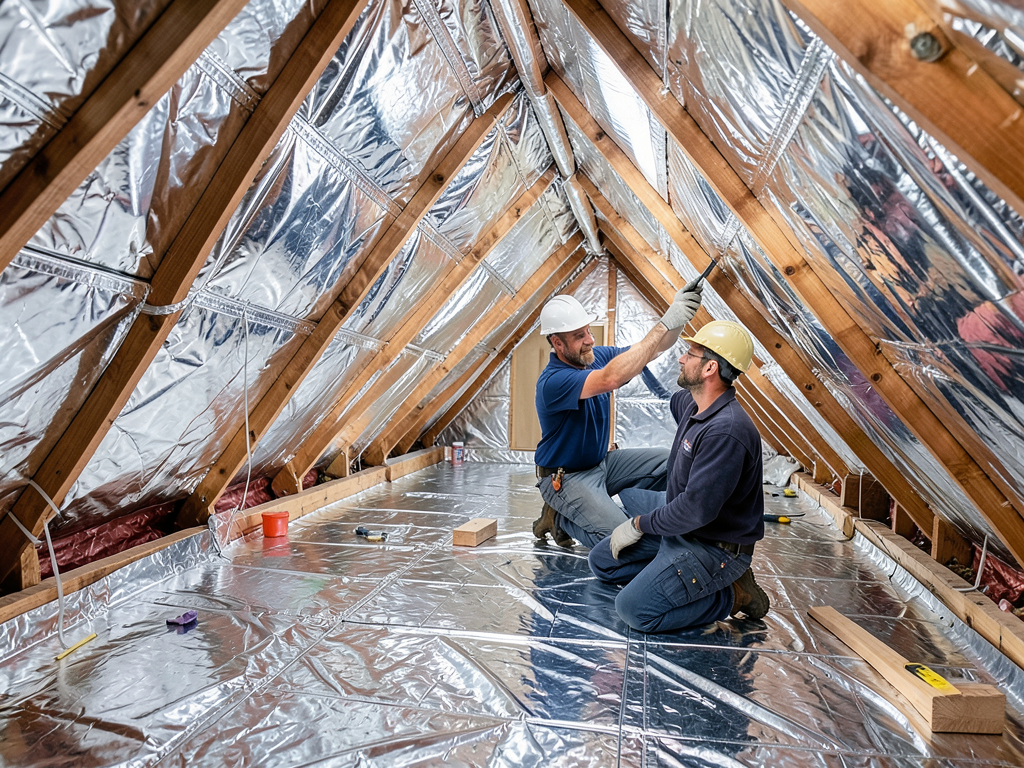
Radiant barriers consist of a highly reflective material, typically aluminum foil bonded to oriented strand board or plastic sheeting. Unlike traditional insulation that slows conductive heat transfer, radiant barriers block radiant heat gain before it enters your attic space. In Houston’s hot, humid climate, this difference matters significantly.
The science is straightforward. Heat travels through three mechanisms: conduction, convection, and radiation. Your attic primarily suffers from radiant heat transfer from the sun-baked roof. A properly installed radiant barrier interrupts this heat flow, reducing attic temperatures by 20 to 30 degrees Fahrenheit during peak summer hours.
According to the U.S. Department of Energy, radiant barriers are most effective in hot climates where cooling loads dominate. Houston’s design temperature of 97 degrees Fahrenheit for cooling makes this technology particularly valuable for Aliana homes.
Cost Comparison: Radiant Barrier vs. Full HVAC Upgrade
Replacing an entire HVAC system represents a major investment, often $8,000 to $15,000 for a typical Aliana home. A radiant barrier installation costs significantly less, usually $1,500 to $3,000 depending on your attic size and configuration. This cost difference makes radiant barriers an attractive first step before considering system replacement. What a New AC Installation Actually Costs in The Woodlands.
| Feature | Radiant Barrier | Full HVAC Upgrade |
|---|---|---|
| Initial Cost | $1,500 – $3,000 | $8,000 – $15,000 |
| Lifespan | 20+ years | 15-20 years |
| Energy Savings | 5-15% cooling costs | 20-40% total HVAC costs |
| Installation Time | 1-2 days | 2-5 days |
| Comfort Impact | Reduces attic heat gain | Improves overall system efficiency |
The return on investment varies based on your current system’s efficiency and your home’s construction. Homes with older, inefficient HVAC units often see the most dramatic improvements from radiant barriers since they reduce the cooling load significantly.
The Synergy Between Radiant Barriers and HVAC Systems
A radiant barrier doesn’t replace your need for a good HVAC system, but it can extend your current unit’s life by reducing its workload. When your attic stays cooler, your AC runs less frequently and for shorter cycles. This reduced runtime means less wear on compressors, fans, and other mechanical components.
During a recent diagnostic visit to an Aliana home on Firethorne Drive, our technician found an AC unit cycling constantly on 100-degree days. After installing a radiant barrier, the homeowner reported 30% fewer run hours and more consistent indoor temperatures. The AC no longer struggled to keep up with the heat gain.
This synergy becomes even more valuable when you consider Houston’s humidity. While radiant barriers block heat, they don’t address moisture control. Your HVAC system still handles dehumidification, but with less heat load to manage, it can focus more effectively on removing humidity from your indoor air.
Installation Considerations for Aliana Homes
Aliana’s newer construction typically features engineered trusses and open attic spaces that make radiant barrier installation straightforward. However, several factors affect performance and installation costs.
Roof pitch matters significantly. Steeper roofs create more surface area for heat gain, making radiant barriers more valuable. Most Aliana homes have 4:12 to 6:12 pitch roofs, which provides good coverage for barrier installation.
Existing insulation levels also impact effectiveness. A radiant barrier works best when combined with adequate attic insulation, typically R-30 to R-38 in Houston’s climate zone. If your home has minimal insulation, addressing both issues together provides maximum benefit.
Ventilation plays a crucial role. Radiant barriers should not block soffit vents or ridge vents. Proper attic ventilation allows hot air to escape, working in tandem with the barrier to keep your attic cool.
Local Rebates and Incentives
Houston-area homeowners can access several programs that make radiant barriers more affordable. CenterPoint Energy offers rebates for energy efficiency improvements, including radiant barriers when installed as part of a comprehensive energy audit.
The federal Energy Star tax credit program provides up to $500 for qualifying radiant barrier installations. These credits apply to materials purchased in 2026 and can significantly reduce your out-of-pocket costs.
Local utility companies occasionally offer additional incentives during peak summer months when energy demand strains the grid. These programs typically require pre-approval and professional installation to qualify for rebates.
Diagnostic Testing Before Installation
Before recommending a radiant barrier, a thorough diagnostic assessment helps determine if it’s the right solution for your specific situation. This process involves several key tests that experienced technicians perform on-site.
First, we conduct a thermal scan of your attic using infrared cameras. This reveals hot spots where heat accumulates most intensely. In Aliana homes, we often find temperatures exceeding 160 degrees Fahrenheit near roof peaks where ventilation is poorest.
Next, we measure your current insulation levels and check for air leaks around attic penetrations. Gaps around ductwork, plumbing vents, and electrical fixtures allow conditioned air to escape into the attic, reducing overall efficiency regardless of radiant barrier installation.
We also evaluate your existing HVAC system’s performance using Manual J load calculations to ensure your system is properly sized for your home’s needs. Sometimes, what appears to be a heat problem is actually an undersized or aging system.
Common Installation Mistakes to Avoid
Radiant barrier installation requires attention to detail to achieve maximum effectiveness. Several common mistakes can compromise performance and waste your investment.
Dust accumulation is a major concern. Over time, dust settles on the reflective surface, reducing its ability to reflect heat. Professional installers use dust-resistant coatings and ensure proper sealing to minimize this issue.
Improper ventilation placement can trap heat rather than allowing it to escape. Barriers should be installed with gaps at the eaves and ridge to maintain airflow paths. Blocking these pathways can actually increase attic temperatures.. Read more about Do Solar Screens Actually Help Your AC Work Better in Eldridge and West Oaks?.
Moisture management becomes critical in Houston’s humid climate. Without proper vapor barriers and ventilation, condensation can form on the underside of radiant barriers, leading to mold growth and structural damage.
Long-Term Benefits Beyond Energy Savings
The advantages of radiant barriers extend beyond monthly utility bills. Your HVAC system experiences less wear and tear when operating in a cooler attic environment, potentially extending its lifespan by several years.
Many Aliana homeowners report improved comfort throughout their homes after installation. Rooms that previously felt stuffy or hot become more livable, especially upstairs bedrooms that often suffer from heat gain through the ceiling.
Reduced attic temperatures also protect stored items from heat damage. Holiday decorations, seasonal clothing, and other belongings stay in better condition when not subjected to extreme temperature fluctuations.
The environmental impact matters too. Lower energy consumption means reduced carbon emissions and decreased demand on the power grid during peak summer hours when electricity is most expensive and least efficient to produce.
Is a Radiant Barrier Right for Your Home?
Radiant barriers work best for homes with certain characteristics. If your Aliana home has an unconditioned attic, experiences high cooling bills, or struggles with upstairs comfort, a radiant barrier likely provides significant benefits.
However, if your home already has excellent insulation and a modern, high-efficiency HVAC system, the incremental benefit might be smaller. In these cases, focusing on air sealing or ductwork improvements could provide better returns.
The age of your home also matters. Newer construction in Aliana typically includes better insulation standards than homes built before 2010. Older homes often see the most dramatic improvements from radiant barrier installation.
Climate plays a crucial role too. Houston’s long, hot summers make radiant barriers more cost-effective than in cooler regions where heating dominates energy use. The technology’s effectiveness increases with the number of cooling days per year.
Professional Installation vs. DIY
While radiant barriers seem simple, professional installation ensures optimal performance and warranty coverage. DIY installations often miss critical details that affect long-term effectiveness.
Professional installers understand local building codes, including Houston’s requirements for fire safety and proper ventilation. They also have access to commercial-grade materials with better reflectivity and durability than consumer products.
Safety considerations matter significantly. Working in hot attics requires proper equipment, fall protection, and knowledge of electrical systems. Professional teams complete installations safely and efficiently, often in a single day.
Most importantly, professional installation includes diagnostic testing before and after to verify performance improvements. This data helps you understand exactly how much energy and money you’re saving.
Maintenance and Longevity
Radiant barriers require minimal maintenance once properly installed. The reflective surface should be inspected annually for dust accumulation, damage from pests, or condensation issues. Most high-quality barriers maintain their effectiveness for 20 to 25 years.
During routine HVAC maintenance, technicians can check your radiant barrier’s condition and recommend cleaning if necessary. Dust can reduce reflectivity by up to 15% over time, so periodic maintenance ensures optimal performance.
Roof replacements present an opportunity to upgrade your radiant barrier. Since the barrier attaches to the roof deck or underside of the roof, replacing your roof allows installation of newer, more efficient barrier materials.
Combining Solutions for Maximum Impact
The most effective approach often combines radiant barriers with other energy efficiency improvements. Adding proper attic insulation, sealing air leaks, and upgrading to a high-efficiency HVAC system creates a comprehensive solution that addresses all heat transfer mechanisms.
Many Aliana homeowners start with a radiant barrier as a cost-effective first step, then plan for additional improvements as budget allows. This phased approach allows you to see immediate benefits while working toward long-term energy efficiency goals.
Smart thermostats complement radiant barriers by optimizing HVAC run times based on actual cooling needs rather than fighting excessive heat gain. Together, these technologies can reduce energy consumption by 30% or more. Why Your Memorial Home Needs a High-Efficiency AC Unit Right Now.
Frequently Asked Questions
How much can I expect to save on my energy bills?
Most homeowners see 5-15% reductions in cooling costs after installing a radiant barrier. The exact savings depend on your home’s construction, existing insulation levels, and local energy rates.
Will a radiant barrier make my home too cold in winter?
Radiant barriers work both ways, but in Houston’s mild winters, the heat retention benefit is minimal. The technology primarily addresses summer heat gain, which dominates our energy usage.
How long does installation take?
Most residential installations in Aliana homes take one to two days, depending on attic accessibility and the complexity of your roof structure.
Can I install a radiant barrier myself?
While DIY installation is possible, professional installation ensures proper ventilation, fire safety compliance, and optimal performance. The cost difference is often offset by better results and warranty coverage.
Does a radiant barrier qualify for any tax credits?
Yes, the federal Energy Star tax credit program offers up to $500 for qualifying radiant barrier installations in 2026. Local utility rebates may also be available.
Take the Next Step
Don’t let another Houston summer drain your wallet and compromise your comfort. A radiant barrier could be the missing piece that transforms your home’s energy efficiency without the cost of a full HVAC replacement.
Our team at Titan HVAC Houston specializes in comprehensive energy solutions for Aliana and surrounding communities. We’ll conduct a thorough diagnostic assessment to determine if a radiant barrier is right for your specific situation.
Call (281) 552-7766 today to schedule your free attic assessment. Our experienced technicians will evaluate your home’s unique needs and provide clear recommendations with upfront pricing. Stop suffering through another hot Houston summer and start enjoying lower energy bills and improved comfort.
Pick up the phone and call (281) 552-7766 before the next heat wave hits. Your comfort and your wallet will thank you.
{
“@context”: “https://schema.org”,
“@type”: “BlogPosting”,
“headline”: “Why a Radiant Barrier Might Be the Missing Piece for Your Aliana AC System”,
“description”: “Discover how radiant barriers can slash your Aliana energy bills by blocking attic heat. Learn the cost comparison vs. HVAC upgrades and local Houston rebates.”,
“wordCount”: 2019,
“datePublished”: “2026-05-15T10:58:00.000Z”,
“dateModified”: “2026-05-15T10:58:00.000Z”,
“inLanguage”: “en-US”,
“mainEntityOfPage”: {
“@type”: “WebPage”,
“@id”: “https://titanhvachouston.com”
},
“publisher”: {
“@type”: “LocalBusiness”,
“name”: “Titan HVAC Houston”,
“url”: “https://titanhvachouston.com”
},
“author”: {
“@type”: “Organization”,
“name”: “Titan HVAC Houston”,
“url”: “https://titanhvachouston.com”
},
“image”: {
“@type”: “ImageObject”,
“url”: “https://titanhvachouston.com/wp-content/uploads/2026/03/why-a-radiant-barrier-might-be-the-missing-piece-f-1.png”
}
}
{
“@context”: “https://schema.org”,
“@type”: “HVACBusiness”,
“name”: “Titan HVAC Houston”,
“url”: “https://titanhvachouston.com”,
“address”: {
“@type”: “PostalAddress”,
“addressLocality”: “Houston”
},
“areaServed”: {
“@type”: “City”,
“name”: “Houston”
}
}
{
“@context”: “https://schema.org”,
“@type”: “FAQPage”,
“mainEntity”: [
{
“@type”: “Question”,
“name”: “How much can I expect to save on my energy bills?”,
“acceptedAnswer”: {
“@type”: “Answer”,
“text”: “Most homeowners see 5-15% reductions in cooling costs after installing a radiant barrier. The exact savings depend on your home’s construction, existing insulation levels, and local energy rates.”
}
},
{
“@type”: “Question”,
“name”: “Will a radiant barrier make my home too cold in winter?”,
“acceptedAnswer”: {
“@type”: “Answer”,
“text”: “Radiant barriers work both ways, but in Houston’s mild winters, the heat retention benefit is minimal. The technology primarily addresses summer heat gain, which dominates our energy usage.”
}
},
{
“@type”: “Question”,
“name”: “How long does installation take?”,
“acceptedAnswer”: {
“@type”: “Answer”,
“text”: “Most residential installations in Aliana homes take one to two days, depending on attic accessibility and the complexity of your roof structure.”
}
},
{
“@type”: “Question”,
“name”: “Can I install a radiant barrier myself?”,
“acceptedAnswer”: {
“@type”: “Answer”,
“text”: “While DIY installation is possible, professional installation ensures proper ventilation, fire safety compliance, and optimal performance. The cost difference is often offset by better results and warranty coverage.”
}
},
{
“@type”: “Question”,
“name”: “Does a radiant barrier qualify for any tax credits?”,
“acceptedAnswer”: {
“@type”: “Answer”,
“text”: “Yes, the federal Energy Star tax credit program offers up to $500 for qualifying radiant barrier installations in 2026. Local utility rebates may also be available.”
}
}
]
}
{
“@context”: “https://schema.org”,
“@type”: “BreadcrumbList”,
“itemListElement”: [
{
“@type”: “ListItem”,
“position”: 1,
“name”: “Home”,
“item”: “https://titanhvachouston.com”
},
{
“@type”: “ListItem”,
“position”: 2,
“name”: “Blog”,
“item”: “https://titanhvachouston.com/blog”
},
{
“@type”: “ListItem”,
“position”: 3,
“name”: “Why a Radiant Barrier Might Be the Missing Piece for Your Aliana AC System”
}
]
}
{
“@context”: “https://schema.org”,
“@type”: “Service”,
“serviceType”: “HVAC”,
“provider”: {
“@type”: “LocalBusiness”,
“name”: “Titan HVAC Houston”,
“url”: “https://titanhvachouston.com”
},
“areaServed”: {
“@type”: “City”,
“name”: “Houston”
},
“description”: “Discover how radiant barriers can slash your Aliana energy bills by blocking attic heat. Learn the cost comparison vs. HVAC upgrades and local Houston rebates.”
}