





Friendswood sits in the humid subtropical zone where air conditioners run eight to nine months per year. Summer temperatures above 95 degrees combine with Gulf Coast humidity that makes systems strain to remove moisture and cool air. Your HVAC equipment works double duty compared to drier climates.
The coastal proximity brings salt air that corrodes outdoor units faster. Condensation from humidity stresses ductwork and breeds mold if systems can't keep up with moisture loads. Spring storms knock out power and surge compressors. Winter cold snaps, though brief, catch heating systems that rarely run and expose weaknesses in furnaces and heat pumps.
Homes in Clear Creek, Woodbridge, and Sunset Meadows face additional challenges from the area's clay soil expansion that shifts foundations and stresses ductwork connections. Older neighborhoods near FM 528 contain systems past their prime that need replacement rather than repeated repairs. New construction in areas like Wedgewood struggles with improperly sized equipment that contractors installed to save costs.
Your system needs regular maintenance to handle these conditions. Coils need cleaning to fight salt corrosion. Drain lines clog from constant condensation. Refrigerant levels drop from small leaks that worsen in extreme heat. Capacitors fail from overwork. The equipment marketed as lasting 15 years barely makes 10 in Friendswood's demanding climate without proper care.
Titan HVAC Houston has served the greater Houston metro for years, building a reputation on fast response times and honest diagnosis. When your system fails, you need technicians who show up prepared, not salespeople pushing unnecessary replacements.
Our technicians carry extensive parts inventory on every truck. We stock capacitors, contactors, thermostats, and common motors for major brands. This means we fix most problems during the first visit instead of scheduling return trips while you sweat or freeze. Time matters when temperatures hit extremes.
We believe in transparent pricing. Before starting any repair, you get a clear quote with options. Need a temporary fix to get through the weekend? We explain that path. Ready for a permanent solution? We walk through costs without pressure. You decide what makes sense for your budget and situation. No hidden fees appear on the final bill.
Our team understands Friendswood's housing stock. We work on everything from older homes near downtown with original ductwork to new construction in developing areas with modern high-efficiency systems. We know which brands hold up in coastal humidity and which ones fail early. That experience means better recommendations when repair costs approach replacement value.
We respect your property. Technicians wear shoe covers, lay down drop cloths, and clean up completely. Your home doesn't become a disaster zone because we needed attic access or outdoor unit clearance. We treat your space like our own because referrals from satisfied customers drive our business growth.

Air conditioning failures don't wait for convenient times. We dispatch technicians quickly when systems quit during heat waves or cold snaps. Most emergency calls get same-day service because we keep crews available and trucks ready. Gulf Coast weather doesn't allow delays.

Our trucks carry parts for most common repairs. Capacitors, contactors, thermostats, and motors for major brands stay in inventory so technicians complete jobs without parts delays. You get working climate control restored the same day we diagnose the problem.
We diagnose problems accurately and explain repair options in plain language. You get honest assessments about whether repair makes sense or replacement offers better value. No pressure tactics or unnecessary system upgrades. Just clear information so you make informed decisions.
Years serving Friendswood taught us how coastal humidity and heat stress HVAC equipment. We know which systems handle moisture loads and which brands fail early in Gulf Coast conditions. That knowledge guides our repair recommendations and replacement suggestions for homes throughout the area.
Titan HVAC Houston handles every aspect of residential and commercial climate control. Our technicians repair all major brands, install new systems, and provide maintenance that prevents breakdowns during extreme weather. Whether you need emergency repair, system replacement, or seasonal tune-ups, we have the expertise and equipment to complete the job correctly.
We service everything from single-stage air conditioners to variable-speed heat pumps and dual-fuel systems. Our commercial division handles package units, split systems, and rooftop equipment for businesses throughout Friendswood. We work with property managers, business owners, and homeowners who need reliable climate control.
Service offerings break into three main categories based on urgency and scope. Emergency repairs get priority dispatch when systems fail completely. Planned installations and replacements follow a consultation process that ensures proper equipment selection and sizing. Maintenance programs prevent problems before they cause comfort loss or expensive breakdowns. Each service category requires different expertise and equipment, but all focus on restoring or maintaining your comfort.
System failures during heat waves or cold snaps need immediate attention. We dispatch technicians quickly with fully stocked trucks to diagnose and repair problems the same day. Common emergency calls include failed capacitors, broken contactors, refrigerant leaks, blower motor failures, and thermostat malfunctions. Our technicians carry parts for most brands and complete repairs during the first visit so your home returns to comfortable temperatures quickly.
Old systems that break repeatedly cost more to repair than replace. We help you select properly sized equipment that matches your home's cooling and heating loads. Our installation crews handle everything from basic split systems to high-efficiency variable-speed units and heat pumps. We perform load calculations, upgrade electrical connections when needed, seal ductwork properly, and test systems thoroughly before considering the job complete.
Scheduled maintenance catches small problems before they cause system failures. Our tune-ups include cleaning coils, checking refrigerant levels, testing capacitors, lubricating motors, inspecting electrical connections, and clearing drain lines. Regular service extends equipment life, improves efficiency, and reduces energy bills. Most breakdowns happen because systems never get maintenance. We prevent those failures through twice-yearly inspections that keep equipment running reliably.
Gulf Coast humidity and heat create specific challenges for climate control systems. Friendswood properties face problems that drier climates rarely see. Constant moisture stresses components designed for moderate use. Salt air from the coast corrodes outdoor units. Clay soil movement shifts ductwork and causes leaks. Power surges from frequent storms damage sensitive electronics.
Understanding these common issues helps homeowners recognize problems early. Strange noises, weak airflow, high humidity indoors, cycling problems, and rising energy bills all signal developing failures. Catching problems early prevents complete breakdowns during extreme weather when you need climate control most. These issues affect homes throughout Clear Creek, Friendswood Lakes, and Countryside subdivisions regardless of equipment age or brand.
Capacitors start compressors and fan motors. Extended run times during hot summers burn them out faster than normal. A failed capacitor stops your entire system. Compressors hum but won't start. Outdoor fans quit spinning. We replace failed capacitors quickly because they're common failure points in Gulf Coast heat.
Air conditioners remove gallons of moisture daily in humid climates. That water drains through PVC lines that clog with algae and mold. Blocked drains cause overflow that damages ceilings, walls, and flooring. Systems with safety switches shut down completely when drains back up. Regular cleaning prevents water damage.
Salt air corrodes copper refrigerant lines and coil connections. Small leaks grow over time as refrigerant levels drop. Systems lose cooling capacity, run constantly without reaching set temperatures, and freeze up from improper pressures. We locate leaks, repair damage, and recharge systems to proper levels.
Clay soil expansion and contraction shifts foundations and stresses duct connections. Gaps develop at joints and seams. Conditioned air escapes into attics and crawl spaces. Energy bills rise as systems work harder to maintain temperatures. We seal leaks with proper mastic and metal tape to restore efficiency.
Working with Titan HVAC Houston follows a straightforward process focused on your comfort and convenience. From the first phone call to final system testing, we communicate clearly about timing, costs, and work scope. You never wonder what's happening or when technicians will arrive.
Our office schedules appointments with realistic time windows. Emergency calls get priority dispatch. Planned service receives confirmed appointment times. Technicians call ahead when they're on the way so you're not stuck waiting all day. We respect your schedule because your time matters.
Service quality remains consistent across all job types. Whether we're replacing a capacitor or installing a complete system, the same attention to detail applies. We explain what we find, discuss options, provide clear pricing, and complete work thoroughly. Your satisfaction drives our business reputation.
From scheduling through completion, you stay informed. Our office confirms appointment windows and technicians call when they're en route. After diagnosing problems, technicians explain findings in plain language without technical jargon. You get written quotes before work starts. If we find additional issues during repairs, we discuss them before proceeding. No surprise charges appear on final invoices.
Our technicians treat your home carefully. We wear shoe covers, use drop cloths to protect floors and furniture, and clean up completely before leaving. Attic access doesn't leave insulation scattered. Outdoor work doesn't damage landscaping. We haul away old equipment and packaging materials. Your property looks the same or better after we finish the job.
New installations include thorough system testing and operation explanation. We show you how to use thermostats, change filters, and operate equipment efficiently. All work carries warranty coverage on parts and labor. If problems develop after service, we return quickly to make things right. Your satisfaction matters beyond the initial invoice payment.
We designed our service approach to minimize disruption and maximize results. The process stays consistent whether you need emergency repair or planned installation. Clear steps mean you know what to expect at each stage.
Technicians arrive in fully stocked trucks ready to diagnose problems. We test all system components, check electrical connections, measure refrigerant pressures, inspect ductwork, and identify failure causes. You get a clear explanation of what's wrong and why it happened. We discuss repair options with upfront pricing so you can make informed decisions about next steps.
Once you approve the work scope and pricing, we complete repairs or installations efficiently. Most repairs finish the same day with parts from truck inventory. Installations follow careful procedures including proper sizing verification, correct refrigerant charging, ductwork sealing, electrical upgrades when needed, and thorough system testing. We don't rush through critical steps that affect performance and longevity.
Every job ends with complete system testing. We verify proper temperatures, check airflow at all vents, confirm thermostat operation, measure refrigerant pressures, test safety controls, and ensure quiet operation. You see the system working correctly before we consider the job finished. We explain maintenance requirements and answer questions about operation and efficiency.
Professional HVAC service requires adherence to building codes, manufacturer specifications, and industry standards. Texas follows the International Mechanical Code with local amendments adopted by Friendswood. These codes govern equipment installation, ductwork construction, refrigerant handling, electrical connections, and combustion venting. Compliance ensures safe operation and system longevity.
Proper refrigerant handling follows EPA Section 608 certification requirements. Technicians must recover existing refrigerant before opening systems, repair leaks before recharging, and document refrigerant amounts. The industry has transitioned from R-22 to R-410A refrigerant in newer systems. Older equipment using R-22 faces expensive refrigerant costs as supplies diminish. This often makes replacement more economical than major repairs on systems over 10 years old.
Load calculations determine correct system sizing. Manual J calculations account for home square footage, insulation levels, window areas, orientation, occupancy, and local climate data. Properly sized equipment runs efficiently with good humidity control. Oversized systems cycle frequently and fail to remove moisture. Undersized systems run constantly and struggle to maintain temperatures during extreme weather. Many contractors skip load calculations and guess at sizing, leading to comfort problems and premature failures.
Ductwork design affects system performance significantly. Ducts must deliver proper airflow to each room based on heating and cooling needs. Undersized ducts restrict airflow and reduce capacity. Leaky ducts waste 20 to 30 percent of conditioned air in typical homes. Proper duct sealing uses mastic or metal-backed tape, not standard cloth duct tape that fails in attic heat. Return air pathways need adequate sizing to prevent system strain. These details separate quality installations from cheap work that causes problems for years.
Texas mechanical code governs equipment installation, ductwork construction, and safety controls. Friendswood enforces these standards through permit inspections for new installations and system replacements. Code compliance ensures proper clearances, correct venting, adequate electrical service, and safe refrigerant line installation. Permits protect homeowners from substandard work by unlicensed contractors.
Correct system sizing depends on Manual J load calculations that account for home characteristics and local climate. Square footage alone doesn't determine proper capacity. Insulation levels, window areas, duct design, and home orientation all affect heating and cooling requirements. Properly sized equipment provides better comfort, humidity control, and efficiency than oversized or undersized systems.
Professional installation includes refrigerant line evacuation, precise refrigerant charging by weight or subcooling, proper duct sealing with mastic, adequate condensate drainage with trap installation, correct thermostat wiring, and thorough system testing. Rushed installations that skip these steps cause efficiency loss, premature failures, and comfort problems that persist throughout equipment life.
Regular maintenance extends equipment life and prevents breakdowns. Recommended service includes twice-yearly inspections before cooling and heating seasons. Technicians clean coils, check refrigerant levels, test capacitors, inspect electrical connections, lubricate motors, clear drain lines, and replace filters. Coastal humidity and heat stress systems beyond normal wear, making maintenance critical for longevity.
This video covers HVAC repair, installation, and maintenance for Friendswood homeowners. Learn about Gulf Coast climate challenges, common system failures, building code requirements, proper equipment sizing, and maintenance practices. Titan HVAC Houston explains professional service standards including refrigerant handling, duct sealing, load calculations, and quality installation procedures that ensure reliable climate control in coastal humidity and heat.
Titan HVAC Houston serves all of Friendswood and the surrounding Clear Lake area. Our service area extends throughout the neighborhoods between FM 528 and FM 518, from Clear Creek down to the Galveston County line. We know the unique characteristics of different areas because we've worked in these communities for years.
Homes in established neighborhoods like Brookwood, Wedgewood, and Bentwater tend to have older systems approaching or past their design life. These areas see more replacement needs than repairs. We help homeowners navigate decisions about repair versus replacement with honest assessments about remaining equipment life and repair cost value. Foundation movement from clay soil affects ductwork in these neighborhoods, requiring careful inspection during service calls.
Newer developments in Sunset Meadows, Winchester Country, and Cambridge Village feature modern high-efficiency equipment that benefits from regular maintenance. These homes need preventive service to protect warranty coverage and ensure systems reach their expected lifespan. We catch installation shortcuts during early service calls and correct problems before they cause failures. Proper maintenance in the first five years sets equipment up for reliable long-term performance.
Properties along Clear Creek near downtown Friendswood face increased humidity exposure that stresses air conditioning systems. Moisture removal becomes as important as temperature control. We recommend systems with better dehumidification capabilities for these locations. Salt air from prevailing Gulf breezes affects outdoor units in areas closest to the coast, requiring more frequent coil cleaning and corrosion inspection.
Commercial properties along FM 2351 and near Highway 288 need fast service when systems fail because climate control affects business operations. We prioritize commercial emergency calls and maintain parts inventory for package units and rooftop systems common in retail and office spaces. Property managers throughout the Friendswood area rely on us for multi-unit service contracts that keep tenants comfortable.
The proximity to League City, Pearland, and Webster means we serve customers throughout the Clear Lake region. Systems face similar humidity and heat challenges across this coastal zone. Our experience throughout the area gives us broad knowledge of common problems and effective solutions for Gulf Coast climate control.
The $5000 rule helps you decide between repair and replacement. If your system's age multiplied by the repair cost exceeds $5000, replacement makes more sense. For example, a 10-year-old unit needing $600 in repairs equals $6000, signaling replacement time. In Friendswood's humid climate, older units lose efficiency faster due to constant moisture exposure and corrosion. This rule considers that frequent repairs on aging equipment often lead to more breakdowns. You should also factor in rising energy bills and refrigerant phase-outs when making your decision.
HVAC job costs in Friendswood vary widely based on scope. Basic repairs like capacitor replacement run a few hundred dollars. Full system replacements for average homes typically range from several thousand to over ten thousand dollars. Ductwork modifications, zoning systems, and high-efficiency equipment increase costs. Friendswood's high humidity requires proper sizing and dehumidification features, which affect pricing. Installation complexity, existing infrastructure, and equipment brand all influence final costs. Always get multiple quotes and verify the contractor includes proper load calculations for our Gulf Coast climate conditions.
A 2000 square foot home in Friendswood typically requires a 3 to 4-ton system. Total costs depend on efficiency ratings, brand selection, and installation complexity. Standard efficiency units cost less upfront but higher SEER ratings reduce long-term energy bills in our hot, humid summers. Ductwork condition matters significantly. Homes with existing ducts in good condition cost less than properties needing duct replacement or major modifications. Two-stage compressors and variable-speed air handlers improve humidity control, which is critical in Friendswood. Get a Manual J load calculation before purchasing.
The $5000 rule helps you decide between repair and replacement. If your system's age multiplied by the repair cost exceeds $5000, replacement makes more sense. For example, a 10-year-old unit needing $600 in repairs equals $6000, signaling replacement time. In Friendswood's humid climate, older units lose efficiency faster due to constant moisture exposure and corrosion. This rule considers that frequent repairs on aging equipment often lead to more breakdowns. You should also factor in rising energy bills and refrigerant phase-outs when making your decision.
HVAC job costs in Friendswood vary widely based on scope. Basic repairs like capacitor replacement run a few hundred dollars. Full system replacements for average homes typically range from several thousand to over ten thousand dollars. Ductwork modifications, zoning systems, and high-efficiency equipment increase costs. Friendswood's high humidity requires proper sizing and dehumidification features, which affect pricing. Installation complexity, existing infrastructure, and equipment brand all influence final costs. Always get multiple quotes and verify the contractor includes proper load calculations for our Gulf Coast climate conditions.
A 2000 square foot home in Friendswood typically requires a 3 to 4-ton system. Total costs depend on efficiency ratings, brand selection, and installation complexity. Standard efficiency units cost less upfront but higher SEER ratings reduce long-term energy bills in our hot, humid summers. Ductwork condition matters significantly. Homes with existing ducts in good condition cost less than properties needing duct replacement or major modifications. Two-stage compressors and variable-speed air handlers improve humidity control, which is critical in Friendswood. Get a Manual J load calculation before purchasing.
Friendswood's climate creates specific HVAC challenges. Clogged condensate drains from high humidity cause water damage and shutdowns. Dirty air filters restrict airflow, forcing systems to work harder. Refrigerant leaks reduce cooling capacity and increase energy use. Thermostat malfunctions cause temperature inconsistencies. Capacitor failures prevent compressors or fans from starting. Contactor problems stop electrical flow to components. Our Gulf Coast salt air accelerates corrosion on outdoor units. Ductwork leaks waste conditioned air and spike bills. Regular maintenance catches these issues before they become expensive failures requiring emergency service.
A 4000 square foot home typically needs a 5 to 7-ton system or multiple units for proper zoning. Costs increase substantially due to equipment size, installation complexity, and potential need for dual systems. Larger homes often benefit from zoned HVAC, allowing independent temperature control for different areas. Friendswood's humidity requires robust dehumidification capacity in bigger homes. Two-story homes face additional challenges with heat stratification. Ductwork design becomes critical at this size to ensure even airflow distribution. High-efficiency equipment reduces operating costs, which matters more with larger systems running constantly.
The 3-minute rule prevents compressor damage by allowing system pressure to equalize before restarting. After your AC shuts off, wait at least 3 minutes before turning it back on. Immediate restarts force the compressor to start against high pressure, causing electrical strain and potential failure. This happens during thermostat adjustments or power outages. Most modern systems include time-delay relays that enforce this automatically. In Friendswood's heat, resist the urge to constantly adjust your thermostat. Frequent cycling reduces efficiency and stresses components. Set your temperature and leave it.
A 1200 square foot house in Friendswood typically needs a 1.5 to 2.5-ton system. Smaller homes have lower equipment costs but installation quality matters just as much. Proper sizing prevents short cycling and humidity problems common in our climate. Smaller systems cycle more frequently if oversized, failing to dehumidify properly despite cooling quickly. Ductwork in compact homes must be carefully designed to avoid pressure imbalances. High-efficiency equipment makes sense even in smaller spaces because our cooling season runs nearly year-round. Factor in insulation quality and window exposure when sizing.
HVAC systems in Friendswood typically last 12 to 15 years with proper maintenance. Our humid, salty air accelerates wear compared to drier climates. Coastal proximity means outdoor units face corrosion from salt exposure. Systems running nearly year-round due to our long cooling season accumulate wear faster than units in milder climates. Regular maintenance extends lifespan by preventing minor issues from cascading into major failures. Cheaper equipment generally fails sooner. Quality installation matters as much as equipment quality. Poor ductwork, incorrect refrigerant charge, or improper sizing dramatically reduce system longevity.
Capacitor replacement tops the list in Friendswood due to heat and electrical stress. Refrigerant leak repairs require locating and sealing leaks, then recharging the system. Contactor replacement fixes electrical connection failures preventing compressor operation. Blower motor repairs or replacements address airflow problems. Condensate drain cleaning prevents water damage from humidity-caused clogs. Thermostat replacement solves communication and temperature control issues. Compressor replacement represents a major repair often signaling replacement consideration. Evaporator coil cleaning or replacement addresses frozen coils and reduced cooling. Ductwork sealing stops conditioned air loss and improves efficiency throughout Friendswood homes.
Fall and spring offer the best HVAC purchasing opportunities in Friendswood. October through November sees lower demand after summer rushes end, giving you better scheduling flexibility and potential discounts. March through April works similarly before summer heat arrives. Avoid buying during emergency failures in July and August when you have zero negotiating power. Planning ahead lets you research properly, compare quotes, and choose quality over desperation. Manufacturers often release new models in spring, making previous year inventory available at reduced pricing. Schedule installation during mild weather for optimal testing and adjustment.
Friendswood's climate creates specific HVAC challenges. Clogged condensate drains from high humidity cause water damage and shutdowns. Dirty air filters restrict airflow, forcing systems to work harder. Refrigerant leaks reduce cooling capacity and increase energy use. Thermostat malfunctions cause temperature inconsistencies. Capacitor failures prevent compressors or fans from starting. Contactor problems stop electrical flow to components. Our Gulf Coast salt air accelerates corrosion on outdoor units. Ductwork leaks waste conditioned air and spike bills. Regular maintenance catches these issues before they become expensive failures requiring emergency service.
A 4000 square foot home typically needs a 5 to 7-ton system or multiple units for proper zoning. Costs increase substantially due to equipment size, installation complexity, and potential need for dual systems. Larger homes often benefit from zoned HVAC, allowing independent temperature control for different areas. Friendswood's humidity requires robust dehumidification capacity in bigger homes. Two-story homes face additional challenges with heat stratification. Ductwork design becomes critical at this size to ensure even airflow distribution. High-efficiency equipment reduces operating costs, which matters more with larger systems running constantly.
The 3-minute rule prevents compressor damage by allowing system pressure to equalize before restarting. After your AC shuts off, wait at least 3 minutes before turning it back on. Immediate restarts force the compressor to start against high pressure, causing electrical strain and potential failure. This happens during thermostat adjustments or power outages. Most modern systems include time-delay relays that enforce this automatically. In Friendswood's heat, resist the urge to constantly adjust your thermostat. Frequent cycling reduces efficiency and stresses components. Set your temperature and leave it.
A 1200 square foot house in Friendswood typically needs a 1.5 to 2.5-ton system. Smaller homes have lower equipment costs but installation quality matters just as much. Proper sizing prevents short cycling and humidity problems common in our climate. Smaller systems cycle more frequently if oversized, failing to dehumidify properly despite cooling quickly. Ductwork in compact homes must be carefully designed to avoid pressure imbalances. High-efficiency equipment makes sense even in smaller spaces because our cooling season runs nearly year-round. Factor in insulation quality and window exposure when sizing.
HVAC systems in Friendswood typically last 12 to 15 years with proper maintenance. Our humid, salty air accelerates wear compared to drier climates. Coastal proximity means outdoor units face corrosion from salt exposure. Systems running nearly year-round due to our long cooling season accumulate wear faster than units in milder climates. Regular maintenance extends lifespan by preventing minor issues from cascading into major failures. Cheaper equipment generally fails sooner. Quality installation matters as much as equipment quality. Poor ductwork, incorrect refrigerant charge, or improper sizing dramatically reduce system longevity.
Capacitor replacement tops the list in Friendswood due to heat and electrical stress. Refrigerant leak repairs require locating and sealing leaks, then recharging the system. Contactor replacement fixes electrical connection failures preventing compressor operation. Blower motor repairs or replacements address airflow problems. Condensate drain cleaning prevents water damage from humidity-caused clogs. Thermostat replacement solves communication and temperature control issues. Compressor replacement represents a major repair often signaling replacement consideration. Evaporator coil cleaning or replacement addresses frozen coils and reduced cooling. Ductwork sealing stops conditioned air loss and improves efficiency throughout Friendswood homes.
Fall and spring offer the best HVAC purchasing opportunities in Friendswood. October through November sees lower demand after summer rushes end, giving you better scheduling flexibility and potential discounts. March through April works similarly before summer heat arrives. Avoid buying during emergency failures in July and August when you have zero negotiating power. Planning ahead lets you research properly, compare quotes, and choose quality over desperation. Manufacturers often release new models in spring, making previous year inventory available at reduced pricing. Schedule installation during mild weather for optimal testing and adjustment.
Titan HVAC is proud to serve Houston and the surrounding areas with expert heating and cooling solutions. Our central location allows us to respond quickly to both residential and commercial clients. Whether you need an emergency fix or scheduled service, we’re never far away. Explore our service area and see how close comfort really is. We're just a call or click away—connect with us today.
Address:
Friendswood, TX, 77546
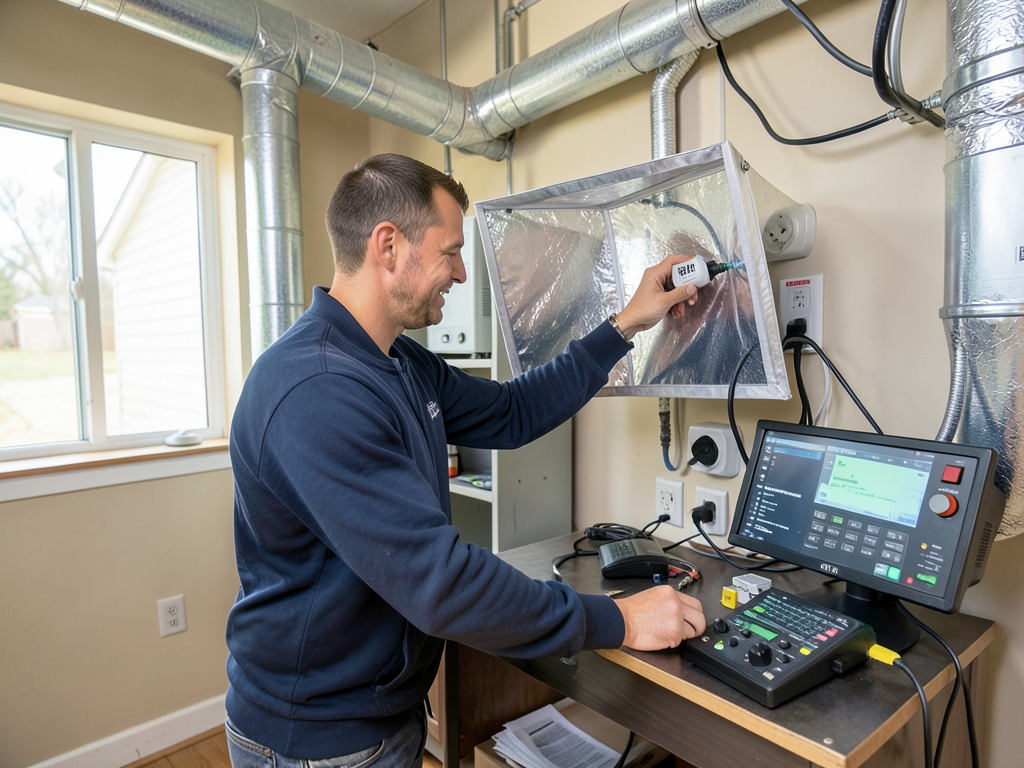
How Air Balancing Makes Every Room the Same Temperature in Your South Park Ranch Home If you live in a South Park ranch home built in the 1960s or 1970s, you know the struggle. One…
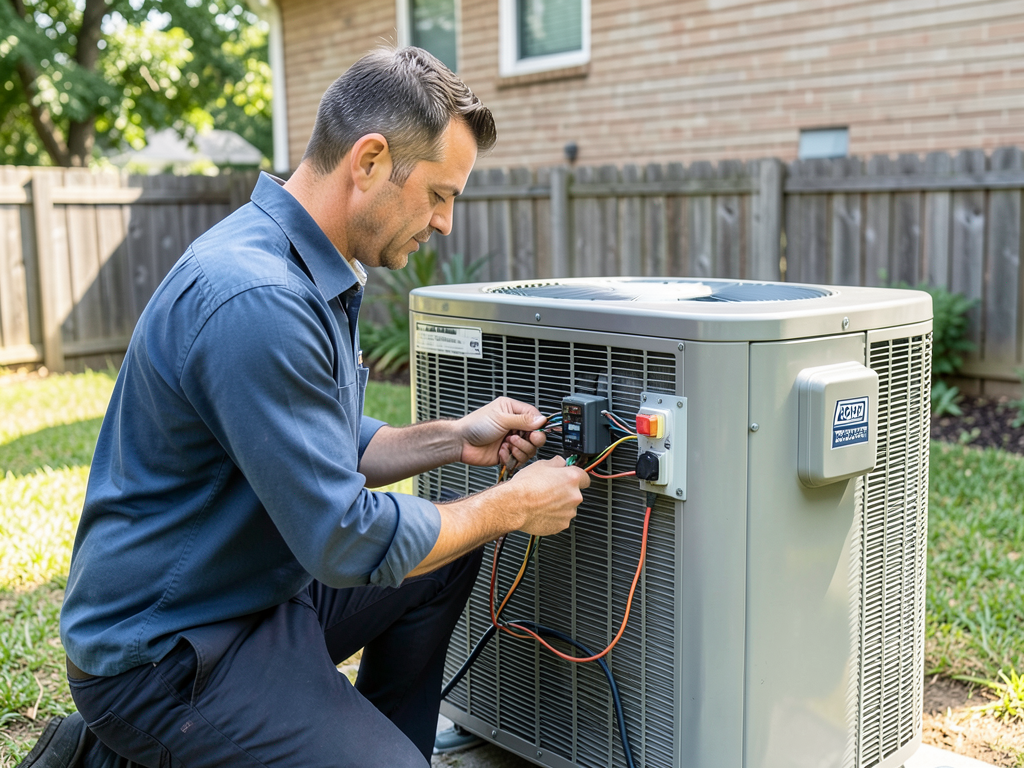
Preparing Your HVAC System to Run on a Whole-Home Generator in Park Ten Power outages…
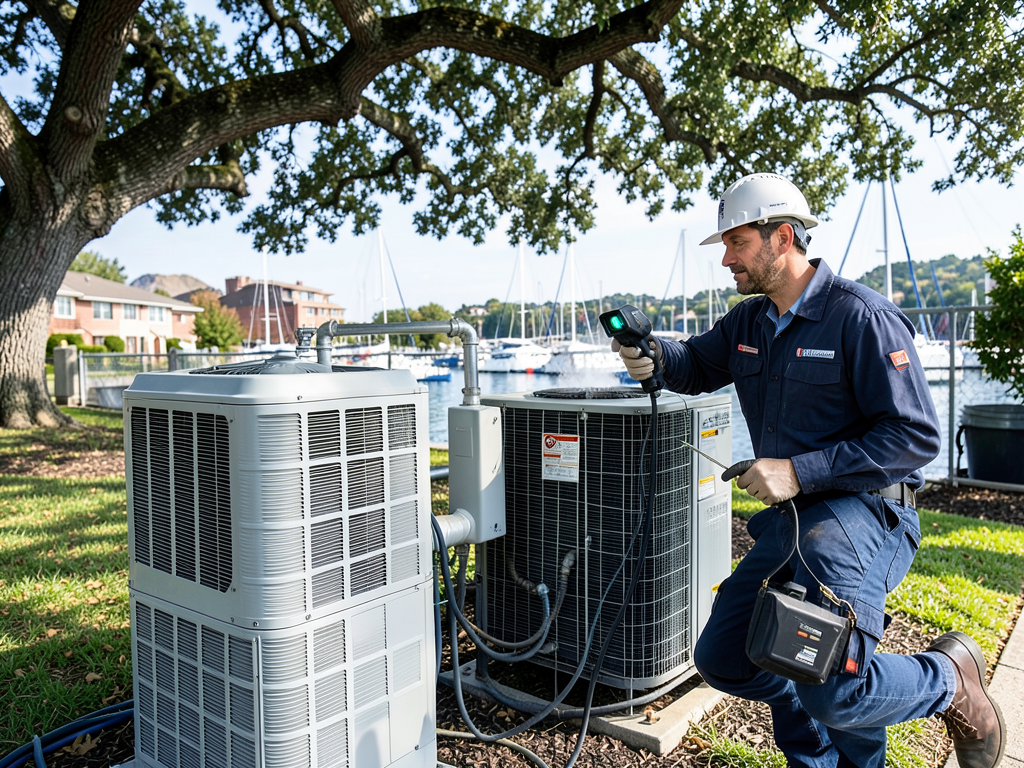
How Mature Tree Shade Impacts Your AC Performance and Efficiency in Denver Harbor Denver Harbor’s…
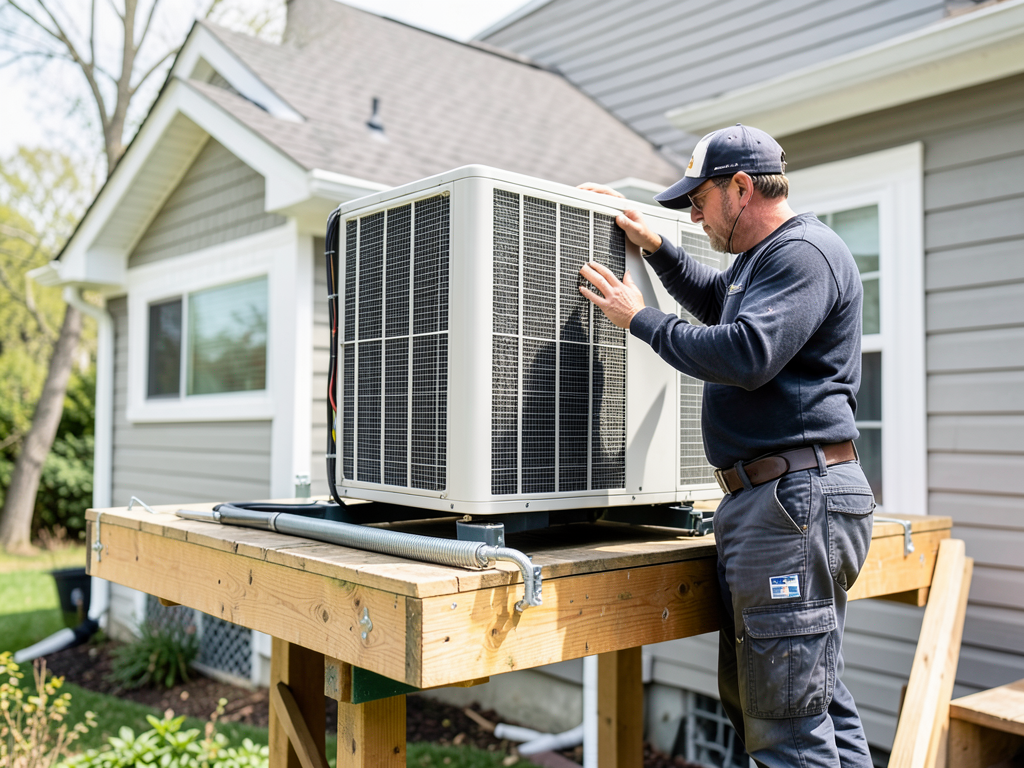
Everything You Need to Know About HVAC Permits and Building Codes in Willowbrook Installing a…
Don't wait for comfort problems to get worse. Call Titan HVAC Houston at (281) 552-7766 now for emergency repairs, system replacements, or maintenance service. Our technicians respond quickly with fully stocked trucks ready to restore your climate control.