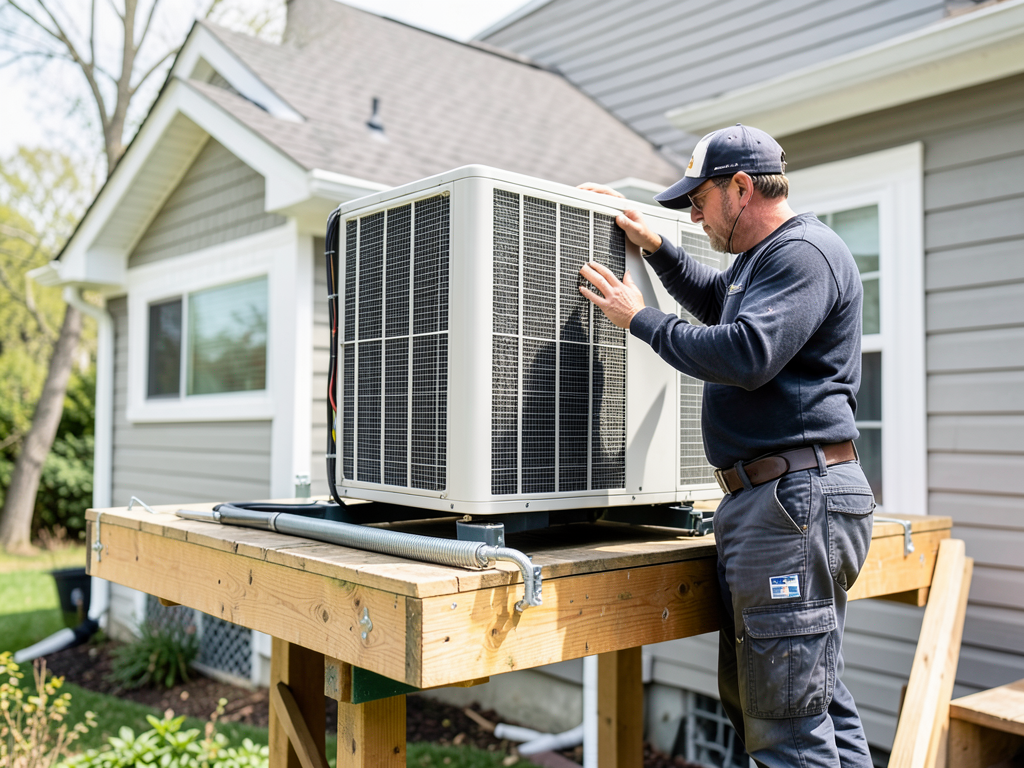





Weird Smells from Vents in Houston – Get Expert Diagnosis and Fast Odor Elimination

Our certified technicians identify the exact source of strange odors from air ducts and foul air conditioner odors, then eliminate the problem permanently with targeted repairs and deep system cleaning specific to your HVAC configuration.

Slider Image 1
Slider Image 2
Slider Image 3
Slider Image 4
Slider Image 5
Slider Image 7
Slider Image 8
Slider Image 9
Slider Image 10
Slider Image 11

Why Your Houston HVAC System Suddenly Smells Wrong

You walk into your home and there it is again. That odd smell from the HVAC system that makes you wonder if something died in the walls. Maybe it smells like gym socks, burnt plastic, or swamp water. You are not imagining it, and you are not alone.

Houston's brutal humidity creates the perfect breeding ground for microbial growth inside air handlers and ductwork. When moisture condenses on evaporator coils during our long cooling seasons, that standing water becomes a biofilm factory. Mold, mildew, and bacteria colonize the dark, damp surfaces of your system. Every time your unit cycles on, those contaminants get blown directly into your living space.

But biological growth is just one cause. A bad smell coming from vents can signal electrical issues like overheating motors or melting wire insulation. It can mean a clogged condensate drain line that has turned into a stagnant petri dish. It can point to a dead rodent decomposing in your return duct. It can indicate refrigerant leaks, which smell sweet or chemical-like. It can even mean sewer gas is backflowing through drain traps that have dried out because your system is creating negative pressure.

The Gulf Coast climate compounds these issues. Our near-constant AC use means any small problem rapidly becomes a pervasive odor problem. The strange odors from air ducts do not just smell bad. They indicate contamination you are breathing every single day. Children, elderly residents, and anyone with respiratory sensitivities face the highest risk from prolonged exposure to these airborne contaminants circulating through your home.

Why Your Houston HVAC System Suddenly Smells Wrong
How We Pinpoint and Eliminate the Odor Source

How We Pinpoint and Eliminate the Odor Source

Guesswork does not fix funny smells from heating systems. We use a systematic diagnostic protocol that isolates the exact cause before we touch a single component.

Our technicians start with a full sensory and visual inspection of your entire HVAC system, from the outdoor condenser to the supply registers in each room. We remove access panels on the air handler to inspect the evaporator coil for biological buildup or standing water. We check the condensate drain pan and drain line for clogs or stagnant water. We examine blower motors and capacitors for signs of overheating or electrical burning. We inspect all visible ductwork for breaches, pest intrusion, or insulation degradation.

We use thermal imaging cameras to detect hot spots that indicate electrical resistance or failing components. We measure static pressure across the system to identify airflow restrictions that can cause coil icing and subsequent mold growth. We check refrigerant levels and inspect line sets for leaks. We open return plenums to look for dead animals or debris accumulation.

Once we identify the source, we eliminate it with targeted intervention. Biological contamination gets hit with EPA-registered antimicrobial coil cleaners and fogging agents that penetrate biofilm. Clogged drain lines get cleared with hydro-jetting or replacement. Electrical components showing heat damage get replaced immediately. Ductwork breaches get sealed with mastic and mechanical fasteners. Pest intrusion points get secured and contaminated insulation gets replaced.

We do not mask odors with fragrance. We eliminate the source. That is the only way to ensure the foul air conditioner odors do not return the moment you turn the system back on.

What Happens When You Call About Vent Odors

Weird Smells from Vents in Houston – Get Expert Diagnosis and Fast Odor Elimination
01

System Access and Inspection

We arrive with diagnostic tools and gain access to your air handler, evaporator coil, blower assembly, and accessible ductwork. Our technician documents the odor characteristics and begins visual inspection of all system components. We take photos of any contamination or damage found. This initial assessment typically takes 30 to 45 minutes and identifies the contamination source in most cases.
02

Source Identification and Testing

Using thermal imaging and pressure testing equipment, we verify the root cause. We measure temperature differentials across electrical components to detect overheating. We test drain line flow and inspect coil surfaces under LED lighting. If biological growth is present, we assess the extent of contamination throughout the ductwork. We provide you with clear findings and explain exactly what is causing the odor problem.
03

Remediation and Verification

We execute the fix. Coils get chemically cleaned and sanitized. Drain lines get cleared or replaced. Failed electrical components get swapped out. Ductwork gets sealed or sections get replaced. After remediation, we run the system through multiple cycles and verify the odor is gone. We check airflow, measure temperatures, and confirm the system operates properly. You get documentation of all work performed and recommendations for preventing recurrence.

Why Houston Residents Trust Titan HVAC for Odor Problems

You need someone who understands how Houston's climate attacks HVAC systems differently than dry climates or northern regions. Our technicians deal with humidity-related contamination every single day. We know how quickly mold establishes on coils in this environment. We know the specific pest species that infiltrate ductwork in Southeast Texas. We know which components fail most often under the stress of near-continuous cooling loads.

We carry the diagnostic equipment to find problems other companies miss. Thermal cameras, pressure gauges, borescopes for duct inspection, and professional-grade antimicrobial treatments are standard on every service vehicle. We do not rely on visual inspection alone. We measure and verify.

Our service area covers the greater Houston metro, from the Energy Corridor to Clear Lake, from The Woodlands down to Pearland. We know the housing stock in each neighborhood. We have worked on everything from 1950s bungalows in the Heights with original ductwork to new construction in Katy with flex duct in attics. We understand how different system configurations develop different odor problems.

When we tell you what is wrong, we show you. We document contamination with photos. We explain why the problem developed and what will prevent it from returning. We provide written estimates before performing any repair work. No surprises, no upselling unnecessary services.

Titan HVAC Houston built our reputation on solving the problems other companies could not diagnose. When three other companies told you the smell was normal or that you needed a full system replacement, we are the team that found the actual issue and fixed it for a fraction of the cost. That is what local expertise looks like.

What You Can Expect From Start to Finish

Same-Day Response Available

We know you want the smell gone now, not next week. We offer same-day diagnostic appointments for odor complaints when you call before noon on weekdays. Our technicians arrive in a two-hour window and complete most diagnostics within an hour. If the fix is straightforward, like a clogged drain line or dirty coil, we handle it the same visit. Complex repairs requiring parts or duct replacement get scheduled within 48 hours. We keep our trucks stocked with common repair components to minimize delay.

Complete System Diagnostics

Our diagnostic process examines every potential odor source in your HVAC system. We do not stop at the obvious. We check electrical connections with thermal imaging. We inspect drain systems for biofilm and clogs. We examine ductwork for breaches and contamination. We test refrigerant levels and inspect coils under high-intensity lighting. We check for pest intrusion and insulation failure. You get a complete picture of system health, not just a Band-Aid fix. We document findings with photos and provide a written report of all issues discovered.

Permanent Odor Elimination

We eliminate odor sources, not mask them. Biological contamination gets treated with EPA-registered antimicrobial agents that kill mold and bacteria at the root. Failed components get replaced with quality parts. Ductwork breaches get properly sealed with mastic and mechanical fasteners, not just tape. After remediation, we verify elimination by running your system through multiple cooling cycles and checking supply air quality. You should notice immediate improvement. If any trace odor persists after treatment, we return to investigate further at no additional diagnostic charge.

Prevention Guidance and Follow-Up

After we fix the immediate problem, we explain how to prevent recurrence. That might mean installing a condensate pump if your drain line is prone to clogs. It might mean scheduling biannual coil cleaning if you run your system hard. It might mean sealing specific duct sections or upgrading filtration. We provide written recommendations ranked by priority and cost-effectiveness. We do not push unnecessary services, but we do explain what will keep your air clean long-term. You get follow-up contact 30 days after service to confirm the issue has not returned.

Frequently Asked Questions

You Have Questions,
We Have Answers

Why does the air coming out of my vents smell weird? +

Weird smells from your vents usually signal one of three issues: mold growth in the ductwork, dust burning off the heat exchanger during first use, or a refrigerant leak. In Houston's humid climate, mold thrives in damp ducts when condensation accumulates. A musty odor points to mold. A sweet or chemical smell suggests refrigerant. A burning dust smell during seasonal startup is normal but fades quickly. Persistent odors require professional inspection. Your system circulates air throughout your home, so contaminants spread fast. Turn off your HVAC and call a technician to diagnose the source before air quality worsens.

What does an electrical fire smell like before it starts? +

An electrical fire smells like burning plastic or hot rubber before flames appear. You may notice a sharp, acrid odor near outlets, switches, or your HVAC unit. The smell comes from wire insulation melting due to overheating. In Houston homes with older wiring, high humidity can corrode connections and increase resistance, generating dangerous heat. If you smell burning plastic from vents, shut off your HVAC immediately at the breaker. Do not restart the system. Electrical fires spread rapidly through ductwork. Evacuate if the smell intensifies and call 911, then contact an HVAC technician to inspect wiring before restoring power.

What does mold in air vents smell like? +

Mold in air vents smells musty, earthy, or like wet socks. The odor intensifies when your system runs because airflow distributes spores throughout your home. Houston's year-round humidity creates perfect conditions for mold growth inside ductwork, especially when condensation from your AC coils drips into ducts. Black mold produces a stronger, more pungent smell than common mildew. If you smell mold, inspect visible vent grilles for dark spots or discoloration. Mold exposure causes respiratory issues, so address it quickly. Professional duct cleaning and addressing moisture sources prevents recurrence in Houston's damp climate.

Is strange smell coming from a vent a chemical hazard? +

Yes, strange smells from vents can signal chemical hazards. A sweet, ether-like odor indicates refrigerant leaking from your AC system. Refrigerant displaces oxygen and causes dizziness or nausea in confined spaces. A rotten egg smell means natural gas is leaking near your furnace, a serious explosion risk. Chemical or solvent smells may come from VOCs released by new construction materials or cleaning products circulating through ducts. If you smell chemicals, open windows and turn off your HVAC. Evacuate if you suspect gas. Houston's tight, energy-efficient homes trap airborne chemicals, so ventilation and professional inspection are critical.

How to sanitize air ducts yourself? +

You cannot fully sanitize air ducts yourself without professional equipment. However, you can improve air quality by vacuuming visible dust from vent grilles and registers using a shop vac with a brush attachment. Replace your filter monthly during Houston's high pollen seasons. Wipe grilles with a damp microfiber cloth. Do not spray cleaners into ducts, as moisture promotes mold growth. Professional duct cleaning uses negative pressure systems and rotating brushes to remove debris deep inside ductwork. DIY attempts miss contaminants and risk damaging duct seams. For thorough sanitization after mold or pest issues, hire certified technicians with proper tools.

What does an HVAC refrigerant leak smell like? +

An HVAC refrigerant leak smells sweet, like ether or chloroform. Some describe it as a chemical or solvent odor. Older R-22 refrigerant has a stronger smell than newer R-410A, but both are detectable when leaking near the air handler or evaporator coils. In Houston's constantly running AC systems, leaks develop from vibration or corrosion. Refrigerant is heavier than air, so the smell concentrates near floor vents. Exposure causes headaches, dizziness, and throat irritation. If you smell refrigerant, turn off your AC and ventilate your home. Leaks reduce cooling efficiency and damage your compressor, so schedule immediate repair.

Are there warning signs before an electrical fire? +

Yes, warning signs before an electrical fire include burning smells, flickering lights, discolored outlets, buzzing sounds from switches, and frequently tripping breakers. Your HVAC system may short cycle or emit sparks from the outdoor unit. In Houston homes, high humidity accelerates wire corrosion, increasing fire risk. Aluminum wiring in older homes is especially vulnerable. If your circuit breaker feels hot or smells burnt, shut off power at the main panel. Inspect your HVAC disconnect box for scorch marks. Never ignore burning plastic odors from vents. Contact an electrician and HVAC technician immediately to prevent fire.

What does bad wiring smell like? +

Bad wiring smells like burning plastic, hot rubber, or fish. The fishy odor comes from electrical arcing that heats plastic insulation. You may smell it near outlets, light switches, or your HVAC air handler. In Houston's older neighborhoods, outdated wiring struggles with modern electrical loads, causing overheating. If you smell burning near your thermostat or air handler, turn off your HVAC at the breaker. Check for discolored outlets or warm switch plates. Bad wiring causes house fires and damages your HVAC system. Do not attempt DIY repairs. Hire a licensed electrician to inspect and replace faulty wiring immediately.

Can you smell a fire before it starts? +

Yes, you can smell a fire before it starts. Electrical fires smell like burning plastic or rubber. Overheated motors in HVAC systems emit a hot metal or burnt oil smell. Smoldering insulation produces acrid smoke before flames appear. In Houston's attic spaces, extreme heat can cause wiring insulation to degrade and smell burnt without igniting. If you smell smoke from vents but see no flames, turn off your HVAC and check your attic for smoldering materials. Call 911 if the smell intensifies. Early detection prevents catastrophic fires. Install smoke detectors near your air handler for added protection.

What are the 10 warning signs of mold toxicity? +

The 10 warning signs of mold toxicity include chronic fatigue, brain fog, headaches, respiratory issues, sinus congestion, skin rashes, joint pain, sensitivity to light, mood changes, and digestive problems. In Houston homes with hidden mold in ductwork, symptoms worsen when your HVAC runs because spores circulate constantly. High humidity and poor ventilation trap mold indoors year-round. If multiple household members experience unexplained symptoms, inspect vents for visible mold growth. Black mold produces mycotoxins that cause severe reactions. Professional mold testing identifies contamination levels. Address moisture sources and clean ducts to eliminate exposure and restore indoor air quality.

How Houston's Humidity Makes Vent Odors a Year-Round Problem

Houston's average relative humidity sits above 70 percent for most of the year. That moisture does not just make the air feel heavy. It condenses on every cold surface in your HVAC system the moment that evaporator coil drops below the dew point. Unlike dry climates where condensate evaporates quickly, our humidity keeps those surfaces wet for hours. That standing moisture becomes a growth medium for mold, mildew, and bacteria. Add in our long cooling season that runs from March through November, and you have nine months of near-constant moisture exposure inside your air handler. The biological contamination that causes most foul air conditioner odors thrives in this environment. Without proper drainage and regular coil maintenance, every Houston HVAC system eventually develops odor problems.

Houston's building codes have evolved significantly over the past two decades, but thousands of homes still operate with HVAC systems installed before modern moisture management standards. Older homes in neighborhoods like Montrose, Rice Military, and Garden Oaks often have undersized or improperly sloped drain lines. Homes built in the 1980s and 1990s across Cypress, Sugar Land, and Kingwood frequently have ductwork in unconditioned attics where temperature differentials accelerate condensation problems. Knowing these local construction patterns matters when diagnosing strange odors from air ducts. A technician unfamiliar with Houston housing stock might miss common failure points specific to your home's vintage and location. Local expertise means faster diagnosis and more effective solutions.
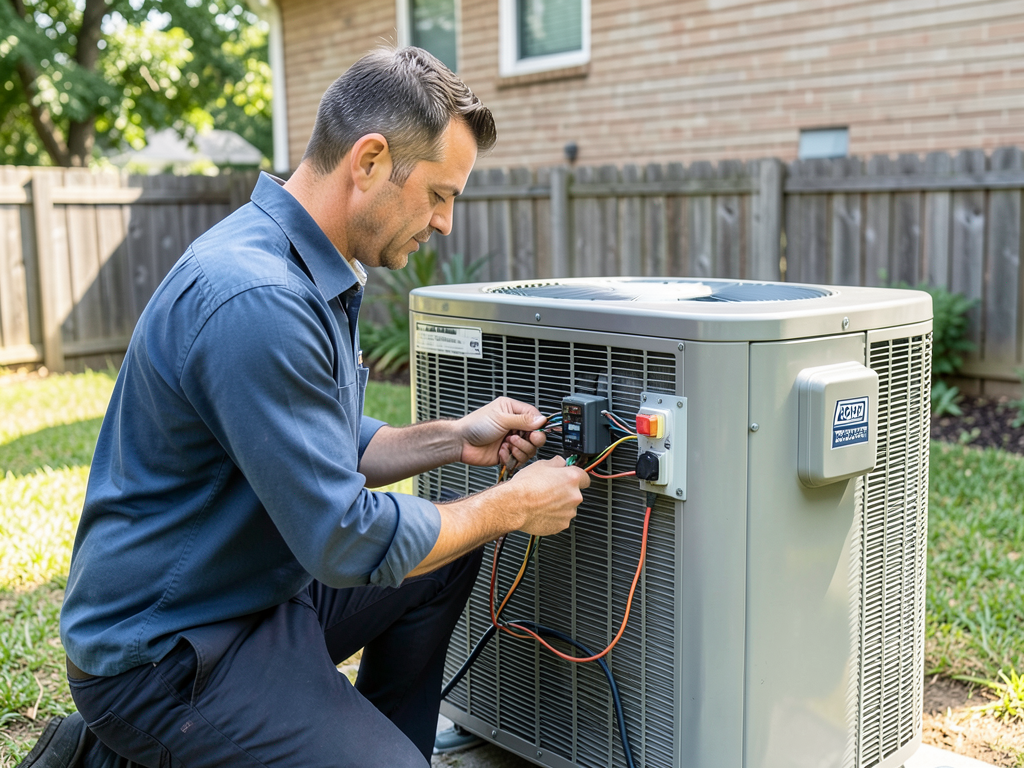
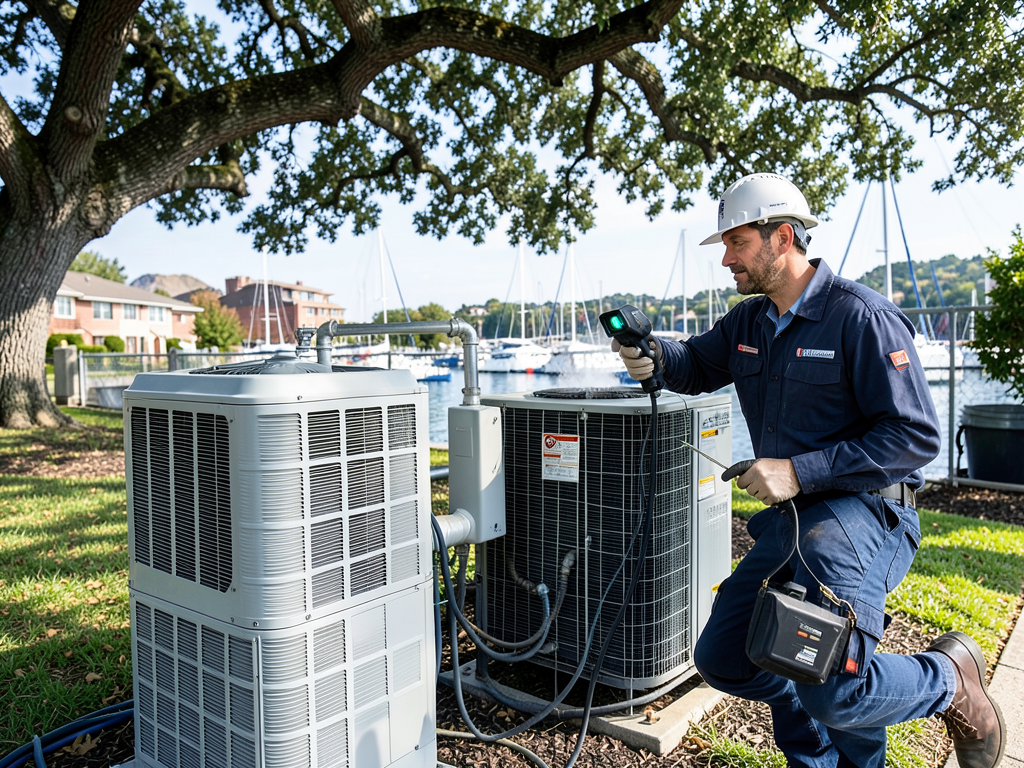
HVAC Services in The Houston Area

Titan HVAC is proud to serve Houston and the surrounding areas with expert heating and cooling solutions. Our central location allows us to respond quickly to both residential and commercial clients. Whether you need an emergency fix or scheduled service, we’re never far away. Explore our service area and see how close comfort really is. We're just a call or click away—connect with us today.

Address:
Titan HVAC Houston, 3730 Kirby DrHouston, Houston, TX, 77098

Additional Services We Offer

Our news updates

Latest Articles & News from The Blogs

Updating the HVAC in an Eastwood Brick Bungalow Without Ruining the Character Eastwood’s brick bungalows built in the 1920s and…

Updating the HVAC in an Eastwood Brick Bungalow Without Ruining the Character

Updating the HVAC in an Eastwood Brick Bungalow Without Ruining the Character Eastwood’s brick bungalows built in the 1920s and…

Clever Ways to Hide an Outdoor AC Unit Without Breaking Woodlands HOA Rules

Clever Ways to Hide an Outdoor AC Unit Without Breaking Woodlands HOA Rules Living in The Woodlands means enjoying tree-lined…

Why a Radiant Barrier Might Be the Missing Piece for Your Aliana AC System

Why a Radiant Barrier Might Be the Missing Piece for Your Aliana AC System If your Aliana home feels like…

Contact Us

Stop breathing contaminated air. Call Titan HVAC Houston at (281) 552-7766 right now for same-day diagnostic service. We will identify the exact source of your vent odors and eliminate the problem permanently. No guesswork, no delays, no excuses.