
Clever Ways to Hide an Outdoor AC Unit Without Breaking Woodlands HOA Rules
Living in The Woodlands means enjoying tree-lined streets and manicured lawns—but it also means dealing with strict HOA rules about outdoor equipment. If your condenser unit is an eyesore, you’re not alone. Many homeowners want to hide their AC units without violating deed restrictions or damaging their system. The good news is you can do both with the right approach. In this guide, we’ll show you how to screen your AC unit in a way that keeps your HOA happy, your system running efficiently, and your yard looking great.
Before you grab your tools, there’s one rule you can’t break: your AC unit needs proper airflow. Blocking the condenser can cause overheating, higher energy bills, and even system failure. That’s why we’ll focus on solutions that protect your investment while improving your curb appeal. Whether you’re in Alden Bridge, Cochran’s Crossing, or anywhere else in The Woodlands, these tips are tailored for Houston’s humid climate and local regulations. Why Your Memorial Home Needs a High-Efficiency AC Unit Right Now.
The Golden Rule of AC Screening: Airflow and Clearance
The most important thing to remember is that your AC condenser needs room to breathe. The compressor pulls in hot air and expels it through the coils, so any obstruction can reduce efficiency or cause damage. Most manufacturers recommend at least 24 inches of clearance on all sides and 60 inches above the unit. In Houston’s heat, even a few inches of restriction can make your system work harder and shorten its life.
Think of it like this: your AC is a heat exchanger, not a sealed box. If you build a solid wall around it, the hot air has nowhere to go. That’s why every screening solution needs ventilation—either through slats, lattice, or open designs. And don’t forget about service access. HVAC technicians need to open panels and reach refrigerant lines, so your screen should have a removable or hinged panel on at least one side.
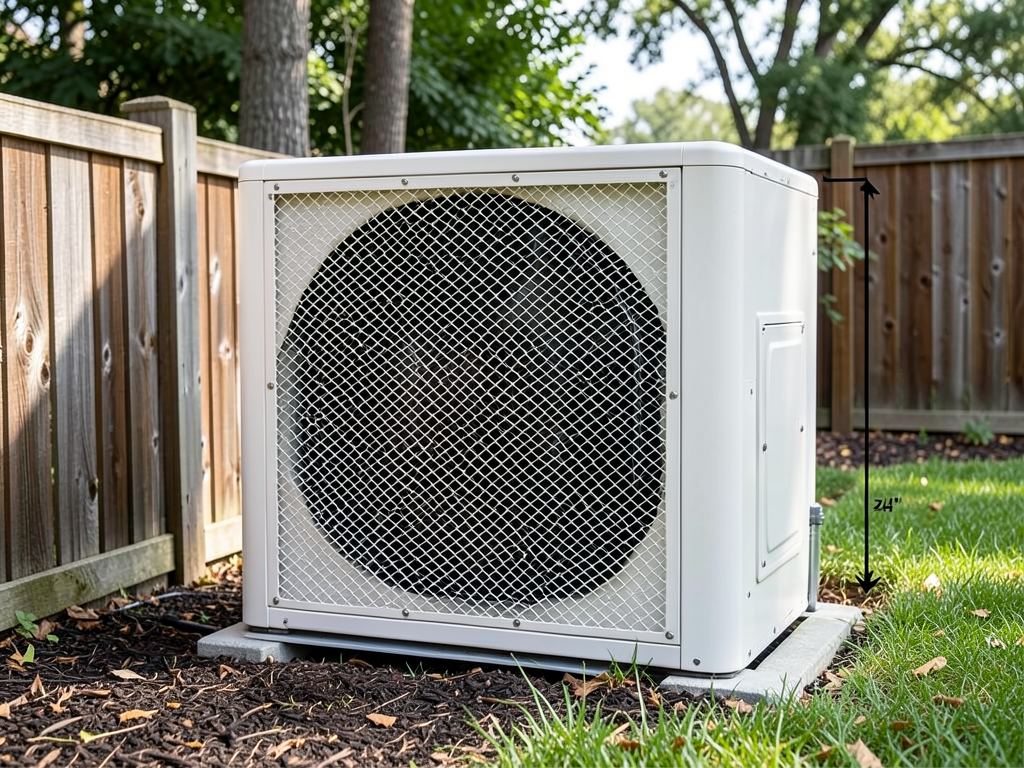
Technical Note: According to the International Mechanical Code (IMC) Section 304.3, outdoor equipment must have adequate clearance for service and ventilation. This isn’t just a suggestion—it’s a code requirement that protects your warranty and your system.
Best Materials for Houston’s Climate
Houston’s humidity and heat can destroy the wrong materials in just a few seasons. That’s why you need to pick something that can handle 90% humidity, salt air near the coast, and the occasional hurricane gust. Here are the top options:
| Material | Pros | Cons | Best For |
|---|---|---|---|
| Pressure-Treated Wood | Natural look, easy to paint, affordable | Needs sealing every 1-2 years | Traditional homes in Alden Bridge |
| Vinyl Lattice | UV-resistant, no maintenance, good airflow | Can look cheap if low quality | Modern homes in Sterling Ridge |
| Composite Fencing | Weatherproof, durable, many colors | Higher upfront cost | High-end properties in College Park |
| Aluminum or Powder-Coated Metal | Long-lasting, modern look, rust-resistant | Conducts heat, needs spacing | Contemporary designs in Creekside Park |
Wood is a classic choice, but in Houston you’ll need to seal it with a UV-rated stain or paint to prevent warping. Vinyl lattice is a favorite for DIYers because it’s lightweight and comes in pre-made panels. If you want something that lasts, composite or aluminum screens resist mold and won’t rot in our wet climate.
Popular Screening Methods (DIY vs. Professional)
There are several ways to hide your AC unit, each with its own pros and cons. Here’s a breakdown of the most popular methods:
Lattice Panels
Lattice is the go-to for many homeowners because it’s affordable and easy to install. You can buy pre-made panels or build your own with pressure-treated lumber. The crisscross pattern allows plenty of airflow, and you can paint it to match your home. Just make sure to leave at least 24 inches of space between the unit and the screen.
Horizontal Slat Screens
For a more modern look, horizontal slats give a clean, contemporary feel. You can use wood, composite, or even metal slats spaced a few inches apart. This design works well for homes in newer sections of The Woodlands that have a more updated aesthetic. The key is to keep the gaps wide enough for air to pass through.
Potted Plants and Trellises
If you want a softer look, you can use large potted plants or a trellis with climbing vines. Just be careful—plants need to be at least 24 inches away from the unit to avoid blocking airflow. Choose hardy, low-maintenance plants like ornamental grasses or evergreen shrubs that can handle Houston’s heat. Avoid anything that drops a lot of leaves or debris into the coils.
Shutter-Style Enclosures
For a polished, built-in look, shutter-style enclosures are a great option. These are usually made from composite or vinyl and feature hinged or removable panels for easy access. They’re more expensive than lattice but offer a finished appearance that blends with your home’s exterior. This is a good choice if you want something that looks like it was always part of the design.

Step-by-Step Guide to Installing a Ventilated Screen
Ready to tackle the project yourself? Here’s how to build a ventilated screen that meets HOA rules and keeps your AC happy:
- Measure and Mark
Measure your AC unit and add at least 24 inches on all sides. Mark the ground with spray paint or stakes.
- Choose Your Materials
Select weather-resistant materials like pressure-treated wood or vinyl lattice. Avoid solid panels or anything that could trap heat.
- Build the Frame
Construct a simple frame using 2×4 lumber. Make sure it’s sturdy and level. If you’re using lattice, attach it to the frame with screws, not nails.
- Leave Ventilation Gaps
Space slats or lattice at least 2-3 inches apart. This allows hot air to escape and keeps your system efficient.
- Add a Removable Panel
Install at least one side with hinges or a quick-release latch so technicians can access the unit.
- Seal and Paint
If using wood, seal it with a UV-resistant stain or paint. This protects against Houston’s humidity and sun.
- Check Clearance
Step back and make sure there’s at least 24 inches of space on all sides and 60 inches above the unit.
Always double-check your HOA’s guidelines before building. Some communities have specific rules about height, color, or placement. If you’re unsure, a quick call to your HOA or a local HVAC company can save you from costly mistakes.
Common Mistakes to Avoid (That Void Your Warranty)
Even well-meaning DIYers can make mistakes that hurt their AC system. Here are the most common pitfalls:
- Blocking Airflow
Enclosing the unit with solid walls or dense plants can cause overheating and compressor failure.
- Too Close to the Unit
Building the screen right up against the AC leaves no room for service or ventilation.
- Using the Wrong Materials
Untreated wood or indoor paint can rot or peel in Houston’s humidity.
- Ignoring HOA Rules
Building something too tall or in the wrong spot can lead to fines or forced removal.
- Forgetting Access
If technicians can’t open panels or reach refrigerant lines, you could be charged for extra labor or repairs.
One last thing: never store anything on top of or inside the unit. Lawn tools, hoses, or planters can block airflow and cause damage. If you’re not sure, call a local HVAC pro for advice before you build.
Maintenance Access Requirements
HVAC technicians need quick, easy access to your AC unit for routine maintenance and repairs. That means your screen should never require a screwdriver or hammer to remove. The best designs use quick-release latches, magnetic catches, or simple hinges that a technician can open in seconds.
Think about the service door like a gate. It should swing open smoothly and give full access to the control panel, fan, and refrigerant lines. If your screen blocks any of these, you could be charged for extra time or even turned away by some companies. In Houston’s heat, that’s the last thing you want.
Also, keep the area around your unit clear of weeds, leaves, and debris. Even a small pile of grass clippings can reduce airflow and cause your system to overheat. A quick monthly check can save you from a mid-summer breakdown.
Landscaping Safety: Plants and Roots
Plants can soften the look of your AC screen, but they need to be chosen and placed carefully. Fast-growing shrubs or trees planted too close can drop leaves into the coils or send roots under the pad, causing it to shift. In Houston’s clay soil, even a small shift can make your unit noisy or inefficient.
Stick with plants that are at least 24 inches away from the unit and won’t drop a lot of debris. Ornamental grasses, dwarf holly, or liriope are good choices. Avoid anything with invasive roots like bamboo or large trees. If you want more greenery, consider a trellis with a climbing vine—just keep it trimmed and away from the vents.
Finally, make sure your AC pad is level and on a solid base. Houston’s expansive clay can cause shifting over time, so check it once a year and call a pro if you notice any tilting or cracks.
Local HOA and Code Considerations
The Woodlands is known for strict deed restrictions, and for good reason—they help keep property values high. Most HOAs require that any screening be made from approved materials, stay under a certain height (usually 6 feet), and not block sightlines from the street. Some communities even have rules about color or style to match your home’s exterior.
Before you build, check your HOA’s guidelines or call their office. You may need to submit a design plan or get approval before starting. If you’re in a historic or conservation area, the rules can be even tighter. It’s always better to ask first than to tear down later.
Also, remember that the International Mechanical Code and local building codes require proper clearance for service and ventilation. This isn’t just about looks—it’s about safety and efficiency. If you’re not sure, a licensed HVAC contractor can help you design a screen that meets all the rules. International Mechanical Code Section 304.3.
Why Professional Help Can Save You Time and Money
DIY can be rewarding, but HVAC work is technical. A small mistake—like blocking airflow or building too close—can void your warranty or cause expensive repairs. In Houston’s heat, an inefficient system can also drive up your energy bills fast.
A local HVAC company knows the codes, the climate, and the common pitfalls. They can recommend the best materials, ensure proper clearance, and even handle the HOA paperwork. Plus, if something goes wrong, you have a pro to call instead of starting over.
If you’re not comfortable with tools or just want peace of mind, give us a call. We’ve helped hundreds of Woodlands homeowners hide their AC units without breaking a single rule.
Frequently Asked Questions
Can I use a solid fence to hide my AC unit?
No. Solid fences trap heat and block airflow, which can cause your AC to overheat and fail. Always use a ventilated design with at least 24 inches of clearance on all sides.
How far should plants be from my AC unit?
Plants should be at least 24 inches away from the unit to avoid blocking airflow or dropping debris into the coils. Choose low-maintenance, non-invasive species.
Will screening my AC void the warranty?
Not if you follow the manufacturer’s clearance guidelines and leave room for service access. Improper installation or blocking airflow can void your warranty. What a New AC Installation Actually Costs in The Woodlands.
Do I need HOA approval to build a screen?
Most likely, yes. The Woodlands HOAs usually require approval for any outdoor structure. Check your community’s guidelines before starting.
Can I paint my AC screen any color?
Many HOAs have rules about exterior colors. Choose a neutral shade that matches your home, or check with your HOA for approved palettes.
How often should I check my AC screen for damage?
Inspect your screen at least twice a year—once in spring and once in fall. Look for rot, warping, or loose panels, especially after storms.
What’s the best material for Houston’s humidity?
Vinyl lattice, composite, or powder-coated aluminum are all good choices. They resist rot, mold, and UV damage better than untreated wood.
Can I store things on top of my AC unit?
No. Storing items on or inside the unit can block airflow and cause damage. Keep the area clear for safety and efficiency.
How do I know if my screen is blocking airflow?
If your AC runs longer than usual, makes strange noises, or your energy bills spike, your screen may be too close or too dense. Call a pro to check.
Should I call a professional or DIY my AC screen?
If you’re not confident with tools or want to ensure code compliance, call a local HVAC company. It can save you time, money, and hassle.
Ready to Hide Your AC the Right Way?
Now that you know the rules, you can build a screen that looks great and keeps your system running smoothly. Remember: proper clearance, ventilation, and HOA approval are the keys to success. If you’d rather leave it to the pros, we’re here to help.
Call (281) 552-7766 today to schedule your inspection or get a free quote on a custom AC screen. Let’s keep your home beautiful and your AC happy—without breaking any rules.
Pick up the phone and call (281) 552-7766 before the next storm hits. Your AC—and your HOA—will thank you. For more information, visit Texas Department of Licensing and Regulation.
{
“@context”: “https://schema.org”,
“@type”: “BlogPosting”,
“headline”: “Clever Ways to Hide an Outdoor AC Unit Without Breaking Woodlands HOA Rules”,
“description”: “Discover expert-approved ways to screen your AC unit in The Woodlands while meeting HOA rules and keeping your system efficient. Call (281) 552-7766 for help.”,
“wordCount”: 2264,
“datePublished”: “2026-05-16T08:43:00.000Z”,
“dateModified”: “2026-05-16T08:43:00.000Z”,
“inLanguage”: “en-US”,
“mainEntityOfPage”: {
“@type”: “WebPage”,
“@id”: “https://titanhvachouston.com”
},
“publisher”: {
“@type”: “LocalBusiness”,
“name”: “Titan HVAC Houston”,
“url”: “https://titanhvachouston.com”
},
“author”: {
“@type”: “Organization”,
“name”: “Titan HVAC Houston”,
“url”: “https://titanhvachouston.com”
},
“image”: {
“@type”: “ImageObject”,
“url”: “https://titanhvachouston.com/wp-content/uploads/2026/03/clever-ways-to-hide-an-outdoor-ac-unit-without-bre-1.png”
}
}
{
“@context”: “https://schema.org”,
“@type”: “HVACBusiness”,
“name”: “Titan HVAC Houston”,
“url”: “https://titanhvachouston.com”,
“address”: {
“@type”: “PostalAddress”,
“addressLocality”: “Houston”
},
“areaServed”: {
“@type”: “City”,
“name”: “Houston”
}
}
{
“@context”: “https://schema.org”,
“@type”: “FAQPage”,
“mainEntity”: [
{
“@type”: “Question”,
“name”: “Can I use a solid fence to hide my AC unit?”,
“acceptedAnswer”: {
“@type”: “Answer”,
“text”: “No. Solid fences trap heat and block airflow, which can cause your AC to overheat and fail. Always use a ventilated design with at least 24 inches of clearance on all sides.”
}
},
{
“@type”: “Question”,
“name”: “How far should plants be from my AC unit?”,
“acceptedAnswer”: {
“@type”: “Answer”,
“text”: “Plants should be at least 24 inches away from the unit to avoid blocking airflow or dropping debris into the coils. Choose low-maintenance, non-invasive species.”
}
},
{
“@type”: “Question”,
“name”: “Will screening my AC void the warranty?”,
“acceptedAnswer”: {
“@type”: “Answer”,
“text”: “Not if you follow the manufacturer’s clearance guidelines and leave room for service access. Improper installation or blocking airflow can void your warranty. What a New AC Installation Actually Costs in The Woodlands.”
}
},
{
“@type”: “Question”,
“name”: “Do I need HOA approval to build a screen?”,
“acceptedAnswer”: {
“@type”: “Answer”,
“text”: “Most likely, yes. The Woodlands HOAs usually require approval for any outdoor structure. Check your community’s guidelines before starting.”
}
},
{
“@type”: “Question”,
“name”: “Can I paint my AC screen any color?”,
“acceptedAnswer”: {
“@type”: “Answer”,
“text”: “Many HOAs have rules about exterior colors. Choose a neutral shade that matches your home, or check with your HOA for approved palettes.”
}
},
{
“@type”: “Question”,
“name”: “How often should I check my AC screen for damage?”,
“acceptedAnswer”: {
“@type”: “Answer”,
“text”: “Inspect your screen at least twice a year—once in spring and once in fall. Look for rot, warping, or loose panels, especially after storms.”
}
},
{
“@type”: “Question”,
“name”: “What’s the best material for Houston’s humidity?”,
“acceptedAnswer”: {
“@type”: “Answer”,
“text”: “Vinyl lattice, composite, or powder-coated aluminum are all good choices. They resist rot, mold, and UV damage better than untreated wood.”
}
},
{
“@type”: “Question”,
“name”: “Can I store things on top of my AC unit?”,
“acceptedAnswer”: {
“@type”: “Answer”,
“text”: “No. Storing items on or inside the unit can block airflow and cause damage. Keep the area clear for safety and efficiency.”
}
},
{
“@type”: “Question”,
“name”: “How do I know if my screen is blocking airflow?”,
“acceptedAnswer”: {
“@type”: “Answer”,
“text”: “If your AC runs longer than usual, makes strange noises, or your energy bills spike, your screen may be too close or too dense. Call a pro to check.”
}
},
{
“@type”: “Question”,
“name”: “Should I call a professional or DIY my AC screen?”,
“acceptedAnswer”: {
“@type”: “Answer”,
“text”: “If you’re not confident with tools or want to ensure code compliance, call a local HVAC company. It can save you time, money, and hassle.”
}
},
{
“@type”: “Question”,
“name”: “Ready to Hide Your AC the Right Way?”,
“acceptedAnswer”: {
“@type”: “Answer”,
“text”: “Now that you know the rules, you can build a screen that looks great and keeps your system running smoothly. Remember: proper clearance, ventilation, and HOA approval are the keys to success. If you’d rather leave it to the pros, we’re here to help.”
}
}
]
}
{
“@context”: “https://schema.org”,
“@type”: “HowTo”,
“name”: “How to Install an AC Screen”,
“step”: [
{
“@type”: “HowToStep”,
“position”: 1,
“name”: “Measure and Mark”,
“text”: “Measure your AC unit and add at least 24 inches on all sides. Mark the ground with spray paint or stakes.”
},
{
“@type”: “HowToStep”,
“position”: 2,
“name”: “Choose Your Materials”,
“text”: “Select weather-resistant materials like pressure-treated wood or vinyl lattice. Avoid solid panels or anything that could trap heat.”
},
{
“@type”: “HowToStep”,
“position”: 3,
“name”: “Build the Frame”,
“text”: “Construct a simple frame using 2×4 lumber. Make sure it’s sturdy and level. If you’re using lattice, attach it to the frame with screws, not nails.”
},
{
“@type”: “HowToStep”,
“position”: 4,
“name”: “Leave Ventilation Gaps”,
“text”: “Space slats or lattice at least 2-3 inches apart. This allows hot air to escape and keeps your system efficient.”
},
{
“@type”: “HowToStep”,
“position”: 5,
“name”: “Add a Removable Panel”,
“text”: “Install at least one side with hinges or a quick-release latch so technicians can access the unit.”
},
{
“@type”: “HowToStep”,
“position”: 6,
“name”: “Seal and Paint”,
“text”: “If using wood, seal it with a UV-resistant stain or paint. This protects against Houston’s humidity and sun.”
},
{
“@type”: “HowToStep”,
“position”: 7,
“name”: “Check Clearance”,
“text”: “Step back and make sure there’s at least 24 inches of space on all sides and 60 inches above the unit.”
}
],
“image”: “https://titanhvachouston.com/wp-content/uploads/2026/03/clever-ways-to-hide-an-outdoor-ac-unit-without-bre-1.png”
}
{
“@context”: “https://schema.org”,
“@type”: “BreadcrumbList”,
“itemListElement”: [
{
“@type”: “ListItem”,
“position”: 1,
“name”: “Home”,
“item”: “https://titanhvachouston.com”
},
{
“@type”: “ListItem”,
“position”: 2,
“name”: “Blog”,
“item”: “https://titanhvachouston.com/blog”
},
{
“@type”: “ListItem”,
“position”: 3,
“name”: “Clever Ways to Hide an Outdoor AC Unit Without Breaking Woodlands HOA Rules”
}
]
}
{
“@context”: “https://schema.org”,
“@type”: “Service”,
“serviceType”: “HVAC”,
“provider”: {
“@type”: “LocalBusiness”,
“name”: “Titan HVAC Houston”,
“url”: “https://titanhvachouston.com”
},
“areaServed”: {
“@type”: “City”,
“name”: “Houston”
},
“description”: “Discover expert-approved ways to screen your AC unit in The Woodlands while meeting HOA rules and keeping your system efficient. Call (281) 552-7766 for help.”
}