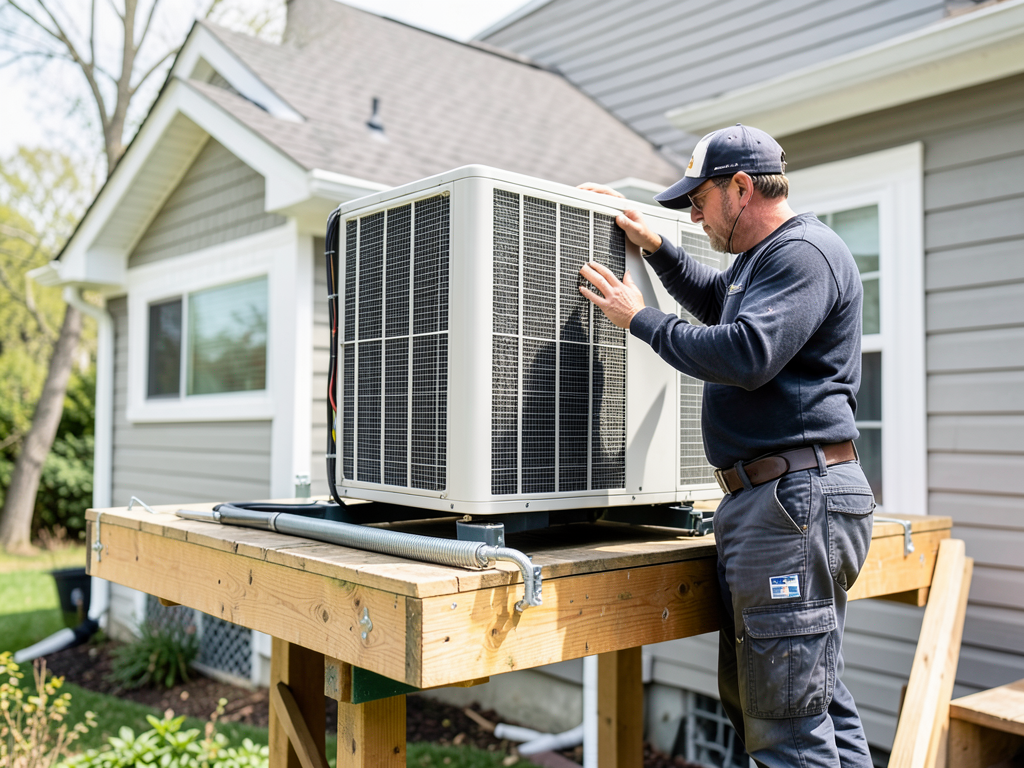





Multi-Family HVAC Services in Houston – Minimize Downtime and Maximize ROI for Property Managers

Titan HVAC Houston delivers high-capacity multi-family HVAC services that keep your apartment complexes, condominiums, and rental properties operational year-round, reducing tenant complaints and protecting your bottom line.

Slider Image 1
Slider Image 2
Slider Image 3
Slider Image 4
Slider Image 5
Slider Image 7
Slider Image 8
Slider Image 9
Slider Image 10
Slider Image 11

Why Houston Multi-Family Properties Face Unique HVAC Challenges

Houston's climate creates brutal conditions for apartment complex HVAC services. High humidity and sustained summer heat stress multi-unit systems continuously from May through October. Your tenants demand comfort, and a single failed compressor in a 200-unit complex triggers a cascade of complaints, maintenance requests, and potential lease terminations.

Multi-family housing HVAC solutions in Houston must account for shared ductwork, zoning complications, and aging infrastructure common in properties built before 2000. Clay soil shifting affects slab-on-grade buildings, creating condensate line issues and refrigerant leaks. Coastal proximity accelerates corrosion on condenser coils and electrical components.

Property management HVAC contractors face additional pressure from Houston's high occupancy rates. You cannot afford extended downtime during peak leasing season. When a central system fails in a mid-rise condominium, you risk losing prospective tenants and damaging relationships with existing residents who expect immediate resolution.

The Houston rental market operates at near 95% occupancy in desirable corridors like Montrose, Midtown, and the Galleria area. Tenants have options. A pattern of HVAC failures creates negative online reviews that directly impact your asset value and vacancy rates. Condominium heating and cooling repair becomes critical during the brief winter months when freeze events can damage inadequately maintained systems.

Multi-unit HVAC maintenance is not optional. It protects your revenue stream, preserves property value, and ensures compliance with local habitability standards. Houston property managers need partners who understand scale, speed, and the financial consequences of system failures.

Why Houston Multi-Family Properties Face Unique HVAC Challenges
How Commercial-Grade Multi-Family HVAC Solutions Protect Your Investment

How Commercial-Grade Multi-Family HVAC Solutions Protect Your Investment

Titan HVAC Houston approaches apartment complex HVAC services differently than residential contractors. We deploy technicians trained in large-tonnage systems, variable refrigerant flow configurations, and central plant operations common in Houston's garden-style and high-rise properties.

Our multi-unit HVAC maintenance program begins with load calculations and airflow mapping to identify inefficiencies before they escalate. We use infrared thermography to detect hot spots in electrical panels and ductwork, preventing failures during peak cooling demand. This predictive approach reduces emergency service calls by identifying compressor degradation, refrigerant undercharge, and failing contactors during scheduled maintenance windows.

For condominium heating and cooling repair, we coordinate with HOA boards and property management teams to minimize disruption. We stage equipment deliveries after hours, use low-noise tools in occupied buildings, and maintain communication protocols that keep residents informed without creating panic.

Property management HVAC contractors must understand the business side of multi-family operations. We provide detailed reporting on system age, repair history, and replacement timelines so you can budget capital expenditures accurately. When a rooftop unit reaches end-of-life, we present options with payback analysis, energy savings projections, and financing structures that align with your asset management strategy.

Multi-family housing HVAC solutions require supply chain relationships that support bulk purchasing and rapid deployment. We maintain inventory agreements with major manufacturers to secure equipment for 10-unit changeouts or emergency replacements without the lead times that plague smaller contractors. Our service vehicles carry high-failure components specific to multi-family installations, reducing return trips and shortening repair timelines.

We staff projects to match your urgency. A failed chiller serving 300 units gets a multi-technician response, not a single truck on a callback list.

Our Multi-Family HVAC Service Delivery Model

Multi-Family HVAC Services in Houston – Minimize Downtime and Maximize ROI for Property Managers
01

Site Assessment and System Audit

We conduct a comprehensive audit of your existing HVAC infrastructure, documenting equipment age, condition, and performance metrics. Our technicians map zone configurations, test differential pressures, and identify deferred maintenance issues. You receive a prioritized action plan with cost projections for repairs, replacements, and efficiency upgrades. This audit establishes baseline performance data for ongoing maintenance tracking and helps property managers budget accurately for upcoming capital needs.
02

Scheduled Maintenance Execution

We implement quarterly maintenance cycles timed to Houston's seasonal patterns. Spring and fall service focuses on coil cleaning, refrigerant charge verification, and control calibration before peak heating and cooling seasons. Our technicians rotate through your properties systematically, maintaining detailed service logs accessible through our property management portal. We schedule work during low-occupancy hours to minimize tenant disruption and coordinate with on-site staff to access mechanical rooms and rooftop equipment efficiently.
03

Performance Reporting and Optimization

After each service visit, you receive documentation that includes energy consumption trends, repair histories, and equipment lifespan projections. We track warranty coverage, recommend strategic replacements before failures occur, and provide data that supports insurance claims when needed. Our reporting integrates with property management software to streamline vendor coordination. You maintain full visibility into HVAC-related operating expenses, and we provide recommendations that reduce energy costs without compromising tenant comfort or system reliability across your portfolio.

Why Houston Property Managers Choose Titan HVAC for Multi-Family Operations

Titan HVAC Houston operates specifically within the multi-family sector. We understand the unique pressures property managers face in Houston's competitive rental market. Our technicians carry commercial licensing and have experience with the equipment brands prevalent in Houston apartment complexes built between 1980 and 2020, including Trane, Carrier, and Lennox commercial-grade units.

We maintain relationships with local building inspectors and understand Houston's mechanical permit requirements for equipment replacements and system modifications. When you need documentation for insurance claims, refinancing inspections, or sale transactions, we provide detailed equipment histories and compliance records that satisfy due diligence requirements.

Our service area covers Houston's primary multi-family corridors. We regularly work in properties along the I-10 corridor from the Energy Corridor to downtown, the Westchase district, and communities throughout Harris County. This geographic focus means faster response times when you need emergency service and better familiarity with the architectural styles and mechanical systems common to Houston properties.

Property management HVAC contractors must scale to your portfolio size. Whether you operate a single 50-unit property or manage 2,000 doors across multiple assets, we deploy resources proportional to your needs. Our dispatch system prioritizes multi-family clients, and we maintain after-hours contact protocols for true emergencies that affect occupancy.

We provide transparent pricing structures designed for multi-family budgets. You receive contracted rates for routine maintenance, predictable pricing for common repairs, and competitive bids for capital projects. We understand your fiscal year planning cycles and work with you to schedule major expenditures when budget allows.

Houston's multi-family market demands operational excellence. Tenant retention depends on consistent comfort, and lease renewals directly impact your NOI. Choosing a contractor who understands these business drivers protects your reputation and asset value.

What to Expect from Professional Multi-Family HVAC Service

Response Time and Service Availability

Emergency service calls receive response within four hours for system failures affecting multiple units. Routine maintenance visits are scheduled during your preferred windows, typically mid-week mornings when tenant traffic is lowest. We maintain 24/7 emergency dispatch for critical failures like chiller breakdowns or electrical issues that create safety hazards. Our technicians arrive with proper identification, communicate with on-site staff before accessing equipment, and provide real-time updates during repairs. For planned equipment replacements, we coordinate delivery schedules that minimize noise disruption and provide advance notice to affected tenants through your preferred communication channels.

System Diagnostics and Assessment Process

Initial assessments include visual inspection, operational testing, and diagnostic measurements using calibrated instruments. We test refrigerant pressures, verify electrical draws against nameplate specifications, measure supply and return air temperatures, and check safety controls. For complex issues, we perform airflow mapping, duct leakage testing, and thermal imaging to identify hidden problems. You receive written diagnostics within 24 hours that explain the root cause, not just symptoms. Our reports include photographic documentation of failed components and recommendations prioritized by urgency. We explain repair options in business terms, outlining the operational risks of delaying repairs versus immediate intervention.

Quality Standards and Work Completion

All repairs follow manufacturer specifications and local code requirements. We use OEM or equivalent-grade replacement parts, not aftermarket components that compromise longevity. Refrigerant work includes proper recovery, evacuation, and charging procedures verified with digital manifolds. Electrical connections are torqued to specification and protected with appropriate overcurrent devices. We test system operation under load before leaving the site and verify that affected units achieve target temperatures. Completed work includes cleanup of the mechanical room or rooftop area, proper disposal of failed components, and documentation of all parts installed. You receive final invoices that match approved estimates without surprise charges or scope creep.

Ongoing Maintenance and System Monitoring

Preventive maintenance agreements include quarterly service visits scheduled around Houston's seasonal transitions. We track service histories digitally, flagging patterns that indicate emerging problems across your portfolio. Filter changes, coil cleaning, and lubrication follow manufacturer-recommended intervals adjusted for Houston's environmental conditions. We monitor refrigerant levels to detect slow leaks before they cause compressor damage and test safety controls to prevent failures during extreme weather. Maintenance agreements include priority scheduling, discounted repair rates, and annual equipment performance reviews that inform your capital planning. We provide 12-month service summaries that track maintenance costs per unit, allowing you to benchmark operating expenses across properties and identify underperforming assets that need strategic intervention.

Frequently Asked Questions

You Have Questions,
We Have Answers

What is the $5000 rule for HVAC? +

The $5000 rule is a guideline property managers and building owners use to decide between repair and replacement. If the cost of the repair multiplied by the age of the unit exceeds $5000, replacement is the smarter financial move. For example, a $500 repair on a 12-year-old unit equals $6000, signaling replacement. In Houston's humid climate, older units struggle with efficiency and often face compounding failures. This rule helps multi-family operators avoid sinking capital into aging equipment that will require more costly interventions within months. Focus on lifecycle cost, not just the immediate fix.

What is multi family HVAC? +

Multi-family HVAC refers to heating and cooling systems designed for apartment complexes, condominiums, townhomes, and housing developments with multiple dwelling units. These systems differ from single-family residential units in scale, zoning requirements, and code compliance. Houston multi-family properties often use centralized chiller plants, rooftop packaged units, or individual split systems per unit. Design must account for high humidity, tenant turnover, and liability concerns. Property managers prioritize energy efficiency, tenant comfort, and minimal downtime to protect occupancy rates. System selection impacts operating costs, maintenance intervals, and compliance with municipal energy benchmarking requirements.

How much should an HVAC service call cost? +

Service call costs vary based on the scope of diagnostics required and the complexity of the system. For multi-family properties in Houston, expect diagnostic fees to range based on system type and accessibility. Rooftop unit diagnostics differ from central plant troubleshooting. Pricing should include labor, travel, and initial assessment. Transparent pricing models prevent disputes and allow property managers to budget accurately. Service agreements often reduce or eliminate trip charges while providing priority scheduling. Request itemized quotes and ask about after-hours pricing if tenant complaints require immediate response. Focus on total cost of ownership, not just the diagnostic fee.

Is multi stage HVAC worth it? +

Multi-stage HVAC systems provide better humidity control, energy efficiency, and tenant comfort in Houston's climate. These systems run at lower capacity during mild conditions, reducing energy consumption and extending equipment life. For multi-family properties, the ROI comes from lower utility bills, fewer tenant complaints, and reduced wear on components. Single-stage units cycle on and off frequently, creating temperature swings and higher operating costs. In humid climates, the ability to dehumidify without overcooling is critical. Evaluate the payback period against your capital budget and tenant retention goals. Energy savings often justify the upfront premium within three to five years.

What is the tax credit for HVAC system 2025? +

The 2025 Energy Efficient Home Improvement Credit allows property owners to claim up to 30 percent of qualifying HVAC equipment costs, capped at $600 for specific components like air conditioners or furnaces. Heat pumps qualify for higher credits. Multi-family property owners should consult a tax professional to determine eligibility, as the credit applies to individual units, not centralized systems, in some cases. Equipment must meet efficiency standards set by the IRS. Houston property managers should coordinate with accountants to maximize federal incentives alongside local utility rebates. Documentation and compliance are non-negotiable for audit protection.

What is the 3 minute rule for AC? +

The 3-minute rule requires a minimum three-minute delay between compressor cycles to protect the equipment from short cycling. Rapid on-off cycles damage the compressor, increase energy consumption, and shorten system lifespan. In Houston's climate, improperly sized units or faulty thermostats cause frequent short cycling. Multi-family HVAC systems should include time-delay relays or controls that enforce this interval. Property managers who ignore this rule face premature compressor failure, expensive emergency replacements, and tenant complaints about inconsistent cooling. Proper system design, maintenance, and controls programming prevent this issue. Monitor cycle times during routine inspections to catch problems early.

How Houston's Climate and Building Stock Impact Multi-Family HVAC Operations

Houston's combination of extreme heat, high humidity, and coastal salt air creates accelerated wear on multi-family HVAC equipment. Properties within 50 miles of Galveston Bay experience corrosion rates double that of inland locations, requiring more frequent coil replacement and electrical connection maintenance. The region's 90-plus days above 95 degrees place continuous demand on cooling systems with minimal recovery time, stressing compressors and increasing refrigerant breakdown. Clay soil common throughout Harris County causes foundation movement that stresses ductwork connections and condensate lines, creating leaks that damage ceilings and promote mold growth in occupied units. Multi-family properties built before 2000 often use R-22 refrigerant, which faces supply shortages and price volatility, forcing property managers to plan for early system replacement rather than continued repair.

Houston's multi-family construction boom between 1995 and 2010 created thousands of properties now facing simultaneous equipment replacement cycles as original HVAC systems reach end-of-life. Property managers competing for tenants in neighborhoods like the Heights, Midtown, and the Energy Corridor cannot afford the reputation damage of recurring HVAC failures. Local contractors who understand Houston's building codes, permit processes, and inspection requirements keep projects moving without delays that extend tenant discomfort. Titan HVAC Houston works with the same local inspectors, supply houses, and manufacturers that serve Houston's commercial construction industry, ensuring access to parts, technical support, and code interpretation that keeps your properties compliant and operational.
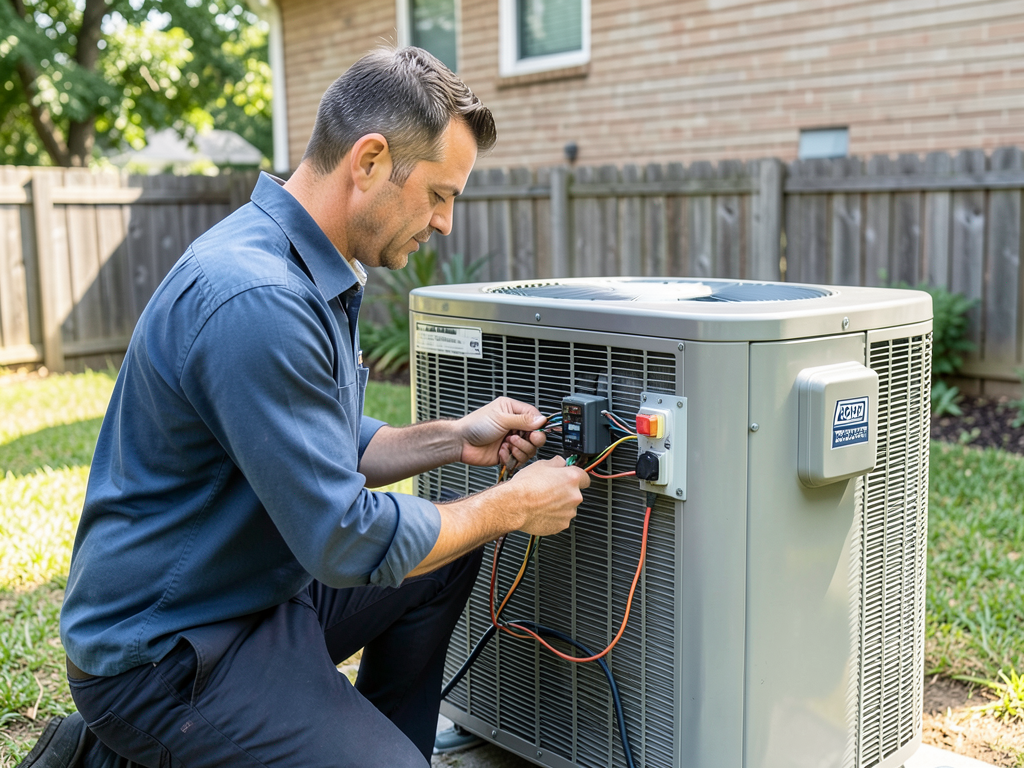
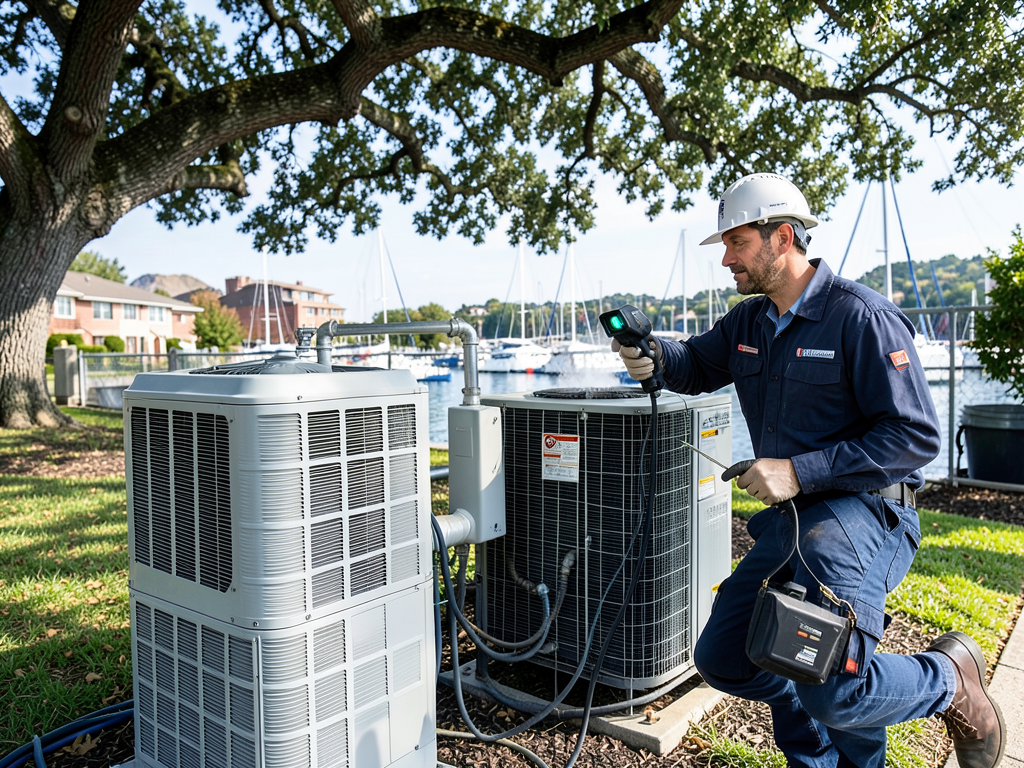
HVAC Services in The Houston Area

Titan HVAC is proud to serve Houston and the surrounding areas with expert heating and cooling solutions. Our central location allows us to respond quickly to both residential and commercial clients. Whether you need an emergency fix or scheduled service, we’re never far away. Explore our service area and see how close comfort really is. We're just a call or click away—connect with us today.

Address:
Titan HVAC Houston, 3730 Kirby DrHouston, Houston, TX, 77098

Additional Services We Offer

Our news updates

Latest Articles & News from The Blogs

Updating the HVAC in an Eastwood Brick Bungalow Without Ruining the Character Eastwood’s brick bungalows built in the 1920s and…

Updating the HVAC in an Eastwood Brick Bungalow Without Ruining the Character

Updating the HVAC in an Eastwood Brick Bungalow Without Ruining the Character Eastwood’s brick bungalows built in the 1920s and…

Clever Ways to Hide an Outdoor AC Unit Without Breaking Woodlands HOA Rules

Clever Ways to Hide an Outdoor AC Unit Without Breaking Woodlands HOA Rules Living in The Woodlands means enjoying tree-lined…

Why a Radiant Barrier Might Be the Missing Piece for Your Aliana AC System

Why a Radiant Barrier Might Be the Missing Piece for Your Aliana AC System If your Aliana home feels like…

Contact Us

Call Titan HVAC Houston at (281) 552-7766 for a property assessment. We provide transparent pricing, fast response, and service designed for Houston property managers who need reliable HVAC operations.