





Bellaire's position in the greater Houston metro creates demanding conditions for heating and cooling systems. Summer temperatures regularly exceed 95 degrees with humidity levels that make air conditioners work overtime for months. Systems run nearly year-round here, with brief winter cold snaps that stress heating components not used for most of the year.
The clay soil throughout Bellaire shifts with seasonal moisture changes, affecting ground-level ductwork and exterior condensing units. Homes near Buffalo Bayou deal with higher ambient humidity that accelerates corrosion on outdoor equipment. The coastal proximity means salt air reaches inland, degrading metal components faster than in dry climates.
Older homes in neighborhoods like Southside Place and along Jessamine Street often have undersized ductwork from decades past, forcing modern high-efficiency systems to work harder than designed. Many properties built before updated energy codes lack proper insulation, making it difficult to maintain consistent temperatures without running equipment constantly. These factors combine to create higher utility bills and premature system failures if not addressed with proper sizing, installation, and maintenance specific to Houston's climate demands.
We built our reputation in Houston by showing up when we say we will and fixing problems right the first time. Our technicians know Bellaire homes because we've serviced hundreds of them, from historic properties near Evergreen Street to newer construction in the Medical Center adjacent areas. We understand how Houston's climate affects your specific equipment and what solutions actually work long-term.
Every technician drives a fully stocked truck with common parts for most major brands. This means fewer trips to supply houses and faster repairs when your system fails on a 98-degree afternoon. We price jobs before starting work, explaining exactly what's wrong and what it costs to fix. No hidden fees, no pressure tactics, just honest assessments of your system's condition.
Our maintenance programs prevent the breakdowns that always happen at the worst time. We catch failing capacitors, refrigerant leaks, and worn contactors before they strand you without cooling during Houston's brutal summers. We also handle the permit and inspection process for new installations, ensuring your system meets current building codes and manufacturer warranty requirements.
When we install new equipment, we properly size it for your home's actual cooling load, not just match the old unit's tonnage. We calculate ductwork capacity, insulation values, and window exposure to specify systems that run efficiently without short-cycling. This attention to engineering details means lower utility bills and equipment that lasts years longer than improperly installed systems.

When your AC fails in Houston heat, hours matter. We dispatch technicians to Bellaire homes the same day you call, with most emergency repairs completed in one visit. Our trucks carry the parts that fail most often, so we fix problems without waiting for shipments or making return trips tomorrow.

You know the total cost before we touch your system. We diagnose the problem, explain what's broken, and give you a firm price to fix it. No hourly rates that climb while you watch, no surprise charges after the work is done. Just honest pricing you can trust.
Our technicians hold certifications for all major brands and complete ongoing training on new equipment technologies. They diagnose problems accurately using testing equipment, not guesswork. This expertise means we identify root causes instead of just replacing parts until something works, saving you money on unnecessary repairs.
We've serviced HVAC systems throughout Bellaire for years, learning how Houston's heat and humidity affect different home designs and equipment brands. We know which systems handle the climate best and how to optimize performance in older homes with limited ductwork or insulation challenges specific to this area.
Climate control in Bellaire requires different approaches depending on whether you're facing an emergency breakdown, planning a system replacement, or maintaining existing equipment. We structure our services around these distinct needs because each requires different expertise, response times, and solutions.
Emergency repair calls need fast diagnosis and immediate parts availability. Installation projects demand proper engineering calculations and permit coordination. Maintenance work focuses on preventing problems before they cause discomfort or damage. Our technicians specialize in all three service types, carrying the tools and inventory needed for each situation.
We service all major brands of air conditioning equipment, heat pumps, furnaces, and ductless mini-split systems. Our work includes refrigerant leak detection and repair, compressor replacement, air handler service, ductwork modification, thermostat upgrades, and indoor air quality improvements. Whether you need a capacitor replaced today or a whole-house system designed for a renovation, we handle the complete scope of heating and cooling services Bellaire properties require.
When your AC quits cooling or your heater won't start, we respond the same day with technicians who diagnose problems fast and carry the parts to fix them. We repair compressor failures, refrigerant leaks, blower motor burnouts, electrical failures, and frozen coils. Most emergency calls get resolved in one visit because our trucks stock components for common failures across all major brands. We also handle ductwork damage, thermostat failures, and air quality emergencies affecting your comfort right now.
We install complete HVAC systems engineered for your home's specific cooling and heating loads. This includes proper equipment sizing based on square footage, insulation values, window exposure, and ductwork capacity. We handle permit applications, city inspections, old equipment removal, and manufacturer warranty registration. Our installations include high-efficiency air conditioners, heat pumps, gas furnaces, electric heating systems, and ductless mini-splits. Every installation meets current building codes and manufacturer specifications for maximum efficiency and lifespan.
Regular maintenance prevents the breakdowns that always happen during extreme weather. Our tune-ups include refrigerant level checks, electrical connection testing, capacitor condition assessment, contactor inspection, coil cleaning, drain line clearing, and blower component lubrication. We catch failing parts before they damage other components or leave you without cooling. Maintenance customers get priority scheduling for repairs and discounted service rates. We recommend seasonal check-ups before summer heat and winter cold to verify your system will perform when you need it most.
Houston's climate and Bellaire's housing characteristics create recurring HVAC problems that strain equipment and increase repair frequency. The near-constant air conditioner operation during eight-month summers wears components faster than in moderate climates. High humidity corrodes outdoor units and promotes mold growth in ductwork. Brief but intense winter freezes stress heating systems that sit idle most of the year.
Older neighborhoods with mature tree cover keep homes cooler but drop leaves and debris into outdoor condensing units, blocking airflow and causing compressors to overheat. Properties near Buffalo Bayou deal with elevated moisture that accelerates rust on metal components. Many homes built before modern efficiency standards have undersized ductwork that restricts airflow, making even new high-efficiency systems work harder than designed. These factors combine to create specific failure patterns we see repeatedly across Bellaire.
Air conditioners that run constantly but can't cool your home below 78 degrees typically suffer from refrigerant leaks, failing compressors, or undersized equipment. Low refrigerant reduces cooling capacity even when the compressor runs properly. Older systems lose efficiency as internal components wear, requiring replacement rather than continued repairs that cost more than new equipment over time.
Ice forming on indoor coils or refrigerant lines signals restricted airflow or refrigerant problems. Dirty air filters, blocked return vents, failing blower motors, or collapsed ductwork prevent proper air movement across the coil. Low refrigerant from leaks also causes freezing. The ice blocks airflow further, creating a cycle that damages the compressor if not repaired quickly.
Systems that turn on for a few minutes then shut off repeatedly never properly cool your home and waste energy. Oversized equipment, failing thermostats, dirty coils, refrigerant overcharge, or electrical problems cause this pattern. Short-cycling stresses mechanical components and increases wear on contactors, compressors, and capacitors. It also prevents proper humidity removal, leaving your home feeling clammy even when the thermostat shows your target temperature.
Spikes in electricity costs during summer often indicate HVAC systems working harder than necessary due to dirty coils, duct leaks, low refrigerant, worn compressors, or poor insulation. Older equipment loses efficiency gradually, making the decline hard to notice until you compare bills year over year. Duct leaks in attics waste conditioned air in spaces you're not using, forcing longer run times to maintain comfort in living areas.
We run our service calls differently than companies that profit from confusion and rushed decisions. You get clear communication at every step, starting with the person who answers your call. We ask questions to understand your problem, then schedule a technician based on urgency. Emergency breakdowns get same-day response. Non-urgent service calls typically happen within 48 hours.
Our technician calls when heading to your home, arriving in a marked truck with our name and phone number visible. They wear identification and explain what they're going to inspect before touching your system. After diagnosis, you get a detailed explanation of what's wrong, why it happened, and what it costs to fix. You decide whether to proceed based on complete information, not pressure tactics or artificial urgency.
We respect your property during service. Technicians use drop cloths to protect floors, clean up any mess from the repair, and remove all old parts unless you want to see what failed. After completing work, they test the system thoroughly and explain what they did. You get documentation of the service, warranty information, and maintenance recommendations. If you have questions weeks later about the repair, you can call and talk to someone who understands what was done and why.
Our technician inspects your system thoroughly, using testing equipment to measure refrigerant pressures, electrical voltages, airflow volumes, and temperature differentials. They identify the failed component and explain what it does and why it stopped working. You get a flat-rate price for the repair before they start work. This price includes parts, labor, and any testing required to verify the fix. You know the total cost upfront and decide whether to proceed with complete information.
Our trucks carry inventory for common failures across all major brands. This means we fix most problems in one visit without ordering parts or scheduling return trips. Technicians follow manufacturer specifications for installation and testing, ensuring repairs meet warranty requirements and perform reliably. They don't just replace the failed part. They investigate why it failed to prevent the same problem from recurring due to underlying causes like electrical issues or refrigerant contamination.
Every repair carries a warranty on parts and labor. If the same problem returns within the warranty period, we fix it at no additional charge. We also follow up after major repairs to verify your system is performing as expected. If you notice anything unusual about how the equipment operates after our service, call us. We'd rather address a small concern immediately than have it develop into a bigger problem later.
We keep the service process simple because your time matters and you want your comfort restored quickly. Three steps get you from the initial call to a properly functioning system.
When you call (281) 552-7766, you talk to someone who understands HVAC problems and can assess urgency. Describe what's happening with your system and they'll schedule a technician based on your needs. Emergency breakdowns get same-day response. Non-urgent service typically happens within two days. You get a time window for the technician's arrival and a call when they're heading to your home.
Our technician inspects your system, tests components, and identifies the problem. They explain what failed, why it happened, and what's required to fix it properly. You get a flat-rate price that covers everything needed to complete the repair. Once you approve the price, they start work immediately if they have the parts on the truck. Most repairs happen the same visit.
The technician completes the repair following manufacturer specifications, then tests system operation thoroughly. They measure temperatures, pressures, and electrical values to verify everything works correctly. You get an explanation of what was done, documentation of the service, and warranty information. They answer any questions about operating your system efficiently or preventing future problems.
Professional HVAC work in Bellaire requires compliance with multiple codes and standards that protect homeowners and ensure system safety and efficiency. The City of Bellaire adopts the International Mechanical Code with local amendments, requiring permits for system replacements, major repairs, and ductwork modifications. Permits trigger inspections by city building officials who verify installations meet minimum safety standards for electrical connections, gas piping, combustion venting, and refrigerant handling.
Refrigerant work requires EPA Section 608 certification for technicians. This federal requirement ensures proper handling of refrigerants that damage the environment if released carelessly. Certified technicians know how to recover old refrigerant before opening systems, properly evacuate moisture from lines before charging new refrigerant, and test for leaks using electronic detectors or nitrogen pressure tests. They also understand the transition from R-22 refrigerant, which is no longer produced, to R-410A and newer alternatives approved for residential use.
Equipment installations must follow manufacturer specifications for warranty coverage to remain valid. This includes proper electrical sizing for circuit breakers and wire gauge, correct refrigerant line lengths and sizing, appropriate condensate drain installation with traps and venting, and matching indoor and outdoor unit capacities. Manufacturers provide detailed installation manuals specifying clearances, mounting requirements, and startup procedures. Installations that deviate from these specifications can void warranties worth thousands of dollars on major equipment failures.
Energy efficiency standards from the Department of Energy set minimum SEER ratings for new equipment sold in the southern United States. As of recent updates, air conditioners must meet 15 SEER minimum in Texas, with higher efficiency units qualifying for utility rebates through CenterPoint Energy. Proper sizing calculations using Manual J load analysis prevent oversized equipment that short-cycles and undersized systems that run constantly. These calculations account for home square footage, insulation R-values, window areas and orientations, ductwork capacity, and infiltration rates to specify equipment that matches actual cooling and heating demands.
Bellaire requires permits for HVAC system replacements and major component changes like air handler or condenser swaps. The permit process ensures work meets building codes for electrical connections, gas line sizing, combustion air supply, and condensate drainage. City inspectors verify installations before systems can be legally operated. Contractors pull permits, schedule inspections, and correct any deficiencies found during review.
Proper system sizing requires Manual J calculations that account for home characteristics beyond square footage. Insulation levels, window areas, ceiling heights, and ductwork capacity all affect cooling and heating loads. Oversized equipment short-cycles and removes humidity poorly. Undersized systems run constantly and never achieve comfortable temperatures. Professional sizing ensures equipment matches your home's actual demands for efficient operation and long equipment life.
EPA regulations require certified technicians for any work involving refrigerant systems. Proper procedures include recovering old refrigerant before repairs, evacuating moisture from lines using vacuum pumps, charging systems to manufacturer specifications by weight or subcooling measurements, and leak testing with electronic detectors. Technicians must document refrigerant added or recovered on EPA forms. Improper handling damages equipment and violates federal environmental laws.
Manufacturer warranties cover major component failures for up to ten years but require professional installation following detailed specifications. Improper electrical connections, incorrect refrigerant charges, inadequate airflow, or mismatched indoor and outdoor units void coverage. Documentation of proper startup procedures and registration with the manufacturer within required timeframes protects your warranty investment. Professional contractors handle registration and provide documentation proving compliant installation.
Learn what causes air conditioning failures in Bellaire's extreme Houston climate and how to get fast, professional repairs. Titan HVAC Houston explains common breakdowns including refrigerant leaks, compressor failures, frozen coils, and electrical problems affecting homes throughout Bellaire. Get expert diagnosis, same-day emergency service, and upfront pricing from technicians who service hundreds of Houston-area properties. Call (281) 552-7766 for HVAC repairs, installations, and maintenance.
Titan HVAC Houston serves homes and businesses throughout Bellaire and neighboring communities in the greater Houston area. Our service area includes established neighborhoods near Evergreen Street and Jessamine Street, where mature homes often need ductwork upgrades and system replacements. We work extensively in Southside Place, an independent municipality surrounded by Bellaire, where property owners face similar climate challenges and require coordinated permit processes with their local building department.
Properties near the Texas Medical Center rely on us for commercial HVAC service and residential systems supporting medical professionals who can't afford downtime during Houston's extreme weather. We service homes along Bellaire Boulevard from Loop 610 to Hillcroft Avenue, an area mixing older single-family homes with newer townhome developments that have different HVAC requirements and equipment access challenges.
The neighborhoods bordering West University Place share Bellaire's tree-lined streets and housing stock from the 1940s through 1960s. These homes often have original ductwork in attics and crawl spaces where summer heat exceeds 140 degrees, degrading insulation and connections over time. We've upgraded hundreds of these systems with properly sized equipment and sealed ductwork that reduces cooling costs and improves comfort.
Our technicians know the area between Chimney Rock Road and Rice Village, where proximity to Hermann Park affects humidity levels and outdoor unit exposure to landscape irrigation. We service properties near Brays Bayou, where elevated groundwater during heavy rains affects condensate drainage and outdoor unit placement. The Meyerland area northeast of Bellaire presents flood recovery challenges where we've replaced and elevated equipment after major storm events.
We extend service to West Bellfort and Fondren Southwest areas, communities with similar coastal climate demands but different housing densities requiring varied HVAC solutions. Whether you need emergency repairs in a Bellaire bungalow near Holly Street or a complete system design for a new construction project near Auden Street, we understand the specific requirements of Houston-area properties and deliver solutions engineered for this climate and these building characteristics.
The $5000 rule is a quick decision guideline for aging HVAC systems. Multiply the age of your unit by the estimated repair cost. If the total exceeds $5000, replacement often makes more financial sense than repair. For example, a 12-year-old system needing $500 in repairs equals $6000, suggesting replacement is smarter. In Bellaire's humid climate, older systems also lose efficiency faster due to constant moisture stress on components. This rule helps you avoid throwing good money after bad on a system nearing its end of life.
HVAC installers in Bellaire typically charge between $75 and $150 per hour for labor, depending on job complexity and technician certification level. Installation projects are usually bid as flat-rate jobs rather than hourly, which protects you from cost overruns. Emergency service calls after hours or weekends carry premium rates. The hourly rate covers skilled labor, licensing, insurance, and overhead. Be cautious of unusually low rates, as they often signal unlicensed work or corner-cutting that creates liability issues down the road.
The most common HVAC problems in Bellaire include refrigerant leaks, dirty air filters, thermostat malfunctions, and drainage clogs caused by high humidity. Condensate drain lines frequently back up in our climate, leading to water damage and system shutdowns. Capacitor failures are also prevalent due to constant cycling in hot weather. Dirty evaporator coils reduce efficiency significantly. Ductwork leaks waste conditioned air in attics, driving up bills. Many of these issues stem from deferred maintenance. Regular filter changes and annual tune-ups prevent most breakdowns before they start.
The $5000 rule is a quick decision guideline for aging HVAC systems. Multiply the age of your unit by the estimated repair cost. If the total exceeds $5000, replacement often makes more financial sense than repair. For example, a 12-year-old system needing $500 in repairs equals $6000, suggesting replacement is smarter. In Bellaire's humid climate, older systems also lose efficiency faster due to constant moisture stress on components. This rule helps you avoid throwing good money after bad on a system nearing its end of life.
HVAC installers in Bellaire typically charge between $75 and $150 per hour for labor, depending on job complexity and technician certification level. Installation projects are usually bid as flat-rate jobs rather than hourly, which protects you from cost overruns. Emergency service calls after hours or weekends carry premium rates. The hourly rate covers skilled labor, licensing, insurance, and overhead. Be cautious of unusually low rates, as they often signal unlicensed work or corner-cutting that creates liability issues down the road.
The most common HVAC problems in Bellaire include refrigerant leaks, dirty air filters, thermostat malfunctions, and drainage clogs caused by high humidity. Condensate drain lines frequently back up in our climate, leading to water damage and system shutdowns. Capacitor failures are also prevalent due to constant cycling in hot weather. Dirty evaporator coils reduce efficiency significantly. Ductwork leaks waste conditioned air in attics, driving up bills. Many of these issues stem from deferred maintenance. Regular filter changes and annual tune-ups prevent most breakdowns before they start.
Most reputable HVAC companies in Bellaire offer free quotes for system replacements and major installations. Free estimates typically include load calculations, equipment recommendations, and written pricing. However, diagnostic service calls for repairs usually carry a trip charge or diagnostic fee, often $75 to $125, which may be waived if you proceed with the repair. Be wary of companies that charge upfront for quotes on new installations. Transparent pricing without hidden fees should be standard practice for any professional contractor.
A quality HVAC system for 4000 square feet in Bellaire typically ranges from $15,000 to $30,000, depending on efficiency rating, zoning needs, and ductwork condition. Homes this size often require multiple units or a large commercial-grade system. Two-story layouts may need zoned systems for balanced comfort. Higher SEER ratings cost more upfront but save significantly on cooling bills in our climate. The price includes equipment, installation labor, permits, and startup. Existing ductwork condition heavily impacts final cost, as modifications add expense.
The 3-minute rule prevents compressor damage by requiring a minimum wait time between AC cycles. After your system shuts off, refrigerant pressure needs at least three minutes to equalize throughout the system before restarting. Starting the compressor with unbalanced pressure strains the motor and shortens its lifespan. Most modern thermostats have this delay built in. If you manually cycle your system on and off rapidly, you risk expensive compressor failure. This rule is particularly important in Bellaire, where systems run frequently during long cooling seasons.
HVAC replacement for a 1200-square-foot house in Bellaire typically costs between $5,500 and $12,000. This includes a 2 to 3-ton system appropriate for our climate. Factors affecting price include SEER rating, brand choice, ductwork condition, and installation complexity. Single-story homes with accessible attics install faster and cheaper than two-story layouts. Higher-efficiency units cost more initially but reduce monthly electric bills substantially. Proper sizing is critical in our humid climate. An oversized unit short-cycles and fails to dehumidify properly, while undersized units run constantly.
For a 2000-square-foot home in Bellaire, expect HVAC replacement costs between $8,000 and $16,000. Most homes this size need a 3 to 4-ton system. Variables include layout efficiency, insulation quality, ceiling height, and window placement. Two-story homes may benefit from zoned systems for better temperature control between floors. Equipment efficiency dramatically impacts operating costs in our climate, where cooling loads dominate. Ductwork modifications, electrical upgrades, and permit fees add to the base price. Quality installation matters more than equipment brand for long-term performance.
Full HVAC installation typically takes one to three days for residential systems in Bellaire. Straightforward replacements with existing ductwork often complete in one day. Systems requiring ductwork modifications, electrical upgrades, or multiple zones take two to three days. New construction or whole-home retrofits may need longer. The timeline includes removing old equipment, installing the new system, modifying ductwork if needed, testing airflow, charging refrigerant, and verifying proper operation. Weather delays happen, but professional crews work efficiently to minimize disruption to your home and restore comfort quickly.
The 2-foot rule requires maintaining at least two feet of clearance around outdoor condenser units for proper airflow and service access. Shrubs, fences, storage items, and debris block airflow, forcing the system to work harder and reducing efficiency. In Bellaire's landscape, aggressive vegetation growth can quickly encroach on units. Restricted airflow causes high head pressure, overheating, and premature compressor failure. Technicians also need clearance to perform maintenance and repairs safely. Keep the area clear, trim plants regularly, and avoid stacking items against your condenser.
Most reputable HVAC companies in Bellaire offer free quotes for system replacements and major installations. Free estimates typically include load calculations, equipment recommendations, and written pricing. However, diagnostic service calls for repairs usually carry a trip charge or diagnostic fee, often $75 to $125, which may be waived if you proceed with the repair. Be wary of companies that charge upfront for quotes on new installations. Transparent pricing without hidden fees should be standard practice for any professional contractor.
A quality HVAC system for 4000 square feet in Bellaire typically ranges from $15,000 to $30,000, depending on efficiency rating, zoning needs, and ductwork condition. Homes this size often require multiple units or a large commercial-grade system. Two-story layouts may need zoned systems for balanced comfort. Higher SEER ratings cost more upfront but save significantly on cooling bills in our climate. The price includes equipment, installation labor, permits, and startup. Existing ductwork condition heavily impacts final cost, as modifications add expense.
The 3-minute rule prevents compressor damage by requiring a minimum wait time between AC cycles. After your system shuts off, refrigerant pressure needs at least three minutes to equalize throughout the system before restarting. Starting the compressor with unbalanced pressure strains the motor and shortens its lifespan. Most modern thermostats have this delay built in. If you manually cycle your system on and off rapidly, you risk expensive compressor failure. This rule is particularly important in Bellaire, where systems run frequently during long cooling seasons.
HVAC replacement for a 1200-square-foot house in Bellaire typically costs between $5,500 and $12,000. This includes a 2 to 3-ton system appropriate for our climate. Factors affecting price include SEER rating, brand choice, ductwork condition, and installation complexity. Single-story homes with accessible attics install faster and cheaper than two-story layouts. Higher-efficiency units cost more initially but reduce monthly electric bills substantially. Proper sizing is critical in our humid climate. An oversized unit short-cycles and fails to dehumidify properly, while undersized units run constantly.
For a 2000-square-foot home in Bellaire, expect HVAC replacement costs between $8,000 and $16,000. Most homes this size need a 3 to 4-ton system. Variables include layout efficiency, insulation quality, ceiling height, and window placement. Two-story homes may benefit from zoned systems for better temperature control between floors. Equipment efficiency dramatically impacts operating costs in our climate, where cooling loads dominate. Ductwork modifications, electrical upgrades, and permit fees add to the base price. Quality installation matters more than equipment brand for long-term performance.
Full HVAC installation typically takes one to three days for residential systems in Bellaire. Straightforward replacements with existing ductwork often complete in one day. Systems requiring ductwork modifications, electrical upgrades, or multiple zones take two to three days. New construction or whole-home retrofits may need longer. The timeline includes removing old equipment, installing the new system, modifying ductwork if needed, testing airflow, charging refrigerant, and verifying proper operation. Weather delays happen, but professional crews work efficiently to minimize disruption to your home and restore comfort quickly.
The 2-foot rule requires maintaining at least two feet of clearance around outdoor condenser units for proper airflow and service access. Shrubs, fences, storage items, and debris block airflow, forcing the system to work harder and reducing efficiency. In Bellaire's landscape, aggressive vegetation growth can quickly encroach on units. Restricted airflow causes high head pressure, overheating, and premature compressor failure. Technicians also need clearance to perform maintenance and repairs safely. Keep the area clear, trim plants regularly, and avoid stacking items against your condenser.
Titan HVAC is proud to serve Houston and the surrounding areas with expert heating and cooling solutions. Our central location allows us to respond quickly to both residential and commercial clients. Whether you need an emergency fix or scheduled service, we’re never far away. Explore our service area and see how close comfort really is. We're just a call or click away—connect with us today.
Address:
Bellaire, TX, 77401
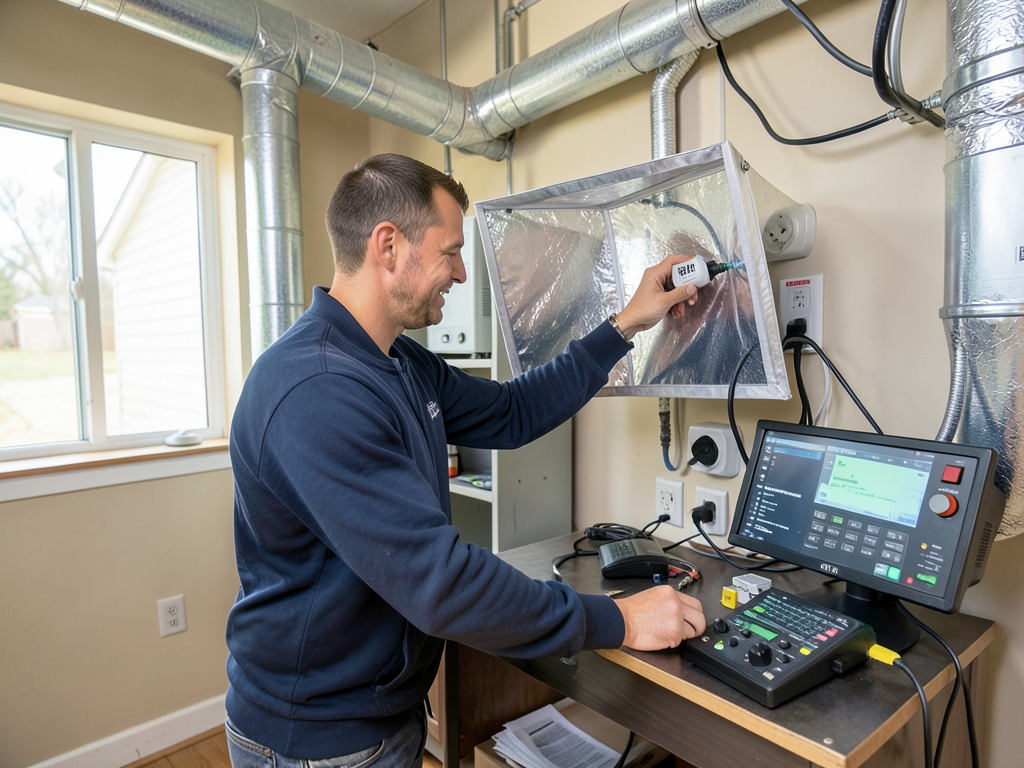
How Air Balancing Makes Every Room the Same Temperature in Your South Park Ranch Home If you live in a South Park ranch home built in the 1960s or 1970s, you know the struggle. One…
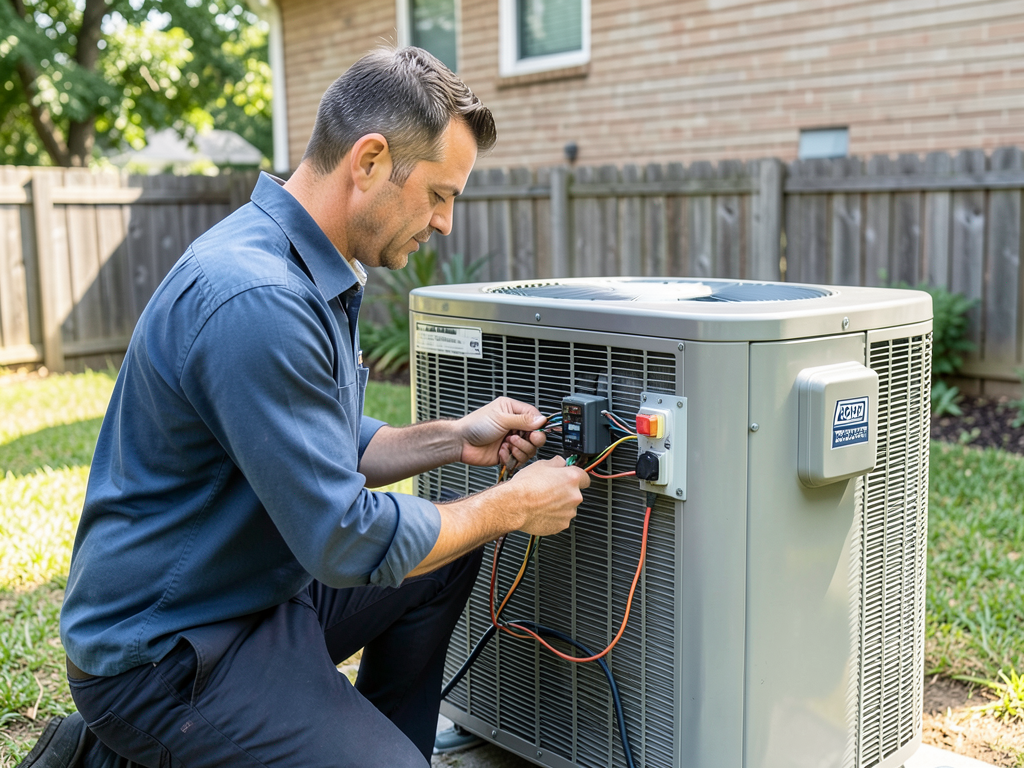
Preparing Your HVAC System to Run on a Whole-Home Generator in Park Ten Power outages…
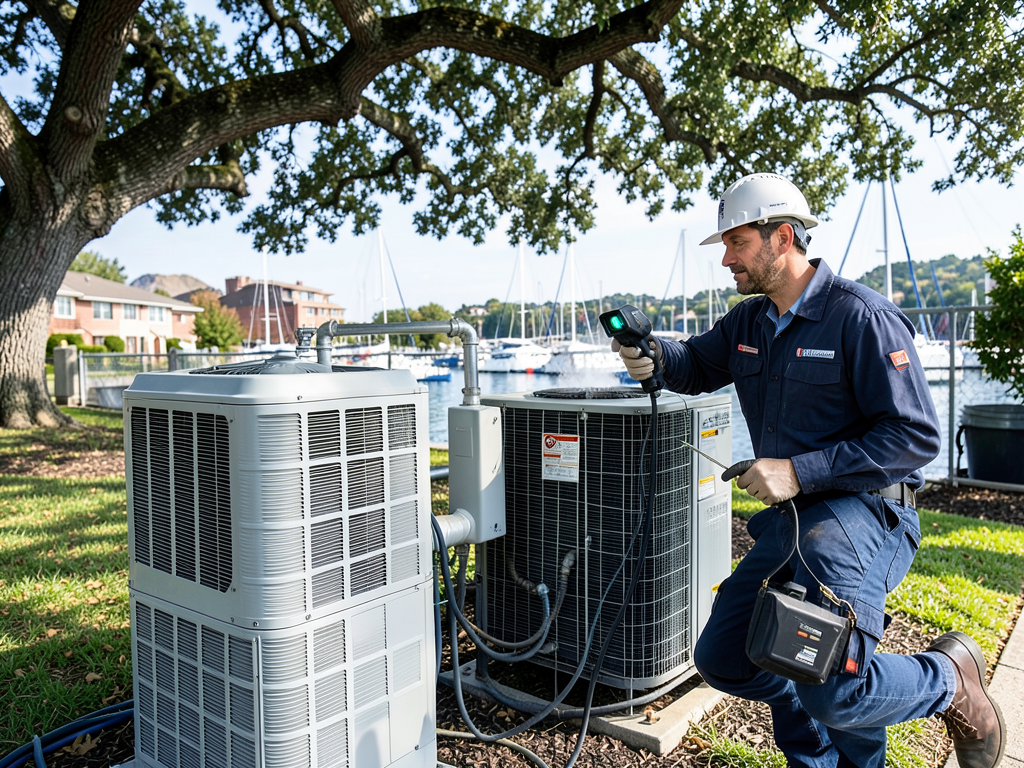
How Mature Tree Shade Impacts Your AC Performance and Efficiency in Denver Harbor Denver Harbor’s…
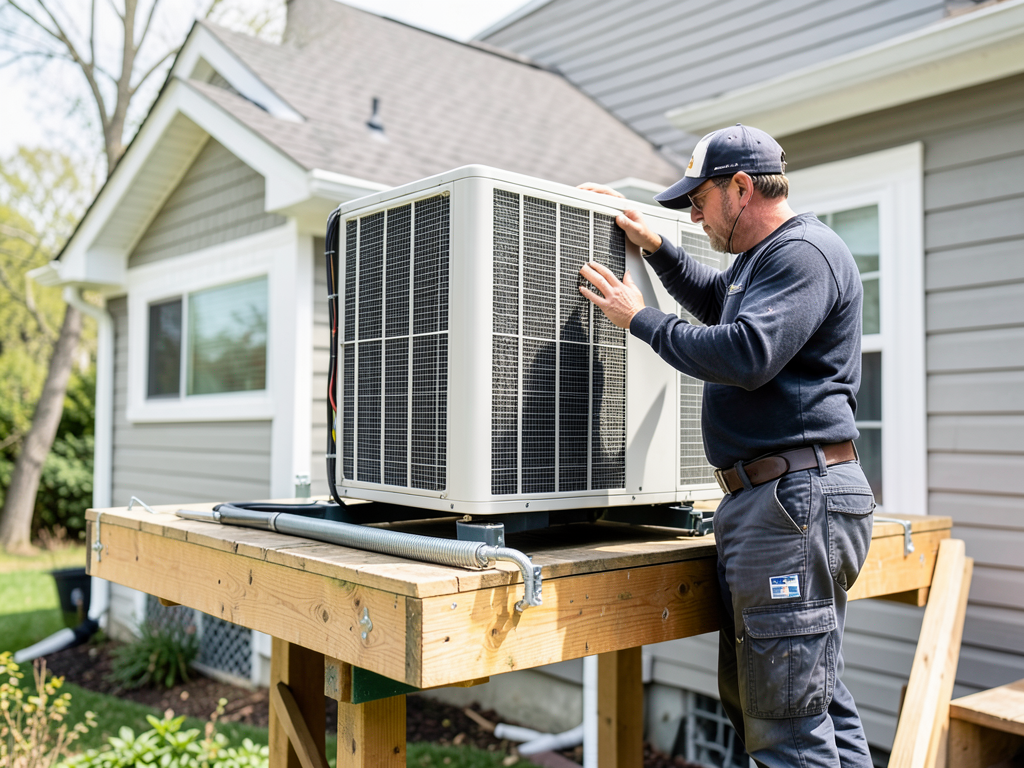
Everything You Need to Know About HVAC Permits and Building Codes in Willowbrook Installing a…
Don't wait for a breakdown during the next heat wave or cold snap. Call Titan HVAC Houston now at (281) 552-7766 for same-day emergency repairs or to schedule maintenance that prevents problems before they start. Our technicians are ready to restore your comfort with expert service and upfront pricing.