





Webster sits just miles from Clear Lake and Galveston Bay, where humidity stays high year-round and salt air accelerates corrosion on outdoor HVAC units. Summer temperatures climb into the upper 90s with heat indexes exceeding 110 degrees, pushing air conditioners to run constantly from May through September. This relentless demand wears out compressors, capacitors, and fan motors faster than systems in drier climates.
The coastal environment creates another challenge. Salt spray from the bay corrodes copper refrigerant lines and aluminum coil fins, reducing efficiency and causing premature system failure. Homes near NASA Road 1 and Clear Lake City Boulevard face the most exposure. Winter cold snaps, while brief, can freeze exposed pipes and damage heat pumps not designed for occasional freezes.
Webster's rapid growth means many neighborhoods mix older homes with new construction. Older systems in Clear Lake Forest and Bay Knoll often run on outdated refrigerants and lack modern efficiency features. New builds in developments near El Dorado Boulevard come with builder-grade equipment that may not withstand our climate's demands. Both situations require technicians who understand how coastal humidity, heat, and salt air affect system performance and longevity.
Titan HVAC Houston has served Webster and the Clear Lake area for over fifteen years, building a reputation for showing up when we say we will and fixing problems the first time. Our technicians live in Webster, Friendswood, and League City, so they understand what your system faces in this coastal climate. They know which brands hold up to salt air and which fail within five years. They recognize when a repair makes sense and when replacement saves you money long-term.
We stock our service trucks with parts for the most common systems in Webster homes, including Carrier, Trane, Lennox, and Rheem equipment. This means we complete most repairs during the first visit instead of ordering parts and coming back days later. Our technicians arrive in marked trucks with pricing guides, so you know the cost before work begins. No hidden fees, no pressure tactics, just straightforward pricing and honest recommendations.
Our company focuses exclusively on HVAC work. We don't do plumbing or electrical as side projects. This specialization means our technicians stay current on refrigerant regulations, efficiency standards, and manufacturer specifications. They complete ongoing training on new equipment and diagnostic techniques. When you call Titan HVAC Houston, you get specialists who work on heating and cooling systems every single day, not generalists who dabble in multiple trades.
We guarantee our work with warranties that protect both parts and labor. If a repair fails within the warranty period, we return and fix it at no charge. We maintain relationships with equipment manufacturers that allow us to offer extended warranties on new installations, giving you protection beyond standard coverage. Webster homeowners trust us because we stand behind our work and return calls promptly when questions arise.

We dispatch technicians to Webster locations within hours of your call, even on weekends and holidays. Our trucks carry common parts for immediate repairs, so your family doesn't suffer through days without air conditioning or heat. We prioritize households with young children, elderly residents, or medical conditions requiring climate control.

Living near Clear Lake means your HVAC system battles salt air, high humidity, and constant heat. Our technicians recognize corrosion patterns specific to coastal equipment and recommend solutions that last in Webster's environment. We know which coatings protect outdoor units from salt spray and which brands withstand humidity best.
Our technicians provide written estimates before starting any repair or installation. You see the total cost, including parts and labor, with no surprises added later. We explain what the repair involves and how long it should last, helping you decide if repair or replacement makes more sense for your situation and budget.
Our technicians live in Webster and surrounding Clear Lake communities. They drive past your neighborhood daily and understand local building patterns, common system problems, and which contractors install quality equipment. When you call, you reach people who know Webster streets, not a distant call center routing your emergency to the lowest bidder.
Titan HVAC Houston handles every aspect of heating and cooling for Webster properties. We repair systems that break down unexpectedly, maintain equipment to prevent failures, and install new units when replacement makes more sense than continued repairs. Our technicians work on residential and commercial systems, from single-family homes in Clear Lake Forest to retail spaces along Bay Area Boulevard.
We organize our services around how customers actually need HVAC work. Emergency repairs get handled immediately because living without air conditioning in Webster's heat creates genuine health risks. Planned installations happen on your timeline with detailed proposals and equipment options. Maintenance agreements keep your system running efficiently and catch small problems before they become expensive failures. This structure ensures you get the right type of service for your specific situation, whether you're dealing with a sudden breakdown or planning a system upgrade.
Our commercial services support businesses that depend on climate control, including medical offices, restaurants, and retail stores. We schedule commercial work around your operating hours to minimize disruption and provide maintenance contracts that include priority emergency response. Webster businesses trust us because we understand that HVAC failure costs you more than just repair bills when it drives away customers or spoils inventory.
When your system quits working, we respond fast with technicians who diagnose problems accurately and carry common replacement parts. We repair all major brands including Carrier, Trane, Lennox, Goodman, and Rheem. Our diagnostic process identifies the root cause, not just symptoms, preventing repeat failures. We explain what failed, why it happened, and how long the repair should last. You get honest advice about whether repair makes sense or if your system reached the end of its useful life.
We calculate proper system size using Manual J load calculations, not guesswork based on square footage. Our installers follow manufacturer specifications exactly, ensuring your warranty stays valid and your system performs as designed. We install high-efficiency systems that qualify for utility rebates and explain which features actually save money versus marketing gimmicks. Installation includes complete ductwork inspection, refrigerant line replacement when needed, and thermostat upgrades. We clean up completely and test every function before leaving your property.
Regular maintenance extends system life and prevents failures during Webster's hottest weeks when repair demand peaks. Our maintenance includes coil cleaning, refrigerant level checks, electrical connection inspection, and condensate drain clearing. We catch worn capacitors, failing contactors, and dirty filters before they cause complete system failure. Maintenance customers receive priority scheduling for emergency repairs and discounts on parts. Most Webster homeowners schedule maintenance in spring and fall, preparing systems for the upcoming extreme season.
Webster's location near Clear Lake creates specific HVAC challenges that homeowners must address to maintain comfortable indoor temperatures. The combination of coastal humidity, extreme summer heat, and salt-laden air causes problems rarely seen in inland communities. Systems that would last twenty years in drier climates fail within twelve to fifteen years here without proper maintenance.
The constant moisture in our air forces air conditioners to remove humidity while cooling, doubling the workload compared to drier regions. This extended runtime wears out compressors and motors faster. Salt spray from the bay corrodes metal components even on units installed hundreds of yards from the water. The corrosion creates refrigerant leaks, electrical failures, and reduced heat transfer efficiency. Homeowners in neighborhoods closest to Clear Lake and Galveston Bay face these problems most severely, but even properties near Interstate 45 experience accelerated wear from our coastal environment.
Salt air eats through aluminum coil fins and copper tubing, causing refrigerant to leak out slowly. Your system runs constantly but never reaches the set temperature. Refilling refrigerant without fixing the leak wastes money because it leaks out again within weeks. Proper repair requires finding the leak, repairing or replacing the damaged coil, and recharging the system to manufacturer specifications.
Capacitors start your compressor and fan motors. Webster's extreme heat causes these components to fail frequently, especially on systems running constantly through July and August. When a capacitor fails, your outdoor unit won't start or makes a humming sound without running. Replacement takes less than an hour and prevents damage to the more expensive compressor motor.
Your air conditioner removes gallons of moisture from Webster's humid air daily. This water drains through a pipe that clogs with algae and debris. When blocked, water backs up into your home, damaging ceilings, walls, and flooring. Regular maintenance includes clearing this drain line and treating it to prevent algae growth, protecting your home from thousands in water damage.
Many Webster homes have systems installed by contractors who guessed at sizing instead of calculating actual cooling loads. An undersized unit runs constantly, never reaching comfortable temperatures during summer peaks. It wears out faster from continuous operation and drives up electric bills. Proper sizing requires Manual J calculations that account for insulation, window area, and orientation, not just square footage.
When you contact Titan HVAC Houston, you reach a real person who listens to your problem and dispatches help quickly. We don't use answering services or overseas call centers. Our scheduler knows which technician is closest to your Webster location and has the right expertise for your system type. For emergencies, we commit to arrival times and call if anything changes.
Our technicians arrive in clean uniforms driving marked trucks stocked with diagnostic equipment and common parts. They introduce themselves, listen to your description of the problem, and explain what they need to check. The diagnostic process is thorough because accurate diagnosis prevents wasted time and money on unnecessary repairs. Once they identify the problem, they explain what failed, what caused it, and provide a written estimate before starting work.
We respect your property and your time. Technicians wear shoe covers, use drop cloths, and clean up completely before leaving. They test the system thoroughly to confirm the repair solved the problem and explain what they did in plain language. You receive documentation of the work completed, parts installed, and warranty information. If you have questions days or weeks later, we return your calls promptly and address concerns without hassle.
We answer your calls quickly and explain arrival times, pricing structure, and what to expect. During the visit, technicians explain what they find in normal language without confusing jargon. Before any repair, you receive a written estimate showing parts, labor, and total cost. After work completes, we walk you through what we did and answer all questions. You're never left wondering what happened or why something cost what it did.
Our technicians tell you when a repair makes sense and when replacement serves you better. If your system is twelve years old with a major component failure, we explain both options with realistic expectations about future reliability. We don't push new equipment when a reasonable repair extends your system's life by several years. This honesty builds trust and explains why so many Webster customers call us first when problems arise.
Every repair and installation includes warranties covering both parts and labor. If something fails within the warranty period, we return and fix it at no additional charge. Our guarantees are straightforward without fine print that voids coverage for unreasonable reasons. We want your system working reliably for years, not just until the warranty expires. This commitment to quality work keeps Webster customers coming back and referring their neighbors.
We designed our service process to be simple and stress-free. You shouldn't need to take off work for days waiting for service or wonder when a technician might show up.
Call us at (281) 552-7766 and describe what's happening with your system. Our scheduler asks questions to understand the urgency and assign the right technician. For emergencies, we dispatch immediately and provide an arrival window. For planned work, we schedule at your convenience. You receive a confirmation call the day before and another when the technician is heading to your location. No waiting around all day wondering when we'll arrive.
Our technician inspects your system thoroughly, checking all components that could cause the problem you're experiencing. They explain what they found and provide a written estimate before starting any repair. You approve the work and cost before we proceed. For installations, this phase includes measuring your home, calculating proper system size, and presenting equipment options with clear pricing for each choice. No work begins until you understand and approve the plan.
After completing the repair or installation, we test every system function to confirm everything works correctly. The technician shows you what was done and explains how to maintain optimal performance. You receive documentation including warranty information, maintenance recommendations, and our contact information for future questions. We clean the work area completely and remove all debris, leaving your property in better condition than we found it.
Webster operates under Texas state licensing requirements and follows International Mechanical Code standards for HVAC installations. All technicians performing HVAC work must hold current Texas Department of Licensing and Regulation credentials, including specific endorsements for refrigerant handling. The EPA requires certification for anyone purchasing or handling refrigerants under Section 608 and 609 regulations. These credentials ensure technicians understand proper installation methods, safety protocols, and environmental protections.
Harris County, which includes Webster, enforces mechanical permits for new installations and major system replacements. Permits ensure work meets current energy codes and safety standards. The 2021 International Energy Conservation Code now applies to new construction and major renovations, requiring minimum SEER ratings of 15 for central air conditioning in our climate zone. Heat pumps must meet 8.8 HSPF minimums. These efficiency standards reduce energy consumption but require proper equipment selection and installation to achieve rated performance.
Refrigerant regulations changed significantly in recent years. R-22 refrigerant, common in systems installed before 2010, is no longer manufactured in the United States. Recharging R-22 systems costs significantly more than modern refrigerants due to limited supply. Systems using R-22 should be evaluated for replacement rather than continued repair. New systems use R-410A or newer refrigerants that perform better and impact the environment less. Proper refrigerant charge is critical, too much or too little reduces efficiency and shortens compressor life. Charging requires manifold gauges, accurate scales, and understanding of superheat and subcooling measurements.
Ductwork sizing follows Manual D calculations from the Air Conditioning Contractors of America. Improperly sized ducts cause pressure imbalances, reducing airflow and system efficiency. Webster's slab construction means most ductwork runs through unconditioned attics where summer temperatures exceed 140 degrees. Proper duct insulation prevents heat gain and condensation. Leaky duct connections waste conditioned air and force systems to run longer, increasing wear and energy costs. Proper installation includes sealed connections using mastic or approved tape, not standard duct tape which fails in attic heat.
Manual J load calculations determine correct system size by analyzing insulation, windows, orientation, and occupancy. Oversized systems cycle too frequently, failing to remove humidity properly. Undersized systems run constantly without reaching comfortable temperatures. Proper sizing requires room-by-room calculations, not square footage guesses. This precision prevents comfort problems and premature equipment failure.
System cost depends on equipment efficiency, capacity, brand, and installation complexity. Higher SEER ratings cost more upfront but reduce monthly electric bills. Two-stage and variable-speed systems cost more than single-stage but provide better humidity control and efficiency. Ductwork modifications, electrical upgrades, and refrigerant line replacement add to base equipment cost. Proper installation costs more than shortcuts but prevents callbacks and ensures warranty coverage.
Air conditioners in Webster typically last twelve to fifteen years with proper maintenance. Coastal humidity and salt air reduce lifespan compared to drier climates. Systems without regular maintenance fail sooner from dirty coils, refrigerant leaks, and component wear. Furnaces last longer, often twenty years, because they operate only a few months yearly. Heat pumps experience more wear than air conditioners because they heat and cool year-round.
Current Texas energy code requires minimum 15 SEER for air conditioners and 8.8 HSPF for heat pumps. Higher ratings reduce energy consumption but cost more initially. A 16 SEER system uses roughly 13 percent less electricity than a 14 SEER system. Variable-speed air handlers improve efficiency further by matching airflow to cooling demand. Proper installation is critical because poor airflow or refrigerant charge reduces efficiency regardless of equipment rating.
This video explains HVAC challenges specific to Webster, Texas, including salt air corrosion, humidity impacts, and equipment wear from coastal climate conditions. Learn proper system sizing methods, maintenance requirements for coastal areas, refrigerant regulations, and when to repair versus replace aging equipment. Covers common problems like corroded coils, capacitor failures, condensate drain clogs, and undersized systems that never cool properly in Webster's heat.
Titan HVAC Houston serves the entire Webster community, including established neighborhoods near NASA Road 1 and newer developments along Highway 3. We work regularly in Clear Lake Forest, one of Webster's oldest communities with homes built in the 1960s and 1970s. These properties often need system replacements and ductwork updates as original equipment reaches the end of its service life. Bay Knoll and Bay Knoll West, located between NASA Road 1 and Bay Area Boulevard, feature homes from the 1980s facing similar equipment age issues compounded by proximity to Clear Lake's salt air.
The Clear Lake City area, while technically spanning multiple municipalities, includes many Webster addresses near the waterfront. These properties face the most aggressive corrosion from salt spray and require specialized equipment or protective coatings to extend system life. We recommend specific brands and installation techniques for homes within a mile of the bay because standard equipment fails prematurely in this environment.
Newer construction along El Dorado Boulevard and in the Tuscan Lakes master-planned community presents different challenges. Builders often install minimum-code equipment to control costs, and these systems struggle with Webster's climate demands. We help homeowners in these areas upgrade to more reliable systems that handle high humidity and extended cooling seasons better. The Challenger Seven Memorial Park area and neighborhoods around Space Center Boulevard see regular service calls because the high density of homes creates concentrated demand during peak summer months.
Commercial properties along Bay Area Boulevard and near the Clear Lake Regional Medical Center campus require fast response because HVAC failure affects business operations immediately. We maintain relationships with property managers throughout Webster to provide priority service for offices, retail spaces, and medical facilities where climate control is critical to operations. Our familiarity with commercial building systems and after-hours scheduling keeps Webster businesses running smoothly regardless of when equipment problems occur.
Properties near Interstate 45 and the FM 528 corridor benefit from our quick response times because we stage trucks strategically throughout the service area. Whether you're in the older sections of Webster near Highway 3 or in newer developments pushing toward Friendswood, our technicians know the area and arrive quickly when you need service.
The $5000 rule helps you decide between repair or replacement. If your HVAC system's age multiplied by the repair cost exceeds $5000, replace it instead of fixing it. For example, a 12-year-old system needing a $500 repair equals $6000, so replacement makes more sense. In Webster's humid climate, older units work harder due to constant moisture load, which accelerates wear. Systems over 10 years old struggle with efficiency in our summer heat. This guideline saves you from throwing good money after bad on equipment nearing its end of life.
HVAC service managers and mechanical engineers earn the highest pay in the field, often reaching $80,000 to $95,000 annually in the Houston metro area. Commercial project managers who oversee large installations for hospitals or industrial facilities can exceed six figures. Specialized technicians with EPA certification, welding skills, and commercial refrigeration experience also command premium wages. In Webster, experienced techs working on Gulf Coast petrochemical facilities or medical center projects see top-tier compensation. Master technicians with 10-plus years of experience and multiple certifications consistently earn more than entry-level installers.
HVAC installers in Webster typically charge $75 to $150 per hour depending on experience and job complexity. Standard residential installations average $100 per hour, while commercial work requiring specialized skills runs higher. These rates include labor only, not equipment or materials. Emergency service calls during evenings or weekends carry premium rates, sometimes 1.5 times the standard charge. Installation complexity matters. A straightforward changeout costs less per hour than ductwork modification or zoning system installation. Always get written estimates that separate labor from equipment costs before work begins.
The $5000 rule helps you decide between repair or replacement. If your HVAC system's age multiplied by the repair cost exceeds $5000, replace it instead of fixing it. For example, a 12-year-old system needing a $500 repair equals $6000, so replacement makes more sense. In Webster's humid climate, older units work harder due to constant moisture load, which accelerates wear. Systems over 10 years old struggle with efficiency in our summer heat. This guideline saves you from throwing good money after bad on equipment nearing its end of life.
HVAC service managers and mechanical engineers earn the highest pay in the field, often reaching $80,000 to $95,000 annually in the Houston metro area. Commercial project managers who oversee large installations for hospitals or industrial facilities can exceed six figures. Specialized technicians with EPA certification, welding skills, and commercial refrigeration experience also command premium wages. In Webster, experienced techs working on Gulf Coast petrochemical facilities or medical center projects see top-tier compensation. Master technicians with 10-plus years of experience and multiple certifications consistently earn more than entry-level installers.
HVAC installers in Webster typically charge $75 to $150 per hour depending on experience and job complexity. Standard residential installations average $100 per hour, while commercial work requiring specialized skills runs higher. These rates include labor only, not equipment or materials. Emergency service calls during evenings or weekends carry premium rates, sometimes 1.5 times the standard charge. Installation complexity matters. A straightforward changeout costs less per hour than ductwork modification or zoning system installation. Always get written estimates that separate labor from equipment costs before work begins.
Refrigerant leaks top the list of HVAC problems in Webster due to constant system cycling in our heat. Dirty filters restrict airflow and cause freezing coils. Faulty capacitors prevent compressors from starting, common in units over seven years old. Thermostat malfunctions create temperature inconsistencies throughout your home. Drain line clogs from humidity cause water damage and shutdown. Contactor wear from frequent on-off cycles during summer reduces system reliability. Ductwork leaks waste 20 to 30 percent of cooled air in attics. Regular maintenance catches these issues before they become expensive failures requiring emergency service.
A 4000-square-foot home in Webster needs a 4 to 5-ton system, costing $12,000 to $22,000 installed. High-efficiency units with SEER ratings above 16 run more but save on energy bills in our climate. Two-zone systems work better for larger homes, providing better temperature control and efficiency. Ductwork replacement or modification adds cost. Your home's insulation quality, window efficiency, and sun exposure affect sizing requirements. Poor insulation forces you into oversized equipment that cycles inefficiently. Get a Manual J load calculation before purchasing to avoid undersized or oversized equipment that wastes money.
The 3-minute rule prevents compressor damage by requiring a three-minute wait between system restarts. Your AC compressor needs time to equalize refrigerant pressure after shutdown. Restarting too quickly forces the compressor to work against high pressure, causing electrical overload and mechanical stress. Most modern thermostats have built-in delay timers. This matters during power outages or when homeowners repeatedly adjust settings. In Webster's summer heat, people panic when units cycle off and immediately reset thermostats. Let the system rest. Repeated short-cycling from ignoring this rule destroys compressors, leading to expensive replacements.
Yes, experienced HVAC technicians can earn $100,000 annually through overtime, emergency calls, and commercial work. Service techs in the Houston area with EPA Universal certification and strong diagnostic skills reach this mark by their mid-career. Specializing in commercial refrigeration, controls programming, or large-tonnage equipment opens higher-paying opportunities. Business owners who run their own HVAC companies exceed this figure. Union technicians working industrial facilities near Webster often clear six figures with benefits. The path requires years of training, multiple certifications, and willingness to take on-call emergency work. Most entry-level techs start around $40,000 to $50,000.
Medical specialists, corporate executives, senior engineers at energy companies, trial attorneys, and financial advisors commonly earn $300,000 in the U.S. Anesthesiologists, cardiologists, and orthopedic surgeons regularly exceed this threshold. In the Houston region, petroleum engineers and executives in oil and gas hit these figures. Senior partners at law firms and successful business owners reach this level. These positions require advanced degrees, 10-plus years of experience, and significant responsibility. HVAC business owners serving commercial accounts can approach these numbers, but it requires running a substantial operation with multiple crews and consistent high-value contracts.
Electricians and HVAC techs earn similar wages in the Houston area, both averaging $50,000 to $75,000 annually. Electricians edge slightly higher for industrial and commercial work requiring specialized licensing. HVAC techs gain advantage in residential service markets with emergency call premiums. Master electricians working petrochemical facilities near Webster earn more than residential HVAC installers. Both trades offer strong earning potential through overtime and self-employment. Climate matters. HVAC work stays busy year-round in Texas heat, while electrical work depends more on construction cycles. Both require years of training and continuous education for top earnings.
A quality HVAC system for a 2000-square-foot home in Webster costs $6,000 to $12,000 installed. This includes a 3 to 3.5-ton unit appropriate for our climate. Higher SEER ratings increase upfront cost but reduce monthly bills in our long cooling season. Budget units start lower but lack efficiency and longevity. Premium variable-speed systems with enhanced humidity control run higher but perform better in Gulf Coast moisture. Existing ductwork condition affects total cost. Replacement ductwork adds $2,000 to $4,000. Get multiple quotes and verify Manual J load calculations before committing to equipment size.
Refrigerant leaks top the list of HVAC problems in Webster due to constant system cycling in our heat. Dirty filters restrict airflow and cause freezing coils. Faulty capacitors prevent compressors from starting, common in units over seven years old. Thermostat malfunctions create temperature inconsistencies throughout your home. Drain line clogs from humidity cause water damage and shutdown. Contactor wear from frequent on-off cycles during summer reduces system reliability. Ductwork leaks waste 20 to 30 percent of cooled air in attics. Regular maintenance catches these issues before they become expensive failures requiring emergency service.
A 4000-square-foot home in Webster needs a 4 to 5-ton system, costing $12,000 to $22,000 installed. High-efficiency units with SEER ratings above 16 run more but save on energy bills in our climate. Two-zone systems work better for larger homes, providing better temperature control and efficiency. Ductwork replacement or modification adds cost. Your home's insulation quality, window efficiency, and sun exposure affect sizing requirements. Poor insulation forces you into oversized equipment that cycles inefficiently. Get a Manual J load calculation before purchasing to avoid undersized or oversized equipment that wastes money.
The 3-minute rule prevents compressor damage by requiring a three-minute wait between system restarts. Your AC compressor needs time to equalize refrigerant pressure after shutdown. Restarting too quickly forces the compressor to work against high pressure, causing electrical overload and mechanical stress. Most modern thermostats have built-in delay timers. This matters during power outages or when homeowners repeatedly adjust settings. In Webster's summer heat, people panic when units cycle off and immediately reset thermostats. Let the system rest. Repeated short-cycling from ignoring this rule destroys compressors, leading to expensive replacements.
Yes, experienced HVAC technicians can earn $100,000 annually through overtime, emergency calls, and commercial work. Service techs in the Houston area with EPA Universal certification and strong diagnostic skills reach this mark by their mid-career. Specializing in commercial refrigeration, controls programming, or large-tonnage equipment opens higher-paying opportunities. Business owners who run their own HVAC companies exceed this figure. Union technicians working industrial facilities near Webster often clear six figures with benefits. The path requires years of training, multiple certifications, and willingness to take on-call emergency work. Most entry-level techs start around $40,000 to $50,000.
Medical specialists, corporate executives, senior engineers at energy companies, trial attorneys, and financial advisors commonly earn $300,000 in the U.S. Anesthesiologists, cardiologists, and orthopedic surgeons regularly exceed this threshold. In the Houston region, petroleum engineers and executives in oil and gas hit these figures. Senior partners at law firms and successful business owners reach this level. These positions require advanced degrees, 10-plus years of experience, and significant responsibility. HVAC business owners serving commercial accounts can approach these numbers, but it requires running a substantial operation with multiple crews and consistent high-value contracts.
Electricians and HVAC techs earn similar wages in the Houston area, both averaging $50,000 to $75,000 annually. Electricians edge slightly higher for industrial and commercial work requiring specialized licensing. HVAC techs gain advantage in residential service markets with emergency call premiums. Master electricians working petrochemical facilities near Webster earn more than residential HVAC installers. Both trades offer strong earning potential through overtime and self-employment. Climate matters. HVAC work stays busy year-round in Texas heat, while electrical work depends more on construction cycles. Both require years of training and continuous education for top earnings.
A quality HVAC system for a 2000-square-foot home in Webster costs $6,000 to $12,000 installed. This includes a 3 to 3.5-ton unit appropriate for our climate. Higher SEER ratings increase upfront cost but reduce monthly bills in our long cooling season. Budget units start lower but lack efficiency and longevity. Premium variable-speed systems with enhanced humidity control run higher but perform better in Gulf Coast moisture. Existing ductwork condition affects total cost. Replacement ductwork adds $2,000 to $4,000. Get multiple quotes and verify Manual J load calculations before committing to equipment size.
Titan HVAC is proud to serve Houston and the surrounding areas with expert heating and cooling solutions. Our central location allows us to respond quickly to both residential and commercial clients. Whether you need an emergency fix or scheduled service, we’re never far away. Explore our service area and see how close comfort really is. We're just a call or click away—connect with us today.
Address:
Webster, TX, 77598
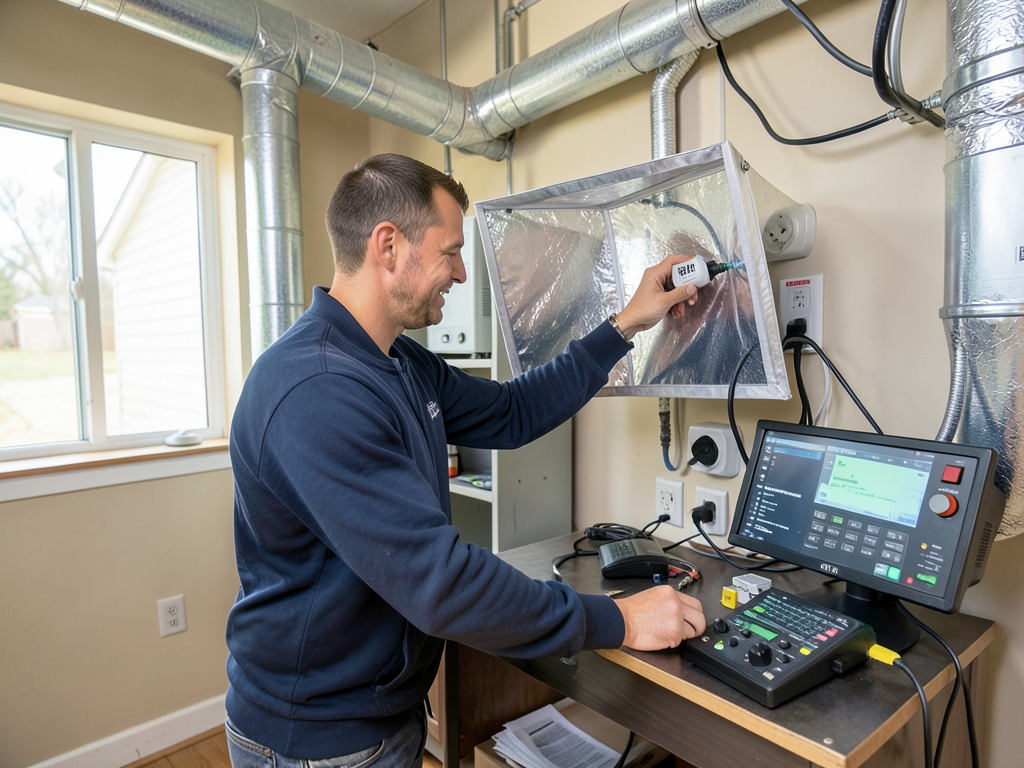
How Air Balancing Makes Every Room the Same Temperature in Your South Park Ranch Home If you live in a South Park ranch home built in the 1960s or 1970s, you know the struggle. One…
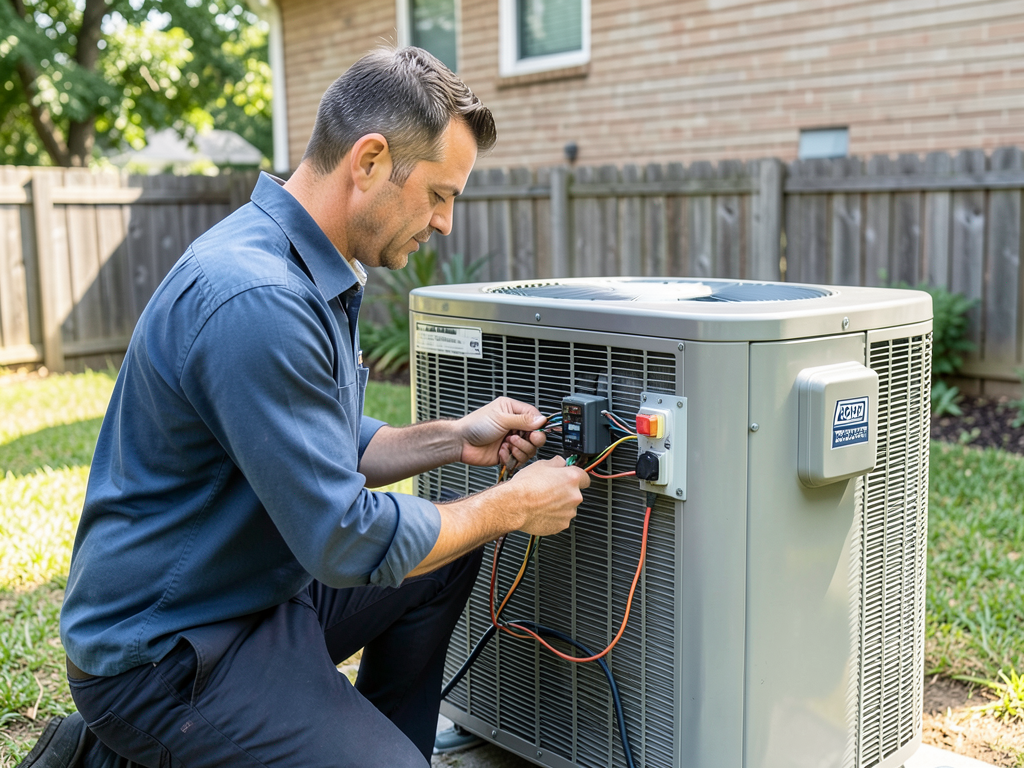
Preparing Your HVAC System to Run on a Whole-Home Generator in Park Ten Power outages…
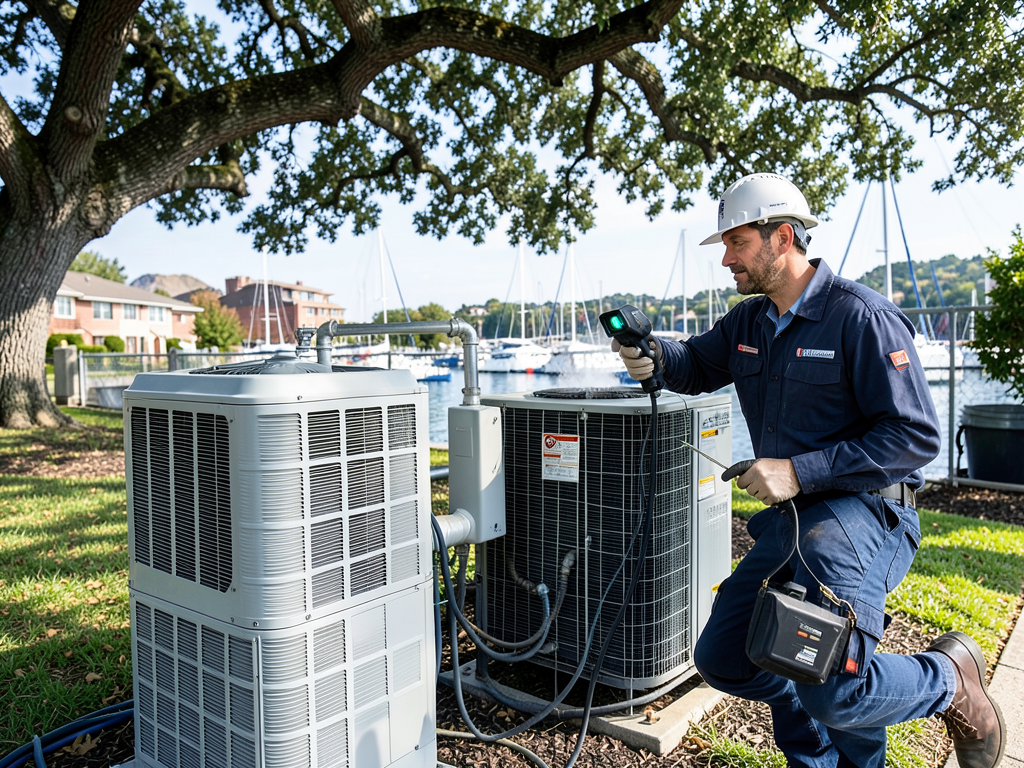
How Mature Tree Shade Impacts Your AC Performance and Efficiency in Denver Harbor Denver Harbor’s…
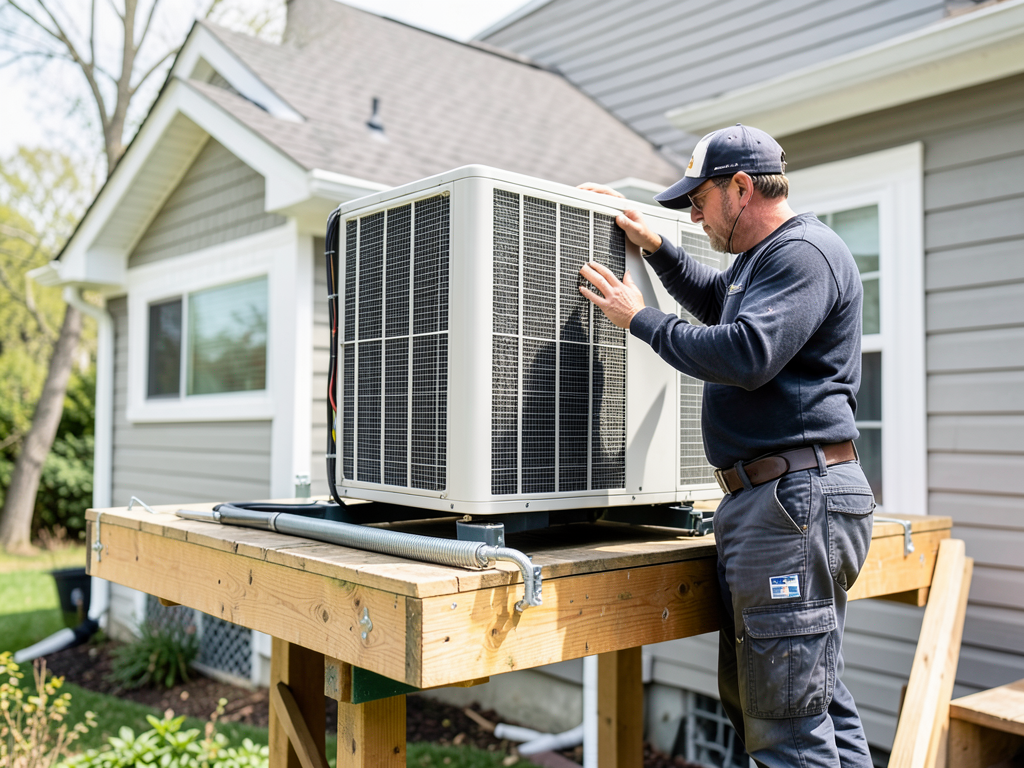
Everything You Need to Know About HVAC Permits and Building Codes in Willowbrook Installing a…
Your family shouldn't suffer through another hour without air conditioning or heat. Call Titan HVAC Houston at (281) 552-7766 right now for emergency service or to schedule installation and maintenance. We answer calls quickly, arrive on time, and fix your system right the first visit.