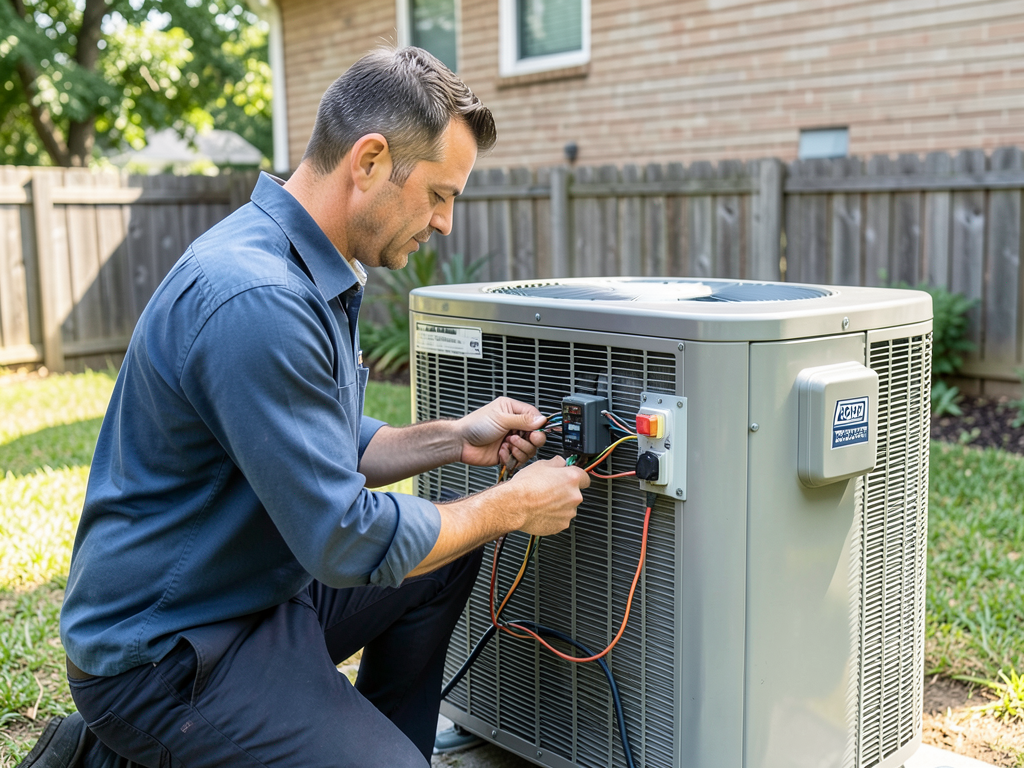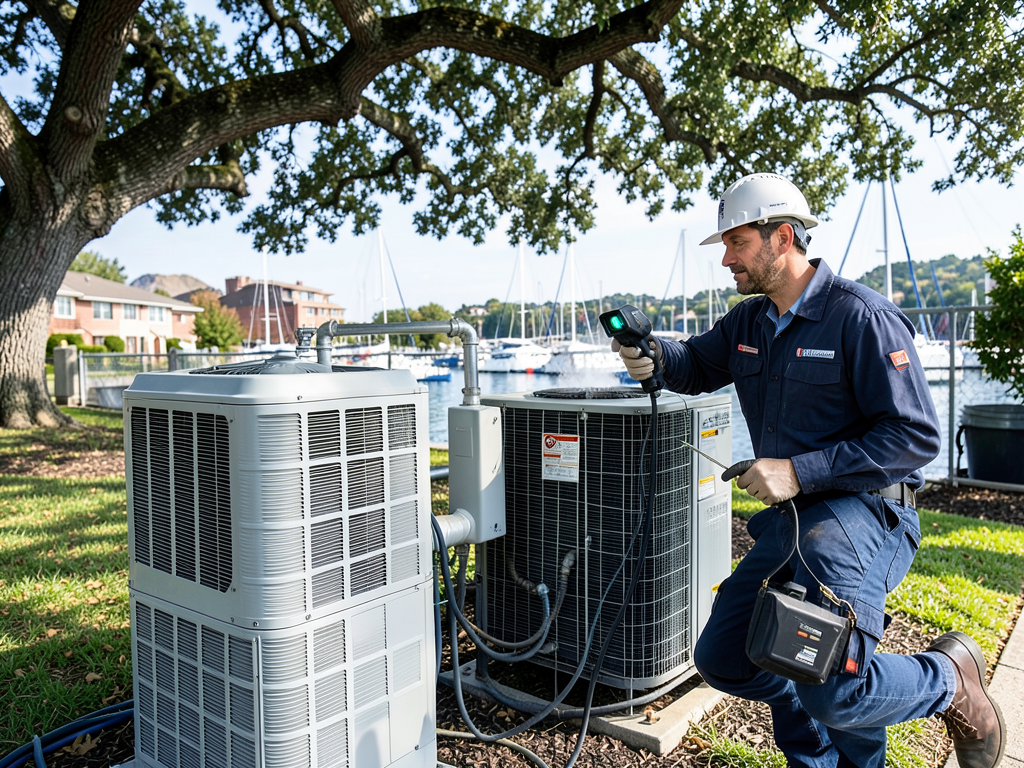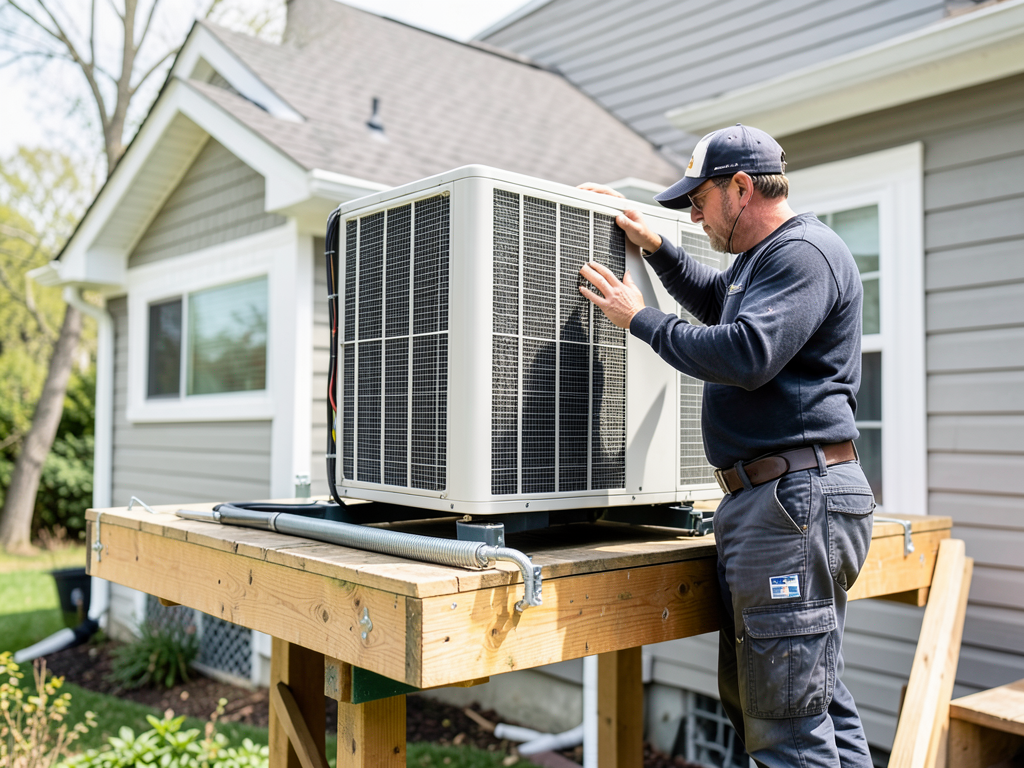







Furnaces in northern climates run for months at a time, keeping components clean through continuous operation. Houston heating systems sit dormant for extended periods, allowing dust to settle on burners and moisture to corrode electrical connections. When a cold front arrives and you turn on the heat, that first ignition cycle can fail because the flame sensor is coated with dust or the hot surface igniter has developed microcracks from thermal stress. The humidity that makes Houston summers miserable also creates condensation inside heating systems during cooling season, accelerating rust on heat exchangers and burner assemblies. This intermittent use pattern requires different maintenance strategies than cold climates. You cannot assume your system will work just because it ran fine last winter.
Houston's building stock ranges from 1950s pier and beam homes in older neighborhoods to new construction in master-planned communities. That diversity means heating systems include everything from 40-year-old atmospheric furnaces to modern modulating units with two-stage gas valves. Local HVAC professionals need experience with all these system types because a Bellaire bungalow requires different service knowledge than a Memorial high-rise. Understanding local construction methods, common ductwork configurations, and the foundation issues that affect system performance separates competent heating service from technicians who only learned HVAC in climate-controlled classrooms. We have been diagnosing and repairing Houston heating systems long enough to recognize patterns specific to this market.