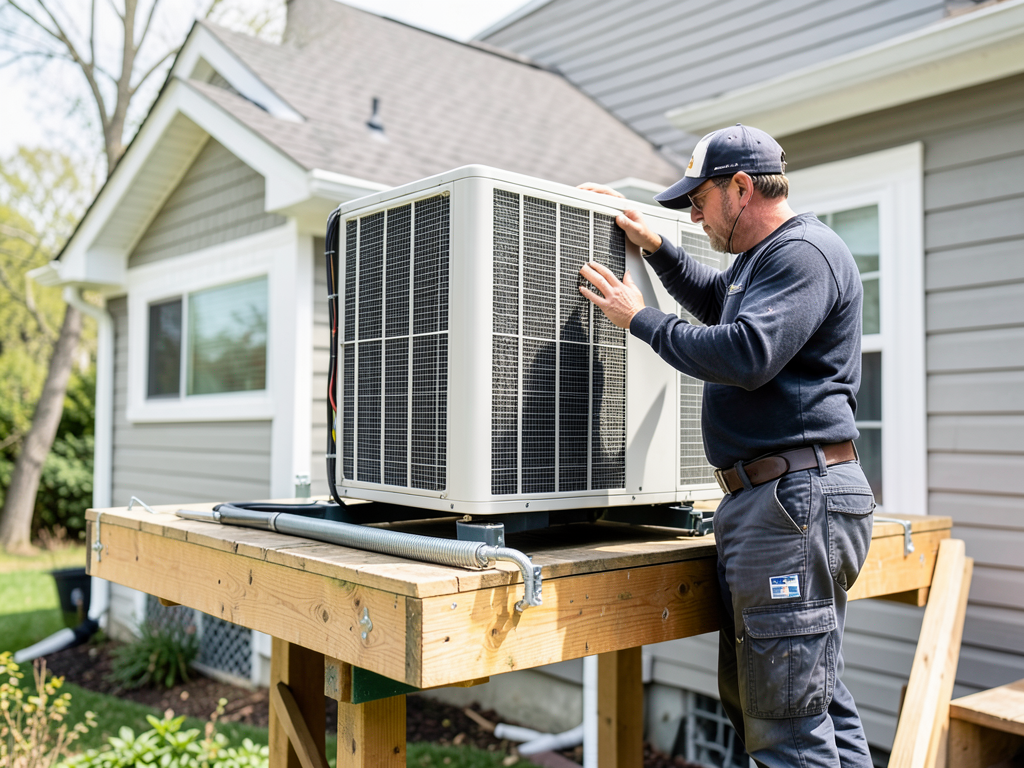





Noisy AC or Heater in Houston – Expert Diagnosis and Permanent Fixes for Every Sound

Whether your air conditioner rattles through Houston's brutal summers or your furnace bangs during rare cold snaps, Titan HVAC Houston identifies the exact source of every noise and delivers precision repairs that restore quiet, efficient operation.

Slider Image 1
Slider Image 2
Slider Image 3
Slider Image 4
Slider Image 5
Slider Image 7
Slider Image 8
Slider Image 9
Slider Image 10
Slider Image 11

Why Your HVAC System Sounds Like a Construction Site

A loud air conditioner or furnace making noise is not just annoying. It signals mechanical failure in progress. Houston's extreme heat cycles force your air conditioner to run 8 to 10 months annually, accelerating wear on compressor mounts, blower wheels, and condenser fan motors. When your system starts squealing, grinding, or banging, you are hearing components fail in real time.

Houston's Gulf Coast humidity creates additional stress. Condensate drain clogs cause water to pool inside air handlers, leading to rust, corrosion, and eventually a noisy hvac system with metal-on-metal friction. Dirty evaporator coils restrict airflow, forcing blower motors to work harder and generate that distinct roaring sound you hear through the vents.

A loud heater during winter is less common here but equally problematic. Natural gas furnaces can develop delayed ignition from burner carbon buildup, causing a loud boom when they finally light. Older heat pump systems in heating mode often produce clicking, buzzing, or humming as reversing valves struggle to redirect refrigerant flow.

Different sounds point to different failures. Rattling typically indicates loose mounting hardware or debris in the outdoor unit. Screeching suggests worn blower motor bearings or belt slippage. Banging during startup often means a failed compressor mount or a refrigerant pressure issue. Clicking that repeats constantly signals a failing contactor relay or capacitor.

The mistake most Houston residents make is waiting. An air conditioner making noise today becomes an air conditioner leaking refrigerant tomorrow and a completely dead system by next week. Early diagnosis saves you from emergency failures during peak summer demand.

Why Your HVAC System Sounds Like a Construction Site
How We Isolate and Eliminate HVAC Noise at the Source

How We Isolate and Eliminate HVAC Noise at the Source

Guessing costs you money. Our technicians use systematic diagnostic protocols that identify the exact component causing the noise. We start with blower assembly inspection, checking motor bearings, shaft alignment, and wheel balance. We test capacitors under load to verify proper microfarad ratings, since failing capacitors cause motors to struggle and hum loudly.

For outdoor condensing units, we measure vibration isolation pad compression and check mounting bolt torque. We inspect fan blade pitch and balance, then verify the condenser fan motor draws correct amperage. Refrigerant pressure testing catches compressor valve failures that produce knocking sounds. We check for liquid slugging, where liquid refrigerant enters the compressor instead of vapor, causing hydraulic hammering that sounds like someone hitting metal with a wrench.

Inside the air handler, we pull and inspect the blower wheel for debris buildup, which throws the assembly out of balance. We examine evaporator coil fins for dirt loading that restricts airflow and makes the system roar. We verify proper ductwork support and seal integrity, because loose or disconnected ducts amplify every operational sound.

For furnaces making noise, we test ignition timing, clean burner assemblies, and inspect heat exchanger integrity. We check gas valve operation and verify proper manifold pressure. We examine inducer motor bearings and inspect the condensate trap for clogs that cause gurgling.

Once we identify the failed component, we replace it with the correct OEM or equivalent part. We do not mask symptoms with temporary fixes. We eliminate the root cause, retest system operation under load, and verify sound levels return to normal operating ranges.

What Happens During Your Noise Diagnosis Appointment

Noisy AC or Heater in Houston – Expert Diagnosis and Permanent Fixes for Every Sound
01

Sound Analysis and Documentation

Our technician listens to your system through a complete cooling or heating cycle, documenting every sound. We identify when noises occur during startup, steady operation, or shutdown. We use decibel meters to establish baseline measurements and compare against manufacturer specifications. This systematic approach separates normal operational sounds from mechanical failures requiring repair.
02

Component Testing and Isolation

We disconnect and test individual components to isolate the noise source. Blower motors run independently to check bearing wear. Compressors undergo amp draw testing to identify internal mechanical failure. We inspect mounting hardware, refrigerant lines, and electrical contactors. This process eliminates guesswork and pinpoints the exact failed part causing your loud air conditioner or furnace noise.
03

Repair and Verification Testing

After replacing the failed component, we run your system through multiple cycles to verify noise elimination. We recheck amperage draws, refrigerant pressures, and airflow measurements to confirm proper operation. You hear the difference immediately. We provide documentation of what failed, what we replaced, and the operational testing results that prove your noisy hvac system now runs quietly.

Why Houston Homeowners Trust Titan HVAC for Noise Diagnosis

Houston's HVAC systems face unique punishment. Your air conditioner runs nearly year-round, accumulating operational hours that equipment in temperate climates takes five years to reach. This accelerated wear cycle means components fail faster here. Technicians unfamiliar with Gulf Coast operating conditions often misdiagnose noise sources or recommend complete system replacement when targeted component repair would solve the problem.

We understand how Houston's sandy soil and coastal winds deposit fine particulate matter inside outdoor condensing units. This debris accumulation throws fan blades out of balance and causes premature bearing failure. We know how the region's dramatic temperature swings during spring and fall create thermal expansion issues in ductwork that produce popping and ticking sounds. We recognize which noises indicate imminent failure versus which are merely annoying but harmless.

Our diagnostic approach saves you money. National chains and big-box contractors often push system replacement because it generates higher revenue. We diagnose honestly. If your compressor shows early-stage failure but your air handler, coil, and ductwork are sound, we tell you. If a simple capacitor replacement solves your loud heater problem, we do not upsell unnecessary repairs.

We stock Houston-specific parts. Coastal humidity corrodes electrical components faster than inland climates. We carry corrosion-resistant contactors, sealed capacitors, and marine-grade mounting hardware that withstand the moisture and salt air affecting homes near Galveston Bay, Clear Lake, and the Ship Channel corridor.

Our technicians receive ongoing training in sound diagnosis. They learn to distinguish between normal expansion noises, refrigerant flow sounds, and actual mechanical failure. This expertise prevents misdiagnosis and ensures you get the correct repair the first time.

What You Get When You Call Us About HVAC Noise

Same-Day Diagnostic Appointments Available

We respond quickly because noise often precedes complete failure. Most diagnostic appointments happen within 24 hours of your call. During peak summer months, we prioritize calls about loud air conditioner operation because these often indicate compressor or refrigerant issues that can strand you without cooling. Our technicians carry diagnostic equipment and common replacement parts, so many repairs finish the same day. You do not wait days for someone to show up and then wait additional days for parts to arrive.

Systematic Component Testing Process

We use a checklist-based diagnostic approach that tests every potential noise source. You watch as we measure electrical draw on motors, check refrigerant pressures, inspect mechanical components, and document findings. We explain what each test reveals and why certain sounds indicate specific failures. This transparency builds confidence that you are getting accurate diagnosis rather than guesswork. When we identify the problem, we show you the failed part and explain exactly why it caused the noise you heard.

Permanent Repairs with Quality Components

We fix problems correctly. When we replace a noisy blower motor, we also check and replace worn mounting grommets. When we repair a loud furnace ignition issue, we clean the entire burner assembly and check gas pressure. We address the failure and the conditions that contributed to it. Our repairs restore your system to quiet operation, not temporary Band-Aid solutions that fail again in three months. You get parts that match or exceed original equipment specifications.

Post-Repair Performance Verification

We do not pack up and leave after installing a part. We run your system through complete heating and cooling cycles, measuring temperatures, airflows, and sound levels to verify proper operation. We provide you with before and after amperage readings and explain what the numbers mean. You get written documentation of what failed, what we replaced, and the test results proving your air conditioner making noise is now operating within normal parameters. This verification process confirms you received effective repair.

Frequently Asked Questions

You Have Questions,
We Have Answers

Why is my AC so loud all of a sudden? +

A sudden loud noise usually signals a mechanical failure. Loose fan blades can rattle against the housing. A failing compressor produces grinding or screeching sounds. Refrigerant leaks create hissing noises. Debris in the outdoor unit causes clanking. Houston's high humidity can corrode internal mounts and fasteners, making vibrations worse over time. A worn blower motor bearing often whines or squeals. Ductwork expansion from temperature swings can bang. If the noise started abruptly, shut down your system and call a technician. Continued operation can turn a small repair into a complete compressor or motor replacement.

What is the 3 minute rule for AC? +

The three-minute rule prevents compressor damage after shutdown. When your AC stops, refrigerant pressure stays high on the discharge side. Starting immediately forces the compressor to work against this pressure, which can overheat the motor and trip the breaker. Waiting three minutes lets pressures equalize across the system. Most modern thermostats have built-in short-cycle protection. If your unit cycles on and off rapidly without this delay, you have a failed control board or pressure switch. In Houston's heat, frequent short cycling also spikes your electric bill and stresses components.

How to tell if an AC blower is going out? +

A failing blower shows clear warning signs. Weak airflow from vents means the motor struggles to spin. You hear squealing or grinding from the air handler cabinet. The unit runs but produces little cooling because refrigerant cannot absorb heat without airflow. Your system cycles on thermal overload protection. The blower motor feels excessively hot to touch. Higher electric bills occur as the motor draws extra current trying to operate. Houston's dust and humidity accelerate bearing wear. If you notice these symptoms, schedule service before the motor seizes completely and damages the capacitor or control board.

What does an AC compressor sound like when it's going out? +

A dying compressor makes distinct sounds. Grinding or rattling indicates worn internal bearings or broken pistons. Clicking means the electrical contacts are failing or the start components struggle to engage. Buzzing without startup signals a seized motor. Screaming or shrieking happens when refrigerant escapes past damaged valves. In Houston's climate, compressors work overtime against extreme heat and humidity. A compressor running loud but still cooling is near failure. The outdoor unit may vibrate excessively. These sounds mean replacement is coming. Ignoring them risks a total breakdown during peak summer demand.

What is the $5000 AC rule? +

The $5000 rule helps you decide between repair and replacement. If your AC repair cost multiplied by the system age in years exceeds $5000, replace the unit instead. For example, a $400 repair on a 10-year-old system equals $4000, so repair it. A $600 fix on a 12-year-old unit equals $7200, so replace it. This formula accounts for diminishing returns on aging equipment. Houston's brutal summers push systems harder than moderate climates. Older units lose efficiency and face repeated breakdowns. Factor in rising energy costs and improved SEER ratings when making your decision.

What does a blown blower motor sound like? +

A blown blower motor creates loud, unmistakable sounds. Squealing means the bearings seized and the belt or shaft is grinding. A loud hum without airflow indicates the motor windings failed or the capacitor died. Rattling suggests the fan wheel detached from the motor shaft. Buzzing with a burning smell means electrical failure. Complete silence when the thermostat calls for air means total motor death. Houston's humidity corrodes motor windings and accelerates bearing failure. If you hear these sounds, turn off your system immediately. Running a failed blower motor can trip breakers or start an electrical fire.

How Houston's Extended Cooling Season Accelerates HVAC Component Wear

Houston air conditioners operate 8 to 10 months annually, accumulating 2,000 to 3,000 runtime hours per year compared to 800 to 1,200 hours in temperate regions. This extended operation accelerates bearing wear in blower motors and condenser fans, causing the squealing and grinding sounds you hear. Compressor mounting grommets deteriorate faster under constant vibration, leading to rattling and banging noises. The Gulf Coast humidity corrodes electrical contactors and capacitors, producing buzzing and clicking sounds as components fail. These local conditions make noise diagnosis and prompt repair critical to preventing complete system failure during peak demand periods.

Titan HVAC Houston technicians train specifically on high-runtime failure patterns common to Gulf Coast systems. We recognize which noises indicate imminent compressor failure versus simple bearing replacement. We understand how ductwork in Houston's slab foundation homes develops stress cracks that amplify operational sounds. Our familiarity with local installation practices helps us identify noise sources that technicians from other regions might miss. When you call us about a noisy hvac system, you get someone who understands how Houston's climate and construction methods create specific sound-related problems.
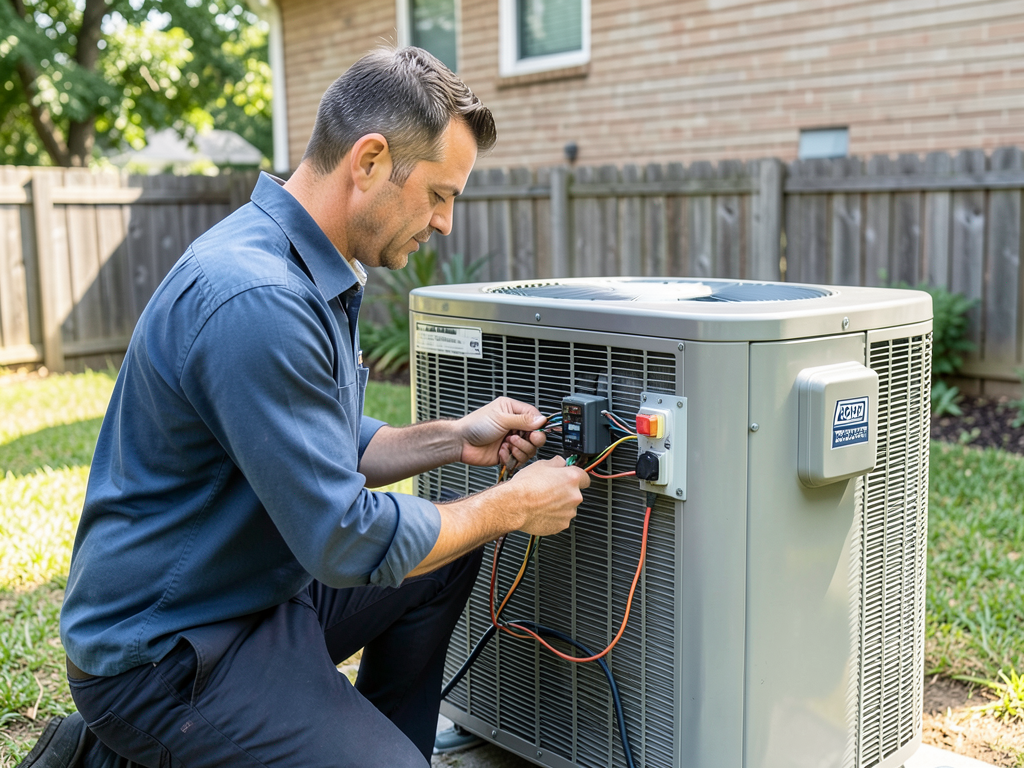
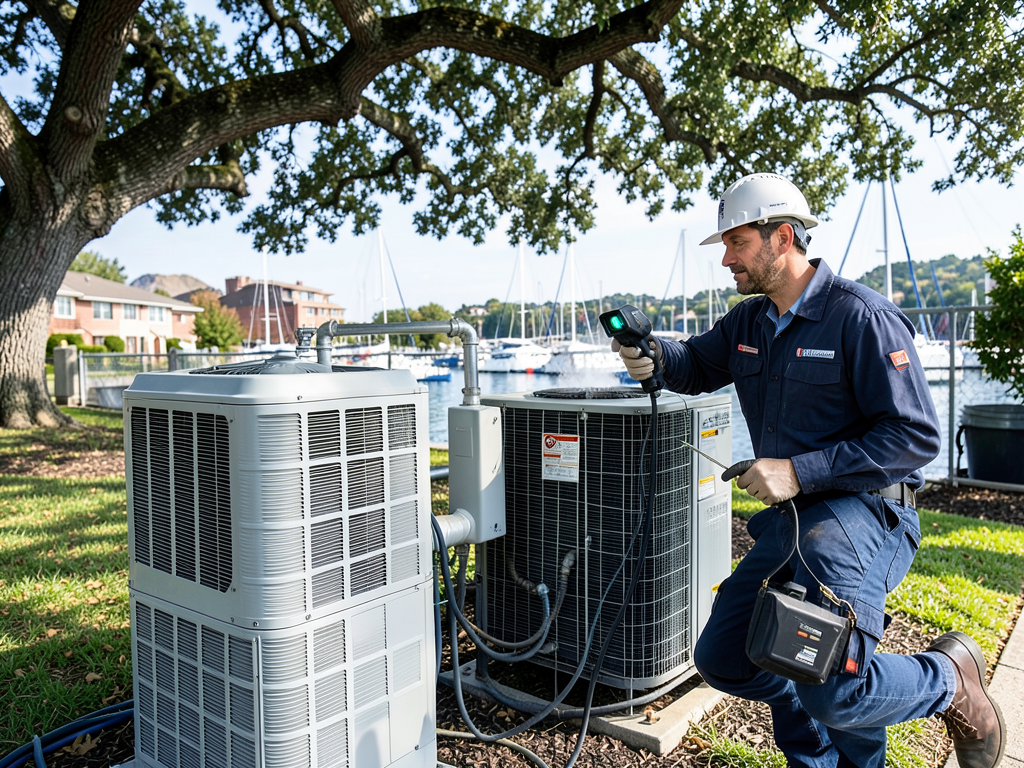
HVAC Services in The Houston Area

Titan HVAC is proud to serve Houston and the surrounding areas with expert heating and cooling solutions. Our central location allows us to respond quickly to both residential and commercial clients. Whether you need an emergency fix or scheduled service, we’re never far away. Explore our service area and see how close comfort really is. We're just a call or click away—connect with us today.

Address:
Titan HVAC Houston, 3730 Kirby DrHouston, Houston, TX, 77098

Additional Services We Offer

Our news updates

Latest Articles & News from The Blogs

Updating the HVAC in an Eastwood Brick Bungalow Without Ruining the Character Eastwood’s brick bungalows built in the 1920s and…

Updating the HVAC in an Eastwood Brick Bungalow Without Ruining the Character

Updating the HVAC in an Eastwood Brick Bungalow Without Ruining the Character Eastwood’s brick bungalows built in the 1920s and…

Clever Ways to Hide an Outdoor AC Unit Without Breaking Woodlands HOA Rules

Clever Ways to Hide an Outdoor AC Unit Without Breaking Woodlands HOA Rules Living in The Woodlands means enjoying tree-lined…

Why a Radiant Barrier Might Be the Missing Piece for Your Aliana AC System

Why a Radiant Barrier Might Be the Missing Piece for Your Aliana AC System If your Aliana home feels like…

Contact Us

That grinding, squealing, or banging sound is a countdown to complete failure. Call Titan HVAC Houston at (281) 552-7766 right now for same-day noise diagnosis. We identify the exact problem and fix it permanently.