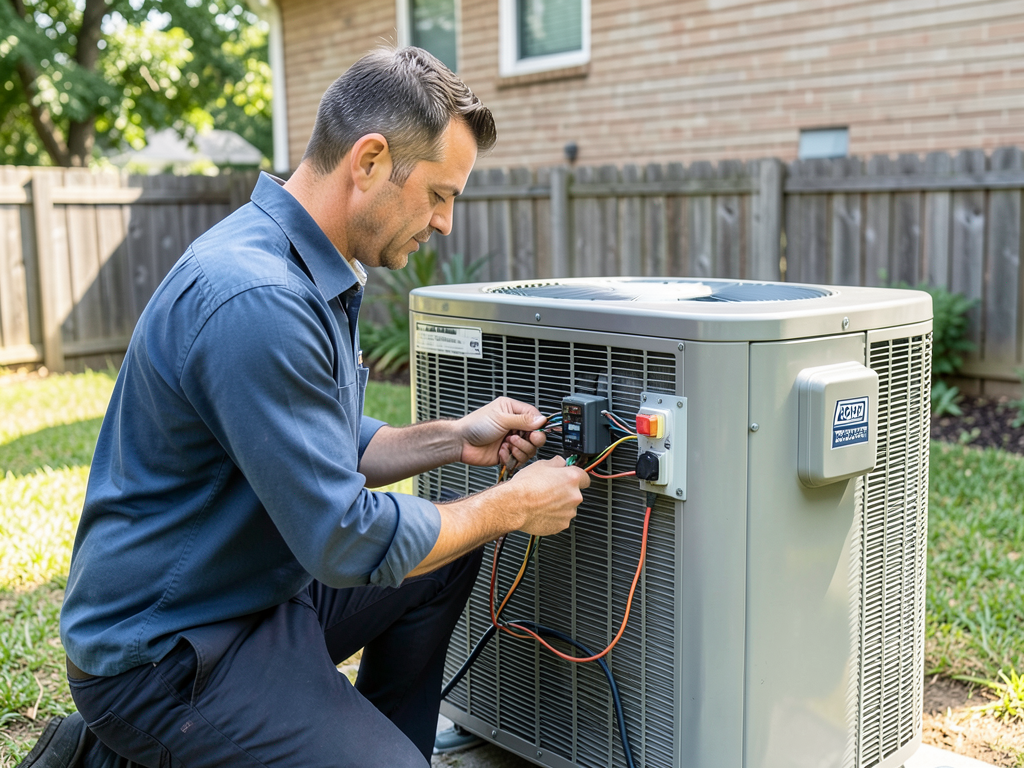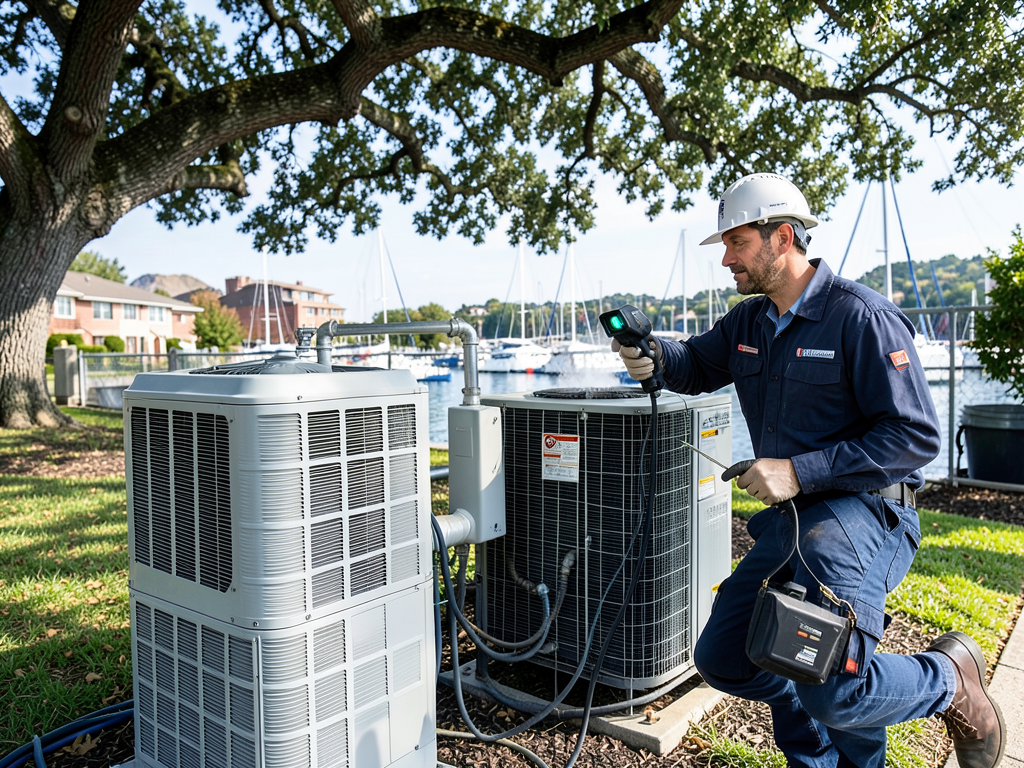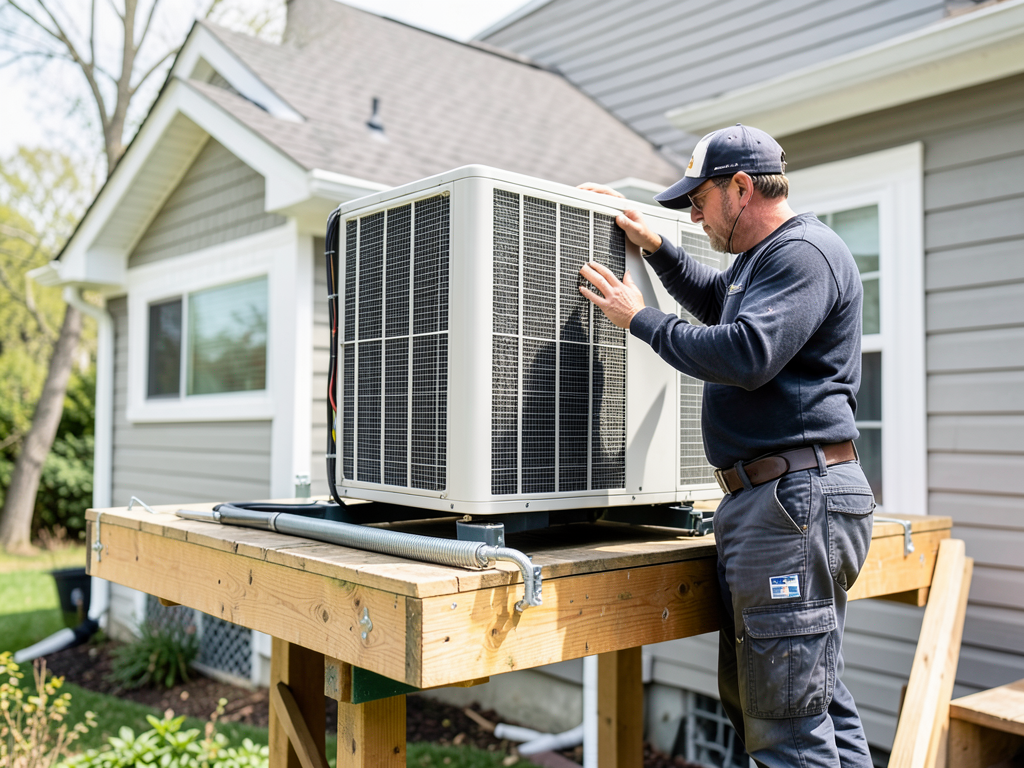







Houston's year-round humidity creates conditions that corrode furnace heat exchangers and water heater vents faster than in arid climates. Condensation forms inside equipment during cooling cycles, promoting rust that weakens metal over time. The corrosion attacks from both sides because humid air surrounds equipment externally while combustion moisture attacks internally. This accelerates the development of cracks and holes that leak carbon monoxide into living spaces. Houston's minimal freeze-thaw cycling prevents the dramatic failures common in northern climates, but the constant humidity causes steady deterioration that surprises homeowners who assume equipment remains safe until it stops working. The combination of older housing stock in established neighborhoods and aggressive corrosion means carbon monoxide risks increase faster here than in drier regions.
Local HVAC professionals understand which equipment models fail predictably in Houston's climate and which installations create recurring problems. They recognize when negative pressure from oversized air conditioning creates backdrafting that prevents proper venting. They know which neighborhoods have homes built before modern combustion air requirements took effect. This local knowledge allows faster diagnosis because technicians have seen similar problems in comparable homes. Building relationships with local companies provides continuity that improves safety over time. The technician who performed your last maintenance remembers your equipment age, previous repairs, and specific vulnerabilities. This history informs better recommendations about when continued repair makes sense versus replacement. Local accountability also matters because companies depend on reputation within the community rather than hiding behind corporate structures.