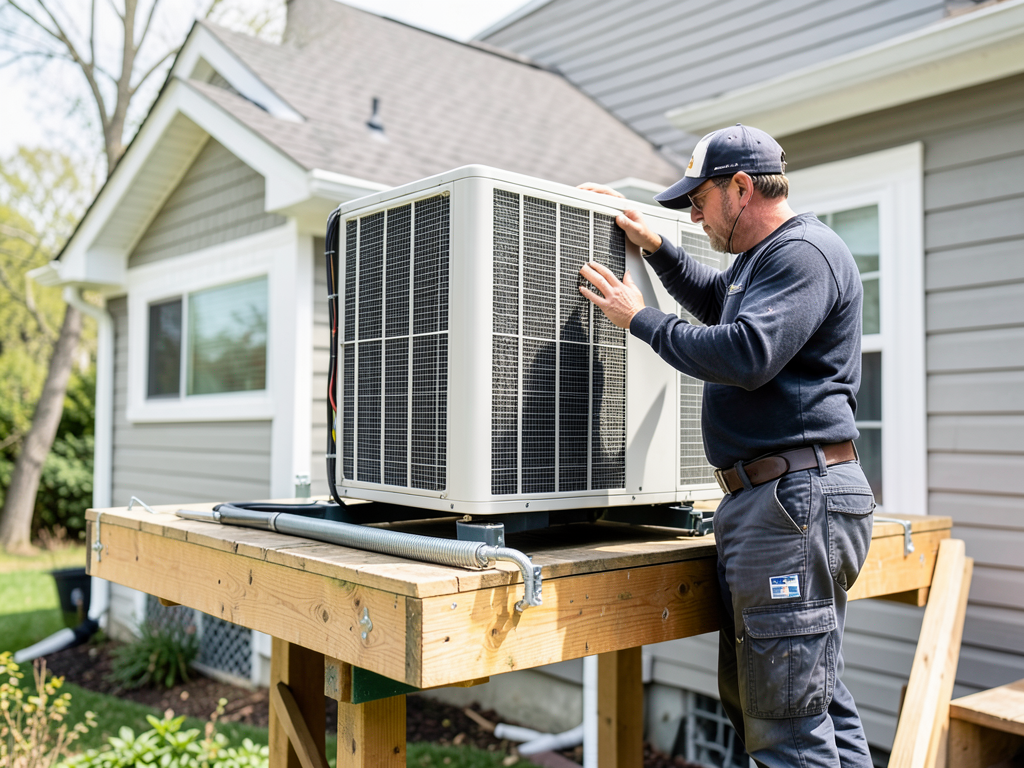





Compressor Failure Repair in Houston – Emergency Response Within 90 Minutes

When your AC compressor fails in Houston's brutal heat, you need immediate air conditioner compressor repair. Titan HVAC Houston dispatches certified technicians fast to restore cooling before heat damage escalates.

Slider Image 1
Slider Image 2
Slider Image 3
Slider Image 4
Slider Image 5
Slider Image 7
Slider Image 8
Slider Image 9
Slider Image 10
Slider Image 11

When Your Compressor Dies in Houston's Heat

Your air conditioner is blowing warm air. You hear a clicking sound or nothing at all. The compressor is the heart of your cooling system, and when it fails in Houston's 95-degree summers with 90% humidity, you are not just uncomfortable. You are in danger.

Houston's extreme heat puts massive strain on AC compressors. The combination of high ambient temperatures and constant cycling wears down compressor components faster than in milder climates. When refrigerant pressures spike during our long cooling season, compressor motors overheat. Electrical windings burn out. Bearings seize. The result is total system failure.

A seized AC compressor stops moving refrigerant. Your evaporator coil freezes or stops cooling entirely. Indoor temperatures climb fast. For elderly residents, young children, or anyone with respiratory conditions, this becomes a medical emergency within hours.

Many homeowners hear grinding noises or notice the outdoor unit struggling for weeks before total compressor burnout repair becomes necessary. That clicking sound is the start capacitor trying to fire a motor that cannot turn. The hum without airflow means the compressor is locked. These are not problems that fix themselves.

Houston's electrical grid also contributes to compressor failure. Voltage fluctuations during peak summer demand stress compressor motors. A brief power surge can fry electrical components. Brownouts force the motor to draw excessive amperage, overheating windings.

When you need to fix broken AC compressor issues in Houston, time matters. A failed compressor means no cooling. In our climate, that is an immediate crisis requiring professional AC compressor replacement or repair.

When Your Compressor Dies in Houston's Heat
How We Restore Your Cooling System Fast

How We Restore Your Cooling System Fast

Titan HVAC Houston approaches compressor failure repair with diagnostic precision. We do not guess. We measure refrigerant pressures, check electrical continuity, and test capacitor performance before making recommendations.

Our technicians arrive with calibrated manifold gauges and amp meters. We check suction and discharge pressures against manufacturer specifications for your exact system. If pressures are abnormal, we determine whether the compressor itself failed or if a restriction in the refrigerant circuit caused the damage.

We test the compressor's electrical resistance. A shorted winding reads zero ohms. An open winding reads infinite resistance. A grounded compressor shows continuity to the case. These readings tell us if repair is possible or if AC compressor replacement is required.

When a compressor has seized, we inspect the entire refrigerant circuit. Metal shavings in the refrigerant lines mean internal damage spread through the system. This requires a full flush and filter-drier replacement to prevent contaminating a new compressor.

For HVAC compressor burnout repair, we verify the cause. Did the system run low on refrigerant, causing the compressor to overheat? Did the condenser coil clog with Houston's cottonwood debris, raising head pressures until the motor failed? Was the capacitor weak, forcing the motor to pull excessive current? We fix the root cause, not just the symptom.

We replace compressors with exact-match units rated for Houston's climate. We pull a deep vacuum to remove moisture and air. We charge the system to the precise refrigerant weight specified on the data plate. We verify amp draw under load and confirm proper superheat and subcooling values.

The difference is methodical diagnosis and complete repair. Your system runs correctly because we addressed every failure point.

What Happens During Emergency Compressor Repair

Compressor Failure Repair in Houston – Emergency Response Within 90 Minutes
01

Immediate Dispatch and Diagnosis

You call. We dispatch a technician to your location within 90 minutes. On arrival, we test electrical components and refrigerant pressures to confirm compressor failure. We check capacitors, contactors, and wiring. You receive a clear explanation of what failed and why. We provide options for repair or replacement based on system age, refrigerant type, and total repair scope.
02

Compressor Replacement or Repair

If replacement is needed, we recover refrigerant, remove the failed compressor, and install a new unit. We flush refrigerant lines if metal contamination is present. We replace the filter-drier and expansion device. For systems using R-22 refrigerant, we discuss conversion options to avoid future supply issues. All brazed joints are nitrogen-purged to prevent oxidation. We pressure-test for leaks before proceeding.
03

System Testing and Verification

We vacuum the system to 500 microns to remove all moisture and air. We charge refrigerant to exact specifications by weight. We run the system and measure amp draw, airflow, and temperature split. You see the data. We verify the compressor runs quietly, pressures stabilize within range, and cooling performance meets design specifications. Your home cools properly because every variable is correct.

Why Houston Residents Trust Us for Compressor Emergencies

Compressor failure is not a minor repair. It requires specialized tools, refrigerant handling certification, and an understanding of thermodynamic principles. Titan HVAC Houston employs EPA-certified technicians who understand how Houston's climate accelerates wear on cooling systems.

We know the common failure modes in this market. We have repaired thousands of compressors damaged by Houston's electrical grid surges, clogged condenser coils from oak pollen, and refrigerant leaks caused by formicary corrosion in our humid climate. This is not theoretical knowledge. It is pattern recognition from daily fieldwork.

Houston's building codes require proper refrigerant handling and disposal. We recover refrigerant legally, document it, and ensure compliance. When we replace a compressor, we pull permits if required and ensure the work meets local mechanical code standards.

We also understand urgency. A failed compressor in July is a health emergency. We stock common compressor models for residential split systems. Our trucks carry refrigerant, capacitors, contactors, and filter-driers. We complete most repairs the same day.

You will not receive a sales pitch for a full system replacement unless your system truly cannot be repaired economically. If your compressor is under warranty, we handle the claim process. If your system uses R-22 refrigerant and parts are scarce, we explain your options clearly.

Local expertise matters because Houston's conditions are specific. A technician trained in a different climate does not understand how our soil movement cracks refrigerant lines or how our humidity promotes electrical corrosion. We do. That knowledge translates to faster diagnosis and correct repairs the first time.

What to Expect During Compressor Repair Service

Same-Day Emergency Response

We dispatch technicians within 90 minutes of your call. Most compressor repairs are completed the same day if parts are in stock. For older systems requiring special-order compressors, we provide temporary cooling solutions or rental units when available. Our goal is to minimize the time you spend without air conditioning. We operate extended hours during Houston's summer months because compressor failures peak when outdoor temperatures exceed 95 degrees. You are not waiting days for service.

Comprehensive System Diagnosis

We test every component that affects compressor operation. This includes start and run capacitors, contactor points, thermostat calibration, and refrigerant charge. We measure voltage at the disconnect and verify the compressor is receiving correct power. We inspect the condenser coil for blockage and check airflow across the evaporator. A compressor rarely fails in isolation. We identify contributing factors like low airflow, dirty coils, or electrical issues that caused the failure. You receive a written report of findings.

Precision Refrigerant Charging

After compressor replacement, we charge your system by weight, not pressure. Refrigerant amount is critical. Too little causes the new compressor to overheat. Too much raises head pressure and shortens compressor life. We use calibrated scales and charge to the exact ounces listed on your system's data plate. We then verify superheat and subcooling values match manufacturer specs. This ensures your new compressor operates efficiently and lasts. Guessing refrigerant charge is how cheap repairs fail within months.

Post-Repair System Monitoring

After repair, we run the system through multiple cooling cycles. We monitor compressor amp draw to ensure it stays within the manufacturer's rated range. We verify the system achieves proper temperature split between return and supply air. We check for refrigerant leaks at all brazed joints using electronic leak detectors. You receive documentation of all measurements. We recommend a follow-up check within 30 days to confirm the repair holds. Compressor replacement is an investment, and we ensure it performs correctly from day one.

Frequently Asked Questions

You Have Questions,
We Have Answers

Can a faulty compressor be repaired? +

Yes, some faulty compressors can be repaired, but it depends on the damage. Minor issues like electrical failures, capacitor problems, or refrigerant leaks may be fixable. Internal mechanical damage, burned windings, or seized pistons often require full replacement. A trained technician will diagnose the failure and determine if repair is cost-effective. In Houston's humid climate, compressors work harder year-round, accelerating wear. If your unit is under 10 years old and the damage is isolated, repair may save you thousands. For older systems or severe failures, replacement is safer and prevents future breakdowns during peak cooling season.

What is the $5000 rule for AC? +

The $5000 rule is a quick decision tool for repair versus replacement. Multiply the cost of the repair by your system's age in years. If the result exceeds $5000, replace the unit instead of repairing. For example, a $500 repair on a 12-year-old system equals $6000, suggesting replacement makes more financial sense. In Houston, where AC units run 9 to 10 months annually, older systems lose efficiency fast. High humidity and extreme heat shorten lifespan. This rule helps you avoid throwing money into aging equipment that will fail again soon, especially during brutal summer months when breakdowns spike.

What is the most common cause of compressor failure? +

The most common cause of compressor failure is refrigerant issues, either leaks or incorrect charge levels. Low refrigerant forces the compressor to work harder, overheating internal components. Dirty coils and clogged filters also cause overheating by restricting airflow. Electrical problems like voltage spikes or failed capacitors damage motor windings. In Houston, high humidity accelerates corrosion on electrical connections, while dust and pollen clog coils faster. Running your system without proper maintenance stresses the compressor. Dirty evaporator coils freeze, sending liquid refrigerant back to the compressor, causing catastrophic internal damage called liquid slugging.

How much does it cost to fix an AC compressor? +

Compressor repair costs typically range from $800 to $2500 depending on the issue, while full replacement runs $1500 to $3000 installed. Simple repairs like replacing a capacitor or fixing electrical connections cost less. Internal mechanical repairs or refrigerant recovery and recharge push costs higher. In Houston, pricing varies based on system size, refrigerant type, and accessibility. R-22 refrigerant for older systems costs more due to phase-out regulations. Get multiple quotes and ask for a detailed breakdown. If repair approaches 50 percent of replacement cost and your system exceeds 10 years, replacement offers better long-term value.

Is it worth it to repair a compressor? +

Repairing a compressor is worth it if your system is under 10 years old, still under warranty, and the damage is minor. Compressors are the heart of your AC system. Replacing one extends system life by years if other components remain healthy. In Houston's brutal heat, a functioning compressor is non-negotiable. However, if your unit is over 12 years old or requires multiple repairs annually, invest in replacement instead. New systems offer better efficiency, lower energy bills, and improved humidity control for Houston's swampy climate. Weigh repair cost against remaining system lifespan and potential future failures.

What is the 3 minute rule for AC? +

The 3 minute rule prevents compressor damage after power loss or thermostat cycling. Wait at least 3 minutes before restarting your AC unit. This allows refrigerant pressure to equalize between the high and low sides of the system. Starting too soon forces the compressor to work against unbalanced pressure, stressing internal components and shortening lifespan. In Houston, where power flickers during summer storms are common, following this rule protects your compressor. Most modern thermostats include built-in delay circuits. If your breaker trips or you manually shut off your system, wait before powering back on.

What is the average lifespan of an HVAC? +

The average HVAC system lasts 15 to 20 years with proper maintenance. In Houston, expect closer to 12 to 15 years due to extended run times and high humidity. Units run nearly year-round here, accumulating wear faster than in milder climates. Heat accelerates component degradation, and humidity corrodes electrical connections. Regular maintenance, including coil cleaning, filter changes, and refrigerant checks, extends lifespan. Neglected systems fail earlier. If your system exceeds 12 years and requires frequent repairs, plan for replacement. Newer units offer better efficiency, improved humidity control, and reliability during Houston's punishing summers when breakdowns are costly.

What is the average cost to replace a central AC unit? +

Replacing a central AC unit in Houston costs between $4000 and $8000 for most residential homes. Price depends on system size, efficiency rating, brand, and installation complexity. Higher SEER ratings cost more upfront but reduce energy bills in Houston's long cooling season. Ductwork modifications, electrical upgrades, or difficult access increase costs. R-410A systems are standard now. Get three written estimates from licensed contractors. Avoid the lowest bid without verifying references and warranty terms. Consider financing options. Investing in proper sizing and quality installation prevents future failures and maximizes comfort during Houston's extreme heat and humidity.

Is HVAC system cost tax deductible? +

HVAC system costs are generally not tax deductible for residential properties. You cannot deduct repairs or replacements as personal expenses on federal returns. However, energy-efficient systems may qualify for federal tax credits under specific programs. Check current IRS guidelines for eligible SEER ratings and equipment types. For commercial properties or home offices, you may deduct HVAC costs as business expenses or depreciate them over time. Consult a tax professional for your specific situation. In Houston, focus on long-term energy savings rather than tax benefits when upgrading your system. Lower utility bills often outweigh upfront costs.

What destroys an AC compressor? +

Several factors destroy AC compressors. Dirty coils and clogged filters restrict airflow, causing overheating. Low refrigerant from leaks forces the compressor to run continuously without proper lubrication, grinding internal components. Electrical issues like power surges, failed capacitors, or loose connections burn motor windings. Liquid refrigerant entering the compressor, called slugging, causes catastrophic mechanical failure. In Houston, high humidity accelerates corrosion on electrical connections. Dust, pollen, and contaminants clog coils faster here. Skipping maintenance is the biggest killer. Annual tune-ups catch small problems before they destroy your compressor during peak cooling season when you need it most.

How Houston's Summer Heat Kills AC Compressors Faster

Houston's cooling season runs nearly year-round. Your AC compressor cycles thousands of times between March and October. Ambient temperatures above 95 degrees force the compressor to work against extreme temperature differentials. The refrigerant entering the condenser coil is hotter, raising discharge pressures. Higher pressures mean higher motor load and more heat buildup in the compressor housing. Over time, this thermal stress degrades insulation on motor windings. When insulation fails, windings short to ground. The compressor is dead. This failure pattern is accelerated in Houston compared to milder climates. AC compressor replacement becomes necessary earlier in the system's lifecycle because our environment is punishing.

Titan HVAC Houston understands local mechanical codes and permitting requirements. When we replace a compressor, we ensure compliance with City of Houston regulations for refrigerant handling and equipment installation. We are familiar with inspectors and their expectations. Our technicians are trained on Texas-specific HVAC standards, including proper condensate drainage in high-humidity environments and electrical disconnects rated for outdoor use in our climate. Choosing a local contractor means you get someone who knows the rules and the environment. We have repaired compressors in homes across Greater Heights, Montrose, and The Woodlands. We know the building stock and common system types in each area.
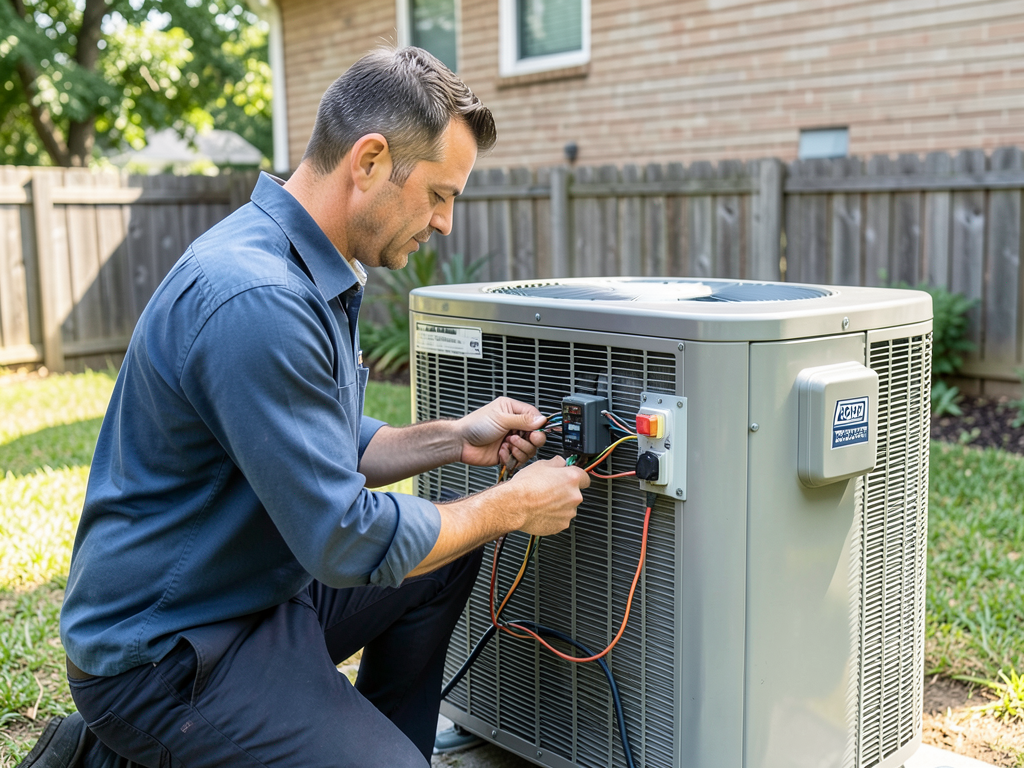
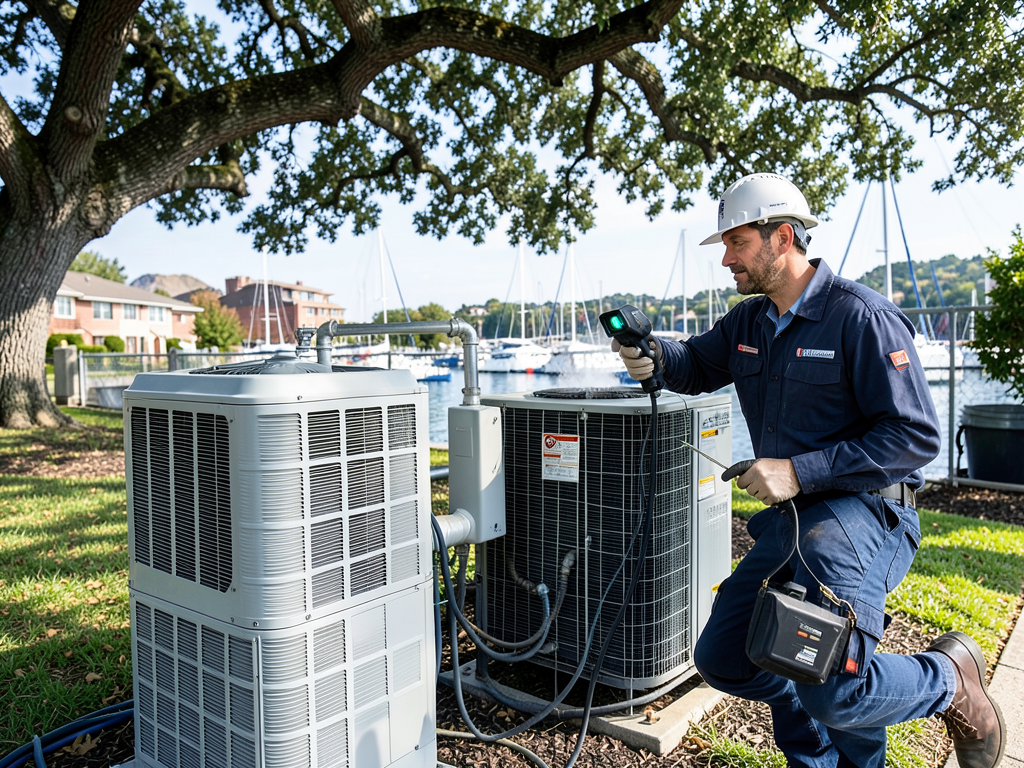
HVAC Services in The Houston Area

Titan HVAC is proud to serve Houston and the surrounding areas with expert heating and cooling solutions. Our central location allows us to respond quickly to both residential and commercial clients. Whether you need an emergency fix or scheduled service, we’re never far away. Explore our service area and see how close comfort really is. We're just a call or click away—connect with us today.

Address:
Titan HVAC Houston, 3730 Kirby DrHouston, Houston, TX, 77098

Additional Services We Offer

Our news updates

Latest Articles & News from The Blogs

Updating the HVAC in an Eastwood Brick Bungalow Without Ruining the Character Eastwood’s brick bungalows built in the 1920s and…

Updating the HVAC in an Eastwood Brick Bungalow Without Ruining the Character

Updating the HVAC in an Eastwood Brick Bungalow Without Ruining the Character Eastwood’s brick bungalows built in the 1920s and…

Clever Ways to Hide an Outdoor AC Unit Without Breaking Woodlands HOA Rules

Clever Ways to Hide an Outdoor AC Unit Without Breaking Woodlands HOA Rules Living in The Woodlands means enjoying tree-lined…

Why a Radiant Barrier Might Be the Missing Piece for Your Aliana AC System

Why a Radiant Barrier Might Be the Missing Piece for Your Aliana AC System If your Aliana home feels like…

Contact Us

Do not wait in the heat. Call Titan HVAC Houston now at (281) 552-7766. We dispatch emergency compressor repair technicians fast. You will have cool air restored today. Call now.