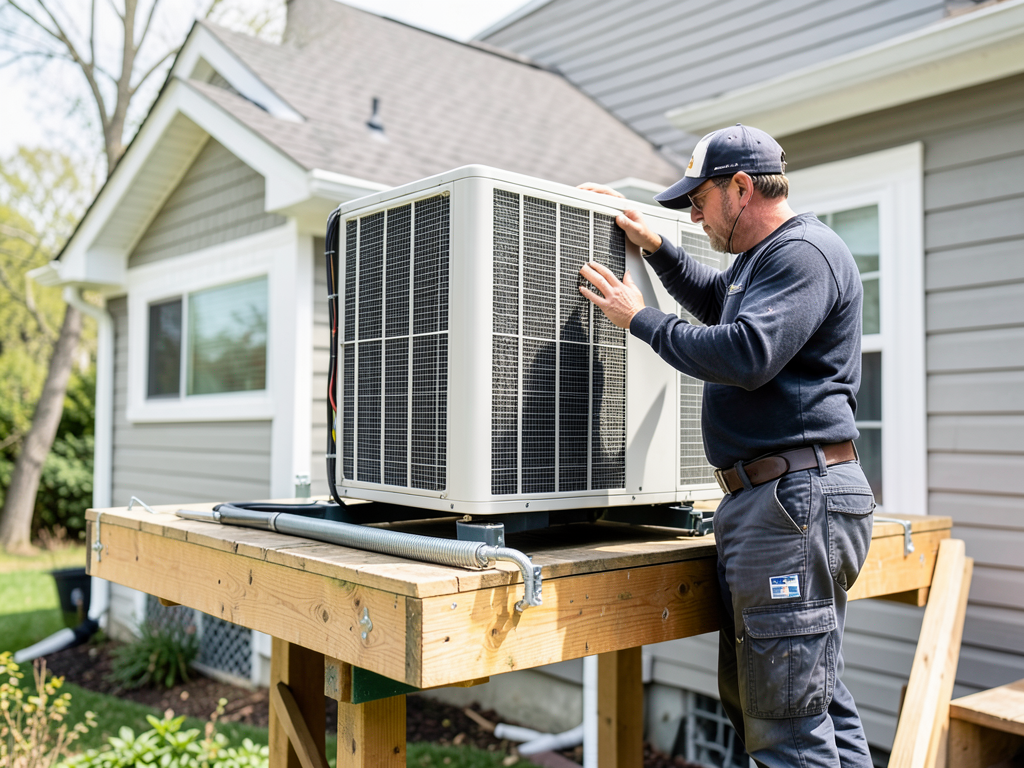





Furnace Maintenance Checklist Houston | Keep Your System Running Through Mild Winters and Hot Summers

Get a detailed annual furnace inspection list that prevents mid-winter breakdowns and keeps your heating system efficient during Houston's unpredictable cold snaps and year-round humidity challenges.

Slider Image 1
Slider Image 2
Slider Image 3
Slider Image 4
Slider Image 5
Slider Image 7
Slider Image 8
Slider Image 9
Slider Image 10
Slider Image 11

Houston's Climate Makes Year-Round Furnace Attention Critical

Most Houston homeowners ignore their furnaces for 10 months each year. You run the AC from March through November, then flip the thermostat to heat when a cold front drops temps into the 30s. That furnace sits dormant in humid conditions, collecting dust and moisture, then gets shocked into service without warning.

Houston's high humidity creates a breeding ground for mold and corrosion inside idle furnaces. The short, sporadic heating season means components like igniters, flame sensors, and blower motors get stressed during sudden startups. When a freeze warning hits and your furnace fails at 2 AM, you are dealing with burst pipes and a scramble for emergency service.

A proper furnace tune-up checklist addresses these local realities. Your heating system maintenance steps must account for months of inactivity, high moisture exposure, and the strain of short-cycle operation. An annual furnace inspection list catches issues before they become 3 AM emergencies during rare hard freezes.

Preventative heating maintenance guide protocols for Houston differ from northern climates. You need focused attention on moisture damage, dust accumulation from open windows, and verifying your system can handle sudden temperature swings from 75 degrees to 32 degrees overnight. A seasonal furnace service schedule keeps your backup heat source ready when Gulf Coast weather turns unpredictable.

Houston's Climate Makes Year-Round Furnace Attention Critical
What a Complete Furnace Maintenance Checklist Actually Covers

What a Complete Furnace Maintenance Checklist Actually Covers

A real furnace maintenance checklist goes beyond changing the filter. Titan HVAC Houston follows heating system maintenance steps that address the entire combustion process, airflow pathway, and safety controls.

We start with the heat exchanger, inspecting for cracks or stress fractures that release carbon monoxide into your home. In Houston's stop-start heating season, thermal expansion and contraction accelerate metal fatigue. We use visual inspection and combustion analysis to verify exchanger integrity.

Next comes the burner assembly. We clean burner ports, check flame pattern uniformity, and test the igniter for consistent spark or glow. Dust and debris from months of inactivity create uneven flames that waste gas and produce soot. We verify proper gas pressure at the manifold and ensure the flame sensor detects ignition within the safe window.

The blower motor and assembly get full attention. We check capacitor values, lubricate bearings if applicable, clean blades, and verify amp draw against nameplate specs. A struggling blower reduces airflow, overheats the exchanger, and triggers limit switch shutdowns.

Our annual furnace inspection list includes flue pipe inspection, condensate drain clearing for high-efficiency units, thermostat calibration, and safety control testing. We test the pressure switch, rollout switch, and high-limit switch to confirm they will shut down the system if dangerous conditions develop. Each component gets documented with before-and-after readings, giving you a clear picture of system health.

How Your Furnace Gets Inspected and Tuned

Furnace Maintenance Checklist Houston | Keep Your System Running Through Mild Winters and Hot Summers
01

Safety and Combustion Testing

We begin by testing carbon monoxide levels and inspecting the heat exchanger for cracks or deterioration. The burner assembly gets cleaned, and we verify proper flame characteristics using combustion analysis equipment. Gas pressure, igniter function, and flame sensor response all get measured against manufacturer specifications to ensure safe, efficient operation.
02

Airflow and Component Service

The blower assembly receives complete cleaning and motor testing. We measure amp draw, check capacitor performance, and verify static pressure across the system. Filters get replaced, and we inspect ductwork connections near the furnace for air leaks. Proper airflow prevents overheating and ensures even heat distribution throughout your home during cold snaps.
03

Controls and Performance Verification

Every safety control gets tested, including limit switches, pressure switches, and rollout sensors. We calibrate the thermostat, verify cycle timing, and document system performance metrics. You receive a detailed report showing what we found, what we fixed, and any components approaching end of life. This gives you time to plan for repairs instead of facing emergency replacements.

Why Houston Homeowners Trust Local Furnace Expertise

Furnace maintenance in Houston requires understanding how equipment behaves in a cooling-dominant climate. National chains apply the same checklist they use in Minneapolis, missing issues specific to high-humidity, low-use heating systems.

Titan HVAC Houston knows what happens when a furnace sits idle for eight months in 70 percent humidity. We know to check for condensation damage in flue pipes, inspect for insect nests in burner compartments, and verify that controls have not corroded from moisture exposure. We understand that Houston furnaces often share ductwork with oversized AC systems, creating airflow imbalances that northern techs miss completely.

Our technicians service equipment in neighborhoods from Montrose to Clear Lake, dealing with everything from historic homes with gravity furnaces to new construction with modulating condensing units. We know which local HVAC distributors stock parts fast and which manufacturers hold up best in Gulf Coast conditions.

You also get honest assessments. If your 20-year-old furnace only runs 400 hours per year and still tests within spec, we tell you to keep running it. If your heat exchanger shows early stress cracks, we explain why that matters and give you options without pressure.

Local expertise means understanding that your furnace is backup equipment, not your primary comfort source. We focus on reliability for the 10 to 15 days per year you actually need heat, ensuring it fires up correctly when temperatures drop unexpectedly.

What You Get from Professional Furnace Maintenance

Service Timing and Availability

Schedule your annual furnace inspection list service in late September or early October, before the first cold front arrives. Appointments typically take 60 to 90 minutes, depending on system complexity and needed repairs. We offer flexible scheduling, including weekends, so you can get service completed before heating season without disrupting your work schedule. Emergency service is available if your furnace fails during a cold snap, but preventative maintenance avoids those 2 AM calls when temperatures drop into the 20s.

Inspection and Diagnostic Process

Our technicians arrive with combustion analyzers, manometers, and multimeters to measure actual system performance. You get real data, not just a visual once-over. We test gas pressure, measure temperature rise across the heat exchanger, verify flame sensor microamp readings, and document blower motor performance. Every safety control gets activated to confirm proper function. The inspection covers everything from thermostat calibration to condensate drain operation, giving you a complete picture of system health.

Performance and Reliability Results

After service, your furnace operates at peak efficiency with verified safety controls. You avoid mid-winter breakdowns, reduce energy waste from dirty burners or struggling blowers, and extend equipment life through proper maintenance. The documentation you receive shows baseline performance metrics, making it easy to track degradation over time. Most importantly, you have confidence that your backup heat source will fire up correctly when Houston weather turns cold without warning.

Ongoing Support and Planning

Your maintenance report includes notes on component condition and expected service life. If your igniter shows wear or your blower capacitor tests weak, you know to budget for replacement in the next year or two. We keep service records so you can track maintenance history, which helps with home sales and insurance claims. Seasonal furnace service schedule reminders ensure you do not forget about your heating system during the long cooling season. You get straight answers about when to repair and when to replace.

Frequently Asked Questions

You Have Questions,
We Have Answers

What maintenance should be done on a furnace? +

A complete furnace maintenance includes inspecting the heat exchanger for cracks, testing the ignition system, cleaning or replacing the air filter, and checking all electrical connections. Technicians also verify proper airflow, clean the blower assembly, test the thermostat calibration, and inspect the flue pipe for blockages. In Houston, high humidity demands extra attention to condensate drain lines and ductwork for mold prevention. The burner assembly gets cleaned, gas pressure is measured, and carbon monoxide levels are tested for safety. A proper maintenance visit prevents mid-winter failures and keeps your system running efficiently through Houston's unpredictable cold snaps.

What is the $5000 rule for HVAC? +

The $5000 rule helps you decide between repair and replacement. Multiply your system's age by the repair cost. If the result exceeds $5000, replacement makes better financial sense. For example, a 12-year-old furnace needing $500 in repairs equals $6000, suggesting replacement is smarter. This rule accounts for diminishing efficiency and increasing repair frequency in aging equipment. Houston homeowners should also factor in rising energy costs and humidity control needs. Newer systems offer better dehumidification and can cut utility bills by 20-30 percent. The rule provides a quick decision framework but consult a technician about your specific situation and local energy rates.

What is included in furnace tune-up? +

A furnace tune-up includes filter replacement, burner cleaning, and ignition system testing. Technicians inspect the heat exchanger for cracks or corrosion, check all electrical connections, and measure gas pressure. The blower motor gets lubricated if needed, and airflow is verified throughout your ductwork. Safety controls are tested, including the flame sensor and limit switches. In Houston's humid climate, condensate drains are cleared and inspected. Carbon monoxide levels are measured to ensure safe operation. The thermostat is calibrated for accurate temperature control. A tune-up takes 60-90 minutes and identifies small problems before they become expensive failures during cold weather.

What is the average cost to service a furnace? +

Furnace service in Houston typically costs $90-$150 for a standard tune-up. This includes filter replacement, safety testing, and basic cleaning. More extensive services like heat exchanger inspection or blower motor repair increase the price. Many local companies offer seasonal maintenance plans that bundle furnace and air conditioning service at reduced rates, which makes sense given Houston's dual heating and cooling demands. Prices vary based on furnace type, accessibility, and system age. Emergency service during winter cold snaps costs significantly more. Regular maintenance prevents expensive breakdowns and extends equipment life, making the investment worthwhile for Houston homeowners.

Can I do furnace maintenance myself? +

You can handle basic tasks like monthly filter changes and keeping vents clear. However, comprehensive furnace maintenance requires specialized tools and training. Gas furnaces involve combustion safety testing that requires equipment to measure carbon monoxide and gas pressure. Heat exchanger inspection demands experience to spot dangerous cracks. Electrical testing requires proper meters and knowledge of control boards. In Houston, improper maintenance can void warranties and create safety hazards. Most manufacturers require professional service to maintain warranty coverage. DIY maintenance saves money short-term but risks missing critical safety issues. Leave combustion testing, gas connections, and electrical work to licensed technicians.

What month is best for furnace tune-up? +

September or October is ideal for furnace tune-ups in Houston. This timing allows you to address problems before the first cold snap, when technicians get busy and wait times increase. Fall scheduling also follows your summer air conditioning use, when dust and debris accumulate in your system. Houston's mild winters mean you can sometimes schedule into November, but early fall offers better appointment availability and lower emergency risk. Some homeowners bundle furnace and AC maintenance during spring and fall transitions. Avoid waiting until you need heat. Cold fronts arrive quickly in Houston, and a breakdown during demand means uncomfortable nights and higher emergency service costs.

What are the signs that an HVAC system requires maintenance? +

Watch for weak airflow from vents, which signals blower problems or clogged filters. Strange noises like banging, squealing, or rattling indicate loose components or motor issues. Yellow burner flames instead of blue suggest combustion problems that need immediate attention. Rising energy bills without increased usage mean declining efficiency. Uneven heating between rooms points to ductwork or airflow problems. Frequent cycling on and off indicates thermostat or control issues. In Houston's humidity, musty odors signal mold in ductwork or drain line problems. Dust accumulation around vents means inadequate filtration. Any of these signs warrant professional inspection before minor issues become expensive failures.

What is the tax credit for HVAC system 2025? +

The 2025 Energy Efficient Home Improvement Credit offers up to $2000 annually for qualifying HVAC equipment. Furnaces must meet AFUE ratings of 97 percent or higher. Heat pumps require specific SEER2 and HSPF2 ratings to qualify. The credit covers 30 percent of equipment and installation costs, up to the annual limit. Houston homeowners can claim this credit when filing federal taxes, reducing your total tax liability. Keep all receipts and manufacturer certification statements. The credit applies to primary residences only. Consult a tax professional about your specific situation, as rules change and income limits may apply.

What is the 3 minute rule for AC? +

The 3-minute rule prevents compressor damage when restarting your AC. After shutting off your system, wait at least 3 minutes before turning it back on. This delay allows refrigerant pressure to equalize throughout the system. Restarting too quickly forces the compressor to work against high pressure, which can damage internal components and shorten equipment life. The rule applies after power outages, thermostat changes, or any system shutdown. Houston's frequent summer storms make this rule especially important. Most modern thermostats include built-in delays, but manual overrides can bypass this protection. Patience prevents expensive compressor replacement and extends your system's lifespan.

What is the most expensive part to fix on a furnace? +

The heat exchanger is the most expensive furnace component to replace, often costing $1200-$2000 for parts and labor. This metal chamber transfers heat from combustion gases to your home's air. Cracks develop from thermal stress and corrosion over time. A cracked heat exchanger leaks carbon monoxide into your home, creating serious safety hazards. In Houston's humid climate, condensation accelerates corrosion in older furnaces. Heat exchanger failure usually means replacement makes more sense than repair, especially on systems over 15 years old. Regular maintenance helps spot early warning signs. Ignoring strange odors or soot buildup can turn a small crack into a total system failure.

Why Houston's Short Heating Season Demands Better Furnace Preparation

Houston averages only 10 to 15 true heating days per year, with most occurring during sudden cold fronts in December and January. Your furnace sits unused through spring, summer, and fall while humidity levels hover between 60 and 90 percent. That combination creates ideal conditions for corrosion, dust accumulation, and component degradation. When temperatures plunge from 70 to 30 overnight, your system gets shocked into service without gradual warmup. A preventative heating maintenance guide specific to Houston focuses on preparing equipment for sporadic, high-stress operation rather than sustained winter use.

Titan HVAC Houston understands the unique demands of maintaining backup heating equipment in a cooling-dominant climate. We know which furnace components fail first in high-humidity storage conditions and which safety controls get compromised by months of inactivity. Our technicians service systems throughout the greater Houston metro, from Katy to Pearland, and we understand how neighborhood microclimates affect equipment differently. Local expertise means you get maintenance focused on reliability during rare cold events, not generic service designed for northern heating loads.
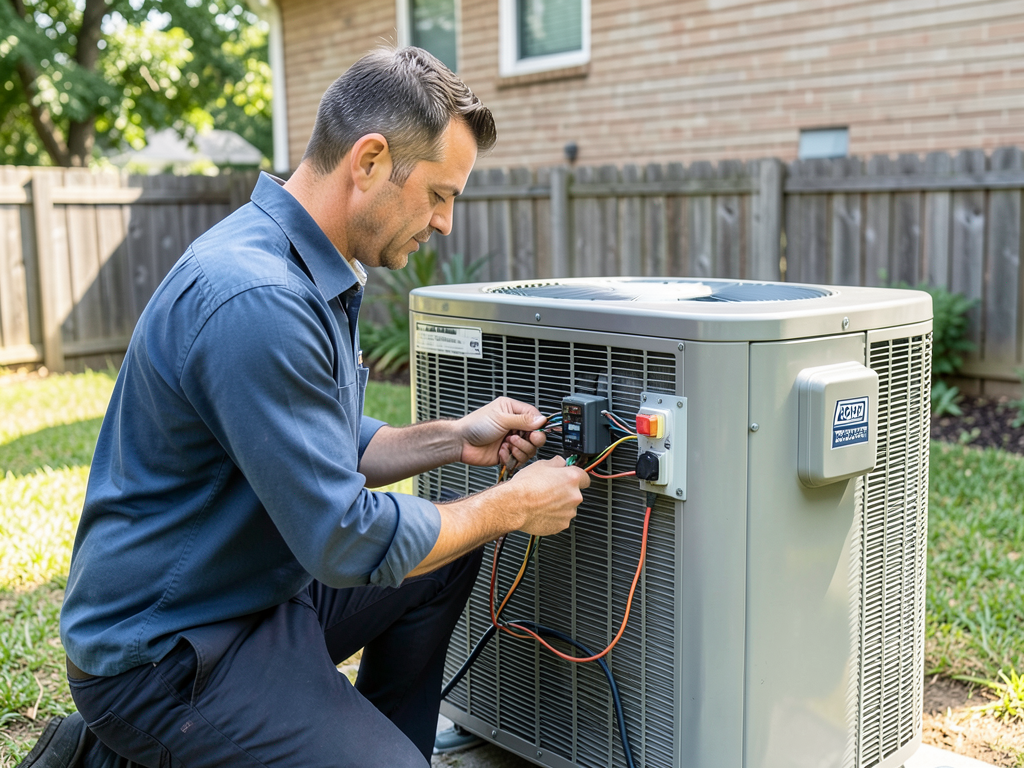
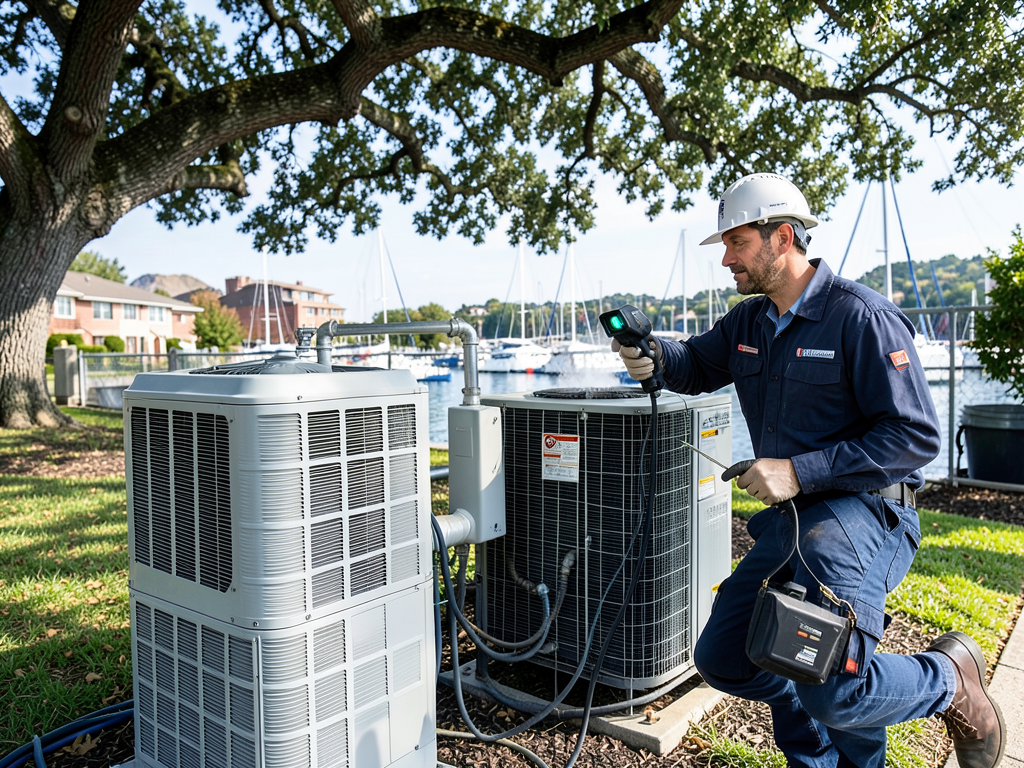
HVAC Services in The Houston Area

Titan HVAC is proud to serve Houston and the surrounding areas with expert heating and cooling solutions. Our central location allows us to respond quickly to both residential and commercial clients. Whether you need an emergency fix or scheduled service, we’re never far away. Explore our service area and see how close comfort really is. We're just a call or click away—connect with us today.

Address:
Titan HVAC Houston, 3730 Kirby DrHouston, Houston, TX, 77098

Additional Services We Offer

Our news updates

Latest Articles & News from The Blogs

Updating the HVAC in an Eastwood Brick Bungalow Without Ruining the Character Eastwood’s brick bungalows built in the 1920s and…

Updating the HVAC in an Eastwood Brick Bungalow Without Ruining the Character

Updating the HVAC in an Eastwood Brick Bungalow Without Ruining the Character Eastwood’s brick bungalows built in the 1920s and…

Clever Ways to Hide an Outdoor AC Unit Without Breaking Woodlands HOA Rules

Clever Ways to Hide an Outdoor AC Unit Without Breaking Woodlands HOA Rules Living in The Woodlands means enjoying tree-lined…

Why a Radiant Barrier Might Be the Missing Piece for Your Aliana AC System

Why a Radiant Barrier Might Be the Missing Piece for Your Aliana AC System If your Aliana home feels like…

Contact Us

Do not wait until temperatures drop to discover your furnace needs service. Call Titan HVAC Houston at (281) 552-7766 to schedule your annual inspection. We will make sure your backup heat source is ready when you need it.