





Stafford sits in the heart of the Gulf Coast region where humidity hovers above 70 percent most of the year and summer temperatures push past 95 degrees for months at a time. Your air conditioner runs harder and longer here than almost anywhere else in the country. The constant moisture creates conditions where mold grows inside ductwork, condensate drains clog with algae, and evaporator coils freeze from restricted airflow. Winter brings its own challenges when cold fronts drop temperatures into the 30s overnight, forcing heating systems that sat idle for nine months to fire up without warning.
The soil under Stafford homes shifts with seasonal moisture changes. Clay expands when wet and contracts when dry, moving your foundation and stressing ductwork at connection points. Split systems lose efficiency when these movements create gaps and leaks. Homes near Willow Creek or along the Brazos River corridor deal with higher groundwater levels that affect crawlspace installations and outdoor condenser placement. Equipment sizing matters here too. Oversized units short cycle and fail to dehumidify. Undersized systems run constantly and burn out compressors. Stafford's climate punishes HVAC mistakes and rewards proper installation and maintenance.
We have served Fort Bend County since our founding, building a reputation for showing up when we say we will and completing repairs correctly the first time. Our technicians live in the communities we serve, including Stafford, Missouri City, and Sugar Land. They understand how local weather patterns affect equipment performance and which brands hold up best in this climate. When you call, you talk to our office staff, not an automated system or call center in another state.
Every truck carries diagnostic tools and common replacement parts so we complete most repairs in a single visit. We price jobs upfront after inspecting your system. No surprises. No padding. You approve the cost before we start work. If we find something during the repair that changes the scope, we stop and discuss options with you. Our technicians explain what failed, why it failed, and what you can do to prevent future problems. They show you the damaged parts and walk you through the repair process.
We pull permits for installations and replacement work as required by Fort Bend County regulations. Our installations pass inspection the first time because we follow manufacturer specifications and local building codes. We register new equipment warranties properly so you get full manufacturer coverage. Our service plans include seasonal maintenance visits timed for spring and fall when systems need attention before peak demand seasons hit. Members get priority scheduling and discounted repair rates. We track your equipment history in our system so every technician who visits your home knows what work we have done previously and which parts we have replaced.

We dispatch technicians within hours for emergency calls in Stafford, not days. Our trucks stay stocked with common parts for Carrier, Trane, Lennox, and Rheem systems so we complete most emergency repairs without ordering parts. You get comfortable again today, not next week when the heat becomes dangerous.

We diagnose the problem, explain what failed and why, then quote the repair cost before starting work. You approve the price first. No hidden fees for after-hours service or weekend calls. No inflated diagnostic charges that disappear into the final bill. You know exactly what you pay before we touch your system.
Our technicians complete ongoing manufacturer training for the major brands we service. They carry NATE certifications and stay current on refrigerant handling regulations and building code updates. When new equipment technology enters the market, our crew learns it before installing it in your home. You get technicians who understand modern systems.
We know Stafford's building stock, from the older homes near Murphy Road to newer construction in Lexington Park. Our technicians understand which HVAC challenges affect different neighborhoods and how soil conditions impact installation requirements. This local knowledge prevents problems that out-of-area contractors miss until callbacks pile up after installation.
Titan HVAC Houston handles everything from emergency breakdowns to planned system replacements for residential and commercial customers in Stafford. We service all major brands and system types including split systems, package units, heat pumps, and gas furnaces. Our service range includes diagnostic work, component replacement, complete system installation, ductwork modification, and preventive maintenance programs. We size equipment properly using Manual J load calculations rather than guessing based on square footage. Our installation crews seal ductwork to reduce energy waste and test airflow after completing work to verify proper system performance.
Every service call starts with diagnosis. We test system operation, measure temperatures and pressures, inspect electrical connections, and evaluate airflow before recommending repairs. For older systems, we discuss repair costs versus replacement costs so you make informed decisions. Sometimes a repair makes sense. Sometimes replacement saves money long-term. We explain both options with actual numbers. Our maintenance programs catch small problems before they become expensive failures. We check refrigerant levels, clean coils, test safety controls, measure amp draw on motors, and inspect condensate drainage during every visit. This prevents mid-summer breakdowns when replacement parts cost more and technician availability drops.
Air conditioners fail during heat waves and furnaces quit during cold snaps. We respond to emergency calls seven days a week including holidays. Our technicians diagnose the failure, explain what happened and why, then complete repairs using parts we stock on trucks. Common emergency repairs include compressor failures, refrigerant leaks, blower motor replacement, capacitor failure, thermostat problems, and frozen evaporator coils. We restore cooling or heating quickly so your home becomes comfortable again. Price quotes happen before repair work starts so you know costs upfront.
Installing new HVAC equipment requires proper sizing, correct installation practices, and attention to building codes. We calculate heating and cooling loads using room-by-room measurements and insulation values. This determines correct equipment capacity. We pull Fort Bend County permits, install systems according to manufacturer specifications, seal all ductwork connections, test refrigerant charge, verify proper airflow, and schedule final inspections. New installations include manufacturer warranty registration and documentation of serial numbers for your records. We install Carrier, Trane, Lennox, Rheem, and other major brands based on your budget and performance requirements.
Regular maintenance extends equipment life and prevents failures during peak demand periods. Our maintenance visits happen twice annually, scheduled before summer cooling season and winter heating season. Technicians clean condenser coils, check refrigerant charge, test capacitors, measure amp draw on compressor and blower motors, inspect electrical connections, verify thermostat calibration, clean or replace filters, check condensate drainage, and test safety controls. We catch worn parts before they fail. Members receive priority scheduling for repairs and discounted service rates. We track maintenance history and equipment age so you know when replacement makes more sense than continued repairs.
Gulf Coast humidity and temperature extremes create specific HVAC challenges for Stafford residents. Air conditioners run nearly year-round here, accumulating operating hours that would take three years to reach in moderate climates. Compressors fail from overwork. Contactors pit and stick from frequent cycling. Capacitors weaken from heat exposure. The moisture in our air breeds mold inside ductwork and drain pans. Condensate drains clog with algae, causing water damage when pans overflow. Dirty evaporator coils restrict airflow and freeze, shutting down cooling on the hottest days.
Ductwork in attics reaches 140 degrees in summer. This heat load bleeds into supply air, forcing systems to work harder. Flexible duct sags between supports, restricting airflow and reducing efficiency. Foundation movement from expansive clay soil pulls apart duct connections at plenums and registers. These leaks dump conditioned air into attics and crawlspaces. Your system runs longer while rooms stay uncomfortable. Oversized equipment installed by contractors who guess at capacity rather than calculate loads short cycles through on-off cycles, failing to remove humidity even though temperature reaches setpoint. You feel clammy even when the thermostat shows 72 degrees.
Evaporator coils freeze when airflow drops below minimum requirements. Dirty filters, closed registers, failed blower motors, or low refrigerant charge cause this condition. Ice blocks airflow completely, shutting down cooling. The system runs constantly but produces no cool air. We diagnose the root cause, thaw the coil properly, then fix what caused the freeze.
Compressors pump refrigerant through the cooling cycle. They fail from age, electrical problems, refrigerant contamination, or running without enough refrigerant. Failed compressors require replacement, not repair. We test electrical components, verify proper refrigerant charge after installing the new compressor, and pull vacuum on the system to remove moisture before charging with fresh refrigerant.
Air conditioners remove moisture from indoor air. This water collects in drain pans and flows through PVC drain lines. Algae and mold grow in these lines, creating clogs. Water backs up into the air handler, overflows the pan, and damages ceilings. We clear clogs, treat drain lines with algaecide, and verify proper drainage slope. Secondary drain pans and float switches prevent future water damage.
Duct connections pull apart when foundations shift or installers use inadequate sealing methods. Conditioned air leaks into unconditioned spaces. Your system runs longer while rooms stay uncomfortable. Energy bills climb but comfort drops. We test duct leakage using blower door equipment, seal leaks with mastic and metal tape, and verify improved airflow after repairs. Proper duct sealing cuts cooling costs substantially.
We answer calls during business hours and dispatch emergency technicians after hours. When you call about comfort problems or system failures, we ask questions about symptoms, system age, and recent changes. This helps us send the right technician with appropriate parts. We confirm appointment windows and call ahead when the technician is on the way. Our trucks arrive clean and clearly marked with company logos.
Technicians introduce themselves, wear identification badges, and put on shoe covers before entering your home. They listen to your description of the problem, ask clarifying questions, then inspect your system. Diagnosis includes visual inspection, temperature measurements, pressure testing, electrical readings, and airflow evaluation. After completing diagnosis, the technician explains what failed, shows you the damaged component, and describes why it failed. You receive a written quote for repair costs before work begins. If you approve the quote, repair work starts immediately using parts from the truck when possible. The technician tests system operation after completing repairs and explains what was done. You receive documentation including part numbers, warranty information, and maintenance recommendations.
You talk to real people when you call our office, not automated systems or offshore call centers. We explain appointment windows clearly and call when the technician is 30 minutes away. Our technicians explain problems in plain language, avoiding jargon and technical terms that confuse rather than inform. You understand what failed, why it matters, and what options you have for fixing it. We answer questions patiently and provide written documentation of all work performed.
Diagnostic fees apply to service calls. This covers the technician's time, expertise, and travel costs. If you approve recommended repairs, the diagnostic fee applies toward the repair cost. Repair quotes include parts, labor, and any additional materials needed to complete the job properly. You see the total cost before work begins. No surprises appear on the final invoice. If we discover additional problems during repair work, we stop and discuss options with you before proceeding.
We warranty our labor for one year on repairs and longer on installations. Parts carry manufacturer warranties that we explain and document clearly. We register new equipment with manufacturers so your warranty coverage activates properly. If something fails during the warranty period, we return and fix it without additional labor charges. Our goal is completing repairs correctly the first time so callbacks never happen.
We keep the service process simple and transparent. You know what to expect at each step, from initial contact through final testing and payment.
Call our office to schedule service or request emergency dispatch. We gather information about your system and symptoms, then send a qualified technician with appropriate tools and common parts. The technician arrives within the scheduled window, inspects your system thoroughly, and performs diagnostic tests. After identifying the problem, you receive a clear explanation of what failed and why it matters for your comfort and safety.
The technician provides a written quote covering parts, labor, and materials needed to complete the repair properly. You approve the cost before work begins. No hidden fees appear later. Repair work starts immediately after approval. The technician completes the work efficiently using professional tools and quality replacement parts. If complications arise during repair, we stop and discuss options before continuing.
After completing repairs, the technician tests system operation to verify proper performance. This includes checking temperatures, measuring airflow, confirming electrical readings, and running the system through complete cycles. You receive documentation showing what was replaced, part numbers, warranty information, and maintenance recommendations. The technician answers questions about operating your system efficiently and explains warning signs that indicate future problems.
Fort Bend County requires permits for HVAC system replacement and new installations. These permits ensure work meets building codes and manufacturer specifications. Inspectors verify proper equipment installation, correct electrical connections, adequate combustion air for gas furnaces, proper refrigerant charge, sealed ductwork, and code-compliant condensate drainage. We pull required permits for all installation work and schedule inspections after completing the job. Our installations pass inspection the first time because we follow International Residential Code requirements and manufacturer installation instructions.
Refrigerant handling requires EPA Section 608 certification. Technicians must recover refrigerant from failed systems properly, preventing release into the atmosphere. New systems get charged using manufacturer specifications based on measured line lengths and operating conditions. We never guess at refrigerant charge or top off systems without finding and repairing leaks first. Proper charge ensures efficient operation and prevents premature compressor failure.
Load calculations determine correct equipment sizing. Manual J procedures account for insulation values, window area and orientation, ceiling height, air infiltration, and internal heat gains. Oversized equipment costs more upfront, short cycles without removing humidity, and wears out faster. Undersized equipment runs constantly without maintaining comfort and burns out from overwork. We calculate loads properly and document the sizing process. Ductwork design follows Manual D procedures to ensure adequate airflow reaches every room. Supply registers and return grilles get sized based on required airflow, not arbitrary grille dimensions. Duct runs minimize turns, maintain proper velocity, and seal all connections with mastic or metal-backed tape. Flex duct requires support every four feet to prevent sagging that restricts airflow.
Fort Bend County requires permits for HVAC system replacement, new installations, and major ductwork modifications. We pull permits before starting work, complete installations according to code requirements, and schedule inspections after finishing the job. Inspectors verify proper installation, electrical connections, refrigerant charge, and condensate drainage. Our installations pass inspection the first time because we follow code requirements and manufacturer specifications exactly.
Proper equipment sizing requires Manual J load calculations based on your home's construction, insulation, window area, and orientation. We measure rooms, evaluate insulation, account for air infiltration, and calculate actual heating and cooling loads. This determines correct equipment capacity. Proper sizing ensures efficient operation, adequate humidity removal, and long equipment life. We never guess capacity based on square footage or existing equipment size.
Complete system replacement typically requires one to two days depending on equipment location, ductwork modifications, and electrical upgrades. We remove old equipment, install the new system, modify ductwork as needed, test operation, and clean the work area before leaving. Simple repairs take one to three hours depending on part availability and system access. Emergency repairs that require overnight parts ordering get temporary solutions to restore basic operation until permanent repairs happen.
EPA regulations require certified technicians to handle refrigerants. We recover refrigerant from failed systems using approved equipment, preventing atmospheric release. New installations get charged using manufacturer specifications based on measured conditions. We check for leaks using electronic detectors and soap bubbles before charging systems. Proper refrigerant charge ensures efficient operation and prevents compressor damage from incorrect pressures.
Learn about common HVAC problems affecting Stafford homes, including compressor failures, refrigerant leaks, frozen coils, and ductwork issues caused by Gulf Coast humidity and foundation movement. This video explains diagnostic procedures, repair costs, and maintenance practices that extend equipment life. Titan HVAC Houston provides emergency repairs, system installations, and seasonal maintenance throughout Fort Bend County with same-day service and upfront pricing.
Titan HVAC Houston serves residential and commercial customers throughout Stafford and surrounding Fort Bend County communities. We respond to service calls in established neighborhoods near Murphy Road and Highway 90, where homes built in the 1970s and 1980s often need system upgrades and ductwork improvements. Many of these properties have original HVAC equipment reaching the end of useful life. We help homeowners evaluate repair versus replacement decisions based on actual system condition and operating costs.
The Lexington Park area features newer construction with modern HVAC systems that benefit from preventive maintenance. These homes typically have better insulation and more efficient equipment, but they still face Gulf Coast humidity challenges. We maintain systems in this area with seasonal service visits timed before summer and winter demand peaks. Homes near Willow Creek and along the Brazos River corridor deal with higher humidity levels that stress air conditioning systems. Proper dehumidification becomes important in these areas. We size equipment carefully and recommend dehumidification solutions when needed.
Commercial properties along Southwest Freeway and near Stafford Municipal School District facilities require quick response times and minimal business disruption. We schedule commercial maintenance during off-hours and respond rapidly to emergency calls that affect business operations. Our technicians understand commercial refrigeration, package units, and rooftop installations common in retail and office buildings. Properties in the Stafford Technology Center and industrial areas along Highway 59 have specialized HVAC requirements. We handle these systems with technicians trained on commercial equipment and three-phase electrical systems.
Homes in Cambridge Village, Meadow Bend, and other residential subdivisions throughout Stafford receive the same fast response and quality service. We dispatch technicians based on location to minimize travel time. Our service area extends throughout Fort Bend County including Missouri City, Sugar Land, and Richmond. This regional coverage means we understand climate conditions, building codes, and installation practices across the area. Whether your home sits near Quail Valley Golf Course or along Murphy Road near the city center, we provide reliable HVAC service backed by local knowledge and technical expertise.
The $5000 rule is a repair-versus-replace guideline. Multiply your system's age by the repair cost. If the total exceeds $5000, replacement often makes more financial sense than repair. For example, if your 12-year-old air conditioner needs a $500 compressor repair, that equals $6000, signaling replacement is smarter. This rule helps Stafford homeowners avoid throwing money at aging equipment that will fail again soon. With our humid Texas climate stressing systems year-round, older units lose efficiency fast. A new system delivers better cooling, lower utility bills, and peace of mind through warranty coverage.
HVAC job costs in Stafford vary widely based on scope. A basic service call with filter change runs one amount, while compressor replacement or ductwork modification costs significantly more. Residential repairs typically range from minor fixes to major component replacements. Installation projects depend on system size, efficiency rating, and home layout. Stafford's high humidity requires proper sizing and drainage considerations that affect labor. Commercial jobs involve more complexity. Get multiple detailed quotes that itemize parts and labor. Avoid unusually low bids, they often signal shortcuts or unlicensed work that creates costly problems later.
Average HVAC system costs depend on size, efficiency rating, brand, and installation complexity. A basic split system for a typical Stafford home differs from a high-efficiency variable-speed unit with zoning controls. Tonnage requirements vary, a 1200 square foot home needs less capacity than a 3000 square foot house. SEER ratings affect price, higher efficiency units cost more upfront but save on monthly cooling bills in our hot climate. Ductwork condition matters too. Existing ducts in good shape cost less than homes needing full duct replacement. Always get site-specific quotes with written specifications.
The $5000 rule is a repair-versus-replace guideline. Multiply your system's age by the repair cost. If the total exceeds $5000, replacement often makes more financial sense than repair. For example, if your 12-year-old air conditioner needs a $500 compressor repair, that equals $6000, signaling replacement is smarter. This rule helps Stafford homeowners avoid throwing money at aging equipment that will fail again soon. With our humid Texas climate stressing systems year-round, older units lose efficiency fast. A new system delivers better cooling, lower utility bills, and peace of mind through warranty coverage.
HVAC job costs in Stafford vary widely based on scope. A basic service call with filter change runs one amount, while compressor replacement or ductwork modification costs significantly more. Residential repairs typically range from minor fixes to major component replacements. Installation projects depend on system size, efficiency rating, and home layout. Stafford's high humidity requires proper sizing and drainage considerations that affect labor. Commercial jobs involve more complexity. Get multiple detailed quotes that itemize parts and labor. Avoid unusually low bids, they often signal shortcuts or unlicensed work that creates costly problems later.
Average HVAC system costs depend on size, efficiency rating, brand, and installation complexity. A basic split system for a typical Stafford home differs from a high-efficiency variable-speed unit with zoning controls. Tonnage requirements vary, a 1200 square foot home needs less capacity than a 3000 square foot house. SEER ratings affect price, higher efficiency units cost more upfront but save on monthly cooling bills in our hot climate. Ductwork condition matters too. Existing ducts in good shape cost less than homes needing full duct replacement. Always get site-specific quotes with written specifications.
Replacing HVAC for a 2000 square foot house in Stafford depends on several factors. You typically need a 3 to 3.5 ton system, but ceiling height, insulation quality, window count, and sun exposure all affect sizing. A builder-grade 14 SEER unit costs less than an 18 SEER variable-speed system with smart thermostat. Ductwork condition impacts cost. Homes with damaged or undersized ducts need additional work. Proper load calculation prevents oversizing, which wastes money and causes humidity problems in our muggy climate. Request multiple quotes with Manual J load calculations to compare accurately.
The 2025 Energy Efficient Home Improvement Credit allows up to $3,200 annually for qualified HVAC upgrades. You can claim 30% of costs for heat pumps, central air conditioners meeting efficiency standards, and related improvements. Heat pumps qualify for up to $2000, while air conditioners and furnaces qualify for separate amounts. Equipment must meet specific SEER2, EER2, and HSPF2 ratings. Keep manufacturer certification statements and receipts. Stafford homeowners can combine this with utility rebates for additional savings. Consult a tax professional to confirm eligibility, as rules change and income limits may apply.
HVAC systems typically last 15 to 20 years with proper maintenance. In Stafford, our intense heat and humidity stress equipment harder than milder climates, potentially shortening lifespan. Systems running 8 to 10 months yearly wear faster than those in cooler regions. Furnaces often outlast air conditioners because they work fewer months. Regular filter changes, annual tune-ups, and keeping outdoor units clear of debris extend life. Neglected systems fail sooner. If your unit exceeds 12 years and needs major repairs, replacement often makes financial sense. New systems deliver better efficiency and reliability.
The 3 minute rule prevents compressor damage by allowing refrigerant pressures to equalize before restarting. When your AC shuts off, high and low pressure sides need time to balance. Restarting too quickly forces the compressor to start against unequal pressure, causing strain and premature failure. Modern thermostats include built-in delay timers. Never rapidly cycle your thermostat on and off. During Stafford power outages, wait at least 3 minutes after electricity returns before cooling resumes. This simple practice protects your most expensive HVAC component and prevents costly emergency repairs during peak summer heat.
Common HVAC repairs in Stafford include refrigerant leaks, capacitor failures, contactor problems, and drain line clogs. Our humid climate causes condensate drain pans to overflow when algae blocks lines, leading to water damage. Capacitors fail from heat stress after years of near-constant summer use. Dirty coils reduce efficiency and cause freezing. Thermostat malfunctions create comfort issues. Blower motor problems affect airflow. Compressor failures are costly but less common. Regular maintenance catches most issues early. Strange noises, weak airflow, short cycling, or ice buildup signal problems needing immediate attention to prevent complete system failure.
HVAC technicians can earn $100,000 yearly through experience, specialization, and business ownership. Entry-level techs earn less, but licensed professionals with EPA certification and commercial experience command higher pay. Overtime during peak summer months in Stafford boosts income. Service managers, commercial specialists, and those handling complex retrofits earn more than residential installers. Business owners who build strong customer bases and manage teams well exceed $100,000. The skilled trades face worker shortages, creating opportunity. Continuous education in new refrigerants, smart systems, and energy efficiency increases earning potential. Location, certifications, and reputation all affect income.
A 2000 square foot house in Stafford typically needs a 3 to 4 ton air conditioner, but proper sizing requires a Manual J load calculation. Ceiling height, insulation levels, window count, orientation, and shade all affect cooling requirements. A poorly insulated home facing west needs more capacity than a well-insulated home with mature trees. Undersized units run constantly without reaching temperature. Oversized units short-cycle, wasting energy and failing to control humidity in our muggy climate. Never guess tonnage by square footage alone. Demand a professional load calculation to ensure comfort, efficiency, and equipment longevity.
Replacing HVAC for a 2000 square foot house in Stafford depends on several factors. You typically need a 3 to 3.5 ton system, but ceiling height, insulation quality, window count, and sun exposure all affect sizing. A builder-grade 14 SEER unit costs less than an 18 SEER variable-speed system with smart thermostat. Ductwork condition impacts cost. Homes with damaged or undersized ducts need additional work. Proper load calculation prevents oversizing, which wastes money and causes humidity problems in our muggy climate. Request multiple quotes with Manual J load calculations to compare accurately.
The 2025 Energy Efficient Home Improvement Credit allows up to $3,200 annually for qualified HVAC upgrades. You can claim 30% of costs for heat pumps, central air conditioners meeting efficiency standards, and related improvements. Heat pumps qualify for up to $2000, while air conditioners and furnaces qualify for separate amounts. Equipment must meet specific SEER2, EER2, and HSPF2 ratings. Keep manufacturer certification statements and receipts. Stafford homeowners can combine this with utility rebates for additional savings. Consult a tax professional to confirm eligibility, as rules change and income limits may apply.
HVAC systems typically last 15 to 20 years with proper maintenance. In Stafford, our intense heat and humidity stress equipment harder than milder climates, potentially shortening lifespan. Systems running 8 to 10 months yearly wear faster than those in cooler regions. Furnaces often outlast air conditioners because they work fewer months. Regular filter changes, annual tune-ups, and keeping outdoor units clear of debris extend life. Neglected systems fail sooner. If your unit exceeds 12 years and needs major repairs, replacement often makes financial sense. New systems deliver better efficiency and reliability.
The 3 minute rule prevents compressor damage by allowing refrigerant pressures to equalize before restarting. When your AC shuts off, high and low pressure sides need time to balance. Restarting too quickly forces the compressor to start against unequal pressure, causing strain and premature failure. Modern thermostats include built-in delay timers. Never rapidly cycle your thermostat on and off. During Stafford power outages, wait at least 3 minutes after electricity returns before cooling resumes. This simple practice protects your most expensive HVAC component and prevents costly emergency repairs during peak summer heat.
Common HVAC repairs in Stafford include refrigerant leaks, capacitor failures, contactor problems, and drain line clogs. Our humid climate causes condensate drain pans to overflow when algae blocks lines, leading to water damage. Capacitors fail from heat stress after years of near-constant summer use. Dirty coils reduce efficiency and cause freezing. Thermostat malfunctions create comfort issues. Blower motor problems affect airflow. Compressor failures are costly but less common. Regular maintenance catches most issues early. Strange noises, weak airflow, short cycling, or ice buildup signal problems needing immediate attention to prevent complete system failure.
HVAC technicians can earn $100,000 yearly through experience, specialization, and business ownership. Entry-level techs earn less, but licensed professionals with EPA certification and commercial experience command higher pay. Overtime during peak summer months in Stafford boosts income. Service managers, commercial specialists, and those handling complex retrofits earn more than residential installers. Business owners who build strong customer bases and manage teams well exceed $100,000. The skilled trades face worker shortages, creating opportunity. Continuous education in new refrigerants, smart systems, and energy efficiency increases earning potential. Location, certifications, and reputation all affect income.
A 2000 square foot house in Stafford typically needs a 3 to 4 ton air conditioner, but proper sizing requires a Manual J load calculation. Ceiling height, insulation levels, window count, orientation, and shade all affect cooling requirements. A poorly insulated home facing west needs more capacity than a well-insulated home with mature trees. Undersized units run constantly without reaching temperature. Oversized units short-cycle, wasting energy and failing to control humidity in our muggy climate. Never guess tonnage by square footage alone. Demand a professional load calculation to ensure comfort, efficiency, and equipment longevity.
Titan HVAC is proud to serve Houston and the surrounding areas with expert heating and cooling solutions. Our central location allows us to respond quickly to both residential and commercial clients. Whether you need an emergency fix or scheduled service, we’re never far away. Explore our service area and see how close comfort really is. We're just a call or click away—connect with us today.
Address:
Stafford, TX, 77477
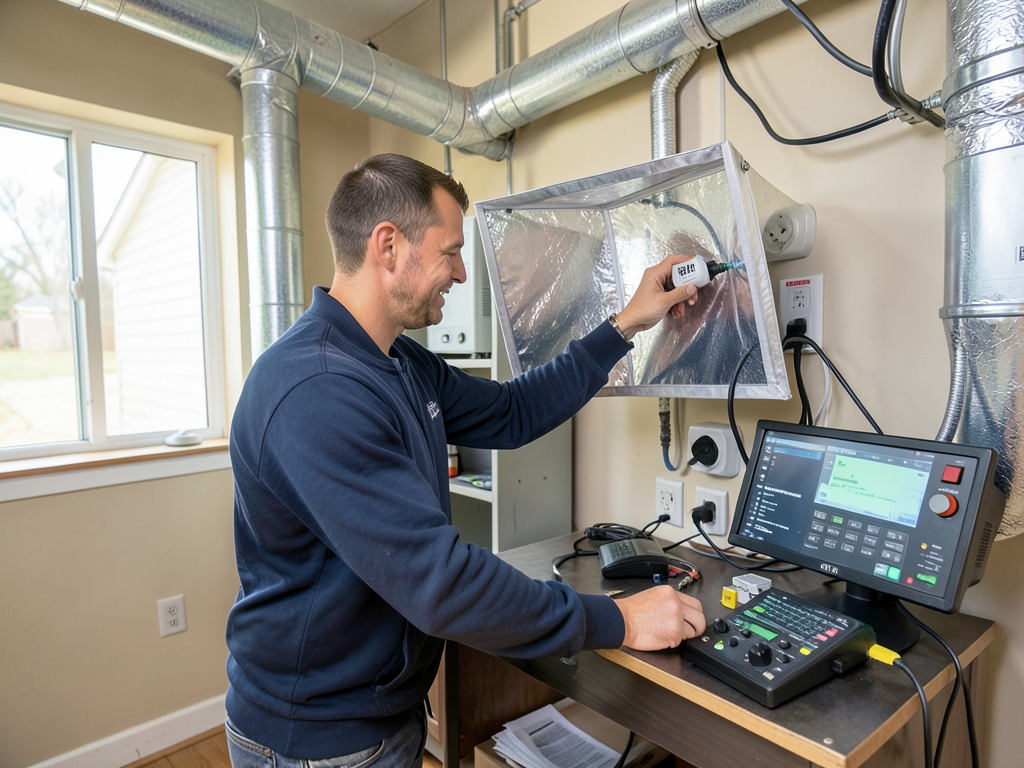
How Air Balancing Makes Every Room the Same Temperature in Your South Park Ranch Home If you live in a South Park ranch home built in the 1960s or 1970s, you know the struggle. One…
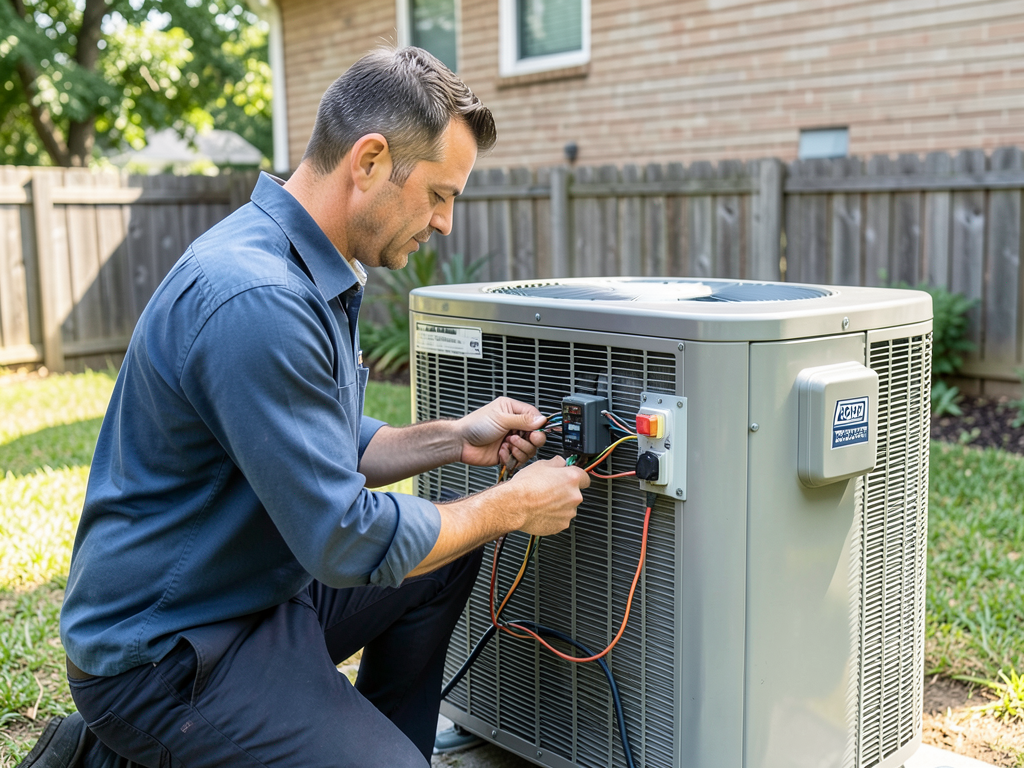
Preparing Your HVAC System to Run on a Whole-Home Generator in Park Ten Power outages…
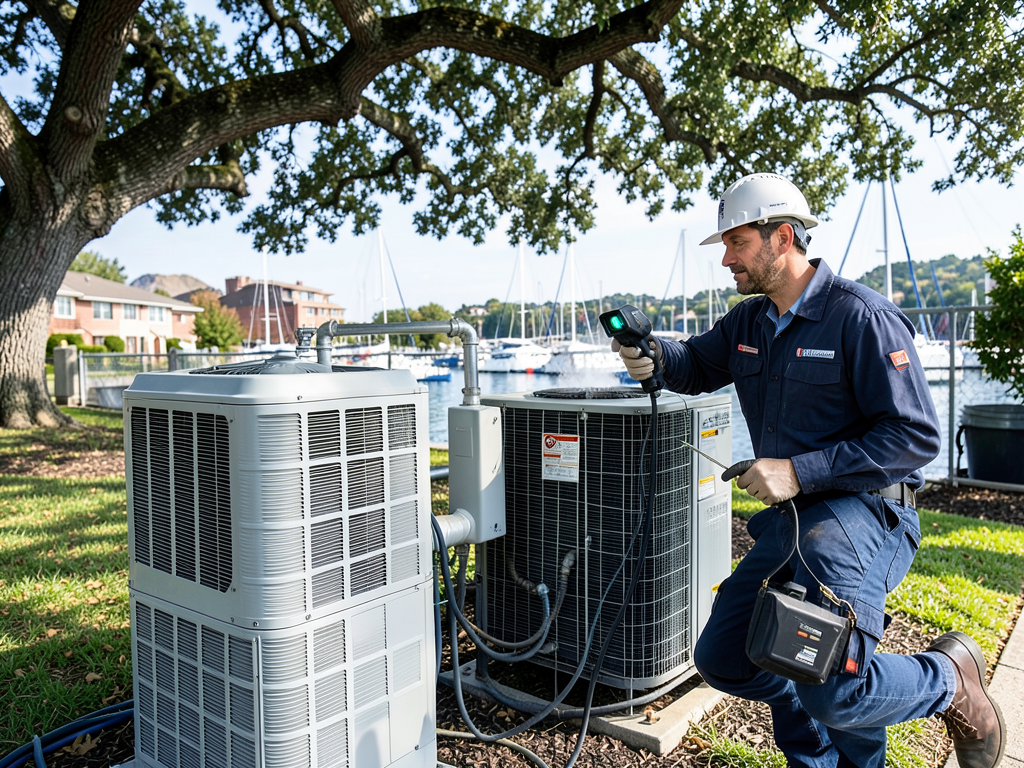
How Mature Tree Shade Impacts Your AC Performance and Efficiency in Denver Harbor Denver Harbor’s…
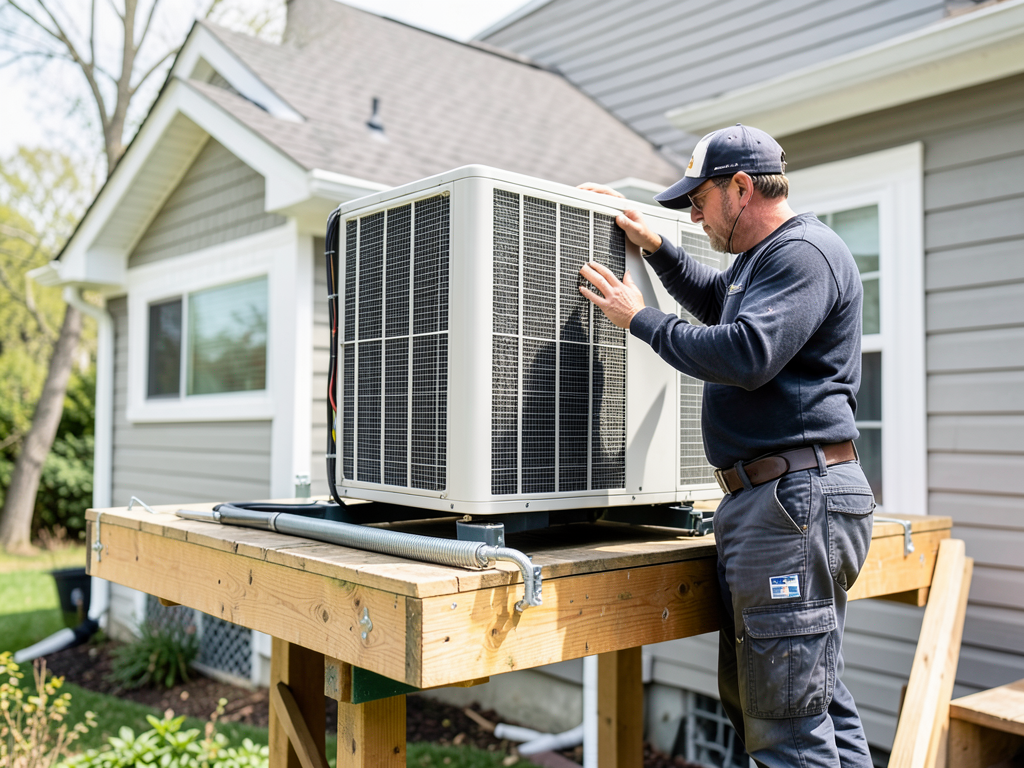
Everything You Need to Know About HVAC Permits and Building Codes in Willowbrook Installing a…
Your comfort matters. Call Titan HVAC Houston at (281) 552-7766 for same-day service appointments and emergency repairs. Our technicians respond quickly, diagnose problems accurately, and fix systems right the first time. Stop suffering in the heat or cold and get your system working properly again.