





Missouri City sits in the humid subtropical zone where HVAC systems work harder than almost anywhere in America. Summer temperatures regularly hit 95 degrees with humidity levels that make it feel like 110. Your air conditioner runs for months without a break, pushing compressors and condensers to their limits. Winter brings occasional freezes that catch heating systems off guard, especially in homes built during the rapid expansion along Sienna Parkway and around Quail Valley.
The clay soil throughout Fort Bend County shifts with moisture changes, cracking concrete slabs and pulling ductwork apart at the seams. Homes near Oyster Creek and the Brazos River flood zone face humidity intrusion that breeds mold in air handlers and clogs drain lines. Meanwhile, older neighborhoods near Highway 6 and FM 2234 still have original HVAC equipment from the 1990s that struggles with modern cooling demands and higher SEER efficiency standards. These local conditions mean your heating and cooling system needs technicians who understand Missouri City specifically, not generic contractors who treat every home the same.
Titan HVAC Houston has served Fort Bend County residents for over a decade, building a reputation on fast response and honest pricing. We keep fully stocked trucks on the road every day, carrying the parts that fail most often in Missouri City homes. That means we fix most problems on the first visit instead of ordering parts and coming back days later while you sweat or freeze.
Our technicians are licensed through the Texas Department of Licensing and Regulation and certified by NATE, the industry standard for technical competence. We do not send apprentices to learn on your equipment. Every service call gets a senior technician who can diagnose complex problems, not just swap parts until something works.
We price every job before we start work. You see the cost in writing, approve it, then we proceed. No hidden fees for after-hours service, no inflated weekend rates, no surprise charges when the job takes longer than expected. The price we quote is the price you pay.
Missouri City families choose us because we show up when we say we will, fix what is broken, and stand behind our work with real guarantees. We are not the cheapest option, but we are the one that solves your problem correctly the first time. When your neighbor recommends an HVAC company, our name comes up because we have earned trust one repair at a time across Sienna Plantation, Riverstone, and Lake Olympia.

Your AC fails at 3 PM on a Saturday, and we dispatch a technician within two hours. We do not make you wait until Monday or put you on a callback list. Fully stocked trucks handle most repairs immediately, restoring comfort to your Missouri City home before the day ends.

We diagnose the problem, explain what failed and why, then give you a written price before touching a tool. You approve the cost, we do the work. No surprise charges, no inflated diagnostic fees that disappear if you hire us. Just honest pricing for HVAC repair and installation.
Every service call gets a North American Technician Excellence certified professional with years of field experience. We do not send helpers or trainees to learn on your equipment. Our technicians diagnose accurately, repair correctly, and answer your questions in plain language you can understand.
We have serviced thousands of homes across Missouri City, from older properties near Highway 6 to new construction in Sienna Plantation. We know which systems fail first, how clay soil affects ductwork, and what humidity does to equipment in this climate. Local knowledge solves problems faster.
Titan HVAC Houston handles every aspect of residential and commercial climate control in Missouri City. Our service range covers emergency breakdowns that need immediate attention, planned equipment replacements for aging systems, and preventive maintenance that stops problems before they start. We work on all major brands including Carrier, Trane, Lennox, Rheem, Goodman, and American Standard.
Whether you need a compressor replaced at 10 PM, a new high-efficiency system installed in your Riverstone home, or seasonal tune-ups for your rental properties, we provide the same quality workmanship and clear communication. Our technicians carry advanced diagnostic tools that identify problems other contractors miss, from refrigerant leaks in buried linesets to failing capacitors that cause hard starts. We structure our services around what Missouri City property owners actually need, not what generates the highest ticket price for our company.
When your system fails, we dispatch a fully equipped technician to your Missouri City location within hours. We diagnose the failure, explain what happened in clear terms, and present repair options with upfront pricing. Most emergency calls get resolved the same day because we stock common failure parts on every truck. From compressor failures to blower motor burnouts, refrigerant leaks to control board malfunctions, we fix what is broken and get your home comfortable again fast.
Aging equipment eventually costs more to repair than replace. We perform load calculations specific to your home's square footage, insulation levels, and ductwork condition, then recommend properly sized equipment that matches your needs and budget. Our installation teams pull permits through Fort Bend County, follow manufacturer specifications exactly, and pressure test all refrigerant lines before startup. You get a system that cools and heats efficiently, not an oversized unit that short cycles or undersized equipment that runs constantly.
Regular maintenance catches small problems before they become expensive failures. Our tune-up service includes cleaning coils, checking refrigerant levels, testing capacitors, inspecting electrical connections, and clearing drain lines. We document every measurement so you can see how your system performs over time. Maintenance agreement members get priority scheduling, discounted repairs, and no overtime charges for after-hours emergencies. For Missouri City property owners managing multiple rental units, we handle all locations under one agreement with centralized billing.
Missouri City's climate and construction patterns create specific HVAC challenges that show up repeatedly across the area. The extended cooling season from April through October puts enormous strain on compressors and condensers, leading to failures during the hottest weeks when you need your system most. Homes built on clay soil experience foundation movement that separates ductwork connections, letting your expensive cooled air escape into attics and crawl spaces. High humidity throughout spring and summer overwhelms drain systems, causing water backup into air handlers and ceiling leaks that homeowners mistake for roof problems.
Many properties in established neighborhoods still operate original equipment from the 1990s or early 2000s, systems that predate modern efficiency standards and struggle to maintain comfort during heat waves. These older units use R-22 refrigerant that is no longer manufactured, making repairs increasingly expensive as supply dwindles. Understanding these common problems helps Missouri City residents spot warning signs before minor issues become major emergencies.
Compressors fail most often during extended heat waves when your system runs 12 to 16 hours daily without rest. You notice warm air from vents, higher electric bills, or strange noises from the outdoor unit. Missouri City's brutal summer puts maximum stress on this critical component, especially in systems over 10 years old.
Clay soil expands when wet and contracts when dry, shifting foundations and pulling duct connections apart. You pay to cool air that escapes into your attic instead of reaching your rooms. Uneven temperatures, high utility bills, and excessive dust indicate ductwork problems that waste money every month you ignore them.
Your AC removes gallons of moisture from Missouri City's humid air every day. That water drains through a small pipe that algae and mold clog regularly. When the drain backs up, water overflows into your air handler, drips through ceilings, and damages sheetrock. You see water stains or musty smells around your indoor unit.
Systems installed before 2010 use R-22 refrigerant that is no longer produced due to environmental regulations. Fixing refrigerant leaks in these older units costs hundreds more than modern systems because R-22 supply is limited and expensive. Eventually, replacement makes more financial sense than continuing to repair obsolete equipment.
We built our service process around what frustrated Missouri City homeowners told us they hated about other HVAC companies. You call, we answer. You get a real person who schedules your appointment immediately, not a voicemail promising a callback. We give you a two-hour arrival window and text when our technician is 30 minutes away so you are not trapped at home all day.
Our technician arrives in a clearly marked truck, wears a uniform with name badge, and explains who they are before entering your home. They protect your floors with shoe covers and floor runners, ask where the problem is, and listen to your description before investigating. After diagnosing the issue, they walk you through what failed, why it happened, and what fixing it requires. You get options with written prices for each approach, from basic repair to premium solutions. Nothing happens until you approve the work and cost.
During the repair, our technician explains what they are doing if you are interested or works quietly if you prefer. They clean up completely, test the system thoroughly, and walk you through what they did and how to prevent future problems. You get a detailed invoice showing parts and labor, plus warranty information for the work completed. We follow up a few days later to confirm everything is working correctly.
You speak with a real person who schedules your service immediately and explains what to expect. Our technician calls before arriving, introduces themselves properly, and listens to your description of the problem. They diagnose the issue, explain what failed in plain language, and present written prices before starting work. You always know what you are paying for and why it costs that amount.
We give you a two-hour arrival window and text 30 minutes before we arrive. Our technicians wear shoe covers, use floor runners, and clean up completely when finished. We work efficiently to minimize disruption to your day, but never rush through diagnostics or cut corners on repairs. Your home looks exactly as it did before we arrived, except your HVAC system works correctly.
Every repair comes with a written warranty covering parts and labor. If something goes wrong with our work, we return and fix it at no charge. We follow up a few days after service to confirm your system is performing correctly and answer any questions. You get our direct number for future service, not a call center that transfers you randomly.
We keep the service process simple because HVAC emergencies are stressful enough without complicated procedures. Three clear steps get your system working again with no confusion or surprise charges.
Call our Missouri City line and speak with a scheduler who books your appointment immediately. We dispatch a senior technician to your home within our promised time window. They inspect your system thoroughly, test components with diagnostic tools, and identify exactly what failed. You get a clear explanation of the problem, what caused it, and what fixing it requires. No technical jargon, just honest answers.
Our technician presents your options with upfront written pricing for each approach. You choose the solution that fits your needs and budget, approve the work, and we proceed immediately. Most repairs complete the same day because we stock common parts on every truck. We test the system thoroughly before considering the job finished, making sure it cools or heats properly and all controls function correctly.
Before leaving, our technician walks you through what they repaired, shows you the old parts that failed, and explains how to prevent future problems. You receive a detailed invoice and warranty documentation for the work completed. We follow up within a few days to confirm your system is performing correctly and answer any questions about operation or maintenance.
Professional HVAC work in Missouri City requires adherence to multiple layers of code and regulation that protect homeowners and ensure system safety. The International Mechanical Code as adopted by Fort Bend County governs all HVAC installations and major repairs, specifying everything from duct sizing to combustion air requirements. Refrigerant handling falls under EPA Section 608 regulations, which require proper recovery, recycling, and disposal of all refrigerants. Only EPA-certified technicians can legally purchase, handle, or dispose of refrigerants, yet some unlicensed contractors ignore this requirement and vent refrigerants directly to atmosphere, creating environmental damage and exposing homeowners to fines.
Load calculations for new installations must follow ACCA Manual J procedures, accounting for Missouri City's climate zone 2A designation, home orientation, window placement, insulation R-values, and air infiltration rates. Oversized equipment wastes energy through short cycling and poor dehumidification. Undersized equipment runs constantly without reaching set temperature. Proper sizing requires detailed measurement and calculation, not guessing based on square footage alone.
Ductwork design follows ACCA Manual D standards, balancing air flow to each room based on calculated loads. Missouri City's clay soil movement makes duct sealing critical since separated connections waste conditioned air. We pressure test all ductwork to IECC standards, achieving less than 6% total leakage on new installations. Electrical connections must meet National Electric Code requirements for proper wire sizing, disconnect placement, and overcurrent protection. Every installation requires permits from Fort Bend County, inspection by county officials, and documented compliance before we consider the job complete.
Federal law requires EPA Section 608 certification to handle refrigerants legally. Certified technicians recover old refrigerant properly, prevent environmental damage, and document refrigerant charges accurately. Unlicensed contractors who bypass these requirements put homeowners at risk of EPA fines up to $37,500 per violation. Always verify your technician carries current EPA certification.
Equipment efficiency rating, system capacity, installation complexity, and ductwork condition determine replacement cost. Higher SEER ratings cost more upfront but reduce electric bills long-term. Two-stage and variable-speed systems provide better comfort and efficiency than single-stage equipment. Ductwork repairs, electrical upgrades, and permit fees add to total project cost beyond just equipment price.
Complete system replacement takes one to three days depending on equipment location, ductwork condition, and electrical requirements. We pull permits before starting work, which adds two to five business days for county approval. Rush installations that skip permits or ignore proper startup procedures lead to problems later. Quality installation takes time done correctly.
Any HVAC replacement or major repair requires permits from Fort Bend County inspectors. Permits ensure work meets code, protects your home's value, and covers you legally if problems arise. Contractors who skip permits to save time or hide substandard work put homeowners at risk when selling or filing insurance claims. We handle all permitting and inspections on every installation.
This video explains common HVAC problems in Missouri City, Texas, including compressor failures, ductwork separation from foundation movement, condensate drain clogs, and issues with aging R-22 equipment. Viewers learn how Missouri City's humid subtropical climate and clay soil affect heating and cooling systems, what warning signs indicate imminent failure, and how to choose qualified HVAC contractors. The video covers emergency repair considerations, system replacement decisions, and maintenance practices specific to Fort Bend County residential properties.
Titan HVAC Houston serves the entire Missouri City area from established neighborhoods near Highway 6 and FM 2234 to newer master-planned communities expanding south toward Highway 288. Our technicians know the unique characteristics of homes across different parts of the city, from original 1970s construction in older sections to modern energy-efficient builds in recent developments.
Sienna Plantation residents deal with newer high-efficiency equipment that requires specialized diagnostic tools and factory-specific parts. These master-planned community homes often have complex zoned systems with multiple thermostats controlling different areas. We stock replacement parts for Carrier, Trane, and Lennox systems popular in this area and understand the smart home integration these properties often include.
Quail Valley and Lake Olympia properties feature larger homes with higher cooling loads and aging equipment that needs either significant repair investment or complete replacement. Many of these homes still run original systems from the 1990s that use obsolete R-22 refrigerant. We help homeowners in these established neighborhoods decide between continued repair and replacement based on honest cost analysis.
Riverstone and Telfair communities represent mid-2000s construction where systems are entering the critical 15-year mark when major components fail. Foundation movement from clay soil has affected ductwork in many homes here, causing comfort problems and high utility bills. Our duct testing and sealing services address these issues specific to Fort Bend County soil conditions.
Properties along Cartwright Road and near Oyster Creek face humidity challenges from proximity to water, requiring extra attention to condensate drainage and dehumidification capacity. Commercial properties along Highway 6 and the industrial areas near the Brazos River need responsive service that minimizes business disruption. We schedule commercial service during off-hours when needed and keep detailed maintenance records for multi-unit property managers.
From Sugar Land border areas to Fresno and Arcola, we understand how HVAC demands vary across the greater Missouri City region. Our trucks run routes daily through these areas, cutting response time when your system fails and you need help fast.
The $5000 rule is a simple guideline for deciding between repair and replacement. Multiply your system's age by the repair cost. If the total exceeds $5000, replacement is the smarter choice. For example, a 12-year-old unit needing $500 in repairs equals $6000, signaling replacement time. In Missouri City's humid climate, older systems often struggle with efficiency and dehumidification. This rule helps you avoid throwing money at a failing system. Consider energy savings too. Modern units use 30-40% less energy, which offsets replacement costs over time.
HVAC jobs in Missouri City vary widely by scope. Minor repairs like capacitor replacement or refrigerant top-offs run lower, while compressor replacements or full system installations cost significantly more. Service calls typically include diagnostic fees. Duct repairs or modifications add to costs. Missouri City's high humidity can accelerate wear on condensate drain systems and evaporator coils, leading to more frequent maintenance. System size, brand, and SEER rating affect installation prices. Always get multiple written estimates. Beware of unusually low bids that skip proper load calculations or use substandard equipment.
A complete HVAC system for a typical Missouri City home includes the outdoor condenser, indoor air handler or furnace, thermostat, and installation labor. System costs depend on capacity (tonnage), efficiency rating (SEER), and brand. Higher SEER units cost more upfront but save money monthly in Missouri City's brutal summers. Installation complexity matters too. Homes with existing ductwork cost less than new construction. Two-stage or variable-speed systems improve humidity control, which is critical here. Quality installation impacts longevity and efficiency as much as the equipment itself.
The $5000 rule is a simple guideline for deciding between repair and replacement. Multiply your system's age by the repair cost. If the total exceeds $5000, replacement is the smarter choice. For example, a 12-year-old unit needing $500 in repairs equals $6000, signaling replacement time. In Missouri City's humid climate, older systems often struggle with efficiency and dehumidification. This rule helps you avoid throwing money at a failing system. Consider energy savings too. Modern units use 30-40% less energy, which offsets replacement costs over time.
HVAC jobs in Missouri City vary widely by scope. Minor repairs like capacitor replacement or refrigerant top-offs run lower, while compressor replacements or full system installations cost significantly more. Service calls typically include diagnostic fees. Duct repairs or modifications add to costs. Missouri City's high humidity can accelerate wear on condensate drain systems and evaporator coils, leading to more frequent maintenance. System size, brand, and SEER rating affect installation prices. Always get multiple written estimates. Beware of unusually low bids that skip proper load calculations or use substandard equipment.
A complete HVAC system for a typical Missouri City home includes the outdoor condenser, indoor air handler or furnace, thermostat, and installation labor. System costs depend on capacity (tonnage), efficiency rating (SEER), and brand. Higher SEER units cost more upfront but save money monthly in Missouri City's brutal summers. Installation complexity matters too. Homes with existing ductwork cost less than new construction. Two-stage or variable-speed systems improve humidity control, which is critical here. Quality installation impacts longevity and efficiency as much as the equipment itself.
Replacing HVAC in a 2000 square foot Missouri City home depends on several factors. You need proper load calculation, not just square footage. Missouri City's heat and humidity demand systems sized correctly to handle both temperature and moisture removal. Single-story homes with good insulation need less capacity than poorly insulated two-story homes. Ductwork condition affects total cost. Leaky or undersized ducts reduce efficiency and comfort. Expect variations based on SEER rating, brand choice, and whether you add zoning or air quality upgrades. Get three estimates with detailed equipment specifications.
New HVAC systems may qualify for federal tax credits in 2025 if they meet efficiency requirements. The Inflation Reduction Act offers credits for heat pumps and high-efficiency systems. Equipment must meet specific SEER2 and HSPF2 ratings. You need manufacturer certification statements. Missouri City homeowners should verify current IRS guidelines, as rules change. State and utility rebates may stack with federal credits. Your HVAC contractor should provide documentation for tax filing. Consult a tax professional to confirm eligibility. Energy-efficient upgrades can significantly offset replacement costs through these incentives.
HVAC systems in Missouri City typically last 12-15 years with proper maintenance. Our humid subtropical climate stresses equipment year-round. Systems run nearly nine months annually, accelerating wear. Air conditioners face constant demand May through September. Heat pumps work harder than traditional split systems. Lifespan depends on installation quality, maintenance frequency, and usage patterns. Units serviced twice yearly last longer than neglected systems. Coastal humidity promotes corrosion and mold growth. Cheaper builder-grade equipment fails sooner than quality brands. Signs your system is dying include frequent repairs, rising energy bills, and uneven cooling.
The 3-minute rule protects your AC compressor from damage. After your system shuts off, wait at least three minutes before restarting. This allows refrigerant pressure to equalize between the high and low sides of the system. Restarting too quickly forces the compressor to start against high pressure, which can damage internal components or trip the breaker. In Missouri City's heat, homeowners sometimes cycle thermostats frequently, which shortens compressor life. Modern thermostats often have built-in delay protection. If your system short-cycles on its own, call a technician. This indicates a serious problem.
Missouri City's climate creates predictable HVAC failures. Clogged condensate drains are common due to high humidity and algae growth. Refrigerant leaks develop from vibration and corrosion. Capacitors fail in extreme heat, preventing compressor or fan motor startup. Contactor pitting occurs from frequent cycling. Evaporator coils freeze from airflow restrictions or low refrigerant. Blower motors wear out from constant use. Thermostat malfunctions cause comfort complaints. Ductwork develops leaks at joints and connections. Regular maintenance catches most issues early. Ignoring minor problems leads to catastrophic failures during peak summer heat when you need cooling most.
The compressor is the most expensive component in your HVAC system. This pump circulates refrigerant and enables heat transfer. Compressor failure often totals the system, especially if the unit is over 10 years old. In Missouri City's brutal heat, compressors run constantly from May through September. Replacement includes refrigerant, labor, and system evacuation. Causes include electrical issues, contaminated refrigerant, or loss of lubrication. Regular maintenance prevents many failures. Low refrigerant from leaks forces compressors to work harder. Dirty coils increase operating pressure. When your compressor fails, get replacement quotes before authorizing repair.
A 2000 square foot Missouri City home typically needs a 3 to 4-ton air conditioner, but square footage alone is misleading. Proper sizing requires Manual J load calculation considering insulation, windows, orientation, ceiling height, and occupancy. Missouri City's heat and humidity demand accurate sizing. Oversized units short-cycle, failing to dehumidify properly. You get cold, clammy air. Undersized units run constantly, never reaching set temperature. Two-story homes need more capacity than single-story. West-facing homes with large windows need more cooling. Ductwork quality affects performance. Demand load calculations from contractors, not rules of thumb.
Replacing HVAC in a 2000 square foot Missouri City home depends on several factors. You need proper load calculation, not just square footage. Missouri City's heat and humidity demand systems sized correctly to handle both temperature and moisture removal. Single-story homes with good insulation need less capacity than poorly insulated two-story homes. Ductwork condition affects total cost. Leaky or undersized ducts reduce efficiency and comfort. Expect variations based on SEER rating, brand choice, and whether you add zoning or air quality upgrades. Get three estimates with detailed equipment specifications.
New HVAC systems may qualify for federal tax credits in 2025 if they meet efficiency requirements. The Inflation Reduction Act offers credits for heat pumps and high-efficiency systems. Equipment must meet specific SEER2 and HSPF2 ratings. You need manufacturer certification statements. Missouri City homeowners should verify current IRS guidelines, as rules change. State and utility rebates may stack with federal credits. Your HVAC contractor should provide documentation for tax filing. Consult a tax professional to confirm eligibility. Energy-efficient upgrades can significantly offset replacement costs through these incentives.
HVAC systems in Missouri City typically last 12-15 years with proper maintenance. Our humid subtropical climate stresses equipment year-round. Systems run nearly nine months annually, accelerating wear. Air conditioners face constant demand May through September. Heat pumps work harder than traditional split systems. Lifespan depends on installation quality, maintenance frequency, and usage patterns. Units serviced twice yearly last longer than neglected systems. Coastal humidity promotes corrosion and mold growth. Cheaper builder-grade equipment fails sooner than quality brands. Signs your system is dying include frequent repairs, rising energy bills, and uneven cooling.
The 3-minute rule protects your AC compressor from damage. After your system shuts off, wait at least three minutes before restarting. This allows refrigerant pressure to equalize between the high and low sides of the system. Restarting too quickly forces the compressor to start against high pressure, which can damage internal components or trip the breaker. In Missouri City's heat, homeowners sometimes cycle thermostats frequently, which shortens compressor life. Modern thermostats often have built-in delay protection. If your system short-cycles on its own, call a technician. This indicates a serious problem.
Missouri City's climate creates predictable HVAC failures. Clogged condensate drains are common due to high humidity and algae growth. Refrigerant leaks develop from vibration and corrosion. Capacitors fail in extreme heat, preventing compressor or fan motor startup. Contactor pitting occurs from frequent cycling. Evaporator coils freeze from airflow restrictions or low refrigerant. Blower motors wear out from constant use. Thermostat malfunctions cause comfort complaints. Ductwork develops leaks at joints and connections. Regular maintenance catches most issues early. Ignoring minor problems leads to catastrophic failures during peak summer heat when you need cooling most.
The compressor is the most expensive component in your HVAC system. This pump circulates refrigerant and enables heat transfer. Compressor failure often totals the system, especially if the unit is over 10 years old. In Missouri City's brutal heat, compressors run constantly from May through September. Replacement includes refrigerant, labor, and system evacuation. Causes include electrical issues, contaminated refrigerant, or loss of lubrication. Regular maintenance prevents many failures. Low refrigerant from leaks forces compressors to work harder. Dirty coils increase operating pressure. When your compressor fails, get replacement quotes before authorizing repair.
A 2000 square foot Missouri City home typically needs a 3 to 4-ton air conditioner, but square footage alone is misleading. Proper sizing requires Manual J load calculation considering insulation, windows, orientation, ceiling height, and occupancy. Missouri City's heat and humidity demand accurate sizing. Oversized units short-cycle, failing to dehumidify properly. You get cold, clammy air. Undersized units run constantly, never reaching set temperature. Two-story homes need more capacity than single-story. West-facing homes with large windows need more cooling. Ductwork quality affects performance. Demand load calculations from contractors, not rules of thumb.
Titan HVAC is proud to serve Houston and the surrounding areas with expert heating and cooling solutions. Our central location allows us to respond quickly to both residential and commercial clients. Whether you need an emergency fix or scheduled service, we’re never far away. Explore our service area and see how close comfort really is. We're just a call or click away—connect with us today.
Address:
Missouri City, TX, 77477
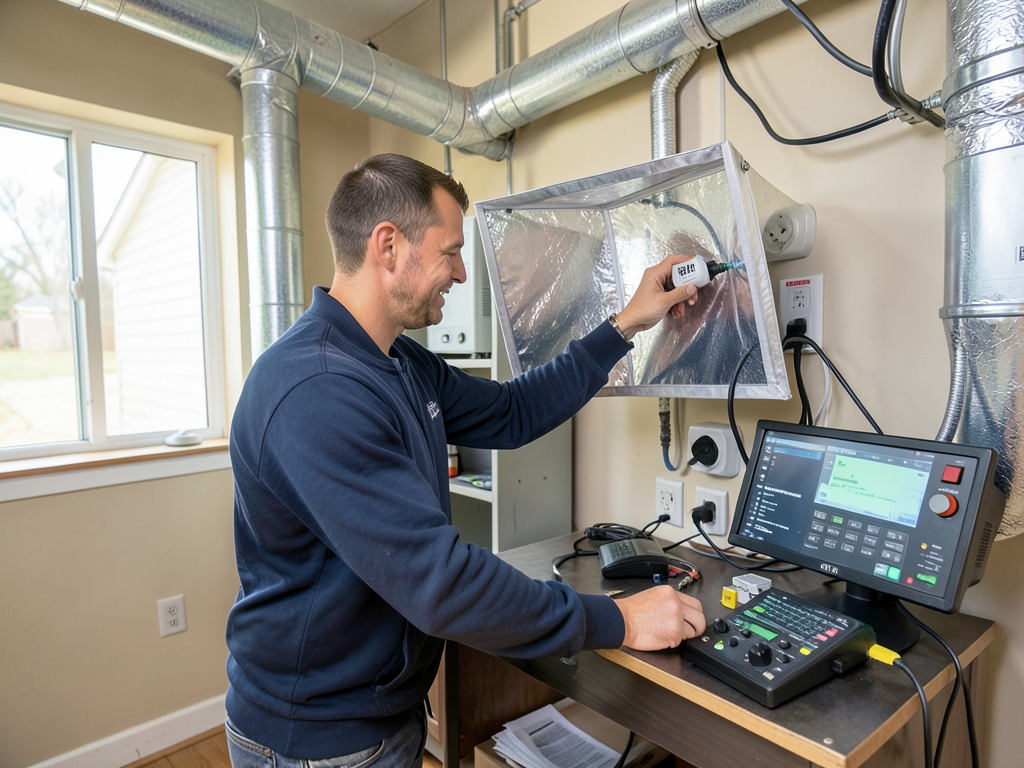
How Air Balancing Makes Every Room the Same Temperature in Your South Park Ranch Home If you live in a South Park ranch home built in the 1960s or 1970s, you know the struggle. One…
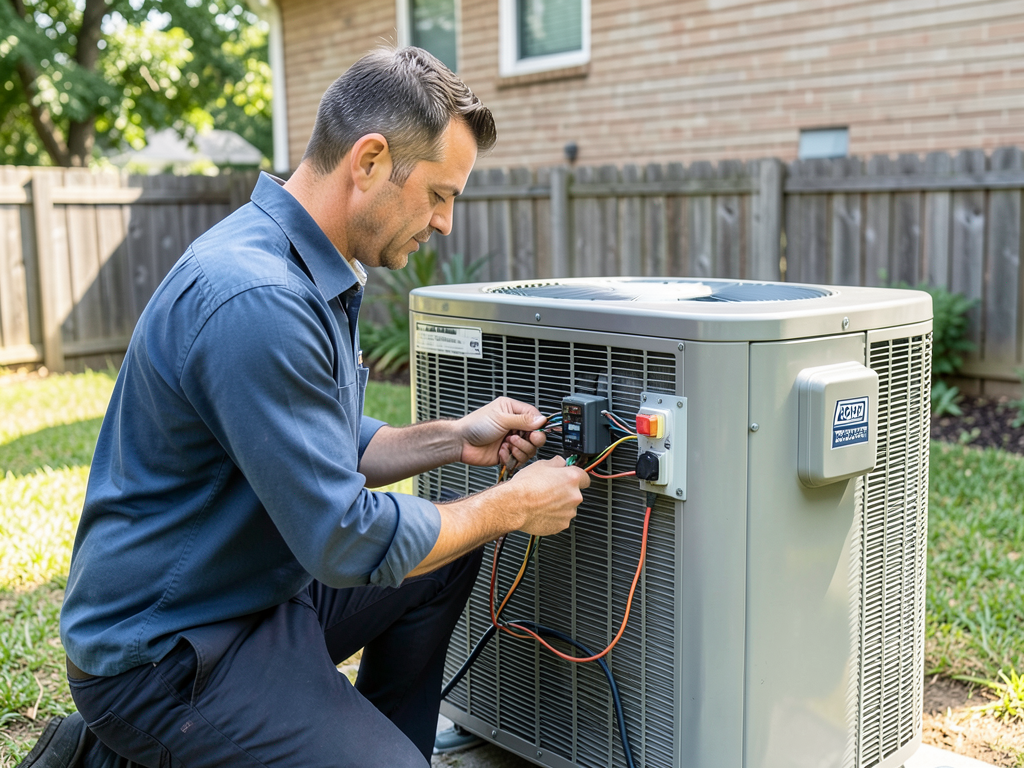
Preparing Your HVAC System to Run on a Whole-Home Generator in Park Ten Power outages…
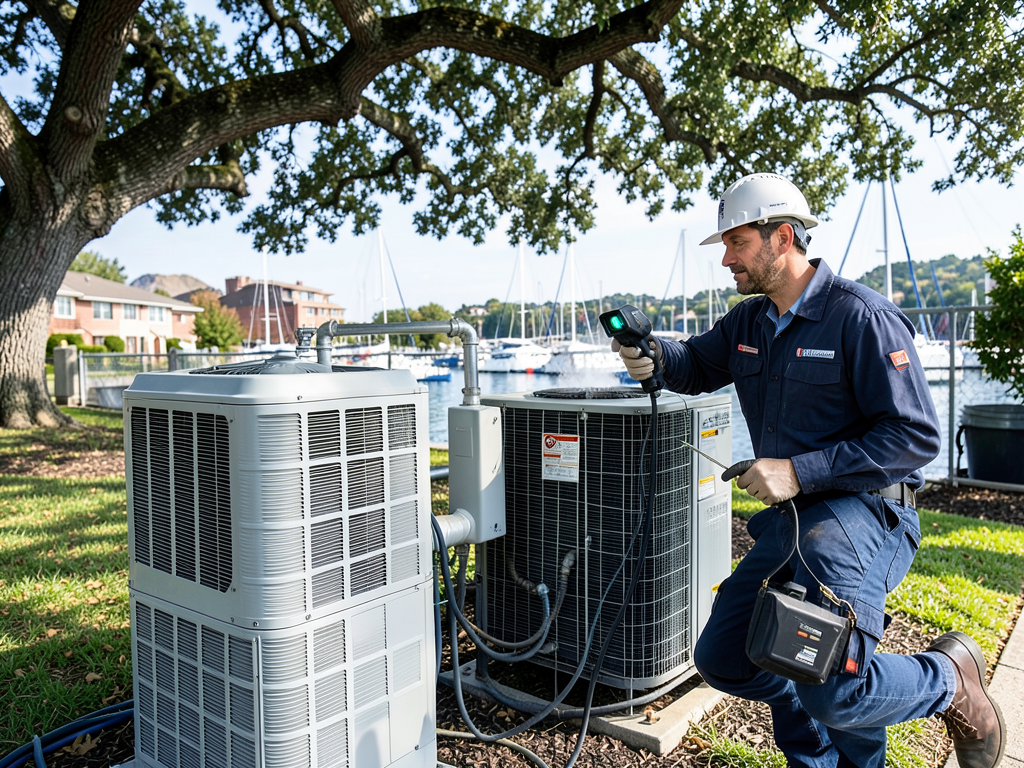
How Mature Tree Shade Impacts Your AC Performance and Efficiency in Denver Harbor Denver Harbor’s…
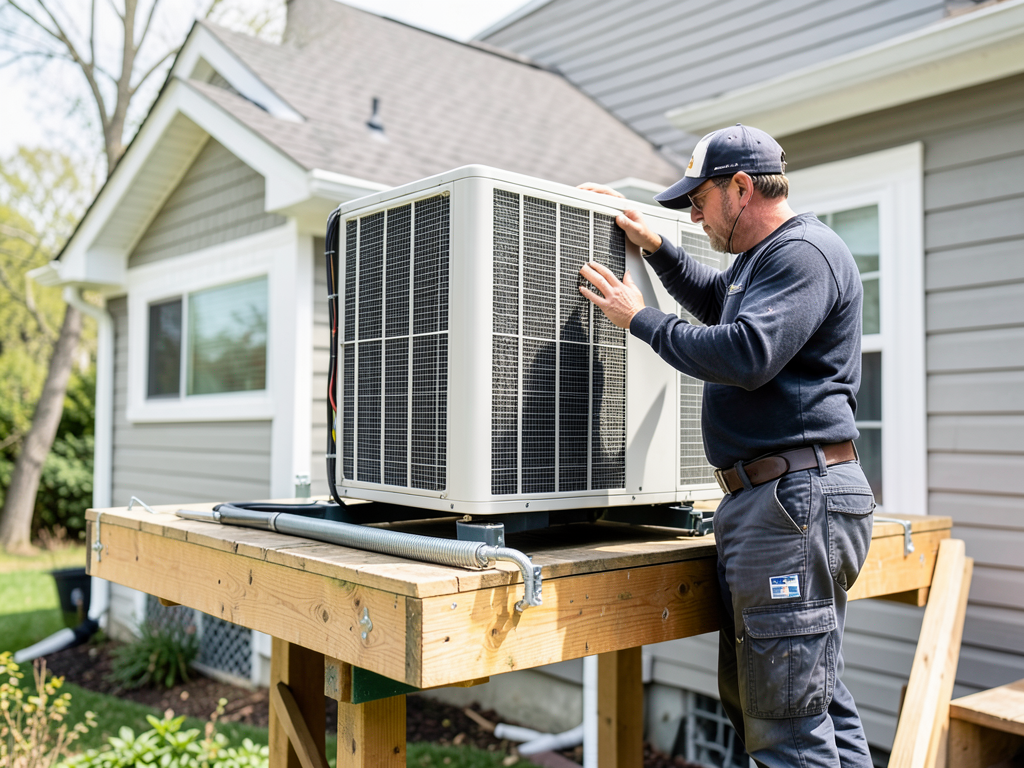
Everything You Need to Know About HVAC Permits and Building Codes in Willowbrook Installing a…
Your system is not going to fix itself, and waiting makes problems worse. Call Titan HVAC Houston at (281) 552-7766 right now and talk to a real person who will schedule your service immediately. Same-day repairs, upfront pricing, and guaranteed work. Stop sweating or freezing and get your home comfortable again.