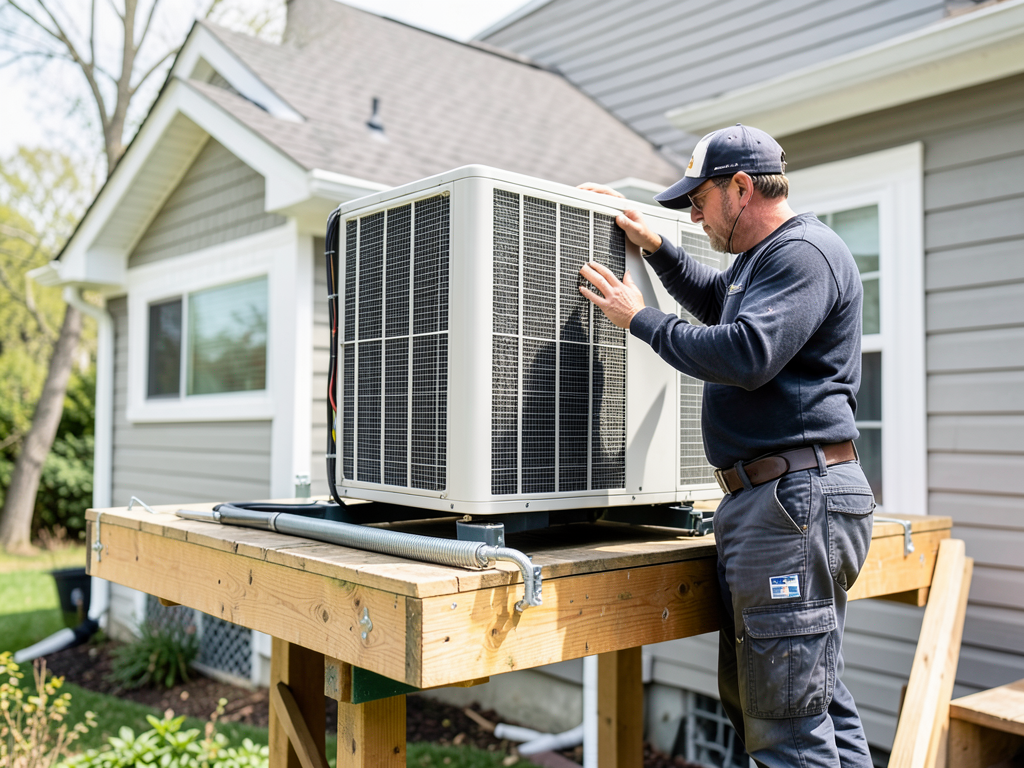





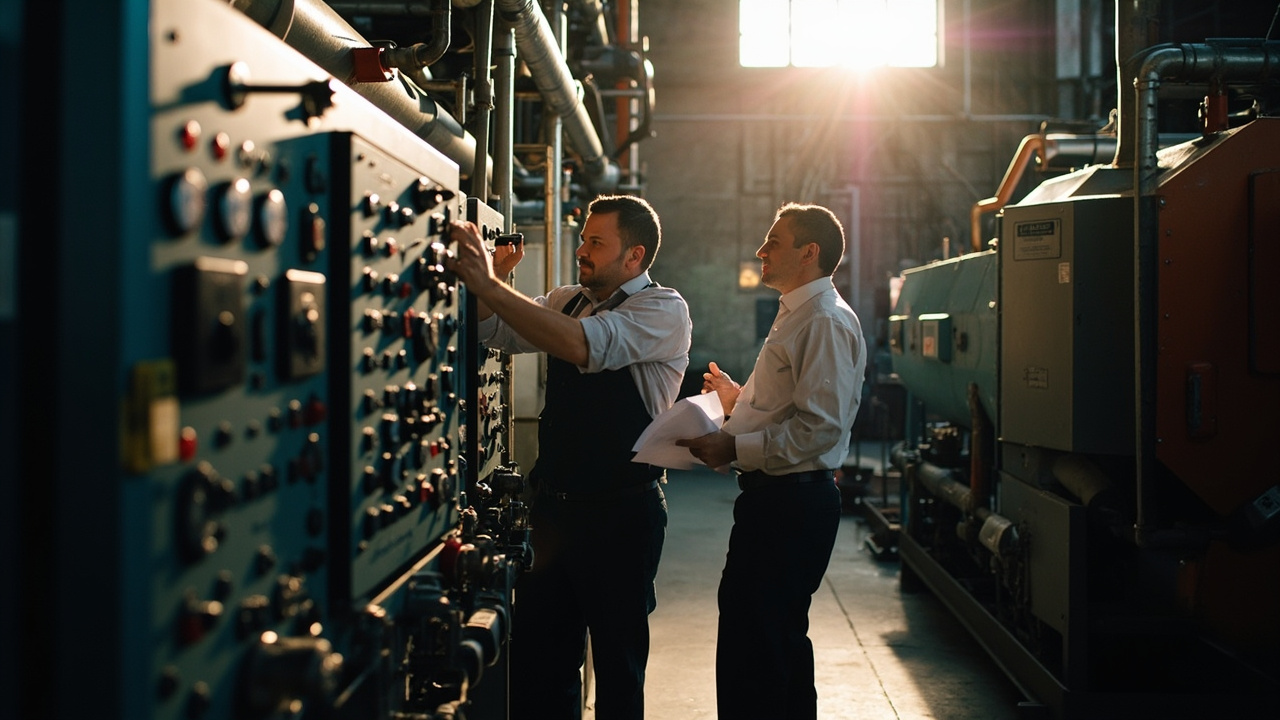

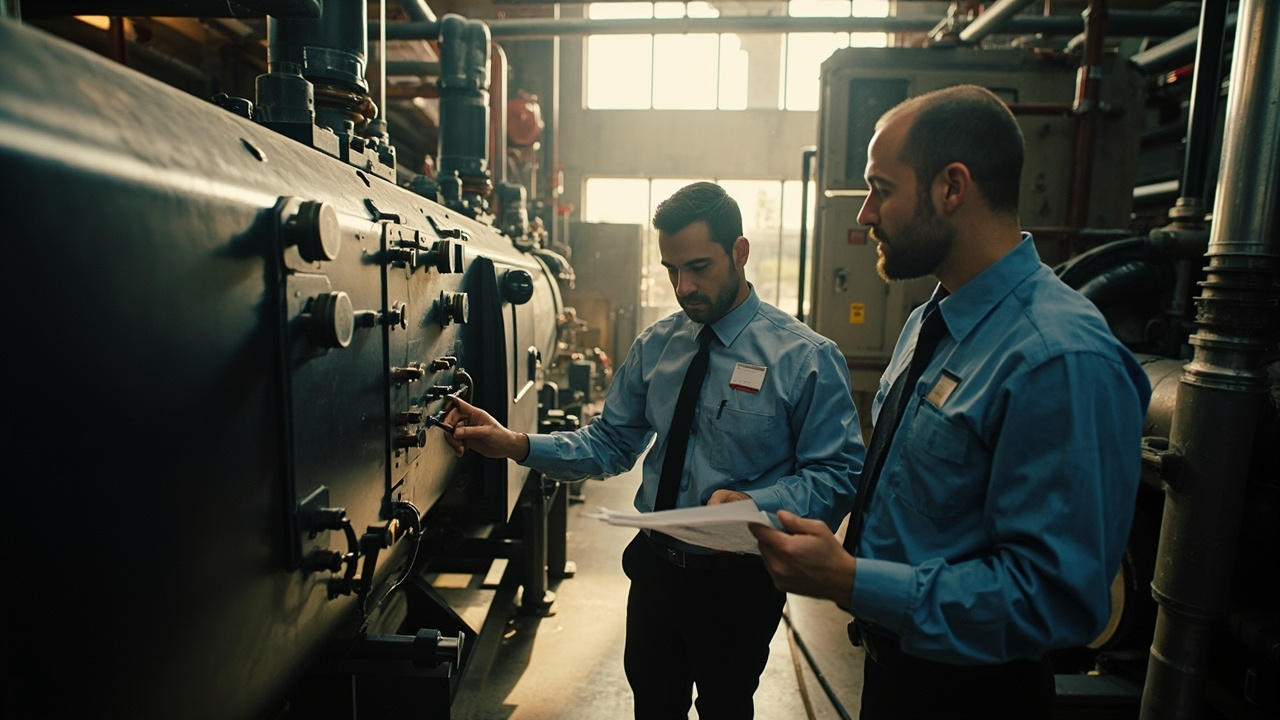
Commercial Heating Services in Houston | Minimizing Downtime for Industrial and Office Facilities

Titan HVAC Houston delivers industrial-grade commercial heating solutions engineered to keep your facility operational during peak winter demand, with rapid deployment and code-compliant installations for Houston businesses.

Slider Image 1
Slider Image 2
Slider Image 3
Slider Image 4
Slider Image 5
Slider Image 7
Slider Image 8
Slider Image 9
Slider Image 10
Slider Image 11

Why Houston's Mild Winters Still Cripple Unprepared Commercial Buildings

Houston operates at a unique disadvantage during cold snaps. Your facility was built for cooling, not heating. When January brings sustained temperatures in the 30s and 40s, outdated or undersized heating systems struggle to maintain comfort zones, causing productivity loss and potential pipe freeze damage in warehouses and distribution centers.

The issue compounds in buildings with high ceilings, poor insulation, and concrete slab floors common in Houston industrial parks along the Ship Channel and Energy Corridor. Heat rises, equipment runs continuously, and utility bills spike while employees work in 58-degree offices. Manufacturing facilities face even worse conditions when process heating requirements compete with comfort heating loads.

Commercial heating contractors in Houston understand that your system must handle sudden temperature drops while maintaining efficiency during the 10 months you barely use it. The Gulf Coast humidity also creates condensation issues inside ductwork when heating cycles activate, leading to mold growth and indoor air quality complaints.

You need commercial HVAC heating services designed for sporadic but critical use. A properly specified system accounts for your building envelope, occupancy patterns, and the reality that Houston heating demand is unpredictable but non-negotiable when it arrives. Equipment failure during a cold snap does not just inconvenience workers. It halts operations, threatens inventory, and violates lease agreements requiring minimum temperature maintenance.

Industrial heating services for Houston must prioritize rapid heat-up capability and fuel efficiency over constant operation assumptions used in northern climates.

Why Houston's Mild Winters Still Cripple Unprepared Commercial Buildings
How Professional Commercial Heating Companies Engineer Systems for Houston Conditions

How Professional Commercial Heating Companies Engineer Systems for Houston Conditions

Titan HVAC Houston approaches commercial heating solutions through load calculation, not guesswork. We measure your building's actual heat loss through thermal imaging and blower door testing, then size equipment to your documented demand. Oversized units waste energy and short-cycle. Undersized units never reach setpoint during cold fronts.

We prioritize modulating gas furnaces and variable-speed air handlers that adjust output to match real-time conditions. This prevents the on-off cycling that plagues single-stage systems in mild climates. For warehouses and production floors, we specify infrared tube heaters and radiant panels that heat occupants and equipment directly, eliminating the waste of heating 30-foot ceiling cavities.

Zoning is critical in mixed-use commercial buildings. Your server room needs year-round cooling while your conference rooms need occasional heat. We install independent zone controls with VAV boxes or multi-zone RTUs that eliminate the compromises forced by single-thermostat systems.

Our commercial heating contractors verify combustion efficiency on all gas-fired equipment using calibrated analyzers. Proper air-fuel ratios prevent carbon monoxide risks and ensure you extract maximum BTUs from every therm of natural gas. We also inspect heat exchangers for cracks that could introduce combustion gases into your building's air supply.

Ductwork receives equal attention. Leaky supply ducts in unconditioned spaces waste 20 to 30 percent of heated air before it reaches occupied zones. We seal all joints with mastic and insulate ducts to R-8 minimums in attics and crawlspaces.

Control sequences integrate with your building automation system, allowing remote monitoring and automated setbacks during unoccupied hours. This reduces runtime without sacrificing comfort during business hours.

What Happens When You Request Commercial Heating Services

Commercial Heating Services in Houston | Minimizing Downtime for Industrial and Office Facilities
01

Facility Assessment and Load Analysis

We survey your building layout, insulation levels, window areas, and existing equipment capacity. Using Manual N calculations, we determine actual heating requirements for each zone, accounting for occupancy schedules and process loads. You receive a written report documenting current deficiencies and recommended solutions before any installation begins. This prevents scope creep and ensures accurate project budgeting.
02

Engineered System Design

Our team creates equipment schedules, ductwork layouts, and control schematics specific to your facility. We coordinate with your electrical contractor for power requirements and with local inspectors for permit compliance. Equipment selection prioritizes lifecycle costs, not just upfront price. We specify models with documented service parts availability and local distributor support to prevent extended downtime if repairs become necessary.
03

Installation and Commissioning

Installation occurs during your scheduled downtime to minimize business disruption. After mechanical completion, we commission all equipment through startup procedures, verifying airflow, temperature rise, and safety control operation. You receive operator training on thermostats and system controls, plus documentation of all installed equipment model numbers, filter sizes, and maintenance requirements. We test the system under load before final acceptance.

Why Houston Businesses Choose Titan HVAC for Commercial Heating Contractors

You need a contractor who understands Houston's commercial building stock. Titan HVAC Houston has installed and serviced heating systems in tilt-wall warehouses along Beltway 8, office towers in the Galleria district, and manufacturing facilities throughout the Port of Houston. We know which equipment withstands Gulf Coast humidity during idle months and which brands leave you waiting weeks for replacement parts.

Our technicians hold universal EPA 608 certification for refrigerant handling and complete ongoing manufacturer training on commercial equipment platforms. When you call with a heating failure, you get a diagnostician who can troubleshoot integrated building controls, not just swap parts until something works.

We maintain service vehicles stocked with commercial-grade components. Common failure items like ignitors, flame sensors, gas valves, and blower motors are on the truck, eliminating the multiple-trip delays that extend your downtime. For complex repairs requiring specialized parts, we leverage relationships with local distributors for same-day or next-day delivery.

Houston's commercial heating demands differ from residential work. You cannot tolerate three-day lead times or trial-and-error repairs. Your lease requires maintaining 68 degrees minimum. Your liability policy mandates functional heating in occupied spaces. Your employees refuse to work in 55-degree conditions. We understand these pressures because we work exclusively with commercial and industrial clients who face them daily.

Building codes in Houston require commercial HVAC installations to meet International Mechanical Code standards, including proper venting, combustion air supply, and seismic restraints. We pull permits and schedule inspections, ensuring your installation passes on the first review. This protects you from insurance claim denials and lease violations that arise from unpermitted work discovered during property transactions.

What Commercial Heating Solutions Include for Your Houston Facility

Response Time and Project Scheduling

Service calls receive same-day dispatch for heating failures affecting occupied spaces. We schedule non-emergency installations around your operational calendar, including weekend and overnight work to avoid production interruptions. Large projects follow a written timeline with milestone dates for equipment delivery, rough-in, and final commissioning. You receive 24-hour advance notice before any site work begins, allowing coordination with your facility manager and IT department for system shutdowns.

System Evaluation and Recommendations

Initial consultations include infrared thermal scanning to identify insulation gaps and air leakage. We test existing equipment for combustion efficiency and verify control operation. You receive a written assessment documenting current system capacity, remaining service life, and repair-versus-replace economics. Our recommendations include multiple options at different budget levels, allowing you to prioritize critical needs while deferring discretionary upgrades. We explain the operational impact and ROI timeline for each option without pushing unnecessary equipment sales.

Installation Quality and Code Compliance

All installations meet or exceed International Mechanical Code and NFPA 54 fuel gas code requirements. We provide engineered stamped drawings when required for permit approval. Ductwork receives pressure testing to verify leakage rates below 6 percent. Gas piping undergoes pressure decay testing before final connection. Electrical work is performed by licensed electricians and inspected separately. You receive O&M manuals, equipment cutsheets, and warranty registration documents at project completion. Final invoicing includes permit closure documentation and inspection certificates.

Ongoing Maintenance and Service Agreements

Commercial heating equipment requires annual inspection before each heating season. Maintenance agreements include combustion analysis, heat exchanger inspection, blower cleaning, and control calibration. Scheduled service prevents mid-winter failures and maintains manufacturer warranty compliance. Agreement holders receive priority dispatch and discounted repair rates. We track filter changes and recommend replacements based on measured pressure drops, not arbitrary time intervals. Maintenance visits include written reports documenting system performance trends, allowing you to budget for component replacements before failures occur.

Frequently Asked Questions

You Have Questions,
We Have Answers

What is the $5000 rule for HVAC? +

The $5000 rule is an informal guideline used to decide between repair and replacement. If your commercial HVAC system requires a repair that costs more than $5000 and the unit is over 10 years old, replacement often makes more financial sense. Calculate the repair cost multiplied by the system's age. If that number exceeds $5000, consider a new system. In Houston's humid climate, older units lose efficiency fast, driving up energy costs. This rule helps you avoid throwing money at a failing system that will fail again soon, disrupting operations and increasing downtime liability.

What is the most common commercial HVAC system? +

Rooftop units, or RTUs, dominate commercial HVAC in Houston. These packaged systems sit on flat roofs, saving valuable floor space and simplifying installation. RTUs handle both heating and cooling in one cabinet, making them ideal for retail, offices, and warehouses. They work well in Houston's hot, humid climate because they are easy to service without disrupting business operations. Split systems and variable refrigerant flow systems are also common in multi-zone buildings, but RTUs remain the workhorse for most commercial properties due to cost efficiency and straightforward maintenance access.

How much do HVAC installers charge per hour? +

Commercial HVAC installers in Houston charge between $75 and $150 per hour, depending on system complexity and installer experience. Specialized work like ductwork modification, controls integration, or roof penetrations runs higher. Large projects often use flat-rate pricing instead of hourly rates to control costs and minimize budget surprises. Labor accounts for roughly 30 to 40 percent of total installation cost. Factor in prevailing wage requirements if your project involves government contracts or tax incentives. Always get detailed breakdowns to understand what you are paying for and avoid change orders that inflate final costs.

What is the best way to heat a commercial building? +

The best heating method depends on building size, occupancy patterns, and budget. Gas-fired rooftop units deliver reliable heating for most Houston commercial buildings at low operating cost. Heat pumps work well in Houston's mild winters and provide efficient heating when temperatures stay above freezing. For warehouses or facilities with high ceilings, radiant heaters target occupied zones without wasting energy heating empty air. Variable air volume systems offer precise zone control for multi-use buildings. Energy recovery ventilators reduce heating load by capturing waste heat. Choose based on uptime requirements, utility rates, and code compliance, not guesswork.

How much does a HVAC system cost for 4000 square feet? +

A commercial HVAC system for 4000 square feet costs between $20,000 and $50,000, depending on system type, building use, and ceiling height. Retail spaces with high foot traffic require larger tonnage than office buildings with stable occupancy. Houston's high humidity demands enhanced dehumidification capacity, adding cost. Roof structural reinforcement for rooftop units adds expense. Ductwork modifications, controls integration, and permitting also factor into total cost. Energy-efficient systems cost more upfront but reduce operating expenses significantly over time. Get load calculations from a licensed engineer to size equipment correctly and avoid over-spending on oversized systems or under-performing undersized ones.

What is the tax credit for HVAC system 2025? +

The Energy Efficient Commercial Buildings Deduction, or Section 179D, allows up to $5.00 per square foot for HVAC upgrades that reduce energy use by 25 percent or more in 2025. Partial deductions start at $0.50 per square foot for smaller efficiency gains. This federal tax deduction applies to building owners and, in some cases, designers or contractors for government buildings. You must use certified software to model energy savings and file IRS Form 3115. Houston property owners can stack this with utility rebates to offset initial cost. Consult your tax advisor to confirm eligibility and documentation requirements before committing to equipment purchases.

How much does a new commercial HVAC cost? +

A new commercial HVAC system costs between $5,000 and $12,000 per ton installed in Houston. A typical 10-ton rooftop unit runs $50,000 to $120,000, including installation, ductwork modifications, and permits. Large buildings with multiple zones or specialized needs like server rooms or clean rooms cost more. Factors include equipment efficiency rating, controls complexity, roof access difficulty, and whether you need structural reinforcement. Houston's climate demands systems with strong dehumidification and corrosion-resistant components, adding cost. Budget for ongoing maintenance contracts to protect your investment. Financing options and tax incentives can reduce upfront cash outlay and improve ROI.

What is the life expectancy of a commercial HVAC system? +

Commercial HVAC systems last 15 to 20 years with proper maintenance. Rooftop units in Houston face harsh sun exposure, high humidity, and corrosive air from the Gulf Coast, shortening lifespan if neglected. Compressors and heat exchangers typically fail first. Buildings with proactive maintenance contracts see longer equipment life and fewer emergency failures. Systems over 15 years old lose efficiency dramatically, increasing energy costs and downtime risk. Plan for replacement before catastrophic failure disrupts operations. Budget for capital expenditures based on age and service history, not wishful thinking. Deferred maintenance accelerates failure and increases total cost of ownership.

Which is better, 410a or R32? +

R32 refrigerant is more efficient and has lower global warming potential than 410A, making it the better long-term choice. R32 systems require less refrigerant charge, reducing costs and environmental impact. However, R32 operates at higher pressure, requiring updated equipment design. In Houston's commercial market, 410A remains common because most existing systems use it and technicians have experience servicing it. New installations should consider R32 for future-proofing as regulations tighten. The difference in cooling performance is minimal in real-world applications. Choose based on equipment availability, service support, and regulatory compliance, not marketing hype about marginal efficiency gains.

Can HVAC make $100,000 a year? +

Yes, experienced commercial HVAC technicians and business owners in Houston can earn $100,000 or more annually. Senior technicians with EPA certification, controls expertise, and large system experience command top wages. Service managers and estimators with strong customer relationships exceed six figures. HVAC contractors running profitable service and installation businesses often surpass this threshold. Houston's large commercial real estate market, robust industrial base, and year-round cooling demand create consistent revenue opportunities. Success requires technical skill, business discipline, and reputation for reliability. Emergency service capability and maintenance contract revenue provide income stability. Continuous training on new refrigerants, controls, and building automation systems maintains earning power.

How Houston's Building Age and Construction Methods Affect Commercial Heating Needs

Houston's commercial building boom occurred during decades when energy codes barely addressed heating. Pre-1990 warehouses and office buildings feature minimal insulation, single-pane windows, and HVAC systems designed almost exclusively for cooling loads. When cold fronts arrive, these buildings hemorrhage heat through poorly sealed envelopes while undersized heating equipment runs continuously without reaching setpoint. Industrial heating services must compensate for construction deficiencies through higher-capacity equipment and strategic upgrades like dock door seals and insulated overhead doors. The problem intensifies in older buildings along the Loop where property owners deferred maintenance for years.

Choosing commercial heating companies with Houston-specific experience prevents costly misapplications. Northern contractors unfamiliar with Gulf Coast conditions often specify equipment designed for continuous winter operation, which fails prematurely under Houston's start-stop heating demands. Titan HVAC Houston understands that your system sits idle for months, then must perform flawlessly during brief cold snaps. We select components rated for low-use cycling and ensure proper off-season preservation. Our technicians also navigate Houston's permitting process efficiently, preventing project delays caused by unfamiliarity with local inspection requirements and submittal procedures.
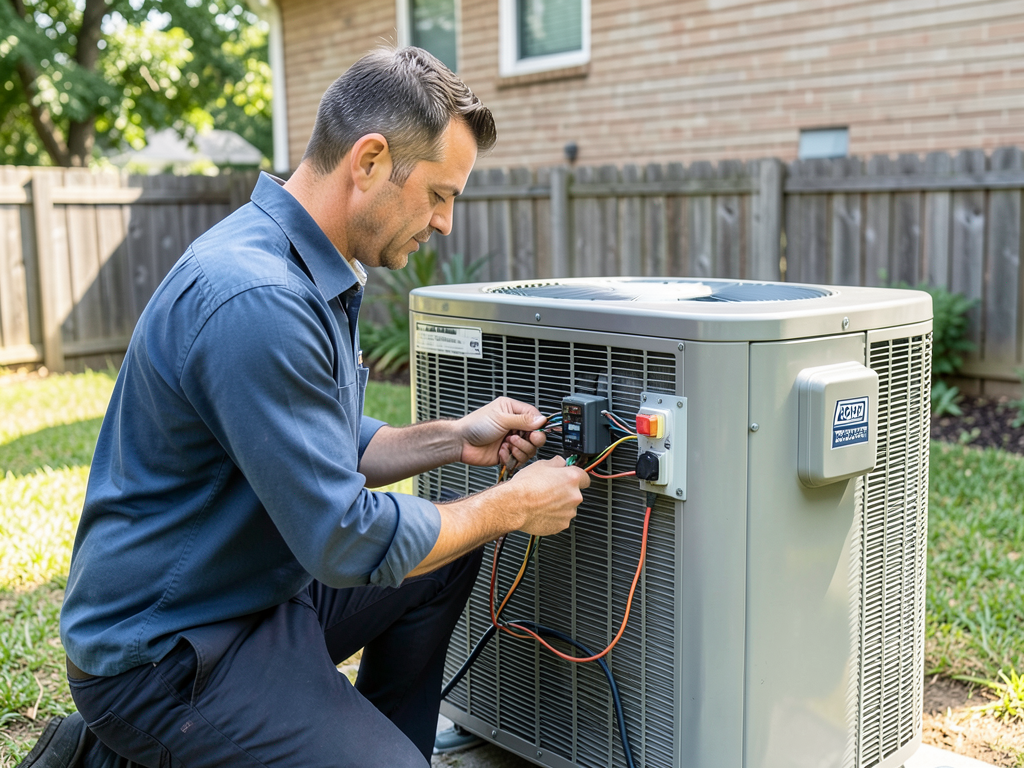
HVAC Services in The Houston Area

Titan HVAC is proud to serve Houston and the surrounding areas with expert heating and cooling solutions. Our central location allows us to respond quickly to both residential and commercial clients. Whether you need an emergency fix or scheduled service, we’re never far away. Explore our service area and see how close comfort really is. We're just a call or click away—connect with us today.

Address:
Titan HVAC Houston, 3730 Kirby DrHouston, Houston, TX, 77098

Additional Services We Offer

Our news updates

Latest Articles & News from The Blogs

Why Your AC Is Freezing Up Even When It’s 100 Degrees in Sienna When your air conditioner freezes up on…

Why Your AC Is Freezing Up Even When It’s 100 Degrees in Sienna

Why Your AC Is Freezing Up Even When It’s 100 Degrees in Sienna When your air conditioner freezes up on…

What That Screeching Sound from Your AC Actually Means (Hint—It’s Not Good)

What That Screeching Sound from Your AC Actually Means (Hint—It’s Not Good) Your Houston air conditioner works overtime for most…

Safe Ways to Landscape Around Your AC Unit in Hedwig Village

Safe Ways to Landscape Around Your AC Unit in Hedwig Village Your air conditioner works hardest during Houston’s brutal summer…

Contact Us

Your employees cannot work in freezing conditions. Your processes cannot tolerate temperature swings. Call Titan HVAC Houston at (281) 552-7766 for commercial heating services that keep your facility operational when Houston weather turns cold. We respond today, not next week.