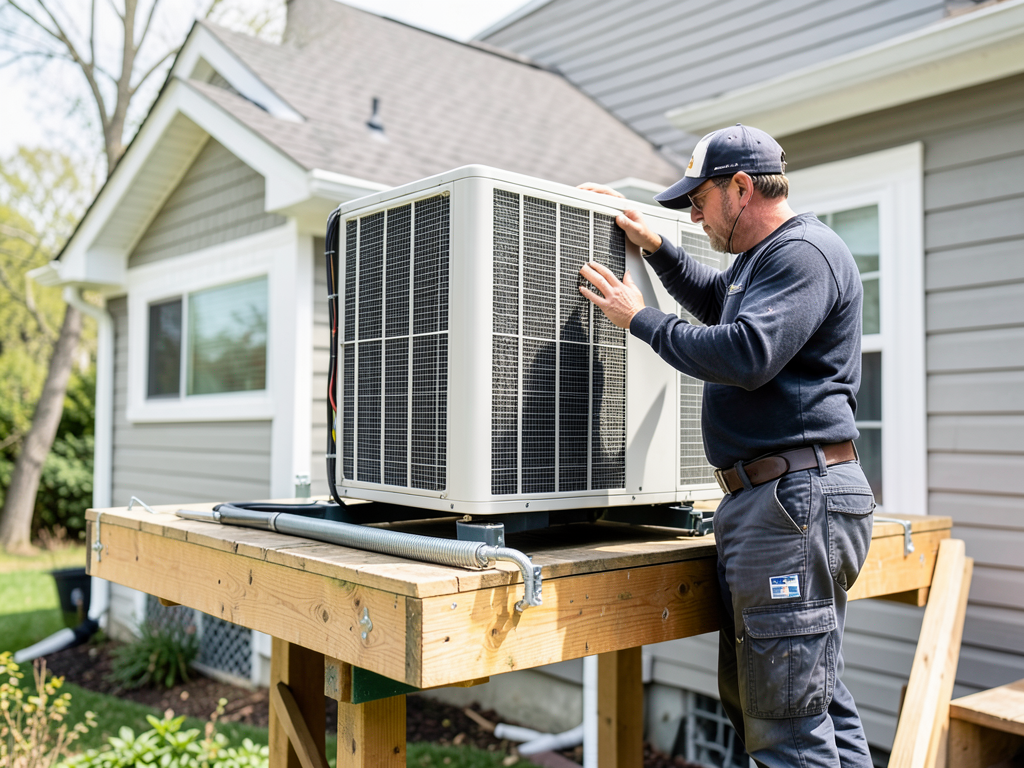








Ventilation & Exhaust Systems in Houston – Industrial-Grade Solutions That Minimize Downtime

Titan HVAC Houston engineers commercial air extraction and mechanical ventilation systems designed for continuous operation in Houston's high-humidity industrial environment, delivering code-compliant installations that keep your facility productive.

Slider Image 1
Slider Image 2
Slider Image 3
Slider Image 4
Slider Image 5
Slider Image 7
Slider Image 8
Slider Image 9
Slider Image 10
Slider Image 11

Houston's Climate Creates Immediate Ventilation Challenges for Commercial Operations

Houston's combination of extreme heat and near-constant humidity creates ventilation demands that most cities never face. When your facility operates in conditions where the heat index regularly exceeds 105 degrees and indoor humidity levels climb without proper air extraction, you are not just dealing with comfort issues. You are managing liability.

Poor commercial ventilation systems lead to measurable productivity loss, increased workers' compensation claims, and OSHA violations that shut down operations. In manufacturing facilities across the Greater Houston metro, inadequate industrial exhaust solutions cause process failures. Paint booths fail to maintain negative pressure. Welding fumes accumulate beyond permissible exposure limits. Chemical vapors linger in confined spaces long enough to trigger evacuation protocols.

The Gulf Coast proximity means your facility also contends with salt-laden air that corrodes standard ductwork faster than inland locations experience. Industrial air handling equipment designed for Phoenix or Denver fails here within 36 months. Houston-specific commercial air extraction requires materials and coatings engineered for corrosive environments, not generic off-the-shelf systems.

Your mechanical ventilation systems must also handle sudden weather shifts. When outdoor temperatures drop 40 degrees in six hours during a blue norther, improperly balanced systems create condensation inside ductwork, breeding mold that contaminates your workspace and triggers building-wide air quality complaints.

The industrial corridors along the Ship Channel and Energy Corridor demand ventilation capacity that matches process loads, not theoretical calculations from a design manual written for moderate climates.

Houston's Climate Creates Immediate Ventilation Challenges for Commercial Operations
How Titan HVAC Houston Engineers Systems for Continuous Industrial Operation

How Titan HVAC Houston Engineers Systems for Continuous Industrial Operation

We do not install catalog systems and hope they work. Titan HVAC Houston performs computational fluid dynamics modeling for every commercial air extraction project to map airflow patterns specific to your facility layout, process equipment placement, and heat load distribution.

Our approach starts with measuring actual conditions, not assumptions. We deploy data loggers that record temperature, humidity, and differential pressure at 15-minute intervals for 72 hours minimum. This baseline reveals when your existing mechanical ventilation systems fail to maintain design parameters and identifies the root cause, whether that is undersized fans, excessive static pressure from clogged filters, or supply air deficits that create negative building pressure.

For industrial exhaust solutions in manufacturing environments, we calculate capture velocity at the source. A grinding booth requires different hood design than a solvent tank. We engineer duct sizing based on transport velocity that prevents particulate settling while minimizing energy consumption. Oversized ducts waste money on material and installation labor. Undersized ducts require excessive fan horsepower and create maintenance problems when dust accumulates.

Material selection matters in Houston's corrosive atmosphere. We specify stainless steel or coated carbon steel for exhaust handling moisture-laden air. Galvanized ductwork corrodes through within five years in high-humidity applications. We use welded seams on negative-pressure systems instead of standing seams that leak and compromise system performance.

Fan selection follows actual system curves, not manufacturer optimistic ratings. We account for elevation, temperature correction factors, and system effect losses that textbook calculations ignore. The result is commercial ventilation systems that deliver specified airflow on day one and year ten.

Our Commercial Ventilation Installation Process

Ventilation & Exhaust Systems in Houston – Industrial-Grade Solutions That Minimize Downtime
01

System Load Assessment

Titan HVAC Houston maps your facility to identify every heat source, process emission point, and occupancy zone. We measure existing conditions with calibrated instruments and compare them against ASHRAE standards and local code requirements. This assessment reveals where your current industrial air handling falls short and quantifies the capacity increase needed to maintain compliant conditions during peak production.
02

Engineered System Design

We generate stamped mechanical drawings that specify duct routing, equipment locations, and control sequences. Our designs account for roof load capacity, structural penetrations, and utility coordination. Every commercial air extraction system includes variable frequency drives on supply and exhaust fans to match ventilation rates with actual demand, reducing energy costs without sacrificing performance. We select equipment with service factors appropriate for continuous-duty industrial applications.
03

Commissioning and Validation

After installation, Titan HVAC Houston performs test and balance procedures to verify airflow at every terminal device. We measure fan performance on the actual system curve and adjust sheaves or drives to meet design specifications. You receive documentation showing measured values against design targets for every branch and zone. This commissioning report satisfies building inspectors and provides the baseline for your preventive maintenance program.

Why Houston Facilities Trust Titan HVAC for Mission-Critical Ventilation

Commercial operations cannot afford ventilation system failures that halt production or trigger regulatory actions. Titan HVAC Houston has engineered mechanical ventilation systems for facilities across the Energy Corridor, Greens Port, and East Houston industrial districts where downtime costs exceed five figures per hour.

We understand the International Mechanical Code amendments specific to Harris County and how local inspectors interpret ventilation requirements for Type I and Type II hoods. Our designs pass plan review on first submission because we stay current with City of Houston permitting processes and know which details trigger red flags.

When you operate a facility near the Ship Channel or along Buffalo Bayou, you deal with inspection protocols that suburban locations never face. We have worked with Harris County Pollution Control on air permit applications and know how to demonstrate compliance through proper industrial exhaust solutions design. Your mechanical ventilation systems must satisfy both building codes and environmental regulations. We engineer for both simultaneously.

Our client base includes chemical processors, metal fabricators, and food production facilities where ventilation failure creates immediate safety hazards. We do not learn on your project. Titan HVAC Houston brings experience from hundreds of commercial air extraction installations in Houston's unique climate and regulatory environment.

You also get response capacity that matters when systems fail. We stock motors, drives, and control components for the major equipment brands operating in Houston facilities. When a variable frequency drive fails at 2 AM, we dispatch a technician with the replacement part, not a promise to order it next week.

Local knowledge extends to supplier relationships. We maintain accounts with distributors who stock the specialized duct fittings and industrial-grade dampers that custom ventilation systems require.

What Your Commercial Ventilation Project Delivers

Project Timeline and Coordination

Industrial ventilation installations require scheduling that minimizes production disruption. Titan HVAC Houston phases work to keep critical areas operational while we install new commercial air extraction systems in adjacent zones. We coordinate roof penetrations, crane lifts, and utility shutdowns during your scheduled downtime windows. Most facilities receive completed systems within four to eight weeks from permit approval, depending on equipment lead times and the complexity of duct routing through existing structures. You get a detailed schedule before work starts, with milestone dates for inspections and equipment deliveries.

Engineering Analysis and Equipment Selection

Your consultation includes computational modeling that shows airflow patterns before installation begins. Titan HVAC Houston provides fan curves, duct sizing calculations, and energy consumption projections so you understand exactly what the system will deliver. We evaluate your existing infrastructure to determine whether you need electrical service upgrades or structural reinforcement for rooftop equipment. You receive equipment submittals showing manufacturer specifications for every major component, giving your facilities team the documentation needed for maintenance planning and spare parts procurement.

Code Compliance and Performance Verification

Every industrial air handling system we install passes inspection on first review. Titan HVAC Houston handles permit applications, coordinates with building inspectors, and provides the test reports that demonstrate your mechanical ventilation systems meet code requirements. You receive stamped as-built drawings showing actual installation details, along with commissioning reports that document measured airflow at every supply and exhaust point. This documentation satisfies auditors, insurance carriers, and regulatory agencies that require proof of compliant ventilation in industrial facilities.

Ongoing System Support

Commercial ventilation systems require preventive maintenance to sustain performance. Titan HVAC Houston offers service agreements that include quarterly filter changes, belt inspections, and bearing lubrication on exhaust fans and air handlers. We track system performance over time and alert you when degrading conditions indicate needed repairs before they cause failures. Your agreement includes priority response for breakdowns and access to our parts inventory for common wear items. We maintain service records that document your compliance with maintenance requirements specified in environmental permits.

Frequently Asked Questions

You Have Questions,
We Have Answers

What is the difference between exhaust system and ventilation system? +

A ventilation system moves fresh air into a building and circulates it throughout occupied spaces. It includes supply fans, ductwork, and sometimes air filtration to maintain indoor air quality. An exhaust system removes contaminated air, moisture, smoke, or fumes from specific areas like kitchens, restrooms, or industrial zones. Exhaust fans pull air out and vent it outside. In Houston's humid climate, both systems must work together. Poor exhaust leads to mold growth and moisture damage. Effective ventilation reduces cooling costs by managing humidity and preventing HVAC overwork. Commercial buildings need balanced systems to meet code and protect occupant health.

How much does a ventilation system cost for a house? +

Residential ventilation system costs vary based on system type, building size, and ductwork requirements. Basic exhaust-only systems start lower, while balanced systems with heat recovery cost more. Whole-house mechanical ventilation requires professional design and installation. Houston's high humidity demands proper sizing to prevent moisture issues. Multi-story homes or those with complex layouts increase installation complexity. Ductwork modifications, electrical upgrades, and equipment selection all impact final costs. Energy recovery ventilators add upfront expense but reduce long-term cooling costs. Consult a licensed contractor for accurate estimates based on your specific building requirements and local code compliance needs.

What are the three types of ventilation systems? +

The three main types are exhaust-only, supply-only, and balanced ventilation systems. Exhaust-only systems use fans to pull stale air out, creating negative pressure that draws fresh air through leaks or vents. Supply-only systems push fresh air in, creating positive pressure that forces stale air out. Balanced systems use separate fans for intake and exhaust, maintaining neutral pressure while controlling airflow. In Houston, balanced systems with energy recovery work best for commercial buildings. They handle humidity effectively and reduce cooling loads. Each system type suits different building sizes, occupancy levels, and code requirements. Professional assessment determines the right approach.

Are whole house ventilation systems worth it? +

For commercial buildings in Houston, whole-building ventilation systems deliver measurable ROI through reduced liability, improved productivity, and lower HVAC costs. Proper ventilation removes humidity, prevents mold growth, and maintains code compliance. Poor indoor air quality leads to occupant complaints, sick building syndrome, and potential litigation. In Houston's climate, mechanical ventilation systems with dehumidification prevent moisture damage to inventory and equipment. Energy recovery ventilators offset cooling costs by pre-conditioning incoming air. The system pays for itself through reduced maintenance, fewer insurance claims, and improved occupant retention. Code-compliant ventilation protects your investment and reduces operational risk.

Why don't people use attic fans anymore? +

Attic fans fell out of favor because they often created more problems than they solved. They pulled conditioned air from living spaces through ceiling leaks, increasing cooling costs. Improperly sized fans disrupted building pressure, causing backdrafting of combustion appliances. Modern building science shows that proper attic insulation and ventilation through passive ridge and soffit vents work better. In Houston's climate, radiant barriers and adequate insulation reduce heat transfer more effectively than powered fans. Sealed attics with spray foam insulation eliminate the need for attic ventilation entirely. Energy recovery ventilators provide better whole-building performance without the drawbacks of old attic fan technology.

How much does it cost to replace an exhaust vent? +

Exhaust vent replacement costs depend on vent type, location, and accessibility. Kitchen hood exhaust vents cost more than bathroom vents due to ductwork complexity and code requirements. Roof-mounted exhaust fans require flashing work and weatherproofing. Commercial installations with large ductwork or multi-story buildings increase labor and materials. Houston building codes mandate specific vent termination distances and fire-rated assemblies in some applications. Access issues, electrical upgrades, and ductwork modifications add to base costs. Stainless steel or corrosion-resistant materials last longer in Houston's humid coastal climate. Get multiple licensed contractor quotes that include permitting, code compliance, and warranty coverage.

How much is HVAC for a 2000 square foot house? +

HVAC system costs for a 2000 square foot building vary based on equipment efficiency, zoning requirements, and ductwork condition. Commercial installations require higher capacity and redundancy than residential systems. Multi-zone buildings need additional controls and dampers. In Houston, proper humidity control adds cost but prevents mold and maintains comfort. System design must account for solar heat gain, occupancy loads, and ventilation requirements. High-efficiency equipment costs more upfront but reduces operating expenses. Existing ductwork condition affects installation complexity. Professional load calculations determine proper sizing. Undersized systems fail prematurely. Get detailed proposals from licensed contractors that include equipment specifications, warranty terms, and energy projections.

Are ventilators covered by insurance? +

Insurance coverage for ventilation systems depends on the cause of damage and policy terms. Property insurance typically covers damage from covered perils like fire, wind, or vandalism. Normal wear, maintenance neglect, or gradual deterioration are excluded. Commercial policies may cover business interruption if ventilation failure forces closure. Liability coverage applies if inadequate ventilation causes occupant injury or property damage. In Houston, flood insurance through NFIP does not cover mechanical systems in basements. Document all maintenance and repairs to support claims. Review policy exclusions with your agent. Proper maintenance and code compliance reduce claim denials and protect your coverage.

What are signs of poor air ventilation? +

Poor ventilation shows up as persistent odors that do not dissipate, visible condensation on windows or walls, and mold growth in corners or on ceilings. Occupants experience headaches, fatigue, or respiratory irritation that improves when they leave the building. Houston's humidity amplifies these issues. Stuffy air that feels stale or humid indicates insufficient fresh air exchange. Dust accumulation on surfaces despite regular cleaning suggests poor air circulation. Bathrooms and kitchens stay damp long after use. HVAC systems run constantly without maintaining comfort. Carbon dioxide levels above 1000 ppm confirm inadequate ventilation. Professional air quality testing identifies specific deficiencies and guides corrective action.

What are common ventilation system problems? +

Common ventilation problems include clogged filters that restrict airflow, failed exhaust fans that stop removing moisture, and blocked ductwork from construction debris or pest intrusion. Improperly balanced systems create pressure imbalances that affect door operation and comfort. Corroded ductwork in Houston's humid climate develops leaks that waste energy. Undersized systems cannot meet ventilation code requirements during peak occupancy. Control failures cause systems to run improperly or not at all. Lack of maintenance leads to motor failure and belt wear. Poor original design creates dead air zones with no circulation. Regular inspections catch these issues before they cause occupant complaints or code violations.

How Houston's Petrochemical Corridor Demands Specialized Industrial Exhaust Solutions

The concentration of chemical processing, refining, and manufacturing facilities along Houston's Ship Channel creates ventilation challenges that few other cities face. Facilities handling volatile organic compounds or combustible dusts must engineer industrial exhaust solutions that maintain explosion-proof classifications while moving enormous air volumes. Titan HVAC Houston designs mechanical ventilation systems for environments where a single spark can trigger catastrophic events. We specify Class I Division 1 rated fans and install ductwork with grounding straps that prevent static accumulation. The humid climate complicates these designs because condensation inside exhaust ducts creates liquid pools that generate secondary hazards in chemical processing applications.

Commercial air extraction projects in Harris County face inspection protocols that reflect the region's industrial density and environmental sensitivity. Local code officials scrutinize exhaust discharge points to verify they do not create nuisance conditions for neighboring properties or violate setback requirements near residential areas. Titan HVAC Houston navigates these requirements daily and maintains relationships with plan reviewers who expedite approvals for properly engineered systems. Our familiarity with Houston-area industrial parks means we anticipate issues before they delay your project. When you need commercial ventilation systems installed correctly the first time, local expertise prevents costly redesigns and schedule overruns.
HVAC Services in The Houston Area

Titan HVAC is proud to serve Houston and the surrounding areas with expert heating and cooling solutions. Our central location allows us to respond quickly to both residential and commercial clients. Whether you need an emergency fix or scheduled service, we’re never far away. Explore our service area and see how close comfort really is. We're just a call or click away—connect with us today.

Address:
Titan HVAC Houston, 3730 Kirby DrHouston, Houston, TX, 77098

Additional Services We Offer

Our news updates

Latest Articles & News from The Blogs

Why Your AC Is Freezing Up Even When It’s 100 Degrees in Sienna When your air conditioner freezes up on…

Why Your AC Is Freezing Up Even When It’s 100 Degrees in Sienna

Why Your AC Is Freezing Up Even When It’s 100 Degrees in Sienna When your air conditioner freezes up on…

What That Screeching Sound from Your AC Actually Means (Hint—It’s Not Good)

What That Screeching Sound from Your AC Actually Means (Hint—It’s Not Good) Your Houston air conditioner works overtime for most…

Safe Ways to Landscape Around Your AC Unit in Hedwig Village

Safe Ways to Landscape Around Your AC Unit in Hedwig Village Your air conditioner works hardest during Houston’s brutal summer…

Contact Us

Your facility cannot afford ventilation failures that halt production or trigger compliance violations. Call Titan HVAC Houston at (281) 552-7766 for an engineering assessment that identifies exactly what your operation needs. We provide solutions that work in Houston's industrial environment.