




Storm Damage HVAC Repair in Houston – Emergency Response Within 60 Minutes

When hurricanes, tornadoes, or severe thunderstorms knock out your heating and cooling system, Titan HVAC Houston dispatches certified technicians to your location fast, with fully-stocked trucks ready to restore comfort and prevent secondary water damage to your property.

Slider Image 1
Slider Image 2
Slider Image 3
Slider Image 4
Slider Image 5
Slider Image 7
Slider Image 8
Slider Image 9
Slider Image 10
Slider Image 11

When Houston Storms Hit, Your HVAC System Takes the Brunt

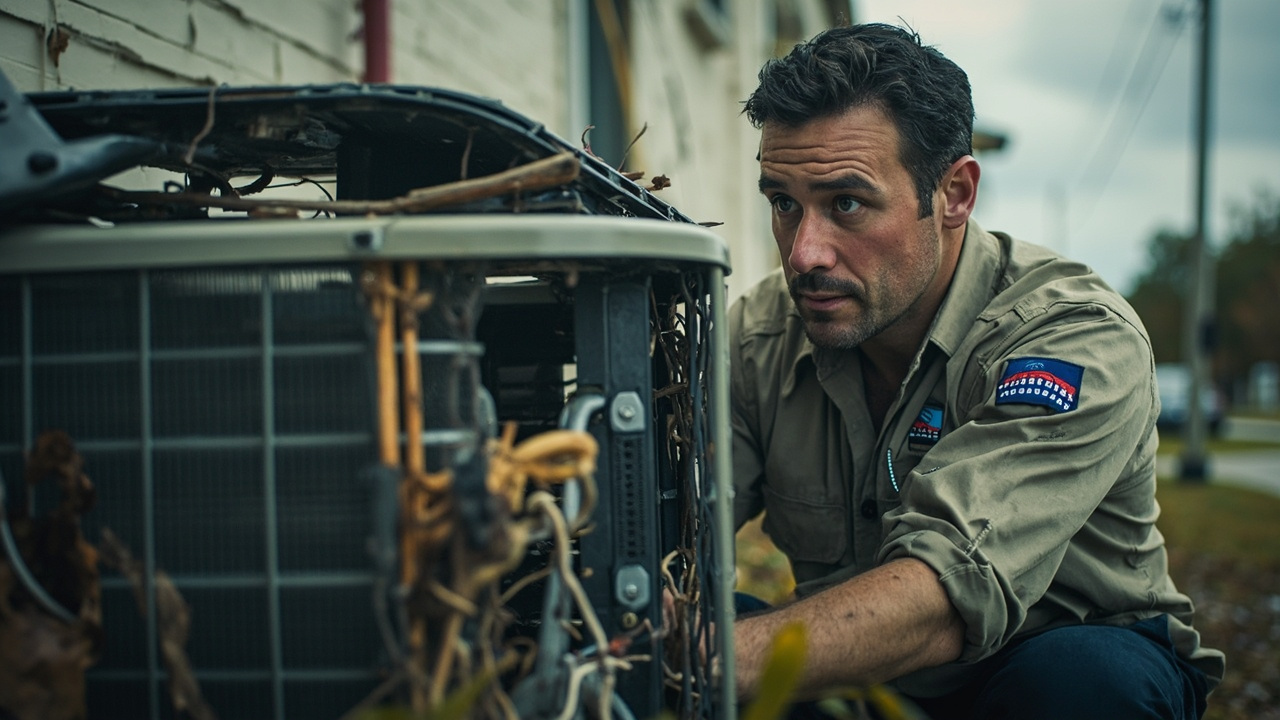
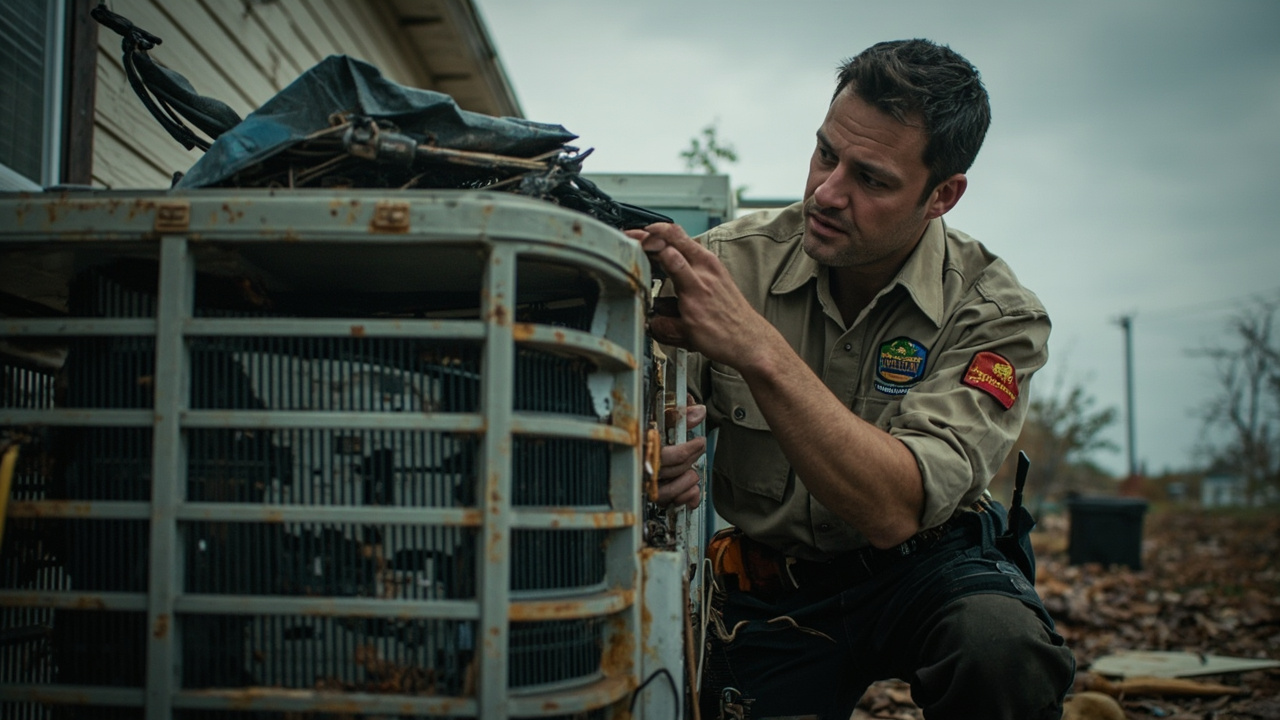
Houston sits in the direct path of Gulf Coast tropical systems. Hurricanes bring sustained winds exceeding 100 mph, flash flooding dumps inches of rain in minutes, and hailstorms pound rooftops and outdoor condensing units with ice the size of golf balls. Your HVAC system is vulnerable at every point: wind-blown debris punctures refrigerant lines, flooding submerges ground-level air handlers, hail dents condenser coils and shatters fan blades, and power surges from lightning strikes fry control boards and compressors.

The damage does not stop when the storm passes. A storm damaged AC unit left offline in Houston's 95-degree heat creates indoor humidity levels above 70 percent within hours, triggering mold growth in ductwork and drywall. Refrigerant leaks release harmful chemicals into your breathing air. Waterlogged electrical components pose fire and electrocution risks. You need emergency HVAC storm repair immediately, not next week when the backlog clears.

Titan HVAC Houston operates a dedicated storm response team trained in HVAC storm restoration services. We triage damage, isolate compromised systems to prevent further harm, and begin heating and cooling storm damage repair the same day you call. Our technicians carry emergency supplies, replacement parts for the most common storm-related failures, and leak detection equipment to fix storm damaged HVAC systems before secondary issues compound your losses.

When Houston Storms Hit, Your HVAC System Takes the Brunt
How We Assess and Repair Storm Damaged HVAC Systems

How We Assess and Repair Storm Damaged HVAC Systems

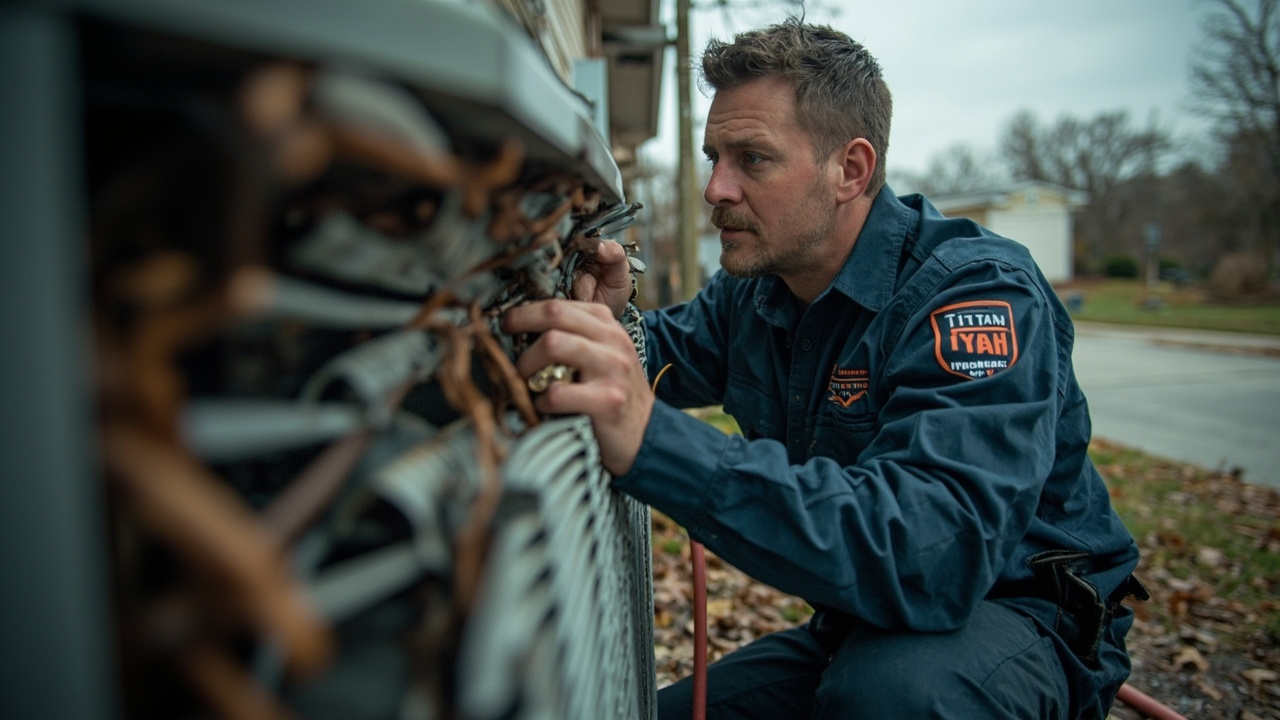
Storm damage creates cascading failures. A hail-damaged condenser coil might still run but leak refrigerant slowly, starving the compressor and causing it to overheat. Flooded air handlers short out blower motors, trip breakers, and corrode control wiring. We do not patch one component and leave. We perform a full-system diagnostic to identify every failure point.

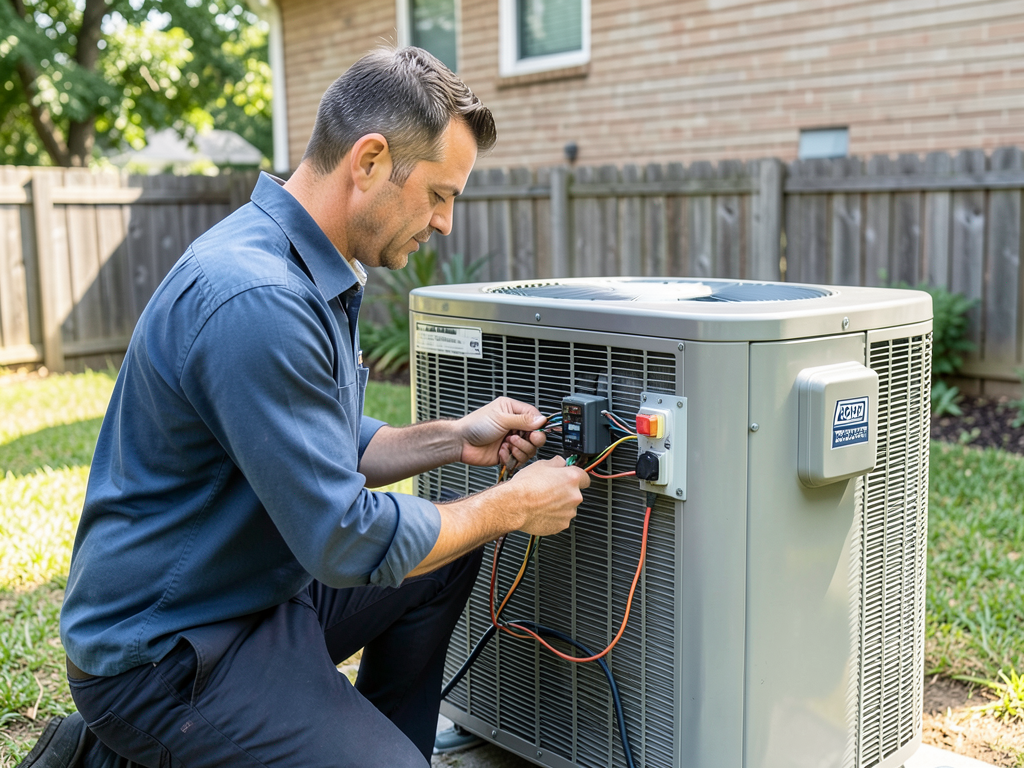
Our technicians start with a visual inspection of the outdoor condensing unit, checking for dented coils, cracked fan blades, and bent refrigerant lines. We test electrical continuity across capacitors, contactors, and compressor windings to detect surge damage. We pull refrigerant pressures to confirm the system holds a charge or locate punctures. For flooded equipment, we disassemble the air handler, inspect the blower motor and evaporator coil for water intrusion, and test all electrical connections for shorts before applying power.

We document every failure with photos and detailed notes for your insurance claim. Many homeowners lose thousands in claim denials because they lack proper documentation of storm-specific damage versus normal wear. We separate the two clearly, noting hail dimples on coil fins, wind-twisted refrigerant lines, and water stains on electrical panels that only occur during flooding events.

Repairs follow manufacturer specifications. We braze refrigerant leaks with nitrogen purge to prevent oxidation inside the lines, replace damaged coils with OEM parts sized to your system's tonnage, and install surge protectors on the electrical disconnect to prevent future lightning damage. If the compressor fails a megohm test after a power surge, we replace it and flush the refrigerant lines to remove contamination before charging the system.

What Happens When You Call for Storm Damage HVAC Repair

Storm Damage HVAC Repair in Houston – Emergency Response Within 60 Minutes
01

Immediate Dispatch and Safety Assessment

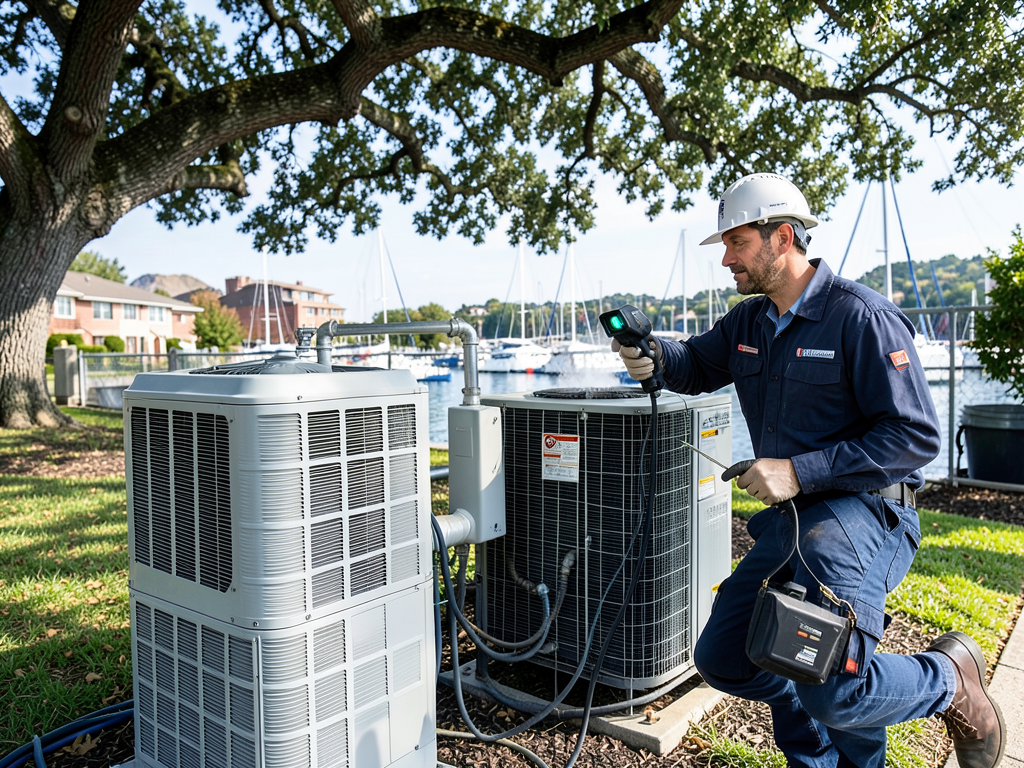
You call our emergency line, and we dispatch a certified technician to your Houston property within 60 minutes. The technician arrives with safety equipment, a thermal camera to detect hidden water intrusion, and refrigerant leak detectors. Before touching your system, we shut off power at the breaker, check for gas leaks if you have a furnace, and verify the outdoor unit is not sitting in standing water. Safety comes first.
02

Comprehensive Damage Documentation

We photograph every damaged component, record serial numbers, test refrigerant pressures, and measure electrical resistance across all motors and compressors. This documentation separates storm damage from pre-existing wear, a distinction that determines whether your insurance claim pays out. We provide you with a written report detailing each failure, the cause, and the repair needed to restore full system function.
03

Repair and System Restoration

We complete repairs on-site whenever possible, replacing damaged contactors, capacitors, fan blades, and refrigerant lines from our stocked trucks. For major component failures like compressor replacement, we provide temporary cooling solutions while we source OEM parts. Once repairs are complete, we pressure-test the refrigerant system, verify airflow across the evaporator coil, and run a full cooling cycle to confirm the system operates within manufacturer specifications before we leave your property.

Why Houston Residents Trust Titan HVAC for Storm Damage Repair

Houston experiences an average of 100 days per year with thunderstorms, and the city sits in a high-risk hurricane zone. We do not just repair HVAC systems. We prepare for the specific damage patterns Gulf Coast storms create. Our technicians train on flood recovery protocols, including how to safely disassemble water-damaged air handlers, dry out ductwork, and test for mold contamination before reassembly.

We stock parts for the most common storm failures: fan blades for hail damage, control boards for power surges, and refrigerant line sections for wind damage. When a major storm hits, other companies run out of inventory and put you on a two-week waiting list. We maintain surplus stock specifically for mass casualty events, so we can serve multiple customers the same day without delays.

Our relationship with local adjusters speeds up your insurance claim. We provide detailed estimates that meet Texas Department of Insurance requirements, separating storm damage from wear and tear, and itemizing labor and materials in a format adjusters recognize. Many homeowners get their claims approved faster because our documentation leaves no room for ambiguity.

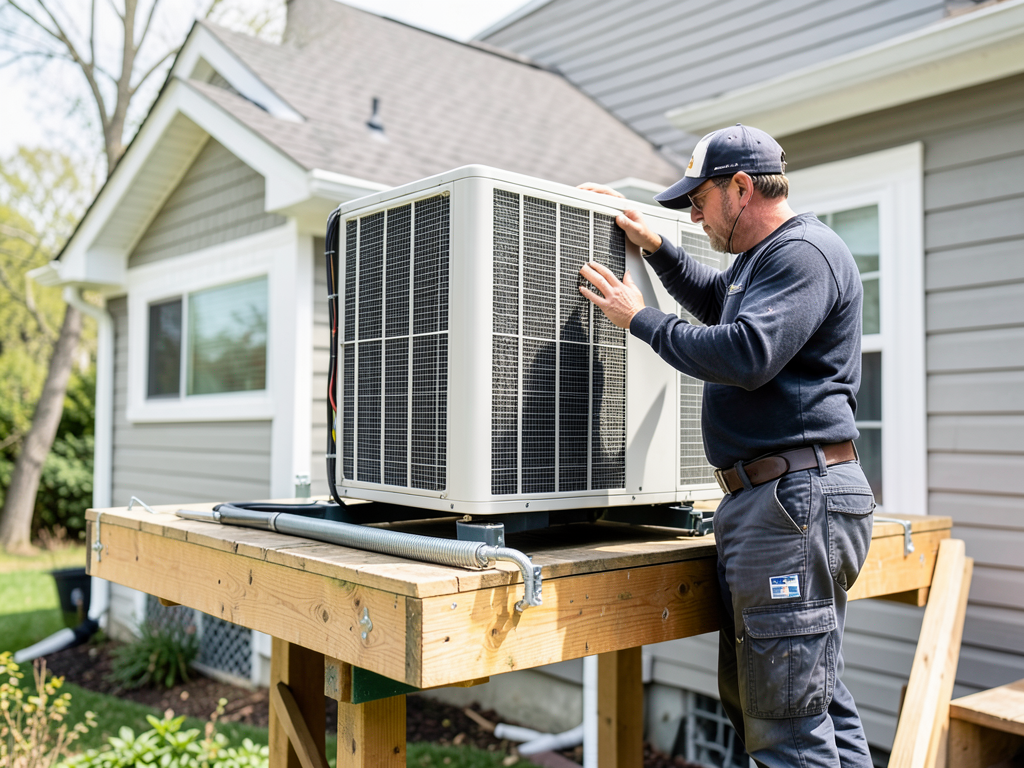
We also understand Houston's building codes. After Hurricane Harvey, the city updated flood zone requirements for HVAC installations. If your air handler was damaged by flooding, we can advise whether you need to relocate it to an elevated platform to meet current code, a detail that affects your rebuild costs and future insurability. Choosing a contractor unfamiliar with local regulations can cost you thousands in non-compliant repairs that fail inspection.

What to Expect During Emergency Storm Damage HVAC Repair

60-Minute Emergency Response Time

We dispatch a technician to your location within 60 minutes of your call, 24 hours a day, 7 days a week. Our trucks carry diagnostic tools, replacement parts, and temporary cooling equipment to stop further damage immediately. If your system suffered catastrophic failure and cannot be repaired on-site, we can install a portable AC unit to keep your home habitable while we source major components like compressors or air handlers. Speed matters when indoor humidity climbs and mold begins colonizing your ductwork within 48 hours of a flood event.

Complete System Diagnostic and Claim Documentation

We do not guess. We test every component, measure refrigerant pressures, check electrical continuity, and inspect ductwork for water intrusion. You receive a written report with photos, serial numbers, and a detailed explanation of each failure. This documentation is formatted to meet insurance adjuster requirements, clearly separating storm damage from normal wear. We can also provide a supplemental estimate if your adjuster's initial assessment undervalues the damage, a common issue with complex HVAC failures that involve multiple systems like refrigerant circuits, electrical controls, and ductwork.

OEM Parts and Manufacturer-Spec Repairs

We replace damaged components with OEM parts matched to your system's make, model, and tonnage. Refrigerant lines are brazed with nitrogen purge to prevent internal oxidation. Compressors are installed with new filter driers and flushed lines to remove contamination. Electrical repairs use wire gauges and breaker ratings specified in the equipment manual. Shortcuts cause premature failure and void manufacturer warranties. We repair your system correctly the first time, so it runs reliably for years, not months, after the storm damage.

Post-Repair System Testing and Maintenance Guidance

After repairs are complete, we run a full cooling cycle, measure airflow across the evaporator coil, verify refrigerant subcooling and superheat, and test the thermostat response. You receive a post-repair report showing your system operates within manufacturer specifications. We also provide guidance on storm preparedness, including whether you should install a whole-home surge protector, elevate your outdoor unit to prevent future flood damage, or upgrade to a wind-rated condenser pad. Preventing the next failure is as important as fixing the current one.

Frequently Asked Questions

You Have Questions,
We Have Answers

What is the $5000 rule for HVAC? +

The $5000 rule is a guideline that compares your repair cost to your system's age. Multiply your HVAC age by the repair cost. If the total exceeds $5000, replacement often makes more financial sense than repair. For example, a 10-year-old unit needing $600 in repairs equals $6000, suggesting replacement. After Houston storms damage older systems, this rule helps you decide whether to repair or replace. High humidity and severe weather accelerate HVAC wear here, so units over 12 years old hit this threshold quickly. Get a professional assessment immediately after storm damage to make the right call.

Does insurance cover HVAC damage? +

Most homeowners policies cover sudden, accidental HVAC damage from named perils like hail, wind, or falling debris during storms. Insurance typically covers the system itself and labor costs. However, damage from flooding requires separate flood insurance, which matters in Houston where heavy rainfall causes frequent flooding. Neglect or lack of maintenance voids coverage. Document everything immediately after a storm, take photos of visible damage, and contact your insurer within 24 hours. Keep maintenance records to prove your system was properly cared for. Adjusters need evidence that storm damage caused the failure, not age or poor upkeep.

How long after storm damage can I claim? +

File your storm damage claim immediately. Most Texas homeowners policies require notification within a reasonable timeframe, typically 30 to 60 days, but do not wait. Houston's humid climate accelerates secondary damage like mold growth and electrical corrosion after HVAC systems get compromised. Delays weaken your claim and give insurers grounds for denial. Document damage with photos and videos right after the storm passes. Get a professional HVAC inspection within 48 hours to identify hidden problems like refrigerant leaks or compressor damage. The sooner you file, the faster you get emergency repairs covered and prevent total system failure.

What is the 3 minute rule for AC? +

The 3-minute rule prevents short cycling damage to your compressor. After your AC shuts off, wait at least 3 minutes before restarting it. This allows refrigerant pressure to equalize throughout the system. Restarting too quickly forces the compressor to work against high pressure, causing premature failure. After Houston storms knock out power or trip breakers, this rule becomes critical. Power surges and fluctuations stress electrical components. If your system trips repeatedly after storm damage, do not keep resetting it. You risk burning out the compressor entirely. Call for emergency inspection before attempting multiple restarts.

What is the tax credit for HVAC system 2025? +

The 2025 federal tax credit offers up to $2000 for qualifying high-efficiency HVAC systems under the Energy Efficient Home Improvement Credit. Your new system must meet specific SEER2 ratings: 16 for split systems or 15 for package units. Heat pumps may qualify for higher credits. This credit helps offset replacement costs after storm damage totals your old unit. Houston's brutal summers make high-efficiency systems worthwhile investments that cut cooling bills significantly. Keep manufacturer certifications and installation receipts for your tax filing. The credit applies to the equipment cost, not labor, and does not carry over between tax years.

What is the average lifespan of an HVAC? +

HVAC systems last 15 to 20 years with proper maintenance, but Houston's climate shortens this timeline. High humidity, salt air near the coast, and extreme heat stress components harder than moderate climates. Expect 12 to 15 years here realistically. Units exposed to frequent storms face additional wear from power surges, debris impact, and moisture intrusion. Coastal systems corrode faster. If your system is over 10 years old and suffers storm damage, replacement often beats expensive repairs. Age matters when filing insurance claims too. Older systems may only get depreciated value coverage, leaving you with significant out-of-pocket costs.

What two events are not covered under homeowners insurance? +

Flooding and earth movement are the two main exclusions in standard homeowners policies. This matters in Houston where heavy rainfall causes routine flooding and our expansive clay soils shift foundations seasonally. If floodwater enters your home and damages your HVAC, your homeowners policy will not cover it. You need separate flood insurance through NFEMA or private carriers. Foundation shifts from soil movement can crack refrigerant lines or damage ductwork, but policies exclude this too. After storms, determine whether damage came from wind and rain or actual flooding to know which policy applies.

How much does it cost to fix a leak in your AC system? +

AC refrigerant leak repairs range from $200 for minor seal fixes to $1500 for evaporator coil replacement, depending on location and severity. After Houston storms, leaks often result from hail punctures, vibration damage, or debris impact. The repair cost depends on whether the leak is in accessible line sets or buried inside the air handler. Refrigerant type matters too. Older R-22 systems cost more to recharge due to refrigerant scarcity. If your system is leaking after storm damage, get emergency service immediately. Running a leaking system destroys the compressor and turns a fixable problem into total replacement.

What is the most common damage to your home that insurance does not cover? +

Maintenance-related damage tops the list of exclusions. Insurers deny claims for HVAC failures caused by dirty filters, skipped tune-ups, or gradual wear. This becomes contentious after Houston storms when adjusters blame age instead of wind damage. Mold growth from condensate line clogs gets denied as maintenance failure too. The second most common exclusion is flooding, which requires separate coverage. Keep detailed maintenance records showing annual service visits and filter changes. After storms, professional documentation separating sudden damage from pre-existing conditions protects your claim. Prove the storm caused new damage to existing equipment.

When not to file a homeowners insurance claim? +

Skip filing claims for damage below your deductible or minor repairs under $1000. Houston homeowners typically carry $1000 to $2500 deductibles. Filing small claims raises your premiums and creates a claims history that impacts future coverage. Also avoid claims for maintenance issues or gradual failures. Insurers track claims through databases shared across carriers. Multiple claims within three years can make you uninsurable or spike your rates dramatically. However, never skip filing for significant storm damage to your HVAC. Delayed claims look suspicious. Get a professional damage assessment first, then decide whether the repair cost justifies filing based on your specific deductible.

Why Houston's Hurricane Risk Makes Storm Damage HVAC Repair a Critical Service

Houston sits 50 miles inland from the Gulf of Mexico, but the flat coastal plain and proximity to warm Gulf waters make it vulnerable to direct hurricane strikes and tropical storm remnants. Hurricane Harvey dumped over 60 inches of rain on parts of Harris County in 2017, submerging thousands of ground-level HVAC air handlers and shorting out electrical systems. Flooding is not the only threat. Winds exceeding 100 mph turn tree limbs and patio furniture into projectiles that puncture refrigerant lines and shatter condenser fans. The combination of wind, hail, lightning, and flooding means your HVAC system faces multiple failure modes in a single storm event, requiring emergency HVAC storm repair from technicians trained in multi-point diagnostics and insurance claim documentation.

Houston's rapid rebuilding after major storms created a flood of unlicensed contractors offering cheap HVAC repairs with mismatched parts and incomplete diagnostics. Choosing a local company familiar with Harris County building codes, Texas Department of Insurance claim requirements, and the specific storm damage patterns common to Gulf Coast weather protects you from costly mistakes. We know how to document hail damage on condenser coils, how to test for water intrusion in ductwork without tearing apart your walls, and how to work with local adjusters who handle hundreds of storm claims every hurricane season. That local expertise saves you time, money, and frustration when you need HVAC storm restoration services fast.
HVAC Services in The Houston Area

Titan HVAC is proud to serve Houston and the surrounding areas with expert heating and cooling solutions. Our central location allows us to respond quickly to both residential and commercial clients. Whether you need an emergency fix or scheduled service, we’re never far away. Explore our service area and see how close comfort really is. We're just a call or click away—connect with us today.

Address:
Titan HVAC Houston, 3730 Kirby DrHouston, Houston, TX, 77098

Additional Services We Offer

Our news updates

Latest Articles & News from The Blogs

Why Your AC Is Freezing Up Even When It’s 100 Degrees in Sienna When your air conditioner freezes up on…

Why Your AC Is Freezing Up Even When It’s 100 Degrees in Sienna

Why Your AC Is Freezing Up Even When It’s 100 Degrees in Sienna When your air conditioner freezes up on…

What That Screeching Sound from Your AC Actually Means (Hint—It’s Not Good)

What That Screeching Sound from Your AC Actually Means (Hint—It’s Not Good) Your Houston air conditioner works overtime for most…

Safe Ways to Landscape Around Your AC Unit in Hedwig Village

Safe Ways to Landscape Around Your AC Unit in Hedwig Village Your air conditioner works hardest during Houston’s brutal summer…

Contact Us

Do not wait for mold to grow or indoor temperatures to become dangerous. Call Titan HVAC Houston now at (281) 552-7766 for emergency storm damage HVAC repair. We dispatch within 60 minutes, document everything for your insurance claim, and restore your system fast.