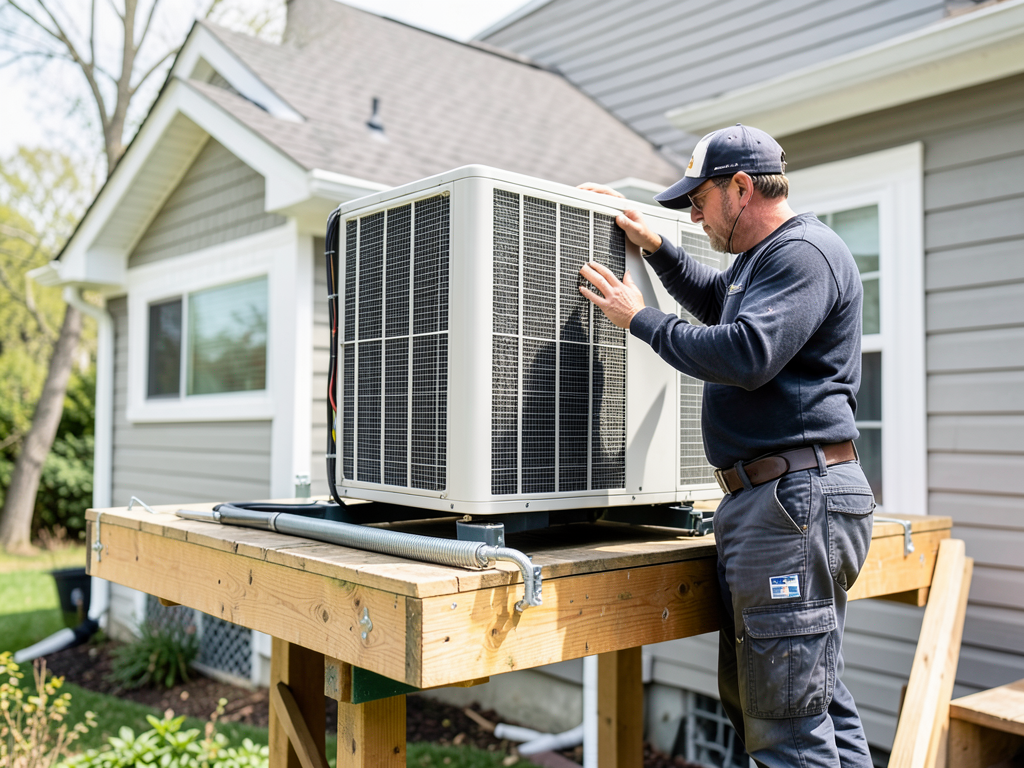







Short Cycling in Houston – Expert Diagnosis Stops System Damage Before It Gets Worse

When your AC or furnace kicks on and off repeatedly, you are looking at compressor damage, skyrocketing energy bills, and total system failure. Titan HVAC Houston identifies the root cause fast and fixes short cycling correctly.

Slider Image 1
Slider Image 2
Slider Image 3
Slider Image 4
Slider Image 5
Slider Image 7
Slider Image 8
Slider Image 9
Slider Image 10
Slider Image 11

Why Your HVAC System Keeps Turning On and Off in Houston

You hear your air conditioner turn on. Ten seconds later, it shuts off. A minute passes, and it fires up again. This is not normal cycling. This is HVAC rapid cycling, and you are watching your system destroy itself.

Short cycling happens when your HVAC system completes its startup sequence, then shuts down before finishing a full cooling or heating cycle. The compressor works hardest during startup. When your AC turning on and off repeatedly happens dozens of times per hour instead of two or three, you burn through components designed to start smoothly and run continuously.

In Houston, the problem gets worse fast. Our humidity levels force air conditioners to work harder to remove moisture. When a system short cycles, it never runs long enough to dehumidify the air. You end up with a cold, clammy house and a system that runs constantly without ever solving the problem.

Furnace short cycling hits during our brief cold snaps. The system fires up, overheats, shuts down, cools off, and repeats. You get uneven heating, higher gas bills, and a cracked heat exchanger waiting to happen.

The causes range from simple to serious. A dirty air filter chokes airflow. An oversized system cools the space too fast and shuts off before the thermostat catches up. Low refrigerant levels trigger safety shutoffs. A failing compressor cannot maintain pressure. Electrical issues send false signals to the control board.

Every time your air conditioner short cycle happens, you pay for a full startup without getting the benefit of a complete cycle. Your energy bills climb while your comfort drops. The compressor, contactor, and capacitor wear out years early. You are not just annoyed. You are headed toward a four-figure repair bill or total system replacement.

Why Your HVAC System Keeps Turning On and Off in Houston
How We Diagnose and Stop HVAC Rapid Cycling

How We Diagnose and Stop HVAC Rapid Cycling

Short cycling is not a guess-and-check problem. We use a systematic diagnostic process to identify the exact cause, then fix it correctly.

We start by observing your system through multiple cycles while monitoring key parameters. We measure runtime duration, compressor amperage draw, refrigerant pressures, airflow at the supply plenum, and thermostat behavior. This tells us whether the issue is mechanical, electrical, or related to system sizing.

Next, we check the air filter and airflow restrictions. A clogged filter or blocked return grill causes the evaporator coil to ice over. The system shuts down on the low-pressure safety switch, thaws, restarts, and repeats. We measure static pressure across the coil to confirm airflow meets manufacturer specifications.

We verify refrigerant charge using superheat and subcooling calculations. Low refrigerant triggers the low-pressure cutout. Overcharge causes high head pressure and thermal overload trips. Both make your system kicks on and off without completing cycles.

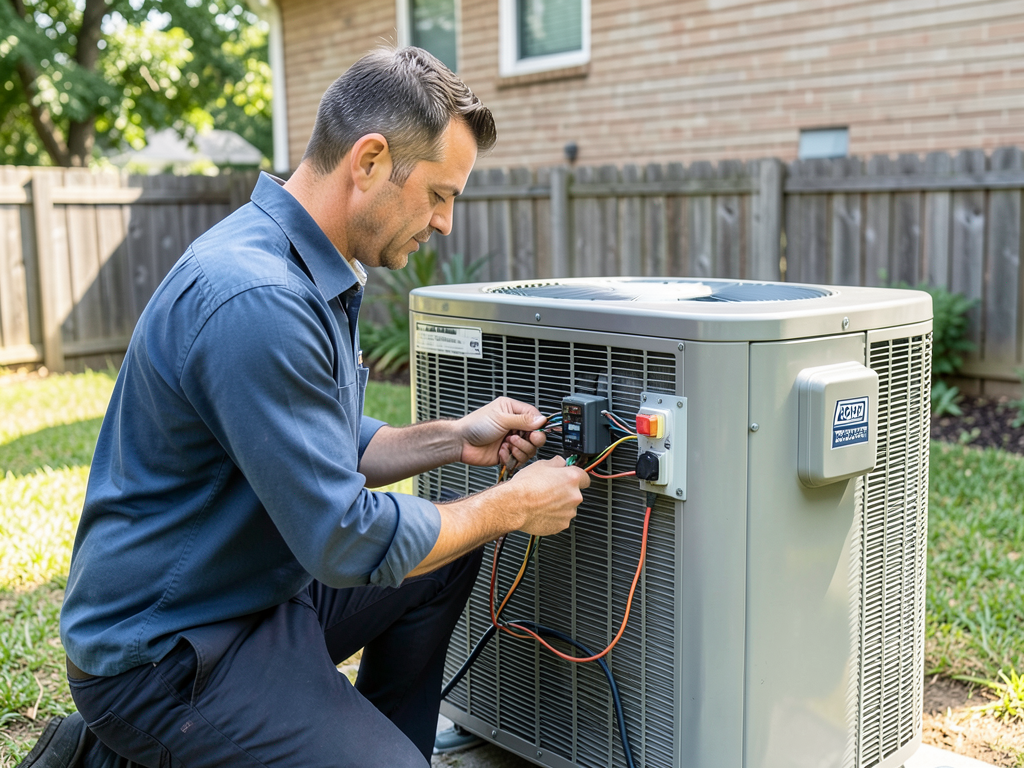
We test the compressor contactor, capacitor, and start components. A weak capacitor prevents the compressor from reaching full speed. The system labors through startup, trips on overload, resets, and tries again.

We inspect the thermostat location and calibration. A thermostat placed near a supply vent or in direct sunlight reads false temperatures. The system thinks it hit setpoint when it did not, shuts off early, and short cycles.

We evaluate system sizing against your home's actual load. An oversized unit hits setpoint in minutes, shuts off, and restarts when the house warms up slightly. This is common in Houston, where contractors oversize systems thinking bigger is better.

Once we identify the cause, we explain what failed, why it failed, and what fixes the problem permanently. No guessing. No parts-swapping. Just accurate diagnosis and the correct repair.

What Happens During Your Short Cycling Repair

Short Cycling in Houston – Expert Diagnosis Stops System Damage Before It Gets Worse
01

System Performance Analysis

We monitor your system through multiple on-off cycles while measuring compressor amperage, refrigerant pressures, airflow velocity, and temperature differentials. This data tells us whether you have a mechanical failure, refrigerant issue, airflow restriction, or electrical problem. We document exact runtime lengths and shutdown triggers to pinpoint the failure mode your system is stuck in.
02

Component Testing and Verification

We test the capacitor under load, measure contactor resistance, verify thermostat calibration, check refrigerant charge with superheat and subcooling calculations, and inspect electrical connections for voltage drop. We examine the evaporator coil for ice buildup and measure static pressure to confirm adequate airflow. Every component that affects cycling gets tested against manufacturer specifications to isolate the exact failure point.
03

Repair and Cycle Confirmation

After completing the repair, we run your system through extended cycles to verify normal operation. We confirm the unit completes full cooling or heating cycles without premature shutdowns. We recheck amperage draw, runtime duration, and temperature drop to ensure all parameters fall within normal range. You get documentation of what we found, what we fixed, and confirmation your system cycles correctly again.

Why Houston Homeowners Trust Titan HVAC for Short Cycling Repairs

Short cycling is not a one-size-fits-all diagnosis. It takes experience with Houston's specific HVAC challenges to identify the real problem fast.

We work on systems stressed by humidity year-round. Houston air conditioners run harder and longer than units in dry climates. We see patterns in how humidity affects evaporator coil performance, refrigerant behavior, and condensate drainage. When your system short cycles, we know which humidity-related issues to check first because we have diagnosed them hundreds of times.

We understand the consequences of oversized systems. Many Houston homes have units chosen for maximum cooling capacity without accounting for humidity removal. These systems cool fast but never run long enough to dehumidify. They short cycle by design. We recognize this problem immediately and explain your options clearly.

We stock the parts that fail most often in our climate. Capacitors degrade faster in heat and humidity. Contactors pit and arc in our damp conditions. Thermostats drift out of calibration. We carry quality replacements on every truck, so your repair gets completed the same day without waiting for parts orders.

We know local installation practices and the shortcuts that cause problems. We have seen improper refrigerant charges, incorrect thermostat locations, undersized return ducts, and backwards blower motor wiring. When we diagnose your short cycling issue, we check for these installation errors because they are common in our market.

Titan HVAC Houston focuses on accurate diagnosis before recommending repairs. We explain what we found, what it means for your system, and what fixes it correctly. You get honest answers and the right repair, not a guess and a parts bill.

We operate in Houston full-time. We are not a franchise or a nationwide chain. We know the neighborhoods, the housing stock, and the systems installed in your area. When you call us for short cycling diagnosis, you get technicians who have solved this exact problem in homes like yours dozens of times.

What to Expect When You Call Us for Short Cycling Repair

Fast Response and Same-Day Service

Short cycling damages your system every time it happens. We schedule service calls quickly to stop the problem before it turns into compressor failure or electrical damage. Most short cycling repairs get completed the same day. We arrive with diagnostic tools and common replacement parts already on the truck. You are not waiting days for an appointment or parts delivery. We get your system cycling correctly again while the repair is still manageable and affordable.

Comprehensive Diagnostic Process

We do not guess at short cycling causes. We measure system performance, test components, and verify specifications before recommending repairs. You get a clear explanation of what is making your system turn on and off repeatedly. We show you the failed part, explain why it failed, and describe how the repair fixes the cycling issue. Our diagnostic process finds the real problem the first time, so you do not pay for repairs that do not solve anything.

Reliable Repairs That Stop the Cycling

Short cycling stops when you fix the right problem. We use quality parts designed for Houston's humidity and heat. Capacitors, contactors, thermostats, and refrigerant all meet or exceed manufacturer specifications. After the repair, we run your system through multiple cycles to confirm normal operation. You see the unit complete full cooling or heating cycles without premature shutdowns. We do not leave until your system works correctly and you understand what we fixed.

Follow-Up Support and Maintenance Guidance

After fixing your short cycling issue, we explain what caused it and how to prevent it from happening again. You get clear guidance on filter changes, thermostat placement, and signs of future problems. If your system was oversized or improperly installed, we discuss your options for long-term solutions. We are available for follow-up questions and return visits if you notice any cycling issues after the repair. You get support beyond the initial fix.

Frequently Asked Questions

You Have Questions,
We Have Answers

What is the most common cause of short cycling? +

Refrigerant leaks cause most short cycling in Houston. When refrigerant levels drop, your system cannot maintain proper pressure, triggering the compressor to shut off prematurely. This happens constantly in Houston's high humidity climate, where corrosion accelerates line damage. Oversized units also short cycle because they cool spaces too fast, never reaching proper runtime. Faulty thermostats send bad signals to the system, causing erratic cycling. Dirty evaporator coils freeze up, forcing the system to stop. Houston's combination of heat and moisture stresses these components year-round, making refrigerant leaks the clear front-runner.

How do you fix short cycling? +

First, replace your air filter and clean around the outdoor unit. If short cycling continues, turn the system off and call a technician. The fix depends on the root cause. Refrigerant leaks require finding the leak point, repairing it, and recharging the system. Oversized systems may need redesigned ductwork or zone control. Faulty thermostats get replaced. Frozen coils need cleaning and airflow correction. Compressor issues require component replacement. Houston's humidity makes accurate diagnosis critical. Attempting DIY repairs on refrigerant systems is illegal and dangerous. A proper fix addresses the specific failure point, not just the symptom.

Should I turn my AC off if it's short cycling? +

Yes, turn it off immediately. Short cycling damages your compressor, which is the most expensive component in your system. Each start cycle creates electrical stress and heat buildup. Houston's already brutal outdoor temperatures compound this stress. Running a short cycling unit can turn a simple repair into a total compressor failure costing thousands. Turn off the system at the thermostat, not just the circuit breaker. This prevents accidental restarts. Then schedule a diagnostic visit. The money you save by not running the system will offset part of the repair cost. Compressor damage is irreversible.

What is the meaning of short cycling? +

Short cycling means your HVAC system turns on and off in rapid intervals, usually running less than 10 minutes per cycle. Normal cycles last 15 to 20 minutes. During short cycling, the system never completes a full cooling or heating cycle. It starts, runs briefly, shuts off, then repeats endlessly. This wastes energy and prevents proper dehumidification in Houston's muggy climate. Your indoor humidity stays high even though the air feels cool. The compressor experiences excessive wear from constant starting. Short cycling is a symptom of underlying mechanical or electrical failure requiring professional diagnosis.

How to tell if HVAC is short cycling? +

Listen for your system starting and stopping within 10 minutes. Normal cycles run 15 to 20 minutes. Check your thermostat. If the temperature setting matches the room temperature but the unit keeps running short bursts, you have short cycling. Watch the outdoor condenser unit. It should run steadily, not turn on and off repeatedly. In Houston, check your indoor humidity. Short cycling units cannot dehumidify properly, leaving your home clammy. Your energy bills will spike because starting the compressor uses massive electricity. Count the cycles. More than six starts per hour indicates a problem.

What is the $5000 AC rule? +

The $5,000 AC rule is a replacement versus repair guideline. Multiply the age of your unit by the repair cost. If the result exceeds $5,000, replace the system instead of repairing it. For example, a 12-year-old unit needing a $500 repair equals $6,000, suggesting replacement. In Houston's climate, units older than 10 years work harder and fail more often. Short cycling often signals end-of-life issues. This rule is a rough guideline, not gospel. Factor in efficiency gains, refrigerant type, and whether your current unit uses obsolete R-22 refrigerant. Newer units handle Houston's humidity better.

Can a dirty air filter cause short cycling? +

Yes, absolutely. A clogged filter restricts airflow over the evaporator coil, causing it to freeze. Once frozen, the system shuts off on a safety limit. When the coil thaws, the system restarts, only to freeze again. This cycle repeats endlessly. Houston's dusty air and high pollen counts clog filters faster than in drier climates. Change your filter every 30 days during peak cooling season. A $5 filter prevents a $300 service call. If you replaced the filter and short cycling continues, the evaporator coil itself may be dirty or you have a deeper airflow problem requiring ductwork inspection.

How to tell if a compressor is shorted to ground? +

A shorted compressor shows specific electrical symptoms. The system may trip your circuit breaker immediately when starting. You might hear a buzzing sound without the compressor actually running. Use a multimeter to test resistance between the compressor terminals and the ground. Zero resistance means a short to ground. This is a critical failure. In Houston's outdoor heat, compressor windings degrade over time. Electrical insulation breaks down, allowing current to leak to the housing. A shorted compressor cannot be repaired and must be replaced. Given labor costs, replacing the entire outdoor unit often makes more financial sense than swapping just the compressor.

How much does it cost to fix a short cycling furnace? +

Costs vary widely based on the root cause. A simple thermostat replacement runs $150 to $300. Flame sensor cleaning costs $100 to $200. Pressure switch replacement ranges from $200 to $400. Blower motor issues cost $400 to $600. Control board failures run $300 to $600. Heat exchanger cracks mean full furnace replacement at $3,000 or more. In Houston, furnaces are less common than heat pumps, which have different failure points. Most short cycling fixes fall between $200 and $600 for parts and labor. Get a diagnostic first. Avoid companies quoting prices without identifying the actual problem.

What is the 3 minute rule for AC? +

The three-minute rule prevents compressor damage. After your AC shuts off, internal pressures need time to equalize between the high and low sides of the refrigerant system. Restarting before pressures balance forces the compressor to work against high resistance, damaging the motor windings. Most modern systems have a built-in delay timer preventing restarts. If you manually cycle your thermostat on and off repeatedly, you bypass this protection. In Houston's extreme heat, impatient homeowners often toggle the system, causing premature compressor failure. Let the system rest. Those three minutes extend your compressor's lifespan by years.

How Houston's Humidity and Heat Make Short Cycling Worse

Houston air conditioners run eight to nine months per year in high humidity. Your system must remove moisture and cool air simultaneously. When short cycling happens, the unit shuts off before completing dehumidification. The evaporator coil never gets cold enough long enough to condense moisture. You get cold air without humidity removal. The house feels clammy, the thermostat thinks it hit setpoint, and the system cycles off early. This false satisfaction triggers rapid cycling. Your compressor works harder, your energy bills climb, and your indoor humidity stays high. The problem compounds itself because high indoor humidity makes your system work harder, which accelerates wear on components already stressed by short cycling.

Houston HVAC systems face specific challenges that make accurate short cycling diagnosis critical. We work in older neighborhoods like the Heights and Montrose where original ductwork and undersized returns cause airflow restrictions. We service newer developments in Katy and Cypress where oversized systems were installed for maximum cooling without considering runtime needs. We understand how Gulf Coast humidity affects refrigerant performance and component lifespan. Local building codes and residential construction methods create patterns we recognize immediately. Choosing a Houston-based HVAC company means getting technicians who have diagnosed short cycling in your exact housing type, climate conditions, and system configuration hundreds of times before.
HVAC Services in The Houston Area

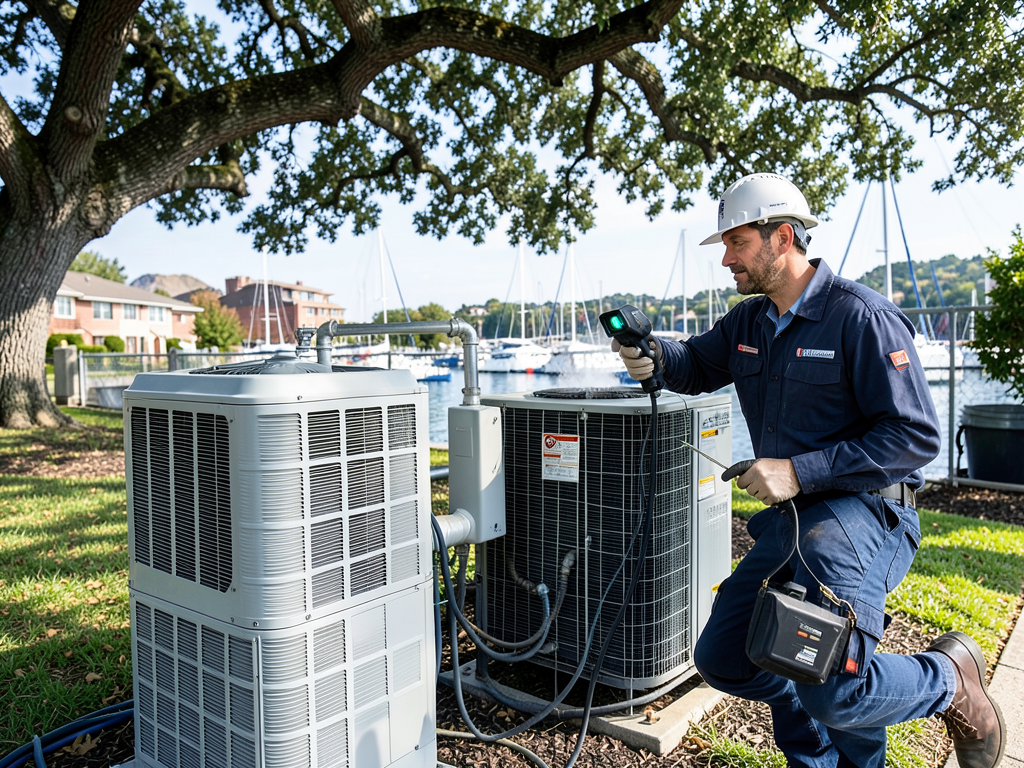
Titan HVAC is proud to serve Houston and the surrounding areas with expert heating and cooling solutions. Our central location allows us to respond quickly to both residential and commercial clients. Whether you need an emergency fix or scheduled service, we’re never far away. Explore our service area and see how close comfort really is. We're just a call or click away—connect with us today.

Address:
Titan HVAC Houston, 3730 Kirby DrHouston, Houston, TX, 77098

Additional Services We Offer

Our news updates

Latest Articles & News from The Blogs

Why Your AC Is Freezing Up Even When It’s 100 Degrees in Sienna When your air conditioner freezes up on…

Why Your AC Is Freezing Up Even When It’s 100 Degrees in Sienna

Why Your AC Is Freezing Up Even When It’s 100 Degrees in Sienna When your air conditioner freezes up on…

What That Screeching Sound from Your AC Actually Means (Hint—It’s Not Good)

What That Screeching Sound from Your AC Actually Means (Hint—It’s Not Good) Your Houston air conditioner works overtime for most…

Safe Ways to Landscape Around Your AC Unit in Hedwig Village

Safe Ways to Landscape Around Your AC Unit in Hedwig Village Your air conditioner works hardest during Houston’s brutal summer…

Contact Us

Every cycle damages your compressor and electrical components. Call Titan HVAC Houston now at (281) 552-7766 for same-day short cycling diagnosis and repair. We identify the real problem fast and fix it correctly the first time.