




HVAC Maintenance & Tune-Ups in Houston | Protect Your System From Gulf Coast Humidity and Heat

Titan HVAC Houston delivers year-round preventative maintenance and seasonal HVAC check ups that extend equipment life, lower energy bills, and prevent breakdowns during Houston's brutal summer heat and unpredictable winter cold fronts.

Slider Image 1
Slider Image 2
Slider Image 3
Slider Image 4
Slider Image 5
Slider Image 7
Slider Image 8
Slider Image 9
Slider Image 10
Slider Image 11

Why Houston's Climate Makes HVAC Preventative Maintenance Non-Negotiable

Houston's subtropical climate punishes HVAC systems harder than nearly any metro in the country. You face nine months of cooling season, humidity levels that regularly exceed 90 percent, and Gulf Coast salt air that corrodes outdoor condensers. Your AC runs almost year-round, and when those rare freeze events hit, your furnace has to fire up fast or you risk burst pipes.

Most homeowners wait until their system fails on a 98-degree afternoon to call for service. By then, you are looking at emergency rates, days without air conditioning, and repairs that could have been avoided with a heating and cooling tune up performed twice a year. Refrigerant leaks, clogged drain lines, failing capacitors, and dirty coils do not announce themselves. They degrade performance silently until your system quits or your energy bill doubles.

HVAC preventative maintenance addresses these issues before they cascade into system failure. A seasonal HVAC check up catches refrigerant loss before your compressor runs hot and burns out. It identifies mold growth in your evaporator coil before spores circulate through your home. It verifies your condensate drain is flowing, so you do not wake up to water damage in your ceiling.

Houston's clay soil shifts foundations, which can torque ductwork and stress refrigerant lines. Our AC and furnace maintenance includes inspecting those connections, verifying airflow balance, and ensuring your system can handle the load when the heat index hits 110. Neglecting these checks does not just cost comfort. It shortens the life of a system that represents a significant investment in your home.

Why Houston's Climate Makes HVAC Preventative Maintenance Non-Negotiable
How Titan HVAC Houston Performs a Complete HVAC System Inspection

How Titan HVAC Houston Performs a Complete HVAC System Inspection

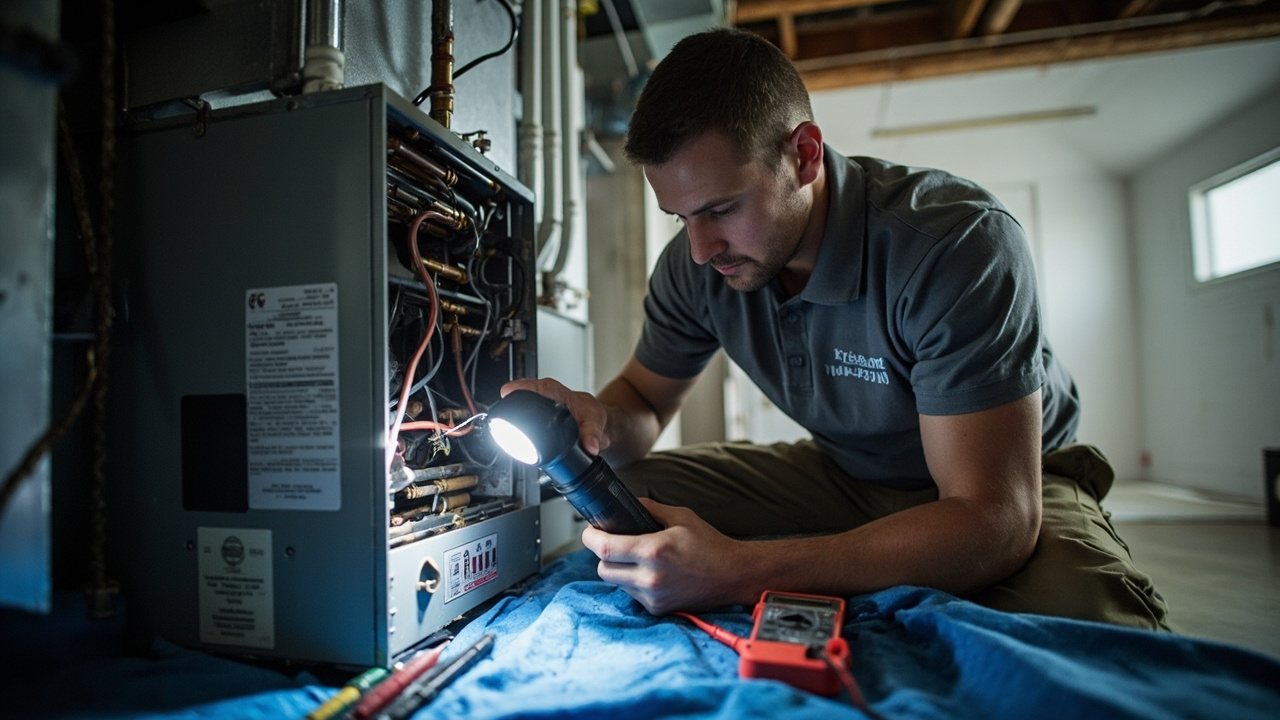
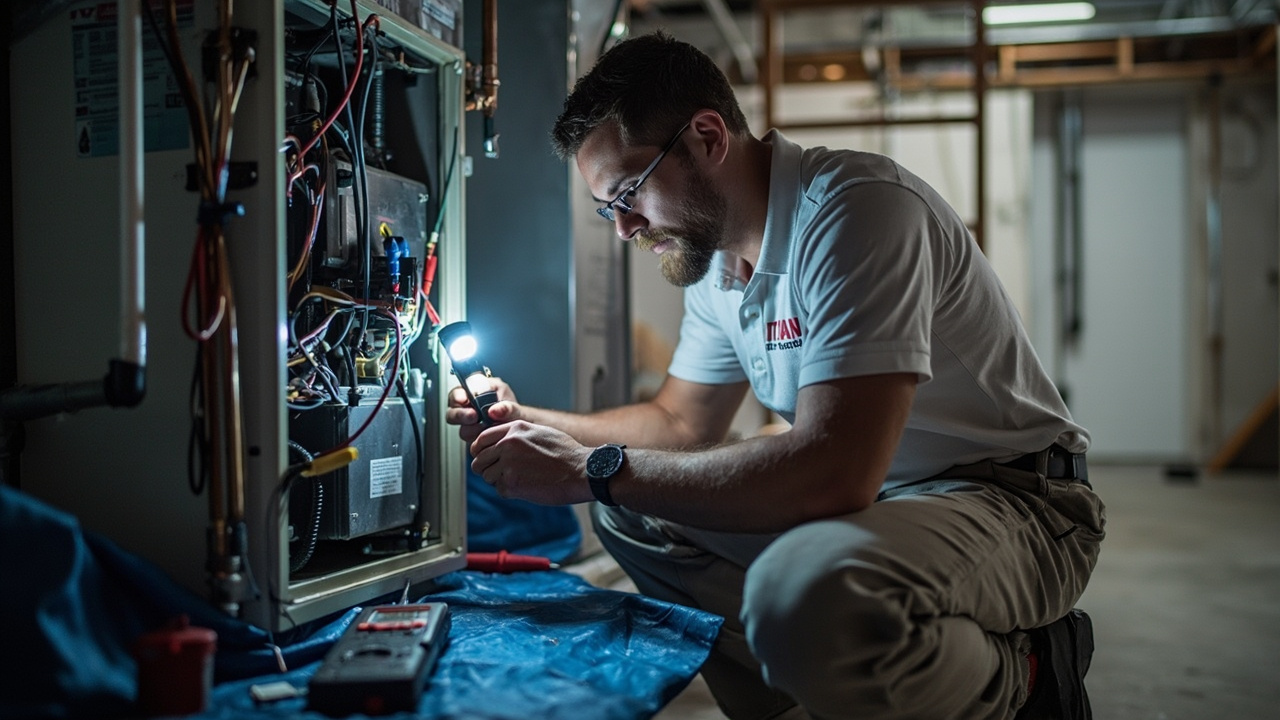
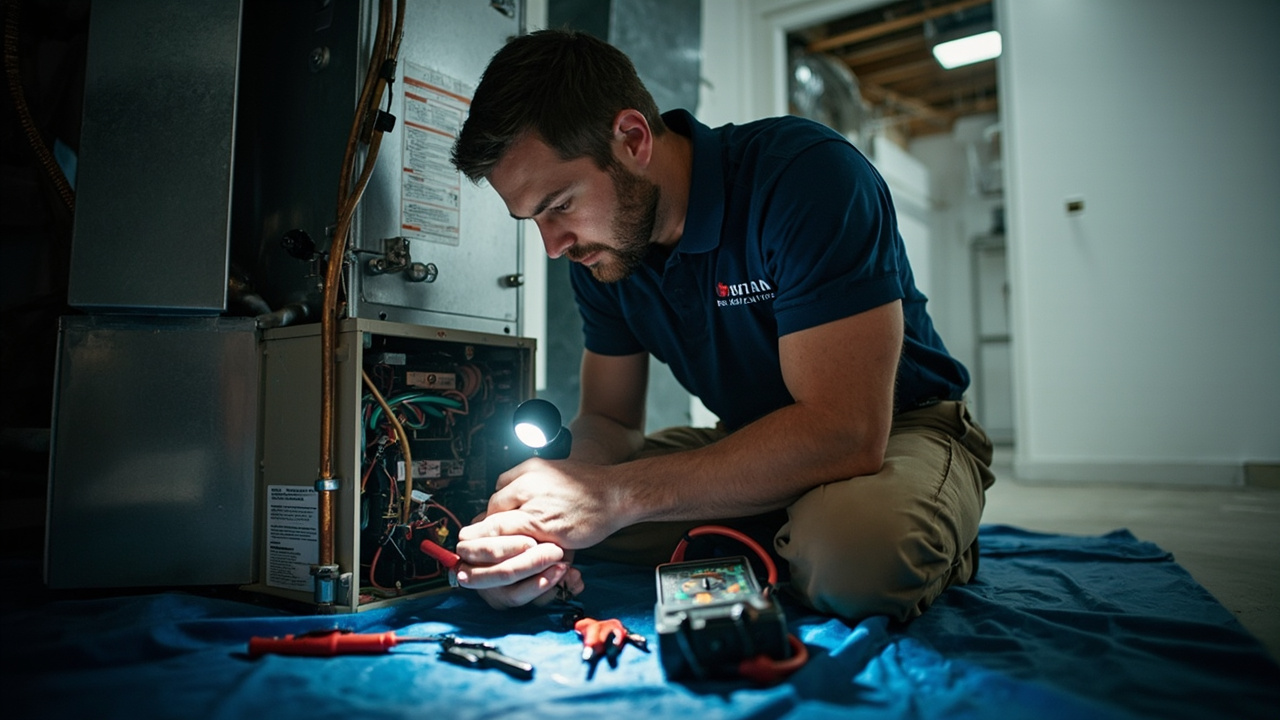
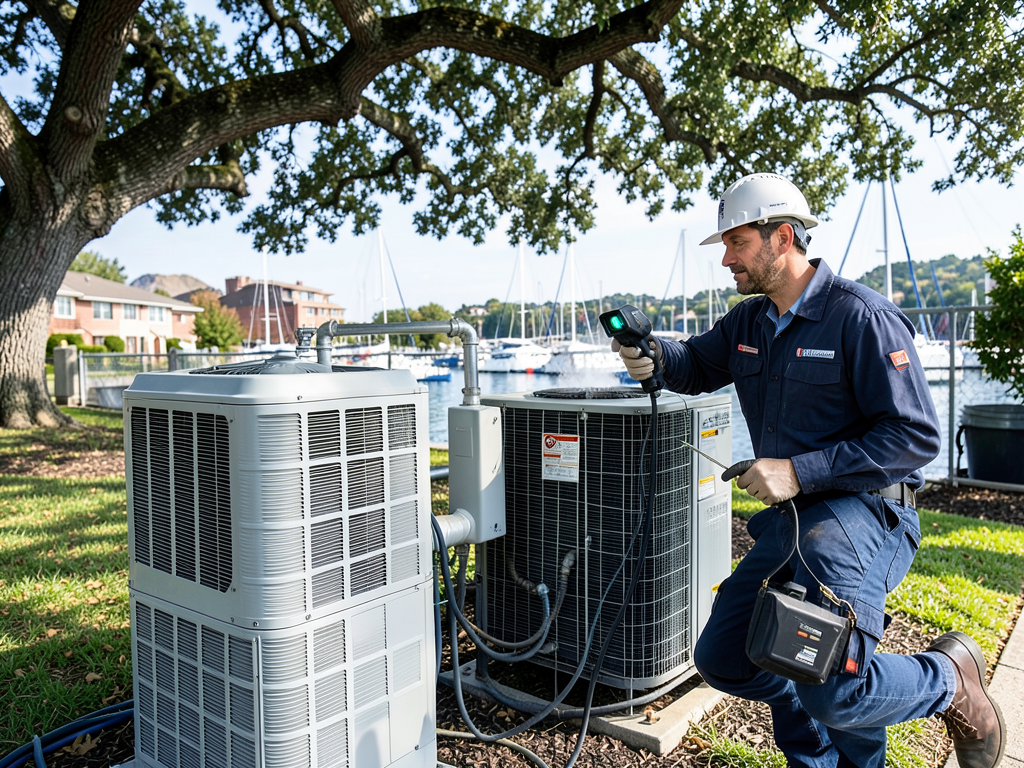
We approach every maintenance visit as a comprehensive HVAC system inspection, not a quick filter swap. Our technicians arrive with calibrated digital manifolds, infrared thermometers, amp meters, and combustion analyzers. We test, measure, and verify every component that affects performance, efficiency, and safety.

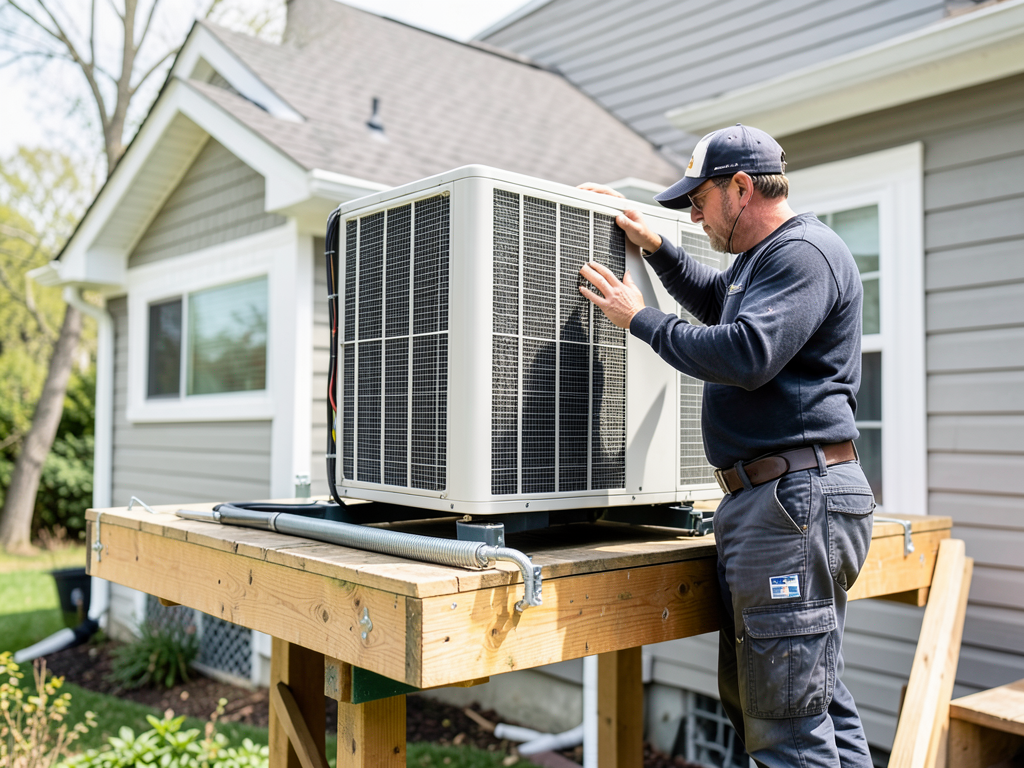
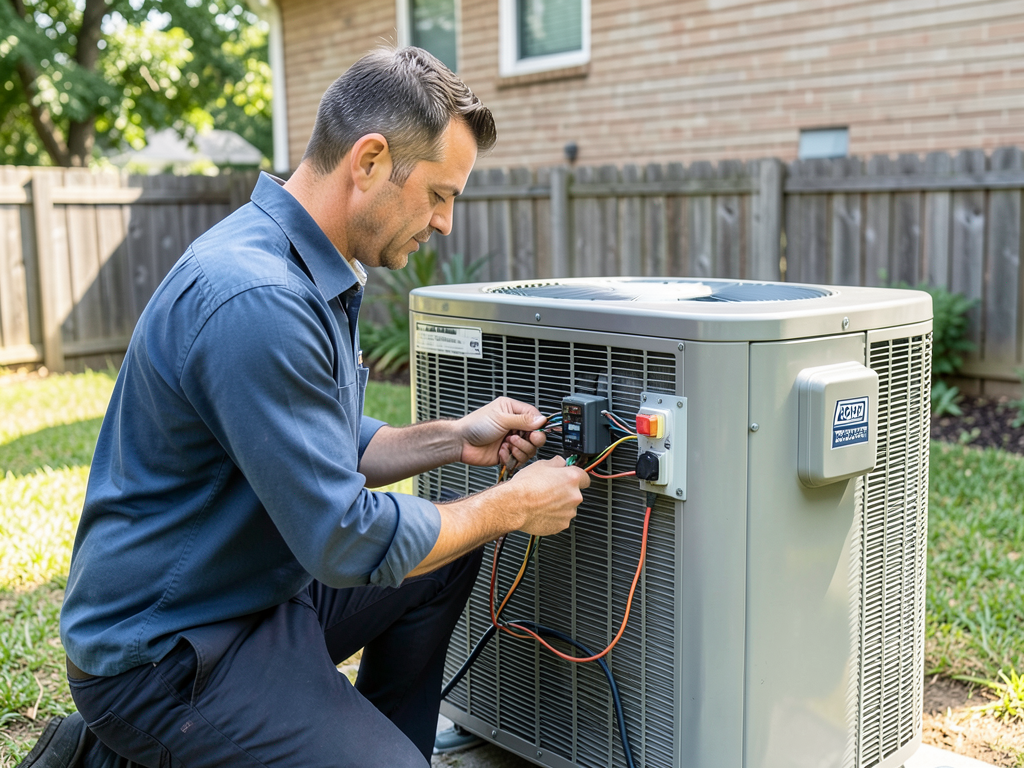
For cooling systems, we measure superheat and subcooling to verify refrigerant charge is within manufacturer specifications. We inspect contactor points for pitting, check capacitor microfarads against rated values, and verify compressor amp draw. We clean condenser coils with biodegradable coil cleaner and a pressure washer, not a garden hose. We flush condensate drain lines with a wet-dry vacuum and treat them with algaecide tablets to prevent the clogs that cause overflow damage.

Inside, we pull the blower assembly to inspect evaporator coils for biological growth, dirt accumulation, and fin damage. We check static pressure across the coil to verify airflow is adequate. We tighten electrical connections at the air handler, verify contactor operation, and test the safety float switch that shuts down your system if the drain clogs.

For heating systems, we perform a combustion analysis on gas furnaces to measure oxygen levels, carbon monoxide output, and combustion efficiency. We inspect heat exchangers for cracks using a flashlight and mirror. We test igniter resistance, verify flame sensor microamps, and measure temperature rise to confirm your furnace is firing correctly. For heat pumps, we test defrost cycle operation and reversing valve function, and check auxiliary heat strips for proper sequencing.

We document everything with photos and amperage readings. You get a written report showing what we found, what we corrected, and what you should watch. This is not a checklist service. It is a diagnostic evaluation that extends equipment life and prevents failures.

What Happens During Your Maintenance Visit

HVAC Maintenance & Tune-Ups in Houston | Protect Your System From Gulf Coast Humidity and Heat
01

System Performance Testing

We start by running your system through a full cycle while measuring supply and return air temperatures, airflow velocity, and electrical consumption. This baseline tells us if your system is performing to manufacturer specifications or if degradation has already begun. We check thermostat calibration, verify proper staging on two-stage systems, and test safety controls. This diagnostic phase identifies issues that a visual inspection alone would miss.
02

Component-Level Inspection and Cleaning

We disassemble access panels to reach critical components. Condenser coils get cleaned to restore heat transfer efficiency. Blower wheels get scrubbed to eliminate buildup that restricts airflow. Drain pans get sanitized to prevent microbial growth. Electrical connections get torqued to spec, because loose terminals cause voltage drop and component failure. Refrigerant lines get inspected for oil stains that indicate leaks. Belt-drive systems get tensioned and aligned. We address every wear point.
03

Documentation and Recommendations

Before we leave, you get a detailed report showing amperage readings, temperature splits, refrigerant pressures, and combustion analysis results if applicable. We explain what we found in plain language and prioritize any recommended repairs by urgency. You will know if something needs immediate attention or if it can wait until next season. We also provide filter replacement guidance based on your home's dust load and occupancy. You are informed, not pressured.

Why Houston Property Owners Trust Titan HVAC Houston for Maintenance

Houston's HVAC demands are different from the rest of Texas. Coastal humidity accelerates corrosion. Hurricane season threatens outdoor units with wind-blown debris and flooding. Winter freeze events require systems that can handle heating loads they rarely see. You need a maintenance provider who understands these regional challenges and plans around them.

Titan HVAC Houston has built our reputation on knowing how Gulf Coast conditions affect HVAC performance. We understand that condensate drains clog faster here because of humidity. We know that salt air from Galveston Bay pits aluminum fins on condenser coils. We recognize that clay soil movement in neighborhoods like Meyerland and Bellaire can stress refrigerant line sets and cause slow leaks.

Our technicians receive ongoing training on manufacturer-specific maintenance protocols for the brands common in Houston homes. Carrier, Trane, Lennox, Rheem, and Goodman all have unique service requirements. We follow them. We also stay current on local building code amendments and energy efficiency incentives offered through CenterPoint Energy, so we can advise you on rebate-eligible upgrades during maintenance visits.

We do not upsell. We do not manufacture problems to justify repairs. Our business model depends on repeat maintenance customers, which means we earn trust by being honest about what your system needs and what it does not. If your system is running well, we tell you. If a component is nearing end-of-life, we explain why and give you time to budget for replacement.

Our service area covers the entire Houston metro, from The Woodlands to Pearland, Katy to Baytown. We understand the difference between a 1980s ranch home in Montrose with original ductwork and a 2020 new build in Cinco Ranch with a zoned system. Your maintenance visit is tailored to your equipment, your home's age, and your usage patterns.

What You Can Expect From Our Maintenance Service

Scheduling Flexibility

We offer maintenance appointments Monday through Saturday, with early morning and late afternoon slots available for working homeowners. Spring and fall are peak seasons for tune ups, so booking ahead ensures you get your preferred date. Most maintenance visits take 90 minutes to two hours, depending on system size and accessibility. We call ahead when we are 30 minutes out and arrive in marked trucks with uniformed technicians. You will never wonder who is at your door.

Thorough System Evaluation

Our technicians do not rush. We use a 42-point inspection checklist that covers refrigerant charge, electrical components, airflow, combustion safety, and condensate drainage. We test safeties like pressure switches, flame sensors, and high-limit switches to verify they will shut your system down if a dangerous condition develops. We check ductwork for leaks at the plenum and verify dampers operate correctly on zoned systems. You get a complete picture of your system's health, not a surface-level glance.

Improved Efficiency and Comfort

A properly maintained system runs quieter, cools or heats more evenly, and uses less electricity. Cleaning coils and blower components restores airflow, which improves heat transfer and reduces runtime. Correct refrigerant charge prevents short cycling and compressor strain. Calibrated thermostats eliminate temperature swings. Most customers notice lower energy bills within the first month after maintenance. You also reduce the risk of a breakdown during the hottest or coldest days of the year, when repair demand spikes and wait times stretch.

Maintenance Plan Options

We offer annual and bi-annual maintenance agreements that include priority scheduling, discounted service rates, and extended parts coverage. Members get reminder calls when their next tune up is due, so you do not have to track it yourself. Agreements lock in today's pricing for future visits, which protects you from rate increases. If you need an emergency repair between maintenance visits, members move to the front of the dispatch queue. Plans are structured to match Houston's climate, with cooling-focused visits in spring and heating checks in fall.

Frequently Asked Questions

You Have Questions,
We Have Answers

What does HVAC tune up include? +

An HVAC tune up includes a full inspection of your system to catch problems before they escalate. The technician cleans or replaces the air filter, checks refrigerant levels, inspects electrical connections, lubricates moving parts, and tests the thermostat calibration. In Houston's humid climate, the tech will also clean the condensate drain line to prevent clogs and water damage. Coils get cleaned to maintain efficiency, and the blower motor is checked for wear. You get a safety inspection of the heat exchanger and a system performance test. This proactive service keeps your unit running efficiently through brutal Texas summers.

How much should a HVAC tune up cost? +

An HVAC tune up in Houston ranges from free to several hundred dollars depending on service agreements and system complexity. Many companies offer discounted maintenance visits when you purchase an annual service plan. A standalone tune up without a plan typically costs more. Factors affecting price include system type, accessibility, and whether you need both heating and cooling checked. Commercial units cost more than residential. Budget for higher costs if your system is older or requires extra cleaning due to Houston's high pollen and humidity. Avoid companies offering unrealistically low prices that upsell unnecessary repairs.

What is the $5000 rule for HVAC? +

The $5000 rule helps you decide between repair and replacement. You multiply the age of your HVAC unit by the repair cost. If the result exceeds $5000, replacement makes more financial sense. For example, a 12-year-old unit needing a $500 repair equals $6000, so you should consider replacement. Houston's relentless heat and humidity stress systems harder than milder climates, shortening lifespan. This rule is a guideline, not gospel. Factor in efficiency gains from newer models, your home's cooling load, and whether refrigerant type matters. A good contractor will discuss your options honestly without pressure.

Is a HVAC tune up worth it? +

Yes, an HVAC tune up is worth it in Houston. The extreme summer heat and high humidity force your system to work harder and longer than units in cooler climates. Regular maintenance prevents breakdowns during 100-degree days when you need cooling most. A tune up improves efficiency, lowering your electric bill. It extends equipment lifespan by catching wear before parts fail. Dirty coils and clogged drains cause expensive damage in humid climates. Most manufacturers require annual maintenance to keep warranties valid. Skipping tune ups costs more long-term through higher energy bills, emergency repairs, and premature replacement.

What is the average cost of a full tune up? +

A full HVAC tune up in Houston averages between free and a few hundred dollars. Companies with maintenance agreements often include tune ups at no extra charge or deeply discounted rates. Standalone visits without a plan cost more. Expect to pay additional fees if you have multiple units, a large commercial system, or hard-to-access equipment. The cost covers labor, inspection, cleaning, minor adjustments, and a performance report. Spring and fall are peak seasons, so prices may be slightly higher. Ask about package deals that include both heating and cooling checks. Investing in annual maintenance saves money compared to emergency repair calls.

How often should I get an HVAC tune up? +

You should get an HVAC tune up twice per year in Houston. Schedule one in spring before cooling season and another in fall before heating season. The intense summer heat and high humidity push your air conditioner harder than in other climates, making preventive care critical. Older systems or units running year-round may benefit from more frequent checks. Commercial buildings with heavy use need quarterly service. If you notice reduced performance, higher energy bills, or strange noises between scheduled visits, call for an inspection. Consistent maintenance prevents breakdowns during extreme weather when you need your system most.

How long does an HVAC tune up take? +

An HVAC tune up takes one to three hours depending on system size, condition, and accessibility. A straightforward residential unit with good access and no issues takes about an hour. Larger homes with multiple zones, commercial systems, or units needing extra cleaning take longer. If the technician finds problems requiring adjustments or minor repairs, add time. Houston's humidity often means more condensate drain cleaning and coil scrubbing. Expect longer visits for older systems that have not received regular maintenance. A thorough tune up should not feel rushed. Quality techs take the time needed to inspect every component properly.

What is the 3 minute rule for AC? +

The 3 minute rule protects your compressor from damage. After your AC shuts off, wait at least 3 minutes before restarting it. This allows refrigerant pressure to equalize throughout the system. Restarting too quickly forces the compressor to work against high pressure, causing strain and potential failure. In Houston's heat, homeowners often fiddle with thermostats or breakers, triggering short cycling. Modern units have built-in delay timers, but older systems may not. If your AC short cycles frequently, call a technician. Repeated rapid starts shorten compressor life and waste energy. Let the system rest between cycles.

What is the most expensive part in an HVAC unit? +

The compressor is the most expensive part in an HVAC unit. It pumps refrigerant through the system, enabling heat transfer. Compressor replacement can cost thousands of dollars, approaching half the price of a new system. Heat exchangers in furnaces also rank high in cost, especially in newer high-efficiency units. Evaporator and condenser coils are expensive to replace due to labor and refrigerant recovery. In Houston's climate, compressors work overtime during long cooling seasons, increasing wear. If your compressor fails and your unit is older, replacement often makes more sense than repair. This is where the $5000 rule applies.

What is the average lifespan of an HVAC? +

The average HVAC system lasts 10 to 15 years in Houston. The intense heat, high humidity, and long cooling seasons stress systems more than milder climates, shortening lifespan. Units that run nearly year-round wear out faster. Proper maintenance extends life, while neglect shortens it. Coastal areas with salt air see faster corrosion. Installation quality matters tremendously. An undersized or improperly installed unit fails sooner. Newer high-efficiency systems may have more complex electronics that fail earlier than older mechanical systems. If your unit approaches 12 years and needs major repairs, start planning for replacement. Waiting for total failure risks summer discomfort.

How Houston's Humidity and Heat Cycles Accelerate HVAC Wear

Houston averages 90 cooling degree days per year, more than Miami or Phoenix. Your AC runs from April through October, racking up runtime hours that would take three years to accumulate in a northern city. High humidity forces your evaporator coil to work overtime condensing moisture, which clogs drain pans, breeds mold, and stresses blower motors. Gulf Coast salt air accelerates oxidation on condenser coils and electrical terminals. Seasonal HVAC check ups address these accelerated wear patterns before they cause failures that leave you without cooling during a heat advisory.

Titan HVAC Houston operates under Texas Department of Licensing and Regulation standards and follows manufacturer warranty requirements that mandate annual maintenance for coverage to remain valid. We understand Houston's building codes, including duct insulation requirements in attics where summer temperatures exceed 140 degrees. Our familiarity with local contractor practices means we can spot substandard installation work from previous providers and correct it. Choosing a local maintenance provider ensures your system gets the attention it needs to survive Houston's climate extremes and perform reliably year after year.
HVAC Services in The Houston Area

Titan HVAC is proud to serve Houston and the surrounding areas with expert heating and cooling solutions. Our central location allows us to respond quickly to both residential and commercial clients. Whether you need an emergency fix or scheduled service, we’re never far away. Explore our service area and see how close comfort really is. We're just a call or click away—connect with us today.

Address:
Titan HVAC Houston, 3730 Kirby DrHouston, Houston, TX, 77098

Additional Services We Offer

Our news updates

Latest Articles & News from The Blogs

Why Your AC Is Freezing Up Even When It’s 100 Degrees in Sienna When your air conditioner freezes up on…

Why Your AC Is Freezing Up Even When It’s 100 Degrees in Sienna

Why Your AC Is Freezing Up Even When It’s 100 Degrees in Sienna When your air conditioner freezes up on…

What That Screeching Sound from Your AC Actually Means (Hint—It’s Not Good)

What That Screeching Sound from Your AC Actually Means (Hint—It’s Not Good) Your Houston air conditioner works overtime for most…

Safe Ways to Landscape Around Your AC Unit in Hedwig Village

Safe Ways to Landscape Around Your AC Unit in Hedwig Village Your air conditioner works hardest during Houston’s brutal summer…

Contact Us

Prevent breakdowns and extend your system's life with professional maintenance from Titan HVAC Houston. Call (281) 552-7766 now to book your seasonal tune up. We will keep your home comfortable all year long.