
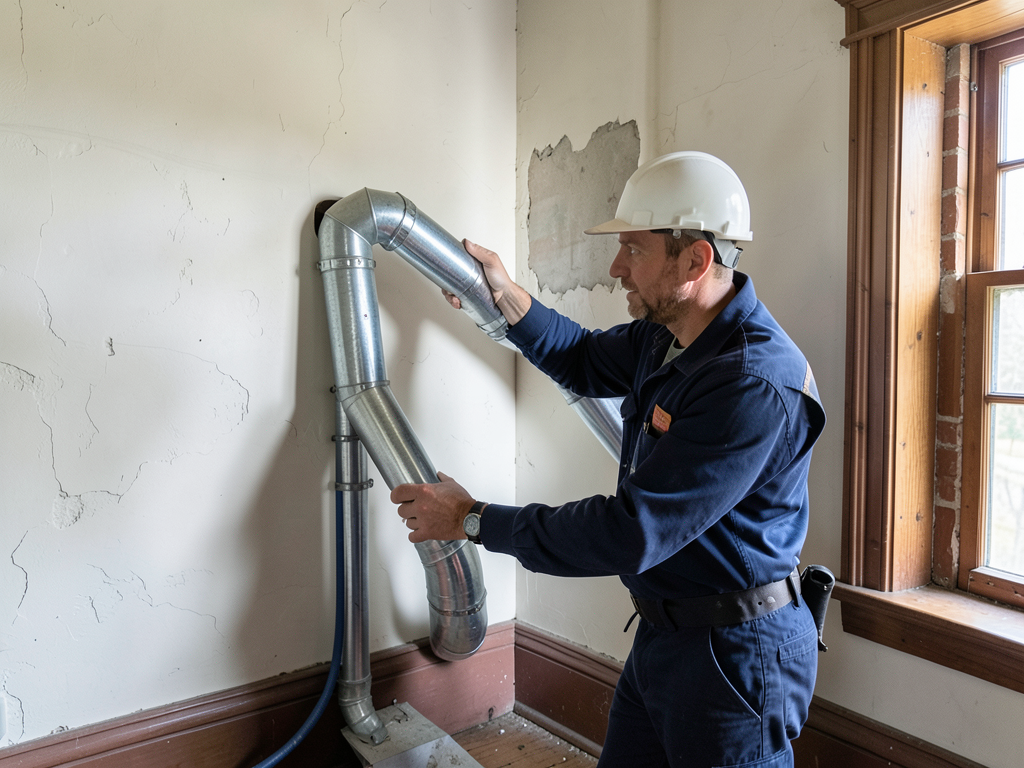
The Best HVAC Companies for Historic Homes in the Houston Heights
Historic homes in the Houston Heights face unique HVAC challenges that require specialized expertise. The Victorian and Craftsman bungalows lining Heights Boulevard and 19th Street weren’t built with modern central air conditioning in mind, creating complex retrofitting scenarios that general HVAC contractors often mishandle.
The Heights’ humid subtropical climate, with summer heat indexes regularly exceeding 100°F, puts enormous strain on aging cooling systems in these century-old homes. Many properties in the 77007, 77008, and 77009 zip codes feature high ceilings, original plaster walls, and pier-and-beam foundations that complicate ductwork installation and airflow management.
Why Historic Heights Homes Need Specialized HVAC Expertise
Historic preservation guidelines in the Houston Heights Historic District limit exterior modifications, making conventional HVAC installations problematic. Contractors must work within strict architectural constraints while ensuring modern comfort standards are met.
The area’s clay soil composition causes foundation movement that can stress HVAC components over time. Pier-and-beam foundations common in Heights homes create crawl spaces where ductwork must be carefully sealed against Houston’s aggressive humidity, which averages 75% annually.
Older electrical systems in these homes often cannot support modern HVAC equipment without upgrades. Many Victorian-era homes still have knob-and-tube wiring that poses safety hazards when installing high-efficiency systems.
Key HVAC Challenges in Historic Heights Properties
High ceilings common in historic Heights homes create stratification issues where cool air settles below while upper levels remain uncomfortably warm. This requires specialized zoning systems and strategic vent placement that general contractors often overlook.
Original windows and doors in these homes frequently leak air, forcing HVAC systems to work harder and reducing overall efficiency. Retrofitting modern insulation without damaging historic plaster presents another technical challenge.
The Texas Department of Licensing and Regulation (TDLR) requires specific licensing for HVAC work in historic districts, including knowledge of preservation guidelines and proper permitting procedures. Texas Department of Licensing and Regulation.
Essential HVAC Services for Historic Heights Homes
Professional HVAC companies serving the Heights must offer specialized services including historic home retrofitting, where existing systems are upgraded without compromising architectural integrity. This includes mini-split installations that minimize wall penetrations and high-velocity systems that use smaller ducts.
Humidity control becomes critical in these older homes where moisture can damage original woodwork and plaster. Modern dehumidification systems must be carefully integrated to maintain the 45-55% relative humidity range recommended for historic preservation.
Emergency repair services are particularly important in the Heights where system failures can damage irreplaceable architectural features. Quick response times prevent secondary damage to historic materials.. Read more about Commercial HVAC Repair for Businesses in Downtown Houston.
What Makes a Great HVAC Company for Historic Homes
Experience with local building codes and historic district regulations is non-negotiable. Companies must understand the specific requirements of the Houston Heights Historic District and similar preservation areas.
Proper insurance coverage becomes critical when working on historic properties where mistakes can cause extensive damage. Liability coverage should specifically address historic home restoration scenarios.
Technical expertise in both modern HVAC systems and historic construction methods ensures solutions that respect original architecture while providing modern comfort.
Common HVAC Problems in Historic Heights Homes
Insufficient cooling capacity often results from improperly sized systems installed by contractors unfamiliar with the unique thermal characteristics of historic homes. High ceilings and large window areas require careful load calculations.
Duct leakage in pier-and-beam foundations allows humid crawl space air to contaminate conditioned air, creating mold and efficiency problems. Proper sealing techniques are essential but often overlooked.
Outdated thermostats and controls cannot effectively manage the complex airflow patterns in historic homes with their varied room configurations and ceiling heights.
Modern Solutions for Historic Home Comfort
High-velocity HVAC systems offer excellent solutions for historic homes because they use small, flexible ducts that can be routed through existing wall cavities with minimal damage to historic plaster.
Geothermal heat pumps provide efficient heating and cooling while eliminating the need for exterior equipment that might violate historic preservation guidelines. These systems work particularly well with the Heights’ clay soil conditions.
Smart zoning systems allow different areas of historic homes to be conditioned independently, addressing the unique thermal characteristics of each room based on its orientation, ceiling height, and window configuration.
Energy Efficiency in Historic Homes
Modern HVAC systems must meet SEER2 efficiency standards while working within the constraints of historic construction. This requires careful equipment selection and installation techniques that maximize efficiency without compromising historic features.
Proper insulation in historic homes requires specialized knowledge to avoid moisture problems that can damage original materials. Spray foam insulation must be used cautiously in these applications.
Air sealing techniques that preserve historic materials while improving energy efficiency require specialized training and experience with historic construction methods. Energy efficiency standards.
Choosing the Right HVAC Contractor
Look for contractors with specific experience in historic home HVAC work, not just general residential experience. Ask for examples of similar projects in the Heights or other historic districts.
Verify proper licensing through the Texas Department of Licensing and Regulation and check for NATE certification, which indicates technical expertise in modern HVAC systems.
Request references from other historic home owners in the Heights and verify their satisfaction with both the technical work and the preservation-sensitive approach.
Cost Considerations for Historic Home HVAC
Historic home HVAC projects typically cost 30-50% more than conventional installations due to the specialized expertise required and the careful preservation work needed.
Energy savings from properly designed systems can offset much of the premium cost over time, especially given Houston’s long cooling season and high humidity levels.
Available tax credits and historic preservation incentives can help offset costs for qualifying improvements that meet specific energy efficiency and preservation standards.
Maintenance Requirements for Historic Home Systems
Historic home HVAC systems require more frequent maintenance due to the challenging environmental conditions and the age of many components. Annual maintenance contracts are often essential.
Humidity control systems need regular calibration to maintain the optimal range for both comfort and historic material preservation.
Air filter changes become more critical in historic homes where original construction materials may be more susceptible to moisture damage from poor indoor air quality.. Read more about Why Indoor Air Quality Matters for Families in Garden Oaks.
Emergency Services for Historic Homes
24/7 emergency service becomes crucial for historic home owners who cannot tolerate extended periods without climate control due to the risk of damage to historic materials.
Quick response times prevent secondary damage from humidity and temperature fluctuations that can affect original plaster, woodwork, and other irreplaceable materials.
Emergency services should include temporary solutions that protect historic features while permanent repairs are being arranged.
Future-Proofing Historic Home HVAC
Planning for future upgrades and changes in technology helps avoid costly rework. Systems should be designed with expansion capability and easy access for future modifications.
Integration with smart home technology should be considered during initial installation to avoid retrofitting challenges later.
Energy efficiency improvements should be planned as part of a comprehensive strategy rather than piecemeal upgrades that may conflict with each other.
Local Resources and Support
The Houston Heights Association provides guidance on preservation guidelines and can recommend contractors with specific historic home experience.
Local building departments understand the unique requirements of historic home HVAC work and can provide guidance on permitting and code compliance.
Historic preservation organizations often offer workshops and resources for homeowners considering HVAC upgrades to their historic properties.. Read more about Why Cypress Homeowners are Switching to Ductless Mini-Splits.
Making the Right Choice
Selecting the right HVAC company for a historic Heights home requires balancing technical expertise with preservation sensitivity. The best contractors understand both modern HVAC technology and historic construction methods.
Don’t let price be the only deciding factor. The cheapest option often becomes the most expensive when mistakes damage irreplaceable historic features or require costly rework.
Take time to interview multiple contractors and ask specific questions about their experience with similar projects in the Heights or other historic districts.
Frequently Asked Questions
How much does HVAC installation cost for a historic Heights home?
Historic home HVAC installations typically cost 30-50% more than conventional homes due to specialized requirements and preservation work. Most projects range from $15,000 to $30,000 depending on home size and system complexity.
Can I install central air in my historic Heights home?
Yes, but it requires specialized expertise to work within historic preservation guidelines. High-velocity systems and mini-splits are popular options that minimize impact on original architecture while providing modern comfort.
How long does HVAC installation take in a historic home?
Historic home HVAC installations typically take 3-5 days for straightforward projects and up to 2 weeks for complex retrofits involving multiple systems or significant preservation work.
Do I need special permits for HVAC work in the Heights?
Yes, historic district work requires specific permits from the City of Houston and approval from historic preservation boards. Your contractor should handle all permitting requirements.
What’s the best HVAC system for a historic Heights home?
High-velocity systems and ductless mini-splits are often ideal for historic homes because they minimize structural impact. The best choice depends on your specific home’s layout and preservation requirements.
How can I improve HVAC efficiency in my historic home?
Start with proper system sizing, add smart zoning controls, improve insulation carefully, and install humidity control systems. Professional energy audits can identify specific improvement opportunities.
Should I replace or repair my historic home’s HVAC system?
If your system is over 15 years old or requires frequent repairs, replacement often makes more sense financially and can provide better comfort and efficiency. A professional assessment can help determine the best approach.
How do I find HVAC contractors experienced with historic homes?
Ask for specific examples of historic home projects, check references from other historic homeowners, verify licensing and insurance, and ensure they understand local preservation guidelines.
What maintenance does a historic home HVAC system need?
Historic home systems typically need bi-annual professional maintenance plus monthly filter changes. Humidity control systems require regular calibration to protect both comfort and historic materials.
Are there tax incentives for HVAC upgrades in historic homes?
Yes, federal and state historic preservation tax credits may be available for qualifying improvements. Energy efficiency incentives through Energy Star and utility programs can also help offset costs.
Ready to Upgrade Your Historic Heights Home’s HVAC?
Call (281) 552-7766 today to schedule a consultation with our historic home HVAC specialists. We understand the unique challenges of Victorian and Craftsman bungalows in the Houston Heights and can design systems that provide modern comfort while preserving your home’s historic character.
Don’t wait until your old system fails during a Houston heat wave. Our team has extensive experience with the specific requirements of 77007, 77008, and 77009 zip codes and can help you navigate the permitting process while ensuring your home stays comfortable year-round.
Pick up the phone and call (281) 552-7766 before the next summer storm hits. Your historic Heights home deserves HVAC expertise that respects its architectural heritage while providing the comfort you expect in 2026.