
Why Indoor Air Quality Matters for Families in Garden Oaks
Garden Oaks families face unique air quality challenges in Houston’s humid climate. With older homes built before modern ventilation standards and surrounded by mature trees that trap allergens, your indoor air could harbor mold spores, dust mites, and volatile organic compounds that trigger allergies and respiratory issues. Our comprehensive IAQ testing identifies these hidden threats and provides targeted solutions to create a healthier home environment for your family.
Garden Oaks Air Quality: Local Challenges You Can’t Ignore
Garden Oaks’ mature tree canopy and proximity to White Oak Bayou create a perfect storm for indoor air quality issues. The neighborhood’s mix of 1950s ranch homes and newer constructions means varying levels of air sealing and ventilation. Many Garden Oaks homes have crawl spaces or pier-and-beam foundations that trap moisture, creating ideal conditions for mold growth. The area’s clay soil, which expands and contracts with Houston’s rainfall patterns, can cause foundation shifts that create gaps in your home’s envelope, allowing outdoor pollutants to enter.
Common Indoor Air Pollutants in Houston Homes
Houston’s climate creates specific air quality challenges that Garden Oaks residents experience daily. High humidity levels above 70% promote dust mite populations and mold growth. The city’s urban heat island effect traps pollutants, while seasonal pollen from oak trees and ragweed affects sensitive family members. Common indoor pollutants include:
- Particulate matter from vehicle exhaust on nearby Loop 610
- Volatile organic compounds from pressed wood furniture and paint
- Radon gas, which can accumulate in poorly ventilated homes
- Carbon monoxide from gas appliances and attached garages
- Pollen and mold spores that enter through open windows
Health Impacts on Garden Oaks Families
Indoor air quality directly affects your family’s health, especially for children, elderly residents, and those with respiratory conditions. Poor IAQ can cause:
- Increased asthma attacks and allergy symptoms
- Chronic headaches and fatigue
- Irritated eyes, nose, and throat
- Worsening of existing respiratory conditions
- Sleep disturbances from poor air circulation
Garden Oaks’ older homes, particularly those built before 1980, may contain materials that release harmful particles over time. The neighborhood’s tree-lined streets, while beautiful, trap pollen and create microclimates where moisture lingers longer than in more open areas.
Professional IAQ Testing Process
Our comprehensive indoor air quality assessment follows EPA guidelines and uses calibrated equipment to measure specific pollutants. The testing process includes: EPA Indoor Air Quality.
- Initial Assessment
We evaluate your home’s construction, age, and known problem areas. Garden Oaks homes often have unique ventilation challenges due to their architectural styles.
- Air Sampling
Using laser particle counters and calibrated sensors, we measure particulate matter, VOCs, humidity levels, and temperature variations throughout your home.
- Mold and Allergen Testing
Surface and air samples are collected to identify specific mold species and allergen levels. Houston’s climate means certain mold types are more prevalent here.
- Gas Detection
We test for carbon monoxide, radon, and other potentially harmful gases that may be present in your home.
- Detailed Analysis
Lab results are compared against EPA and ASHRAE standards to determine if your air quality falls within healthy ranges. ASHRAE Standards.
Signs Your Garden Oaks Home Needs IAQ Testing
Certain symptoms indicate it’s time to test your indoor air quality. If you notice any of these signs in your Garden Oaks home, professional testing can identify the root cause:
- Persistent musty odors that don’t go away with cleaning
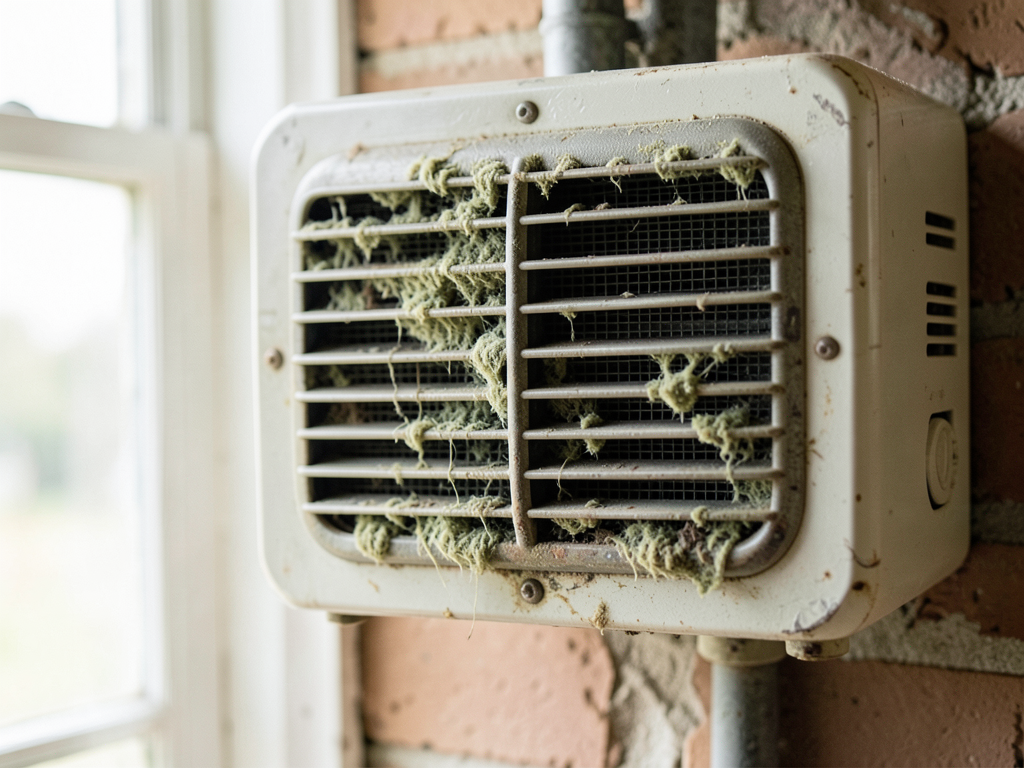
- Excessive dust accumulation on furniture and HVAC vents
- Family members experiencing unexplained allergy symptoms year-round
- Condensation on windows during Houston’s humid months
- Visible mold growth in bathrooms, basements, or around windows
- Recent water damage from Houston’s frequent storms
Garden Oaks-Specific IAQ Solutions
Based on your test results, we recommend targeted solutions that address Garden Oaks’ specific challenges. Common solutions include:
| Problem | Solution | Benefit |
|---|---|---|
| High humidity levels | Whole-home dehumidifier | Reduces mold growth and dust mites |
| Poor ventilation | Energy recovery ventilator | Brings in fresh air without losing energy |
| Airborne particles | HEPA filtration system | Removes 99.97% of particles 0.3 microns or larger |
| Microbial growth | UV germicidal lights | Kills bacteria and mold on HVAC coils |
| Gas emissions | Carbon monoxide detectors | Provides early warning of dangerous gas levels |
Local Building Code Considerations
Garden Oaks homes must comply with Houston’s building codes, which have evolved significantly over the decades. The International Residential Code (IRC) now requires mechanical ventilation in new construction, but many Garden Oaks homes predate these requirements. The EPA’s Indoor airPLUS program provides guidelines for improving IAQ in existing homes, focusing on proper moisture control and ventilation strategies that work well with Houston’s climate.
Maintenance for Better Indoor Air Quality
Regular maintenance prevents many IAQ problems before they start. For Garden Oaks homes, we recommend:
- Changing HVAC filters every 30-60 days during peak usage
- Scheduling annual HVAC maintenance to clean coils and check for moisture issues
- Using exhaust fans in bathrooms and kitchens to remove moisture and pollutants
- Keeping humidity levels between 30-50% using dehumidifiers when needed
- Sealing air leaks around windows and doors to prevent outdoor pollutants from entering
Cost Factors for IAQ Testing in Garden Oaks
Indoor air quality testing costs vary based on your home’s size, age, and specific concerns. Garden Oaks homes typically range from 1,500 to 3,500 square feet, with older homes often requiring more comprehensive testing due to potential hidden issues. Factors affecting cost include:
- Number of samples needed for accurate assessment
- Lab analysis fees for mold and allergen identification
- Specialized equipment requirements for gas detection
- Follow-up testing to verify solution effectiveness
Why Choose Local IAQ Experts
Garden Oaks’ unique combination of mature trees, older home construction, and Houston’s climate requires local expertise. We understand how the neighborhood’s specific conditions affect indoor air quality and can recommend solutions that work with your home’s architecture rather than against it. Our technicians are familiar with common issues in Garden Oaks homes and can identify problems that out-of-town companies might miss.
Frequently Asked Questions
How long does IAQ testing take in a Garden Oaks home?
Most comprehensive IAQ tests take 2-4 hours, depending on your home’s size and the number of samples needed. We’ll provide a detailed timeline during your consultation.
Can I test my indoor air quality myself?
While DIY test kits exist, they often provide incomplete results and can miss critical issues. Professional testing uses calibrated equipment and follows EPA protocols to ensure accurate, reliable results.
How often should I test my indoor air quality?
We recommend testing every 2-3 years for most homes, or immediately if you notice symptoms like persistent allergies, musty odors, or after major home renovations or water damage.
Will IAQ testing disrupt my family’s routine?
Our testing process is minimally invasive. We work efficiently to complete testing with minimal disruption to your daily activities.
Take Action for Your Family’s Health
Your family deserves clean, healthy air. Garden Oaks’ unique climate and home construction create specific challenges that require professional attention. Don’t wait until allergy symptoms worsen or mold problems become visible. Call (281) 552-7766 today to schedule your comprehensive indoor air quality assessment. Our local experts will identify hidden threats and recommend solutions tailored to your Garden Oaks home’s specific needs. Why Your Memorial Home Needs a High-Efficiency AC Unit Right Now.
Emergency IAQ Concerns
If you’re experiencing severe symptoms like difficulty breathing, persistent headaches, or visible mold growth, call us immediately at (281) 552-7766. Some air quality issues require urgent attention to protect your family’s health. We offer same-day assessments for critical situations and can provide temporary solutions while we develop a comprehensive plan for your home.

[IMAGE_PLACEHOLDER_3>
{
“@context”: “https://schema.org”,
“@type”: “BlogPosting”,
“headline”: “Why Indoor Air Quality Matters for Families in Garden Oaks”,
“description”: “Houston families in Garden Oaks face unique air quality challenges due to humidity, allergens, and aging homes. Learn how IAQ testing protects your family’s health.”,
“wordCount”: 1246,
“datePublished”: “2026-03-05T09:56:00.000Z”,
“dateModified”: “2026-03-05T09:56:00.000Z”,
“inLanguage”: “en-US”,
“mainEntityOfPage”: {
“@type”: “WebPage”,
“@id”: “https://titanhvachouston.com”
},
“publisher”: {
“@type”: “LocalBusiness”,
“name”: “Titan HVAC Houston”,
“url”: “https://titanhvachouston.com”
},
“author”: {
“@type”: “Organization”,
“name”: “Titan HVAC Houston”,
“url”: “https://titanhvachouston.com”
},
“image”: {
“@type”: “ImageObject”,
“url”: “https://titanhvachouston.com/wp-content/uploads/2026/03/why-indoor-air-quality-matters-for-families-in-gar-1.png”
}
}
{
“@context”: “https://schema.org”,
“@type”: “HVACBusiness”,
“name”: “Titan HVAC Houston”,
“url”: “https://titanhvachouston.com”,
“address”: {
“@type”: “PostalAddress”,
“addressLocality”: “Houston”
},
“areaServed”: {
“@type”: “City”,
“name”: “Houston”
}
}
{
“@context”: “https://schema.org”,
“@type”: “FAQPage”,
“mainEntity”: [
{
“@type”: “Question”,
“name”: “How long does IAQ testing take in a Garden Oaks home?”,
“acceptedAnswer”: {
“@type”: “Answer”,
“text”: “Most comprehensive IAQ tests take 2-4 hours, depending on your home’s size and the number of samples needed. We’ll provide a detailed timeline during your consultation.”
}
},
{
“@type”: “Question”,
“name”: “Can I test my indoor air quality myself?”,
“acceptedAnswer”: {
“@type”: “Answer”,
“text”: “While DIY test kits exist, they often provide incomplete results and can miss critical issues. Professional testing uses calibrated equipment and follows EPA protocols to ensure accurate, reliable results.”
}
},
{
“@type”: “Question”,
“name”: “How often should I test my indoor air quality?”,
“acceptedAnswer”: {
“@type”: “Answer”,
“text”: “We recommend testing every 2-3 years for most homes, or immediately if you notice symptoms like persistent allergies, musty odors, or after major home renovations or water damage.”
}
},
{
“@type”: “Question”,
“name”: “Will IAQ testing disrupt my family’s routine?”,
“acceptedAnswer”: {
“@type”: “Answer”,
“text”: “Our testing process is minimally invasive. We work efficiently to complete testing with minimal disruption to your daily activities.”
}
}
]
}
{
“@context”: “https://schema.org”,
“@type”: “HowTo”,
“name”: “Professional IAQ Testing Process”,
“step”: [
{
“@type”: “HowToStep”,
“position”: 1,
“name”: “Initial Assessment”,
“text”: “We evaluate your home’s construction, age, and known problem areas. Garden Oaks homes often have unique ventilation challenges due to their architectural styles.”
},
{
“@type”: “HowToStep”,
“position”: 2,
“name”: “Air Sampling”,
“text”: “Using laser particle counters and calibrated sensors, we measure particulate matter, VOCs, humidity levels, and temperature variations throughout your home.”
},
{
“@type”: “HowToStep”,
“position”: 3,
“name”: “Mold and Allergen Testing”,
“text”: “Surface and air samples are collected to identify specific mold species and allergen levels. Houston’s climate means certain mold types are more prevalent here.”
},
{
“@type”: “HowToStep”,
“position”: 4,
“name”: “Gas Detection”,
“text”: “We test for carbon monoxide, radon, and other potentially harmful gases that may be present in your home.”
},
{
“@type”: “HowToStep”,
“position”: 5,
“name”: “Detailed Analysis”,
“text”: “Lab results are compared against EPA and ASHRAE standards to determine if your air quality falls within healthy ranges. ASHRAE Standards.”
}
],
“image”: “https://titanhvachouston.com/wp-content/uploads/2026/03/why-indoor-air-quality-matters-for-families-in-gar-1.png”
}
{
“@context”: “https://schema.org”,
“@type”: “BreadcrumbList”,
“itemListElement”: [
{
“@type”: “ListItem”,
“position”: 1,
“name”: “Home”,
“item”: “https://titanhvachouston.com”
},
{
“@type”: “ListItem”,
“position”: 2,
“name”: “Blog”,
“item”: “https://titanhvachouston.com/blog”
},
{
“@type”: “ListItem”,
“position”: 3,
“name”: “Why Indoor Air Quality Matters for Families in Garden Oaks”
}
]
}
{
“@context”: “https://schema.org”,
“@type”: “Service”,
“serviceType”: “HVAC”,
“provider”: {
“@type”: “LocalBusiness”,
“name”: “Titan HVAC Houston”,
“url”: “https://titanhvachouston.com”
},
“areaServed”: {
“@type”: “City”,
“name”: “Houston”
},
“description”: “Houston families in Garden Oaks face unique air quality challenges due to humidity, allergens, and aging homes. Learn how IAQ testing protects your family’s health.”
}