
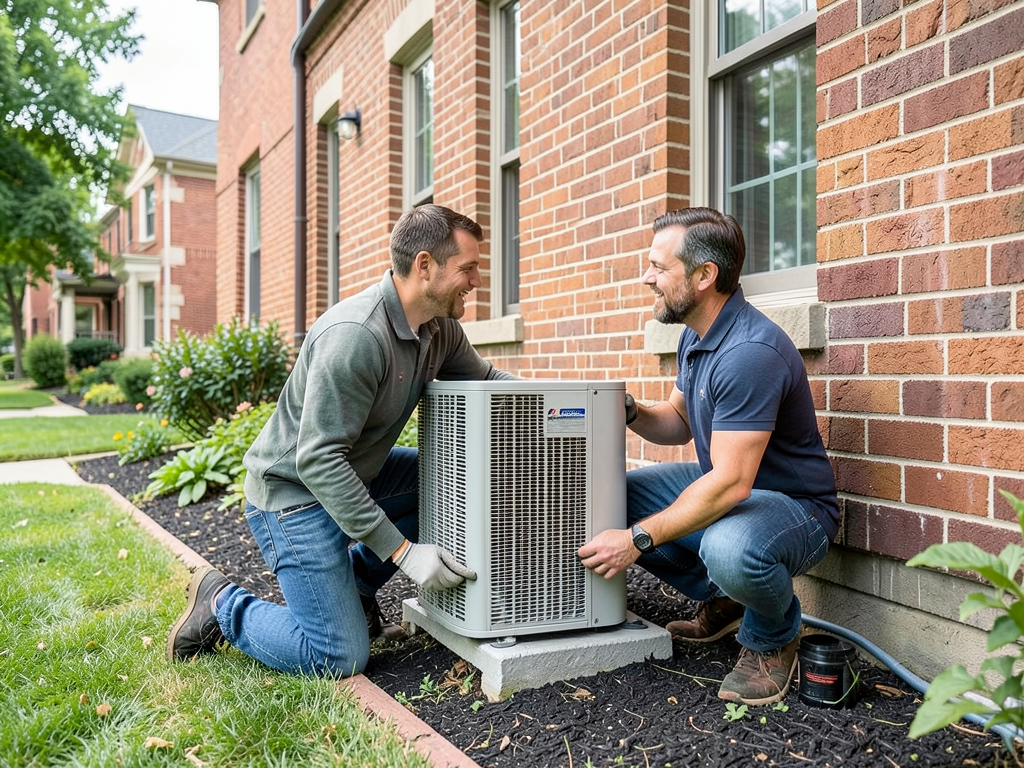
The Best Ultra-Quiet AC Units for Peace and Quiet in the Museum District
Living in Houston’s Museum District means enjoying world-class art, tree-lined streets, and historic architecture. But it also means dealing with Houston’s notorious heat and humidity. When your air conditioner kicks on, the last thing you want is a noisy disruption to your home’s tranquility or a disturbance to your neighbors in these close-knit historic districts.
The good news is that modern HVAC technology has made dramatic strides in reducing outdoor unit noise. Today’s ultra-quiet air conditioners operate at sound levels comparable to a gentle rainfall or quiet conversation, making them perfect for the Museum District’s older homes where outdoor units sit just feet from bedroom windows or your neighbor’s porch.
Understanding decibel ratings and sound-dampening features will help you choose the right system for your home. A standard AC unit typically operates between 70-80 decibels, while ultra-quiet models can run as low as 50-60 decibels. To put that in perspective, 60 dB is about the sound level of a normal conversation, while 70 dB is similar to a vacuum cleaner running across the room.
How Ultra-Quiet AC Technology Works
Ultra-quiet air conditioners achieve their whisper-quiet operation through several key technologies working together. The heart of the system is the variable-speed compressor, which adjusts its output to match your home’s cooling needs rather than cycling on and off at full power. Why Your Memorial Home Needs a High-Efficiency AC Unit Right Now.
When your home needs minimal cooling, the compressor runs at a lower speed, dramatically reducing noise and energy consumption. This is particularly beneficial in Houston’s humid climate, where your AC needs to run frequently to remove moisture from the air.. Read more about Is a Variable Speed AC Worth the Extra Cost for Your Oak Forest Home?.
Sound-dampening materials play a crucial role in noise reduction. High-end units feature insulated compressor compartments, vibration-absorbing mounts, and specially designed fan blades that minimize air turbulence. Some manufacturers even include sound blankets or compressor wraps that further reduce operational noise.
Advanced fan technology also contributes to quieter operation. Variable-speed fans can adjust their rotation speed based on cooling demand, while aerodynamic blade designs reduce the whooshing sound typical of older units. The fan motors themselves are often brushless DC motors that operate more smoothly and quietly than traditional AC motors.
Top Ultra-Quiet AC Models for Museum District Homes
Choosing the right ultra-quiet AC unit depends on your home’s size, layout, and specific noise concerns. Here are the top performers that consistently receive praise for their quiet operation in Houston’s climate.
| Brand & Model | Decibel Rating (dB) | SEER2 Rating | Key Quiet Features |
|---|---|---|---|
| Lennox XC25 | 59 dB | 26 | Variable-capacity compressor, sound-dampening insulation |
| Carrier Infinity 19VS | 62 dB | 24.5 | Silencer System II, variable-speed operation |
| Trane XV20i | 64 dB | 22 | ComfortLink II, sound insulator, variable-speed compressor |
| Rheem Prestige Series | 65 dB | 20 | EcoNet technology, sound-dampened compressor |
| Daikin Fit | 58 dB | 21 | Side-discharge design, inverter technology |
The Lennox XC25 consistently ranks as one of the quietest air conditioners available, operating at just 59 decibels even at full capacity. Its variable-capacity compressor can adjust in 1% increments, allowing it to run at minimal capacity when cooling demands are low. This translates to both exceptional quiet operation and outstanding energy efficiency.
Carrier’s Infinity 19VS features their proprietary Silencer System II, which includes a compressor sound shield and advanced fan blade design. The system operates so quietly that you might not even notice when it cycles on, making it ideal for bedroom installations or homes with outdoor living spaces. What a New AC Installation Actually Costs in The Woodlands.
Trane’s XV20i combines variable-speed technology with their patented sound insulator to achieve whisper-quiet operation. The unit’s ComfortLink II technology also allows for remote monitoring and diagnostics, helping ensure optimal performance and noise levels throughout its lifespan.
Museum District-Specific Installation Considerations
Installing an ultra-quiet AC unit in the Museum District requires special attention to local factors that can affect both performance and noise levels. The district’s historic homes, many built in the early 1900s, present unique challenges for modern HVAC installations.. Read more about The Unique Challenges of Maintaining HVAC Systems in EaDo Lofts and Condos.
Many Museum District homes feature narrow lots with minimal setback from property lines. This means your outdoor unit may be closer to your neighbor’s windows than in newer suburban developments. Ultra-quiet models are particularly valuable in these situations, as they help maintain good relationships with neighbors while still providing reliable cooling.
The district’s mature trees and landscaping can also impact AC performance. While shade helps reduce cooling loads, falling leaves and debris can affect outdoor unit efficiency. Regular maintenance becomes even more critical in these tree-lined neighborhoods to ensure your system continues operating quietly and efficiently.
Local building codes in historic districts often require specific installation practices to preserve architectural integrity. This might include elevated platforms for outdoor units, specific setback requirements, or limitations on where equipment can be placed. Working with a contractor familiar with Museum District regulations ensures your installation meets all requirements while maximizing quiet operation.
Humidity control is another crucial factor in the Museum District. Houston’s high humidity means your AC needs to run longer cycles to remove moisture from the air. Ultra-quiet units excel here because they can run at lower speeds for extended periods without the noise disruption of traditional cycling systems.
Installation Best Practices for Maximum Quiet
Even the quietest AC unit can become noisy if not installed properly. Several installation practices can help maximize the quiet benefits of your new system.
Proper mounting is essential for vibration control. Your outdoor unit should sit on a solid, level pad with vibration-absorbing feet or mounts. In the Museum District, where many homes have pier-and-beam foundations, ensuring your unit is properly isolated from the structure prevents vibration transfer into your home.
Strategic placement can significantly reduce perceived noise. Positioning your outdoor unit away from bedroom windows, outdoor living spaces, or your neighbor’s property line helps minimize noise impact. In tight Museum District lots, even a few feet of careful placement can make a noticeable difference.
Sound barriers can provide additional noise reduction when optimal placement isn’t possible. Decorative walls, dense landscaping, or even specialized acoustic barriers can help deflect and absorb sound before it reaches living spaces or neighboring properties.
Proper refrigerant line insulation prevents vibration transfer through copper lines. When refrigerant lines run through walls or under floors, inadequate insulation can allow compressor vibrations to travel throughout your home. Professional installation includes proper line insulation to maintain quiet operation.
Regular maintenance ensures your system continues operating at its quietest. Dirty coils, loose components, or worn bearings can all increase operational noise over time. Annual professional maintenance helps identify and address these issues before they become noticeable problems.
Cost Considerations for Ultra-Quiet Systems
Ultra-quiet AC units typically cost 15-25% more than standard efficiency models, but the premium often pays for itself through energy savings and improved comfort. The exact cost depends on your home’s size, the specific model chosen, and installation complexity.
Energy efficiency ratings also factor into long-term costs. Higher SEER2 ratings mean lower monthly utility bills, with ultra-quiet models often achieving ratings of 20 or higher. In Houston’s long cooling season, these efficiency gains can offset the initial price premium within a few years.
Installation costs vary based on your home’s existing infrastructure. Homes with older ductwork or electrical systems may require upgrades to support new ultra-efficient units. In the Museum District, where many homes have original ductwork, this can add to the overall project cost.
Many utility companies offer rebates for high-efficiency HVAC installations, which can help offset the premium cost of ultra-quiet models. Check with CenterPoint Energy and local utility providers about current rebate programs for energy-efficient air conditioning systems.
Financing options make ultra-quiet systems more accessible. Many HVAC contractors offer monthly payment plans that can make the higher upfront cost more manageable while still providing the benefits of quiet, efficient operation.
Maintenance Tips for Quiet Operation
Maintaining your ultra-quiet AC system ensures it continues operating at peak efficiency and minimal noise levels. Several simple maintenance tasks can help preserve your investment.
Regular filter changes are crucial for quiet operation. Dirty filters restrict airflow, forcing your system to work harder and potentially increasing noise levels. Replace filters every 1-3 months depending on your home’s dust levels and whether you have pets.
Keep the outdoor unit clear of debris. Houston’s humidity and tree cover mean outdoor units can accumulate leaves, grass clippings, and other debris quickly. Regular cleaning prevents airflow restrictions that can cause noise and reduce efficiency.
Check for loose components annually. Vibration from normal operation can loosen mounting bolts, fan blades, or other components over time. A quick visual inspection can identify potential issues before they become noisy problems.
Professional maintenance should be scheduled annually. A qualified technician can check refrigerant levels, inspect electrical connections, clean coils, and identify any developing issues that might affect noise levels or efficiency.
Monitor your system’s operation. If you notice changes in noise levels, unusual sounds, or reduced cooling performance, contact a professional promptly. Early intervention often prevents minor issues from becoming major problems.
Frequently Asked Questions
What decibel level is considered quiet for an air conditioner?
Air conditioners below 65 decibels are generally considered quiet. For comparison, 65 dB is similar to a normal conversation at 3-5 feet away. Ultra-quiet models operate between 50-60 dB, which is comparable to gentle rainfall or a quiet library.
Will an ultra-quiet AC save me money on energy bills?
Yes, ultra-quiet AC units often achieve higher SEER2 ratings, typically 20 or higher. In Houston’s long cooling season, this efficiency translates to significant energy savings. Many homeowners see 30-50% reductions in cooling costs compared to older, standard-efficiency units.. Read more about What Most Missouri City Homeowners Don’t Know About Their HVAC Manufacturer Warranty.
How long do ultra-quiet AC units last?
With proper maintenance, ultra-quiet AC units typically last 15-20 years. The variable-speed technology and sound-dampening features don’t significantly impact longevity compared to standard units. Regular professional maintenance is key to achieving maximum lifespan.
Can I install an ultra-quiet unit in my older Museum District home?
Yes, ultra-quiet units can be installed in older homes. However, some homes may require electrical or ductwork upgrades to support modern high-efficiency systems. A professional assessment can identify any necessary modifications for your specific home.
What maintenance do ultra-quiet units require?
Ultra-quiet units require the same basic maintenance as standard units: regular filter changes, outdoor unit cleaning, and annual professional maintenance. The sound-dampening features don’t require special care, though keeping the unit clean helps maintain quiet operation.
Ready for Peaceful, Efficient Cooling?
Living in Houston’s Museum District deserves the best in comfort and quiet operation. Ultra-quiet AC units provide whisper-quiet cooling while delivering exceptional energy efficiency and humidity control. Whether you’re upgrading from an older system or installing AC in a historic home for the first time, the right ultra-quiet system can transform your home’s comfort level.
Don’t let noisy AC operation disrupt your Museum District lifestyle. Our experienced technicians understand the unique challenges of installing and maintaining ultra-quiet systems in Houston’s historic neighborhoods. We’ll help you choose the perfect system for your home’s size, layout, and specific noise concerns.
Call (281) 552-7766 today to schedule your free consultation and discover how quiet, efficient cooling can enhance your Museum District home. Your neighbors will thank you, and you’ll wonder how you ever lived without the peace and quiet of modern ultra-quiet air conditioning. For more information, visit U.S. Department of Energy air conditioning guide. For more information, visit EPA Energy Saver resources.
You may also find this helpful. Why Sizing Your New AC Correcting Matters for Large Custom Homes in Fulshear.
{
“@context”: “https://schema.org”,
“@type”: “BlogPosting”,
“headline”: “The Best Ultra-Quiet AC Units for Peace and Quiet in the Museum District”,
“description”: “Discover the quietest air conditioners for Houston’s Museum District homes. Learn decibel ratings, sound-dampening tech, and which models keep your home peaceful.”,
“wordCount”: 1893,
“datePublished”: “2026-03-14T13:31:00.000Z”,
“dateModified”: “2026-03-14T13:31:00.000Z”,
“inLanguage”: “en-US”,
“mainEntityOfPage”: {
“@type”: “WebPage”,
“@id”: “https://titanhvachouston.com”
},
“publisher”: {
“@type”: “LocalBusiness”,
“name”: “Titan HVAC Houston”,
“url”: “https://titanhvachouston.com”
},
“author”: {
“@type”: “Organization”,
“name”: “Titan HVAC Houston”,
“url”: “https://titanhvachouston.com”
},
“image”: {
“@type”: “ImageObject”,
“url”: “https://titanhvachouston.com/wp-content/uploads/2026/03/the-best-ultra-quiet-ac-units-for-peace-and-quiet-1.png”
}
}
{
“@context”: “https://schema.org”,
“@type”: “HVACBusiness”,
“name”: “Titan HVAC Houston”,
“url”: “https://titanhvachouston.com”,
“address”: {
“@type”: “PostalAddress”,
“addressLocality”: “Houston”
},
“areaServed”: {
“@type”: “City”,
“name”: “Houston”
}
}
{
“@context”: “https://schema.org”,
“@type”: “FAQPage”,
“mainEntity”: [
{
“@type”: “Question”,
“name”: “What decibel level is considered quiet for an air conditioner?”,
“acceptedAnswer”: {
“@type”: “Answer”,
“text”: “Air conditioners below 65 decibels are generally considered quiet. For comparison, 65 dB is similar to a normal conversation at 3-5 feet away. Ultra-quiet models operate between 50-60 dB, which is comparable to gentle rainfall or a quiet library.”
}
},
{
“@type”: “Question”,
“name”: “Will an ultra-quiet AC save me money on energy bills?”,
“acceptedAnswer”: {
“@type”: “Answer”,
“text”: “Yes, ultra-quiet AC units often achieve higher SEER2 ratings, typically 20 or higher. In Houston’s long cooling season, this efficiency translates to significant energy savings. Many homeowners see 30-50% reductions in cooling costs compared to older, standard-efficiency units.”
}
},
{
“@type”: “Question”,
“name”: “How long do ultra-quiet AC units last?”,
“acceptedAnswer”: {
“@type”: “Answer”,
“text”: “With proper maintenance, ultra-quiet AC units typically last 15-20 years. The variable-speed technology and sound-dampening features don’t significantly impact longevity compared to standard units. Regular professional maintenance is key to achieving maximum lifespan.”
}
},
{
“@type”: “Question”,
“name”: “Can I install an ultra-quiet unit in my older Museum District home?”,
“acceptedAnswer”: {
“@type”: “Answer”,
“text”: “Yes, ultra-quiet units can be installed in older homes. However, some homes may require electrical or ductwork upgrades to support modern high-efficiency systems. A professional assessment can identify any necessary modifications for your specific home.”
}
},
{
“@type”: “Question”,
“name”: “What maintenance do ultra-quiet units require?”,
“acceptedAnswer”: {
“@type”: “Answer”,
“text”: “Ultra-quiet units require the same basic maintenance as standard units: regular filter changes, outdoor unit cleaning, and annual professional maintenance. The sound-dampening features don’t require special care, though keeping the unit clean helps maintain quiet operation.”
}
},
{
“@type”: “Question”,
“name”: “Ready for Peaceful, Efficient Cooling?”,
“acceptedAnswer”: {
“@type”: “Answer”,
“text”: “Living in Houston’s Museum District deserves the best in comfort and quiet operation. Ultra-quiet AC units provide whisper-quiet cooling while delivering exceptional energy efficiency and humidity control. Whether you’re upgrading from an older system or installing AC in a historic home for the first time, the right ultra-quiet system can transform your home’s comfort level.”
}
}
]
}
{
“@context”: “https://schema.org”,
“@type”: “BreadcrumbList”,
“itemListElement”: [
{
“@type”: “ListItem”,
“position”: 1,
“name”: “Home”,
“item”: “https://titanhvachouston.com”
},
{
“@type”: “ListItem”,
“position”: 2,
“name”: “Blog”,
“item”: “https://titanhvachouston.com/blog”
},
{
“@type”: “ListItem”,
“position”: 3,
“name”: “The Best Ultra-Quiet AC Units for Peace and Quiet in the Museum District”
}
]
}
{
“@context”: “https://schema.org”,
“@type”: “Service”,
“serviceType”: “HVAC”,
“provider”: {
“@type”: “LocalBusiness”,
“name”: “Titan HVAC Houston”,
“url”: “https://titanhvachouston.com”
},
“areaServed”: {
“@type”: “City”,
“name”: “Houston”
},
“description”: “Discover the quietest air conditioners for Houston’s Museum District homes. Learn decibel ratings, sound-dampening tech, and which models keep your home peaceful.”
}