
Common AC Problems in Bridgeland and How to Fix Them
Living in Bridgeland means dealing with Houston’s brutal heat and humidity, which puts unique stress on your air conditioning system. The most common AC problems we see in Bridgeland homes stem from the area’s specific climate conditions, soil composition, and architectural styles. Understanding these issues can help you spot problems early and prevent costly breakdowns during the hottest months.
Why Bridgeland Homes Face Unique AC Challenges
Bridgeland’s master-planned community features homes built on expansive clay soils that shift with moisture changes. This movement can cause foundation settling that affects outdoor condenser units, leading to refrigerant line strain and electrical connection issues. The community’s mix of two-story homes and large ranch-style houses creates different airflow challenges that many homeowners don’t anticipate.
The area’s high humidity levels, often exceeding 80% during summer months, causes evaporator coils to work overtime. When coils become overwhelmed, they freeze up, reducing cooling efficiency and potentially damaging the compressor. This is particularly problematic in Bridgeland’s newer energy-efficient homes that are tightly sealed for better insulation.
Top Five AC Problems in Bridgeland Homes
1. Frozen Evaporator Coils
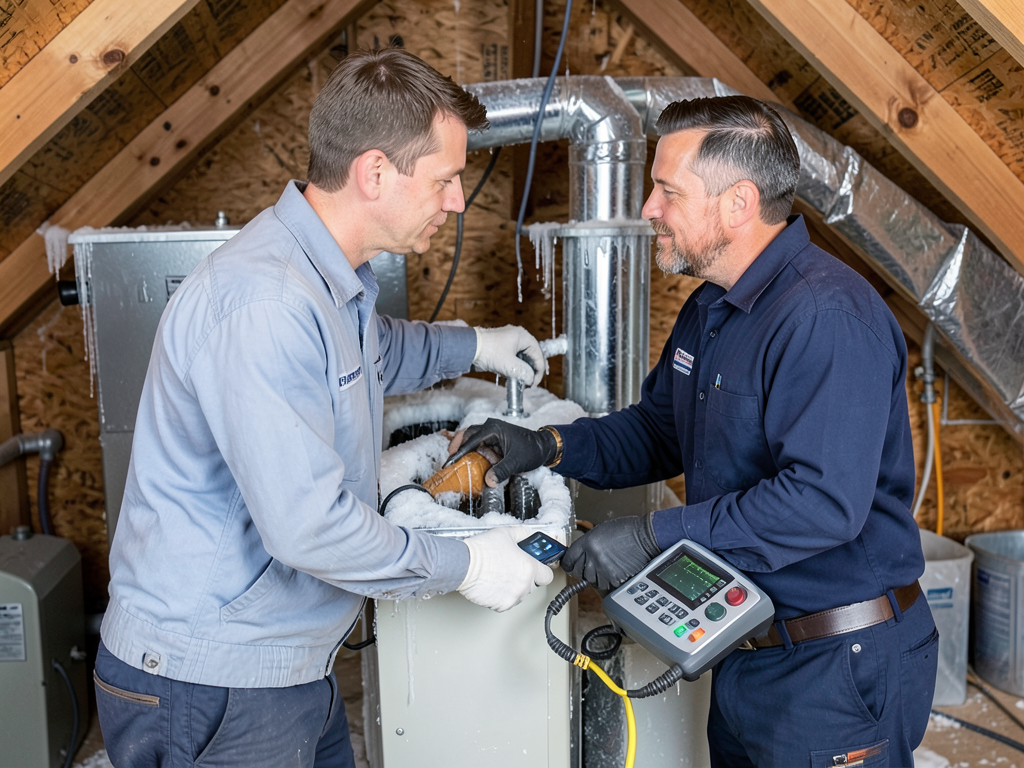
Evaporator coils freeze when airflow is restricted or refrigerant levels are low. In Bridgeland homes, we often find dirty air filters, blocked return vents, or undersized ductwork causing this issue. The coils develop a thick layer of ice that prevents heat exchange, causing your system to blow warm air or shut down completely.
Signs of frozen coils include ice visible on the indoor unit, reduced airflow from vents, and water pooling around the furnace when the ice melts. Running a system with frozen coils can destroy the compressor, leading to replacement costs of $2,000 to $4,000. Getting Your Furnace Ready for a Houston Cold Snap (Katy and West Houston).
2. Refrigerant Leaks
Refrigerant leaks are common in Bridgeland due to the area’s soil conditions and construction practices. The expansive clay soil causes minor foundation shifts that stress refrigerant lines running through walls and under slabs. Additionally, the high humidity accelerates corrosion on copper lines and connections.
Symptoms include hissing sounds from the outdoor unit, ice buildup on refrigerant lines, and the AC running constantly without cooling effectively. Low refrigerant levels force the compressor to work harder, potentially causing premature failure.
3. Drainage Problems
Houston’s humidity means your AC removes significant moisture from the air. In Bridgeland homes, we frequently find clogged condensate drain lines that cause water to back up into the system. The community’s newer homes often have complex drain configurations that can trap algae and debris.
Water backing up into the system can trigger safety switches that shut down your AC, or worse, cause water damage to your home. Look for water stains near the indoor unit or a musty smell indicating mold growth in the drain pan.
4. Electrical Component Failures
The combination of high heat and humidity in Bridgeland accelerates wear on capacitors, contactors, and other electrical components. These parts work harder during peak summer months when temperatures regularly exceed 95°F. Voltage fluctuations common in growing communities like Bridgeland also stress electrical systems.
Symptoms include the outdoor unit not starting, intermittent cooling, or the system shutting off unexpectedly. A failing capacitor might make a humming sound without the fan spinning, while a bad contactor can cause the outdoor unit to run continuously.
5. Thermostat Issues
Many Bridgeland homes have smart thermostats that struggle with Houston’s extreme temperature swings. Poor thermostat placement near windows, vents, or in direct sunlight can cause inaccurate readings. Additionally, Wi-Fi connectivity issues common in newer developments can prevent proper communication between the thermostat and HVAC system.
Symptoms include the AC running when it shouldn’t, not turning on when needed, or showing incorrect temperature readings. Sometimes the issue is simply dead batteries or a tripped breaker, but other times it requires professional diagnosis.
How to Diagnose AC Problems: The Technician’s Approach
Professional HVAC technicians follow a systematic diagnostic process that homeowners can understand. First, we check the thermostat to ensure it’s calling for cooling and set correctly. Next, we examine the outdoor unit for visible damage, debris, or ice buildup. We then check airflow at all vents and inspect the air filter.
The most critical diagnostic tool is the refrigerant gauge set. By measuring pressures in the system, we can determine if refrigerant levels are correct, if there’s a restriction in the lines, or if the compressor is failing. This test takes about 15 minutes but provides crucial information about system health.
We also use a clamp meter to check electrical amperage draw. Each component should draw specific amperage based on the manufacturer’s specifications. Higher than normal readings indicate failing components or electrical issues that could lead to system failure.
Quick Fixes vs. Professional Repairs
Some AC problems have simple solutions homeowners can handle safely. Replacing dirty air filters monthly during peak season can prevent many issues. Clearing debris from around the outdoor unit and ensuring at least two feet of clearance on all sides improves efficiency. Checking and resetting tripped breakers is another basic step.
However, refrigerant work requires EPA certification due to environmental regulations. Opening refrigerant lines without proper training releases harmful gases and can result in fines up to $37,500 per day. Electrical repairs involving capacitors or contactors also pose serious shock hazards even when power is off.
Professional repairs ensure work meets Texas Department of Licensing and Regulation standards and maintains manufacturer warranties. DIY repairs often void warranties and can cause more expensive damage if done incorrectly.
Preventing AC Problems in Bridgeland
Preventive maintenance is significantly cheaper than emergency repairs. A professional tune-up twice yearly costs $150 to $300 but can prevent $1,000 to $5,000 in repairs. During maintenance, technicians clean coils, check refrigerant levels, test electrical components, and identify potential issues before they cause system failure. Finding Emergency AC Repair in Sugar Land Without Getting Ripped Off.
Consider installing a whole-house surge protector to guard against voltage spikes that commonly occur during Houston’s storm season. These devices protect not just your AC but all major appliances from power surges that can damage sensitive electronic controls.
Upgrading to a high-efficiency system with a SEER2 rating of 16 or higher can reduce energy costs by 20-30% while providing better humidity control. Modern systems also have improved diagnostics that alert you to problems before they become emergencies.
When to Call for Emergency Service
Call for immediate service if your AC stops working entirely during extreme heat, makes loud banging or grinding noises, or if you smell burning from the system. These situations can indicate serious problems that may cause further damage if not addressed quickly.
Water leaking from the indoor unit onto floors or walls requires prompt attention to prevent structural damage and mold growth. Similarly, if the system runs constantly without reaching the set temperature, it’s wasting energy and may be on the verge of complete failure.
Most HVAC companies in Houston offer 24/7 emergency service with response times under two hours during peak season. Having a reliable contractor’s number saved in your phone prevents panic when problems arise. Emergency 24-Hour AC Service for Families in Katy.
Cost Considerations for AC Repairs
Repair costs vary significantly based on the problem’s complexity and the system’s age. Simple fixes like capacitor replacement might cost $150 to $300, while compressor replacement can run $1,500 to $2,500. Refrigerant leaks require leak detection ($200 to $500) plus repair and recharge costs.
Systems over 10 years old often cost more to repair than replace. New systems qualify for rebates up to $600 from utility companies and offer 15-20% energy savings immediately. Consider replacement if repair costs exceed 30% of a new system’s price.
Many HVAC companies offer financing options for both repairs and replacements, making it easier to address problems without delay. Prompt action prevents minor issues from becoming major expenses.
Choosing the Right HVAC Contractor
Look for contractors with proper licensing through the Texas Department of Licensing and Regulation. Verify they carry liability insurance and workers’ compensation. Check online reviews specifically mentioning Bridgeland or similar communities in northwest Houston.
Ask about warranty coverage on both parts and labor. Quality contractors offer at least one year on repairs and longer on new installations. They should provide written estimates and explain repair options without pressure. What a New AC Installation Actually Costs in The Woodlands.
Local contractors familiar with Bridgeland’s specific challenges understand the area’s soil conditions, building codes, and common failure patterns. They can often diagnose problems more quickly and provide more accurate repair timelines.
Frequently Asked Questions
How often should I replace my AC air filter?
Replace standard 1-inch filters every 30-45 days during peak cooling season. Higher efficiency filters may last 60-90 days but check them monthly. Homes with pets or allergies may need more frequent changes.
Why is my AC running but not cooling?
This usually indicates low refrigerant, dirty coils, or compressor problems. It could also be a thermostat issue or restricted airflow. Professional diagnosis is needed to identify the exact cause and prevent further damage.
How long should an AC system last in Houston?
With proper maintenance, expect 12-15 years from a quality system. Houston’s extreme conditions may reduce lifespan to 10-12 years for systems without regular professional maintenance.
Can I recharge my AC refrigerant myself?
No. Refrigerant work requires EPA certification and specialized equipment. DIY attempts can release harmful gases, damage your system, and result in significant fines. Always call a licensed professional.
What’s the best temperature setting for efficiency?
Set your thermostat to 78°F when home and 80-82°F when away. Each degree below 78°F increases energy costs by 3-5%. Programmable or smart thermostats optimize these settings automatically.
Take Action Before the Heat Hits
Don’t wait for your AC to fail during a heatwave. Schedule a professional inspection now to identify potential problems before they leave you without cooling. A simple $100 tune-up can prevent $1,000+ in emergency repairs and ensure your system handles Bridgeland’s extreme summer conditions. Emergency Boiler Repair.
Call (281) 552-7766 today to schedule your AC inspection. Our experienced technicians understand Bridgeland’s unique challenges and can keep your system running efficiently all summer long. Don’t risk your family’s comfort or face emergency repair costs when temperatures soar.
{
“@context”: “https://schema.org”,
“@type”: “BlogPosting”,
“headline”: “Common AC Problems in Bridgeland and How to Fix Them”,
“description”: “Discover the most frequent AC failures in Bridgeland homes and expert fixes from local Houston HVAC technicians. Learn to spot problems early and prevent costly breakdowns.”,
“wordCount”: 1705,
“datePublished”: “2026-03-03T07:05:00.000Z”,
“dateModified”: “2026-03-03T07:05:00.000Z”,
“inLanguage”: “en-US”,
“mainEntityOfPage”: {
“@type”: “WebPage”,
“@id”: “https://titanhvachouston.com”
},
“publisher”: {
“@type”: “LocalBusiness”,
“name”: “Titan HVAC Houston”,
“url”: “https://titanhvachouston.com”
},
“author”: {
“@type”: “Organization”,
“name”: “Titan HVAC Houston”,
“url”: “https://titanhvachouston.com”
},
“image”: {
“@type”: “ImageObject”,
“url”: “https://titanhvachouston.com/wp-content/uploads/2026/03/common-ac-problems-in-bridgeland-and-how-to-fix-th-1.png”
}
}
{
“@context”: “https://schema.org”,
“@type”: “HVACBusiness”,
“name”: “Titan HVAC Houston”,
“url”: “https://titanhvachouston.com”,
“address”: {
“@type”: “PostalAddress”,
“addressLocality”: “Houston”
},
“areaServed”: {
“@type”: “City”,
“name”: “Houston”
}
}
{
“@context”: “https://schema.org”,
“@type”: “FAQPage”,
“mainEntity”: [
{
“@type”: “Question”,
“name”: “How often should I replace my AC air filter?”,
“acceptedAnswer”: {
“@type”: “Answer”,
“text”: “Replace standard 1-inch filters every 30-45 days during peak cooling season. Higher efficiency filters may last 60-90 days but check them monthly. Homes with pets or allergies may need more frequent changes.”
}
},
{
“@type”: “Question”,
“name”: “Why is my AC running but not cooling?”,
“acceptedAnswer”: {
“@type”: “Answer”,
“text”: “This usually indicates low refrigerant, dirty coils, or compressor problems. It could also be a thermostat issue or restricted airflow. Professional diagnosis is needed to identify the exact cause and prevent further damage.”
}
},
{
“@type”: “Question”,
“name”: “How long should an AC system last in Houston?”,
“acceptedAnswer”: {
“@type”: “Answer”,
“text”: “With proper maintenance, expect 12-15 years from a quality system. Houston’s extreme conditions may reduce lifespan to 10-12 years for systems without regular professional maintenance.”
}
},
{
“@type”: “Question”,
“name”: “Can I recharge my AC refrigerant myself?”,
“acceptedAnswer”: {
“@type”: “Answer”,
“text”: “No. Refrigerant work requires EPA certification and specialized equipment. DIY attempts can release harmful gases, damage your system, and result in significant fines. Always call a licensed professional.”
}
},
{
“@type”: “Question”,
“name”: “What’s the best temperature setting for efficiency?”,
“acceptedAnswer”: {
“@type”: “Answer”,
“text”: “Set your thermostat to 78°F when home and 80-82°F when away. Each degree below 78°F increases energy costs by 3-5%. Programmable or smart thermostats optimize these settings automatically.”
}
}
]
}
{
“@context”: “https://schema.org”,
“@type”: “BreadcrumbList”,
“itemListElement”: [
{
“@type”: “ListItem”,
“position”: 1,
“name”: “Home”,
“item”: “https://titanhvachouston.com”
},
{
“@type”: “ListItem”,
“position”: 2,
“name”: “Blog”,
“item”: “https://titanhvachouston.com/blog”
},
{
“@type”: “ListItem”,
“position”: 3,
“name”: “Common AC Problems in Bridgeland and How to Fix Them”
}
]
}
{
“@context”: “https://schema.org”,
“@type”: “Service”,
“serviceType”: “HVAC”,
“provider”: {
“@type”: “LocalBusiness”,
“name”: “Titan HVAC Houston”,
“url”: “https://titanhvachouston.com”
},
“areaServed”: {
“@type”: “City”,
“name”: “Houston”
},
“description”: “Discover the most frequent AC failures in Bridgeland homes and expert fixes from local Houston HVAC technicians. Learn to spot problems early and prevent costly breakdowns.”
}