
Stopping Mold Growth Inside Your Air Handler Near the Humidity of Clear Lake
The combination of Clear Lake’s coastal location and Houston’s notorious humidity creates the perfect breeding ground for mold inside your air handler. With relative humidity often exceeding 80% and temperatures consistently above 90 degrees during summer months, your HVAC system becomes a constant battle zone between cooling efficiency and microbial growth. Mold doesn’t just smell bad – it releases spores that can trigger allergies, asthma attacks, and respiratory infections, especially dangerous for children and elderly residents.. Read more about Dealing with Coastal Salt Air Corrosion on Your Seabrook AC Unit.
Your air handler’s dark, damp interior provides ideal conditions for mold colonies to establish themselves within 24-48 hours of moisture exposure. The evaporator coils, condensate drain pan, and air ducts all become potential hotspots where mold can thrive unnoticed until you detect that characteristic musty odor or see black spotting around your vents. Understanding how Houston’s unique climate affects your system is the first step toward prevention.. Read more about What to Do When Your AC Drain Line Backs Up in Atascocita.
Why Clear Lake’s Climate Makes Your Air Handler Vulnerable
Clear Lake’s proximity to Galveston Bay means your home faces salt-laden air that accelerates corrosion while the Gulf Coast’s high dew points keep surfaces constantly moist. When your air conditioner runs, it pulls warm, humid air across cold evaporator coils. This process creates condensation – but in Clear Lake’s climate, the water doesn’t evaporate quickly enough. Instead, it lingers on coil surfaces and in drain pans, creating standing water that mold spores use as a breeding ground.
The problem compounds because Houston homes often run their AC systems intermittently. When the system cycles off, the temperature inside the air handler rises slightly, causing any remaining moisture to become more hospitable to microbial growth. Within days, you can have active mold colonies releasing spores throughout your duct system. This isn’t just a Clear Lake issue – similar problems affect homes in League City, Friendswood, and other coastal communities where the marine layer meets Houston’s urban heat island effect. HVAC Friendswood.
According to EPA guidelines, indoor relative humidity should stay between 30-50% to prevent mold growth. In Clear Lake, achieving this range often requires more than just a standard air conditioner. Your system needs to both cool the air and remove sufficient moisture – a process called latent heat removal. When your AC is undersized or poorly maintained, it cools the air without adequately dehumidifying it, leaving you with cold, damp conditions perfect for mold. EPA Mold Guidelines.
Warning Signs Your Air Handler Has Mold Problems
Musty odors are usually the first indicator of mold in your air handler. This smell intensifies when your system first starts up because the movement of air disturbs dormant mold colonies and releases spores. You might notice the odor more strongly near return air vents or when standing close to your indoor unit. The smell often resembles damp earth, dirty socks, or a wet basement.. Read more about Why Your AC Smells Like Dirty Socks (And How to Fix It in Jersey Village).
Visual indicators include black, green, or brown spotting around air vents, particularly on ceiling registers where condensation often forms. You might see dark streaks radiating from vent openings or notice discoloration on nearby walls from moisture accumulation. Inside your air handler, mold typically appears as fuzzy or slimy growth on the evaporator coils, drain pan, or blower wheel components.
Health symptoms can also signal mold problems. Residents might experience increased allergy symptoms like sneezing, runny nose, or itchy eyes when the AC runs. Some people report headaches, fatigue, or respiratory irritation that improves when away from home. Children and individuals with asthma often show more pronounced reactions. These symptoms occur because mold spores become airborne and circulate through your entire home via the duct system.
Another diagnostic clue is excessive condensate drain pan water. If you notice standing water in the secondary drain pan or see water stains beneath your air handler, this indicates poor drainage that creates ideal mold conditions. The Texas Department of Licensing and Regulation (TDLR) requires proper condensate drainage to prevent exactly these moisture-related problems.
Professional Mold Prevention Solutions for Houston Homes
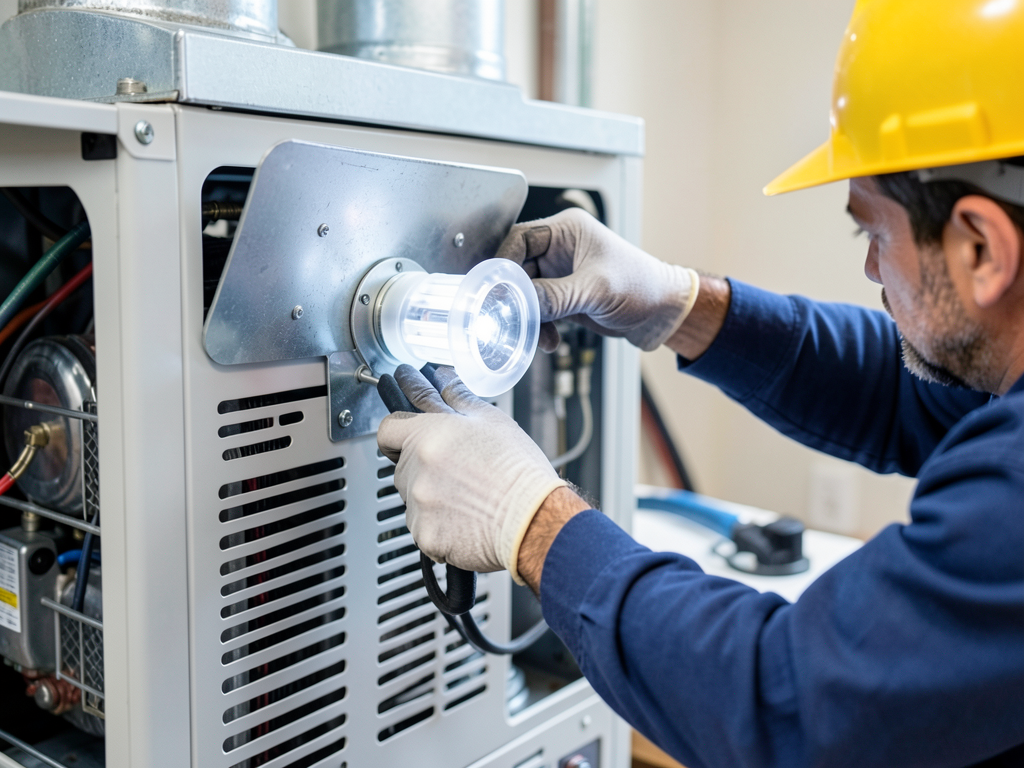
UV-C germicidal lights installed near the evaporator coils provide one of the most effective mold prevention methods. These lights emit ultraviolet radiation at 254 nanometers – a wavelength that destroys mold DNA and prevents reproduction. When properly installed, UV-C lights can eliminate up to 99.9% of mold, bacteria, and viruses in the air handler’s immediate vicinity. The lights work continuously, providing 24/7 protection without chemicals or manual intervention.
Whole-home dehumidifiers offer another powerful solution, especially important in Clear Lake’s climate. These systems work alongside your air conditioner to remove excess moisture even when cooling isn’t needed. A properly sized dehumidifier can maintain indoor humidity between 45-50%, creating conditions where mold cannot establish itself. Honeywell and Aprilaire manufacture residential units specifically engineered for Houston’s humidity levels, with capacity ratings measured in pints of moisture removed per day.
High-MERV filtration upgrades capture mold spores before they can circulate through your home. While standard 1-inch filters trap only larger particles, MERV 13 or higher filters can capture particles as small as 0.3 microns – small enough to trap most mold spores. However, these denser filters require compatible HVAC systems, as they restrict airflow more than standard filters. A NATE-certified technician should evaluate whether your system can handle the increased static pressure.
Regular professional cleaning of evaporator coils and drain pans removes existing mold colonies and prevents their return. This process involves using EPA-registered antimicrobial cleaners that kill mold at the cellular level. The cleaning also removes accumulated dust and debris that provides food sources for mold growth. Most manufacturers recommend professional coil cleaning annually, but Houston’s climate often necessitates more frequent service.
DIY Maintenance Steps to Prevent Mold Growth
Changing your air filter monthly during peak cooling season prevents dust accumulation that mold feeds on. In Clear Lake’s climate, the combination of coastal dust and high humidity means filters clog faster than in inland areas. Set calendar reminders or use smart thermostats that track filter runtime and send replacement alerts. Always choose filters with appropriate MERV ratings for your system – too high restricts airflow, too low allows contaminants through.
Keeping the area around your air handler clean and dry helps prevent mold establishment. Ensure the condensate drain line remains clear by pouring a cup of white vinegar down the line every three months. This natural solution kills algae and mold growth inside the drain without damaging your system. The vinegar’s acetic acid breaks down organic buildup that could clog the line and create standing water.
Monitoring indoor humidity levels with a hygrometer helps you catch problems early. Digital hygrometers are inexpensive and provide real-time humidity readings. If levels consistently exceed 60%, your system isn’t adequately dehumidifying, and you’re at increased mold risk. This data helps you decide when professional evaluation is needed before mold becomes visible or creates odors.
Ensuring proper drainage from your air handler prevents the standing water that mold requires. Check that the primary drain line flows freely and that the secondary overflow drain isn’t activated – this indicates the primary line is clogged. The secondary drain should only activate during emergencies. If you see water in the secondary pan, immediate professional service is needed to prevent water damage and mold growth.
Understanding the Science: Psychrometrics and Mold Prevention
Psychrometrics – the study of moist air properties – explains why Houston’s climate creates such persistent mold problems. The wet-bulb temperature in Clear Lake often stays within a few degrees of the dry-bulb temperature, meaning the air holds substantial moisture even when it feels relatively cool. This condition, called high relative humidity, prevents surfaces from drying quickly after condensation forms.
The dew point – the temperature at which water vapor condenses into liquid – frequently exceeds 75 degrees in coastal Houston during summer. When your evaporator coils operate at 40-45 degrees to cool your home, they’re always well below the dew point, ensuring constant condensation. In Clear Lake’s climate, this means your coils are producing water continuously from May through October.
ASHRAE Standard 62.1 recommends maintaining indoor humidity below 65% to prevent mold growth, but Houston’s climate makes this challenging without supplemental dehumidification. Your air conditioner must not only cool the air but also remove sufficient moisture to reach comfortable, mold-inhibiting humidity levels. This dual requirement means proper system sizing becomes critical – an oversized unit cools quickly but runs too briefly to adequately dehumidify. ASHRAE Indoor Air Quality Standards.
The concept of sensible heat ratio (SHR) helps explain why some systems struggle with Houston’s humidity. SHR represents the proportion of cooling devoted to temperature reduction versus moisture removal. Systems with low SHR ratings handle humidity better but may seem less powerful on hot days. Understanding these principles helps explain why generic HVAC solutions often fail in Clear Lake’s unique climate conditions.
When to Call Professional HVAC Mold Remediation
Visible mold growth covering more than 10 square feet requires professional remediation according to EPA guidelines. This threshold exists because larger mold infestations can release dangerous levels of spores and mycotoxins. If you see extensive black or green growth on your air handler components, ductwork, or vents, don’t attempt DIY cleaning – improper handling can spread contamination throughout your home.
Persistent musty odors that continue after filter changes indicate mold deep within your system. Surface cleaning won’t address mold growing inside coils, drain pans, or ductwork. Professional remediation involves removing contaminated components, cleaning with specialized equipment, and applying EPA-registered antimicrobials that eliminate mold at the cellular level. This process often requires system shutdown and specialized containment to prevent spore spread.
Health symptoms that correlate with AC operation strongly suggest mold contamination. If family members experience respiratory irritation, headaches, or allergy symptoms primarily when your system runs, professional inspection is warranted. These symptoms can indicate active mold colonies releasing spores into your home’s air supply. A qualified technician can use moisture meters and borescopes to inspect areas you cannot access safely.
Water damage or flooding events create urgent mold risks. If your air handler was exposed to floodwater or if you’ve had ceiling leaks near ductwork, immediate professional evaluation prevents mold establishment. The 48-hour window for mold growth means fast action is essential. Professional services include water extraction, antimicrobial treatment, and humidity control to prevent secondary damage.
Building Code Requirements for Mold Prevention in Houston
Houston’s building code requires secondary drain pans under air handlers installed in attics or upper floors. This requirement, found in the International Residential Code adopted by Houston, prevents water damage if the primary drain line clogs. The pan must be at least 1.5 inches deep and constructed of corrosion-resistant material. Many Clear Lake homes built before these requirements lack this critical protection.
Condensate drain lines must terminate at least 6 inches above grade and direct water away from the foundation. This requirement prevents moisture accumulation near your home’s structure, which could affect both foundation stability and create outdoor mold breeding grounds. The line should include a cleanout fitting for maintenance access, typically located near the air handler.
Mechanical codes require proper trap installation on condensate drain lines to prevent air and gas infiltration. The trap creates a water seal that blocks odors and contaminants from entering your home through the drain system. Without proper trapping, negative pressure in your air handler can draw sewer gases or outdoor moisture into your conditioned space. What a New AC Installation Actually Costs in The Woodlands.
Section 1101.2 of the Texas Mechanical Code mandates that HVAC equipment be accessible for inspection and maintenance. This requirement ensures that components prone to mold growth – like coils and drain pans – can be regularly cleaned and inspected. Installing equipment in inaccessible locations violates code and makes mold prevention nearly impossible.
Comparing Mold Prevention Technologies
| Technology | Effectiveness | Maintenance Required | Best For |
|---|---|---|---|
| UV-C Germicidal Lights | 99.9% kill rate near coils | Annual bulb replacement | Active mold prevention |
| Whole-Home Dehumidifier | Maintains 45-50% RH | Quarterly filter cleaning | Humidity control |
| MERV 13+ Filtration | Captures 90% of spores | Monthly filter changes | Air quality improvement |
| Professional Coil Cleaning | Removes existing colonies | Annual service recommended | Remediation and prevention |
Cost Factors for Mold Prevention Solutions
UV-C light installation typically costs between $400-$800 depending on your system size and configuration. The lights themselves last 9-12 months before requiring bulb replacement, which costs $100-$200. While this represents an upfront investment, the continuous protection often prevents more expensive mold remediation later.
Whole-home dehumidifiers range from $1,500-$3,500 installed, with capacity determined by your home’s square footage and Houston’s extreme humidity. Operating costs average $30-$50 monthly during peak season. These systems typically pay for themselves through improved comfort, allowing higher thermostat settings while maintaining comfort.
Professional coil cleaning services cost $150-$300 per visit. Annual cleaning contracts often provide better value at $250-$400 per year. This regular maintenance prevents the buildup that leads to mold establishment and helps your system operate at peak efficiency, potentially reducing energy costs by 5-15%.
High-MERV filter upgrades cost $15-$40 per filter compared to $5-$15 for standard filters. However, the improved air quality and mold prevention often justify the expense, especially for households with allergy sufferers or respiratory conditions. Some premium filters last up to 90 days, reducing replacement frequency.
Frequently Asked Questions
How quickly does mold grow in Houston’s humidity?
Mold can establish visible colonies within 24-48 hours in Houston’s humid conditions. The combination of moisture, warmth, and organic material in your air handler creates ideal growth conditions. Once established, mold spreads rapidly through spore production, potentially contaminating your entire duct system within weeks.
Can I clean mold from my air handler myself?
Small surface mold on accessible areas might be cleaned with EPA-registered antimicrobials, but professional service is recommended. DIY cleaning often disturbs mold colonies, releasing spores throughout your home. Additionally, mold growing inside coils or ductwork requires specialized equipment and containment procedures to prevent cross-contamination.
Will a bigger air conditioner prevent mold?
Actually, oversized air conditioners often worsen mold problems. Large units cool air quickly but run for shorter cycles, providing insufficient time for moisture removal. This leaves your home cold but humid – perfect conditions for mold growth. Proper sizing based on Manual J calculations ensures adequate dehumidification.
How often should I replace my AC filter in Clear Lake?
Monthly replacement during cooling season is recommended for Clear Lake homes. The combination of coastal dust, high humidity, and frequent system cycling means filters clog faster than in inland areas. Some households with pets or allergies may need bi-weekly changes during peak summer months.
Protecting Your Home from Future Mold Problems
Implementing a comprehensive mold prevention strategy requires understanding that Houston’s climate will always challenge your HVAC system. The key is creating multiple layers of protection rather than relying on a single solution. Start with proper system sizing and installation, add UV-C protection for active mold prevention, incorporate whole-home dehumidification for humidity control, and maintain rigorous cleaning schedules.
Regular professional inspections catch problems before they become severe. A qualified technician can identify early warning signs like coil condensation patterns, drain line issues, or filter bypass that indicate developing problems. These inspections should occur at least annually, with additional checks during particularly humid periods or after severe weather events.
Education about your specific system’s operation helps you recognize when something isn’t right. Understanding normal sounds, airflow patterns, and condensation behavior allows you to identify abnormalities quickly. Many serious mold problems develop slowly, giving you time to address them if you know what to watch for.
Remember that mold prevention isn’t just about comfort – it’s about protecting your family’s health and your home’s value. Houston’s climate makes this an ongoing battle, but with the right knowledge and professional support, you can keep your air handler mold-free and your indoor air healthy year-round.
Take Action Against Mold Today
Don’t wait until you smell that musty odor or see black spotting around your vents. Houston’s humidity won’t wait, and neither should you. Our NATE-certified technicians understand the unique challenges Clear Lake’s coastal climate creates for your HVAC system. We provide comprehensive mold prevention solutions backed by Texas licensing and years of local experience.
Call (281) 552-7766 today to schedule your professional air handler inspection. We’ll evaluate your system’s mold risk, recommend appropriate prevention strategies, and provide upfront pricing with no hidden fees. Whether you need UV-C light installation, whole-home dehumidification, or just a thorough cleaning and maintenance check, we have the expertise to protect your home from Houston’s humidity.
Pick up the phone and call (281) 552-7766 before the next heat wave hits. Your family’s health and comfort depend on a mold-free air handler, and we’re ready to help you achieve that peace of mind. Serving Clear Lake and all of Houston’s coastal communities with emergency service available 24/7.
{
“@context”: “https://schema.org”,
“@type”: “BlogPosting”,
“headline”: “Stopping Mold Growth Inside Your Air Handler Near the Humidity of Clear Lake”,
“description”: “Houston HVAC experts reveal how Clear Lake’s extreme humidity causes mold in air handlers. Learn warning signs, prevention methods, and professional solutions to protect your home.”,
“wordCount”: 2769,
“datePublished”: “2026-03-13T15:08:00.000Z”,
“dateModified”: “2026-03-13T15:08:00.000Z”,
“inLanguage”: “en-US”,
“mainEntityOfPage”: {
“@type”: “WebPage”,
“@id”: “https://titanhvachouston.com”
},
“publisher”: {
“@type”: “LocalBusiness”,
“name”: “Titan HVAC Houston”,
“url”: “https://titanhvachouston.com”
},
“author”: {
“@type”: “Organization”,
“name”: “Titan HVAC Houston”,
“url”: “https://titanhvachouston.com”
},
“image”: {
“@type”: “ImageObject”,
“url”: “https://titanhvachouston.com/wp-content/uploads/2026/03/stopping-mold-growth-inside-your-air-handler-near-1.png”
}
}
{
“@context”: “https://schema.org”,
“@type”: “HVACBusiness”,
“name”: “Titan HVAC Houston”,
“url”: “https://titanhvachouston.com”,
“address”: {
“@type”: “PostalAddress”,
“addressLocality”: “Houston”
},
“areaServed”: {
“@type”: “City”,
“name”: “Houston”
}
}
{
“@context”: “https://schema.org”,
“@type”: “FAQPage”,
“mainEntity”: [
{
“@type”: “Question”,
“name”: “How quickly does mold grow in Houston’s humidity?”,
“acceptedAnswer”: {
“@type”: “Answer”,
“text”: “Mold can establish visible colonies within 24-48 hours in Houston’s humid conditions. The combination of moisture, warmth, and organic material in your air handler creates ideal growth conditions. Once established, mold spreads rapidly through spore production, potentially contaminating your entire duct system within weeks.”
}
},
{
“@type”: “Question”,
“name”: “Can I clean mold from my air handler myself?”,
“acceptedAnswer”: {
“@type”: “Answer”,
“text”: “Small surface mold on accessible areas might be cleaned with EPA-registered antimicrobials, but professional service is recommended. DIY cleaning often disturbs mold colonies, releasing spores throughout your home. Additionally, mold growing inside coils or ductwork requires specialized equipment and containment procedures to prevent cross-contamination.”
}
},
{
“@type”: “Question”,
“name”: “Will a bigger air conditioner prevent mold?”,
“acceptedAnswer”: {
“@type”: “Answer”,
“text”: “Actually, oversized air conditioners often worsen mold problems. Large units cool air quickly but run for shorter cycles, providing insufficient time for moisture removal. This leaves your home cold but humid – perfect conditions for mold growth. Proper sizing based on Manual J calculations ensures adequate dehumidification.”
}
},
{
“@type”: “Question”,
“name”: “How often should I replace my AC filter in Clear Lake?”,
“acceptedAnswer”: {
“@type”: “Answer”,
“text”: “Monthly replacement during cooling season is recommended for Clear Lake homes. The combination of coastal dust, high humidity, and frequent system cycling means filters clog faster than in inland areas. Some households with pets or allergies may need bi-weekly changes during peak summer months.”
}
}
]
}
{
“@context”: “https://schema.org”,
“@type”: “BreadcrumbList”,
“itemListElement”: [
{
“@type”: “ListItem”,
“position”: 1,
“name”: “Home”,
“item”: “https://titanhvachouston.com”
},
{
“@type”: “ListItem”,
“position”: 2,
“name”: “Blog”,
“item”: “https://titanhvachouston.com/blog”
},
{
“@type”: “ListItem”,
“position”: 3,
“name”: “Stopping Mold Growth Inside Your Air Handler Near the Humidity of Clear Lake”
}
]
}
{
“@context”: “https://schema.org”,
“@type”: “Service”,
“serviceType”: “HVAC”,
“provider”: {
“@type”: “LocalBusiness”,
“name”: “Titan HVAC Houston”,
“url”: “https://titanhvachouston.com”
},
“areaServed”: {
“@type”: “City”,
“name”: “Houston”
},
“description”: “Houston HVAC experts reveal how Clear Lake’s extreme humidity causes mold in air handlers. Learn warning signs, prevention methods, and professional solutions to protect your home.”
}