
The Best Ways to Cool a Garage Workshop in Sharpstown
Sharpstown’s brutal summer heat can turn your garage workshop into an unbearable sauna reaching 110°F by midday. The Houston humidity makes standard cooling methods fail fast. You need specific solutions designed for Texas climate conditions and Sharpstown’s older garage construction. Texas Department of Licensing and Regulation.
Why Houston Garages Are Harder to Cool Than Most
Houston’s wet bulb temperature often exceeds 80°F during summer months. This means your body cannot cool itself through sweat evaporation even when air temperature feels manageable. Standard box fans just circulate hot humid air creating a convection oven effect in your garage workshop.
Sharpstown homes built before 2000 typically have uninsulated garage walls and single-pane windows. The concrete slab absorbs heat all day and radiates it back at night. Without proper insulation your cooling system fights a losing battle against thermal mass.
Top 4 Solutions for Houston Garage Cooling
Ductless Mini-Split Systems (The Gold Standard)
Mini-split heat pumps deliver the most reliable cooling for Sharpstown workshops. These systems separate the noisy condenser from the quiet indoor unit allowing you to mount the compressor outside where it dumps heat away from your workspace.
Look for units with at least 16 SEER2 rating for Houston’s climate. The higher efficiency matters when running 8-10 hours daily during summer projects. Mitsubishi and Daikin both offer models with enhanced humidity control perfect for Sharpstown’s moisture problems.
Installation requires a 3-inch wall penetration for refrigerant lines and condensate drain. Most Sharpstown garages need 9,000-12,000 BTU capacity depending on square footage and insulation level. A 20×20 workshop typically needs 12,000 BTU minimum. What a New AC Installation Actually Costs in The Woodlands.
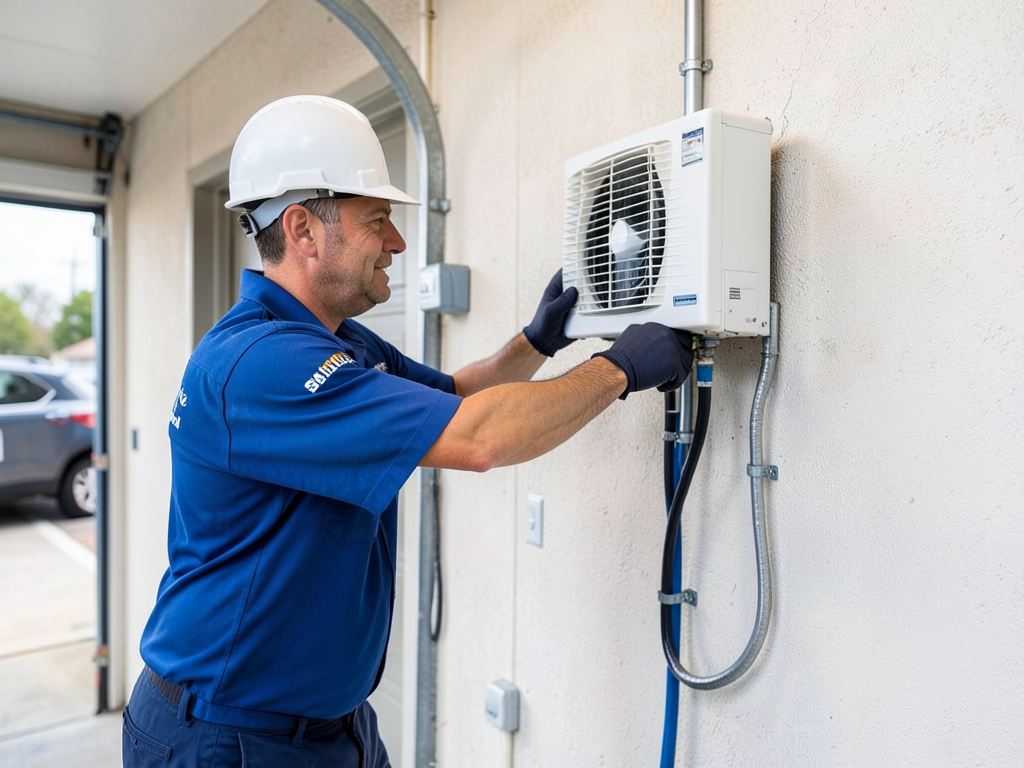
Diagram showing proper mini-split mounting heights and condensate drain routing for Houston garages
Garage Door & Attic Insulation (The Critical First Step)
Before installing any cooling system address the heat gain sources. Sharpstown garage doors often have R-3 insulation or none at all. Adding an R-8 garage door insulation kit can reduce heat gain by 40%.
Attic temperatures above your garage often reach 150°F. Adding R-30 insulation to the garage ceiling creates a critical thermal barrier. This step alone can drop garage temperatures by 15-20°F before you turn on any cooling equipment.
Seal all air leaks around garage door frames, electrical penetrations, and wall joints. Sharpstown’s older homes often have gaps that let hot humid air infiltrate continuously undermining your cooling efforts.
Portable ACs vs. Window Units: Why They Often Fail in Texas Heat
Portable air conditioners struggle in Houston’s climate. Most units exhaust hot air through a single hose creating negative pressure that draws more hot humid air into your garage. You end up cooling the neighborhood instead of your workspace.
Window units face similar problems. Sharpstown’s older windows often cannot support the weight or provide proper sealing. The units also block natural light and workbench access creating workspace inefficiencies.
If you must use portable cooling, select dual-hose models that bring in outside air for combustion rather than creating negative pressure. Even then expect higher energy costs and reduced effectiveness compared to mini-splits.
Ventilation and Radiant Barriers
Proper ventilation helps remove hot air but cannot overcome Houston’s humidity. Ridge vents and powered attic fans can lower garage ceiling temperatures by 10-15°F when combined with insulation.
Radiant barriers reflect up to 97% of radiant heat from the sun. Installing foil-backed insulation under the roof deck or painting the garage roof white can significantly reduce heat gain in Sharpstown’s intense sun exposure.
Cross ventilation works best when outdoor temperatures drop below 85°F. Houston’s overnight lows often stay above this threshold during summer making ventilation alone insufficient for workshop comfort.
Cost-Benefit Analysis: Installation vs. Energy Bills
| Solution | Initial Cost | Monthly Operating Cost | Expected Lifespan | Best For |
|---|---|---|---|---|
| Mini-Split System | $2,800-$4,200 | $45-$75 | 15-20 years | Year-round use |
| Insulation Upgrade | $800-$1,500 | $0 | 20-30 years | Heat reduction base |
| Portable AC | $400-$700 | $90-$150 | 3-5 years | Occasional use |
Energy costs in Sharpstown average 14.5¢ per kWh through CenterPoint Energy. A properly sized mini-split running 8 hours daily costs approximately $45-$60 monthly during peak summer. Portable units often double this cost due to lower efficiency. CenterPoint Energy rebates.
The insulation upgrade pays for itself within one summer through reduced cooling costs and improved comfort. Many Sharpstown homeowners see 30% reduction in cooling needs after proper insulation installation. Why Your Memorial Home Needs a High-Efficiency AC Unit Right Now.
Permitting and CenterPoint Energy Rebates
Houston requires electrical permits for any new HVAC installation including garage mini-splits. The permit process ensures proper wiring, condensate drainage, and refrigerant line installation meeting Texas Department of Licensing and Regulation standards.
CenterPoint Energy offers rebates for high-efficiency HVAC equipment. Mini-splits with 16+ SEER2 rating qualify for $50-$150 rebates depending on capacity. These rebates apply to Sharpstown installations through participating contractors.
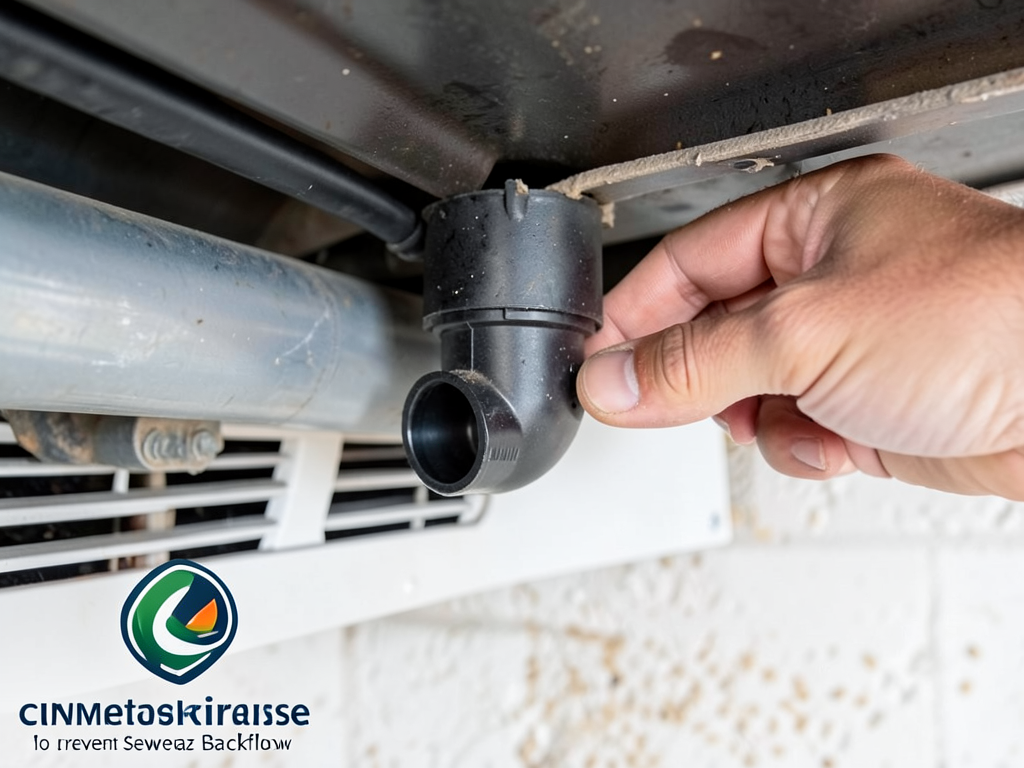
Condensate drainage requires proper trapping to prevent sewer gas backflow. Houston code mandates P-traps on all HVAC condensate lines terminating in sanitary sewers. Improper drainage causes mold growth and unpleasant odors in your workshop.
Call (281) 552-7766 today to schedule your inspection before the next heat wave hits. Our Sharpstown technicians know exactly which systems handle Texas humidity best.
Technician installing mini-split in Sharpstown garage showing proper mounting and line set routing
Maintenance Tips for Long-Term Performance
- Clean or replace air filters monthly during heavy use periods
- Check condensate drain lines quarterly for algae buildup
- Inspect outdoor condenser coils every spring for debris
- Verify refrigerant charge annually by a licensed technician
- Clean indoor unit fan blades to maintain airflow efficiency
Sharpstown’s high humidity accelerates mold growth in HVAC systems. Using antimicrobial filters and UV light systems in your mini-split can prevent musty odors and maintain air quality in your workshop environment.
Most mini-split failures in Houston result from neglected condensate drains. The constant moisture creates perfect conditions for algae and mold blocking the drain line. This causes water damage and system shutdown when the condensate pump cannot remove moisture.
Smart Controls and Energy Management
Wi-Fi enabled mini-splits allow smartphone control of your garage workshop temperature. Set schedules to cool the space before you arrive and shut down when you leave. Smart controls can reduce energy costs by 15-20% through optimized run times.
Many Sharpstown homeowners integrate their garage cooling with whole-home automation systems. This allows zone control where the workshop cools independently from the main house, preventing energy waste when the space sits unused.
Motion sensors can automatically activate your cooling system when you enter the workshop and shut down after periods of inactivity. This hands-free operation maximizes comfort while minimizing energy waste.
Smart thermostat control interface showing garage workshop temperature and scheduling options
Common Mistakes to Avoid
Undersizing your cooling system creates constant strain and higher energy bills. Sharpstown’s extreme heat requires proper load calculations considering insulation levels, window exposure, and workshop equipment heat output.
Ignoring condensate drainage leads to water damage and mold growth. Always ensure proper slope and trap installation on drain lines. Houston’s humidity means your system removes significant moisture that must drain properly.
Skipping the insulation upgrade wastes cooling capacity and increases operating costs. No amount of cooling power overcomes poor insulation in Houston’s intense summer heat.
Using extension cords for outdoor units creates fire hazards and violates electrical codes. Always install proper dedicated circuits for HVAC equipment.
Emergency Troubleshooting Guide
System not cooling? Check the air filter first. Sharpstown’s dust and pollen can clog filters within weeks during summer. Clean filters restore 30% of lost cooling capacity immediately.
Ice on indoor coils indicates low refrigerant or restricted airflow. Turn off the system and check for dirty filters or blocked vents. If ice persists, call for professional service as refrigerant leaks require licensed repair.
Water leaking from indoor unit usually means a clogged condensate drain. Houston’s humidity creates ideal conditions for algae growth in drain lines. Flushing with vinegar solution often resolves minor blockages.
Strange noises from outdoor unit could indicate failing fan motor bearings or compressor issues. Houston’s heat accelerates bearing wear in outdoor equipment. Unusual sounds warrant immediate professional inspection to prevent complete system failure.
Frequently Asked Questions
How long does mini-split installation take in Sharpstown?
Most garage installations complete in 4-6 hours by experienced technicians. This includes mounting, line set installation, electrical connection, and system testing. Permit acquisition adds 1-2 days to the process.
Can I install a mini-split myself to save money?
Texas law requires licensed HVAC technicians for refrigerant handling and system charging. DIY installation voids warranties and may create safety hazards. Improper installation causes efficiency losses and premature system failure.
What size mini-split do I need for my garage workshop?
Calculate 20 BTU per square foot as a starting point. A 400 square foot workshop needs 8,000 BTU minimum. Add 2,000 BTU for each unshaded window and 3,000 BTU for poor insulation common in Sharpstown garages.
How much will my electric bill increase with garage cooling?
A properly sized 12,000 BTU mini-split running 8 hours daily adds approximately $45-$60 to your monthly CenterPoint bill during summer. This assumes 14.5¢ per kWh electricity rate and 16+ SEER2 efficiency rating.
You may also find this helpful. HVAC Solutions for Backyard Guest Houses and ADUs in Rice Military.
Ready to transform your Sharpstown garage workshop into a comfortable workspace? Call (281) 552-7766 today for a free consultation and estimate. Our local technicians understand Houston’s unique cooling challenges and will recommend the perfect solution for your specific needs.
{
“@context”: “https://schema.org”,
“@type”: “BlogPosting”,
“headline”: “The Best Ways to Cool a Garage Workshop in Sharpstown”,
“description”: “Beat the Houston heat in your Sharpstown garage workshop with proven cooling solutions. Learn which mini-splits work best in Texas humidity and how to maximize efficiency.”,
“wordCount”: 1546,
“datePublished”: “2026-04-03T13:36:00.000Z”,
“dateModified”: “2026-04-03T13:36:00.000Z”,
“inLanguage”: “en-US”,
“mainEntityOfPage”: {
“@type”: “WebPage”,
“@id”: “https://titanhvachouston.com”
},
“publisher”: {
“@type”: “LocalBusiness”,
“name”: “Titan HVAC Houston”,
“url”: “https://titanhvachouston.com”
},
“author”: {
“@type”: “Organization”,
“name”: “Titan HVAC Houston”,
“url”: “https://titanhvachouston.com”
},
“image”: {
“@type”: “ImageObject”,
“url”: “https://titanhvachouston.com/wp-content/uploads/2026/03/the-best-ways-to-cool-a-garage-workshop-in-sharpst-1.png”
}
}
{
“@context”: “https://schema.org”,
“@type”: “HVACBusiness”,
“name”: “Titan HVAC Houston”,
“url”: “https://titanhvachouston.com”,
“address”: {
“@type”: “PostalAddress”,
“addressLocality”: “Houston”
},
“areaServed”: {
“@type”: “City”,
“name”: “Houston”
}
}
{
“@context”: “https://schema.org”,
“@type”: “FAQPage”,
“mainEntity”: [
{
“@type”: “Question”,
“name”: “How long does mini-split installation take in Sharpstown?”,
“acceptedAnswer”: {
“@type”: “Answer”,
“text”: “Most garage installations complete in 4-6 hours by experienced technicians. This includes mounting, line set installation, electrical connection, and system testing. Permit acquisition adds 1-2 days to the process.”
}
},
{
“@type”: “Question”,
“name”: “Can I install a mini-split myself to save money?”,
“acceptedAnswer”: {
“@type”: “Answer”,
“text”: “Texas law requires licensed HVAC technicians for refrigerant handling and system charging. DIY installation voids warranties and may create safety hazards. Improper installation causes efficiency losses and premature system failure.”
}
},
{
“@type”: “Question”,
“name”: “What size mini-split do I need for my garage workshop?”,
“acceptedAnswer”: {
“@type”: “Answer”,
“text”: “Calculate 20 BTU per square foot as a starting point. A 400 square foot workshop needs 8,000 BTU minimum. Add 2,000 BTU for each unshaded window and 3,000 BTU for poor insulation common in Sharpstown garages.”
}
},
{
“@type”: “Question”,
“name”: “How much will my electric bill increase with garage cooling?”,
“acceptedAnswer”: {
“@type”: “Answer”,
“text”: “A properly sized 12,000 BTU mini-split running 8 hours daily adds approximately $45-$60 to your monthly CenterPoint bill during summer. This assumes 14.5¢ per kWh electricity rate and 16+ SEER2 efficiency rating.”
}
}
]
}
{
“@context”: “https://schema.org”,
“@type”: “BreadcrumbList”,
“itemListElement”: [
{
“@type”: “ListItem”,
“position”: 1,
“name”: “Home”,
“item”: “https://titanhvachouston.com”
},
{
“@type”: “ListItem”,
“position”: 2,
“name”: “Blog”,
“item”: “https://titanhvachouston.com/blog”
},
{
“@type”: “ListItem”,
“position”: 3,
“name”: “The Best Ways to Cool a Garage Workshop in Sharpstown”
}
]
}
{
“@context”: “https://schema.org”,
“@type”: “Service”,
“serviceType”: “HVAC”,
“provider”: {
“@type”: “LocalBusiness”,
“name”: “Titan HVAC Houston”,
“url”: “https://titanhvachouston.com”
},
“areaServed”: {
“@type”: “City”,
“name”: “Houston”
},
“description”: “Beat the Houston heat in your Sharpstown garage workshop with proven cooling solutions. Learn which mini-splits work best in Texas humidity and how to maximize efficiency.”
}