
Central Air Installation for Historic Third Ward Homes — Moving Beyond Window Units
Living in Houston’s Third Ward means dealing with Gulf Coast humidity that can make summer nights unbearable especially in older homes still relying on window units. If you own a historic bungalow near Emancipation Park or a renovated shotgun house off Blodgett Street you already know the struggle of keeping cool without sacrificing the charm of your 77004 property. The good news is modern central air systems can be retrofitted into these classic homes without destroying their character and you can qualify for energy rebates that make the upgrade more affordable.
Before you commit to installation it helps to understand the unique challenges of Third Ward properties. Many were built before air conditioning existed so they lack the ductwork modern systems require. The pier-and-beam foundations common in the area create space for running new ducts but also mean your home may need structural evaluation before installation begins. You will also need to consider electrical upgrades since older homes often have 60-amp service not the 200-amp minimum most central AC units require today. What a New AC Installation Actually Costs in The Woodlands.
Why Third Ward Homes Need Special HVAC Planning
Third Ward’s historic housing stock presents specific HVAC challenges that generic contractors often miss. The narrow shotgun floor plans popular in 77004 limit where air handlers and condensers can be placed. Many homes sit on crawl spaces with limited headroom making duct routing tricky. The area’s clay soil also shifts more than newer developments causing foundation movement that can stress HVAC equipment over time.
Another factor is the neighborhood’s architectural diversity. You might own a 1920s Craftsman near TSU with thick plaster walls or a 1940s cottage by Emancipation Avenue with wood siding. Each style requires different approaches to maintaining energy efficiency while preserving original features. For example installing ducts in a Craftsman may mean running them through attic space to avoid damaging crown molding while a cottage might allow more flexible routing through wall cavities.
Understanding Houston’s SEER2 Requirements
Texas now requires all new air conditioning installations to meet SEER2 standards which measure cooling efficiency under real-world conditions. For Houston’s climate that means choosing equipment with a minimum 15 SEER2 rating to handle our 90-plus degree summers without skyrocketing utility bills. Higher ratings like 18 or 20 SEER2 can cut cooling costs by 30 to 40 percent but cost more upfront. Texas Department of Licensing and Regulation.
The Southern region including Houston also mandates specific refrigerant types. R-410A remains common but R-454B the newer low-global-warming alternative is becoming standard for 2026 installations. Your contractor should explain which refrigerant your system uses and why it matters for both performance and environmental impact.
The Installation Process Step by Step
Installing central air in a Third Ward home typically takes three to five days depending on whether new ductwork is required. The process starts with a Manual J load calculation to determine the exact cooling capacity needed for your square footage and insulation levels. This calculation prevents oversizing which wastes energy or undersizing which leaves rooms uncomfortable.
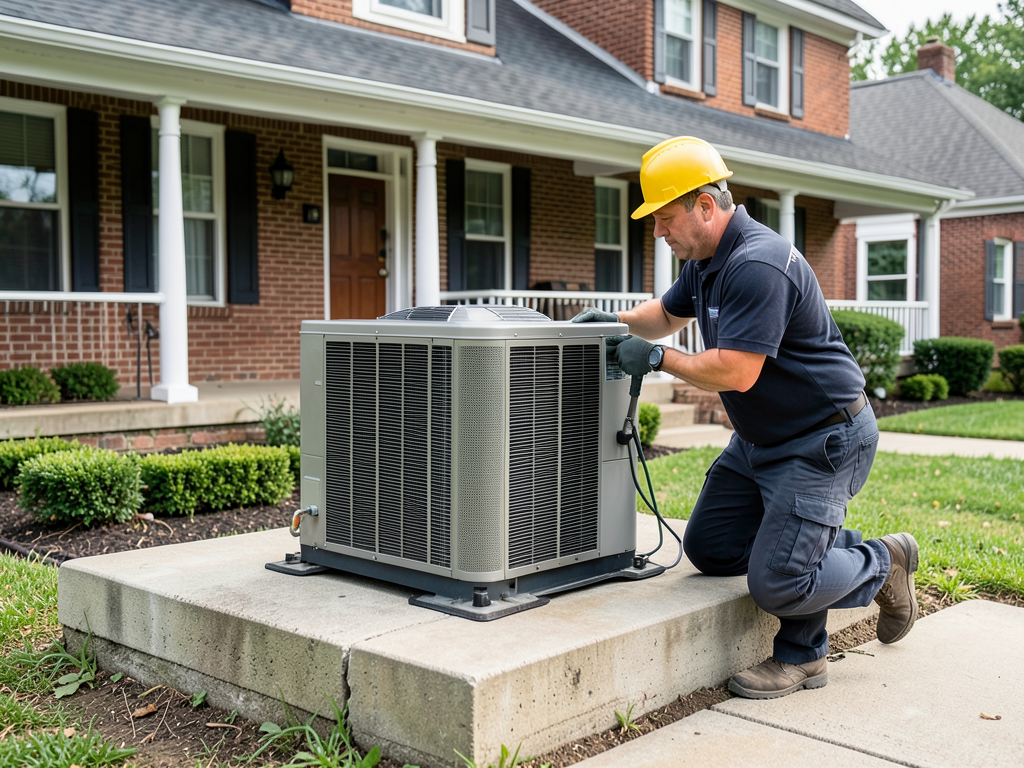
Next comes the mechanical permit from the City of Houston which ensures your installation meets local building codes. Your contractor should handle this but always verify they pull the permit it protects you if future inspections are needed. After permits are approved the crew installs the condenser unit outside usually on a concrete pad elevated six inches above grade to prevent flood damage.
Inside work begins with either modifying existing ducts or installing new ones. In historic homes this often means creative routing to preserve walls and ceilings. The air handler goes in an attic closet or utility space and finally the thermostat gets installed on an interior wall away from direct sunlight or drafts. The entire system then undergoes pressure testing and airflow balancing to ensure even cooling throughout your home.
Choosing Between Traditional Ducted and Ductless Systems
Not every Third Ward home can accommodate traditional ductwork without major renovations. If your plaster walls or hardwood floors make duct installation impractical ductless mini-split systems offer an alternative. These consist of an outdoor compressor connected to one or more indoor air handlers mounted on walls or ceilings.
Ductless systems excel in homes where preserving original architecture matters most. They require only a three-inch hole for refrigerant lines instead of extensive demolition. However they typically cost more per cooling ton than traditional systems and may not integrate as seamlessly with whole-house air quality products like humidifiers or advanced filtration.
Traditional ducted systems remain the best choice for whole-house cooling when ductwork can be added discreetly. They cost less per ton of cooling and work better with zoning controls that let you cool only occupied rooms. Your contractor should help you weigh these trade-offs based on your home’s layout and your comfort priorities.
Energy Rebates and Financing Options
Upgrading to a high-efficiency system in Third Ward can qualify you for multiple rebates. CenterPoint Energy offers rebates up to $1,000 for SEER2-rated equipment installed by participating contractors. The federal Energy Efficient Home Improvement Credit provides up to $300 for qualifying HVAC upgrades. Some homeowners also qualify for local weatherization assistance if they meet income requirements. Federal Energy Efficient Home Improvement Credit.
Financing through approved lenders can spread costs over several years often with promotional rates for qualified buyers. Many contractors partner with financing companies that offer same-as-cash plans for 12 to 18 months. Always ask about available rebates before signing contracts since some promotions require specific equipment models or installation dates.
Common Installation Mistakes to Avoid
Several pitfalls can derail central air installation in historic homes. One is failing to address electrical capacity before installation begins. If your home’s service panel can’t handle the new load you will face delays and additional costs. Another mistake is choosing equipment based solely on price without considering Houston’s humidity levels.
Some contractors cut corners by skipping Manual J calculations or failing to pull required permits. This might save money initially but can cause problems when you sell your home or need warranty service. Always verify your contractor’s Texas HVAC license and insurance coverage before work starts.
Finally avoid contractors who promise one-day installations for whole-house systems. Proper installation including testing and adjustments takes multiple days. Rushed jobs often result in poor airflow balance hot and cold spots and higher energy bills.
Maintaining Your New System for Longevity
After installation protecting your investment requires regular maintenance. Houston’s humidity means air filters need changing every one to three months not twice a year like in drier climates. The condensate drain line also requires annual cleaning to prevent algae buildup that can cause water damage.
Your outdoor condenser needs monthly inspection during summer to ensure it stays clear of grass clippings leaves and other debris. Keep surrounding plants trimmed back at least two feet for proper airflow. Consider a professional tune-up each spring before cooling season begins to check refrigerant levels and electrical connections. Why Your Memorial Home Needs a High-Efficiency AC Unit Right Now.
Smart thermostats can help monitor system performance and alert you to potential issues before they become major repairs. Many modern systems also integrate with home automation platforms letting you control temperatures remotely and track energy usage patterns.
Why Professional Installation Matters in Historic Districts
If your Third Ward home sits within a historic district additional regulations may apply. The Houston Archaeological and Historical Commission reviews exterior modifications including HVAC equipment placement. While they generally allow necessary modern upgrades they may require specific condenser locations or screening to maintain neighborhood character.
Professional contractors familiar with historic district requirements can navigate these approvals smoothly. They understand which modifications need commission review and how to present plans that satisfy both modern comfort needs and preservation guidelines. This expertise prevents costly redesigns or fines for non-compliant installations.
Insurance considerations also matter. Some historic district homeowners insurance policies have specific requirements for HVAC installations including documentation of permits and contractor licenses. Your contractor should provide all necessary paperwork to satisfy both building officials and your insurance provider.
Comparing System Types and Costs
Choosing the right system involves balancing upfront costs against long-term savings. Here is how common options compare for Third Ward homes:
| System Type | Average Installed Cost | Typical SEER2 Range | Best For |
|---|---|---|---|
| Standard Split System | $5,500 – $8,500 | 14 – 16 SEER2 | Traditional homes with accessible attics |
| High-Efficiency Split | $7,000 – $11,000 | 18 – 20 SEER2 | Energy-conscious homeowners |
| Ductless Mini-Split | $4,500 – $9,000 | 15 – 22 SEER2 | Homes unable to add ducts |
| Packaged System | $6,000 – $10,000 | 14 – 18 SEER2 | Limited indoor space availability |
Prices vary based on home size equipment features and installation complexity. Homes requiring extensive electrical upgrades or foundation work will see higher costs. Always get multiple quotes and verify each contractor’s license and insurance before deciding.
Frequently Asked Questions
How long does central air installation take in a Third Ward home?
Most installations require three to five days including permits electrical work and system testing. Complex homes needing new ductwork may take longer.
Can I keep my historic home’s character with central air?
Yes. Professional contractors can route ducts through attics or utility spaces and choose equipment locations that preserve architectural features. Ductless systems offer another option for minimal visual impact.
What rebates are available for Third Ward residents?
CenterPoint Energy offers up to $1,000 for qualifying high-efficiency equipment. Federal tax credits provide up to $300. Some homeowners qualify for additional local incentives through weatherization programs.
Do I need permits for central air installation?
Yes. The City of Houston requires mechanical permits for all new HVAC installations. Your contractor should pull these permits as part of the project.
How do I know if my electrical system needs upgrading?
Homes built before 1980 often have 60-amp service insufficient for central air. A licensed electrician should evaluate your panel and wiring capacity before installation begins.
Ready to Upgrade Your Third Ward Home
Living with window units in Houston’s humidity is more than uncomfortable it is expensive and inefficient. Modern central air systems offer reliable cooling while qualifying for energy rebates that offset installation costs. Whether you own a historic bungalow near Emancipation Park or a renovated shotgun house off Blodgett Street professional installation can transform your comfort without sacrificing your home’s character.
The key is choosing a contractor who understands Third Ward’s unique housing stock and can navigate historic district requirements if needed. Look for Texas-licensed professionals with experience in older Houston homes and ask about their approach to preserving architectural features during installation.
Don’t wait until next summer’s heat wave to make the switch. Call (281) 552-7766 today to schedule your free consultation and learn which central air solution fits your Third Ward home and budget. Our team specializes in retrofitting historic properties with modern comfort systems that respect your home’s heritage while delivering the cooling power Houston demands.
{
“@context”: “https://schema.org”,
“@type”: “BlogPosting”,
“headline”: “Central Air Installation for Historic Third Ward Homes — Moving Beyond Window Units”,
“description”: “Expert central air installation in Houston’s Third Ward. Learn about SEER2 efficiency, historic home retrofitting, and available rebates for 77004 properties.”,
“wordCount”: 1817,
“datePublished”: “2026-04-18T14:11:00.000Z”,
“dateModified”: “2026-04-18T14:11:00.000Z”,
“inLanguage”: “en-US”,
“mainEntityOfPage”: {
“@type”: “WebPage”,
“@id”: “https://titanhvachouston.com”
},
“publisher”: {
“@type”: “LocalBusiness”,
“name”: “Titan HVAC Houston”,
“url”: “https://titanhvachouston.com”
},
“author”: {
“@type”: “Organization”,
“name”: “Titan HVAC Houston”,
“url”: “https://titanhvachouston.com”
},
“image”: {
“@type”: “ImageObject”,
“url”: “https://titanhvachouston.com/wp-content/uploads/2026/03/central-air-installation-for-historic-third-ward-h-1.png”
}
}
{
“@context”: “https://schema.org”,
“@type”: “HVACBusiness”,
“name”: “Titan HVAC Houston”,
“url”: “https://titanhvachouston.com”,
“address”: {
“@type”: “PostalAddress”,
“addressLocality”: “Houston”
},
“areaServed”: {
“@type”: “City”,
“name”: “Houston”
}
}
{
“@context”: “https://schema.org”,
“@type”: “FAQPage”,
“mainEntity”: [
{
“@type”: “Question”,
“name”: “How long does central air installation take in a Third Ward home?”,
“acceptedAnswer”: {
“@type”: “Answer”,
“text”: “Most installations require three to five days including permits electrical work and system testing. Complex homes needing new ductwork may take longer.”
}
},
{
“@type”: “Question”,
“name”: “Can I keep my historic home’s character with central air?”,
“acceptedAnswer”: {
“@type”: “Answer”,
“text”: “Yes. Professional contractors can route ducts through attics or utility spaces and choose equipment locations that preserve architectural features. Ductless systems offer another option for minimal visual impact.”
}
},
{
“@type”: “Question”,
“name”: “What rebates are available for Third Ward residents?”,
“acceptedAnswer”: {
“@type”: “Answer”,
“text”: “CenterPoint Energy offers up to $1,000 for qualifying high-efficiency equipment. Federal tax credits provide up to $300. Some homeowners qualify for additional local incentives through weatherization programs.”
}
},
{
“@type”: “Question”,
“name”: “Do I need permits for central air installation?”,
“acceptedAnswer”: {
“@type”: “Answer”,
“text”: “Yes. The City of Houston requires mechanical permits for all new HVAC installations. Your contractor should pull these permits as part of the project.”
}
},
{
“@type”: “Question”,
“name”: “How do I know if my electrical system needs upgrading?”,
“acceptedAnswer”: {
“@type”: “Answer”,
“text”: “Homes built before 1980 often have 60-amp service insufficient for central air. A licensed electrician should evaluate your panel and wiring capacity before installation begins.”
}
}
]
}
{
“@context”: “https://schema.org”,
“@type”: “BreadcrumbList”,
“itemListElement”: [
{
“@type”: “ListItem”,
“position”: 1,
“name”: “Home”,
“item”: “https://titanhvachouston.com”
},
{
“@type”: “ListItem”,
“position”: 2,
“name”: “Blog”,
“item”: “https://titanhvachouston.com/blog”
},
{
“@type”: “ListItem”,
“position”: 3,
“name”: “Central Air Installation for Historic Third Ward Homes — Moving Beyond Window Units”
}
]
}
{
“@context”: “https://schema.org”,
“@type”: “Service”,
“serviceType”: “HVAC”,
“provider”: {
“@type”: “LocalBusiness”,
“name”: “Titan HVAC Houston”,
“url”: “https://titanhvachouston.com”
},
“areaServed”: {
“@type”: “City”,
“name”: “Houston”
},
“description”: “Expert central air installation in Houston’s Third Ward. Learn about SEER2 efficiency, historic home retrofitting, and available rebates for 77004 properties.”
}