Maintenance Strategies for HVAC Units in Galveston Vacation Rentals
Your Galveston vacation rental’s HVAC system works overtime keeping guests comfortable in the Gulf Coast heat and humidity. A single AC failure during peak season can trigger negative reviews, costly refunds, and lost bookings. The combination of salt air corrosion, high humidity, and constant guest turnover creates unique challenges that require specialized maintenance strategies.. Read more about Recovering Your HVAC System After Localized Flooding or Heavy Rain in Kingwood.
Property owners need a proactive approach that goes beyond basic filter changes. The coastal environment accelerates wear on components, while the short-term rental model means systems face heavier usage than typical residential homes. Implementing a comprehensive maintenance plan protects your investment and ensures consistent guest satisfaction.
Why Galveston Coastal Rentals Face Unique HVAC Challenges
The Galveston area presents specific environmental factors that standard HVAC systems struggle with. Salt air from the Gulf contains corrosive particles that settle on outdoor condenser coils and electrical components. Over time, this buildup reduces efficiency and causes premature failure of capacitors, contactors, and fan motors.
High humidity levels throughout the year create additional problems. Moisture accumulation in ductwork promotes mold growth, while condensate drain lines clog more frequently due to algae and mineral deposits. The constant temperature fluctuations from guests adjusting thermostats to extreme settings stress compressors and control boards.
Many Galveston properties are older beach homes with inadequate insulation and duct sealing. These construction issues compound HVAC problems by allowing conditioned air to escape and unconditioned air to infiltrate. The result is systems that run longer and harder than they should, increasing energy costs and reducing equipment lifespan.
Essential Maintenance Tasks for Coastal HVAC Systems
Regular maintenance becomes critical when managing vacation rentals in coastal environments. The following tasks should be performed on a strict schedule to prevent costly emergency repairs during guest stays. EPA indoor air quality guidelines.
- Monthly Filter Inspection and Replacement
Check air filters every 30 days and replace when visibly dirty. High-occupancy rentals may need bi-weekly changes during peak season. Use MERV 8-11 pleated filters that balance filtration with airflow efficiency.
- Quarterly Condenser Coil Cleaning
Clean outdoor condenser coils every three months using coil cleaner designed for coastal environments. Salt buildup acts as insulation, forcing compressors to work harder. Professional coil cleaning removes corrosive deposits and restores efficiency.
- Biannual Condensate Drain Treatment
Flush condensate drain lines with vinegar solution every six months to prevent algae growth. Install condensate drain tablets that dissolve slowly and keep lines clear between treatments. Houston’s humidity makes drain clogs a leading cause of water damage.
- Annual Electrical Component Inspection
Check capacitors, contactors, and wiring connections annually. Salt air causes corrosion that creates resistance in electrical connections, leading to voltage drops and component failure. Replace capacitors showing signs of swelling or leakage.
- Seasonal Refrigerant Level Check
Test refrigerant levels before summer season begins. Small leaks in the high-humidity environment can go unnoticed until system performance drops significantly. Low refrigerant causes compressors to overheat and fail prematurely.
Smart Technology Integration for Remote Property Management
Modern smart thermostats offer property managers powerful tools for maintaining vacation rentals remotely. These devices provide real-time monitoring and control capabilities that prevent many common HVAC problems.. Read more about How Smart Leak Detectors Can Save Your Shadow Creek Ranch Home from Ceiling Damage.
Smart thermostats with remote lockout features prevent guests from setting temperatures below 72°F or above 78°F. This protects compressors from freezing and reduces energy waste from extreme settings. Many models integrate with property management software to automatically adjust temperatures between guest stays.
Temperature and humidity sensors placed in strategic locations send alerts when conditions exceed preset thresholds. Early detection of HVAC problems allows for quick intervention before guests experience discomfort. Some systems can automatically shut down equipment when dangerous conditions are detected.
Energy monitoring features help identify when systems run longer than normal, indicating potential problems like dirty filters or failing components. This data helps schedule maintenance before complete failures occur.
Preventing Common Vacation Rental HVAC Problems
Understanding the most frequent issues helps property owners implement preventive measures. Many problems stem from guest behavior and the unique demands of short-term rentals.
Guests often set thermostats to extreme temperatures, believing this cools or heats spaces faster. This practice damages compressors and wastes energy. Smart thermostats with minimum and maximum temperature settings prevent this behavior while maintaining guest comfort.
Air filters become clogged more quickly in vacation rentals due to higher occupancy rates and varying guest cleanliness habits. Some guests never change filters, while others might remove them entirely. Establishing a strict filter replacement schedule ensures consistent airflow and system efficiency.
Outdoor units face risks from lawn equipment, debris, and intentional tampering. Installing protective cages or barriers prevents damage while allowing proper airflow. Regular visual inspections catch problems before they become emergencies.
Condensate drain issues cause water damage that ruins floors, walls, and ceilings. Installing secondary drain pans with float switches provides backup protection. These systems automatically shut off AC units when primary drains clog, preventing costly water damage.
Cost-Benefit Analysis of Professional Maintenance Plans
Property owners often debate whether professional maintenance plans justify their cost. The financial analysis reveals significant long-term savings compared to emergency repair expenses. Finding Emergency AC Repair in Sugar Land Without Getting Ripped Off.
| Maintenance Approach | Annual Cost | 5-Year Cost | Emergency Repair Risk |
|---|---|---|---|
| Professional Maintenance Plan | $450-600 | $2,250-3,000 | Low (10-15%) |
| DIY Maintenance Only | $150-200 | $750-1,000 | Medium (30-40%) |
| No Maintenance | $0 | $0-500 | High (60-80%) |
Professional maintenance plans include benefits beyond basic service calls. Technicians identify developing problems during routine visits, preventing costly emergency repairs. Many plans offer priority service and discounted rates for repairs, reducing response times during peak season. Emergency 24-Hour AC Service for Families in Katy.
The cost of a single emergency repair during peak season often exceeds an entire year of professional maintenance. Emergency calls require premium pricing, and delays in service can result in lost bookings and negative reviews that impact future revenue. Emergency Boiler Repair.
Indoor Air Quality Considerations for Coastal Rentals
Indoor air quality becomes especially important in coastal vacation rentals where guests may have allergies or respiratory sensitivities. The humid Gulf Coast environment promotes mold growth and dust mite populations.
Installing whole-house dehumidifiers helps maintain optimal humidity levels between 40-60%. This range prevents mold growth while keeping guests comfortable. Dehumidifiers also reduce the workload on air conditioning systems, extending equipment life.
UV light systems installed in ductwork kill airborne bacteria and mold spores. These systems are particularly effective in coastal areas where salt air and humidity create ideal conditions for biological growth. UV lights also help keep evaporator coils clean, maintaining system efficiency.
Regular duct cleaning removes accumulated dust, debris, and potential mold growth. Vacation rentals accumulate contaminants faster than primary residences due to higher occupancy and varying guest cleanliness habits. Professional duct cleaning every 2-3 years maintains air quality and system efficiency.
Emergency Response Planning for Property Managers
Even with excellent maintenance, HVAC emergencies can occur. Having a response plan minimizes guest disruption and protects your property’s reputation.
Establish relationships with HVAC contractors who offer 24/7 emergency service specifically for vacation rentals. These companies understand the urgency of maintaining guest comfort and can often respond within 2-4 hours during peak season.
Create a guest communication protocol for HVAC issues. Provide clear instructions for reporting problems and set expectations for response times. Consider offering temporary solutions like portable fans or window units while waiting for repairs.
Maintain a basic troubleshooting guide for common issues like tripped breakers, clogged filters, or thermostat malfunctions. Many problems have simple solutions that guests can implement with proper guidance.
Document all maintenance and repairs for warranty purposes and future reference. This history helps technicians diagnose problems faster and may be required for warranty claims on newer equipment.
Local Building Code and Permit Requirements
Houston and surrounding areas have specific requirements for HVAC installations and modifications. Understanding these regulations prevents costly violations and ensures proper system operation. What a New AC Installation Actually Costs in The Woodlands.
The Texas Department of Licensing and Regulation (TDLR) requires all HVAC work to be performed by licensed contractors. DIY repairs or installations by unlicensed individuals violate state law and may void equipment warranties. Texas Department of Licensing and Regulation HVAC requirements.
Local building codes in Galveston County require permits for most HVAC replacements and modifications. Work performed without permits can result in fines and may need to be redone to pass inspection. Some coastal areas have additional requirements for equipment elevation and wind resistance.
Energy efficiency standards continue to evolve, with current requirements mandating minimum SEER2 ratings for new installations. Older systems may not meet current efficiency standards, making replacement more cost-effective than continued repairs.
Noise ordinances in residential areas may restrict the operation of outdoor units during certain hours. Understanding these limitations helps avoid complaints from neighbors and potential fines.
Seasonal Preparation Checklist for Galveston Rentals
Different seasons bring specific challenges for coastal HVAC systems. A seasonal preparation checklist ensures systems operate efficiently year-round.
- Spring Preparation (March-April)
Clean condenser coils, check refrigerant levels, and test all electrical components before summer heat arrives. Houston summers can be brutal on unprepared systems.
- Summer Maintenance (June-September)
Increase filter inspection frequency to bi-weekly. Monitor system performance closely for signs of stress. Keep outdoor units clear of vegetation and debris.
- Fall Inspection (October-November)
Check for any damage from summer storms. Clean evaporator coils and inspect ductwork for leaks or damage. Prepare for potential winter heating needs. Why Your Memorial Home Needs a High-Efficiency AC Unit Right Now.
- Winter Protection (December-February)
Protect outdoor units from freezing temperatures with covers if necessary. Check heat pump operation if applicable. Maintain humidity control to prevent condensation issues.
Cost-Effective Upgrades for Older Systems
Many Galveston vacation rentals operate with aging HVAC equipment that struggles with coastal conditions. Strategic upgrades can improve efficiency and reliability without complete system replacement.
Installing programmable or smart thermostats provides immediate benefits by optimizing system operation based on occupancy patterns. These devices typically pay for themselves within one to two seasons through energy savings.
Adding UV light systems to existing ductwork costs significantly less than full system replacement while providing benefits like improved air quality and cleaner coils. These systems work with any age equipment and reduce maintenance requirements.
Upgrading to high-efficiency air filters improves air quality and protects system components without requiring major modifications. MERV 11-13 filters capture more contaminants while maintaining adequate airflow for most systems.
Installing secondary drain pans with overflow switches prevents water damage from a common failure point. This relatively inexpensive upgrade provides peace of mind and protects your property investment.
Guest Education and Communication Strategies
Many HVAC problems in vacation rentals stem from guest misunderstanding or misuse. Clear communication helps prevent issues and improves the overall rental experience.
Provide simple instructions for basic HVAC operation, including thermostat use and filter location. Include emergency contact information for HVAC issues and explain typical response times during different seasons.
Consider creating a welcome book section specifically for HVAC information. Include troubleshooting tips for common issues and explain any system limitations or unusual features guests might encounter.
Post simple signage near thermostats reminding guests of temperature guidelines and system operation. Clear, friendly reminders help prevent extreme temperature settings and reduce wear on equipment.
Request feedback about comfort levels and system performance. This information helps identify developing problems and shows guests you prioritize their comfort.
Frequently Asked Questions
How often should I replace HVAC filters in my Galveston vacation rental?
Replace filters every 30-60 days for typical usage, but check them monthly. High-occupancy rentals during peak season may need bi-weekly changes. Salt air and humidity in coastal areas cause filters to clog faster than inland locations.
What’s the most common HVAC emergency in coastal vacation rentals?
Condensate drain line clogs are the most frequent emergency, causing water damage and system shutdowns. The combination of Houston humidity and salt air promotes algae growth in drain lines. Installing secondary drain pans with float switches prevents major water damage.
Should I install a smart thermostat in my vacation rental?
Yes, smart thermostats are highly recommended for vacation rentals. They allow remote monitoring and control, prevent guests from setting extreme temperatures, and can integrate with property management software. The energy savings and prevention of guest-caused damage typically offset the initial cost within one season.
How can I protect my outdoor AC unit from salt air corrosion?
Install a protective barrier or fence that allows airflow while blocking direct salt spray. Clean condenser coils quarterly with coil cleaner designed for coastal environments. Consider applying anti-corrosion coatings to electrical components and metal surfaces annually.
What maintenance tasks should I never skip on my vacation rental HVAC?
Never skip quarterly condenser coil cleaning, bi-annual condensate drain treatment, and annual electrical component inspection. These tasks prevent the most common and costly failures. Skipping them significantly increases the risk of emergency repairs during guest stays.
Protect Your Galveston Rental Investment Today
Don’t wait for a guest to experience HVAC problems during peak season. A comprehensive maintenance plan prevents costly emergency repairs and protects your vacation rental’s reputation. The coastal environment demands specialized care that goes beyond basic filter changes.
Professional HVAC technicians understand the unique challenges of Galveston’s salt air, humidity, and temperature extremes. They can identify developing problems before they cause system failures and recommend cost-effective upgrades for older equipment.
Call (281) 552-7766 today to schedule your vacation rental HVAC inspection. Our technicians will evaluate your system’s condition, recommend a maintenance schedule, and provide a quote for our comprehensive rental property maintenance plans. Protect your investment and keep your guests comfortable year-round.
Don’t let HVAC problems cost you bookings and damage your rental’s reputation. Pick up the phone and call (281) 552-7766 before the next guest checks in. Your vacation rental deserves professional care that understands the unique demands of coastal living.

Diagram showing proper condensate drain line installation with secondary overflow protection for coastal vacation rentals.
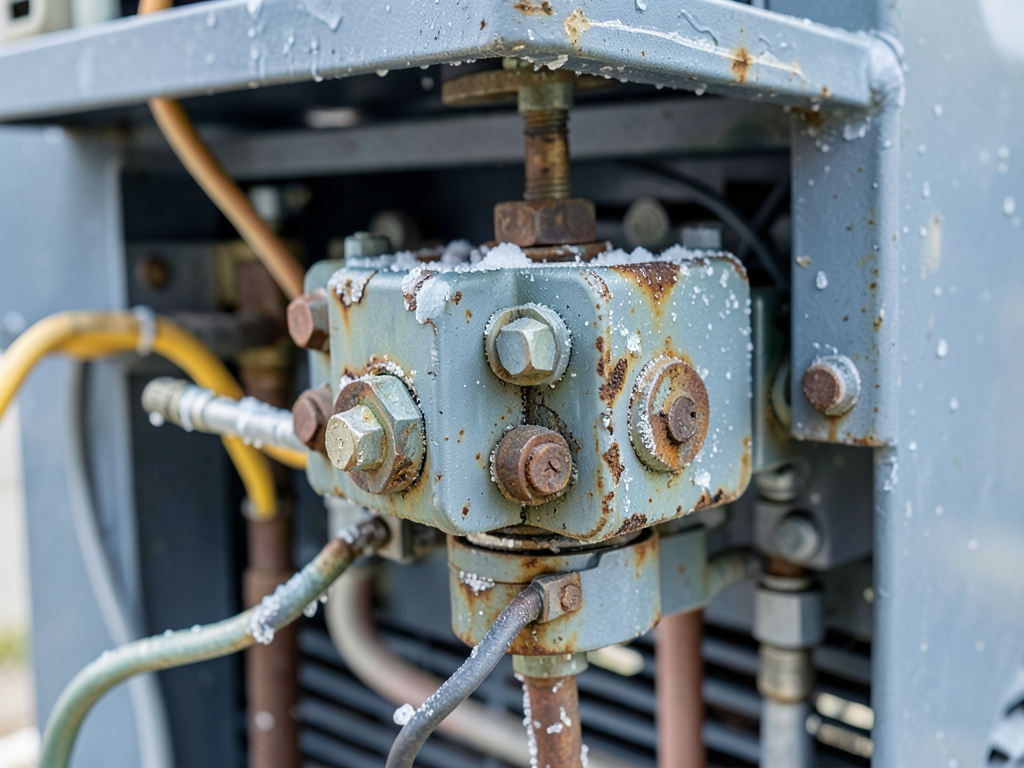
Photo of corroded capacitor and contactor showing typical salt air damage in Galveston HVAC systems.
Smart thermostat interface displaying remote temperature monitoring and lockout features for vacation rental properties.
{
“@context”: “https://schema.org”,
“@type”: “BlogPosting”,
“headline”: “Maintenance Strategies for HVAC Units in Galveston Vacation Rentals”,
“description”: “Protect your Galveston rental investment with expert HVAC maintenance strategies. Learn how to prevent costly breakdowns and keep guests comfortable in Houston’s coastal climate.”,
“wordCount”: 2318,
“datePublished”: “2026-05-04T12:19:00.000Z”,
“dateModified”: “2026-05-04T12:19:00.000Z”,
“inLanguage”: “en-US”,
“mainEntityOfPage”: {
“@type”: “WebPage”,
“@id”: “https://titanhvachouston.com”
},
“publisher”: {
“@type”: “LocalBusiness”,
“name”: “Titan HVAC Houston”,
“url”: “https://titanhvachouston.com”
},
“author”: {
“@type”: “Organization”,
“name”: “Titan HVAC Houston”,
“url”: “https://titanhvachouston.com”
},
“image”: {
“@type”: “ImageObject”,
“url”: “https://titanhvachouston.com/wp-content/uploads/2026/03/maintenance-strategies-for-hvac-units-in-galveston-1.png”
}
}
{
“@context”: “https://schema.org”,
“@type”: “HVACBusiness”,
“name”: “Titan HVAC Houston”,
“url”: “https://titanhvachouston.com”,
“address”: {
“@type”: “PostalAddress”,
“addressLocality”: “Houston”
},
“areaServed”: {
“@type”: “City”,
“name”: “Houston”
}
}
{
“@context”: “https://schema.org”,
“@type”: “FAQPage”,
“mainEntity”: [
{
“@type”: “Question”,
“name”: “How often should I replace HVAC filters in my Galveston vacation rental?”,
“acceptedAnswer”: {
“@type”: “Answer”,
“text”: “Replace filters every 30-60 days for typical usage, but check them monthly. High-occupancy rentals during peak season may need bi-weekly changes. Salt air and humidity in coastal areas cause filters to clog faster than inland locations.”
}
},
{
“@type”: “Question”,
“name”: “What’s the most common HVAC emergency in coastal vacation rentals?”,
“acceptedAnswer”: {
“@type”: “Answer”,
“text”: “Condensate drain line clogs are the most frequent emergency, causing water damage and system shutdowns. The combination of Houston humidity and salt air promotes algae growth in drain lines. Installing secondary drain pans with float switches prevents major water damage.”
}
},
{
“@type”: “Question”,
“name”: “Should I install a smart thermostat in my vacation rental?”,
“acceptedAnswer”: {
“@type”: “Answer”,
“text”: “Yes, smart thermostats are highly recommended for vacation rentals. They allow remote monitoring and control, prevent guests from setting extreme temperatures, and can integrate with property management software. The energy savings and prevention of guest-caused damage typically offset the initial cost within one season.”
}
},
{
“@type”: “Question”,
“name”: “How can I protect my outdoor AC unit from salt air corrosion?”,
“acceptedAnswer”: {
“@type”: “Answer”,
“text”: “Install a protective barrier or fence that allows airflow while blocking direct salt spray. Clean condenser coils quarterly with coil cleaner designed for coastal environments. Consider applying anti-corrosion coatings to electrical components and metal surfaces annually.”
}
},
{
“@type”: “Question”,
“name”: “What maintenance tasks should I never skip on my vacation rental HVAC?”,
“acceptedAnswer”: {
“@type”: “Answer”,
“text”: “Never skip quarterly condenser coil cleaning, bi-annual condensate drain treatment, and annual electrical component inspection. These tasks prevent the most common and costly failures. Skipping them significantly increases the risk of emergency repairs during guest stays.”
}
}
]
}
{
“@context”: “https://schema.org”,
“@type”: “HowTo”,
“name”: “Coastal HVAC Maintenance Schedule”,
“step”: [
{
“@type”: “HowToStep”,
“position”: 1,
“name”: “Monthly Filter Inspection and Replacement”,
“text”: “Check air filters every 30 days and replace when visibly dirty. High-occupancy rentals may need bi-weekly changes during peak season. Use MERV 8-11 pleated filters that balance filtration with airflow efficiency.”
},
{
“@type”: “HowToStep”,
“position”: 2,
“name”: “Quarterly Condenser Coil Cleaning”,
“text”: “Clean outdoor condenser coils every three months using coil cleaner designed for coastal environments. Salt buildup acts as insulation, forcing compressors to work harder. Professional coil cleaning removes corrosive deposits and restores efficiency.”
},
{
“@type”: “HowToStep”,
“position”: 3,
“name”: “Biannual Condensate Drain Treatment”,
“text”: “Flush condensate drain lines with vinegar solution every six months to prevent algae growth. Install condensate drain tablets that dissolve slowly and keep lines clear between treatments. Houston’s humidity makes drain clogs a leading cause of water damage.”
},
{
“@type”: “HowToStep”,
“position”: 4,
“name”: “Annual Electrical Component Inspection”,
“text”: “Check capacitors, contactors, and wiring connections annually. Salt air causes corrosion that creates resistance in electrical connections, leading to voltage drops and component failure. Replace capacitors showing signs of swelling or leakage.”
},
{
“@type”: “HowToStep”,
“position”: 5,
“name”: “Seasonal Refrigerant Level Check”,
“text”: “Test refrigerant levels before summer season begins. Small leaks in the high-humidity environment can go unnoticed until system performance drops significantly. Low refrigerant causes compressors to overheat and fail prematurely.”
}
],
“image”: “https://titanhvachouston.com/wp-content/uploads/2026/03/maintenance-strategies-for-hvac-units-in-galveston-1.png”
}
{
“@context”: “https://schema.org”,
“@type”: “BreadcrumbList”,
“itemListElement”: [
{
“@type”: “ListItem”,
“position”: 1,
“name”: “Home”,
“item”: “https://titanhvachouston.com”
},
{
“@type”: “ListItem”,
“position”: 2,
“name”: “Blog”,
“item”: “https://titanhvachouston.com/blog”
},
{
“@type”: “ListItem”,
“position”: 3,
“name”: “Maintenance Strategies for HVAC Units in Galveston Vacation Rentals”
}
]
}
{
“@context”: “https://schema.org”,
“@type”: “Service”,
“serviceType”: “HVAC”,
“provider”: {
“@type”: “LocalBusiness”,
“name”: “Titan HVAC Houston”,
“url”: “https://titanhvachouston.com”
},
“areaServed”: {
“@type”: “City”,
“name”: “Houston”
},
“description”: “Protect your Galveston rental investment with expert HVAC maintenance strategies. Learn how to prevent costly breakdowns and keep guests comfortable in Houston’s coastal climate.”
}