
Dark shingles on a Houston roof can reach temperatures exceeding 150°F during summer afternoons, forcing your air conditioning system to work harder and wear out faster. In Independence Heights, where many homes feature traditional dark asphalt shingles, this heat transfer directly impacts your AC’s compressor lifespan and energy bills. Understanding this connection helps you make informed decisions about roof materials that protect both your comfort and your HVAC investment.
How Roof Color Creates a Heat Island Around Your Home
Roof color determines how much solar radiation your home absorbs or reflects. Dark surfaces like black or dark gray shingles absorb up to 90% of incoming sunlight, converting it to heat that radiates into your attic space. Light-colored or “cool” roofs reflect 60-80% of solar energy, keeping attic temperatures 20-30°F cooler. This temperature difference directly affects your AC’s operating conditions.

According to the Department of Energy, cool roofing materials can reduce cooling energy use by 10-30% in hot climates. In Independence Heights, where summer temperatures regularly exceed 95°F, this translates to significant energy savings and reduced AC runtime. The heat island effect is particularly pronounced in older neighborhoods with dense tree cover that traps heat between buildings. Department of Energy cool roof information.
The Science Behind Heat Transfer to Your AC System
When attic temperatures rise above 120°F, your ductwork absorbs this heat before conditioned air reaches your living spaces. This forces your AC to run longer cycles to maintain thermostat settings. The compressor, located in your outdoor condenser unit, also experiences higher ambient temperatures, reducing its efficiency and increasing mechanical stress.
Heat transfer occurs through three mechanisms: conduction through roofing materials, convection through attic ventilation, and radiation from the roof surface. Dark shingles excel at absorbing radiant heat but fail at reflecting it, creating a thermal burden your AC must overcome. This continuous heat load accelerates wear on compressor bearings, capacitors, and contactors.. Read more about Why a Radiant Barrier Might Be the Missing Piece for Your Aliana AC System.
Comparing Cool Roof Materials vs Traditional Shingles
| Material Type | Solar Reflectance Index (SRI) | Expected Lifespan | Energy Savings Potential |
|---|---|---|---|
| Traditional Dark Asphalt | 0-20 | 15-20 years | 0-5% |
| Light-colored Asphalt | 20-40 | 15-25 years | 5-15% |
| Cool Roof Shingles | 40-60 | 20-30 years | 15-25% |
| Metal Roofing | 50-70 | 40-70 years | 20-35% |
| Tile (Light Color) | 30-50 | 30-50 years | 15-25% |
The Solar Reflectance Index measures a material’s ability to reject solar heat. Higher SRI values indicate better cooling performance. In Independence Heights, where many homes were built before modern energy codes, upgrading to cool roofing can provide immediate benefits for both comfort and AC longevity.
AC System Stress Points in Hot Roof Environments
High attic temperatures create several failure points in your HVAC system. The compressor motor works harder when ambient temperatures exceed 95°F, drawing more current and generating more heat internally. This increased thermal load can cause capacitors to fail prematurely and contactors to weld shut from excessive arcing.
Refrigerant pressure also rises in hot conditions. Higher head pressure forces the compressor to work against greater resistance, increasing amperage draw and heat generation. This creates a destructive cycle where the system runs hotter, works harder, and fails sooner. The evaporator coil may also freeze more frequently as the system struggles to maintain proper refrigerant flow.
Humidity Considerations for Houston Homes
Houston’s high humidity adds another layer of complexity to roof-AC interactions. When your attic stays hot, moisture from humid outdoor air can condense on cooler surfaces inside the attic space. This condensation creates ideal conditions for mold growth and can damage insulation, further reducing your AC’s efficiency.
Proper attic ventilation becomes critical in humid climates. Soffit vents draw in cooler outside air while ridge vents or powered exhaust fans remove hot, moist air. Without adequate ventilation, even a cool roof cannot prevent heat buildup. The combination of high temperature and humidity creates a latent heat load that forces your AC to work overtime dehumidifying your home.
Cost-Benefit Analysis for Independence Heights Homeowners
Upgrading to cool roofing typically costs 10-20% more than traditional asphalt shingles. However, the energy savings and extended AC lifespan often offset this premium within 5-7 years. For a typical 2,000-square-foot home in Independence Heights, annual cooling savings can range from $200 to $400, depending on roof size and current energy rates.
Consider that replacing an AC compressor can cost $1,500 to $2,500. If cool roofing extends your compressor life by just two years, you’ve already recovered a significant portion of your roof investment. Additionally, many utility companies offer rebates for cool roofing installations that further improve the return on investment. What a New AC Installation Actually Costs in The Woodlands.
Beyond Color: Ventilation and Insulation Strategies
Roof color alone cannot solve heat gain problems. Proper attic insulation with R-38 to R-49 ratings prevents conductive heat transfer into your living spaces. Radiant barriers installed beneath the roof deck can reflect up to 97% of radiant heat, complementing your roof’s reflective properties.
Attic ventilation requirements vary by roof design and local climate. The International Residential Code mandates 1 square foot of net free ventilation area for every 150 square feet of attic space. In Houston’s humid climate, increasing this ratio to 1:300 often provides better moisture control and heat removal.
Local Building Code Considerations
The City of Houston enforces specific requirements for cool roofing in new construction and major renovations. According to the 2021 International Energy Conservation Code adopted by Houston, cool roofs must achieve minimum Solar Reflectance Index values based on roof slope and climate zone. These requirements help reduce the urban heat island effect and lower peak energy demand.
Building permits for roof replacements in Independence Heights must comply with these energy efficiency standards. The permitting process includes verification that new roofing materials meet or exceed local SRI requirements. Working with a contractor familiar with these codes ensures your investment meets all regulatory requirements while maximizing energy savings.
Diagnostic Testing for Heat-Related AC Issues
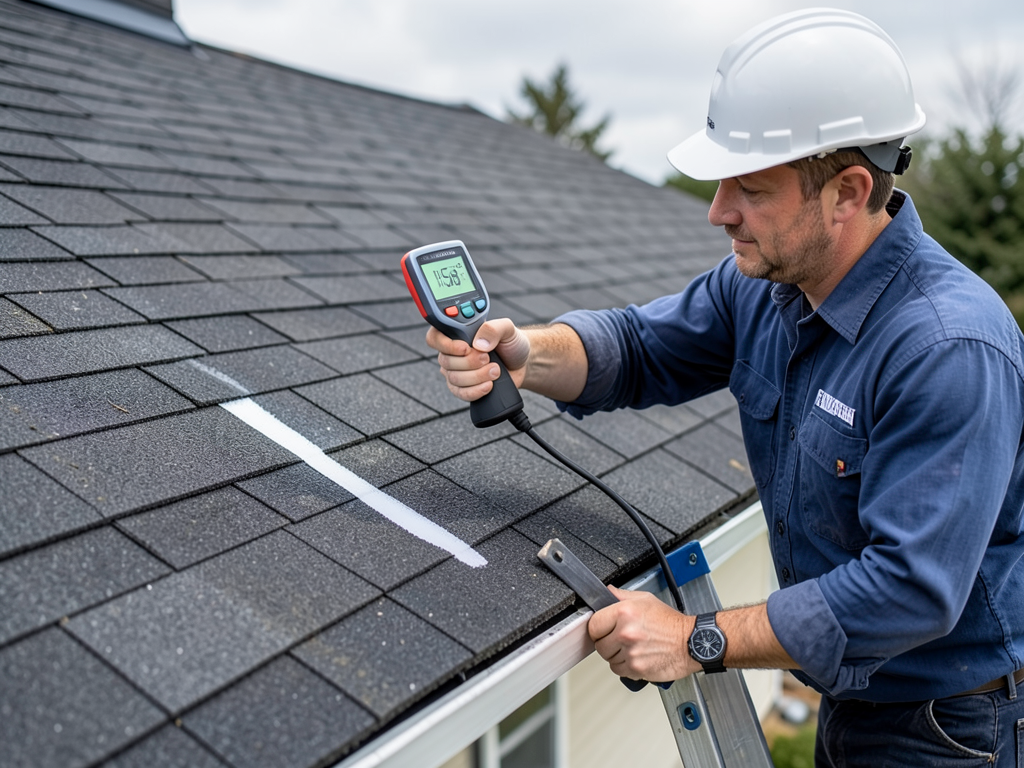
Professional HVAC technicians use several diagnostic tools to identify heat-related problems. An infrared thermometer can measure roof surface temperatures, while a digital manometer checks refrigerant pressures under load conditions. Thermal imaging cameras reveal hot spots in ductwork and identify areas where insulation has settled or been damaged.
The “screw-in test” involves measuring actual attic temperatures at different times of day to establish baseline conditions. This data helps determine whether your current roof contributes to excessive heat gain. A qualified technician can also perform a Manual J load calculation to assess how roof characteristics affect your home’s cooling requirements.
Maintenance Strategies to Protect Your Investment
Regular AC maintenance becomes even more critical when operating in a hot roof environment. Annual tune-ups should include checking capacitor microfarad ratings, inspecting contactor contacts for pitting, and verifying refrigerant charge levels. Cleaning condenser coils removes dirt and debris that reduce heat rejection efficiency.
Roof maintenance also plays a role in AC protection. Keeping gutters clean prevents water backup that can damage roof decking and insulation. Trimming overhanging tree branches reduces debris accumulation and allows better airflow across the roof surface. These simple steps help maintain your roof’s reflective properties and prevent moisture-related problems.
Future-Proofing Your Home’s Cooling System
As energy costs continue rising and climate patterns shift, homes with heat-reducing features become increasingly valuable. Cool roofing not only extends AC lifespan but also improves indoor comfort during power outages when you cannot run your air conditioner. The thermal mass of a cool roof helps maintain more stable indoor temperatures.
Consider that the average AC system lasts 12-15 years in Houston’s climate. By reducing the thermal load on your system, you might extend this to 15-18 years. This represents thousands of dollars in avoided replacement costs and the convenience of not dealing with system failures during peak cooling season.
Making the Right Choice for Your Independence Heights Home
The decision between traditional and cool roofing depends on several factors including your home’s orientation, existing insulation levels, and budget constraints. Homes with east or west-facing roof slopes benefit most from cool roofing due to increased sun exposure during peak cooling hours.
Consider also the architectural character of Independence Heights. Many homes feature historic or traditional designs where dark roofing complements the overall aesthetic. Modern cool roofing materials now come in darker colors that maintain traditional appearances while providing heat-reflective properties. This allows you to preserve your home’s character while improving energy efficiency.
Frequently Asked Questions
Does roof color really make that much difference in Houston’s climate?
Yes, roof color significantly impacts cooling costs in Houston. Dark roofs can be 50-60°F hotter than light-colored roofs on sunny days, directly affecting your AC’s workload and energy consumption.
How much can I expect to save on my electric bill with a cool roof?
Homeowners typically see 10-25% reductions in cooling costs after installing cool roofing, depending on roof size, home orientation, and existing insulation levels. In Independence Heights, average savings range from $200 to $400 annually.
Will a cool roof eliminate the need for attic ventilation?
No, cool roofs work best when combined with proper attic ventilation. Ventilation removes heat and moisture regardless of roof color, preventing condensation problems and maintaining consistent attic temperatures.
Take Action to Protect Your AC Investment
Understanding how your roof affects your AC system helps you make smart decisions about home improvements. Whether you’re planning a roof replacement or looking to optimize your current system’s performance, the right combination of materials and maintenance can significantly extend your equipment’s lifespan.
Call (281) 552-7766 today to schedule a comprehensive home energy assessment. Our experienced technicians will evaluate your roof’s impact on your AC system and recommend solutions tailored to your Independence Heights home. Don’t wait until your compressor fails on the hottest day of the year – take control of your cooling costs and comfort now.
For more information, visit ASHRAE standards for building cooling.
{
“@context”: “https://schema.org”,
“@type”: “BlogPosting”,
“headline”: “How Your Roof Color Affects the Lifespan of Your AC in Independence Heights”,
“description”: “Discover how roof color impacts AC efficiency and lifespan in Houston’s Independence Heights. Learn about heat transfer, energy savings, and local cooling solutions.”,
“wordCount”: 1613,
“datePublished”: “2026-05-11T08:53:00.000Z”,
“dateModified”: “2026-05-11T08:53:00.000Z”,
“inLanguage”: “en-US”,
“mainEntityOfPage”: {
“@type”: “WebPage”,
“@id”: “https://titanhvachouston.com”
},
“publisher”: {
“@type”: “LocalBusiness”,
“name”: “Titan HVAC Houston”,
“url”: “https://titanhvachouston.com”
},
“author”: {
“@type”: “Organization”,
“name”: “Titan HVAC Houston”,
“url”: “https://titanhvachouston.com”
},
“image”: {
“@type”: “ImageObject”,
“url”: “https://titanhvachouston.com/wp-content/uploads/2026/03/how-your-roof-color-affects-the-lifespan-of-your-a-1.png”
}
}
{
“@context”: “https://schema.org”,
“@type”: “HVACBusiness”,
“name”: “Titan HVAC Houston”,
“url”: “https://titanhvachouston.com”,
“address”: {
“@type”: “PostalAddress”,
“addressLocality”: “Houston”
},
“areaServed”: {
“@type”: “City”,
“name”: “Houston”
}
}
{
“@context”: “https://schema.org”,
“@type”: “FAQPage”,
“mainEntity”: [
{
“@type”: “Question”,
“name”: “Does roof color really make that much difference in Houston’s climate?”,
“acceptedAnswer”: {
“@type”: “Answer”,
“text”: “Yes, roof color significantly impacts cooling costs in Houston. Dark roofs can be 50-60°F hotter than light-colored roofs on sunny days, directly affecting your AC’s workload and energy consumption.”
}
},
{
“@type”: “Question”,
“name”: “How much can I expect to save on my electric bill with a cool roof?”,
“acceptedAnswer”: {
“@type”: “Answer”,
“text”: “Homeowners typically see 10-25% reductions in cooling costs after installing cool roofing, depending on roof size, home orientation, and existing insulation levels. In Independence Heights, average savings range from $200 to $400 annually.”
}
},
{
“@type”: “Question”,
“name”: “Will a cool roof eliminate the need for attic ventilation?”,
“acceptedAnswer”: {
“@type”: “Answer”,
“text”: “No, cool roofs work best when combined with proper attic ventilation. Ventilation removes heat and moisture regardless of roof color, preventing condensation problems and maintaining consistent attic temperatures.”
}
}
]
}
{
“@context”: “https://schema.org”,
“@type”: “BreadcrumbList”,
“itemListElement”: [
{
“@type”: “ListItem”,
“position”: 1,
“name”: “Home”,
“item”: “https://titanhvachouston.com”
},
{
“@type”: “ListItem”,
“position”: 2,
“name”: “Blog”,
“item”: “https://titanhvachouston.com/blog”
},
{
“@type”: “ListItem”,
“position”: 3,
“name”: “How Your Roof Color Affects the Lifespan of Your AC in Independence Heights”
}
]
}
{
“@context”: “https://schema.org”,
“@type”: “Service”,
“serviceType”: “HVAC”,
“provider”: {
“@type”: “LocalBusiness”,
“name”: “Titan HVAC Houston”,
“url”: “https://titanhvachouston.com”
},
“areaServed”: {
“@type”: “City”,
“name”: “Houston”
},
“description”: “Discover how roof color impacts AC efficiency and lifespan in Houston’s Independence Heights. Learn about heat transfer, energy savings, and local cooling solutions.”
}