
Keeping Your Family Safe from Carbon Monoxide Leaks in South Belt-Ellington
Carbon monoxide is a silent killer that can seep into your South Belt-Ellington home without warning. This odorless, colorless gas comes from common household appliances like gas furnaces, water heaters, and attached garages. Every year, hundreds of Houston families face CO exposure risks, especially during winter months when heating systems work overtime. The good news is that with proper knowledge and preventative measures, you can protect your loved ones from this invisible threat. Houston Fire Department.
Your first line of defense is understanding how CO builds up in Houston homes. The region’s high humidity and salt air can accelerate corrosion in furnace vents and heat exchangers, creating cracks that allow CO to escape into living spaces. Older homes in the South Belt-Ellington area, particularly those built before 2000, often have aging gas appliances that need extra attention. By taking action now, you can prevent a dangerous situation before it starts. Getting Your Furnace Ready for a Houston Cold Snap (Katy and West Houston).
Understanding Carbon Monoxide Risks in Houston Homes
Gas furnaces and water heaters are the primary sources of carbon monoxide in South Belt-Ellington homes. These appliances burn natural gas to produce heat, and when functioning properly, they vent CO safely outside through exhaust pipes. However, problems arise when heat exchangers crack or ventilation systems become blocked by debris, bird nests, or corrosion.
Houston’s coastal climate creates unique challenges for CO safety. The combination of high humidity and salt air accelerates metal corrosion, particularly in outdoor vent pipes and furnace components. Homes near Clear Creek or in low-lying areas face additional risks from flooding, which can damage gas lines and create dangerous conditions. The Texas Department of Licensing and Regulation requires all licensed HVAC contractors to check for proper venting during routine maintenance. Texas Department of Licensing and Regulation.
Older neighborhoods in South Belt-Ellington often have aging infrastructure that increases CO risks. Many homes built in the 1970s and 1980s still have their original gas furnaces, which may have deteriorated heat exchangers. The average lifespan of a gas furnace is 15-20 years, so if your system is older than that, it needs immediate inspection. Regular maintenance by a certified technician can identify potential problems before they become dangerous. Why Your Memorial Home Needs a High-Efficiency AC Unit Right Now.
Carbon Monoxide Symptoms and Warning Signs
Carbon monoxide poisoning symptoms often mimic the flu, making it difficult to identify the real cause. Common symptoms include headaches, dizziness, nausea, confusion, and fatigue. Unlike the flu, CO symptoms typically affect everyone in the household simultaneously and improve when you leave the house. If multiple family members experience these symptoms, especially during heating season, carbon monoxide should be your primary concern.
Physical warning signs in your home can indicate potential CO problems. Look for soot or yellow/brown staining around gas appliances, which suggests incomplete combustion. A yellow or flickering burner flame instead of a steady blue flame indicates your furnace isn’t burning fuel efficiently. Excessive moisture on windows or walls near gas appliances can signal improper venting. These visual cues often appear before CO levels become dangerous, giving you time to call for professional help.
Pay attention to how your gas appliances operate. If your furnace runs constantly but never reaches the desired temperature, or if you hear unusual noises like banging or whistling, these could indicate combustion problems. A strong, unusual odor when your furnace starts up might suggest a cracked heat exchanger. Never ignore these warning signs – they could save your family from serious harm.
Texas and Houston Carbon Monoxide Regulations
Texas law requires carbon monoxide detectors in all homes with fuel-burning appliances or attached garages. The Texas Health and Safety Code, Section 1302.545, mandates that CO detectors be installed in a central location outside each separate sleeping area and on every level of the home. This law applies to all residential properties, including apartments and condominiums, and became effective in 2018.
Houston building codes go beyond state requirements for new construction. The City of Houston requires hardwired CO detectors with battery backup in all new homes and major renovations. Detectors must be UL 2034 listed and installed according to manufacturer specifications. For homes with gas fireplaces or attached garages, additional detectors may be required based on the International Residential Code standards adopted by the city.
Property owners in South Belt-Ellington should know that rental properties have specific CO detector requirements. Landlords must provide and maintain working CO detectors in all units with gas appliances or attached garages. Tenants are responsible for testing detectors monthly and replacing batteries as needed. Failure to comply with these regulations can result in fines and, more importantly, puts residents at serious risk.
HVAC Maintenance: Your First Line of Defense
Regular HVAC maintenance is the most effective way to prevent carbon monoxide leaks in your home. A professional tune-up includes checking the heat exchanger for cracks, testing gas pressure, inspecting the venting system, and cleaning burners. These inspections can identify problems that homeowners might miss, such as hairline cracks in the heat exchanger that only become visible under specific operating conditions.
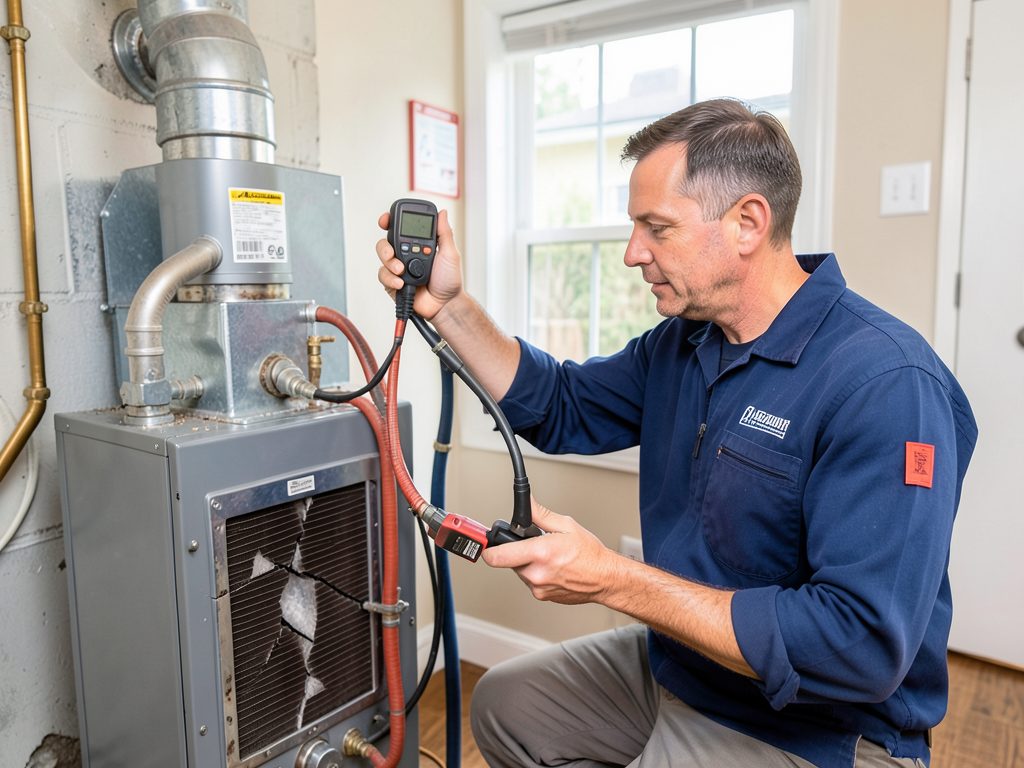
During a typical furnace inspection, technicians use specialized tools to test for CO in the flue gases and around the appliance. They measure oxygen levels and temperature differentials to ensure proper combustion. The process includes checking for backdrafting, where exhaust gases are pulled back into the home instead of venting outside. This is particularly important in tightly sealed modern homes where negative pressure can cause dangerous conditions.
Annual maintenance should be scheduled before heating season begins. In Houston, this means scheduling your inspection in early fall, before the first cold snap hits. A well-maintained furnace not only prevents CO leaks but also operates more efficiently, saving you money on energy bills. The cost of annual maintenance is minimal compared to the potential expense of emergency repairs or, worse, medical treatment for CO poisoning. Finding Emergency AC Repair in Sugar Land Without Getting Ripped Off.
Where to Install CO Detectors in Your Houston Home
Proper placement of carbon monoxide detectors is crucial for early warning. Install detectors on every level of your home, including the basement if you have one. Place units within 10 feet of each bedroom door – this ensures you’ll hear the alarm even while sleeping. For homes with attached garages, install a detector near the door leading from the garage to the house.
CO detectors should be mounted at least 5 feet above the floor, as carbon monoxide is slightly lighter than air and rises with warm air currents. However, don’t place detectors directly above fuel-burning appliances, as this can cause false alarms from normal operation. Avoid locations near windows, doors, or areas with high humidity, as these can affect detector performance.
For multi-story homes in South Belt-Ellington, consider interconnected CO detectors that sound all alarms when one detects gas. These systems provide the best protection, ensuring you’ll hear the warning no matter where you are in the house. Battery-operated units are fine for existing homes, but hardwired detectors with battery backup offer more reliable protection and are required for new construction in Houston.
Emergency Protocol: What to Do if Your Alarm Sounds
If your carbon monoxide detector sounds, take immediate action. Evacuate everyone from the house, including pets, and move to fresh air outside. Don’t waste time trying to find the source or turning off appliances – your priority is getting everyone to safety. Once outside, call 911 and report a possible carbon monoxide emergency. Houston Fire Department has specialized equipment to detect and measure CO levels. Emergency 24-Hour AC Service for Families in Katy.
Do not re-enter your home until emergency responders declare it safe. Even if symptoms improve after getting fresh air, you may still be in danger if CO levels remain high. Emergency personnel will use gas detectors to identify the source and ensure all traces of carbon monoxide are eliminated before allowing you to return. Emergency Boiler Repair.
After the emergency is resolved, contact a licensed HVAC contractor to inspect your heating system and identify the cause of the leak. Do not attempt to use your furnace or gas appliances again until they’ve been professionally inspected and repaired. Document the incident for your insurance company and keep records of all repairs and inspections for future reference.
Protecting Your Family Year-Round
Carbon monoxide safety isn’t just a winter concern in Houston. During hurricane season, many residents use portable generators that can produce deadly CO if placed too close to windows or doors. Always operate generators at least 20 feet from your home, with the exhaust pointing away from any openings. Never run a generator in a garage, even with the door open.
Summer brings its own CO risks as Houston residents run air conditioning systems while using gas appliances. The combination of sealed homes for cooling and gas appliance operation can create negative pressure that pulls CO back into living spaces. This is why year-round vigilance and regular maintenance are essential, not just seasonal precautions.
Educate your family about carbon monoxide safety. Make sure everyone knows the sound of the CO alarm and what to do when it sounds. Create an emergency evacuation plan that includes a meeting spot outside the home. Teach children never to disable alarms or ignore warning sounds. Your preparation could save lives in an emergency.
Carbon Monoxide Safety Checklist for South Belt-Ellington Homes
Creating a safety checklist helps ensure you’ve covered all the necessary precautions. Start by testing all CO detectors monthly and replacing batteries twice yearly. Mark your calendar for these tests or tie them to daylight saving time changes. Keep a record of when you installed each detector and replace units every 5-7 years, as sensors degrade over time.
Schedule annual HVAC maintenance with a licensed technician who understands Houston’s unique climate challenges. Ask them to check for corrosion, inspect heat exchangers, and test venting systems. Keep documentation of all maintenance and repairs. This record can be valuable for insurance purposes and helps track your system’s condition over time.
Consider having your gas lines inspected if your home is more than 20 years old. Over time, gas lines can develop small leaks that contribute to CO problems. A professional inspection can identify potential issues before they become dangerous. Also, check that all vent pipes are properly secured and free from damage or obstruction.
Frequently Asked Questions
How often should I replace my carbon monoxide detectors?
Replace CO detectors every 5-7 years, even if they appear to be working. The sensors degrade over time and become less effective at detecting dangerous gas levels. Check the manufacturing date on your detectors and mark your calendar for replacement.
Can carbon monoxide detectors detect natural gas leaks?
No, CO detectors only detect carbon monoxide gas. They cannot detect natural gas, propane, or other combustible gases. You need separate natural gas detectors for those purposes. However, natural gas companies add a distinctive odor to their gas, so you can often smell a leak.
What should I do if I suspect a carbon monoxide leak but my detector hasn’t sounded?
If you experience symptoms of CO poisoning or suspect a leak, evacuate immediately and call 911. Don’t wait for your detector to sound – by the time it activates, CO levels may already be dangerous. Trust your instincts and prioritize safety over waiting for confirmation.
Professional Help When You Need It
Carbon monoxide safety requires both prevention and preparedness. While you can handle basic maintenance like testing detectors and changing batteries, professional inspection and repair require specialized training and equipment. A licensed HVAC technician can identify problems that aren’t visible to the untrained eye and ensure your system operates safely.
If you’re concerned about carbon monoxide risks in your South Belt-Ellington home, don’t wait for an emergency to take action. Professional inspection can identify potential problems before they become dangerous. Our team understands the unique challenges Houston’s climate creates for gas appliances and can ensure your system is operating safely.
Call (281) 552-7766 today to schedule your comprehensive carbon monoxide safety inspection. We’ll check your heating system, inspect venting, and provide peace of mind knowing your family is protected. Don’t let another day go by without ensuring your home is safe from this silent threat.
Pick up the phone and call (281) 552-7766 before the next cold front hits. Your family’s safety is worth the call, and we’re here to help keep you protected year-round.
{
“@context”: “https://schema.org”,
“@type”: “BlogPosting”,
“headline”: “Keeping Your Family Safe from Carbon Monoxide Leaks in South Belt-Ellington”,
“description”: “Protect your family from CO poisoning in South Belt-Ellington. Learn Houston-specific safety tips, detector placement, and emergency protocols. Call (281) 552-7766 for expert help.”,
“wordCount”: 2087,
“datePublished”: “2026-05-30T15:06:00.000Z”,
“dateModified”: “2026-05-30T15:06:00.000Z”,
“inLanguage”: “en-US”,
“mainEntityOfPage”: {
“@type”: “WebPage”,
“@id”: “https://titanhvachouston.com”
},
“publisher”: {
“@type”: “LocalBusiness”,
“name”: “Titan HVAC Houston”,
“url”: “https://titanhvachouston.com”
},
“author”: {
“@type”: “Organization”,
“name”: “Titan HVAC Houston”,
“url”: “https://titanhvachouston.com”
},
“image”: {
“@type”: “ImageObject”,
“url”: “https://titanhvachouston.com/wp-content/uploads/2026/03/keeping-your-family-safe-from-carbon-monoxide-leak-1.png”
}
}
{
“@context”: “https://schema.org”,
“@type”: “HVACBusiness”,
“name”: “Titan HVAC Houston”,
“url”: “https://titanhvachouston.com”,
“address”: {
“@type”: “PostalAddress”,
“addressLocality”: “Houston”
},
“areaServed”: {
“@type”: “City”,
“name”: “Houston”
}
}
{
“@context”: “https://schema.org”,
“@type”: “FAQPage”,
“mainEntity”: [
{
“@type”: “Question”,
“name”: “How often should I replace my carbon monoxide detectors?”,
“acceptedAnswer”: {
“@type”: “Answer”,
“text”: “Replace CO detectors every 5-7 years, even if they appear to be working. The sensors degrade over time and become less effective at detecting dangerous gas levels. Check the manufacturing date on your detectors and mark your calendar for replacement.”
}
},
{
“@type”: “Question”,
“name”: “Can carbon monoxide detectors detect natural gas leaks?”,
“acceptedAnswer”: {
“@type”: “Answer”,
“text”: “No, CO detectors only detect carbon monoxide gas. They cannot detect natural gas, propane, or other combustible gases. You need separate natural gas detectors for those purposes. However, natural gas companies add a distinctive odor to their gas, so you can often smell a leak.”
}
},
{
“@type”: “Question”,
“name”: “What should I do if I suspect a carbon monoxide leak but my detector hasn’t sounded?”,
“acceptedAnswer”: {
“@type”: “Answer”,
“text”: “If you experience symptoms of CO poisoning or suspect a leak, evacuate immediately and call 911. Don’t wait for your detector to sound – by the time it activates, CO levels may already be dangerous. Trust your instincts and prioritize safety over waiting for confirmation.”
}
}
]
}
{
“@context”: “https://schema.org”,
“@type”: “BreadcrumbList”,
“itemListElement”: [
{
“@type”: “ListItem”,
“position”: 1,
“name”: “Home”,
“item”: “https://titanhvachouston.com”
},
{
“@type”: “ListItem”,
“position”: 2,
“name”: “Blog”,
“item”: “https://titanhvachouston.com/blog”
},
{
“@type”: “ListItem”,
“position”: 3,
“name”: “Keeping Your Family Safe from Carbon Monoxide Leaks in South Belt-Ellington”
}
]
}
{
“@context”: “https://schema.org”,
“@type”: “Service”,
“serviceType”: “HVAC”,
“provider”: {
“@type”: “LocalBusiness”,
“name”: “Titan HVAC Houston”,
“url”: “https://titanhvachouston.com”
},
“areaServed”: {
“@type”: “City”,
“name”: “Houston”
},
“description”: “Protect your family from CO poisoning in South Belt-Ellington. Learn Houston-specific safety tips, detector placement, and emergency protocols. Call (281) 552-7766 for expert help.”
}