




Air Purification Systems in Houston | Whole-House Solutions for Year-Round Clean Air

Titan HVAC Houston installs advanced air purification systems designed to filter allergens, pollutants, and airborne contaminants throughout your entire home, delivering healthier indoor air quality in every room.

Slider Image 1
Slider Image 2
Slider Image 3
Slider Image 4
Slider Image 5
Slider Image 7
Slider Image 8
Slider Image 9
Slider Image 10
Slider Image 11

Houston's Air Quality Problem Requires More Than a Standard Filter

Houston's combination of industrial emissions, petrochemical facilities, and high humidity creates a unique indoor air quality challenge. The same moisture that feeds mold growth in attics and crawl spaces carries airborne allergens, volatile organic compounds, and fine particulate matter directly into your living space. Standard one-inch pleated filters trap only the largest particles, leaving everything under 10 microns to circulate freely.

The Gulf Coast climate compounds this problem. When you run your air conditioning 8 to 10 months each year, your HVAC system recirculates the same air repeatedly. Without proper filtration, pollen from oak and ragweed, mold spores from damp coastal air, and dust from constant construction settle into your ductwork and redistribute through every supply register.

Whole-house air purifiers integrate directly into your existing HVAC system, filtering air at the return plenum before it reaches your blower. Central air cleaners use multiple filtration stages, including HEPA-grade media that captures particles down to 0.3 microns. HVAC air purifiers add electronic filtration or UV germicidal lights to neutralize bacteria, viruses, and mold spores that pass through mechanical filters.

Air filtration systems also protect your equipment. When you remove contaminants before they reach your evaporator coil and blower wheel, you reduce maintenance frequency and extend compressor life. Air cleaning systems pay for themselves through lower repair costs and improved system efficiency, while delivering measurable improvements in indoor air quality that you notice within days of installation.

Houston's Air Quality Problem Requires More Than a Standard Filter
How Professional Air Purification Installation Works

How Professional Air Purification Installation Works

Effective air purification starts with load calculation and system compatibility analysis. We measure your total CFM at the blower, calculate static pressure across your ductwork, and determine the filtration capacity your system can handle without restricting airflow. Undersized air cleaners fail to process enough volume. Oversized units create excessive static pressure that reduces airflow, forcing your compressor to work harder and shortening equipment life.

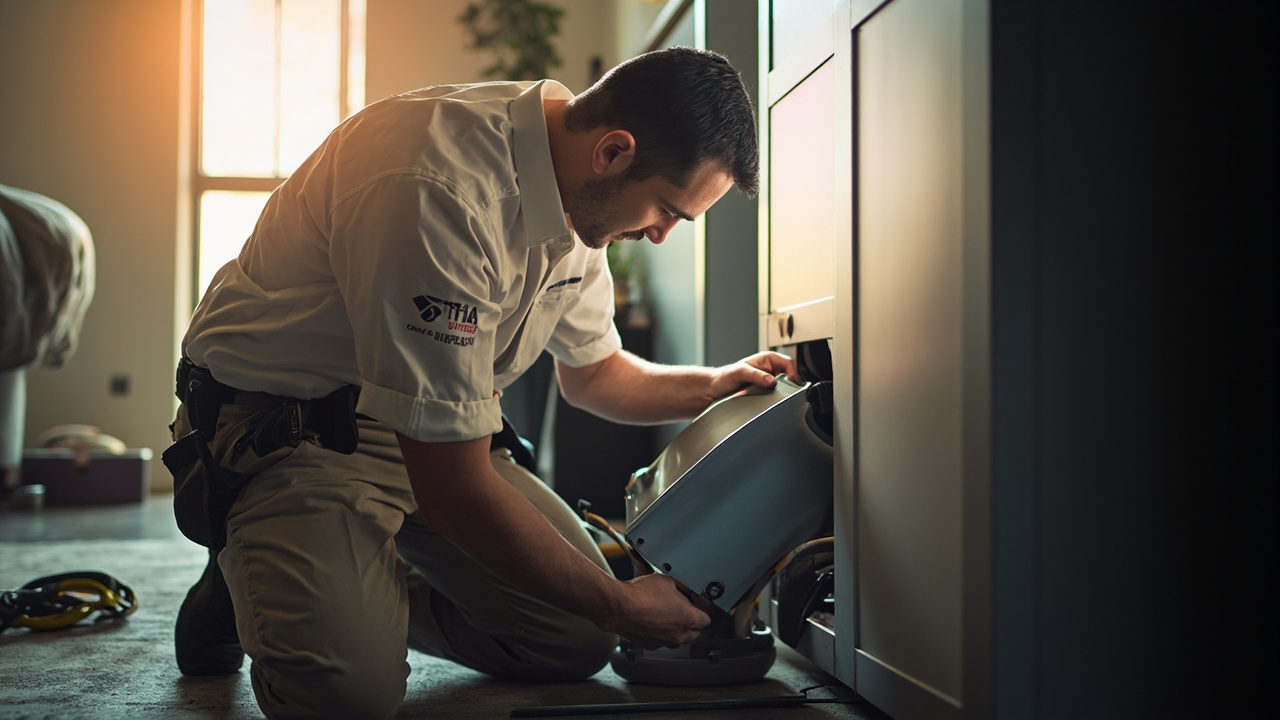
We install whole-house air purifiers at the return plenum, upstream of your air handler. This location ensures all air passes through the filtration media before reaching your evaporator coil. For homes with multiple return vents, we consolidate filtration at the main trunk line to maximize efficiency and simplify maintenance. We modify sheet metal as needed, cutting access panels for filter replacement and sealing all joints to prevent bypass.

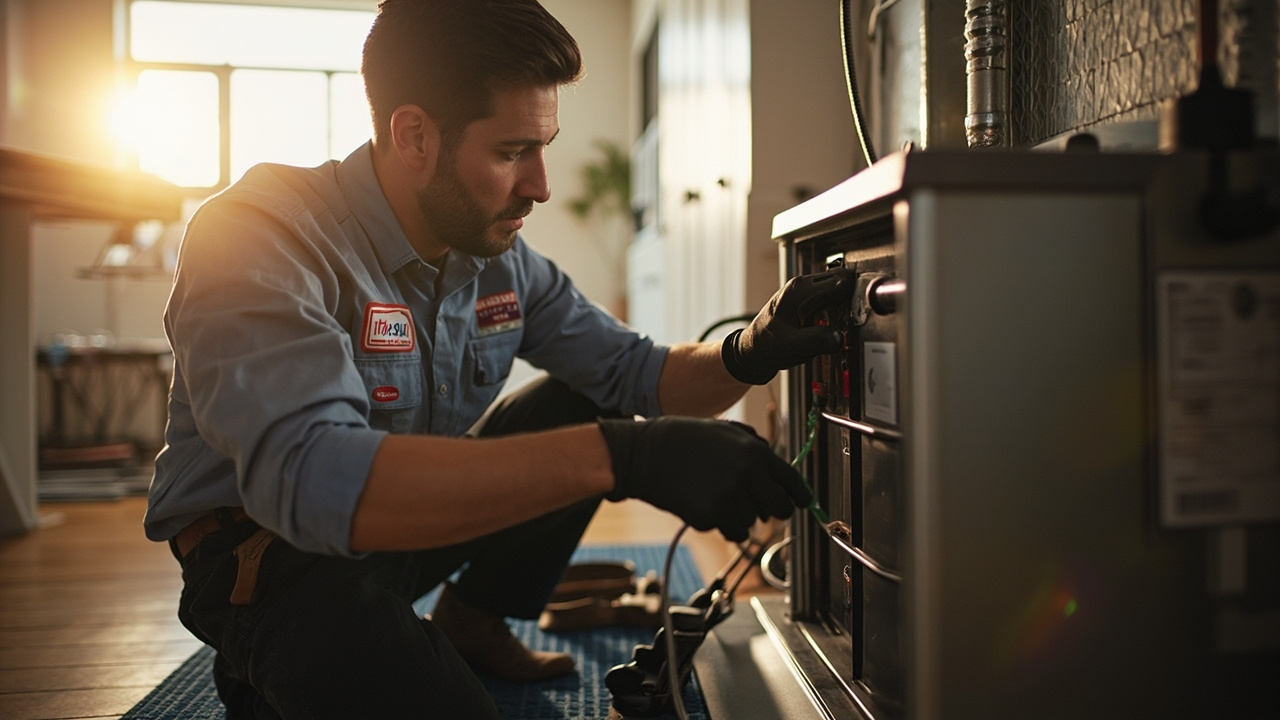
HVAC air purifiers with electronic filtration require dedicated 120V power. We run conduit from your electrical panel, install a disconnect switch within sight of the unit, and verify proper grounding to prevent nuisance tripping. UV germicidal lights mount inside the supply plenum, positioned to irradiate the evaporator coil surface where mold growth concentrates. We calculate UV-C dosage based on airflow velocity and coil geometry, ensuring sufficient exposure time to neutralize pathogens.

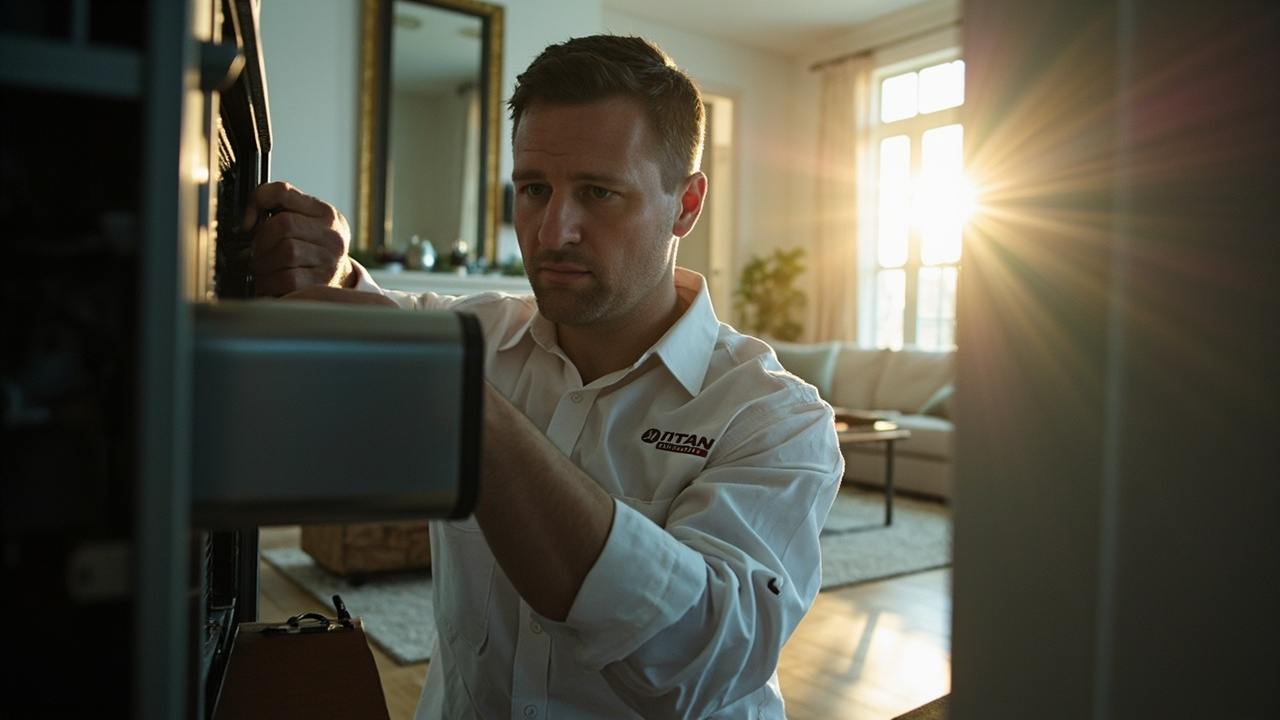
After installation, we verify system performance using a manometer to measure pressure drop across the filter media and an anemometer to confirm CFM at each supply register. Proper installation maintains airflow within manufacturer specifications while delivering maximum filtration efficiency. We program filter replacement reminders and show you how to monitor differential pressure indicators that signal when media needs changing.

What Happens During Your Air Purification System Installation

Air Purification Systems in Houston | Whole-House Solutions for Year-Round Clean Air
01

System Compatibility Assessment

We start by measuring your existing HVAC system capacity and ductwork configuration. This includes calculating total external static pressure, verifying blower motor horsepower, and determining available space at your return plenum. We match air purification equipment to your system's CFM capacity, ensuring the filtration media fits physically and maintains proper airflow without overloading your blower. This diagnostic step prevents compatibility issues that cause premature equipment failure or reduced filtration performance.
02

Custom Ductwork Integration

We modify your return ductwork to accommodate the air cleaner cabinet, cutting sheet metal precisely and fabricating transition pieces that eliminate air leaks. All seams get sealed with mastic and reinforced with metal-backed tape. We install access panels for filter replacement and mount electrical boxes for powered filtration units. For UV light installations, we position the lamp assembly to maximize coil surface exposure while maintaining proper clearances from refrigerant lines and ensuring safe bulb replacement access.
03

Performance Testing and Calibration

After installation, we verify system performance using diagnostic equipment. We measure pressure drop across the filter media, confirm CFM at supply registers matches design specifications, and test electrical connections for UV lights or electronic air cleaners. You receive detailed operating instructions, including filter replacement schedules based on your specific usage patterns and occupancy. We program your thermostat with maintenance reminders and show you how to monitor filter status indicators that prevent reduced airflow from clogged media.

Why Houston Homeowners Choose Titan HVAC Houston for Air Purification

Air purification requires precise system integration that balances filtration efficiency with HVAC performance. Generic installations that ignore static pressure calculations or fail to account for blower motor capacity create more problems than they solve. We've been sizing and installing air cleaning systems in Houston homes since our founding, working with the specific challenges Gulf Coast humidity and air quality present.

We understand how Houston's climate affects indoor air quality. The petrochemical corridor along the Ship Channel, seasonal oak pollen that blankets vehicles and outdoor surfaces, and mold growth from 90 percent humidity all require filtration strategies that address local contaminants. We stock filter media rated for high humidity environments and select UV lamp wavelengths calibrated for the mold species common to coastal Texas.

Our technicians complete manufacturer certification for every air purification brand we install, from mechanical HEPA filters to electronic precipitators and photocatalytic oxidation systems. This training covers proper electrical installation, ductwork integration techniques, and system-specific maintenance requirements. We don't subcontract installations or send undertrained helpers to complex integration projects.

We also maintain relationships with local building inspectors and understand Houston's mechanical code requirements for HVAC modifications. When installations require electrical permits or ductwork alterations in homes with existing code violations, we handle the permitting process and coordinate inspections. This protects you from compliance issues that surface during home sales or insurance claims.

You get transparent pricing before we start work, with detailed proposals that specify equipment models, filtration ratings, and electrical requirements. We explain the difference between basic pleated filters, electronic air cleaners, and true HEPA filtration so you choose the solution that matches your air quality goals and budget.

What to Expect from Your Air Purification Installation

Installation Timeline

Most whole-house air purifier installations take four to six hours, depending on ductwork complexity and electrical requirements. We complete the work in a single visit, arriving with all necessary equipment and materials. If we discover compatibility issues during the initial assessment, like undersized ductwork or inadequate electrical capacity, we explain the required modifications before proceeding. You're never surprised by additional work. We schedule installations around your availability, including weekend appointments, and we leave your home cleaner than we found it.

Initial Air Quality Assessment

Your installation begins with a complete HVAC system evaluation. We measure airflow at each register, inspect ductwork for leaks or damage, and assess your current filter setup. We check your evaporator coil for mold growth or debris accumulation that indicates poor filtration. This diagnostic process identifies any underlying issues that compromise air quality or system efficiency. If we find duct leaks or coil contamination, we recommend remediation before installing your air purification system. Clean ductwork and a sanitized coil maximize your new equipment's effectiveness from day one.

Measurable Air Quality Improvement

You notice cleaner air within 48 to 72 hours of installation. Dust accumulation on furniture decreases. Allergy symptoms improve. HVAC air purifiers remove the fine particles that trigger respiratory irritation and create that stale, stuffy feeling common in tightly sealed Houston homes. Your evaporator coil stays cleaner, reducing the musty odors that develop when mold grows on wet coil surfaces. You also see lower dust buildup on supply registers and less frequent need for duct cleaning. These improvements come from continuous filtration that captures contaminants before they settle throughout your home.

Ongoing Maintenance Support

We provide detailed maintenance schedules tailored to your specific air purification system and usage patterns. Filter replacement intervals vary based on occupancy, pets, and outdoor air quality. We offer filter delivery service and replacement reminders so you never run on clogged media that reduces airflow. For electronic air cleaners, we provide annual cleaning and inspection to maintain collection efficiency. UV lamps require replacement every 12 to 18 months as UV-C output degrades. We track these schedules and contact you when service is due, ensuring your system delivers consistent performance year after year.

Frequently Asked Questions

You Have Questions,
We Have Answers

What is the best home air purification system? +

The best home air purification system depends on your specific needs in Houston. HEPA filtration systems remove 99.97% of particles, making them ideal for homes dealing with Gulf Coast pollen and mold spores. UV-C systems kill bacteria and viruses. For Houston's high humidity, pairing HEPA with activated carbon filters tackles odors and VOCs from petrochemical air quality concerns. Whole-house systems integrate with your HVAC for comprehensive coverage. Standalone units work for single rooms. Consider your square footage, allergies, and whether you need mold control. A professional assessment identifies which technology addresses your indoor air quality issues.

Is there a downside to air purifiers? +

Yes, some downsides exist. Ionic and ozone-generating purifiers can produce harmful ozone, which irritates lungs. Avoid these types entirely. HEPA filters require regular replacement every 6-12 months, adding maintenance costs. In Houston's dusty conditions near construction zones or unpaved areas, filters clog faster. Some units generate white noise that bothers light sleepers. Undersized purifiers waste money without improving air quality. Cheap models lack proper sealing, allowing air to bypass filters. Energy costs vary, with whole-house systems increasing HVAC runtime. Choose certified models with proper CADR ratings for your room size to minimize drawbacks.

Are air purification systems worth it? +

Yes, especially in Houston. The combination of high humidity, industrial emissions, pollen from oak and ragweed, and mold growth makes indoor air quality a real health concern. Air purification systems reduce asthma triggers, allergy symptoms, and respiratory irritation. Houston ranks among the worst cities for ozone pollution, which seeps indoors. Purifiers with activated carbon capture outdoor pollutants. Homes near the Ship Channel or refineries benefit significantly. If you have children, elderly family members, or respiratory conditions, the investment pays off in fewer sick days and better sleep. Systems also remove pet dander and cooking odors.

What is an air purification system? +

An air purification system removes contaminants from indoor air using mechanical or electronic filtration. Whole-house systems integrate with your HVAC ductwork, treating air throughout your home. Portable units handle single rooms. HEPA filters trap particles like dust, pollen, and mold spores. Activated carbon filters absorb odors and chemicals. UV-C light kills bacteria and viruses. Some systems use electrostatic precipitation to charge and capture particles. In Houston, these systems combat humidity-related mold, outdoor pollution infiltration, and seasonal allergens. The technology forces air through filtration media, returning cleaner air to your living space.

What is better than an air purifier? +

Nothing is universally better than air purifiers. They each serve different purposes. Proper ventilation and source control address root causes, but Houston's outdoor air quality often makes this impractical. Dehumidifiers control mold growth in our humid climate but do not filter particles. HVAC upgrades with high-MERV filters improve baseline filtration. UV lights in ductwork kill biological contaminants. The most effective approach combines strategies. Use ventilation when air quality permits, maintain HVAC filters, control humidity, and add air purifiers for targeted filtration. Air purifiers excel at particle removal, which remains the primary indoor air quality concern for Houston residents.

How much does a whole house air purification system cost? +

Whole-house air purification systems vary widely based on technology and home size. Installation factors include ductwork modifications and electrical requirements. Houston homes average 1,800-2,500 square feet, which influences system sizing. HEPA systems typically cost more than UV or electrostatic options. Expect professional installation to add labor charges. Filter replacement runs annually or semi-annually depending on usage and Houston's dust levels. Systems with higher MERV ratings and multiple filtration stages cost more upfront but provide better protection against our specific air quality challenges. Get multiple quotes from licensed HVAC contractors for accurate pricing.

How Houston's Industrial Air Quality Impacts Indoor Filtration Needs

Houston's location along the petrochemical corridor exposes homes to fine particulate matter and volatile organic compounds that standard HVAC filters cannot capture. Refineries, chemical plants, and shipping traffic along the Houston Ship Channel release emissions that penetrate homes through building envelope leaks and ventilation systems. Ozone levels spike during summer months when sunlight reacts with industrial emissions, creating secondary pollutants that aggravate respiratory conditions. Whole-house air purifiers with activated carbon stages remove VOCs and odors, while HEPA-grade media traps the submicron particles that bypass standard pleated filters.

Local HVAC contractors in Houston understand the specific filtration requirements Gulf Coast air quality demands. We work with the same equipment day after day, seeing which systems perform reliably in high humidity and which models experience premature failure from moisture exposure. We know which filter media resist mold growth and which electronic air cleaners handle the dust load from constant construction in master-planned communities. This accumulated experience guides our equipment recommendations and ensures you get air cleaning systems matched to Houston's unique environmental conditions, not generic solutions that fail within months.
HVAC Services in The Houston Area

Titan HVAC is proud to serve Houston and the surrounding areas with expert heating and cooling solutions. Our central location allows us to respond quickly to both residential and commercial clients. Whether you need an emergency fix or scheduled service, we’re never far away. Explore our service area and see how close comfort really is. We're just a call or click away—connect with us today.

Address:
Titan HVAC Houston, 3730 Kirby DrHouston, Houston, TX, 77098

Additional Services We Offer

Our news updates

Latest Articles & News from The Blogs

Why Your AC Is Freezing Up Even When It’s 100 Degrees in Sienna When your air conditioner freezes up on…

Why Your AC Is Freezing Up Even When It’s 100 Degrees in Sienna

Why Your AC Is Freezing Up Even When It’s 100 Degrees in Sienna When your air conditioner freezes up on…

What That Screeching Sound from Your AC Actually Means (Hint—It’s Not Good)

What That Screeching Sound from Your AC Actually Means (Hint—It’s Not Good) Your Houston air conditioner works overtime for most…

Safe Ways to Landscape Around Your AC Unit in Hedwig Village

Safe Ways to Landscape Around Your AC Unit in Hedwig Village Your air conditioner works hardest during Houston’s brutal summer…

Contact Us

Call Titan HVAC Houston at (281) 552-7766 for a free air quality assessment and equipment consultation. We'll evaluate your current system, explain your filtration options, and provide transparent pricing for professional installation.