
Choosing Between Propane and Electric Heating for Your Rural Santa Fe Property
When rural Santa Fe property owners face the Texas Gulf Coast winter, choosing between propane and electric heating becomes a critical decision. Santa Fe’s location just inland from Galveston Bay means homes often lack natural gas infrastructure, forcing homeowners to weigh propane’s reliability against electric heat pump efficiency. This guide breaks down exactly what you need to know to make the right choice for your specific property and budget. Texas Department of Licensing and Regulation.
Understanding Santa Fe’s Unique Heating Challenges
Santa Fe sits in Galveston County where winter temperatures can swing from mild 60s to sudden 20-degree freezes within 24 hours. The area’s high humidity combined with Gulf Coast salt air creates corrosion risks that affect heating system longevity. Homes in Santa Fe typically range from 1960s ranch-style construction to newer developments, each presenting different heating installation challenges. What a New AC Installation Actually Costs in The Woodlands.
The Texas Department of Licensing and Regulation requires all HVAC installations to meet specific energy efficiency standards. For heating systems, this means understanding SEER2 ratings for heat pumps and AFUE ratings for furnaces. Santa Fe’s rural properties often deal with well water systems and septic tanks, which can affect where outdoor equipment gets placed. Getting Your Furnace Ready for a Houston Cold Snap (Katy and West Houston).
Propane Heating Systems: Reliability in Rural Settings
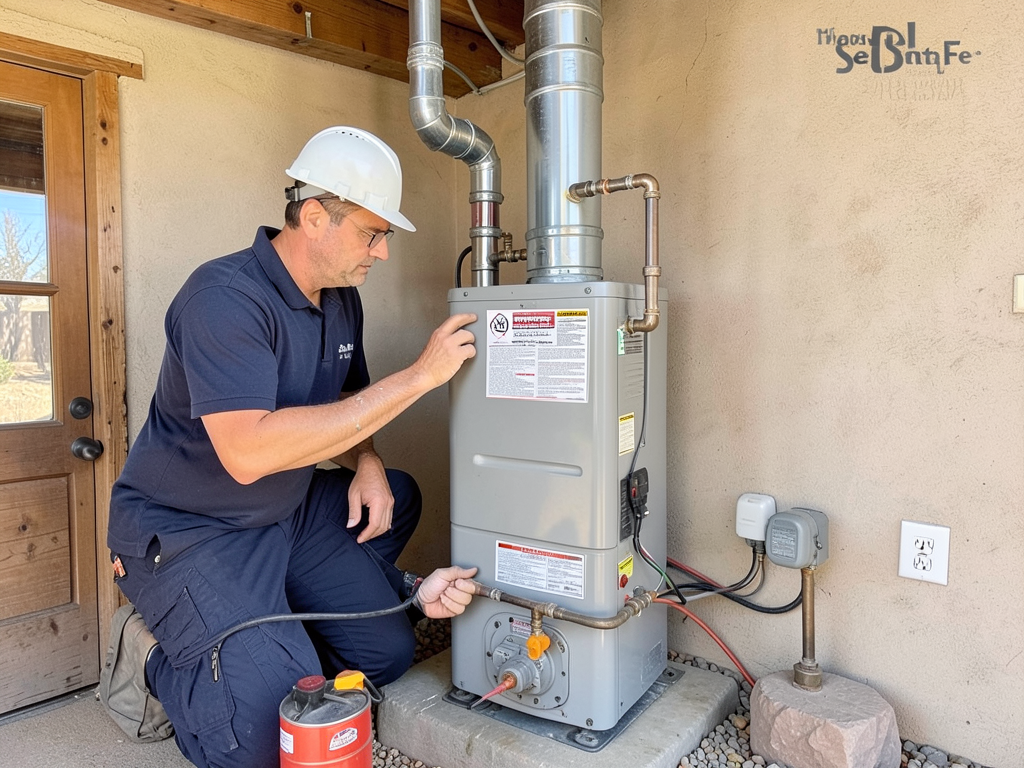
Propane furnaces provide consistent heat output regardless of outdoor temperature. A properly sized propane system delivers 95% efficiency with modern condensing units. The fuel burns cleanly and produces immediate heat when temperatures drop suddenly.
Installation requires proper ventilation and gas line connections. Most Santa Fe properties need 500-gallon propane tanks buried or placed on concrete pads. Local regulations require minimum setbacks from property lines and structures. Propane systems work well in homes with existing ductwork and can integrate with air conditioning systems.
Fuel costs fluctuate with market prices but typically range from $2.50 to $3.50 per gallon in 2026. A 2,000-square-foot home might use 500-800 gallons annually during typical Texas winters. Propane delivery schedules must be maintained to prevent running out during cold snaps.
Electric Heat Pump Systems: Efficiency and Lower Operating Costs
Heat pumps move heat rather than generate it, making them highly efficient in moderate climates. Modern units achieve SEER2 ratings up to 20 and can provide both heating and cooling from one system. For Santa Fe’s climate, heat pumps handle temperatures down to about 25 degrees before supplemental heat activates.
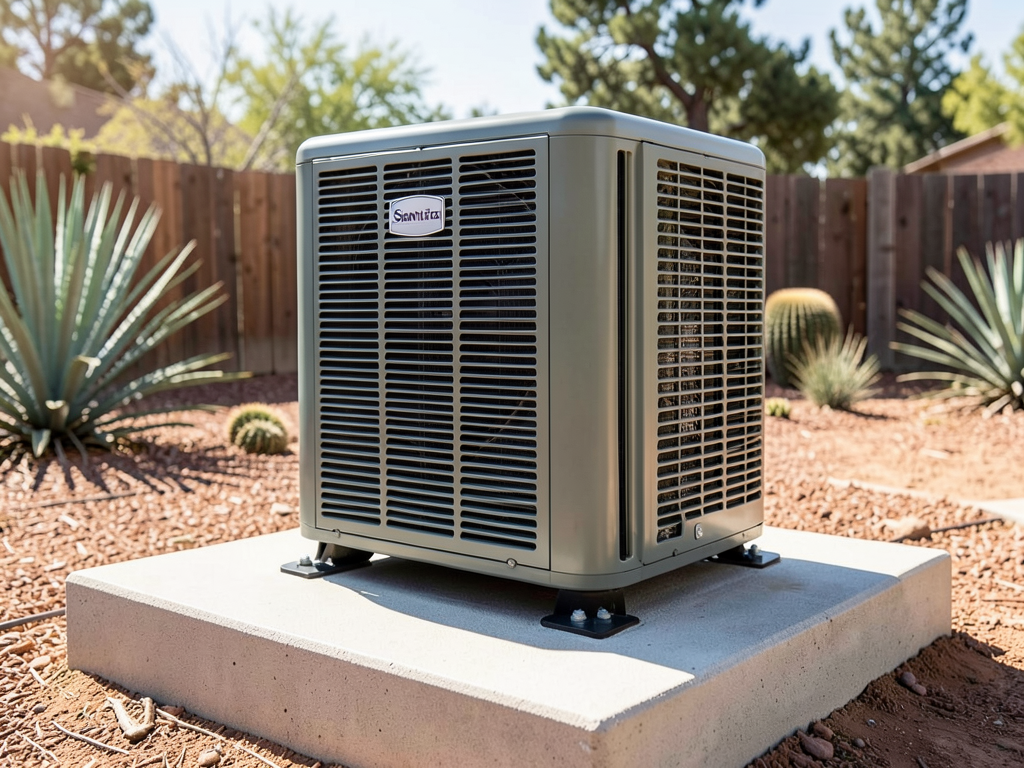
Installation involves outdoor condenser units and indoor air handlers. Heat pumps require proper sizing based on Manual J calculations that factor in Santa Fe’s humidity levels and typical winter lows. The systems work best in homes with good insulation and sealed ductwork.
Operating costs depend on electricity rates, which average 12-15 cents per kilowatt-hour in the Santa Fe area. A typical heat pump might use 3-5 kilowatts per hour during heating cycles. Over a winter season, electricity costs often run 30-40% lower than propane for comparable heating output.
Climate Impact on System Performance
Santa Fe’s Gulf Coast location creates unique heating demands. High humidity means heat pumps must handle significant moisture removal even during heating season. When temperatures drop below freezing, heat pump efficiency decreases while propane maintains consistent output.
Coastal salt air accelerates corrosion on outdoor units. Heat pumps need corrosion-resistant coatings and proper elevation to prevent standing water damage. Propane systems require similar protection but have fewer moving parts exposed to the elements.
Local wind patterns from the Gulf can affect heat distribution in homes. Open floor plans common in Santa Fe homes may require zoning systems to maintain even temperatures throughout larger spaces.
Installation Considerations for Rural Properties
Propane systems need outdoor space for tanks and proper ventilation for combustion. Tanks must sit on stable, level surfaces that won’t shift during Texas’s occasional heavy rains. Local building codes require specific distances from structures and property lines.
Heat pump installations need adequate outdoor space for condenser units with proper airflow clearance. Units should sit on elevated pads to prevent flooding damage. Electrical service must support the system’s startup amperage, which can be three times running amperage.
Both systems benefit from programmable thermostats that adjust for Santa Fe’s temperature swings. Smart thermostats can optimize performance based on weather forecasts and occupancy patterns.
Cost Comparison Analysis
| System Component | Propane Furnace | Electric Heat Pump |
|---|---|---|
| Equipment Cost | $3,500 – $5,500 | $4,000 – $7,000 |
| Installation Cost | $2,000 – $3,500 | $2,500 – $4,000 |
| Annual Fuel Cost | $1,500 – $2,200 | $800 – $1,200 |
| Maintenance Cost | $150 – $250 | $100 – $200 |
| Lifespan | 15-20 years | 12-15 years |
Maintenance Requirements and Longevity
Propane furnaces need annual inspections focusing on burner efficiency, heat exchanger integrity, and gas line connections. The combustion process creates soot that requires cleaning. Heat exchangers should be checked for cracks that could leak carbon monoxide.
Heat pumps require bi-annual maintenance to clean coils, check refrigerant levels, and verify defrost cycles work properly. The reversing valve that switches between heating and cooling needs periodic lubrication. Electrical connections must be tightened to prevent arcing. Why Your Memorial Home Needs a High-Efficiency AC Unit Right Now.
Santa Fe’s humidity means both systems need condensate drain line cleaning to prevent algae growth. Water damage from clogged drains can cause expensive repairs to floors and walls.
Environmental Considerations
Propane produces carbon dioxide during combustion but burns cleaner than oil or coal. The fuel’s carbon footprint depends on transportation distance from refineries. Modern propane furnaces achieve 95% efficiency, minimizing waste.
Heat pumps use electricity that may come from various sources including natural gas, coal, or renewable energy. Their efficiency means less total energy consumption. Heat pumps don’t produce direct emissions at the home site.
Both systems benefit from proper insulation and air sealing to reduce overall energy consumption. Santa Fe homes built before 1980 often need insulation upgrades to maximize heating system efficiency.
Emergency Preparedness
Propane systems continue working during power outages if equipped with battery backup thermostats. Fuel tanks provide energy independence but require monitoring to prevent shortages. Backup generators can power heat pumps during outages.
Heat pumps depend entirely on electricity but use less power than electric resistance heating. During extended outages, both systems become ineffective without backup power. Santa Fe’s hurricane vulnerability makes emergency heating planning essential. Finding Emergency AC Repair in Sugar Land Without Getting Ripped Off.
Both systems should include carbon monoxide detectors and proper ventilation safety features. Annual safety inspections prevent dangerous operating conditions.
Making Your Decision
Choose propane if you want consistent heat regardless of temperature, prefer fuel independence, or already have propane infrastructure. Propane works better for homes with poor insulation or large open spaces that lose heat quickly.
Select heat pumps if you prioritize lower operating costs, want cooling capability, or prefer minimal maintenance. Heat pumps suit well-insulated homes in mild-winter areas where temperatures rarely drop below freezing.
Consider hybrid systems that use heat pumps for most heating and propane backup for extreme cold. This combination maximizes efficiency while ensuring comfort during Texas’s unpredictable winter weather.
Local Regulations and Permitting
Texas requires HVAC contractors to hold valid licenses through the Texas Department of Licensing and Regulation. Santa Fe properties must comply with Galveston County building codes for all heating installations. Permit requirements vary based on system type and installation scope.
Propane installations need additional permits from the Texas Railroad Commission for tank placement and gas line work. Electrical work for heat pumps must meet National Electrical Code requirements and local inspection standards.
Insurance companies may have specific requirements for heating system installations. Some policies require licensed professional installation to maintain coverage validity.
Professional Installation Importance
Proper sizing determines system efficiency and comfort. Oversized units cycle frequently, reducing efficiency and comfort. Undersized systems run constantly, increasing wear and energy costs. Manual J calculations account for Santa Fe’s specific climate factors.
Professional installation ensures proper refrigerant charge, airflow balance, and safety controls. DIY installations void warranties and may create safety hazards. Licensed technicians understand local building codes and permit requirements.
Quality installation includes proper ductwork sealing, insulation, and system commissioning. These steps maximize efficiency and prevent common comfort issues like hot and cold spots.
Energy Efficiency Incentives
Federal tax credits may apply to high-efficiency heating systems installed in 2026. Heat pumps meeting ENERGY STAR requirements qualify for credits up to $2,000. Propane furnaces with 95% AFUE ratings may also qualify for incentives.
Local utility companies sometimes offer rebates for efficient heating upgrades. CenterPoint Energy and other providers periodically run efficiency programs that reduce installation costs for qualifying systems.
Proper maintenance ensures systems maintain their rated efficiency over time. Dirty filters, leaking ducts, and improper refrigerant charge can reduce efficiency by 20% or more.
Future-Proofing Your Investment
Consider how your heating needs might change over the next 15-20 years. Home additions, improved insulation, or changing family size affect system sizing requirements. Choose equipment with adequate capacity for future changes.
Smart thermostats and zoning systems add flexibility for changing comfort needs. These upgrades can improve efficiency without replacing the entire heating system.
Regular maintenance extends equipment life and maintains efficiency. Annual professional service prevents minor issues from becoming major repairs.
Getting Professional Help
Heating system selection involves complex calculations and local code requirements. Professional HVAC contractors provide load calculations, permit assistance, and warranty protection. They also offer maintenance plans that keep systems running efficiently.
Request multiple quotes from licensed contractors. Compare not just price but warranty terms, maintenance offerings, and contractor experience with your specific system type.
Check contractor licenses through the Texas Department of Licensing and Regulation. Verify insurance coverage and ask for references from similar installations in the Santa Fe area.
Frequently Asked Questions
What size heating system do I need for my Santa Fe home?
System size depends on your home’s square footage, insulation levels, window efficiency, and Santa Fe’s climate factors. A professional Manual J calculation considers all these elements to determine the exact BTU requirement for your specific property.
How long does heating system installation take?
Most residential heating installations complete in one to three days. Propane systems may require additional time for tank placement and gas line connections. Heat pump installations typically finish faster since they use existing electrical infrastructure.
Can I switch from propane to electric heat pump later?
Yes, but switching involves significant costs for new equipment and installation. Your existing ductwork may need modifications. Electrical service upgrades might be necessary to handle the heat pump’s power requirements.
What maintenance do heating systems need annually?
Both systems need annual professional maintenance including cleaning, safety checks, and efficiency testing. Heat pumps need bi-annual service if they also provide cooling. Regular filter changes every 1-3 months prevent system strain and maintain efficiency.
Are there financing options for heating system replacement?
Many HVAC contractors offer financing through third-party lenders. Some manufacturers provide promotional financing for qualifying equipment. Local credit unions and banks may offer home improvement loans for heating system upgrades.
How do I know if my current system needs replacement?
Consider replacement if your system is over 15 years old, requires frequent repairs, or causes high energy bills. Uneven heating, strange noises, or visible damage indicate potential system failure. Professional evaluation can determine if repair or replacement makes more financial sense.
Ready to Upgrade Your Santa Fe Home’s Heating System?
Don’t wait until the next cold snap leaves you shivering. Titan HVAC Houston has served Santa Fe and surrounding communities for over 15 years, helping homeowners choose the right heating solution for their specific needs and budgets. Our NATE-certified technicians understand Santa Fe’s unique climate challenges and building requirements.
We provide free in-home consultations to evaluate your current system and recommend the most efficient options for your property. Our team handles everything from load calculations to final inspections, ensuring your new heating system meets all local codes and delivers reliable comfort for years to come. For more information, visit U.S. Department of Energy heat pump guide.
Call (281) 552-7766 today to schedule your heating consultation. Don’t let another Texas winter catch you unprepared. Pick up the phone and call (281) 552-7766 before the next cold front arrives. Your comfort is our priority, and we’re ready to help you make the best heating choice for your Santa Fe property.
{
“@context”: “https://schema.org”,
“@type”: “BlogPosting”,
“headline”: “Choosing Between Propane and Electric Heating for Your Rural Santa Fe Property”,
“description”: “Compare propane vs electric heating systems for Santa Fe TX properties. Learn efficiency, costs, and local climate factors from Houston HVAC experts at Titan HVAC.”,
“wordCount”: 2043,
“datePublished”: “2026-04-24T09:58:00.000Z”,
“dateModified”: “2026-04-24T09:58:00.000Z”,
“inLanguage”: “en-US”,
“mainEntityOfPage”: {
“@type”: “WebPage”,
“@id”: “https://titanhvachouston.com”
},
“publisher”: {
“@type”: “LocalBusiness”,
“name”: “Titan HVAC Houston”,
“url”: “https://titanhvachouston.com”
},
“author”: {
“@type”: “Organization”,
“name”: “Titan HVAC Houston”,
“url”: “https://titanhvachouston.com”
},
“image”: {
“@type”: “ImageObject”,
“url”: “https://titanhvachouston.com/wp-content/uploads/2026/03/choosing-between-propane-and-electric-heating-for-1.png”
}
}
{
“@context”: “https://schema.org”,
“@type”: “HVACBusiness”,
“name”: “Titan HVAC Houston”,
“url”: “https://titanhvachouston.com”,
“address”: {
“@type”: “PostalAddress”,
“addressLocality”: “Houston”
},
“areaServed”: {
“@type”: “City”,
“name”: “Houston”
}
}
{
“@context”: “https://schema.org”,
“@type”: “FAQPage”,
“mainEntity”: [
{
“@type”: “Question”,
“name”: “What size heating system do I need for my Santa Fe home?”,
“acceptedAnswer”: {
“@type”: “Answer”,
“text”: “System size depends on your home’s square footage, insulation levels, window efficiency, and Santa Fe’s climate factors. A professional Manual J calculation considers all these elements to determine the exact BTU requirement for your specific property.”
}
},
{
“@type”: “Question”,
“name”: “How long does heating system installation take?”,
“acceptedAnswer”: {
“@type”: “Answer”,
“text”: “Most residential heating installations complete in one to three days. Propane systems may require additional time for tank placement and gas line connections. Heat pump installations typically finish faster since they use existing electrical infrastructure.”
}
},
{
“@type”: “Question”,
“name”: “Can I switch from propane to electric heat pump later?”,
“acceptedAnswer”: {
“@type”: “Answer”,
“text”: “Yes, but switching involves significant costs for new equipment and installation. Your existing ductwork may need modifications. Electrical service upgrades might be necessary to handle the heat pump’s power requirements.”
}
},
{
“@type”: “Question”,
“name”: “What maintenance do heating systems need annually?”,
“acceptedAnswer”: {
“@type”: “Answer”,
“text”: “Both systems need annual professional maintenance including cleaning, safety checks, and efficiency testing. Heat pumps need bi-annual service if they also provide cooling. Regular filter changes every 1-3 months prevent system strain and maintain efficiency.”
}
},
{
“@type”: “Question”,
“name”: “Are there financing options for heating system replacement?”,
“acceptedAnswer”: {
“@type”: “Answer”,
“text”: “Many HVAC contractors offer financing through third-party lenders. Some manufacturers provide promotional financing for qualifying equipment. Local credit unions and banks may offer home improvement loans for heating system upgrades.”
}
},
{
“@type”: “Question”,
“name”: “How do I know if my current system needs replacement?”,
“acceptedAnswer”: {
“@type”: “Answer”,
“text”: “Consider replacement if your system is over 15 years old, requires frequent repairs, or causes high energy bills. Uneven heating, strange noises, or visible damage indicate potential system failure. Professional evaluation can determine if repair or replacement makes more financial sense.”
}
},
{
“@type”: “Question”,
“name”: “Ready to Upgrade Your Santa Fe Home’s Heating System?”,
“acceptedAnswer”: {
“@type”: “Answer”,
“text”: “Don’t wait until the next cold snap leaves you shivering. Titan HVAC Houston has served Santa Fe and surrounding communities for over 15 years, helping homeowners choose the right heating solution for their specific needs and budgets. Our NATE-certified technicians understand Santa Fe’s unique climate challenges and building requirements.”
}
}
]
}
{
“@context”: “https://schema.org”,
“@type”: “BreadcrumbList”,
“itemListElement”: [
{
“@type”: “ListItem”,
“position”: 1,
“name”: “Home”,
“item”: “https://titanhvachouston.com”
},
{
“@type”: “ListItem”,
“position”: 2,
“name”: “Blog”,
“item”: “https://titanhvachouston.com/blog”
},
{
“@type”: “ListItem”,
“position”: 3,
“name”: “Choosing Between Propane and Electric Heating for Your Rural Santa Fe Property”
}
]
}
{
“@context”: “https://schema.org”,
“@type”: “Service”,
“serviceType”: “HVAC”,
“provider”: {
“@type”: “LocalBusiness”,
“name”: “Titan HVAC Houston”,
“url”: “https://titanhvachouston.com”
},
“areaServed”: {
“@type”: “City”,
“name”: “Houston”
},
“description”: “Compare propane vs electric heating systems for Santa Fe TX properties. Learn efficiency, costs, and local climate factors from Houston HVAC experts at Titan HVAC.”
}