
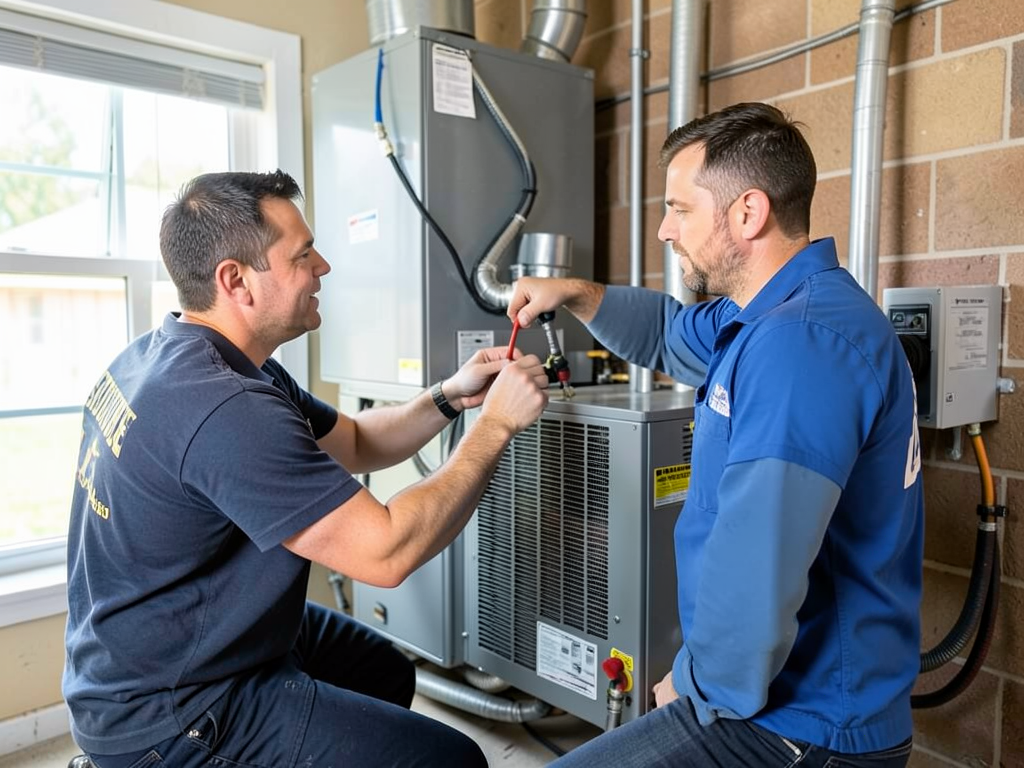
Controlling Indoor Pollen and Springtime Allergies in Southside Place
Southside Place residents face unique allergy challenges during Houston’s spring season. The combination of high humidity, Gulf Coast winds, and dense oak and cedar pollen creates an indoor air quality crisis for many homes. Your HVAC system becomes the first line of defense against these airborne irritants that can trigger sneezing, congestion, and respiratory distress.
Professional indoor air quality solutions can reduce airborne allergens by up to 99% when properly installed and maintained. The key is understanding how Houston’s specific climate affects your home’s air and implementing targeted filtration and humidity control strategies that work with your existing HVAC system.
Why Houston’s Spring Season Triggers Severe Indoor Allergies
Houston’s spring allergy season typically runs from late February through May, with oak pollen counts often exceeding 1,000 grains per cubic meter. Southside Place’s proximity to Buffalo Bayou and mature tree canopy creates a perfect storm for pollen accumulation. The area’s high humidity levels, often above 70%, prevent pollen from settling quickly and keep it airborne longer.
Indoor air can be 2-5 times more polluted than outdoor air, according to EPA studies. Without proper filtration, your HVAC system recirculates these allergens throughout your home. Common indoor triggers include dust mites, pet dander, mold spores, and the pollen that enters through open doors and windows. EPA indoor air quality guidelines.
Common Indoor Allergens Found in Southside Place Homes
Dust mites thrive in Houston’s humidity, with populations exploding when indoor relative humidity exceeds 50%. These microscopic creatures feed on dead skin cells and their waste products trigger allergic reactions. Pet dander from dogs and cats becomes airborne and settles in carpets, upholstery, and HVAC ductwork.
Mold spores are particularly problematic in Southside Place due to the area’s older homes and mature landscaping. Aspergillus and Penicillium strains commonly grow in air conditioning coils and ductwork when humidity levels aren’t properly controlled. Cockroach allergens also affect urban Houston homes, with droppings and body parts becoming airborne irritants.
Professional HVAC Solutions for Allergy Relief
HEPA filtration systems can capture 99.97% of particles as small as 0.3 microns. When installed in your HVAC system, these filters trap pollen, dust mites, and pet dander before they circulate through your home. The Texas Department of Licensing and Regulation requires HVAC contractors to follow specific installation guidelines for whole-home filtration systems. What a New AC Installation Actually Costs in The Woodlands.
UV germicidal lights installed in your air handler kill mold, bacteria, and viruses that grow on evaporator coils. These systems use ultraviolet-C light at 254 nanometers to destroy the DNA of microorganisms. Professional installation ensures proper placement and safety, as UV-C can damage skin and eyes with direct exposure.
Whole-home air scrubbers like the Reme Halo or iWave use ionization technology to neutralize airborne particles. These devices create charged ions that attach to allergens, making them larger and easier for your existing filters to capture. They also produce hydrogen peroxide molecules that sanitize surfaces throughout your home.. Read more about Comparing Whole House Dehumidifiers and Portable Units for Homes in Deer Park.
The Critical Role of Humidity Control
Dust mites cannot survive when relative humidity drops below 50%. Whole-home dehumidifiers work with your existing HVAC system to maintain optimal indoor humidity levels between 30-50%. This not only reduces dust mite populations but also prevents mold growth in your ductwork and on cooling coils.
Professional humidity control systems monitor indoor conditions 24/7 and adjust output automatically. These units can remove 70-100 pints of moisture per day from a typical Southside Place home. The investment typically pays for itself through reduced allergy symptoms and lower cooling costs, as drier air feels cooler at higher temperatures.
Duct Cleaning and Sealing for Maximum Air Quality
Leaky ductwork pulls contaminated air from attics and crawl spaces into your living areas. The EPA estimates that typical homes lose 20-30% of conditioned air through duct leaks. Professional duct cleaning removes accumulated dust, pollen, and mold that would otherwise be recirculated through your home.
Sealing ductwork with mastic or specialized tape prevents air infiltration and improves system efficiency. This process includes testing for leaks using pressure diagnostics and ensuring all connections meet National Air Duct Cleaners Association (NADCA) standards. Clean, sealed ducts can reduce airborne allergens by 50% or more.
Maintenance Strategies for Year-Round Allergy Control
Regular HVAC maintenance prevents the buildup of allergens in your system. This includes monthly filter changes using MERV 11 or higher rated filters, annual coil cleaning, and professional inspections before peak allergy seasons. Houston’s high humidity accelerates coil contamination, making twice-yearly professional cleaning essential.
Smart thermostats with air quality monitoring can alert you when pollen counts are high or when filter replacement is needed. Some systems automatically adjust fan speeds to increase air circulation during high-allergy periods. Integration with weather services provides real-time pollen forecasts specific to Southside Place.
Understanding MERV Ratings for Allergy Relief
MERV ratings measure a filter’s ability to capture particles of specific sizes. MERV 8 filters capture 90% of particles 3-10 microns but allow smaller allergens to pass through. MERV 11 filters capture 95% of particles 1-3 microns, including most pollen and dust mite debris.
MERV 13 filters provide hospital-grade filtration, capturing 99.97% of particles 0.3-1 micron. However, they require professional installation to ensure your HVAC system can handle the increased airflow resistance. Using the wrong filter can strain your system and reduce efficiency by up to 15%.
Professional IAQ Testing and Assessment
Indoor air quality testing identifies specific allergens affecting your home. Professional testing measures particulate matter, volatile organic compounds, humidity levels, and biological contaminants. The results guide targeted solutions rather than generic recommendations that may not address your specific triggers.
Testing equipment includes particle counters, moisture meters, and air sampling devices. These tools provide quantitative data about your home’s air quality, allowing technicians to track improvements after installing filtration or humidity control systems. Regular testing helps maintain optimal conditions as your home’s needs change with the seasons. Why Your Memorial Home Needs a High-Efficiency AC Unit Right Now.
Cost-Effective DIY Steps for Immediate Relief
Simple changes can significantly reduce indoor allergens while you plan professional solutions. Use high-quality MERV 11+ filters and change them every 30-60 days during peak allergy season. Keep windows closed during high pollen days and use your HVAC system’s fan setting to circulate filtered air.
Wash bedding weekly in hot water above 130°F to kill dust mites. Use allergen-proof covers on mattresses and pillows. Remove shoes at the door to prevent tracking pollen indoors. These steps reduce allergen load while professional systems are being installed.
Emergency Allergy Relief When Symptoms Spike
During severe allergy outbreaks, increase your HVAC fan speed to maximum to improve air circulation. Consider temporary portable HEPA filters for bedrooms and living areas. Close fresh air intake dampers to prevent outdoor pollen from entering your system.
If symptoms become severe, professional emergency service can diagnose and address immediate air quality issues. This might include cleaning contaminated coils, replacing saturated filters, or adjusting humidity levels that have become problematic. Quick response prevents minor issues from becoming major health concerns. Finding Emergency AC Repair in Sugar Land Without Getting Ripped Off.
Long-Term Benefits of Professional IAQ Solutions
Investing in professional indoor air quality solutions provides benefits beyond allergy relief. Improved air quality reduces respiratory infections, improves sleep quality, and can increase HVAC system efficiency by 10-15%. Homes with good IAQ often have higher resale values and lower ongoing maintenance costs.
Professional systems also protect your home’s interior. Reduced dust means less cleaning, while controlled humidity prevents wood furniture from warping and electronics from overheating. The peace of mind that comes from breathing clean air is invaluable for families with allergy sufferers.
Choosing the Right HVAC Contractor for IAQ Work
Look for contractors with specific indoor air quality certifications beyond basic HVAC licensing. The National Association of Indoor Air Quality (NAIAI) and Indoor Air Quality Association (IAQA) offer specialized training. Ask about experience with allergy-specific installations and request references from other Southside Place residents.
Professional IAQ contractors should provide detailed assessments, written proposals, and follow-up testing to verify results. They should explain the science behind their recommendations and provide maintenance plans to ensure long-term effectiveness. Avoid contractors who push expensive solutions without first diagnosing your specific problems.
Seasonal Preparation for Houston’s Allergy Seasons
Prepare your home before each allergy season begins. Schedule professional HVAC maintenance in late winter before oak pollen peaks. Clean and inspect ductwork in early spring. Test humidity control systems before summer heat arrives. These proactive steps prevent the buildup of allergens that cause seasonal misery.
Monitor local pollen forecasts through resources like the Houston Health Department’s air quality monitoring program. Adjust your home’s air handling strategies based on daily conditions. Some days may require maximum filtration, while others allow for normal operation. Professional systems can automate these adjustments based on real-time data.
Frequently Asked Questions
How much does professional indoor air quality improvement cost?
Professional IAQ solutions range from $500 for basic filtration upgrades to $5,000+ for comprehensive systems including UV lights, dehumidifiers, and duct cleaning. Most Southside Place homes benefit from $1,500-3,000 investments that address their specific allergy triggers.
How long does it take to notice allergy relief after installation?
Many homeowners notice improvement within 24-48 hours as airborne allergens are removed from circulation. Complete system effectiveness typically takes 1-2 weeks as settled allergens are gradually eliminated from your home’s surfaces and soft furnishings.
Can I install these systems myself?
While basic filter changes are DIY-friendly, professional installation ensures proper sizing, electrical safety, and warranty protection. Improper installation can reduce system effectiveness by 50% or more and may void manufacturer warranties or violate local building codes.
Will these systems increase my energy bills?
Properly installed IAQ systems typically have minimal impact on energy costs. In fact, clean coils and ducts can improve HVAC efficiency by 5-15%, potentially offsetting any additional power consumption from enhanced filtration systems.
How often should I replace filters in Houston’s climate?
Replace standard MERV 11+ filters every 30-60 days during peak allergy seasons. Houston’s high humidity and pollen counts mean filters clog faster than in drier climates. Professional systems with pressure monitoring can alert you when replacement is needed.
Take Control of Your Indoor Air Quality Today
Don’t let spring allergies control your life in Southside Place. Professional indoor air quality solutions can provide immediate relief and long-term protection for your family’s health. Our experienced technicians understand Houston’s unique climate challenges and can recommend systems specifically designed for our area’s high humidity and intense pollen seasons.
Call (281) 552-7766 today to schedule your indoor air quality assessment. We’ll test your home’s current conditions, identify specific allergen sources, and recommend targeted solutions that fit your budget and health needs. Your family deserves to breathe easy this spring and beyond.
Pick up the phone and call (281) 552-7766 before the next pollen surge hits. Professional IAQ solutions are more affordable than you think, and the relief they provide is priceless. Don’t wait until symptoms become unbearable – take action now for a healthier home environment.
Ready to breathe easier? Contact us at (281) 552-7766 for your free consultation. Our team serves Southside Place and all surrounding Houston neighborhoods with expert indoor air quality solutions backed by years of local experience. For more information, visit CDC indoor air quality resources.
You may also find this helpful. Reliable Medical Office HVAC Maintenance for Healthcare Practices in Webster.
You may also find this helpful. Industrial Strength Air Purifiers for Residential Homes in Texas City.
You may also find this helpful. How to Block Industrial Odors and Chemical Pollutants from Entering Your La Porte Home.
{
“@context”: “https://schema.org”,
“@type”: “BlogPosting”,
“headline”: “Controlling Indoor Pollen and Springtime Allergies in Southside Place”,
“description”: “Struggling with spring allergies in Southside Place? Learn how Houston’s humidity and pollen impact your indoor air quality and how HVAC solutions like HEPA filters and UV lights can help.”,
“wordCount”: 1873,
“datePublished”: “2026-04-15T10:26:00.000Z”,
“dateModified”: “2026-04-15T10:26:00.000Z”,
“inLanguage”: “en-US”,
“mainEntityOfPage”: {
“@type”: “WebPage”,
“@id”: “https://titanhvachouston.com”
},
“publisher”: {
“@type”: “LocalBusiness”,
“name”: “Titan HVAC Houston”,
“url”: “https://titanhvachouston.com”
},
“author”: {
“@type”: “Organization”,
“name”: “Titan HVAC Houston”,
“url”: “https://titanhvachouston.com”
},
“image”: {
“@type”: “ImageObject”,
“url”: “https://titanhvachouston.com/wp-content/uploads/2026/03/controlling-indoor-pollen-and-springtime-allergies-1.png”
}
}
{
“@context”: “https://schema.org”,
“@type”: “HVACBusiness”,
“name”: “Titan HVAC Houston”,
“url”: “https://titanhvachouston.com”,
“address”: {
“@type”: “PostalAddress”,
“addressLocality”: “Houston”
},
“areaServed”: {
“@type”: “City”,
“name”: “Houston”
}
}
{
“@context”: “https://schema.org”,
“@type”: “FAQPage”,
“mainEntity”: [
{
“@type”: “Question”,
“name”: “How much does professional indoor air quality improvement cost?”,
“acceptedAnswer”: {
“@type”: “Answer”,
“text”: “Professional IAQ solutions range from $500 for basic filtration upgrades to $5,000+ for comprehensive systems including UV lights, dehumidifiers, and duct cleaning. Most Southside Place homes benefit from $1,500-3,000 investments that address their specific allergy triggers.”
}
},
{
“@type”: “Question”,
“name”: “How long does it take to notice allergy relief after installation?”,
“acceptedAnswer”: {
“@type”: “Answer”,
“text”: “Many homeowners notice improvement within 24-48 hours as airborne allergens are removed from circulation. Complete system effectiveness typically takes 1-2 weeks as settled allergens are gradually eliminated from your home’s surfaces and soft furnishings.”
}
},
{
“@type”: “Question”,
“name”: “Can I install these systems myself?”,
“acceptedAnswer”: {
“@type”: “Answer”,
“text”: “While basic filter changes are DIY-friendly, professional installation ensures proper sizing, electrical safety, and warranty protection. Improper installation can reduce system effectiveness by 50% or more and may void manufacturer warranties or violate local building codes.”
}
},
{
“@type”: “Question”,
“name”: “Will these systems increase my energy bills?”,
“acceptedAnswer”: {
“@type”: “Answer”,
“text”: “Properly installed IAQ systems typically have minimal impact on energy costs. In fact, clean coils and ducts can improve HVAC efficiency by 5-15%, potentially offsetting any additional power consumption from enhanced filtration systems.”
}
},
{
“@type”: “Question”,
“name”: “How often should I replace filters in Houston’s climate?”,
“acceptedAnswer”: {
“@type”: “Answer”,
“text”: “Replace standard MERV 11+ filters every 30-60 days during peak allergy seasons. Houston’s high humidity and pollen counts mean filters clog faster than in drier climates. Professional systems with pressure monitoring can alert you when replacement is needed.”
}
}
]
}
{
“@context”: “https://schema.org”,
“@type”: “BreadcrumbList”,
“itemListElement”: [
{
“@type”: “ListItem”,
“position”: 1,
“name”: “Home”,
“item”: “https://titanhvachouston.com”
},
{
“@type”: “ListItem”,
“position”: 2,
“name”: “Blog”,
“item”: “https://titanhvachouston.com/blog”
},
{
“@type”: “ListItem”,
“position”: 3,
“name”: “Controlling Indoor Pollen and Springtime Allergies in Southside Place”
}
]
}
{
“@context”: “https://schema.org”,
“@type”: “Service”,
“serviceType”: “HVAC”,
“provider”: {
“@type”: “LocalBusiness”,
“name”: “Titan HVAC Houston”,
“url”: “https://titanhvachouston.com”
},
“areaServed”: {
“@type”: “City”,
“name”: “Houston”
},
“description”: “Struggling with spring allergies in Southside Place? Learn how Houston’s humidity and pollen impact your indoor air quality and how HVAC solutions like HEPA filters and UV lights can help.”
}