
Do Solar Screens Actually Help Your AC Work Better in Eldridge and West Oaks?
Solar screens can reduce your AC’s cooling load by 20-30% during Houston’s brutal summers. These exterior mesh barriers block up to 90% of solar heat before it hits your windows, keeping indoor temperatures 10-15 degrees cooler near glass surfaces. For Eldridge and West Oaks homeowners battling both heat and humidity, this means your AC cycles less often, reducing wear on compressors and potentially extending system life by years.
How Houston Heat Attacks Your AC System
Houston’s triple-digit heat creates a relentless battle inside your home. When sunlight strikes windows, it transfers radiant energy through the glass, creating what engineers call solar heat gain. This invisible heat load forces your AC to run constantly, struggling to maintain set temperatures. The physics are simple: every degree your home heats above your thermostat setting means your AC works harder and longer.
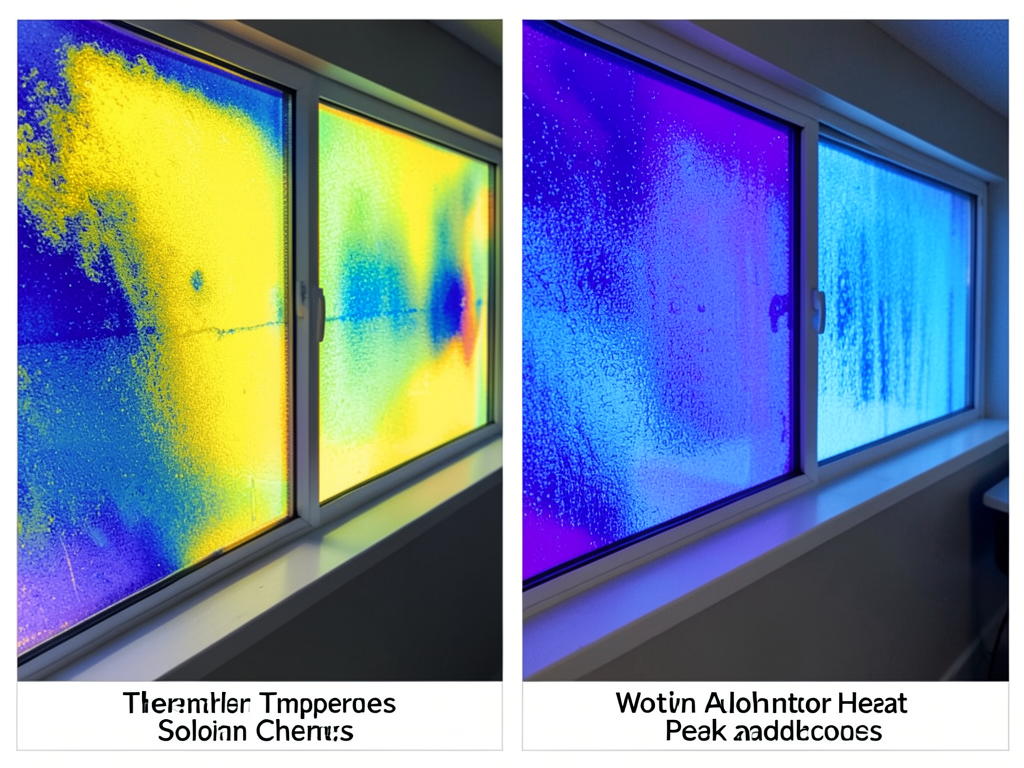
During peak summer months, Houston homes with large west-facing windows can experience surface temperatures exceeding 150°F on glass. Your AC must then remove this heat continuously, creating what HVAC technicians call thermal overload. This is especially problematic in Eldridge and West Oaks, where many homes feature expansive windows to capture views of the surrounding green spaces.
Thermal imaging comparison showing window surface temperatures with and without solar screens during peak afternoon heat
The Science Behind Solar Screen Efficiency
Solar screens work by interrupting the heat transfer process before it enters your home. The specialized mesh material blocks a significant portion of infrared radiation while still allowing visible light to pass through. This is measured by the Solar Heat Gain Coefficient (SHGC), with quality screens achieving SHGC ratings of 0.10 to 0.25 compared to bare glass at 0.70 to 0.85.
The reduction in heat gain directly translates to BTU reduction. A typical Houston home might require 36,000 BTUs of cooling capacity just to overcome solar gain through windows. With solar screens reducing this load by 25%, your AC only needs to handle 27,000 BTUs for the same space, a 25% reduction in cooling demand. Why Your Memorial Home Needs a High-Efficiency AC Unit Right Now.
Measurable Impact on AC Performance
The efficiency gains from solar screens manifest in several ways. First, your AC cycles less frequently, which is crucial for compressor longevity. Each start-up cycle creates the most wear on your system. By reducing the number of cycles, you extend the life of expensive components like the compressor and contactor.
Second, solar screens help prevent short cycling during extreme heat events. When outdoor temperatures exceed 100°F, AC units often struggle to reach set points. Solar screens reduce this strain, allowing your system to maintain consistent temperatures without running continuously.
Third, the reduced cooling load means your AC can focus more on dehumidification. In Houston’s humid climate, removing moisture from the air is as important as cooling it. With less sensible heat to manage, your evaporator coil can operate more efficiently at removing humidity, creating more comfortable indoor conditions.
Solar Screens vs. Other Window Treatments
| Window Treatment | Heat Reduction | UV Protection | Installation Cost | Best For Houston |
|---|---|---|---|---|
| Exterior Solar Screens | 80-90% | 95% | $3-6 per sq ft | Highest |
| Window Film | 40-60% | 99% | $5-8 per sq ft | Medium |
| Interior Blinds | 20-30% | 0% | $2-4 per sq ft | Low |
| Blackout Curtains | 25-35% | 0% | $4-7 per sq ft | Low |
Exterior solar screens outperform interior solutions because they stop heat before it enters the glass. Window film provides moderate benefits but can void window warranties and may not be suitable for all glass types. Interior solutions like blinds and curtains absorb heat after it passes through the glass, making them less effective in Houston’s intense climate.
Maximizing Your Investment: HVAC + Solar Screens
The synergy between solar screens and your HVAC system creates opportunities for optimization. When your AC doesn’t have to fight solar heat gain, you can potentially downsize to a smaller, more efficient unit while maintaining the same comfort levels. This is particularly valuable in Eldridge and West Oaks, where many homes were built with oversized systems that short cycle.
Consider this scenario: A 3-ton AC unit running constantly during peak summer might consume 3,500 watts per hour. With solar screens reducing the load by 25%, that same space might only need 2,625 watts per hour. Over a 100-day cooling season, this translates to significant energy savings and reduced wear on your system.
Solar screens also protect your AC’s outdoor condenser unit indirectly. By keeping your home cooler, the system doesn’t have to work as hard to reject heat, which means the condenser operates at lower temperatures. This reduces thermal stress on the compressor and can extend the life of your outdoor unit.
Installation Considerations for Eldridge and West Oaks Homes
Houston’s climate requires specific considerations for solar screen installation. The material must withstand intense UV exposure, high humidity, and occasional severe weather. Phifer SunTex, a vinyl-coated polyester fabric, has proven most durable in coastal Texas conditions, maintaining integrity for 10-15 years with proper installation. Phifer SunTex.
Frame selection matters in Houston’s humid environment. Aluminum frames with powder coating resist corrosion better than standard steel. The screens should be installed with proper tension to prevent sagging during heavy rains, which are common in Eldridge and West Oaks during summer thunderstorm season.
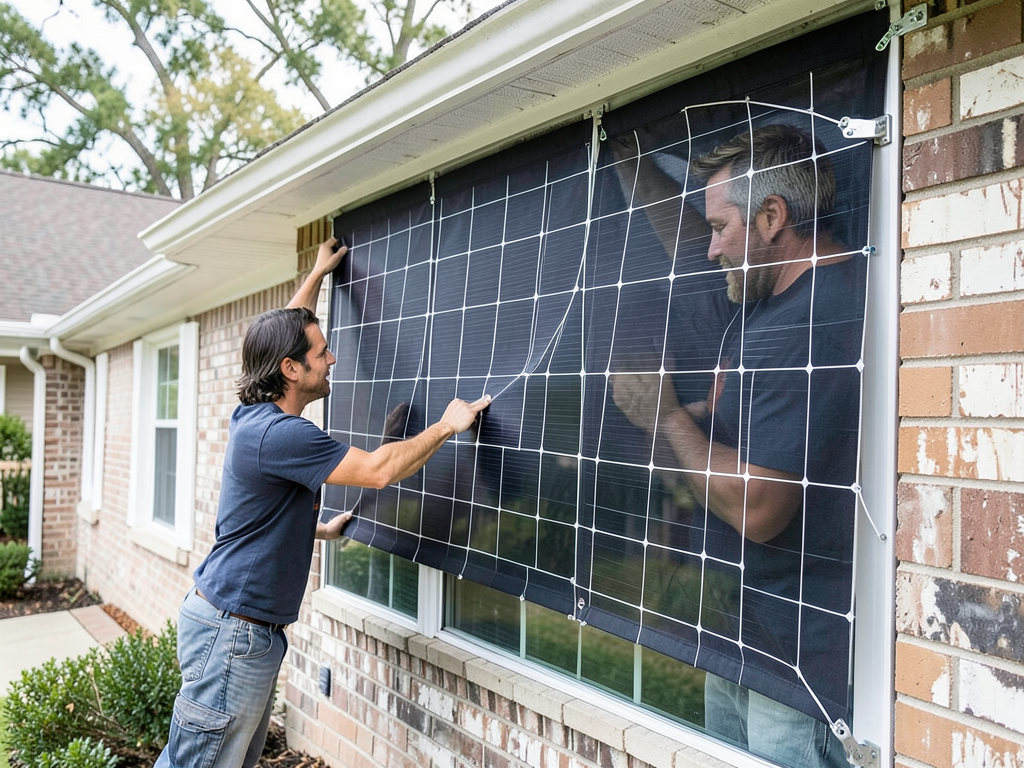
Professional installation ensures proper fit and maximum efficiency. Ill-fitting screens create gaps that allow heat infiltration, reducing effectiveness by up to 50%. A quality installation includes precise measurements, proper mounting hardware rated for Houston’s wind loads, and careful attention to corners and seams. What a New AC Installation Actually Costs in The Woodlands.
Professional solar screen installation showing proper tension and corner reinforcement for Houston’s climate
Return on Investment Analysis
The payback period for solar screens typically ranges from 2-4 years in Houston, depending on your home’s exposure and energy rates. With CenterPoint Energy’s average residential rate around $0.14 per kWh, a typical 2,000 square foot home might save $300-400 annually on cooling costs.
Beyond direct energy savings, consider the extended HVAC lifespan. If solar screens help your AC last 2-3 years longer, that’s $4,000-6,000 in avoided replacement costs. The screens also protect interior furnishings from UV damage, potentially saving thousands in carpet, furniture, and artwork preservation.
For homes in Eldridge and West Oaks, the investment is particularly sound. Many properties feature large windows facing west or southwest, the direction of most intense afternoon heat. The mature trees in these neighborhoods provide some shade, but solar screens handle the remaining exposure that natural shade can’t address.. Read more about How Mature Tree Shade Impacts Your AC Performance and Efficiency in Denver Harbor.
Complementary Strategies for Maximum Efficiency
Solar screens work best as part of a comprehensive cooling strategy. Attic radiant barriers can reduce heat gain through the roof by an additional 20-30%, while proper attic ventilation prevents heat buildup that radiates down into living spaces. Together, these measures can reduce your cooling load by 40% or more.
Window maintenance is crucial. Even with solar screens, damaged window seals or poor weatherstripping allow heat infiltration. A comprehensive energy audit can identify these issues, ensuring your screens deliver maximum benefit. The Department of Energy recommends sealing air leaks before adding insulation or solar protection. Department of Energy.
Smart thermostats enhance solar screen benefits by optimizing AC operation based on actual conditions. When your home starts cooler due to reduced solar gain, the thermostat can adjust run times accordingly, maximizing efficiency without sacrificing comfort.
Common Misconceptions About Solar Screens
Some homeowners worry that solar screens will make their homes too dark or eliminate natural light. Quality screens reduce visible light transmission by only 10-15%, maintaining bright, comfortable interiors while blocking heat. You’ll still enjoy natural light and views, just without the heat penalty.
Another misconception is that solar screens trap heat against windows, potentially causing damage. This concern is unfounded with proper installation. The small air gap between screen and glass actually helps dissipate heat, and the screens are designed to withstand the temperatures they encounter.
Some believe window film provides equal benefits to exterior screens. While film helps, it can’t match the heat reduction of exterior barriers. Film absorbs or reflects heat after it passes through glass, while screens stop it before entry. In Houston’s intense climate, this difference matters significantly.
Professional Assessment and Installation
Every home has unique solar exposure patterns based on orientation, surrounding vegetation, and architectural features. A professional assessment considers these factors to recommend optimal screen placement. North-facing windows might not need screens, while west-facing windows in Eldridge and West Oaks often require maximum protection.
During assessment, technicians use tools like solar pathfinders to map sun exposure throughout the year. This data-driven approach ensures you invest in screens where they’ll provide the most benefit. Some homeowners opt for partial coverage, focusing on the most problematic windows rather than screening everything.
Quality installation includes proper mounting hardware rated for Houston’s wind loads. The screens must withstand occasional tropical storm winds while maintaining their tension and effectiveness. Professional installers also ensure screens don’t interfere with window operation or emergency egress requirements. Finding Emergency AC Repair in Sugar Land Without Getting Ripped Off.
Maintenance and Longevity
Solar screens require minimal maintenance but benefit from occasional cleaning. Houston’s humidity and pollen can create a film on screens that reduces effectiveness over time. A simple rinse with a garden hose every 6-12 months maintains optimal performance. Avoid pressure washing, which can damage the mesh.
Inspect screens annually for damage, especially after severe weather. Small tears can be repaired, but extensive damage might require replacement of individual panels. The frames typically last 15-20 years, while the mesh material generally needs replacement after 10-12 years in Houston’s intense UV environment.
During HVAC maintenance, technicians can inspect screens for proper tension and mounting integrity. This ensures they continue providing maximum benefit to your cooling system. Some homeowners remove screens seasonally, but in Houston’s long cooling season, year-round installation usually provides the best return.
Environmental Impact and Sustainability
Beyond personal energy savings, solar screens contribute to broader environmental benefits. By reducing AC runtime, they decrease electricity demand during peak hours when power plants operate least efficiently. This helps reduce overall carbon emissions and eases strain on the ERCOT grid during Houston’s hottest days. ERCOT grid.
The screens also reduce the urban heat island effect. When many homes in a neighborhood use solar protection, the collective reduction in heat rejection from AC units and windows helps keep local temperatures slightly lower, creating a more comfortable outdoor environment for everyone.
Quality solar screens are fully recyclable at end of life, making them a sustainable choice for environmentally conscious homeowners. The energy savings they provide typically offset their manufacturing impact within the first year of use.
Making the Right Choice for Your Home
Solar screens represent a significant investment, typically $1,500-3,000 for a whole-house installation. However, when you consider the energy savings, extended HVAC life, and improved comfort, most homeowners find the investment worthwhile within the first few years.
For Eldridge and West Oaks residents, the decision is particularly compelling. These neighborhoods feature many homes with large windows and significant sun exposure. The mature trees provide some natural shade, but solar screens handle the remaining heat gain that natural shade can’t address.
The best approach is to start with a professional assessment. A qualified technician can evaluate your specific situation, recommend optimal solutions, and provide accurate cost-benefit analysis. This ensures you invest in the right solution for your home’s unique needs.
Frequently Asked Questions
Do solar screens really make a noticeable difference in Houston’s heat?
Yes, solar screens can reduce indoor temperatures by 10-15 degrees near windows and decrease AC runtime by 20-30%. The difference is most noticeable during afternoon hours when solar gain is highest.
Will solar screens block my view or make my home too dark?
Quality solar screens reduce visible light by only 10-15% while blocking 80-90% of heat. You’ll still enjoy natural light and views, just without the heat penalty.
How long do solar screens last in Houston’s climate?
With proper installation and maintenance, quality solar screens typically last 10-12 years for the mesh and 15-20 years for the frames in Houston’s intense UV environment.
Can I install solar screens myself to save money?
While DIY installation is possible, professional installation ensures proper fit, tension, and mounting hardware rated for Houston’s wind loads. Improper installation can reduce effectiveness by up to 50%.
Do solar screens help with humidity control?
Yes, by reducing the sensible heat load on your AC, solar screens allow your system to focus more on dehumidification, which is crucial for comfort in Houston’s humid climate.
Will solar screens void my window warranty?
Quality exterior solar screens typically don’t void window warranties. However, some interior window films can void warranties, which is another advantage of exterior screens.
Energy savings comparison showing monthly cooling costs with and without solar screens in a Houston home
Take Control of Your Home’s Comfort Today
Solar screens offer a proven solution for Houston homeowners struggling with high cooling costs and uncomfortable indoor temperatures. By blocking up to 90% of solar heat before it enters your home, these exterior barriers reduce your AC’s workload, extend system life, and create more comfortable living spaces.
The science is clear: solar screens work. They reduce heat gain, lower energy consumption, and protect your HVAC investment. For Eldridge and West Oaks residents facing Houston’s relentless summer heat, this technology provides measurable relief and significant cost savings.
Ready to see how solar screens can improve your home’s comfort and efficiency? Call (281) 552-7766 today to schedule your professional assessment. Our experienced technicians will evaluate your specific situation and recommend the optimal solution for your home’s unique needs.
Don’t wait until your AC struggles through another Houston summer. Take action now and start enjoying cooler, more comfortable indoor spaces while reducing your energy bills. Call (281) 552-7766 and let us help you make the right choice for your home’s comfort and efficiency.
{
“@context”: “https://schema.org”,
“@type”: “BlogPosting”,
“headline”: “Do Solar Screens Actually Help Your AC Work Better in Eldridge and West Oaks?”,
“description”: “Discover how solar screens can reduce your AC’s cooling load by 20-30% in Houston’s heat. Learn about energy savings and extended HVAC life for Eldridge and West Oaks homes.”,
“wordCount”: 2312,
“datePublished”: “2026-06-01T10:30:00.000Z”,
“dateModified”: “2026-06-01T10:30:00.000Z”,
“inLanguage”: “en-US”,
“mainEntityOfPage”: {
“@type”: “WebPage”,
“@id”: “https://titanhvachouston.com”
},
“publisher”: {
“@type”: “LocalBusiness”,
“name”: “Titan HVAC Houston”,
“url”: “https://titanhvachouston.com”
},
“author”: {
“@type”: “Organization”,
“name”: “Titan HVAC Houston”,
“url”: “https://titanhvachouston.com”
},
“image”: {
“@type”: “ImageObject”,
“url”: “https://titanhvachouston.com/wp-content/uploads/2026/03/do-solar-screens-actually-help-your-ac-work-better-1.png”
}
}
{
“@context”: “https://schema.org”,
“@type”: “HVACBusiness”,
“name”: “Titan HVAC Houston”,
“url”: “https://titanhvachouston.com”,
“address”: {
“@type”: “PostalAddress”,
“addressLocality”: “Houston”
},
“areaServed”: {
“@type”: “City”,
“name”: “Houston”
}
}
{
“@context”: “https://schema.org”,
“@type”: “FAQPage”,
“mainEntity”: [
{
“@type”: “Question”,
“name”: “Do solar screens really make a noticeable difference in Houston’s heat?”,
“acceptedAnswer”: {
“@type”: “Answer”,
“text”: “Yes, solar screens can reduce indoor temperatures by 10-15 degrees near windows and decrease AC runtime by 20-30%. The difference is most noticeable during afternoon hours when solar gain is highest.”
}
},
{
“@type”: “Question”,
“name”: “Will solar screens block my view or make my home too dark?”,
“acceptedAnswer”: {
“@type”: “Answer”,
“text”: “Quality solar screens reduce visible light by only 10-15% while blocking 80-90% of heat. You’ll still enjoy natural light and views, just without the heat penalty.”
}
},
{
“@type”: “Question”,
“name”: “How long do solar screens last in Houston’s climate?”,
“acceptedAnswer”: {
“@type”: “Answer”,
“text”: “With proper installation and maintenance, quality solar screens typically last 10-12 years for the mesh and 15-20 years for the frames in Houston’s intense UV environment.”
}
},
{
“@type”: “Question”,
“name”: “Can I install solar screens myself to save money?”,
“acceptedAnswer”: {
“@type”: “Answer”,
“text”: “While DIY installation is possible, professional installation ensures proper fit, tension, and mounting hardware rated for Houston’s wind loads. Improper installation can reduce effectiveness by up to 50%.”
}
},
{
“@type”: “Question”,
“name”: “Do solar screens help with humidity control?”,
“acceptedAnswer”: {
“@type”: “Answer”,
“text”: “Yes, by reducing the sensible heat load on your AC, solar screens allow your system to focus more on dehumidification, which is crucial for comfort in Houston’s humid climate.”
}
},
{
“@type”: “Question”,
“name”: “Will solar screens void my window warranty?”,
“acceptedAnswer”: {
“@type”: “Answer”,
“text”: “Quality exterior solar screens typically don’t void window warranties. However, some interior window films can void warranties, which is another advantage of exterior screens.”
}
}
]
}
{
“@context”: “https://schema.org”,
“@type”: “BreadcrumbList”,
“itemListElement”: [
{
“@type”: “ListItem”,
“position”: 1,
“name”: “Home”,
“item”: “https://titanhvachouston.com”
},
{
“@type”: “ListItem”,
“position”: 2,
“name”: “Blog”,
“item”: “https://titanhvachouston.com/blog”
},
{
“@type”: “ListItem”,
“position”: 3,
“name”: “Do Solar Screens Actually Help Your AC Work Better in Eldridge and West Oaks?”
}
]
}
{
“@context”: “https://schema.org”,
“@type”: “Service”,
“serviceType”: “HVAC”,
“provider”: {
“@type”: “LocalBusiness”,
“name”: “Titan HVAC Houston”,
“url”: “https://titanhvachouston.com”
},
“areaServed”: {
“@type”: “City”,
“name”: “Houston”
},
“description”: “Discover how solar screens can reduce your AC’s cooling load by 20-30% in Houston’s heat. Learn about energy savings and extended HVAC life for Eldridge and West Oaks homes.”
}