




Emergency Boiler Repair in Houston – Same Day Response When Your Heat Goes Out

When your boiler fails in Houston's unpredictable winter cold snaps, Titan HVAC Houston dispatches certified technicians within hours to restore heat and prevent frozen pipes before secondary damage escalates.

Slider Image 1
Slider Image 2
Slider Image 3
Slider Image 4
Slider Image 5
Slider Image 7
Slider Image 8
Slider Image 9
Slider Image 10
Slider Image 11

When Your Boiler Fails During a Houston Cold Front

A dead boiler in January feels manageable until Houston hits one of those surprise 28-degree mornings. You wake up to a cold house. The thermostat reads 55 degrees and dropping. Your family is layering blankets, and you start worrying about pipes.

Houston's freeze events are short but brutal. The city's infrastructure is not built for sustained cold. Your copper supply lines, typically safe in mild weather, become vulnerable when indoor temps drop below 50 degrees. A boiler breakdown during a cold snap creates a cascading risk. First, you lose comfort. Then, if the temperature drops fast enough, you risk pipe bursts in exterior walls or uninsulated crawl spaces.

Most boiler failures happen at the worst time because the system has been dormant for months. When you finally fire it up during that first cold night, a failed ignitor, cracked heat exchanger, or faulty circulator pump reveals itself. The system that worked fine last February has been sitting idle through nine months of Houston heat and humidity. Corrosion, sediment buildup, and seal deterioration happen silently.

You need a 24 hour boiler repair team that understands Houston's seasonal patterns. You need technicians who stock parts for the Weil-McLain, Burnham, and Peerless boilers common in older Houston homes near Rice Village and the Heights. You need an urgent boiler fix that prioritizes getting heat back online before your home becomes uninhabitable. This is not a next-week problem. This is a same day boiler repair situation, and every hour without heat increases your risk.

When Your Boiler Fails During a Houston Cold Front
How We Diagnose and Restore Your Boiler Fast

How We Diagnose and Restore Your Boiler Fast

When you call for 24/7 boiler service, our dispatch system immediately flags your call as priority. We ask three questions up front. Is the boiler making noise? Is there visible water around the unit? What is your current indoor temperature? These answers let us preload the truck with the most likely parts before we leave.

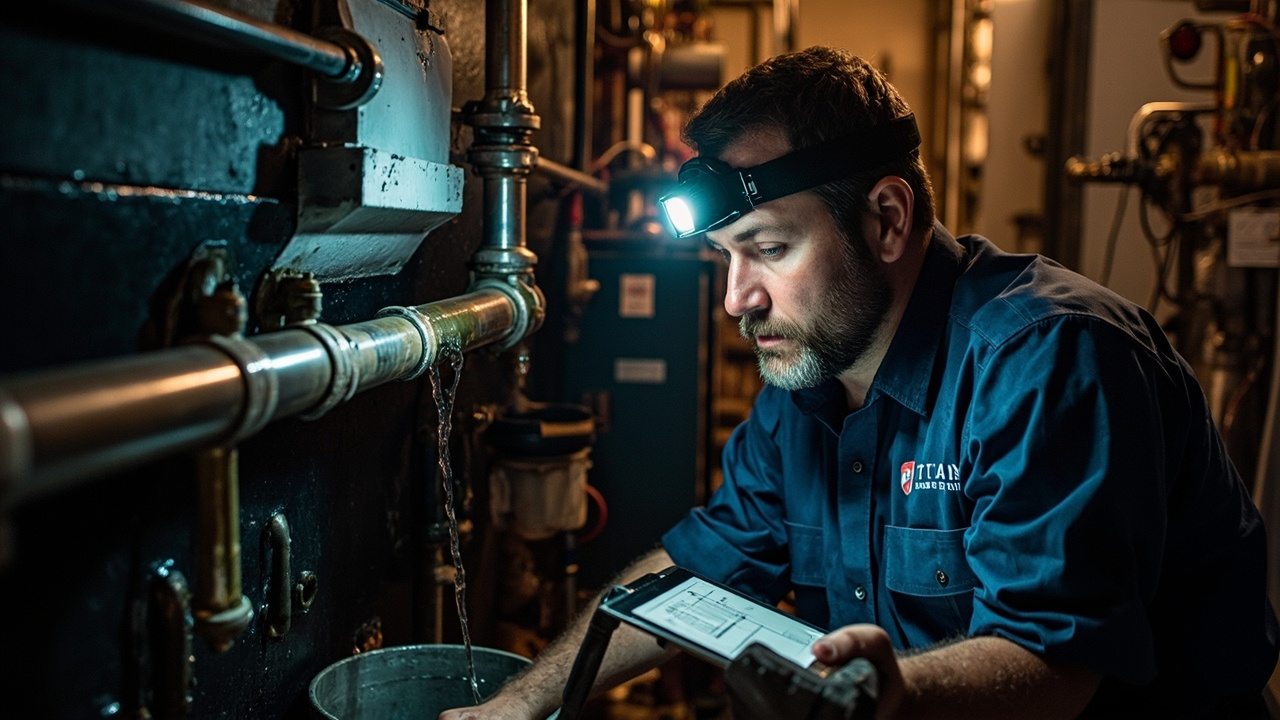
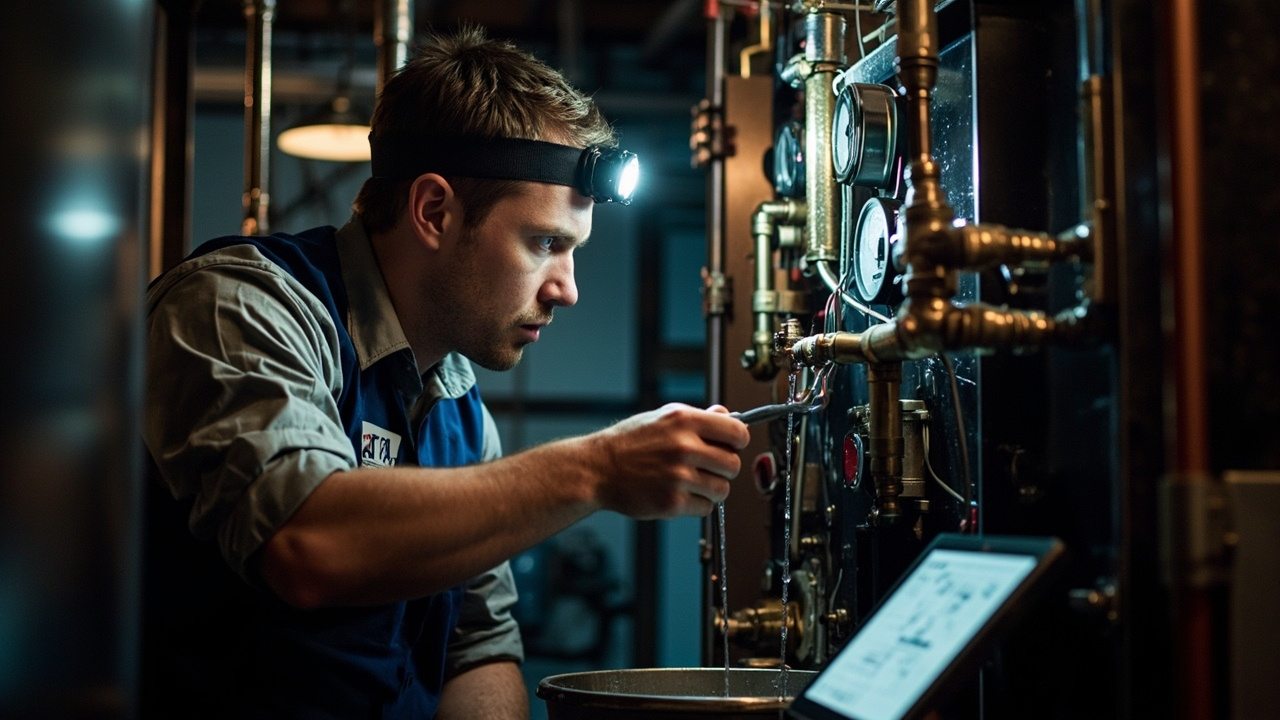
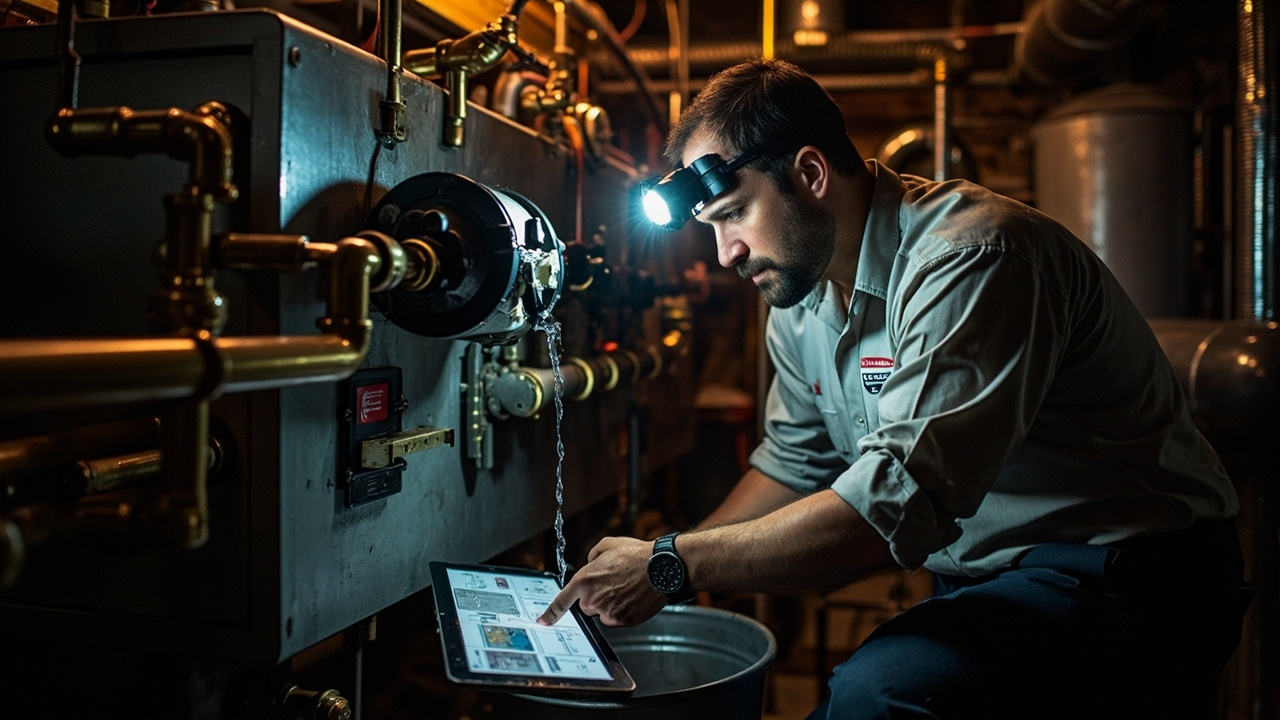
Our technicians carry diagnostic tools that pinpoint failures fast. We start with the thermostat and zone valves, then move to the aquastat and pressure relief valve. If the ignitor glows but the burner does not fire, we check gas supply and the flame sensor. If the circulator pump hums but water does not move, we test the impeller and check for air locks in the system. Most emergency boiler breakdowns trace back to four root causes: ignition failure, loss of water pressure, circulator failure, or a tripped safety limit switch.

We do not guess. We test voltage at the transformer. We measure water pressure at the fill valve. We inspect the expansion tank for waterlogging. A waterlogged expansion tank causes short cycling and pressure spikes that trip the relief valve. If your boiler is leaking from the pressure relief valve, the expansion tank is the first thing we replace.

For older cast iron boilers, we inspect the sections for cracks and test flue gas spillage with a combustion analyzer. A cracked heat exchanger is a safety issue, not just a comfort issue. Carbon monoxide cannot be ignored. If we find a crack, we red-tag the system and explain your options clearly. Our job is to get you heat, but never at the cost of safety. We explain what failed, why it failed, and what it takes to prevent the next breakdown.

What Happens When You Call for Emergency Boiler Service

Emergency Boiler Repair in Houston – Same Day Response When Your Heat Goes Out
01

Immediate Dispatch and Arrival

You call our emergency line, and we assign a technician immediately. We give you a realistic arrival window, typically within two to four hours depending on your location in the Houston metro. Our trucks are stocked with common boiler components like igniters, thermocouples, circulator pumps, and expansion tanks. We confirm your address, boiler type if known, and symptoms. This preparation means we arrive ready to fix the problem, not just diagnose it.
02

On-Site Troubleshooting and Repair

Our technician inspects your boiler from the electrical supply to the combustion chamber. We test each component in the firing sequence. If the issue is a failed part we carry, we replace it on the spot and test the system through a full heating cycle. If the repair requires a specialty part or a more complex fix, we explain your options clearly. We prioritize getting you temporary heat if an immediate fix is not possible. You get honesty, not a sales pitch.
03

System Testing and Prevention

Once the boiler fires reliably, we test water pressure, check for leaks, and verify the thermostat cycles correctly. We bleed air from the system if needed and confirm even heat distribution across all zones. Before we leave, we explain what caused the failure and what you can monitor going forward. If your boiler is aging or showing signs of future failures, we give you a realistic timeline for replacement so you can plan ahead instead of facing another emergency.

Why Houston Homeowners Call Titan HVAC for Urgent Boiler Service

Boiler systems are uncommon in Houston compared to forced air furnaces, which means not every HVAC company keeps boiler parts in stock or trains technicians on hydronic heating. When your boiler fails, you cannot wait three days for a part to ship from a distributor. You need a company that understands the specific boiler brands installed in Houston homes built before 1990.

Titan HVAC Houston has worked on the older neighborhoods where boilers are still common. Homes in Montrose, the Heights, and West University often have cast iron or steel boilers installed decades ago. These systems are durable but require specific knowledge to repair correctly. We understand the difference between a wet-base and a dry-base boiler. We know how to service a tankless coil for domestic hot water. We recognize when a boiler needs a low-water cutoff replacement versus a simple pressure adjustment.

Our emergency response is built for Houston's weather volatility. We know that a cold front can drop temperatures 40 degrees in six hours, turning a minor heating issue into a frozen pipe disaster. We prioritize calls based on indoor temperature and household vulnerability. If you have young children or elderly family members, we bump you to the front of the queue.

We also recognize that Houston's high humidity accelerates corrosion on boiler components, especially in systems that sit idle for months. The on-off cycling that happens during our mild winters creates condensation inside the heat exchanger, which leads to rust and scale buildup. We factor this into every diagnosis. Local knowledge matters when you are troubleshooting a system that behaves differently in Houston than it would in Boston or Chicago.

What to Expect During an Emergency Boiler Repair Call

Response Time and Availability

We operate 24/7 during Houston's heating season, which typically runs from November through February. When you call our emergency line, you speak to a dispatcher who logs your issue and assigns a technician based on location and severity. Our goal is arrival within two to four hours. If weather conditions or call volume create delays, we communicate updated timelines immediately. We do not make you wait in the dark. You get a phone call 20 minutes before the technician arrives so you can prepare access to the boiler and any relevant service history.

Diagnostic Process and Transparency

Our technician will ask to see your boiler and thermostat. We perform a visual inspection first, looking for obvious issues like gas valve problems, water leaks, or tripped breakers. Then we test the system in diagnostic mode, checking ignition sequence, flame sensor response, and circulator function. We explain what we find in plain language. If the repair requires a part we do not have on the truck, we tell you the lead time and cost before proceeding. You approve all work before we start. No surprises on the invoice.

Repair Quality and Testing

We replace failed components with OEM or equivalent parts that match your boiler's specifications. After the repair, we run the system through multiple heating cycles to confirm stable operation. We check for proper venting, verify combustion air supply, and test the pressure relief valve. If we replace a circulator pump, we bleed the system to remove trapped air. If we replace an aquastat or limit switch, we verify the cutoff points are set correctly. You get a system that works reliably, not a bandaid fix that fails again in two weeks.

Follow-Up and Preventive Guidance

Before we leave, we explain what caused the failure and how to avoid it in the future. If your boiler is overdue for maintenance, we recommend scheduling a full service before next winter. We can inspect the heat exchanger, flush the system, and replace worn components before they fail. Emergency repairs get you back online fast, but preventive maintenance keeps you online. We do not push unnecessary services, but we will tell you honestly if your boiler is nearing end of life so you can budget for replacement instead of facing repeated emergency calls.

Frequently Asked Questions

You Have Questions,
We Have Answers

What is classed as an emergency repair for a boiler? +

A boiler emergency means no heat, no hot water, gas leaks, or carbon monoxide detector activation. In Houston, where freezing nights can occur during winter cold fronts, a failed boiler risks frozen pipes and property damage. Loss of hot water in a commercial building or multi-family property also qualifies as an emergency due to health code violations. Strange smells, pilot light failure, or unusual sounds like banging or hissing require immediate attention. If you see water pooling around the unit or notice pressure gauge readings in the red zone, shut down the system and call a licensed technician right away.

How much does a boiler call out cost? +

Most Houston HVAC companies charge a diagnostic or service call fee ranging from $89 to $150 for standard visits. Emergency after-hours calls, nights, weekends, or holidays typically cost more due to technician availability. This fee usually covers the trip, initial inspection, and diagnosis. Many contractors apply the call-out charge toward the total repair cost if you proceed with the work. Expect higher rates during peak demand periods like January cold snaps when boiler failures spike across the Houston metro. Always ask upfront about service call fees and whether they are waived with repair approval.

What qualifies as a boiler emergency? +

A boiler emergency includes complete heating failure, gas leaks, carbon monoxide alarms, water flooding from the unit, or pressure relief valve discharge. In Houston, sudden heating loss during rare freezing weather creates risk for pipe bursts and water damage due to our mild climate and homes not built for prolonged cold. If you smell rotten eggs (mercaptan added to natural gas), evacuate immediately and call 911, then your gas utility. Boilers making loud banging noises, showing flame rollout, or failing to ignite also require urgent professional response to prevent safety hazards or system catastrophe.

Who do you call for a boiler issue? +

Call a licensed HVAC contractor who specializes in boiler systems. In Houston, you need a technician familiar with both heating and humidity control since boilers operate in a high-moisture environment. Verify the contractor holds proper Texas licensing and insurance. For gas leaks or carbon monoxide detector activation, call 911 and your gas utility company first, then a boiler specialist. During business hours, contact your regular HVAC provider. After hours, weekends, or holidays, look for companies offering 24/7 emergency dispatch to prevent property damage or safety risks from escalating overnight.

What qualifies as an emergency repair? +

An emergency repair means the failure creates immediate safety risks, property damage, or loss of essential services. For boilers, this includes gas leaks, carbon monoxide presence, total heating loss during freezing weather, or water flooding. In Houston, where temperatures can drop suddenly during winter cold fronts, a non-functioning boiler risks frozen pipes despite our generally mild climate. Loss of hot water in commercial or multi-family properties violates health codes. Non-emergency issues like minor efficiency loss or strange noises during normal operation can wait for regular business hours without creating immediate danger or damage.

What is the average cost for boiler repair? +

Boiler repair costs in Houston vary widely based on the specific failure. Simple fixes like thermostat replacement or pilot light issues may cost a few hundred dollars. Component replacements such as circulators, expansion tanks, or gas valves run higher. Heat exchanger repairs or major pressure vessel work require significant labor and parts. Emergency after-hours service adds premium charges. High humidity in Houston can accelerate corrosion and scale buildup, potentially increasing repair complexity. Get multiple detailed estimates before approving major work. Repair costs approaching 50 percent of replacement value often signal it is time for a new unit.

Is it cheaper to repair or replace a boiler? +

Repair makes sense when the boiler is under 10 years old, the fix addresses a single component, and total cost stays under 50 percent of replacement value. Replace when facing repeated breakdowns, the unit exceeds 15 years old, efficiency has dropped significantly, or repair estimates approach half the cost of a new system. Houston's high humidity accelerates corrosion and scale formation, shortening boiler lifespan compared to drier climates. A new high-efficiency unit reduces operating costs and provides reliability. Factor in potential rebates and improved safety features when comparing repair versus replacement economics.

Does insurance cover a broken boiler? +

Homeowners insurance typically covers sudden boiler failure from covered perils like freezing, lightning strikes, or mechanical breakdown if you have equipment breakdown coverage. Standard policies exclude gradual deterioration, lack of maintenance, or age-related wear. Review your policy declarations page for equipment breakdown or mechanical breakdown endorsements. In Houston, where freeze damage is less common but can occur during extreme cold snaps, document the failure immediately. Insurance rarely covers replacement if the boiler simply reached end of life. File claims promptly with photos and maintain service records showing regular maintenance to support coverage decisions.

What is a minimum call out charge? +

A minimum call-out charge covers the technician's travel time, vehicle costs, diagnostic tools, and initial inspection regardless of repair completion. In Houston, standard minimum charges range from $89 to $150 during business hours. This fee applies even if you decline the repair or the issue requires parts ordering. Emergency after-hours, weekend, or holiday minimums run higher due to technician availability and premium pay requirements. Reputable contractors disclose minimum charges upfront and often credit this amount toward approved repairs. Avoid companies that quote suspiciously low minimums then inflate repair estimates once on-site.

What is the $5000 rule? +

The $5000 rule is an informal guideline suggesting if repair costs exceed $5000 and your boiler is over 10 years old, replacement makes better financial sense. This threshold accounts for potential repeat failures, declining efficiency, and limited remaining lifespan. In Houston's humid climate, corrosion and mineral buildup accelerate wear, making older units more prone to cascading failures. A new boiler provides warranty protection, improved efficiency, better humidity management, and modern safety features. Compare long-term operating costs, not just immediate repair expense. The rule helps homeowners avoid throwing money at aging equipment with diminishing returns.

Why Houston's Mild Winters Make Boiler Failures More Common

Houston boilers sit idle for eight to nine months each year, which accelerates deterioration in ways that northern climates do not experience. In cities where boilers run daily from October through April, components stay lubricated and seals remain flexible. In Houston, your boiler might not fire once between March and November. During that time, humidity infiltrates the combustion chamber, causing surface rust on burners and heat exchangers. Seals dry out. Sediment settles in the heat exchanger and hardens. When you finally call for heat during that first 35-degree night, the system struggles to fire because parts have degraded during months of dormancy. This is why emergency boiler breakdowns spike during the first cold snap each year. Your system is not designed for Houston's stop-start heating pattern.

Titan HVAC Houston has been servicing hydronic heating systems in older Houston neighborhoods for years, and we understand the unique challenges local homeowners face. We stock parts for the Weil-McLain, Burnham, and Slant-Fin boilers that were commonly installed in homes built before the 1980s. We know which zones tend to air-lock in multi-story Heights bungalows, and we recognize the pressure issues that happen in homes with original galvanized supply piping. Our technicians are trained on both atmospheric and power-vented systems, so we can troubleshoot flame rollout issues that happen when flue vents get partially blocked by nests or debris during the off-season. Local expertise matters when the problem is not just the boiler, but how Houston's climate and housing stock interact with aging equipment.
HVAC Services in The Houston Area

Titan HVAC is proud to serve Houston and the surrounding areas with expert heating and cooling solutions. Our central location allows us to respond quickly to both residential and commercial clients. Whether you need an emergency fix or scheduled service, we’re never far away. Explore our service area and see how close comfort really is. We're just a call or click away—connect with us today.

Address:
Titan HVAC Houston, 3730 Kirby DrHouston, Houston, TX, 77098

Additional Services We Offer

Our news updates

Latest Articles & News from The Blogs

Why Your AC Is Freezing Up Even When It’s 100 Degrees in Sienna When your air conditioner freezes up on…

Why Your AC Is Freezing Up Even When It’s 100 Degrees in Sienna

Why Your AC Is Freezing Up Even When It’s 100 Degrees in Sienna When your air conditioner freezes up on…

What That Screeching Sound from Your AC Actually Means (Hint—It’s Not Good)

What That Screeching Sound from Your AC Actually Means (Hint—It’s Not Good) Your Houston air conditioner works overtime for most…

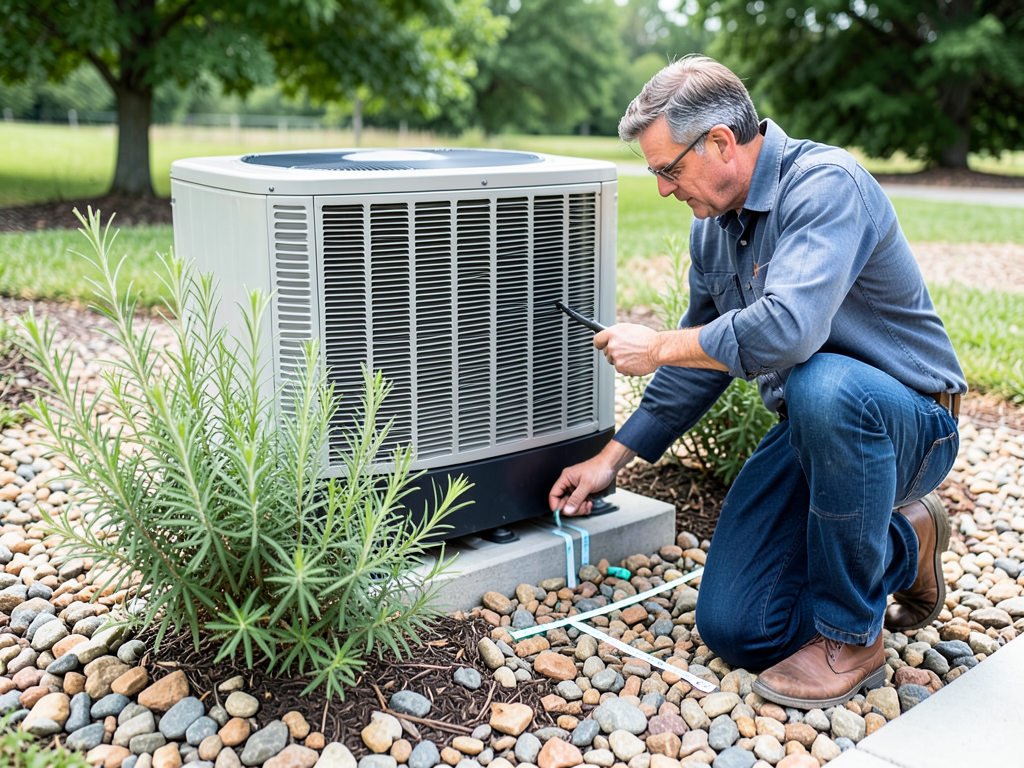
Safe Ways to Landscape Around Your AC Unit in Hedwig Village

Safe Ways to Landscape Around Your AC Unit in Hedwig Village Your air conditioner works hardest during Houston’s brutal summer…

Contact Us

Do not wait until morning. Call Titan HVAC Houston now at (281) 552-7766. Our emergency boiler technicians are standing by 24/7 to restore your heat fast and keep your home safe during Houston's unpredictable winter weather.