
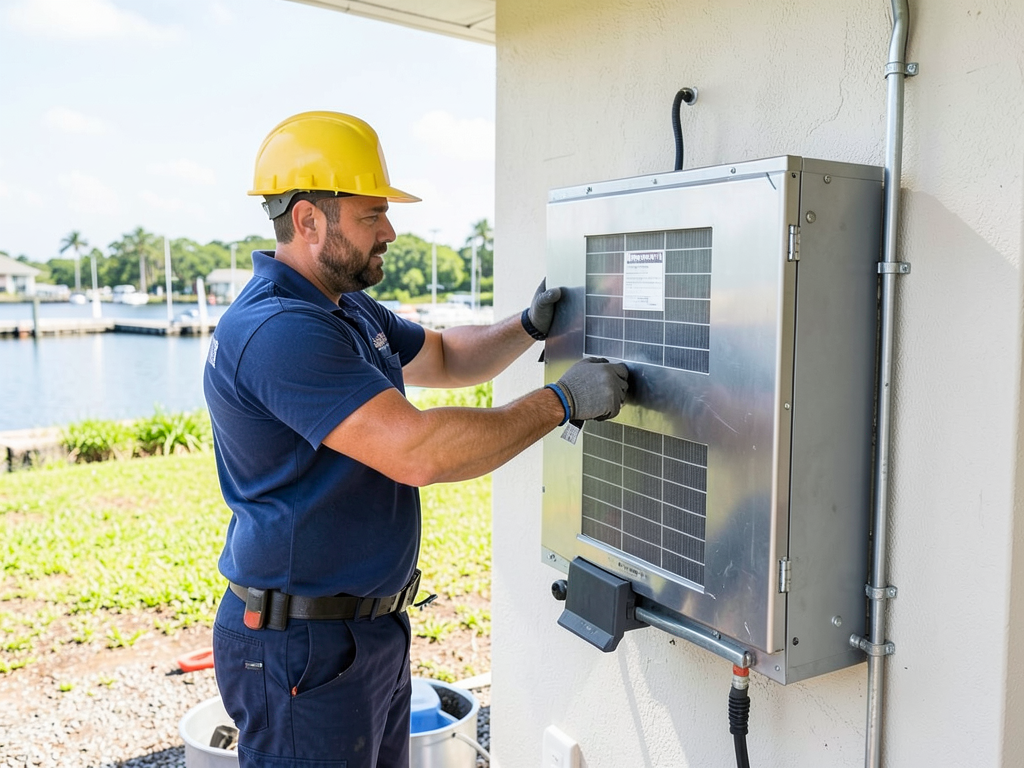
Filtering Industrial Pollutants and Ship Channel Odors from Your Galena Park Home
Living near the Houston Ship Channel means dealing with industrial emissions VOCs and persistent chemical odors that can infiltrate your home. The Galena Park area experiences some of the highest levels of particulate matter and air toxics in the region due to its proximity to petrochemical facilities. Your HVAC system can become your first line of defense when equipped with the right filtration technology.
Industrial air filtration in Galena Park requires specialized equipment that goes far beyond standard residential filters. The air here carries a unique cocktail of pollutants including benzene toluene and fine particulate matter that standard MERV 8 filters simply cannot capture. These microscopic particles and chemical compounds can trigger respiratory issues aggravate allergies and create persistent indoor odors that make your home uncomfortable.. Read more about Why High-Capacity Pleated Filters are Better for the Dusty Roads Around Acreage Homes.
Understanding the specific challenges of your location is crucial for effective air quality management. The Ship Channel industrial corridor creates a complex air quality environment where wind patterns sea breezes and industrial operations combine to create varying pollution levels throughout the day. Your filtration system needs to be designed to handle these dynamic conditions while maintaining energy efficiency and protecting your HVAC equipment from premature wear. Why Your Memorial Home Needs a High-Efficiency AC Unit Right Now.
The Science Behind Industrial Air Filtration
Industrial air filtration operates on multiple principles to remove different types of contaminants from your indoor air. Mechanical filtration captures particles through physical barriers while activated carbon adsorption removes chemical vapors and odors. The most effective systems combine these technologies to create comprehensive protection against the wide range of pollutants found in industrial areas.
Particle filtration works by forcing air through progressively finer filters that trap contaminants based on size. HEPA filters can capture 99.97% of particles as small as 0.3 microns which includes most industrial dust pollen and some bacteria. However HEPA filters alone cannot address the chemical odors and VOCs that are common in Galena Park due to nearby refining operations.
Activated carbon filtration addresses the chemical component of industrial air pollution. The carbon material has an enormous surface area with millions of microscopic pores that trap volatile organic compounds through a process called adsorption. This technology is essential for removing the characteristic chemical odors from refineries and chemical plants that can permeate homes even when windows are closed.
Electrostatic precipitation represents another filtration method particularly effective for industrial applications. These systems use electrical charges to attract and capture particles creating a washable filter that can handle high volumes of contaminated air. While less common in residential settings electrostatic systems can be valuable in areas with extremely high particulate loads like those found near industrial facilities.
Common Industrial Pollutants in Galena Park
The Houston Ship Channel area produces a complex mixture of air pollutants that require specialized filtration approaches. Understanding what you are dealing with helps in selecting the right equipment and maintenance schedule for your home. The primary pollutants include particulate matter volatile organic compounds sulfur compounds and various industrial byproducts.
Particulate matter represents one of the most visible and health-impacting pollutants. These tiny particles can penetrate deep into your lungs and even enter your bloodstream. In Galena Park common particulate sources include refinery emissions road dust from heavy truck traffic and combustion byproducts from industrial operations. Particles under 2.5 microns pose the greatest health risk as they can bypass your body’s natural defenses.
Volatile organic compounds create the characteristic chemical odors associated with industrial areas. These compounds evaporate easily at room temperature and include chemicals like benzene formaldehyde and various solvents used in industrial processes. VOCs can cause immediate symptoms like headaches dizziness and eye irritation while long-term exposure may lead to more serious health concerns.
Sulfur compounds produce the rotten egg smell often associated with refineries and contribute to acid rain formation. Hydrogen sulfide and sulfur dioxide are common in the Ship Channel area and can corrode metal surfaces including your HVAC equipment over time. These compounds require specific filtration media for effective removal.
Nitrogen oxides and other combustion byproducts from industrial operations and heavy truck traffic create additional air quality challenges. These compounds can react with sunlight to form ground-level ozone which exacerbates respiratory conditions and creates additional filtration demands on your HVAC system.
Filtration Technologies for Industrial Environments
Selecting the right filtration technology requires matching the equipment to your specific air quality challenges. Different pollutants require different approaches and the most effective systems often combine multiple technologies. Understanding the capabilities and limitations of each option helps you make informed decisions about protecting your home.
HEPA filtration provides the highest level of particle removal available for residential applications. These filters can capture particles as small as 0.3 microns with 99.97% efficiency making them ideal for removing fine industrial dust pollen and some bacteria. However HEPA filters create significant airflow resistance requiring HVAC system modifications for proper operation.
Activated carbon filters excel at removing chemical odors and VOCs but have limitations with particulate matter. The carbon material must be properly sized and configured to provide adequate contact time with contaminated air. Standard residential carbon filters often lack the capacity needed for the high pollutant loads found in industrial areas.
UV-C germicidal irradiation addresses biological contaminants and can help neutralize some chemical compounds. While not a primary filtration method UV-C systems installed in HVAC ductwork can reduce mold bacteria and virus concentrations while breaking down some volatile organic compounds into less harmful substances.
Electronic air cleaners use electrical charges to capture particles creating washable filters that can handle high volumes of contaminated air. These systems work well for industrial applications but require regular cleaning to maintain efficiency and may produce small amounts of ozone as a byproduct. Clean Air Act National Standards.
Hybrid systems combine multiple technologies to address the full spectrum of industrial pollutants. A typical hybrid might include a pre-filter for large particles a HEPA filter for fine particles activated carbon for chemical removal and UV-C for biological contaminants. These comprehensive systems provide the best protection but require professional design and installation. What a New AC Installation Actually Costs in The Woodlands.
TCEQ Compliance and Air Quality Standards
The Texas Commission on Environmental Quality regulates air quality in industrial areas through specific permitting and monitoring requirements. Understanding these regulations helps ensure your filtration system meets both legal requirements and performance expectations. TCEQ standards address everything from emission limits to monitoring protocols for industrial facilities near residential areas. Texas Commission on Environmental Quality.
Texas Administrative Code Title 30 Part 1 Chapter 101 establishes the basic air quality standards that apply to all areas of the state including Galena Park. These standards set maximum allowable concentrations for various pollutants and require monitoring to ensure compliance. Your filtration system should be designed to maintain indoor air quality below these threshold levels. State Implementation Plans.
TCEQ Permit by Rule requirements apply to many industrial operations in the Ship Channel area. These permits establish specific emission limits and monitoring requirements that can affect the types and concentrations of pollutants in surrounding residential areas. Understanding the permitted facilities near your home helps in selecting appropriate filtration technology.
The federal Clean Air Act establishes National Ambient Air Quality Standards that TCEQ enforces in Texas. These standards set limits for six principal pollutants including particulate matter ozone carbon monoxide sulfur dioxide nitrogen dioxide and lead. Your filtration system should be capable of maintaining indoor concentrations well below these outdoor standards.
State Implementation Plans developed by TCEQ outline specific strategies for meeting air quality standards in nonattainment areas. The Houston-Galveston-Brazoria area has historically struggled with ozone compliance requiring additional emission controls and monitoring. Your filtration choices should consider these regional air quality challenges.
Recent TCEQ monitoring data shows that certain areas of Galena Park occasionally exceed state standards for particulate matter and ozone precursors. This information underscores the importance of proper filtration design and regular maintenance to ensure your system can handle the actual pollutant loads present in your area.
Installation and System Integration
Proper installation of industrial air filtration systems requires careful consideration of your existing HVAC infrastructure and the specific pollutants you need to address. The integration process involves more than simply adding filters; it requires system modifications to ensure proper airflow and filtration efficiency while maintaining energy efficiency.
HVAC system evaluation begins with assessing your current equipment capacity and airflow characteristics. Industrial filtration often requires increased fan power to overcome the additional resistance created by high-efficiency filters. Your system may need blower motor upgrades or ductwork modifications to accommodate the new filtration requirements.
Filter housing design must account for the specific filter types you will be using. HEPA filters require airtight housings to prevent bypass while activated carbon filters need proper sealing to ensure all air passes through the carbon media. Professional installation ensures these critical details are addressed properly.
Airflow management becomes crucial when adding industrial filtration to existing systems. The additional resistance from high-efficiency filters can reduce overall system performance if not properly addressed. Professional installers use airflow calculations and system testing to ensure your modified system maintains proper heating and cooling capacity.
Control system integration allows for monitoring and optimization of your filtration performance. Modern systems can include pressure sensors to indicate when filters need replacement and air quality monitors that provide real-time feedback on your indoor air conditions. These features help ensure your system maintains optimal performance over time.
Noise considerations often arise with industrial filtration systems. The increased fan power and additional components can create noise levels that may be noticeable in your home. Professional installation includes noise reduction strategies such as vibration isolation and sound attenuation to maintain comfort while improving air quality.
Maintenance Requirements for Industrial Filtration
Industrial air filtration systems require more frequent and thorough maintenance than standard residential filters. The high pollutant loads in areas like Galena Park mean filters become loaded more quickly and require regular replacement to maintain effectiveness. Understanding the maintenance requirements helps you budget for ongoing costs and ensure continuous protection.
Filter replacement schedules depend on multiple factors including pollutant concentrations filter type and system usage. In industrial areas pre-filters may need replacement every 30-60 days while HEPA filters might last 6-12 months. Activated carbon filters typically require replacement every 6-12 months but may need more frequent changes in areas with high VOC concentrations.
System inspection should occur at least quarterly to check for air leaks filter bypass and mechanical issues. Industrial environments can cause accelerated wear on HVAC components requiring more frequent lubrication belt replacement and electrical component checks. Professional maintenance helps identify problems before they cause system failure.
Pressure drop monitoring indicates when filters become loaded and need replacement. As filters capture particles they create increasing resistance to airflow which can reduce system efficiency and potentially damage equipment. Many modern systems include pressure sensors that alert you when maintenance is needed.
Cleaning procedures vary by filter type and system design. Washable pre-filters require regular cleaning to maintain effectiveness while HEPA filters are disposable and must be replaced rather than cleaned. Activated carbon filters cannot be cleaned and must be replaced when their adsorption capacity is exhausted.
Performance testing helps verify that your filtration system maintains the expected level of air quality improvement. This may include particle counting VOC measurements and odor assessment to ensure the system continues to provide the protection you need. Professional testing can identify problems that may not be obvious from visual inspection.
Cost Considerations and ROI
Industrial air filtration represents a significant investment but the costs must be weighed against the health benefits and potential property value improvements. Understanding the full cost picture including installation maintenance and energy consumption helps you make informed decisions about protecting your home and family.
Initial installation costs vary widely based on system complexity and required modifications. A basic high-efficiency filtration system might cost $2000-$5000 while a comprehensive industrial-grade system with multiple technologies could exceed $10000. These costs include equipment installation modifications and initial setup but not ongoing maintenance.
Annual maintenance costs typically range from $300-$1000 depending on filter types and replacement schedules. Industrial areas generally require more frequent filter changes which increases ongoing costs but ensures better protection. Professional maintenance contracts often provide better pricing and ensure consistent service quality.
Energy consumption increases with industrial filtration due to the additional fan power required. High-efficiency filters can increase HVAC energy use by 10-30% which translates to higher utility bills. However this increased cost must be weighed against the health benefits and potential equipment protection provided by proper filtration.
Health cost savings represent a significant but often overlooked benefit of industrial air filtration. Reduced respiratory issues fewer allergy symptoms and better overall health can translate to lower medical expenses and improved quality of life. These benefits are difficult to quantify but can be substantial for sensitive individuals.
Property value considerations may favor homes with industrial-grade air filtration in areas with known air quality challenges. Buyers increasingly consider indoor air quality when making purchasing decisions and a home with proven air quality protection may command a premium in industrial areas.
Smart Monitoring and Control Systems
Modern industrial air filtration increasingly incorporates smart technology for monitoring and control. These systems provide real-time data on air quality filter status and system performance allowing for proactive maintenance and optimization. Smart features can significantly improve system effectiveness while reducing operational costs through better timing of maintenance activities.
Air quality sensors measure various pollutants including particulate matter VOCs and sometimes specific industrial compounds. These sensors provide continuous monitoring and can trigger increased filtration when pollution levels rise. Some systems integrate with weather data to anticipate pollution events based on wind patterns and industrial activity schedules.
Filter life monitoring uses pressure sensors and air quality measurements to predict when filters need replacement rather than relying on fixed schedules. This approach ensures filters are replaced when actually needed rather than on arbitrary timelines potentially saving money while maintaining protection. Smart systems can order replacement filters automatically when needed.
Mobile app integration allows you to monitor your air quality and system status from anywhere. These apps provide historical data on pollution levels filter usage and energy consumption helping you understand patterns and optimize system operation. Some systems offer remote control capabilities allowing you to adjust settings based on changing conditions.
Integration with home automation systems enables coordinated responses to air quality issues. Your filtration system can work with air purifiers ventilation systems and even window controls to maintain optimal indoor air quality automatically. This coordinated approach provides better protection while potentially reducing energy consumption.
Data analytics capabilities in smart systems can identify patterns and optimize performance over time. The system learns from your usage patterns local pollution trends and seasonal variations to provide increasingly effective operation while minimizing costs. Some systems share anonymized data to help improve community-wide air quality management.
Case Studies: Success Stories in Galena Park
Real-world examples demonstrate the effectiveness of industrial air filtration in challenging environments like Galena Park. These case studies show how proper system design and installation can dramatically improve indoor air quality even in areas with significant industrial pollution. Understanding these successes helps you set realistic expectations for your own installation.
A family living near the Ship Channel experienced severe respiratory issues due to industrial emissions. After installing a hybrid filtration system with HEPA activated carbon and UV-C technology their indoor particle counts dropped by 85% and VOC levels became undetectable. The family reported immediate improvements in breathing comfort and sleep quality.
A small manufacturing facility in Galena Park needed to protect sensitive electronic equipment from industrial dust while providing clean air for employees. A custom-designed system with multiple filtration stages reduced particle counts by 95% and eliminated the characteristic chemical odors that had plagued the facility. Employee complaints about air quality dropped to zero.
An older home with original ductwork required extensive modifications to accommodate industrial-grade filtration. The installation included upgraded blowers sealed filter housings and smart monitoring systems. Despite the challenging installation the system now maintains excellent air quality while operating efficiently and quietly.. Read more about Bringing Fresh Air Into Your Sealed Lindale Park Home with an Energy Recovery Ventilator.
A medical office in Galena Park needed to protect patients with respiratory conditions from industrial pollutants. The installation included medical-grade HEPA filtration with specialized pre-filtration for the high particulate loads common in the area. Air quality testing showed the indoor environment consistently met or exceeded hospital-grade standards.
These success stories share common elements: professional system design appropriate technology selection and regular maintenance. Each installation was tailored to the specific challenges of the location and the needs of the occupants demonstrating that effective industrial air filtration is achievable even in the most challenging environments.
Choosing the Right Contractor
Selecting a qualified contractor for industrial air filtration installation requires careful evaluation of experience expertise and local knowledge. The complexity of these systems and the specific challenges of the Galena Park area make professional selection crucial for successful outcomes. Not all HVAC contractors have the expertise needed for industrial applications.
Experience with industrial applications should be your primary selection criterion. Look for contractors who have completed similar installations in the Houston Ship Channel area and can provide references from satisfied customers. Ask about specific projects and the challenges they encountered and how they were addressed.
Technical knowledge of filtration technologies and air quality science is essential. Your contractor should understand the different types of pollutants in your area the capabilities of various filtration technologies and how to match systems to specific needs. They should be able to explain their recommendations in clear terms and answer technical questions confidently.
Local knowledge of Galena Park and the surrounding industrial area provides valuable insights for system design. Contractors familiar with local pollution patterns wind conditions and specific industrial facilities can make better recommendations about system sizing and configuration. This local expertise often makes the difference between adequate and excellent performance.
Proper licensing and insurance protect you from liability and ensure the contractor meets basic professional standards. In Texas HVAC contractors must be licensed by the Texas Department of Licensing and Regulation. Verify current licenses insurance coverage and any specialized certifications relevant to industrial applications.
Comprehensive service offerings indicate a contractor capable of handling the full scope of your project. Look for companies that provide system design installation maintenance and monitoring services. This comprehensive approach ensures continuity of care and better long-term performance of your filtration system.
Frequently Asked Questions
How much does industrial air filtration cost in Galena Park?
Industrial air filtration systems typically cost between $3000 and $15000 installed depending on system complexity and required modifications. Basic high-efficiency systems start around $3000 while comprehensive systems with multiple technologies can exceed $10000. Annual maintenance costs range from $300 to $1000.
Will industrial filtration affect my HVAC system’s energy efficiency?
High-efficiency filters do increase energy consumption by 10-30% due to the additional fan power required. However modern systems are designed to minimize this impact and the health benefits often outweigh the increased energy costs. Some smart systems can optimize operation to reduce energy use during low-pollution periods.
How often do filters need replacement in industrial areas?
Filter replacement schedules vary by type and conditions but typically range from 30-90 days for pre-filters 6-12 months for HEPA filters and 6-12 months for activated carbon. In high-pollution areas like Galena Park more frequent replacement may be necessary to maintain effectiveness.
Can I install industrial filtration in my existing HVAC system?
Most existing systems can accommodate industrial filtration but may require modifications. These might include upgraded blowers sealed filter housings and ductwork modifications. A professional evaluation can determine what modifications are needed and whether your current system can support the additional filtration requirements.
What pollutants does industrial filtration remove?
Industrial filtration systems can remove particulate matter VOCs chemical odors bacteria viruses and some gases. HEPA filters capture particles while activated carbon removes chemicals and odors. The specific pollutants removed depend on the technologies included in your system and the types of filters used.
Is industrial air filtration worth the investment?
For homes in industrial areas like Galena Park the health benefits often justify the investment. Improved respiratory health better sleep quality and protection from long-term exposure to industrial pollutants provide significant value. Many homeowners also report improved comfort and reduced allergy symptoms after installation.
Take Control of Your Indoor Air Quality Today
Living near the Houston Ship Channel means dealing with industrial pollutants that can affect your health and comfort. The right air filtration system can transform your indoor environment providing clean healthy air for you and your family. Don’t wait until air quality problems become serious health issues.
Professional installation ensures your system is properly designed for your specific situation and the unique challenges of the Galena Park area. From system selection through ongoing maintenance expert guidance helps you get the most from your investment while avoiding common pitfalls that can compromise performance.
Modern filtration technology offers solutions that were unavailable just a few years ago. Smart monitoring systems real-time air quality data and advanced filtration media provide unprecedented control over your indoor environment. These technologies make it possible to maintain excellent air quality even in challenging industrial areas.
Your family deserves clean healthy air regardless of outdoor conditions. Industrial air filtration provides the protection you need to enjoy your home without worrying about the impact of nearby industrial operations. The investment in proper filtration pays dividends in health comfort and peace of mind.
Call (281) 552-7766 today to schedule your industrial air quality assessment. Our experienced technicians understand the specific challenges of the Galena Park area and can design a system that provides the protection you need. Don’t let industrial pollutants compromise your indoor air quality any longer.
Pick up the phone and call (281) 552-7766 before the next high-pollution day hits. Every day you wait is another day your family breathes contaminated air. Our team is ready to help you take control of your indoor environment and enjoy the clean healthy air you deserve.
You may also find this helpful. How Cooking and Scented Candles Clog Up Your HVAC Filters in First Ward Lofts.
{
“@context”: “https://schema.org”,
“@type”: “BlogPosting”,
“headline”: “Filtering Industrial Pollutants and Ship Channel Odors from Your Galena Park Home”,
“description”: “Protect your Galena Park home from industrial emissions and Ship Channel odors with expert air filtration solutions. Learn about local air quality challenges and proven filtration technologies.”,
“wordCount”: 3650,
“datePublished”: “2026-05-21T06:13:00.000Z”,
“dateModified”: “2026-05-21T06:13:00.000Z”,
“inLanguage”: “en-US”,
“mainEntityOfPage”: {
“@type”: “WebPage”,
“@id”: “https://titanhvachouston.com”
},
“publisher”: {
“@type”: “LocalBusiness”,
“name”: “Titan HVAC Houston”,
“url”: “https://titanhvachouston.com”
},
“author”: {
“@type”: “Organization”,
“name”: “Titan HVAC Houston”,
“url”: “https://titanhvachouston.com”
},
“image”: {
“@type”: “ImageObject”,
“url”: “https://titanhvachouston.com/wp-content/uploads/2026/03/filtering-industrial-pollutants-and-ship-channel-o-1.png”
}
}
{
“@context”: “https://schema.org”,
“@type”: “HVACBusiness”,
“name”: “Titan HVAC Houston”,
“url”: “https://titanhvachouston.com”,
“address”: {
“@type”: “PostalAddress”,
“addressLocality”: “Houston”
},
“areaServed”: {
“@type”: “City”,
“name”: “Houston”
}
}
{
“@context”: “https://schema.org”,
“@type”: “FAQPage”,
“mainEntity”: [
{
“@type”: “Question”,
“name”: “How much does industrial air filtration cost in Galena Park?”,
“acceptedAnswer”: {
“@type”: “Answer”,
“text”: “Industrial air filtration systems typically cost between $3000 and $15000 installed depending on system complexity and required modifications. Basic high-efficiency systems start around $3000 while comprehensive systems with multiple technologies can exceed $10000. Annual maintenance costs range from $300 to $1000.”
}
},
{
“@type”: “Question”,
“name”: “Will industrial filtration affect my HVAC system’s energy efficiency?”,
“acceptedAnswer”: {
“@type”: “Answer”,
“text”: “High-efficiency filters do increase energy consumption by 10-30% due to the additional fan power required. However modern systems are designed to minimize this impact and the health benefits often outweigh the increased energy costs. Some smart systems can optimize operation to reduce energy use during low-pollution periods.”
}
},
{
“@type”: “Question”,
“name”: “How often do filters need replacement in industrial areas?”,
“acceptedAnswer”: {
“@type”: “Answer”,
“text”: “Filter replacement schedules vary by type and conditions but typically range from 30-90 days for pre-filters 6-12 months for HEPA filters and 6-12 months for activated carbon. In high-pollution areas like Galena Park more frequent replacement may be necessary to maintain effectiveness.”
}
},
{
“@type”: “Question”,
“name”: “Can I install industrial filtration in my existing HVAC system?”,
“acceptedAnswer”: {
“@type”: “Answer”,
“text”: “Most existing systems can accommodate industrial filtration but may require modifications. These might include upgraded blowers sealed filter housings and ductwork modifications. A professional evaluation can determine what modifications are needed and whether your current system can support the additional filtration requirements.”
}
},
{
“@type”: “Question”,
“name”: “What pollutants does industrial filtration remove?”,
“acceptedAnswer”: {
“@type”: “Answer”,
“text”: “Industrial filtration systems can remove particulate matter VOCs chemical odors bacteria viruses and some gases. HEPA filters capture particles while activated carbon removes chemicals and odors. The specific pollutants removed depend on the technologies included in your system and the types of filters used.”
}
},
{
“@type”: “Question”,
“name”: “Is industrial air filtration worth the investment?”,
“acceptedAnswer”: {
“@type”: “Answer”,
“text”: “For homes in industrial areas like Galena Park the health benefits often justify the investment. Improved respiratory health better sleep quality and protection from long-term exposure to industrial pollutants provide significant value. Many homeowners also report improved comfort and reduced allergy symptoms after installation.”
}
}
]
}
{
“@context”: “https://schema.org”,
“@type”: “BreadcrumbList”,
“itemListElement”: [
{
“@type”: “ListItem”,
“position”: 1,
“name”: “Home”,
“item”: “https://titanhvachouston.com”
},
{
“@type”: “ListItem”,
“position”: 2,
“name”: “Blog”,
“item”: “https://titanhvachouston.com/blog”
},
{
“@type”: “ListItem”,
“position”: 3,
“name”: “Filtering Industrial Pollutants and Ship Channel Odors from Your Galena Park Home”
}
]
}
{
“@context”: “https://schema.org”,
“@type”: “Service”,
“serviceType”: “HVAC”,
“provider”: {
“@type”: “LocalBusiness”,
“name”: “Titan HVAC Houston”,
“url”: “https://titanhvachouston.com”
},
“areaServed”: {
“@type”: “City”,
“name”: “Houston”
},
“description”: “Protect your Galena Park home from industrial emissions and Ship Channel odors with expert air filtration solutions. Learn about local air quality challenges and proven filtration technologies.”
}