
How Cooking and Scented Candles Clog Up Your HVAC Filters in First Ward Lofts
If you’ve noticed your air filter turning black faster than expected, your cooking habits and scented candles might be the culprits. In Houston’s humid First Ward lofts, everyday activities create invisible particles that travel through your HVAC system and clog filters long before the standard 90-day replacement schedule. Understanding this connection helps you protect both your indoor air quality and your HVAC investment.
First Ward’s unique mix of historic brick buildings and modern lofts creates specific air circulation patterns that trap cooking grease and candle soot. The high humidity in Houston makes these particles stickier and more likely to accumulate on your evaporator coil and blower motor. This isn’t just about dirty filters—it’s about preventing costly repairs and maintaining healthy indoor air. EPA Indoor Air Quality VOCs.
Why Candle Soot Turns Your Air Filter Black
Candle soot forms when petroleum-based paraffin wax doesn’t burn completely. The incomplete combustion creates fine carbon particles that become airborne and get pulled into your HVAC system. These particles are so small they pass through standard filters and coat your evaporator coil with a greasy film.
The Houston humidity makes this problem worse. When moisture in the air mixes with candle soot, it creates a sticky residue that clings to filter fibers and HVAC components. This ‘ghosting’ effect appears as black streaks on walls near vents and rapid filter discoloration that seems to happen overnight.
Different candle types produce varying amounts of soot. Paraffin candles create the most particulate matter, while soy and beeswax options burn cleaner. However, even ‘clean-burning’ candles can contribute to filter clogging when burned frequently in enclosed loft spaces.. Read more about Why Your AC Smells Like Burning Plastic and What to Do in Addicks.
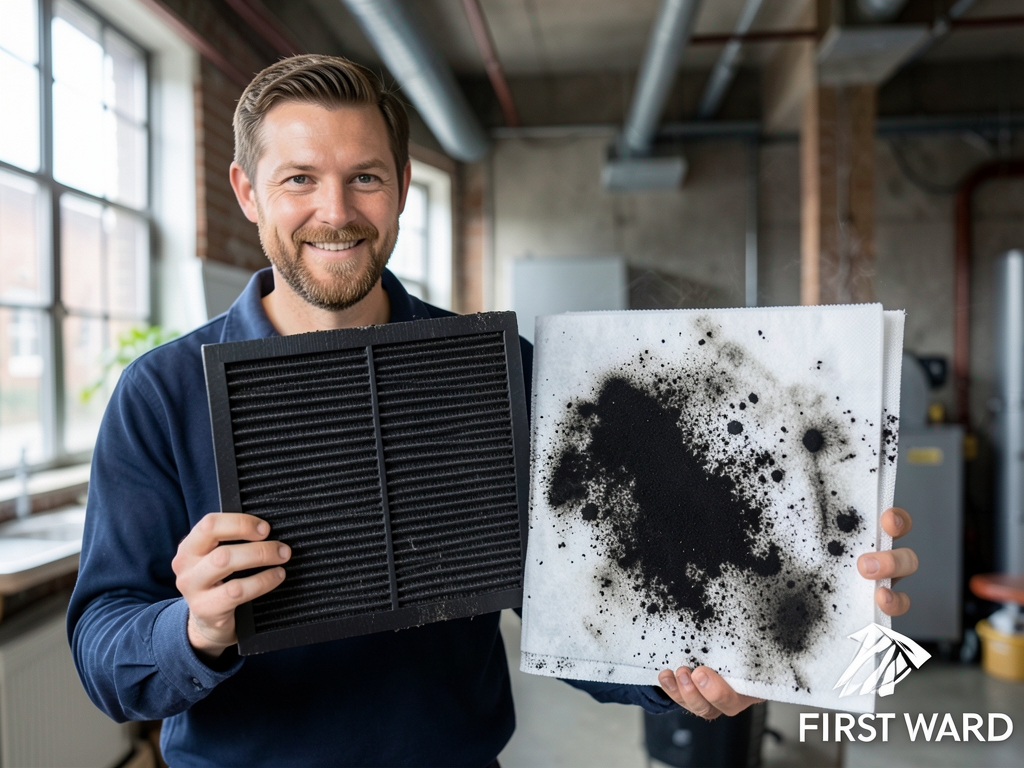
A technician holds a blackened HVAC filter next to a clean one, showing the dramatic difference caused by candle soot and cooking grease buildup in a First Ward loft system.
The Hidden Cost: How Soot Damages Your Houston HVAC System
When soot particles bypass your filter, they coat the evaporator coil and restrict heat transfer. This forces your system to run longer cycles, increasing energy consumption and wear on components. The restricted airflow also causes your blower motor to work harder, potentially leading to premature failure.
The evaporator coil becomes a magnet for these particles in Houston’s humid climate. The combination of moisture and soot creates a perfect environment for microbial growth, which can lead to unpleasant odors and reduced cooling efficiency. This ‘gunk’ buildup acts like insulation, preventing your system from cooling effectively.
Restricted airflow from clogged filters and coils can cause your AC to freeze up. When ice forms on the evaporator coil, it blocks airflow completely, causing your system to shut down. This emergency situation often requires professional service and can damage your compressor if not addressed quickly. Finding Emergency AC Repair in Sugar Land Without Getting Ripped Off.
Paraffin vs. Soy vs. Beeswax: Which is Safer for Your AC?
| Candle Type | Particulate Emission (mg/hour) | Stickiness Factor | Cost per Hour Burn |
|---|---|---|---|
| Paraffin | 100-150 | High | $0.15-0.25 |
| Soy | 30-50 | Medium | $0.20-0.35 |
| Beeswax | 10-20 | Low | $0.40-0.60 |
Paraffin candles produce the most soot due to their petroleum base. Each hour of burning releases enough particulate matter to fill a small shot glass. These particles are the perfect size to slip through standard MERV 8 filters and coat your HVAC components.
Soy candles burn cleaner but still produce significant particulate matter. The vegetable-based wax creates less soot than paraffin, but the particles can still accumulate in your system over time. The ‘medium’ stickiness factor means they’ll stick to moist surfaces in Houston’s humid environment.
Beeswax candles offer the cleanest burn with minimal soot production. The natural wax burns at a higher temperature, creating more complete combustion. However, they’re significantly more expensive and may not provide the same scent throw as paraffin options.
3 Warning Signs Your Candles are Killing Your Air Quality
- Black streaks on walls near vents – This ‘ghosting’ effect appears when soot particles settle on cool surfaces. In First Ward’s older buildings, these streaks often show up on brick walls or plaster surfaces near HVAC returns.
- Rapid filter discoloration – If your filter turns gray or black within 30 days instead of 90, your candles and cooking habits are producing excessive particulate matter. The filter should gradually darken over time, not change color dramatically between changes.
- Dusty black vents – When you see black dust accumulating on vent covers, your system is circulating soot particles. This indicates the particles are small enough to pass through your filter and are being distributed throughout your loft.
The smell test provides another clue. If you notice a burning or chemical odor when your AC runs, soot may be coating your evaporator coil. This creates a film that holds onto odors and reduces cooling efficiency.
How to Protect Your HVAC System Without Giving Up Candles
Trimming candle wicks to 1/4 inch before each use significantly reduces soot production. Long wicks create larger flames that produce more incomplete combustion. This simple step can cut soot emissions by up to 50% without sacrificing ambiance.
Using candle warmers instead of burning wicks eliminates soot entirely. These devices melt the wax from below, releasing fragrance without creating smoke or particulate matter. They’re particularly effective for maintaining scent in Houston’s open loft layouts where air circulation is already high.
Upgrading to MERV 11-13 filters captures smaller particles that would otherwise pass through standard filters. These higher-rated filters trap particles as small as 1-3 microns, including most candle soot and cooking grease particles. However, they require more frequent changes in Houston’s dusty environment.
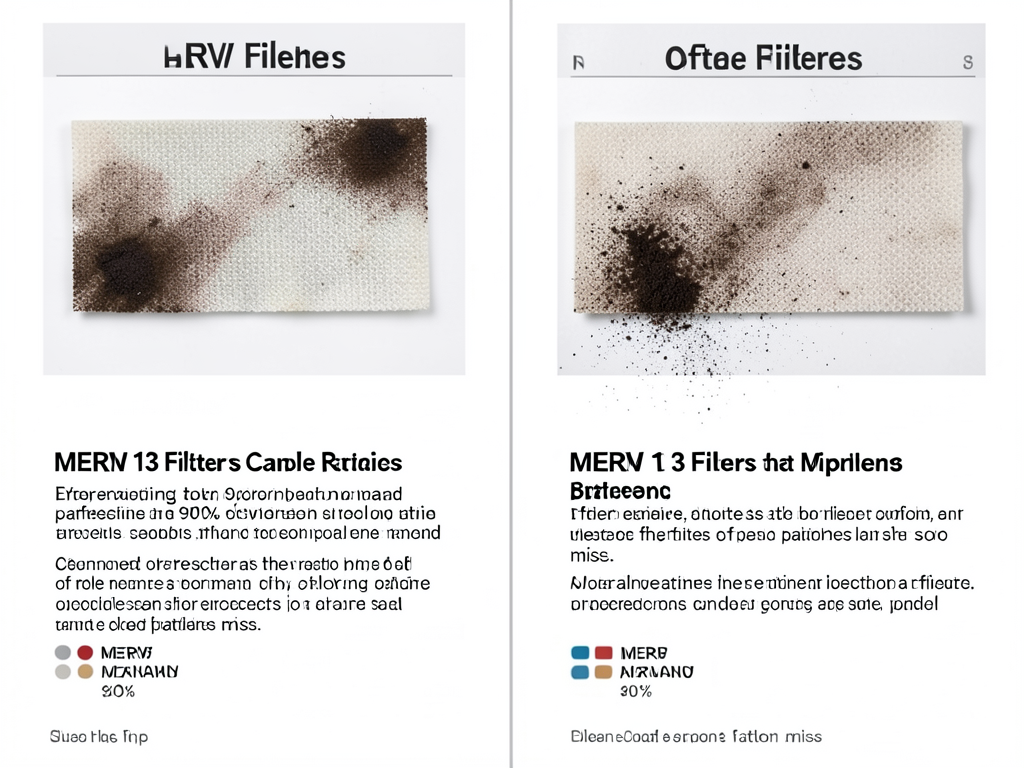
A side-by-side comparison showing different MERV filter ratings and their effectiveness at capturing candle soot particles, with MERV 13 filters blocking 90% of particles that MERV 8 filters miss.
When to Call a Houston AC Professional
Call for professional service if you notice black dust around vents, experience reduced cooling capacity, or hear your blower motor working harder than usual. These symptoms indicate soot has bypassed your filter and is affecting critical components. A professional cleaning can restore efficiency and prevent costly repairs.. Read more about Why Your Professional Grade Range Hood Needs a Make-up Air System in the Fourth Ward.
Schedule coil cleaning if your system runs constantly but doesn’t cool effectively. Soot buildup on evaporator coils acts like insulation, preventing proper heat transfer. This forces your system to work overtime, increasing energy bills and wear on components.
Consider IAQ testing if family members experience increased allergy symptoms or respiratory issues. Houston’s humidity combined with indoor particulate matter can create unhealthy air quality levels. Professional testing identifies specific pollutants and recommends targeted solutions.
For First Ward residents, local building codes require specific HVAC maintenance schedules for historic properties. The City of Houston enforces these regulations to protect both residents and the integrity of historic buildings. Professional technicians understand these requirements and can ensure your system complies while addressing soot-related issues.
Call (281) 552-7766 today to schedule your inspection. Our NATE-certified technicians understand Houston’s unique climate challenges and can recommend solutions that protect your HVAC system without requiring you to give up your favorite candles or cooking habits.
A technician uses thermal imaging to detect soot buildup on an evaporator coil in a First Ward loft, showing hot spots where restricted airflow is causing the system to work harder than necessary.
Frequently Asked Questions
How often should I change my filter if I burn candles regularly?
If you burn candles frequently in your First Ward loft, change your filter every 30-45 days instead of the standard 90 days. Houston’s humidity makes soot particles stickier and more likely to accumulate quickly on filter media.
Can candle soot damage my HVAC warranty?
Excessive soot buildup can void manufacturer warranties if it’s determined to be the cause of system failure. Most warranties require proper maintenance, and allowing soot to accumulate on critical components may be considered neglect.
What’s the best alternative to scented candles for Houston homes?
Essential oil diffusers or whole-home scenting systems provide fragrance without producing particulate matter. These options work particularly well in Houston’s humid climate where open windows often negate candle scents anyway.
How can I tell if soot is affecting my AC performance?
Signs include longer cooling cycles, reduced airflow from vents, ice formation on the evaporator coil, and higher than normal energy bills. If you notice these symptoms along with black dust around your home, soot is likely affecting your system’s efficiency.
Don’t wait until your system fails during a Houston heatwave. Call (281) 552-7766 to schedule your professional inspection and keep your First Ward loft comfortable year-round. For more information, visit Department of Energy AC Maintenance.
You may also find this helpful. What to Do When Water Leaks from Your AC into the Furnace in Stafford.
{
“@context”: “https://schema.org”,
“@type”: “BlogPosting”,
“headline”: “How Cooking and Scented Candles Clog Up Your HVAC Filters in First Ward Lofts”,
“description”: “Learn how cooking smoke and candle soot clog First Ward loft HVAC filters and damage systems. Get expert tips to protect your AC from Houston’s unique indoor air quality challenges.”,
“wordCount”: 1421,
“datePublished”: “2026-06-05T09:56:00.000Z”,
“dateModified”: “2026-06-05T09:56:00.000Z”,
“inLanguage”: “en-US”,
“mainEntityOfPage”: {
“@type”: “WebPage”,
“@id”: “https://titanhvachouston.com”
},
“publisher”: {
“@type”: “LocalBusiness”,
“name”: “Titan HVAC Houston”,
“url”: “https://titanhvachouston.com”
},
“author”: {
“@type”: “Organization”,
“name”: “Titan HVAC Houston”,
“url”: “https://titanhvachouston.com”
},
“image”: {
“@type”: “ImageObject”,
“url”: “https://titanhvachouston.com/wp-content/uploads/2026/03/how-cooking-and-scented-candles-clog-up-your-hvac-1.png”
}
}
{
“@context”: “https://schema.org”,
“@type”: “HVACBusiness”,
“name”: “Titan HVAC Houston”,
“url”: “https://titanhvachouston.com”,
“address”: {
“@type”: “PostalAddress”,
“addressLocality”: “Houston”
},
“areaServed”: {
“@type”: “City”,
“name”: “Houston”
}
}
{
“@context”: “https://schema.org”,
“@type”: “FAQPage”,
“mainEntity”: [
{
“@type”: “Question”,
“name”: “How often should I change my filter if I burn candles regularly?”,
“acceptedAnswer”: {
“@type”: “Answer”,
“text”: “If you burn candles frequently in your First Ward loft, change your filter every 30-45 days instead of the standard 90 days. Houston’s humidity makes soot particles stickier and more likely to accumulate quickly on filter media.”
}
},
{
“@type”: “Question”,
“name”: “Can candle soot damage my HVAC warranty?”,
“acceptedAnswer”: {
“@type”: “Answer”,
“text”: “Excessive soot buildup can void manufacturer warranties if it’s determined to be the cause of system failure. Most warranties require proper maintenance, and allowing soot to accumulate on critical components may be considered neglect.”
}
},
{
“@type”: “Question”,
“name”: “What’s the best alternative to scented candles for Houston homes?”,
“acceptedAnswer”: {
“@type”: “Answer”,
“text”: “Essential oil diffusers or whole-home scenting systems provide fragrance without producing particulate matter. These options work particularly well in Houston’s humid climate where open windows often negate candle scents anyway.”
}
},
{
“@type”: “Question”,
“name”: “How can I tell if soot is affecting my AC performance?”,
“acceptedAnswer”: {
“@type”: “Answer”,
“text”: “Signs include longer cooling cycles, reduced airflow from vents, ice formation on the evaporator coil, and higher than normal energy bills. If you notice these symptoms along with black dust around your home, soot is likely affecting your system’s efficiency.”
}
}
]
}
{
“@context”: “https://schema.org”,
“@type”: “BreadcrumbList”,
“itemListElement”: [
{
“@type”: “ListItem”,
“position”: 1,
“name”: “Home”,
“item”: “https://titanhvachouston.com”
},
{
“@type”: “ListItem”,
“position”: 2,
“name”: “Blog”,
“item”: “https://titanhvachouston.com/blog”
},
{
“@type”: “ListItem”,
“position”: 3,
“name”: “How Cooking and Scented Candles Clog Up Your HVAC Filters in First Ward Lofts”
}
]
}
{
“@context”: “https://schema.org”,
“@type”: “Service”,
“serviceType”: “HVAC”,
“provider”: {
“@type”: “LocalBusiness”,
“name”: “Titan HVAC Houston”,
“url”: “https://titanhvachouston.com”
},
“areaServed”: {
“@type”: “City”,
“name”: “Houston”
},
“description”: “Learn how cooking smoke and candle soot clog First Ward loft HVAC filters and damage systems. Get expert tips to protect your AC from Houston’s unique indoor air quality challenges.”
}