





Katy sits in the humid subtropical zone where air conditioning runs eight months a year and humidity stays above 70 percent most days. Your HVAC system works harder here than in drier climates. The combination of Gulf Coast moisture and clay soil creates unique challenges for ductwork and foundation-mounted equipment.
Summer temperatures regularly hit 95 to 100 degrees with heat indexes climbing past 110. AC units cycle constantly during these months, wearing compressors and blower motors faster than normal. Winter brings occasional hard freezes that can damage exposed pipes and condensate lines if systems aren't properly maintained.
The expansive clay soil throughout Fort Bend County shifts with moisture changes, stressing ductwork connections and causing air leaks that waste energy. Homes in neighborhoods like Cinco Ranch and Grand Lakes often develop duct separation in crawl spaces as foundations settle. High humidity accelerates rust on outdoor units and promotes mold growth in drain pans and evaporator coils.
Local building codes require specific SEER ratings and proper sizing calculations based on Katy's climate zone. Insurance companies in this area increasingly require documentation of regular maintenance and proper installation to cover AC-related claims during summer peak loads.
Titan HVAC Houston has served the greater Katy area for years with a focus on fast response and honest pricing. We built our reputation by showing up when we say we will and fixing problems right the first time. Our technicians live and work in Fort Bend County, so they understand how local conditions affect your HVAC system.
We stock our service trucks with common parts for residential systems, which means most repairs get completed during the first visit. You won't wait days for a capacitor or contactor while your family sweats through a Texas summer. Our technicians carry digital diagnostic tools that identify problems quickly without guesswork or unnecessary part replacements.
Every estimate includes detailed explanations of what's wrong and what it costs to fix. We don't upsell services you don't need or hide fees in fine print. Our pricing stays consistent whether you call on a Tuesday afternoon or Sunday morning. We offer flat-rate pricing for common repairs so you know the cost before work begins.
Our team stays current on manufacturer training and local code requirements. We install systems according to Manual J load calculations, not rough estimates based on square footage. Proper sizing matters in Katy's climate because oversized units short-cycle and fail to remove humidity, while undersized systems run constantly and wear out early. We take time to do load calculations right so your new system performs efficiently for years.

When your AC quits during a heat wave or your heater fails during a freeze, you need help now. We dispatch technicians within hours for emergency calls in Katy. Our trucks carry common repair parts to fix most problems during the first visit without waiting for special orders.

You'll know the exact cost before we start work. We provide written estimates for every repair with no hidden fees or surprise charges. Our flat-rate pricing covers labor and parts for common repairs, so the price stays the same whether the job takes one hour or three.
Our technicians hold current HVAC certifications and complete ongoing manufacturer training. They use digital diagnostic equipment to identify problems accurately instead of guessing. Every installation follows Manual J load calculations and local building codes to ensure your system runs efficiently.
We understand how Katy's clay soil, high humidity, and extreme temperatures affect HVAC systems. Our team knows which problems occur most often in different neighborhoods and how to prevent them. This local knowledge helps us diagnose issues faster and recommend solutions that work long-term.
Titan HVAC Houston handles everything from emergency repairs to complete system replacements throughout Katy. We service all major brands of residential and commercial HVAC equipment including Carrier, Trane, Lennox, Rheem, and Goodman. Our technicians diagnose problems with central air systems, heat pumps, gas furnaces, and ductless mini-splits.
We organize our services around what homeowners need most. Emergency repairs get you cool or warm fast when systems fail. Preventive maintenance catches problems before they cause breakdowns during extreme weather. Installation services cover new construction, system upgrades, and full replacements when repair costs don't make sense.
Each service category requires different expertise. Emergency repairs demand fast diagnosis and parts availability. Maintenance requires attention to detail and knowledge of what fails first in Katy's climate. Installations need proper load calculations, duct design, and code compliance to perform efficiently for 15 to 20 years.
We dispatch the right technician for each job type. Our diagnostic specialists handle complex repair problems, while installation crews focus on new equipment and ductwork. This specialization means faster service and better results whether you need a quick capacitor replacement or a complete system upgrade.
System breakdowns don't wait for business hours. We respond to emergency calls seven days a week when your AC quits during a heat wave or your heater fails during a freeze. Our technicians arrive with diagnostic equipment and common parts to fix most problems during the first visit. We repair compressor failures, refrigerant leaks, blower motor problems, thermostat issues, and electrical failures. You'll get upfront pricing before work starts and a functioning system before we leave.
Regular maintenance prevents expensive breakdowns and keeps systems running efficiently in Katy's demanding climate. Our tune-ups include cleaning evaporator and condenser coils, checking refrigerant levels, testing electrical connections, inspecting ductwork for leaks, and replacing filters. We catch worn capacitors, failing contactors, and refrigerant leaks before they cause complete system failure. Maintenance customers get priority scheduling and discounts on repairs. Most plans include two visits per year, covering both cooling and heating seasons.
We install high-efficiency HVAC systems sized correctly for your home using Manual J load calculations. Our installations include new air handlers, condensing units, thermostats, and ductwork modifications as needed. We handle permit applications and inspections required by Fort Bend County. You'll get written warranties on equipment and installation labor. We install energy-efficient systems that qualify for utility rebates and explain financing options for major replacements. Every installation meets current building codes and manufacturer specifications.
Katy's climate and soil conditions create specific HVAC challenges that homeowners face repeatedly. The combination of extreme heat, high humidity, and expansive clay soil stresses systems in ways that don't happen in drier or more temperate regions. Understanding these common problems helps you spot warning signs before minor issues become expensive emergencies.
Most HVAC problems in this area stem from overwork during long cooling seasons, moisture damage from humidity, or physical stress from foundation movement. Systems run harder and longer here than in most parts of the country. An AC unit in Katy might cycle 12 hours daily for six months straight, while the same unit in a moderate climate runs half as much.
Foundation settlement from clay soil movement often damages ductwork connections in crawl spaces and attics. Homes throughout Cinco Ranch, Grand Lakes, and other established neighborhoods develop duct leaks as foundations shift with seasonal moisture changes. These leaks waste conditioned air and force systems to work harder to maintain temperature.
High humidity accelerates rust and corrosion on outdoor equipment. Condensate drain lines clog with algae growth, causing water damage inside homes. Evaporator coils freeze when airflow drops from dirty filters or failing blower motors. Recognizing these patterns helps homeowners address problems early before they cause secondary damage.
Compressors fail more often in Katy because systems run constantly during summer months. When outdoor temperatures stay above 95 degrees for weeks, compressors cycle on and off hundreds of times daily. This constant operation wears internal components until they seize or burn out. Low refrigerant from small leaks forces compressors to work harder, accelerating failure.
Clay soil throughout Fort Bend County expands when wet and contracts when dry, causing foundations to shift slightly. This movement stresses ductwork connections in crawl spaces and attics until joints separate. Leaking ducts waste 20 to 30 percent of conditioned air, driving up energy bills and forcing systems to run longer to maintain temperature.
High humidity means AC systems remove gallons of moisture from indoor air daily. This water drains through PVC pipes that clog with algae, mold, and sediment buildup. Clogged drains cause water to back up into drain pans and overflow into ceilings or walls. Regular drain cleaning prevents water damage that can cost thousands to repair.
Evaporator coils freeze when airflow drops below design specifications. Dirty air filters, failing blower motors, or collapsed ductwork reduce airflow until coils ice over completely. Frozen coils stop cooling and can cause compressor damage if systems keep running. This problem increases during peak cooling season when filters clog faster from constant operation.
We've structured our service process to eliminate uncertainty and get your system working as quickly as possible. From your first phone call to final testing, you'll know what's happening and what it costs. Our approach focuses on fast diagnosis, honest recommendations, and quality repairs that last.
When you contact us, we gather information about your problem to dispatch the right technician with appropriate tools and parts. We ask about symptoms, system age, and recent changes to help our technician prepare. For emergencies, we prioritize same-day service and give you a realistic arrival window.
Our technicians arrive in marked vehicles with company identification. They'll protect your floors with shoe covers and keep work areas clean. After diagnosing the problem, they'll explain what's wrong in plain language and provide written estimates before starting repairs. You'll understand what failed, why it happened, and what it costs to fix.
We believe customers deserve clear communication throughout the repair process. You shouldn't feel pressured to approve work you don't understand or pay for services you didn't authorize. Our technicians answer questions and explain options so you can make informed decisions about your HVAC system.
We respect your time by providing accurate service windows and calling before arrival. Emergency calls get same-day dispatch when you need cooling or heating restored quickly. For non-emergency service, we schedule appointments that fit your availability and confirm the day before. Our technicians carry mobile communication devices so dispatch can update you immediately if schedules change. You won't waste entire days waiting for service calls.
Our technicians use digital diagnostic equipment to identify problems accurately instead of guessing. They test electrical components, measure refrigerant pressures, check airflow rates, and inspect all system parts before recommending repairs. You'll receive a written explanation of what's wrong and what it costs to fix. We never recommend unnecessary repairs or push premium services you don't need. If multiple solutions exist, we explain the pros and cons of each option.
We stand behind our work with warranties on parts and labor. Repairs get completed properly the first time using quality replacement parts, not cheap alternatives that fail quickly. After repairs, technicians test system performance to confirm proper operation and adequate cooling or heating. We clean up work areas and remove old parts. You'll receive documentation of all work performed and warranty information for future reference.
We've refined our process to maximize efficiency while maintaining quality. You get fast service without shortcuts that cause callbacks or repeat failures.
Call us at (281) 552-7766 to describe your HVAC problem. We'll ask questions about symptoms and system details to dispatch the right technician. For emergencies, we prioritize same-day service and provide a realistic arrival window. You'll receive confirmation with technician details and estimated arrival time. Our dispatch team stays in contact to update you if anything changes.
Our technician arrives with diagnostic equipment and common repair parts. They'll inspect your system, test components, and identify the problem. You'll receive a written estimate explaining what's wrong and what it costs to fix. We answer all questions and explain your options before starting any work. Once you approve the estimate, repairs begin immediately using parts already on the truck when possible.
We complete repairs using quality parts and proper installation techniques. After repairs, technicians test system performance to confirm adequate cooling or heating and proper operation of all components. We clean the work area and remove old parts. You'll receive documentation of work performed, parts installed, and warranty information. We explain maintenance recommendations to prevent future problems.
Professional HVAC installation and repair in Katy requires knowledge of multiple technical standards and local regulations. Fort Bend County enforces the International Mechanical Code with local amendments that affect equipment sizing, duct design, and installation methods. Systems must meet minimum SEER ratings established by the Department of Energy for Climate Zone 2, which covers the Houston area.
Manual J load calculations determine proper system sizing based on home square footage, insulation levels, window area, and orientation. Undersized systems run constantly and fail to dehumidify properly in Katy's humid climate. Oversized systems short-cycle, wasting energy and failing to remove moisture. Many HVAC contractors skip load calculations and size systems based only on square footage, which leads to poor performance and early equipment failure.
Duct design follows Manual D guidelines for proper airflow distribution. Duct systems must deliver designed CFM to each room while maintaining static pressure within equipment specifications. Leaking or undersized ductwork causes uneven temperatures, high energy bills, and premature equipment wear. We test duct leakage using calibrated equipment and seal joints with mastic rather than tape, which fails in attic heat.
Refrigerant handling requires EPA Section 608 certification. Technicians must recover refrigerant properly, evacuate systems to specific vacuum levels, and charge systems by weight or superheat method rather than pressure alone. Improper charging reduces efficiency by 20 percent or more and shortens compressor life. Texas licenses HVAC contractors through the Texas Department of Licensing and Regulation, which requires specific bonding and insurance coverage.
Installation permits through Fort Bend County ensure systems meet code requirements and pass inspection. Inspectors verify proper electrical connections, gas line sizing for furnaces, condensate drain installation, and equipment clearances. Skipping permits creates liability issues and may void manufacturer warranties.
Manual J load calculations account for home construction, insulation, windows, and local climate to determine correct equipment capacity. Systems sized by square footage alone often fail to perform efficiently. Proper sizing ensures adequate cooling capacity while maintaining humidity control critical for comfort in Katy's climate. We measure and calculate loads for every installation.
Equipment efficiency ratings, system capacity, and installation complexity determine total investment. High-efficiency systems cost more upfront but reduce monthly energy bills. Ductwork modifications, electrical upgrades, and permit fees add to base equipment costs. Two-story homes and complex layouts require more labor than simple single-story installations. We provide detailed written estimates that break down all costs.
Complete system replacement typically takes one to two days depending on equipment location and ductwork condition. We remove old equipment, install new systems, modify ductwork as needed, and test performance. Fort Bend County inspections add one to two days to the schedule. We coordinate permit applications and inspector availability to minimize delays without rushing quality work.
Fort Bend County requires permits for system replacement and major repairs. We handle permit applications, fee payment, and inspection scheduling. Inspectors verify proper installation, electrical connections, refrigerant line installation, and condensate drainage. Passed inspections protect you from future liability and ensure manufacturer warranties remain valid. We never skip permits to save time or money.
Learn about common HVAC problems in Katy, TX, caused by extreme heat, high humidity, and clay soil conditions. This video covers compressor failure, ductwork damage from foundation movement, condensate drain issues, and frozen evaporator coils. Titan HVAC Houston explains warning signs and prevention strategies for residential heating and cooling systems throughout Fort Bend County. Includes information about emergency repair service, maintenance programs, and system installation with proper load calculations.
Titan HVAC Houston provides complete heating and air conditioning services throughout Katy and the greater Fort Bend County area. We've built relationships with homeowners from established neighborhoods to new construction developments, understanding how HVAC needs vary across different parts of the region.
Cinco Ranch represents one of the largest master-planned communities in Katy, with homes ranging from 2,000 to 5,000 square feet. We've serviced systems in all sections of Cinco Ranch, from older properties near Cinco Ranch Boulevard to new construction near the Grand Parkway. The community's mix of one-story and two-story homes creates diverse HVAC challenges. Two-story homes often struggle with temperature imbalances between floors, requiring zone system upgrades or duct modifications.
Grand Lakes families deal with similar sizing challenges in their larger homes. Many properties in this area include game rooms, media rooms, and extended outdoor living spaces that stress original HVAC installations. We've upgraded numerous systems here to handle actual load requirements rather than builder-grade estimates. The neighborhood sits near the Katy Freeway and Grand Parkway intersection, putting it within our fast-response service area.
Homes in the original Katy area along Avenue D and Franz Road tend to be older with systems past their expected lifespan. These properties often need complete system replacement rather than ongoing repairs. We've replaced dozens of 15 to 20-year-old units in this area with modern high-efficiency equipment that cuts energy costs significantly. Older ductwork in these homes frequently needs sealing or replacement to work properly with new equipment.
The newer communities along the Grand Parkway corridor including Jordan Ranch and Elyson present different challenges. These homes feature modern construction with higher insulation values but sometimes have undersized ductwork from builders trying to minimize costs. We've corrected airflow problems in many of these properties by adding return air pathways and resizing supply ducts. The clay soil conditions throughout Fort Bend County affect all these neighborhoods similarly, causing foundation movement that stresses ductwork connections regardless of home age.
We also service commercial properties throughout Katy, from retail centers along Pin Oak Road to medical offices near Katy Fort Bend Road. Our commercial experience includes restaurants, offices, and retail spaces that require different solutions than residential properties.
The $5000 rule helps you decide between repair or replacement. If your system age multiplied by repair cost exceeds $5000, replacement makes more sense. For example, a 12-year-old unit needing a $500 compressor repair equals $6000, suggesting replacement. In Katy's humid climate, older systems lose efficiency fast. High humidity taxes aging components harder. Factor in rising energy bills and refrigerant phase-outs when making your call. This rule guides the decision, but you should also consider overall system condition and efficiency ratings.
Average HVAC jobs in Katy vary widely by scope. Simple repairs like capacitor replacement or thermostat issues run lower. Compressor replacement or refrigerant leak repairs cost more. Full system replacements depend on tonnage, efficiency rating, and ductwork condition. Katy's heat and humidity demand properly sized systems. Undersized units cycle constantly and fail early. Oversized units short cycle and create moisture problems. Get multiple quotes and verify proper load calculations for your square footage. Quality installation matters more than the lowest price.
New HVAC systems in Texas depend on home size, efficiency level, and installation complexity. A standard residential replacement for a typical Katy home includes the outdoor condenser, indoor air handler, and labor. Higher SEER ratings cost more upfront but lower monthly bills in our brutal summers. Ductwork modifications, zoning systems, and smart thermostats increase total investment. Katy's clay soil can shift foundations and damage existing ductwork, which adds cost. Always get three written estimates with equipment specs and warranty details before committing.
The $5000 rule helps you decide between repair or replacement. If your system age multiplied by repair cost exceeds $5000, replacement makes more sense. For example, a 12-year-old unit needing a $500 compressor repair equals $6000, suggesting replacement. In Katy's humid climate, older systems lose efficiency fast. High humidity taxes aging components harder. Factor in rising energy bills and refrigerant phase-outs when making your call. This rule guides the decision, but you should also consider overall system condition and efficiency ratings.
Average HVAC jobs in Katy vary widely by scope. Simple repairs like capacitor replacement or thermostat issues run lower. Compressor replacement or refrigerant leak repairs cost more. Full system replacements depend on tonnage, efficiency rating, and ductwork condition. Katy's heat and humidity demand properly sized systems. Undersized units cycle constantly and fail early. Oversized units short cycle and create moisture problems. Get multiple quotes and verify proper load calculations for your square footage. Quality installation matters more than the lowest price.
New HVAC systems in Texas depend on home size, efficiency level, and installation complexity. A standard residential replacement for a typical Katy home includes the outdoor condenser, indoor air handler, and labor. Higher SEER ratings cost more upfront but lower monthly bills in our brutal summers. Ductwork modifications, zoning systems, and smart thermostats increase total investment. Katy's clay soil can shift foundations and damage existing ductwork, which adds cost. Always get three written estimates with equipment specs and warranty details before committing.
This question asks about electricity providers, not HVAC contractors. Katy residents can choose retail electric providers through Texas's deregulated energy market. Compare rates, contract terms, and renewable energy options on Power to Choose. Your HVAC efficiency directly impacts your electric bill. A high-SEER system paired with a competitive electricity rate saves money year-round. Regular maintenance keeps your unit running efficiently. Change filters monthly during summer when systems run constantly. Seal ductwork to prevent cooled air from escaping into attics.
A 4000 square foot home in Katy needs a larger tonnage system, often requiring dual units or a zoning setup. Single-story layouts differ from two-story homes in load distribution. Ceiling height, insulation levels, window quality, and sun exposure all affect sizing. Katy's humidity requires proper dehumidification capacity, not just cooling power. Ductwork design matters significantly at this scale. Poor airflow creates hot spots and wastes energy. Expect investment to reflect commercial-grade equipment and complex installation. Get Manual J load calculations before accepting any quote.
The 3-minute rule prevents compressor damage. After your AC shuts off, wait three full minutes before restarting. This lets refrigerant pressure equalize between the high and low sides of the system. Restarting too quickly forces the compressor to start against high pressure, straining the motor and shortening its life. Most modern thermostats have built-in delay timers. You see this after power outages in Katy when storms knock out electricity. Let the system rest before flipping breakers back on.
A 2000 square foot house in Katy needs proper tonnage based on insulation, windows, and orientation. Most homes this size require 3 to 4 tons of cooling capacity. Single-story ranch homes need different approaches than two-story builds. Katy's heat and humidity demand systems sized correctly. Costs vary by efficiency rating, brand, and existing ductwork condition. Higher SEER units cost more but save money monthly. Factor in installation complexity, permit fees, and any electrical upgrades. Financing options spread the investment over time.
HVAC systems last 12 to 15 years in Katy with proper maintenance. Our climate shortens lifespan compared to milder regions. Systems run nearly year-round, accumulating more wear. High humidity corrodes components faster. Outdoor units face sun exposure and afternoon storms. Regular maintenance extends life significantly. Annual tune-ups catch small problems before they escalate. Dirty filters force systems to work harder. Neglected units fail at 8 to 10 years. Quality installation and correct sizing also impact longevity.
Capacitor failures top the list in Katy. Heat degrades capacitors quickly. Refrigerant leaks come next, often from corroded coils or loose fittings. Contactor failures prevent systems from starting. Blower motor issues cause weak airflow. Thermostat problems create comfort complaints. Clogged condensate drains back up and trigger safety shutoffs in our humid climate. Dirty evaporator coils freeze and reduce efficiency. Compressor failures are catastrophic and expensive. Most repairs stem from deferred maintenance. Regular service prevents emergency breakdowns during summer heat waves.
Fall and early spring offer the best deals in Katy. October through November and March through April see lower demand. Contractors offer promotions before and after peak season. You avoid the summer rush when emergency replacements dominate schedules. Installation crews have more availability for careful work. Manufacturers release new models in spring, discounting previous year inventory. Avoid buying during summer when your system fails and you have zero negotiating power. Plan replacements before emergency situations force hurried decisions.
This question asks about electricity providers, not HVAC contractors. Katy residents can choose retail electric providers through Texas's deregulated energy market. Compare rates, contract terms, and renewable energy options on Power to Choose. Your HVAC efficiency directly impacts your electric bill. A high-SEER system paired with a competitive electricity rate saves money year-round. Regular maintenance keeps your unit running efficiently. Change filters monthly during summer when systems run constantly. Seal ductwork to prevent cooled air from escaping into attics.
A 4000 square foot home in Katy needs a larger tonnage system, often requiring dual units or a zoning setup. Single-story layouts differ from two-story homes in load distribution. Ceiling height, insulation levels, window quality, and sun exposure all affect sizing. Katy's humidity requires proper dehumidification capacity, not just cooling power. Ductwork design matters significantly at this scale. Poor airflow creates hot spots and wastes energy. Expect investment to reflect commercial-grade equipment and complex installation. Get Manual J load calculations before accepting any quote.
The 3-minute rule prevents compressor damage. After your AC shuts off, wait three full minutes before restarting. This lets refrigerant pressure equalize between the high and low sides of the system. Restarting too quickly forces the compressor to start against high pressure, straining the motor and shortening its life. Most modern thermostats have built-in delay timers. You see this after power outages in Katy when storms knock out electricity. Let the system rest before flipping breakers back on.
A 2000 square foot house in Katy needs proper tonnage based on insulation, windows, and orientation. Most homes this size require 3 to 4 tons of cooling capacity. Single-story ranch homes need different approaches than two-story builds. Katy's heat and humidity demand systems sized correctly. Costs vary by efficiency rating, brand, and existing ductwork condition. Higher SEER units cost more but save money monthly. Factor in installation complexity, permit fees, and any electrical upgrades. Financing options spread the investment over time.
HVAC systems last 12 to 15 years in Katy with proper maintenance. Our climate shortens lifespan compared to milder regions. Systems run nearly year-round, accumulating more wear. High humidity corrodes components faster. Outdoor units face sun exposure and afternoon storms. Regular maintenance extends life significantly. Annual tune-ups catch small problems before they escalate. Dirty filters force systems to work harder. Neglected units fail at 8 to 10 years. Quality installation and correct sizing also impact longevity.
Capacitor failures top the list in Katy. Heat degrades capacitors quickly. Refrigerant leaks come next, often from corroded coils or loose fittings. Contactor failures prevent systems from starting. Blower motor issues cause weak airflow. Thermostat problems create comfort complaints. Clogged condensate drains back up and trigger safety shutoffs in our humid climate. Dirty evaporator coils freeze and reduce efficiency. Compressor failures are catastrophic and expensive. Most repairs stem from deferred maintenance. Regular service prevents emergency breakdowns during summer heat waves.
Fall and early spring offer the best deals in Katy. October through November and March through April see lower demand. Contractors offer promotions before and after peak season. You avoid the summer rush when emergency replacements dominate schedules. Installation crews have more availability for careful work. Manufacturers release new models in spring, discounting previous year inventory. Avoid buying during summer when your system fails and you have zero negotiating power. Plan replacements before emergency situations force hurried decisions.
Titan HVAC is proud to serve Houston and the surrounding areas with expert heating and cooling solutions. Our central location allows us to respond quickly to both residential and commercial clients. Whether you need an emergency fix or scheduled service, we’re never far away. Explore our service area and see how close comfort really is. We're just a call or click away—connect with us today.
Address:
Katy, TX, 77493
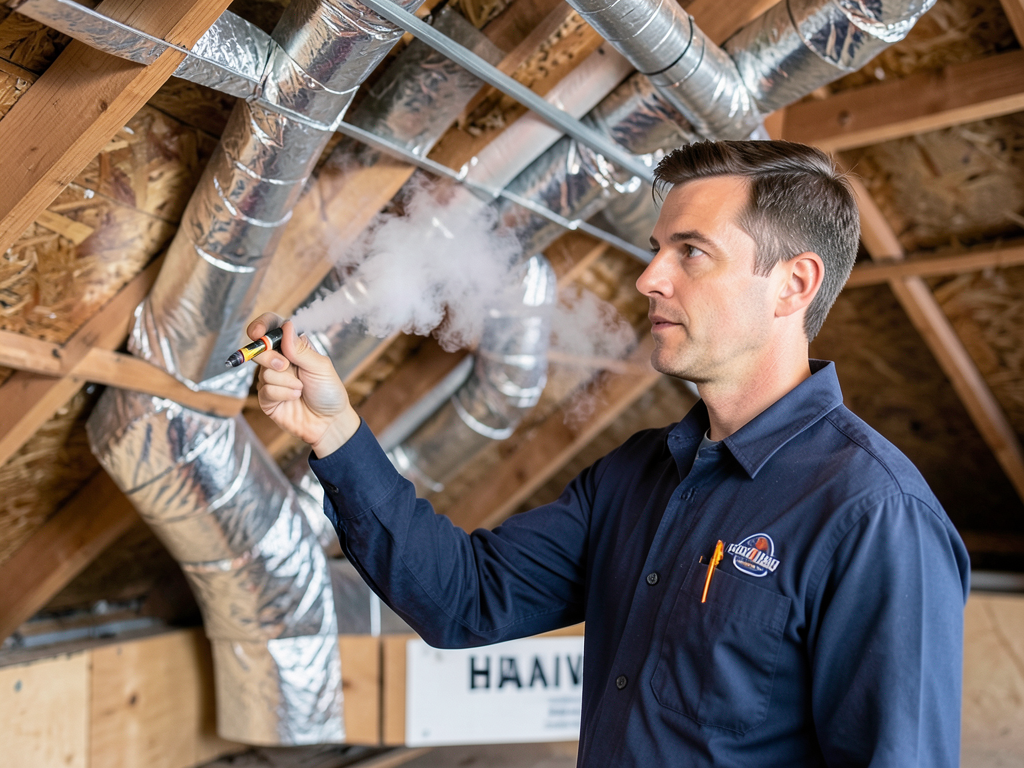
Fighting Constant Dust in Your Pasadena Home Through Better Filtration Living near Houston’s industrial corridors means dealing with more than just summer heat. The combination of coastal humidity, industrial particulates, and older Pasadena homes creates…
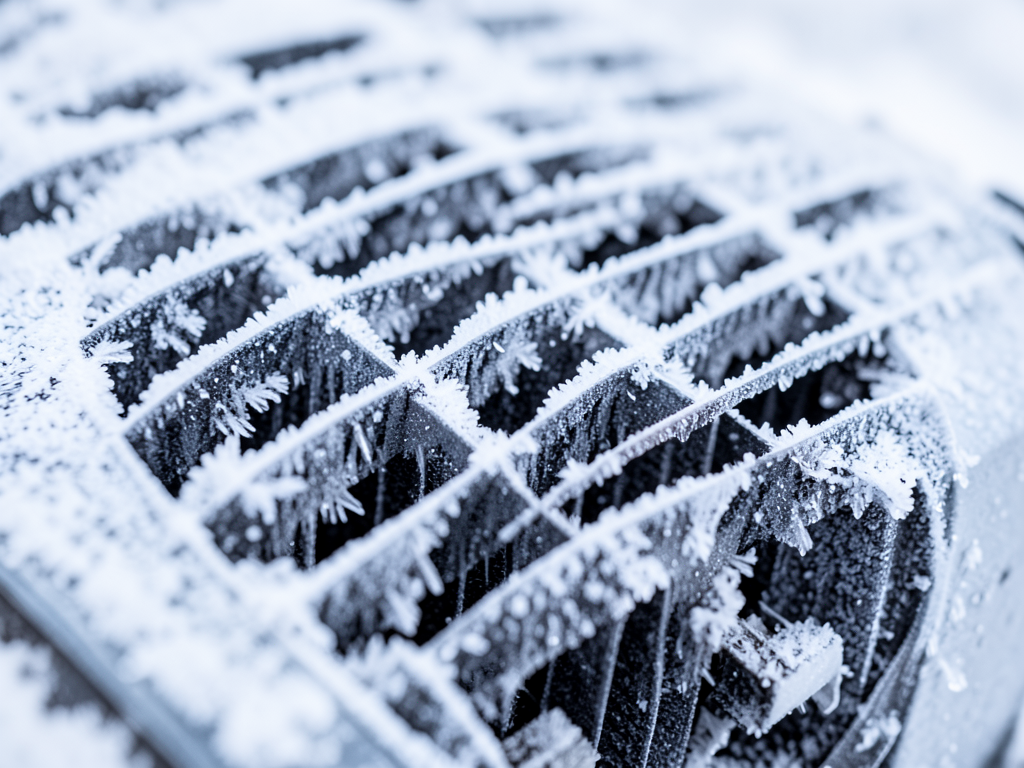
Why Your AC Is Freezing Up Even When It’s 100 Degrees in Sienna When your…
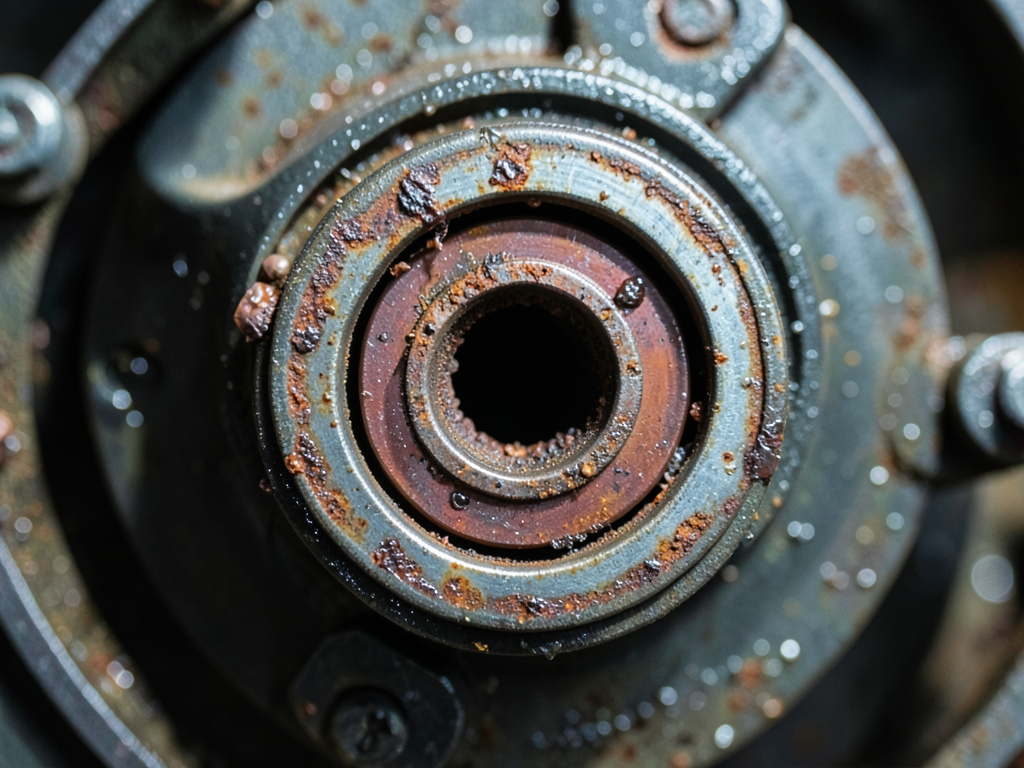
What That Screeching Sound from Your AC Actually Means (Hint—It’s Not Good) Your Houston air…
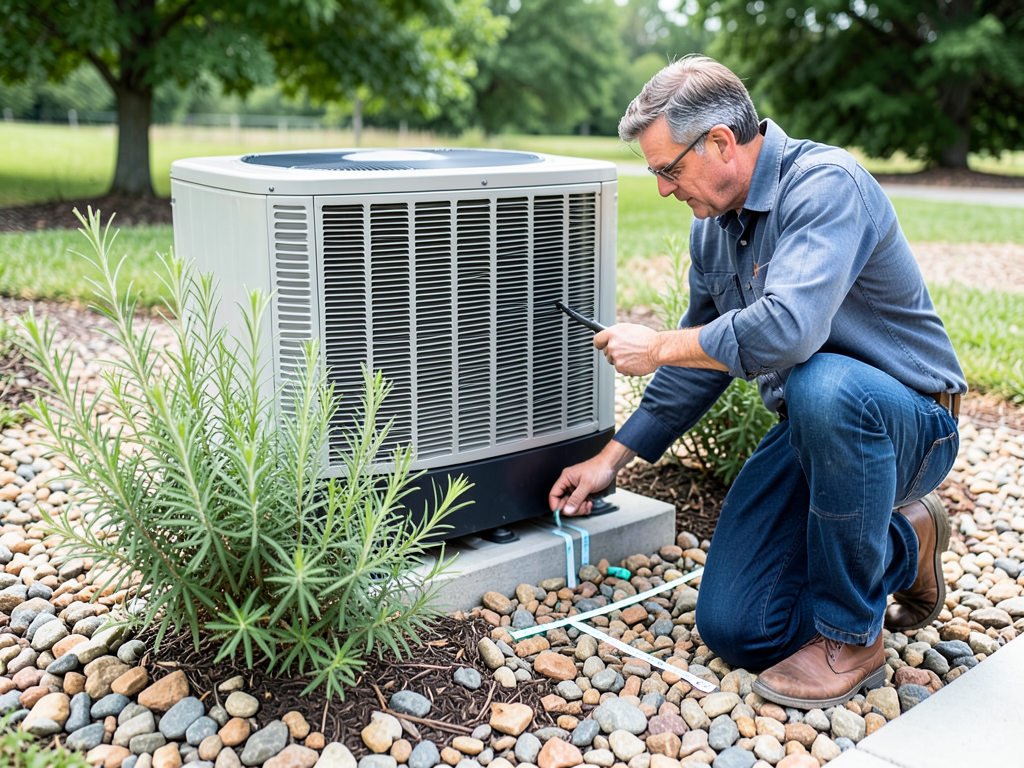
Safe Ways to Landscape Around Your AC Unit in Hedwig Village Your air conditioner works…
Don't suffer through another day without reliable heating or cooling. Call Titan HVAC Houston at (281) 552-7766 now for same-day emergency service or to schedule maintenance. Our technicians are ready to diagnose your problem and get your system running right.