






HVAC Warranty Guide Houston – Everything You Need to Know Before Filing a Claim

Understanding HVAC system warranty coverage, heating and cooling warranty terms, and manufacturer policies can save you thousands when your equipment fails in Houston's extreme climate.

Slider Image 1
Slider Image 2
Slider Image 3
Slider Image 4
Slider Image 5
Slider Image 7
Slider Image 8
Slider Image 9
Slider Image 10
Slider Image 11

Why Most Houston Homeowners Lose Money on Valid Warranty Claims

You pay for HVAC equipment warranty policies when you buy a new system. The manufacturer owes you protection if major components fail. But here is the reality: most Houston homeowners never collect what they are owed. Why?

Houston's climate destroys HVAC equipment faster than manufacturers expect. Compressors run year-round. Condensate drains clog from humidity. Air handlers rust from condensation. You need service long before the national average, and that is when things get complicated.

HVAC manufacturer warranty details include buried exclusions. Labor is almost never covered. Parts get denied if you skip one filter change. Registration deadlines pass before you know they exist. Installation defects void coverage entirely, and proving what went wrong when becomes a documentation nightmare.

The difference between HVAC system warranty coverage and what you actually receive comes down to paperwork. Contractors who do not photograph installations lose leverage. Homeowners who do not save receipts lose claims. Service records that do not match manufacturer intervals trigger automatic denials.

Heating and cooling warranty terms are written by legal teams who protect the manufacturer, not you. They know Houston homeowners run systems harder than Phoenix or Miami. They know Gulf Coast humidity accelerates corrosion. They build in exclusions that match Houston's failure patterns, then act surprised when you need what they promised.

HVAC unit warranty information sits in manuals nobody reads until something breaks. By then, you have missed registration windows, skipped required maintenance, or hired the wrong contractor to do the repair. The manufacturer has every reason to deny your claim, and you have no documentation to fight back.

Why Most Houston Homeowners Lose Money on Valid Warranty Claims
How to Maximize Your HVAC Warranty Coverage in Houston

How to Maximize Your HVAC Warranty Coverage in Houston

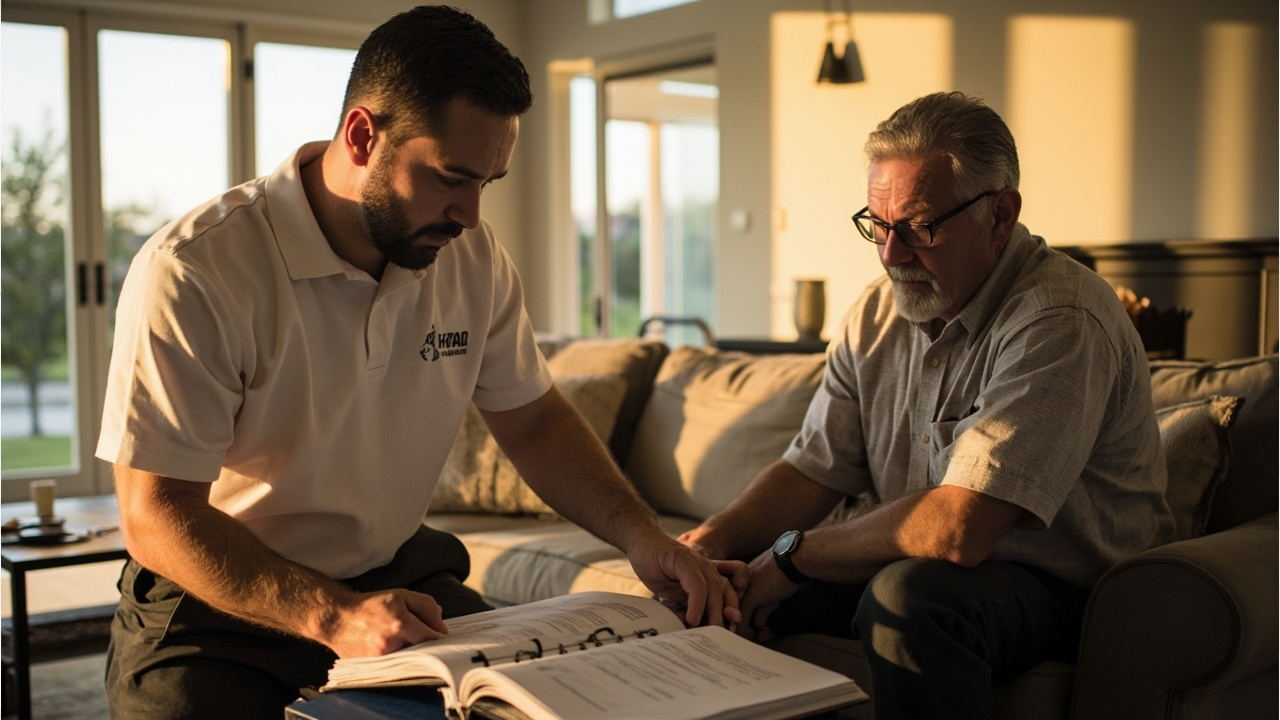
Valid warranty claims require airtight documentation from day one. That means photographing the equipment tag, serial number, and installation date at startup. It means keeping every service invoice in one place. It means registering equipment within 30 to 90 days, not when it breaks three years later.

Manufacturers divide heating and cooling warranty terms into parts coverage and labor coverage. Parts warranties run five to 10 years on compressors and heat exchangers. Labor coverage usually expires after one year unless you buy an extended plan. If your compressor fails in year three, you pay a technician $600 to install a $1,200 part the manufacturer provides for free. You save money, but you still write a check.

HVAC equipment warranty policies require professional installation. DIY work voids everything. So does hiring an unlicensed contractor or skipping permit inspections. The manufacturer wants proof a certified technician followed their installation manual to the letter. No shortcuts. No assumptions. If the paperwork does not exist, the claim does not exist.

Maintenance requirements are where most claims die. HVAC manufacturer warranty details specify filter changes, coil cleanings, and refrigerant checks at specific intervals. Miss one, and the manufacturer blames neglect for whatever failed. You need invoices that prove you followed their schedule, and those invoices need to come from a licensed contractor who documents refrigerant levels, amperage draws, and airflow measurements.

Exclusions kill claims even when you do everything right. Electrical surges, improper voltage, dirty coils, clogged drains, and low airflow all void coverage. The burden falls on you to prove those factors did not contribute to the failure. That requires diagnostic reports written before the equipment died, which almost nobody has.

Titan HVAC Houston builds warranty-compliant documentation into every service call. We photograph conditions. We record measurements. We provide the maintenance history manufacturers demand when they review claims.

What Happens When You File a Warranty Claim

HVAC Warranty Guide Houston – Everything You Need to Know Before Filing a Claim
01

Manufacturer Review and Authorization

The manufacturer reviews your claim against their HVAC system warranty coverage terms. They verify registration, check maintenance records, and confirm the failure matches covered defects. Expect them to request photos, invoices, and diagnostic reports. Approval takes three to 10 business days if your documentation is complete. Incomplete submissions restart the clock.
02

Parts Ordering and Delivery

Approved claims trigger parts shipment to the servicing contractor. Lead times vary by component. Compressors and heat exchangers ship within five to seven days. Control boards and blower motors arrive faster. Backordered parts can delay repairs by weeks during peak season. Manufacturers do not expedite for inconvenience, only for documented emergencies.
03

Installation and Final Verification

A licensed technician installs the replacement part and tests system performance. You pay labor costs unless your HVAC equipment warranty policies include labor coverage. The contractor provides a completion report the manufacturer keeps on file. This report protects you if the same component fails again, proving the prior repair followed factory procedures.

Why Houston HVAC Contractors Matter for Warranty Claims

Manufacturers do not process warranty claims for homeowners. They process claims for contractors. That means your technician controls whether your claim succeeds or fails. A contractor who does not understand heating and cooling warranty terms will file incomplete claims that get denied automatically. A contractor who does not photograph failures or measure system conditions gives the manufacturer room to reject coverage.

Houston HVAC systems fail under conditions manufacturers never see in test labs. Summer runtime exceeds 3,000 hours in a single season. Condensate drains handle 50 gallons of water per day. Compressors restart dozens of times as thermostats fight 95-degree heat. These operating conditions create failure patterns that look like abuse to warranty reviewers who have never worked in Gulf Coast humidity.

Experienced contractors document Houston-specific failure modes in language manufacturers recognize. We photograph rusted drain pans to prove factory coating failed, not maintenance neglect. We measure low airflow caused by undersized ductwork the installer should have flagged. We record voltage sag during peak demand to rule out electrical damage. This documentation shifts liability back to the manufacturer where HVAC unit warranty information says it belongs.

Local building codes affect warranty claims more than homeowners realize. Houston requires permits for equipment replacement. Inspectors verify refrigerant handling, electrical connections, and condensate drainage. A failed inspection creates a paper trail that voids coverage if the manufacturer reviews your claim. Contractors who skip permits to save time or money leave you exposed when components fail years later.

Titan HVAC Houston maintains manufacturer certifications that give us direct claim-filing access. We do not wait on hold with warranty departments. We submit claims through contractor portals that prioritize licensed professionals. We know which documentation each brand requires, which exclusions apply, and which reviewers approve claims without unnecessary delays.

What to Expect When You Need Warranty Service

Response Time and Availability

Warranty claims do not pause your need for cooling. We dispatch technicians within 24 hours to diagnose failures and begin the claim process. If the part is in stock and the failure is straightforward, we complete repairs the same day. Complex claims require manufacturer approval before we touch the equipment. During that waiting period, we provide temporary cooling solutions when possible. Emergency failures during Houston summers get priority scheduling because we understand that warranty timelines do not match your family's need for air conditioning.

Diagnostic Process and Documentation

Valid warranty claims require proof the failure matches covered defects. We test refrigerant pressures, measure amperage draws, inspect electrical connections, and photograph damaged components before disassembly. This diagnostic process takes 45 to 90 minutes depending on system complexity. We provide you with a written report that explains what failed, why it failed, and whether HVAC manufacturer warranty details cover the repair. If the manufacturer denies coverage, you have documentation to appeal or proceed with out-of-pocket repairs.

Repair Quality and Performance Testing

Manufacturer-supplied parts meet original equipment specifications. We install them following factory procedures to protect your remaining warranty coverage. After installation, we test system performance for 30 to 45 minutes. We verify refrigerant charge, measure airflow, check electrical draws, and confirm the thermostat cycles correctly. You receive a completion report that documents the repair and proves compliance with heating and cooling warranty terms. This report protects you if the same component fails again.

Ongoing Maintenance and Future Claims

One warranty claim does not reset your maintenance requirements. Manufacturers still expect filter changes, coil cleanings, and annual inspections at the intervals specified in your HVAC equipment warranty policies. We provide maintenance reminders and keep service records that protect future claims. If another component fails, we already have the documentation manufacturers demand. Skipping maintenance after a warranty repair gives manufacturers reason to deny your next claim, even if the failures are unrelated.

Frequently Asked Questions

You Have Questions,
We Have Answers

What is the typical warranty on a HVAC system? +

Most HVAC systems include two warranties: a parts warranty covering the compressor, coil, and internal components for 5 to 10 years, and a labor warranty covering installation costs, typically 1 to 2 years. Manufacturers set parts warranties, while contractors control labor warranties. In Houston, high humidity and extended cooling seasons stress equipment harder than temperate climates. Extended warranties are available for purchase. Register your system within 60 days of installation to activate manufacturer coverage. Keep all documentation and schedule annual maintenance to preserve warranty validity. Unregistered units often default to shorter coverage periods.

What is the $5000 rule for HVAC? +

The $5,000 rule refers to a maintenance guideline: if your HVAC repair exceeds $5,000 and your system is over 10 years old, replacement often makes better financial sense than repair. Divide the repair cost by the system age. If the result exceeds $500, consider replacement. Houston homeowners face this calculation often due to humid conditions that accelerate wear on coils and compressors. A 12-year-old system needing a $4,000 compressor replacement yields a $333 ratio, suggesting repair might suffice. A 15-year-old system at the same cost yields $266, pointing toward full replacement for better long-term value.

What HVAC has a 12 year warranty? +

Several manufacturers offer 12-year extended warranties, including Trane, Carrier, and Lennox, though coverage varies by model tier and registration timing. Standard warranties run 5 to 10 years on parts. To secure 12-year protection, you must register your equipment promptly after installation and often purchase extended coverage through the installer or manufacturer. Houston's demanding climate makes extended warranties attractive. High humidity and year-round use degrade components faster than in mild climates. Read the fine print carefully. Some 12-year warranties cover parts only, excluding labor costs, which can represent 50 percent of total repair expenses.

What voids a HVAC warranty? +

Skipping annual professional maintenance is the most common warranty killer. Manufacturers require documented service to honor claims. Other voids include improper installation by unlicensed contractors, failure to register the equipment within the required window, using non-OEM replacement parts, and operating a unit with mismatched components or incorrect refrigerant. In Houston, neglecting filter changes accelerates coil fouling due to humidity and airborne contaminants, leading to compressor failure that manufacturers deny under warranty. DIY repairs, unauthorized modifications, and operating a damaged unit instead of shutting it down immediately also void coverage. Always keep service records organized and accessible.

Which HVAC company has the best warranty? +

Warranty quality depends on coverage scope, claim process simplicity, and network reach. Trane, Carrier, Lennox, and Rheem offer competitive warranties with 10-year parts coverage and optional extensions. What matters more than brand is your installer. A contractor who documents maintenance, registers equipment promptly, and advocates during claims delivers more value than a premium brand paired with poor service. In Houston, choose an installer who understands local humidity challenges, stocks OEM parts, and responds quickly to prevent minor issues from escalating. The best warranty is one you never use because your system receives consistent professional care.

How many years should a HVAC system last? +

A properly maintained HVAC system in Houston lasts 12 to 15 years. The national average is 15 to 20 years, but Houston's extreme humidity, long cooling seasons, and short mild periods reduce lifespan. Air conditioning runs nearly 10 months annually here, accumulating wear faster than systems in temperate zones. Coastal proximity introduces salt air in some neighborhoods, corroding outdoor units. Regular maintenance extends life significantly. Annual tune-ups, prompt repairs, and replacing filters every 30 to 60 days combat Houston-specific stress factors. Systems installed in the late 2000s or earlier should be evaluated for efficiency losses and rising repair frequency.

Is a new HVAC system tax deductible in 2025? +

HVAC systems may qualify for federal tax credits under the Inflation Reduction Act through 2032. Energy-efficient models meeting ENERGY STAR criteria can earn up to $600 in tax credits for qualifying heat pumps or central air systems, and up to $2,000 for heat pump installations. These are credits, not deductions, reducing your tax bill dollar for dollar. Houston homeowners replacing aging systems should verify equipment meets efficiency thresholds before purchase. Consult a tax professional to confirm eligibility based on your income and filing status. Standard repairs and non-qualifying replacements do not receive tax benefits in 2025.

What is the 3 minute rule for AC? +

The 3-minute rule protects your compressor from short cycling damage. After your air conditioner shuts off, wait at least 3 minutes before restarting it. This delay allows refrigerant pressure to equalize throughout the system. Restarting too quickly forces the compressor to work against unbalanced pressure, causing electrical stress and premature failure. In Houston, where units cycle frequently during mild spring days and extreme summer heat, homeowners often toggle thermostats impatiently. Let the system rest. Modern units include built-in delay timers. If your compressor short cycles despite proper wait times, call a technician to diagnose refrigerant levels or electrical issues.

What is the best month to buy an HVAC system? +

October through November is ideal for HVAC purchases in Houston. Cooling season ends, demand drops, and contractors offer aggressive discounts to maintain cash flow during slower months. You avoid the spring rush when installers are booked solid and prices peak. Post-hurricane season also means fewer emergency calls competing for technician time. Early spring, February through March, offers a secondary window before summer heat arrives. Avoid purchasing during June through August when demand and prices surge. Plan ahead. If your system is 12-plus years old, replace it proactively during off-peak months rather than waiting for a July breakdown when you lose negotiating power.

Which HVAC brand lasts the longest? +

Trane, Carrier, and Lennox consistently rank highest for longevity when properly maintained, with lifespans reaching 15 to 20 years in ideal conditions. Houston's climate reduces these figures. Longevity depends less on brand than on installation quality, maintenance consistency, and appropriate sizing. An oversized budget brand will fail faster than a correctly sized mid-tier unit with annual tune-ups. Coastal Houston neighborhoods see faster corrosion regardless of brand. Focus on installer reputation, proper load calculations, and commitment to annual maintenance rather than brand loyalty. A 10-year-old unit from any manufacturer without service records is a gamble in Houston's demanding climate.

Why Houston's Climate Makes HVAC Warranty Knowledge Critical

Houston HVAC systems run 70 percent more hours per year than equipment in moderate climates. That runtime compresses 10-year warranties into seven years of actual use. Compressors wear faster. Contactors pit sooner. Capacitors fail earlier. Manufacturers base heating and cooling warranty terms on national averages that do not account for Gulf Coast heat and humidity. You hit warranty limits faster than homeowners in Denver or Seattle, which means understanding HVAC system warranty coverage matters more here than almost anywhere else in the country.

Houston contractors who understand manufacturer warranty processes protect you from common claim denials. We know which brands require annual maintenance invoices and which accept photos of clean filters. We know how to document humidity-related corrosion as a manufacturing defect rather than environmental damage. We know which failures get approved without dispute and which require detailed technical reports. This local expertise turns denied claims into approved repairs, saving you thousands when major components fail during the worst possible time.
HVAC Services in The Houston Area

Titan HVAC is proud to serve Houston and the surrounding areas with expert heating and cooling solutions. Our central location allows us to respond quickly to both residential and commercial clients. Whether you need an emergency fix or scheduled service, we’re never far away. Explore our service area and see how close comfort really is. We're just a call or click away—connect with us today.

Address:
Titan HVAC Houston, 3730 Kirby DrHouston, Houston, TX, 77098

Additional Services We Offer

Our news updates

Latest Articles & News from The Blogs

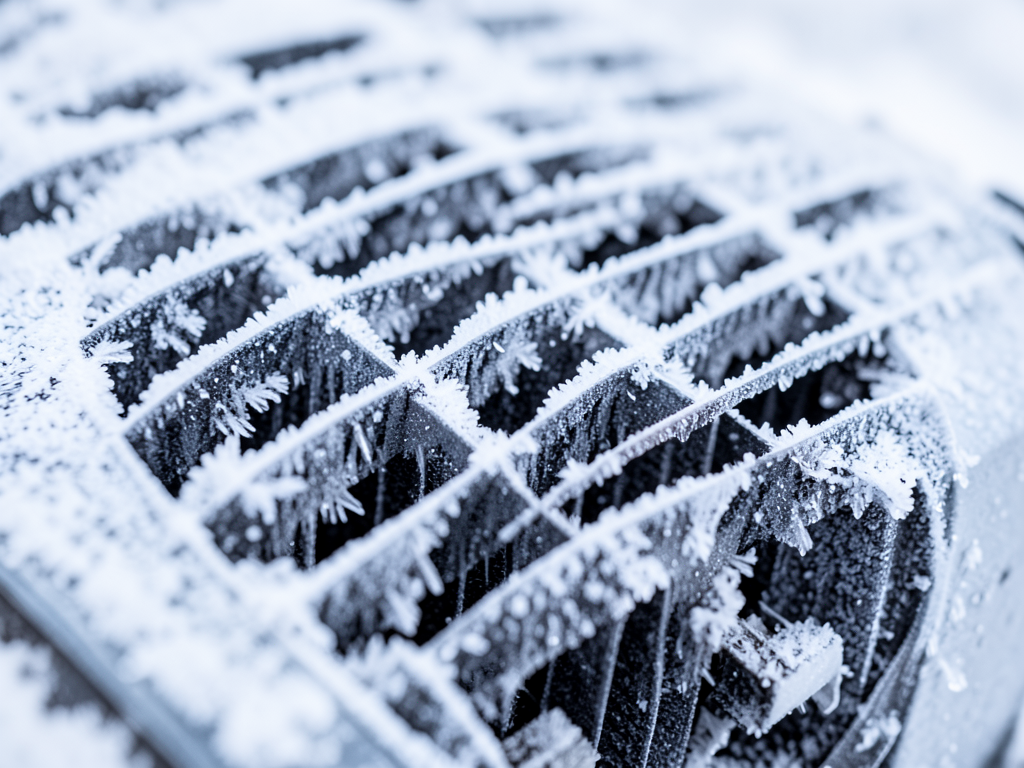
Why Your AC Is Freezing Up Even When It’s 100 Degrees in Sienna When your air conditioner freezes up on…

Why Your AC Is Freezing Up Even When It’s 100 Degrees in Sienna

Why Your AC Is Freezing Up Even When It’s 100 Degrees in Sienna When your air conditioner freezes up on…

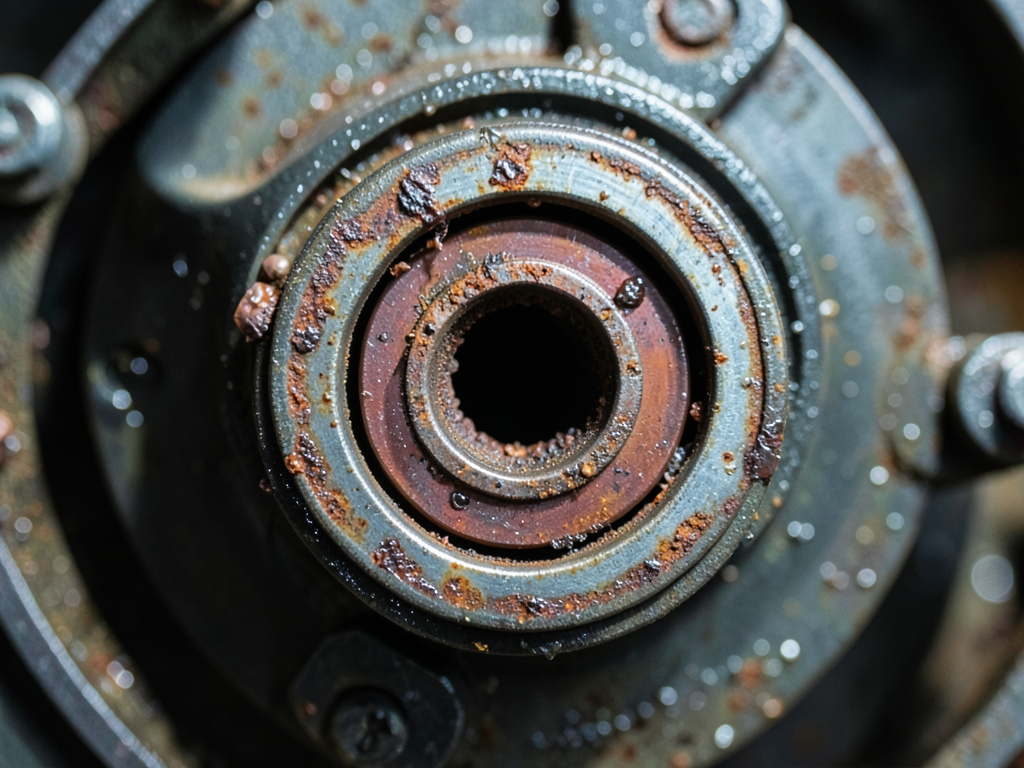
What That Screeching Sound from Your AC Actually Means (Hint—It’s Not Good)

What That Screeching Sound from Your AC Actually Means (Hint—It’s Not Good) Your Houston air conditioner works overtime for most…

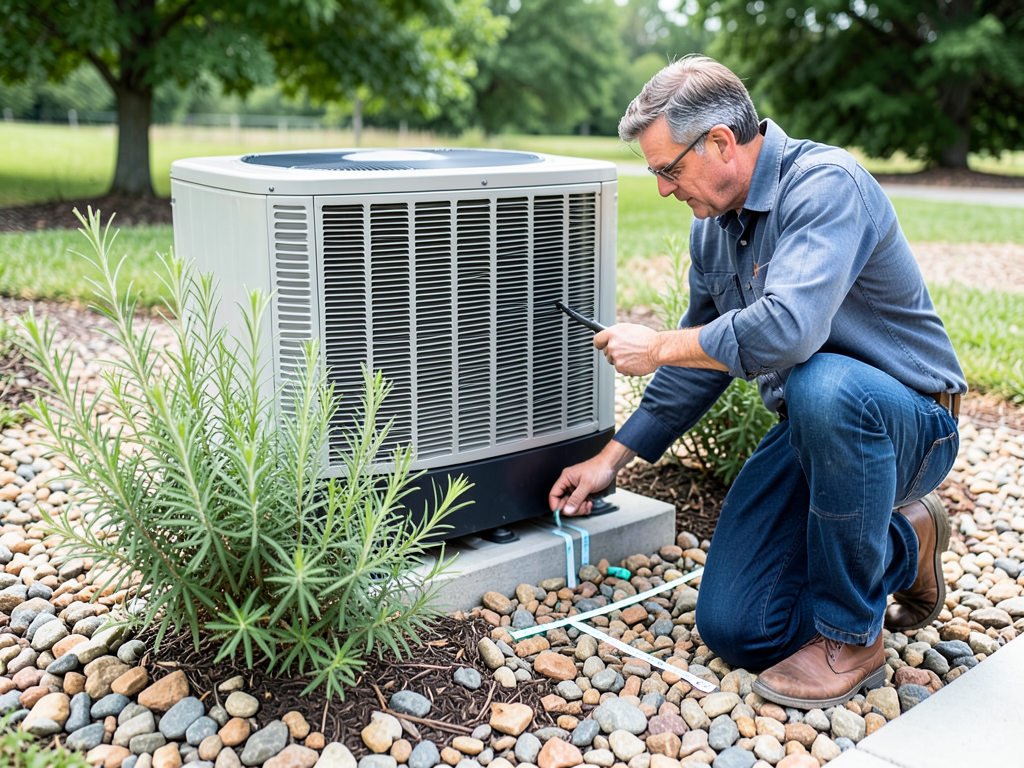
Safe Ways to Landscape Around Your AC Unit in Hedwig Village

Safe Ways to Landscape Around Your AC Unit in Hedwig Village Your air conditioner works hardest during Houston’s brutal summer…

Contact Us

Do not let manufacturer fine print cost you thousands. Call Titan HVAC Houston at (281) 552-7766 for warranty claim assistance. We handle the paperwork, fight the denials, and get your system running while you stay cool.