




Iced Up Evaporator Coil in Houston – Expert Diagnosis and Repair to Restore Cool Air Fast

When your air conditioner coil freezes up, you need technicians who understand the root cause and can fix it correctly the first time, preventing repeat failures and ensuring your system runs efficiently through Houston's long cooling season.

Slider Image 1
Slider Image 2
Slider Image 3
Slider Image 4
Slider Image 5
Slider Image 7
Slider Image 8
Slider Image 9
Slider Image 10
Slider Image 11

Why Your AC Evaporator Coil Keeps Freezing in Houston's Climate

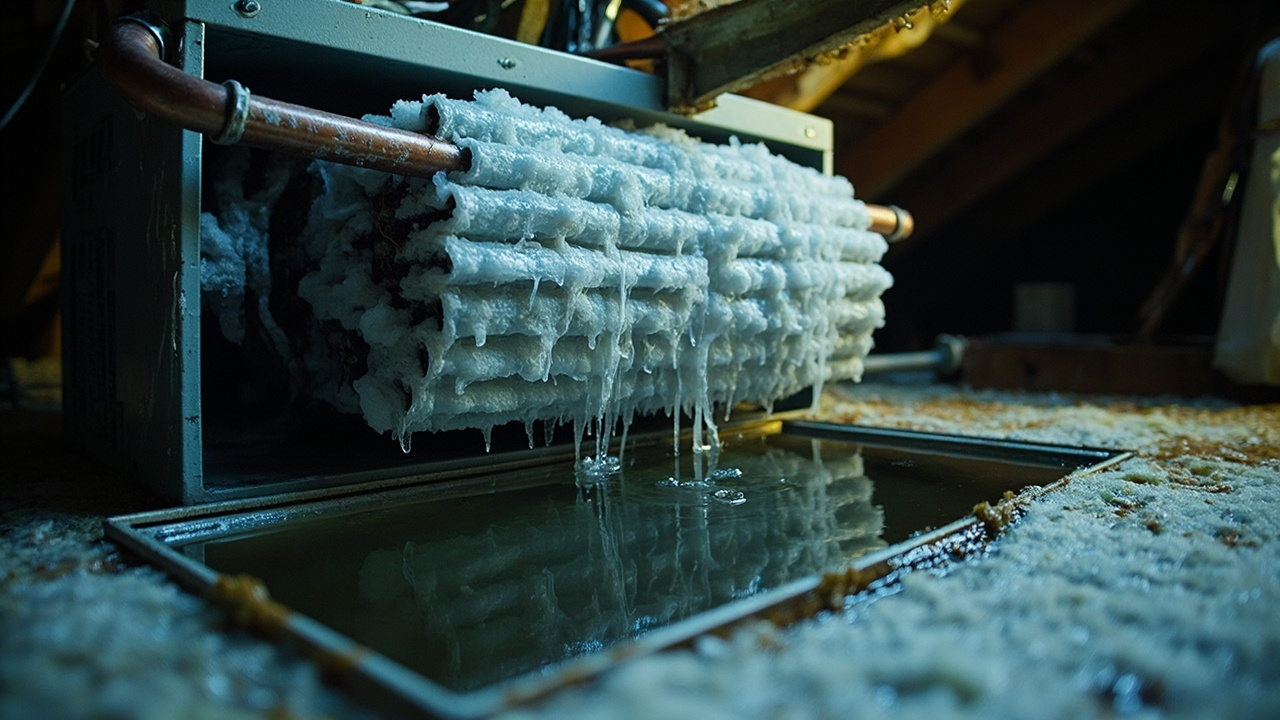
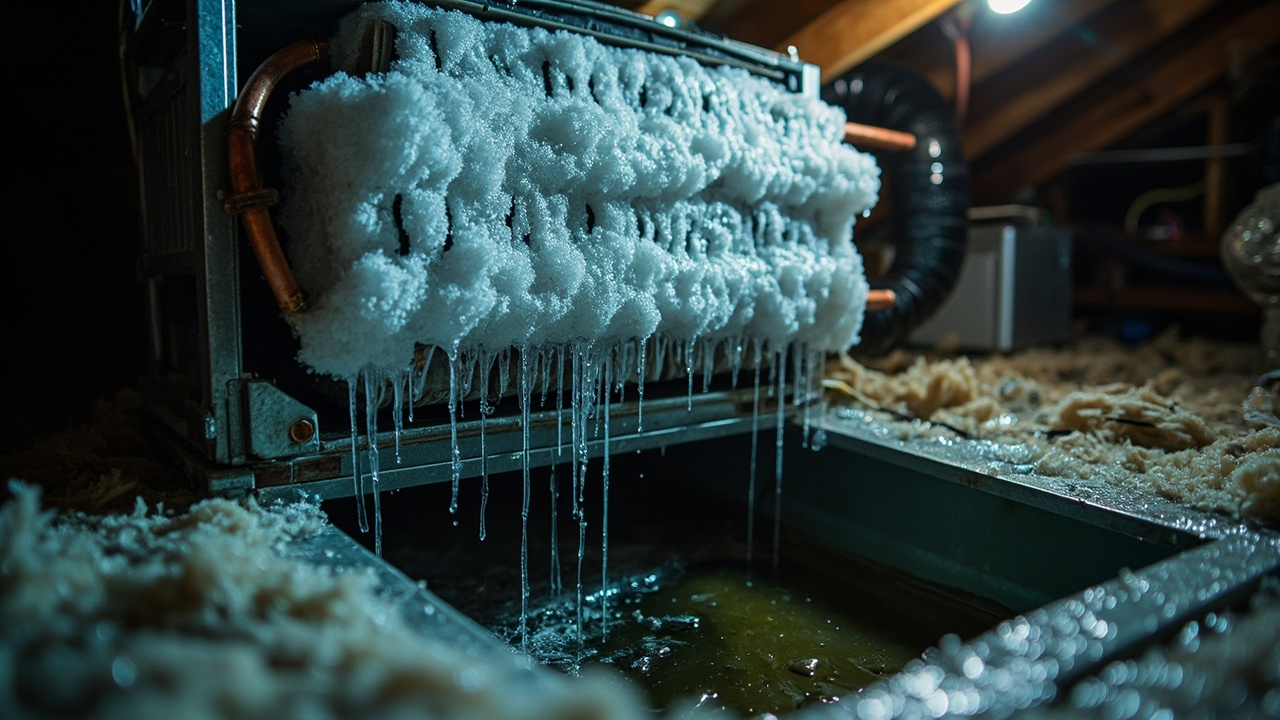
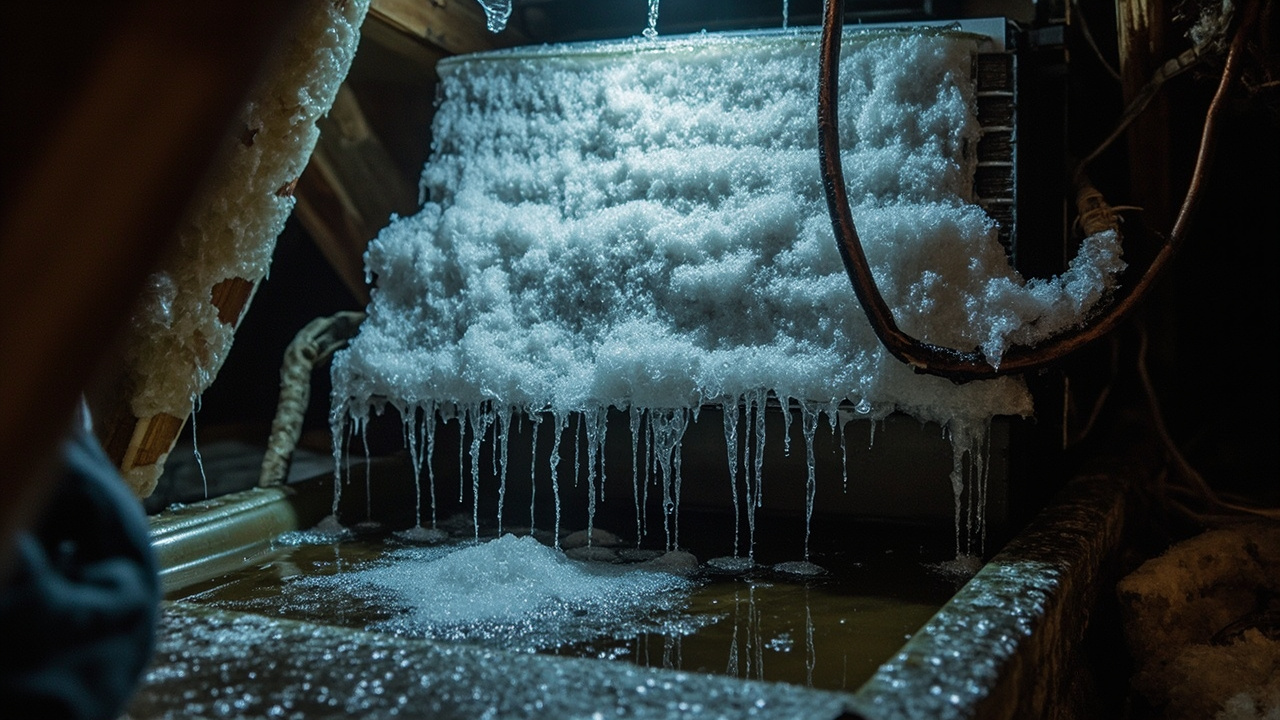
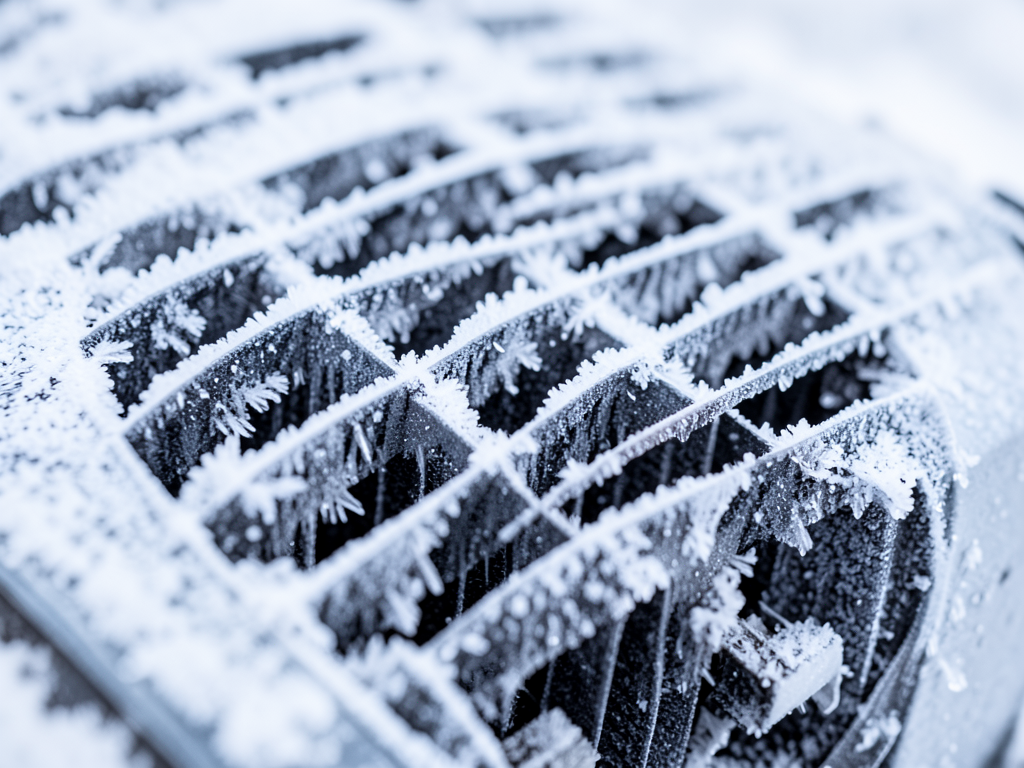
You walk past your air handler and see ice coating the evaporator coil. The vents blow warm air. Your thermostat shows the system running, but nothing cools. This is not normal, and it is not something you can ignore.

A frozen ac evaporator coil happens when something disrupts the heat exchange process inside your system. In Houston, where air conditioners run eight to ten months a year, the problem usually traces back to restricted airflow, refrigerant issues, or blower failures. The relentless humidity and heat stress every component, and when one piece fails, the evaporator iced over becomes the visible symptom.

Restricted airflow is the most common culprit. Clogged filters, blocked return vents, or collapsed ductwork starve the coil of warm air. Without enough heat to absorb, refrigerant temperatures plummet below freezing, and condensation turns to ice. The ice builds, blocking more airflow, which creates more ice. The cycle accelerates until the system stops cooling entirely.

Refrigerant leaks also cause frozen cooling coils. Low refrigerant drops system pressure, which lowers the boiling point inside the evaporator. The coil gets colder than designed, and moisture freezes on contact. You may notice hissing sounds, oil stains near the line set, or gradually declining cooling performance before the ice appears.

Blower motor failures or capacitor issues reduce air volume across the coil. Even a 20 percent drop in airflow can trigger freezing. Houston's high runtime hours wear out motors faster than in milder climates, and when the blower slows or stops, the coil temperature crashes. If your air conditioner coil freezing up becomes a recurring problem, the root cause needs professional diagnosis, not just defrosting and restarting the system.

Why Your AC Evaporator Coil Keeps Freezing in Houston's Climate
How We Fix an Iced Up Evaporator Coil the Right Way

How We Fix an Iced Up Evaporator Coil the Right Way

We do not just thaw the coil and walk away. That approach guarantees a callback in two days. We diagnose the underlying failure, repair it, and verify the system operates within manufacturer specifications before we leave.

The first step is a complete system shutdown. Running the system with ice on evaporator coil damages the compressor and can flood the refrigerant circuit with liquid, causing catastrophic failure. We switch the thermostat to off and let the coil thaw naturally or use controlled heat to accelerate the process without thermal shock.

While the coil thaws, we inspect the air filter, return grilles, and ductwork for blockages. We check static pressure across the blower to confirm adequate airflow. If the filter is clogged or ducts are collapsed, we address those immediately. We also measure temperature drop across the evaporator to establish baseline performance.

Once thawed, we test refrigerant charge using superheat and subcooling measurements. If readings fall outside the range specified on the data plate, we locate the leak using electronic detectors and nitrogen pressure tests. We repair the leak, evacuate the system to remove moisture and air, and recharge to the exact factory specification.

We inspect the blower motor, capacitor, and control board for electrical faults. Weak capacitors reduce motor speed without triggering obvious failures. We measure voltage, amperage, and capacitance to confirm the blower delivers the correct cubic feet per minute across the coil. If components test marginal, we replace them to prevent near-term failures.

We also check the drain line and condensate pan. A clogged drain can cause water to back up and freeze on the coil, especially if the system cycles off before the pan drains. We clear blockages and verify proper drainage under load before signing off on the repair.

What Happens During an Evaporator Coil Freeze Repair

Iced Up Evaporator Coil in Houston – Expert Diagnosis and Repair to Restore Cool Air Fast
01

System Shutdown and Thaw

We immediately turn off the system to prevent compressor damage and allow the frozen cooling coils to thaw safely. We inspect the coil for physical damage, check airflow paths, and begin measuring static pressure and temperature differentials. This step takes 30 to 90 minutes depending on ice thickness, and we use this time to trace upstream failures rather than wait passively.
02

Root Cause Diagnosis

We test airflow volume, refrigerant charge, and electrical components using calibrated instruments. We measure superheat at the suction line and subcooling at the liquid line to identify refrigerant issues. We check blower motor amperage, capacitor microfarads, and control board outputs. This diagnostic phase isolates whether the problem is mechanical, electrical, or refrigerant-related, and guides the correct repair path.
03

Repair and Verification

We complete the necessary repairs, whether that means replacing a capacitor, sealing a refrigerant leak, or clearing blocked ductwork. After repairs, we run the system through a full cooling cycle and verify temperature drop, airflow volume, and refrigerant pressures meet manufacturer specifications. We monitor the system for at least 20 minutes to confirm stable operation before leaving the site.

Why Houston Homeowners Trust Us for Evaporator Coil Repairs

Houston's climate pushes air conditioning systems harder than almost anywhere else in the country. Units here run 3,000 to 4,000 hours per year compared to 1,000 hours in milder regions. That runtime accelerates wear, and it means technicians need to understand failure modes specific to high-use environments.

Titan HVAC Houston built its reputation on accurate diagnosis and permanent repairs. We do not chase symptoms. When you call us for an ac evaporator iced over, we trace the problem to the failing component and fix it. That approach costs less over time because it prevents repeated service calls and extends equipment life.

We know Houston's building stock. Homes in the Heights have different ductwork challenges than new construction in Katy or older ranch homes in Bellaire. We recognize the signs of undersized systems, improperly sealed ducts, and aging equipment that needs upgrading rather than patching. That local knowledge informs every repair decision we make.

Our technicians carry refrigerant leak detectors, digital manifolds, and airflow hoods on every truck. We do not rely on guesswork or shortcuts. When we measure refrigerant charge, we use the manufacturer's specifications for your exact model and outdoor temperature, not generic rules of thumb. When we test airflow, we compare it to the designed CFM per ton for your system. Precision matters when the difference between correct and close enough determines whether the repair lasts six months or six years.

We also understand the financial pressure of unexpected HVAC repairs. We provide transparent pricing before starting work, and we explain what failed, why it failed, and what you can do to prevent it from happening again. You will not hear vague explanations or pressure to replace equipment that still has useful life. You will get the information you need to make the right decision for your home and budget.

What to Expect When We Repair Your Frozen Evaporator Coil

Same-Day Response

We schedule evaporator coil repairs within 24 hours of your call, and in most cases we can arrive the same day. A frozen coil is not an emergency in the sense of immediate danger, but it leaves you without cooling in Houston's heat, which creates real discomfort and health risks for vulnerable household members. We prioritize these calls and keep trucks stocked with common repair parts to minimize wait times for ordered components.

Thorough System Evaluation

We perform a complete diagnostic sequence, not a quick visual check. That includes airflow measurement, refrigerant testing, electrical component verification, and duct inspection. We document baseline readings and compare them to manufacturer specifications. This thoroughness takes more time upfront, but it eliminates guesswork and prevents misdiagnosis. You receive a written summary of findings and a clear explanation of the repair needed, including why the coil froze and what will prevent it from happening again.

Lasting Repairs

Our repairs focus on restoring factory performance, not temporary patches. If we find a refrigerant leak, we locate and seal it, then recharge the system to the precise specification. If the blower motor tests weak, we replace it rather than wait for complete failure. If airflow is restricted, we clear the blockage and verify proper volume across the coil. Before leaving, we run the system through a full cycle and confirm temperature drop, superheat, and subcooling fall within acceptable ranges. You get cooling that works correctly, not just cooling that works for now.

Maintenance Guidance

After the repair, we provide specific maintenance recommendations based on what caused the freeze. If a clogged filter was the culprit, we explain the right replacement interval for your system and indoor air quality. If the blower motor showed signs of wear, we discuss monitoring strategies. We offer maintenance plans that include filter changes, coil cleaning, and refrigerant checks, which reduce the likelihood of repeat failures. These plans are optional, and we never pressure you into signing up, but clients who maintain systems consistently see fewer breakdowns and lower operating costs.

Frequently Asked Questions

You Have Questions,
We Have Answers

What causes ice on an evaporator coil? +

Ice forms on evaporator coils when airflow drops or refrigerant pressure changes. In Houston, the main culprits are dirty air filters, clogged coils thick with dust and humidity, or blocked return vents. Low refrigerant from a leak also starves the coil, causing it to freeze. Sometimes blower motors fail or ducts collapse in attics, choking off airflow. High indoor humidity makes the problem worse because moisture condenses and freezes faster. A frozen coil cannot cool your home. The system works harder, wasting energy and risking compressor damage. Address airflow issues first.

What is the best way to thaw out an iced up evaporator coil? +

Turn off your AC at the thermostat immediately. Switch the fan to ON to circulate air and speed thawing. Open your air handler panel carefully and check the drain pan. Thawing takes two to four hours depending on ice thickness. In Houston's heat, coils thaw faster, but do not rush it. Never chip ice off or use a heat gun. You risk puncturing refrigerant lines. Once thawed, inspect your air filter. Replace it if dirty. If the coil refreezes after restarting, you have a deeper issue. Call a technician before running the system again.

Will low refrigerant cause an evaporator to ice up? +

Yes. Low refrigerant is a major cause of evaporator coil icing. Refrigerant absorbs heat from indoor air. When the charge drops from a leak, pressure falls and the coil gets too cold. Moisture in the air freezes on contact. In Houston, small leaks worsen fast because units run constantly in summer. You might hear hissing or notice weak cooling before ice appears. Refrigerant does not evaporate. If it is low, you have a leak. A technician must find the leak, repair it, and recharge the system to the correct pressure. Never ignore low refrigerant.

What is the likely cause for heavy icing in the evaporator coil? +

Heavy icing points to severe airflow restriction or major refrigerant loss. Filthy evaporator coils from years of dust and mold buildup block airflow completely. In Houston, high humidity accelerates coil fouling. A failed blower motor or damaged blower wheel also stops air movement. Collapsed flex ducts in attics choke off supply air. Refrigerant leaks from corroded line sets or failed service valves cause rapid icing. Sometimes multiple issues combine. A frozen coil covered in thick ice needs immediate attention. Continued operation destroys the compressor. Shut down the system and call a technician for diagnostics.

Can I turn my AC back on after it thaws? +

Not immediately. After the coil thaws, inspect the air filter and replace it if dirty. Check drain pans for standing water and clear the condensate line. Run the fan alone for 30 minutes to ensure everything is dry. Then restart the AC and monitor it for one hour. If the coil refreezes, shut down again. You have an unresolved airflow blockage or refrigerant issue. In Houston's humidity, a refreezing coil signals serious trouble. Do not keep restarting the system. Repeated freeze-thaw cycles damage the compressor and flood your home. Get professional diagnosis.

What are the six common causes of evaporator freezing? +

Evaporator coils freeze from six common causes. Dirty air filters block airflow. Clogged evaporator coils thick with dust restrict air. Low refrigerant from leaks starves the coil. Failed blower motors stop air circulation. Closed or blocked supply registers reduce airflow. Dirty or clogged condensate drains cause water backup and ice formation. In Houston, high humidity amplifies these problems. Dust and pollen clog filters faster. Mold grows on coils in damp conditions. Inspect your filter monthly. Schedule coil cleaning annually. Airflow and refrigerant pressure must stay balanced for proper operation.

What is the 3 minute rule for AC? +

The three-minute rule prevents compressor damage after shutdown. When you turn off your AC, refrigerant pressure equalizes between the high and low sides. This takes about three minutes. If you restart too soon, the compressor works against unbalanced pressure, straining the motor and start components. In Houston, homeowners often cycle systems on and off fighting the heat. This shortens compressor life. Modern thermostats enforce this delay automatically. If your system clicks but does not start immediately, the safety timer is working. Wait. Patience protects your equipment and avoids expensive repairs.

Can you run AC with frozen coils? +

No. Running an AC with frozen coils damages the compressor and floods your home. Ice blocks airflow completely, forcing the compressor to run without cooling. This overheats the motor and can seize it. Thawing ice melts into gallons of water. Drain pans overflow, soaking ceilings and walls. In Houston, humidity makes the problem worse. Mold grows in 48 hours on wet drywall. Shut down the system immediately if you see ice. Thaw it completely before restarting. If the coil refreezes, stop using the AC until a technician finds and fixes the root cause.

Can you clean an evaporator coil without removing it? +

Yes, but access is limited. You can spray foaming coil cleaner through the air handler access panel. The cleaner liquefies dirt, which drains away. Rinse with water carefully to avoid soaking electrical components. In Houston, coils foul faster from humidity, dust, and mold. Surface cleaning helps, but deep cleaning requires coil removal or a professional power wash. If the coil is heavily clogged, DIY cleaning will not restore full airflow. Technicians use specialized tools and pressure washers. For maintenance, clean accessible surfaces annually. For major buildup, hire a professional.

What is the $5000 AC rule? +

The five-thousand-dollar AC rule is a replacement guideline. Multiply the repair cost by the system age in years. If the total exceeds five thousand, replace the unit instead of repairing it. For example, a one-thousand-dollar repair on a six-year-old system equals six thousand. Replace it. In Houston, AC systems work harder and wear out faster than northern climates. High humidity corrodes components. Units often fail around 12 to 15 years. This rule helps you avoid throwing money at an aging system. Evaluate efficiency gains and warranty coverage when deciding.

Houston's High Humidity and Long Cooling Season Increase Evaporator Coil Stress

Houston averages over 90 days per year above 90 degrees, and indoor cooling runs from March through November in most homes. That extended runtime stresses every component, and the evaporator coil handles the heaviest load. High outdoor humidity means the coil must remove more moisture from indoor air, which increases condensate production and the risk of drain line blockages. When drains clog, water backs up into the coil area, freezing on contact with refrigerant lines and creating the ice buildup you see. Coastal moisture also accelerates corrosion on coil fins and refrigerant lines, which leads to pinhole leaks that drop system charge and trigger freezing.

Houston homeowners benefit from working with technicians who understand these regional failure patterns. Local building codes and humidity levels influence system sizing, ductwork design, and maintenance intervals. A technician experienced with Houston installations recognizes undersized return ducts, improperly insulated attic air handlers, and other regional issues that contribute to frozen coils. Titan HVAC Houston has spent years diagnosing and repairing HVAC systems across the greater Houston metro, from Cypress to Clear Lake, and we know how local conditions impact equipment performance. That local expertise translates into faster diagnosis and repairs that address Houston-specific challenges.
HVAC Services in The Houston Area

Titan HVAC is proud to serve Houston and the surrounding areas with expert heating and cooling solutions. Our central location allows us to respond quickly to both residential and commercial clients. Whether you need an emergency fix or scheduled service, we’re never far away. Explore our service area and see how close comfort really is. We're just a call or click away—connect with us today.

Address:
Titan HVAC Houston, 3730 Kirby DrHouston, Houston, TX, 77098

Additional Services We Offer

Our news updates

Latest Articles & News from The Blogs

Why Your AC Is Freezing Up Even When It’s 100 Degrees in Sienna When your air conditioner freezes up on…

Why Your AC Is Freezing Up Even When It’s 100 Degrees in Sienna

Why Your AC Is Freezing Up Even When It’s 100 Degrees in Sienna When your air conditioner freezes up on…

What That Screeching Sound from Your AC Actually Means (Hint—It’s Not Good)

What That Screeching Sound from Your AC Actually Means (Hint—It’s Not Good) Your Houston air conditioner works overtime for most…

Safe Ways to Landscape Around Your AC Unit in Hedwig Village

Safe Ways to Landscape Around Your AC Unit in Hedwig Village Your air conditioner works hardest during Houston’s brutal summer…

Contact Us

Stop losing sleep in the heat. Call Titan HVAC Houston now at (281) 552-7766 for fast, accurate evaporator coil diagnosis and repair. We will identify the problem, fix it right, and get your system cooling again.