
Moving Your Outdoor AC Unit to Make Room for a New Pool in Creekside Park
Planning a backyard pool in Creekside Park often means making space for new equipment. Moving your outdoor AC unit becomes necessary when the original location conflicts with pool decking, fencing, or equipment placement. The process requires careful handling of refrigerant lines, electrical connections, and compliance with Houston building codes. This guide covers what to expect, local requirements, and why hiring a licensed HVAC contractor protects your system and your investment.
Why Relocate Your AC Unit
Homeowners in Creekside Park relocate AC units for several reasons. A new pool installation often requires the original condenser location for decking or fencing. Some move units to reduce noise near patios or bedrooms. Others relocate to improve airflow or efficiency when landscaping blocks the original placement. The high humidity and salt air in southeast Houston also accelerate corrosion on units near the coast, making relocation a practical upgrade for long-term reliability. What a New AC Installation Actually Costs in The Woodlands.
Common relocation triggers in Creekside Park:
- New pool decking or equipment pad installation
- Noise reduction near outdoor living spaces
- Improved airflow after mature tree growth
- Corrosion protection from salt air exposure
The Relocation Process: What Happens Behind the Scenes
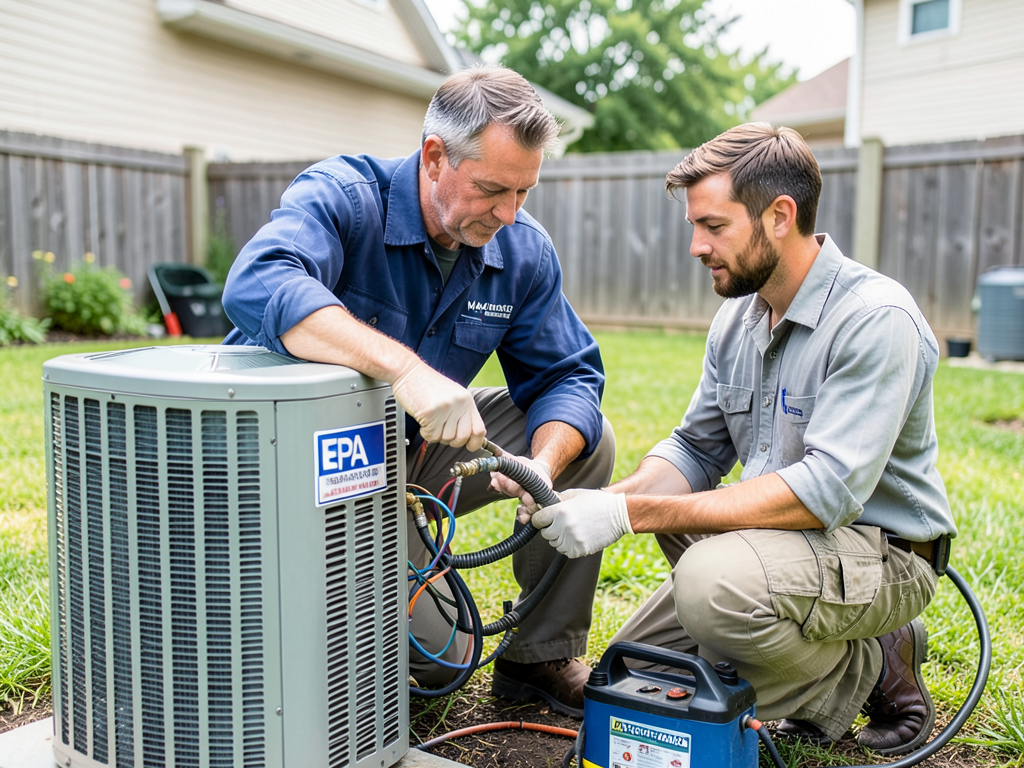
Moving an AC unit is not a simple lift-and-shift job. Licensed HVAC technicians follow a strict process to protect your system and meet EPA regulations. First, they recover refrigerant using EPA Section 608 certified equipment. This prevents venting harmful gases into the atmosphere and keeps you compliant with federal law. Next, they disconnect electrical wiring and carefully remove the condenser from its pad. EPA Section 608 Certification.
The technician then extends copper refrigerant linesets to the new location. This requires brazing with silver solder and purging with nitrogen to prevent oxidation inside the lines. Electrical wiring must be extended to a new disconnect switch that meets National Electrical Code requirements. Finally, the system is vacuumed to remove moisture and non-condensables before recharging with the correct refrigerant charge.
Key technical steps:
- Refrigerant recovery using EPA Section 608 certified recovery machine
- Copper lineset extension with nitrogen purging during brazing
- Electrical whip and disconnect switch relocation per NEC Article 440
- System vacuuming and proper refrigerant recharge
Houston Permitting and Building Codes
Relocating an AC unit in Houston requires permits from the City of Houston. The mechanical permit covers refrigerant handling and system reassembly. An electrical permit covers wiring modifications. The City enforces setback requirements from property lines, typically three to five feet depending on the location and zoning. In flood-prone areas, units must sit on hurricane pads or elevated platforms above base flood elevation. City of Houston Building Permits.
Houston Building Code Section 1305.1.1 mandates proper support for outdoor units. Concrete pads must be level and sized to prevent tipping in high winds. In Creekside Park, expansive clay soils can shift during wet-dry cycles, so technicians often recommend reinforced pads or pier supports to prevent future settling. Skipping permits or using unlicensed contractors can result in fines and void manufacturer warranties.. Read more about Everything You Need to Know About HVAC Permits and Building Codes in Willowbrook.
How Much Does It Cost to Move an AC Unit in Houston
Relocation costs depend on several factors. The distance between old and new locations affects labor and materials. Longer line sets require more brazing and refrigerant, increasing costs. The type of refrigerant also matters. R-22 systems are more expensive to move because the phased-out refrigerant is costly to recover and recharge. R-410A is more affordable but still requires proper handling.
Other cost factors include concrete pad installation, electrical modifications, and permit fees. In Houston, permit fees range from $75 to $200 depending on the scope. A typical relocation for a standard residential system ranges from $1,500 to $3,500. Complex moves involving long line sets or elevated pads can exceed $4,000.
Cost breakdown factors:
- Distance of move and line set length
- Refrigerant type (R-22 vs R-410A)
- Concrete pad or hurricane pad requirements
- Electrical modifications and permit fees
DIY vs. Professional HVAC Relocation
Moving an AC unit yourself violates EPA regulations and risks serious damage. Only EPA Section 608 certified technicians can legally recover and recharge refrigerant. Improper handling can release harmful gases, harm the environment, and result in fines up to $37,500 per day. DIY brazing or electrical work can also cause refrigerant leaks or electrical hazards.
Professional relocation ensures proper vacuum levels, correct refrigerant charge, and compliance with local codes. Technicians use nitrogen purging during brazing to prevent contaminants that cause compressor failure. They also verify proper drainage and leveling to prevent water pooling and vibration noise. Cutting corners often leads to higher repair costs or complete system replacement.
Additional Considerations for Creekside Park Homes
Creekside Park features large lots with mature trees and sloped terrain. Moving your AC unit requires evaluating drainage to prevent water pooling around the new pad. Houston’s clay soil expands and contracts with moisture changes, which can tilt pads over time. Reinforced concrete or pier supports help maintain level operation and prevent vibration noise.. Read more about How Mature Tree Shade Impacts Your AC Performance and Efficiency in Denver Harbor.
Noise ordinances in residential areas may limit how close the unit sits to windows or property lines. Some HOAs require screening or specific setback distances. Checking these requirements before planning your pool layout saves time and avoids costly relocations later. Also, consider future landscaping plans to ensure the new location remains accessible for maintenance.
Protecting Your Investment and Warranty
Manufacturer warranties often require professional installation and proper refrigerant handling. DIY or unlicensed work can void coverage, leaving you responsible for expensive repairs. Licensed contractors provide documentation of refrigerant recovery, vacuum levels, and system performance testing. This paperwork proves compliance if warranty claims arise later.
Professional relocation also includes system diagnostics to ensure the move did not affect performance. Technicians check superheat and subcooling levels, verify proper airflow, and inspect electrical connections. These steps confirm the system operates at peak efficiency after relocation, protecting your comfort and energy bills.
Ready to Relocate Your AC Unit in Creekside Park
Moving your outdoor AC unit requires technical skill, proper permits, and compliance with EPA and Houston building codes. Cutting corners risks fines, system damage, and voided warranties. Licensed HVAC contractors handle refrigerant recovery, brazing, electrical work, and permitting to ensure a safe, legal relocation.
Call (281) 552-7766 today to schedule your inspection and get a clear, upfront quote. Protect your pool project timeline and your AC system by trusting certified professionals who understand Houston’s unique climate and code requirements.
Frequently Asked Questions
Is a permit required to move my AC unit in Houston?
Yes. Houston requires both mechanical and electrical permits for AC relocation. Skipping permits can result in fines and inspection issues later.
How long does AC relocation take?
Most residential relocations take four to eight hours, depending on distance, line set length, and site conditions.
Will moving my AC unit affect its warranty?
DIY or unlicensed work can void manufacturer warranties. Professional relocation with proper documentation protects your coverage.
Can I move my AC unit closer to my neighbor’s property?
Setback requirements vary by location. Houston typically requires three to five feet from property lines. Check local codes and HOA rules before planning.
What happens to the old concrete pad?
Technicians remove and dispose of the old pad. The new location requires a properly sized, level pad to support the unit.
Does refrigerant type affect relocation cost?
Yes. R-22 systems cost more to move due to higher refrigerant recovery and recharge costs. R-410A is more affordable but still requires proper handling.
{
“@context”: “https://schema.org”,
“@type”: “BlogPosting”,
“headline”: “Moving Your Outdoor AC Unit to Make Room for a New Pool in Creekside Park”,
“description”: “Planning a pool in Creekside Park? Learn about relocating your AC unit, Houston permitting, refrigerant recovery, and costs from licensed HVAC experts.”,
“wordCount”: 1242,
“datePublished”: “2026-06-03T06:58:00.000Z”,
“dateModified”: “2026-06-03T06:58:00.000Z”,
“inLanguage”: “en-US”,
“mainEntityOfPage”: {
“@type”: “WebPage”,
“@id”: “https://titanhvachouston.com”
},
“publisher”: {
“@type”: “LocalBusiness”,
“name”: “Titan HVAC Houston”,
“url”: “https://titanhvachouston.com”
},
“author”: {
“@type”: “Organization”,
“name”: “Titan HVAC Houston”,
“url”: “https://titanhvachouston.com”
},
“image”: {
“@type”: “ImageObject”,
“url”: “https://titanhvachouston.com/wp-content/uploads/2026/03/moving-your-outdoor-ac-unit-to-make-room-for-a-new-1.png”
}
}
{
“@context”: “https://schema.org”,
“@type”: “HVACBusiness”,
“name”: “Titan HVAC Houston”,
“url”: “https://titanhvachouston.com”,
“address”: {
“@type”: “PostalAddress”,
“addressLocality”: “Houston”
},
“areaServed”: {
“@type”: “City”,
“name”: “Houston”
}
}
{
“@context”: “https://schema.org”,
“@type”: “FAQPage”,
“mainEntity”: [
{
“@type”: “Question”,
“name”: “Is a permit required to move my AC unit in Houston?”,
“acceptedAnswer”: {
“@type”: “Answer”,
“text”: “Yes. Houston requires both mechanical and electrical permits for AC relocation. Skipping permits can result in fines and inspection issues later.”
}
},
{
“@type”: “Question”,
“name”: “How long does AC relocation take?”,
“acceptedAnswer”: {
“@type”: “Answer”,
“text”: “Most residential relocations take four to eight hours, depending on distance, line set length, and site conditions.”
}
},
{
“@type”: “Question”,
“name”: “Will moving my AC unit affect its warranty?”,
“acceptedAnswer”: {
“@type”: “Answer”,
“text”: “DIY or unlicensed work can void manufacturer warranties. Professional relocation with proper documentation protects your coverage.”
}
},
{
“@type”: “Question”,
“name”: “Can I move my AC unit closer to my neighbor’s property?”,
“acceptedAnswer”: {
“@type”: “Answer”,
“text”: “Setback requirements vary by location. Houston typically requires three to five feet from property lines. Check local codes and HOA rules before planning.”
}
},
{
“@type”: “Question”,
“name”: “What happens to the old concrete pad?”,
“acceptedAnswer”: {
“@type”: “Answer”,
“text”: “Technicians remove and dispose of the old pad. The new location requires a properly sized, level pad to support the unit.”
}
},
{
“@type”: “Question”,
“name”: “Does refrigerant type affect relocation cost?”,
“acceptedAnswer”: {
“@type”: “Answer”,
“text”: “Yes. R-22 systems cost more to move due to higher refrigerant recovery and recharge costs. R-410A is more affordable but still requires proper handling.”
}
}
]
}
{
“@context”: “https://schema.org”,
“@type”: “BreadcrumbList”,
“itemListElement”: [
{
“@type”: “ListItem”,
“position”: 1,
“name”: “Home”,
“item”: “https://titanhvachouston.com”
},
{
“@type”: “ListItem”,
“position”: 2,
“name”: “Blog”,
“item”: “https://titanhvachouston.com/blog”
},
{
“@type”: “ListItem”,
“position”: 3,
“name”: “Moving Your Outdoor AC Unit to Make Room for a New Pool in Creekside Park”
}
]
}
{
“@context”: “https://schema.org”,
“@type”: “Service”,
“serviceType”: “HVAC”,
“provider”: {
“@type”: “LocalBusiness”,
“name”: “Titan HVAC Houston”,
“url”: “https://titanhvachouston.com”
},
“areaServed”: {
“@type”: “City”,
“name”: “Houston”
},
“description”: “Planning a pool in Creekside Park? Learn about relocating your AC unit, Houston permitting, refrigerant recovery, and costs from licensed HVAC experts.”
}