
Preparing Your Home for a Solar-Powered HVAC System in Alvin
Alvin homeowners face intense Texas heat and rising energy costs. A solar-powered HVAC system can cut monthly bills by up to 70% while increasing your home’s value. This guide walks you through every step to prepare your home for installation, from roof assessment to final permitting. Texas energy resources.
Why Solar HVAC Makes Sense in Alvin
Alvin gets 204+ sunny days per year. That sunlight powers photovoltaic panels that run your air conditioning without drawing from the grid. Local electricity rates average 13.5 cents per kilowatt-hour. A solar HVAC system can reduce those costs dramatically.
Alvin’s climate presents unique challenges. High humidity requires systems with superior dehumidification. The coastal proximity means salt air can corrode components faster than inland areas. A properly designed solar HVAC system accounts for these factors.
Assessing Your Home’s Solar Readiness
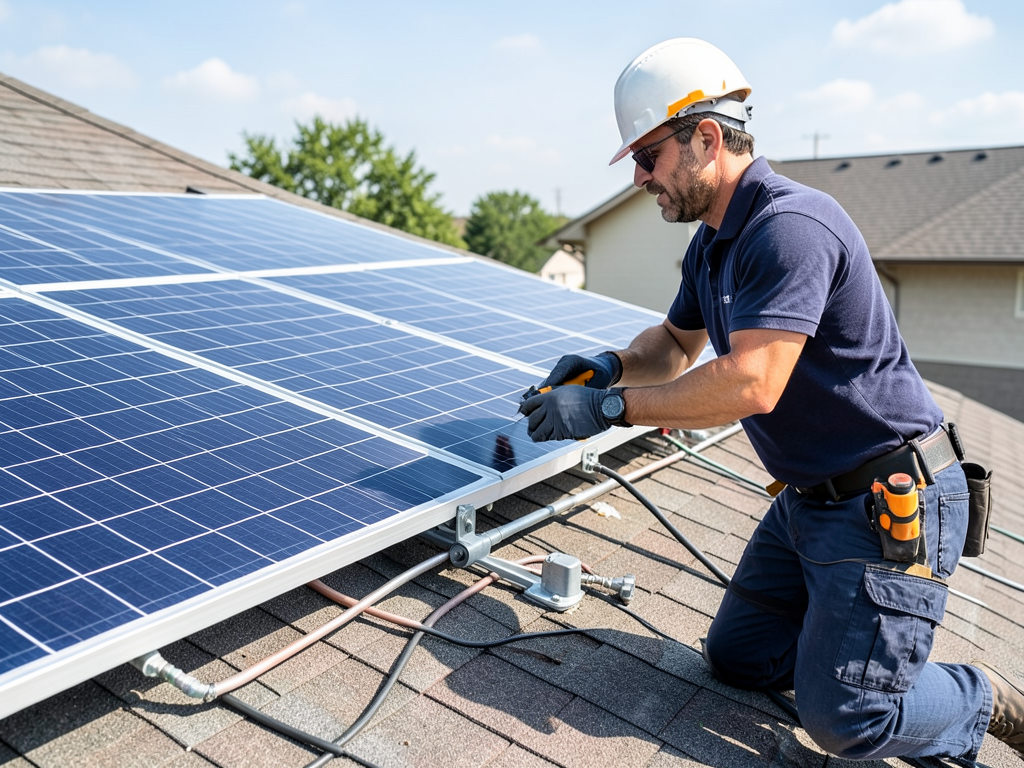
Before installing solar HVAC, your home needs evaluation. Start with your roof. Solar panels need 300-400 square feet of unobstructed south-facing space. Asphalt shingles last 20-25 years. If your roof is older, replacement might be necessary before installation. What a New AC Installation Actually Costs in The Woodlands.
Next examine your electrical panel. Most homes need a 200-amp service to handle solar integration. Older homes with 100-amp panels require upgrades. A licensed electrician performs this assessment.
Tree coverage affects solar efficiency. Even partial shade can reduce panel output by 25-30%. Satellite imaging tools help determine optimal panel placement without physical inspection.
Understanding System Components
Solar HVAC systems combine three main elements. Photovoltaic panels convert sunlight to electricity. The inverter changes DC power to AC for your home. The HVAC unit runs on this solar-generated power.
Modern solar AC units include DC-powered compressors. These compressors use less energy than traditional AC motors. Some models include thermal storage tanks. These tanks store cooled water for nighttime use.
Battery backup systems add independence. Tesla Powerwall and similar units store excess solar power. This stored energy runs your system during grid outages or nighttime hours.
Choosing Between Hybrid and Off-Grid Systems
Hybrid systems connect to the grid. They use solar power when available and grid power when needed. This setup provides reliability during cloudy periods. Most Houston-area installations use hybrid configurations.
Off-grid systems operate independently. They require larger battery banks and more panels. These systems work well in remote areas but cost 30-40% more than hybrid setups.
Alvin’s weather patterns favor hybrid systems. Summer thunderstorms can block sunlight for hours. Grid connection ensures continuous cooling during these periods.
- Roof Assessment
Check structural integrity and orientation. South-facing roofs generate maximum power.
- Electrical Panel Evaluation
Verify 200-amp service or plan upgrades. Modern solar systems need adequate power handling.
- Shading Analysis
Identify trees or structures blocking sunlight. Even partial shade reduces efficiency significantly.
- System Sizing
Calculate cooling needs based on square footage and local climate data. Why Your Memorial Home Needs a High-Efficiency AC Unit Right Now.
- Permitting Research
Review Brazoria County requirements and HOA restrictions before proceeding.
Navigating Local Permits and Codes
Brazoria County requires building permits for solar installations. The process takes 2-4 weeks. Applications need structural engineering stamps for roof-mounted systems.
Houston-area homes must comply with Texas Department of Licensing and Regulation rules. Contractors need TDLR licensing for electrical work. Insurance requirements include liability coverage of at least $300,000.
Alvin falls under ERCOT grid jurisdiction. Net metering agreements let you sell excess power back to the grid. CenterPoint Energy provides interconnection services. Their application process adds 3-6 weeks to project timelines.
Cost Considerations and Financial Incentives
Solar HVAC systems cost $15,000-$25,000 installed. Federal Investment Tax Credit covers 30% of costs through 2032. Texas offers no state tax credit but some utilities provide rebates. Federal solar tax credits.
CenterPoint Energy occasionally offers $500-$1,000 rebates for energy-efficient HVAC upgrades. These programs change annually. Check current offerings before installation.
Payback periods average 5-7 years. Monthly savings of $100-$200 make systems attractive investments. Homes with solar HVAC often sell 4-6% faster than comparable properties.
Installation Timeline and Process
Professional installation takes 2-3 days for most homes. The process starts with site preparation. Installers protect landscaping and interior spaces from construction debris.
Day one focuses on mounting hardware and electrical connections. Technicians install rails, run conduit, and connect the inverter. Roof penetrations get sealed with code-compliant flashing.
Day two installs panels and completes wiring. System testing verifies proper operation. Final inspections by county officials ensure code compliance.
Post-installation cleanup removes all materials. Installers provide system orientation training. You learn monitoring app usage and basic troubleshooting.
Maintenance Requirements for Solar HVAC
Solar panels need cleaning twice yearly. Dust and pollen reduce efficiency by 15-20%. Professional cleaning costs $150-$300 per visit. DIY cleaning risks panel damage.
Annual professional maintenance checks refrigerant levels and electrical connections. Technicians inspect mounting hardware for corrosion. Coastal environments require more frequent checks.
Inverter replacement typically occurs every 10-15 years. Cost ranges from $1,500-$3,000. Modern inverters include monitoring capabilities that alert you to performance issues.
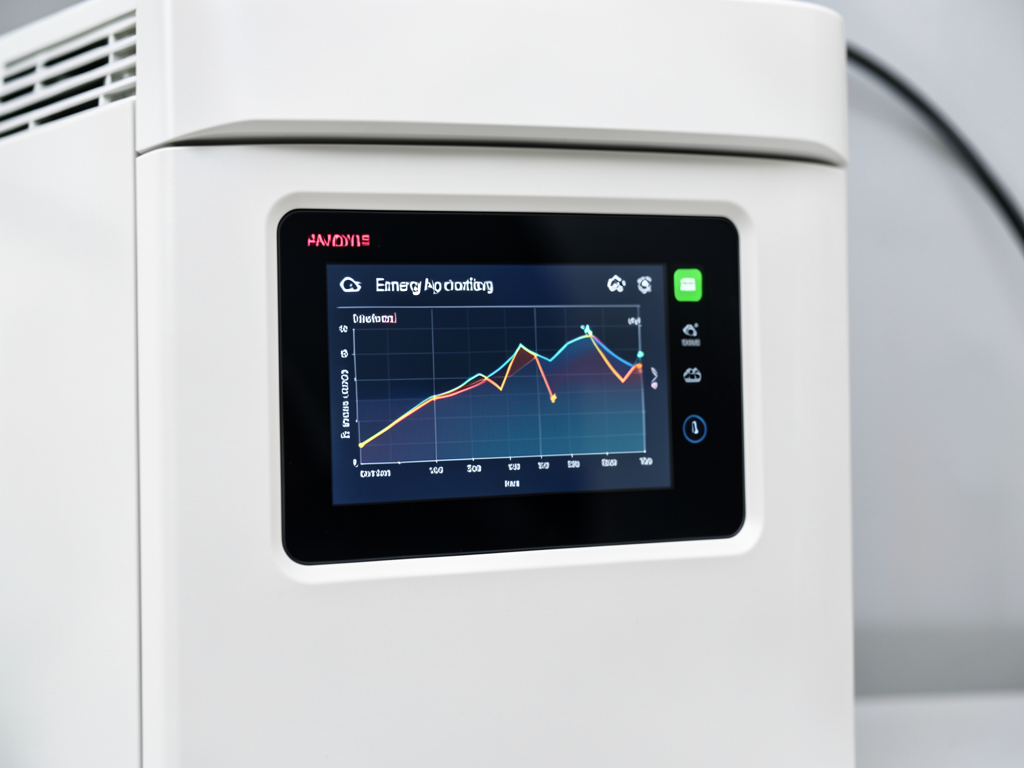
Monitoring systems track energy production and consumption. Mobile apps show real-time data. Unusual patterns might indicate maintenance needs.
Maximizing System Efficiency
Programmable thermostats optimize solar HVAC performance. Set higher temperatures when away. Lower temperatures only when home. This strategy reduces energy consumption by 10-15%.
Attic insulation improves overall efficiency. Houston-area homes need R-38 insulation minimum. Proper sealing prevents conditioned air loss.
Regular air filter changes maintain airflow. Dirty filters force systems to work harder. Replace filters every 30-90 days depending on usage and pet presence.
Window treatments reduce heat gain. Solar screens block 80-90% of solar radiation. This reduction means your system works less to maintain comfort.
Common Mistakes to Avoid
Undersized systems fail during peak demand. Calculate cooling needs accurately. Consider future home additions or electric vehicle charging.
DIY installations violate electrical codes. They also void equipment warranties. Professional installation ensures safety and code compliance.
Ignoring roof condition leads to costly repairs. Replace aging roofs before installation. Solar panels typically last 25-30 years.
Skipping permits results in fines and forced removal. County inspectors verify proper installation. Insurance companies may deny claims for unpermitted work.
Preparing for Installation Day
Clear attic access before installers arrive. Move stored items away from HVAC equipment. This preparation speeds installation and prevents damage.
Protect outdoor areas near installation sites. Cover pools and patio furniture. Solar installation creates dust and debris.
Arrange alternative cooling if installing during summer. Most installations include brief system downtime. Portable fans provide temporary relief.
Keep pets secured during installation. Workers enter and exit frequently. Construction areas pose safety risks for animals.
Living with Solar HVAC
Monitor energy production daily through mobile apps. Track patterns to optimize usage. High production days often coincide with lower electricity rates.
Educate family members about system operation. Show them how to read monitoring displays. Understanding builds confidence in the technology.
Plan for occasional maintenance downtime. Schedule filter changes and inspections during mild weather. This timing minimizes comfort disruptions.
Celebrate energy independence. Track monthly savings. Many homeowners find satisfaction in reducing their carbon footprint.
Emergency Preparedness
Solar HVAC systems include backup options. Battery storage provides limited operation during outages. Size batteries for critical loads only.
Understand system limitations during emergencies. Solar panels produce no power at night without batteries. Weather conditions affect daytime production.
Keep emergency contacts handy. Include your installation company and local utility. Quick response prevents extended discomfort. Finding Emergency AC Repair in Sugar Land Without Getting Ripped Off.
Consider portable generators for extended outages. These units can power essential systems when solar production drops.
Future-Proofing Your Investment
Choose expandable systems when possible. Add panels later if energy needs increase. Most modern inverters accommodate system growth.
Consider electric vehicle charging needs. Solar HVAC systems can power EV chargers. This combination maximizes your solar investment.
Stay informed about technology advances. Solar efficiency improves annually. Battery storage becomes more affordable each year.
Review your system performance annually. Compare production to previous years. Declining output might indicate maintenance needs.
Ready to Go Solar in Alvin?
Solar-powered HVAC transforms how Alvin homes stay comfortable. The combination of abundant sunshine and rising energy costs makes now the perfect time to invest. Professional installation ensures code compliance and optimal performance.
Call (281) 552-7766 today to schedule your home assessment. Our technicians evaluate your specific needs and provide detailed proposals. We handle permitting, installation, and warranty registration. Your path to energy independence starts with a single phone call.
Don’t wait for another summer of high electric bills. Take control of your home’s comfort and costs. Pick up the phone and call (281) 552-7766 before the next heat wave hits.
Frequently Asked Questions
How long do solar HVAC systems last?
Solar panels last 25-30 years. Inverters need replacement every 10-15 years. The HVAC components typically last 15-20 years with proper maintenance.
Will solar panels damage my roof?
Professional installation uses mounting hardware that prevents leaks. Installers seal all penetrations with code-compliant flashing. Many homeowners report extended roof life due to UV protection from panels.
What happens during a power outage?
Grid-tied systems shut down for safety. Battery backup systems can power limited loads. Off-grid systems continue operating if batteries have sufficient charge.