
The best ways to air condition a backyard she-shed or hobby room in the Second Ward
Keeping a backyard shed office cool in Houston’s brutal heat and humidity requires more than just plugging in a window unit. The Second Ward’s older homes and dense tree canopy create unique challenges for backyard structures from poor airflow to rapid heat buildup. You need a cooling solution that handles both temperature and moisture while complying with Houston’s building codes for accessory structures. Houston Building Code requirements.
The right approach starts with understanding Houston’s climate. With summer humidity often exceeding 80% and temperatures regularly hitting 95°F standard cooling methods struggle. A shed’s thin walls and metal roof can turn it into an oven by midday. Add Houston’s afternoon thunderstorms and you’ve got a recipe for condensation problems that lead to mold growth.
Before installing any AC unit you must address the root cause poor insulation and inadequate vapor barriers. The Second Ward’s older lots often have mature trees that block afternoon sun but also trap moisture against structures. This creates a perfect environment for heat gain and humidity problems that overwhelm basic cooling systems.
Why Houston shed offices present a unique cooling challenge
Second Ward sheds face specific obstacles that generic cooling guides don’t address. The neighborhood’s mix of historic and mid-century construction means many sheds were built without modern insulation standards. Houston’s Building Code requires R-13 minimum for walls and R-30 for roofs in new construction but older sheds often have none.
The soil composition in Second Ward areas near Buffalo Bayou creates additional issues. Expansive clay soils shift with moisture changes potentially cracking foundation pads and creating gaps where cool air escapes. This means your cooling system works harder while your energy bills climb.
Another factor is Houston’s strict electrical permitting requirements. The City of Houston requires permits for any new electrical circuits serving outdoor structures. This affects your cooling options since most effective solutions need dedicated circuits.. Read more about Moving Your Outdoor AC Unit to Make Room for a New Pool in Creekside Park.
Condensate drainage presents another challenge. Houston receives over 50 inches of rain annually and improper AC drainage can create standing water that attracts mosquitoes and violates local code. Your system must include proper condensate lines that drain at least 5 feet from the structure.
Top 4 cooling solutions for Houston backyard offices
Choosing the right cooling system depends on your shed size electrical capacity and budget. Here are the four most effective options for Second Ward conditions.
1. Ductless mini-split systems (the gold standard)
Mini-split heat pumps offer the best combination of efficiency and humidity control for Houston sheds. These systems include an outdoor compressor and indoor air handler connected by refrigerant lines. The inverter technology adjusts compressor speed based on demand using 30-50% less energy than traditional AC units.
For a typical 200-square-foot shed a 9000 BTU unit handles the load when properly insulated. The key advantage is humidity removal capacity. Mini-splits can remove 2-3 pints of moisture per hour crucial for Houston’s climate where standard units often leave air feeling clammy.. Read more about How to Properly Cool Your New Backyard Office for Remote Work in Garden Oaks.
Installation requires mounting the indoor unit on an exterior wall and running refrigerant lines through a 3-inch hole. This preserves your shed’s interior space while providing quiet efficient cooling. Most units operate at 25-30 decibels quieter than a library. What a New AC Installation Actually Costs in The Woodlands.
2. Window units vs. portable ACs pros and cons
Window units cost less upfront but have significant drawbacks in Houston. A 10000 BTU window unit might cool your shed but will struggle with humidity leaving you with cool but damp air. These units also block natural light and reduce security.
Portable ACs seem convenient but actually perform worse. They exhaust hot air through a window hose which often leaks back into the space. Most portables have lower SEER ratings meaning higher electricity costs. They also take up valuable floor space in small sheds.
However if you need temporary cooling while planning a permanent solution a window unit can work. Look for models with at least 10000 BTU capacity and Energy Star certification. Expect to pay $300-500 for a quality unit that can handle Houston’s humidity.
3. Through-the-wall air conditioners
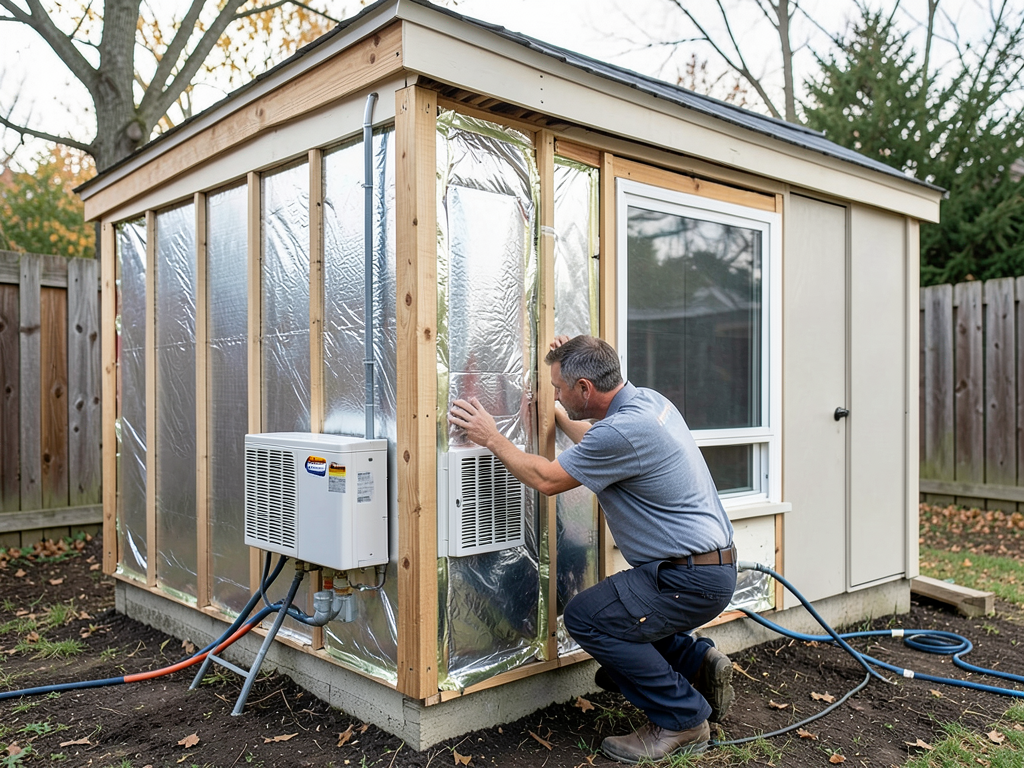
Through-wall units offer a middle ground between window units and mini-splits. These self-contained systems mount in a wall sleeve providing better security and aesthetics than window units. They work well for sheds with proper wall construction and electrical capacity.
The main advantage is the sealed installation. Unlike window units that create gaps through-wall units install flush with the exterior preventing air leaks. This is crucial in Houston where even small gaps let in humid air that overwhelms your cooling system.
Installation requires cutting a precise opening and building a frame which may need a building permit depending on your shed’s construction. The unit slides into the sleeve and seals against the wall creating an airtight installation.
4. Geothermal cooling for ultimate efficiency
For those willing to invest more upfront geothermal systems offer unmatched efficiency. These systems use underground loops to exchange heat with the earth which maintains a constant 68-70°F temperature year-round in Houston.
A small geothermal system for a shed requires drilling 100-200 feet deep which isn’t practical for most Second Ward properties due to space constraints. However if you have multiple structures or plan to expand the long-term energy savings justify the investment.
The system works by circulating water through underground pipes then using a heat pump to cool your shed. Operating costs run 60-70% lower than conventional AC and the system lasts 25-30 years compared to 10-15 for standard units.
Crucial step: Insulation and vapor barriers for Texas humidity
Even the best AC unit fails without proper insulation in Houston’s climate. The Second Ward’s older sheds often have minimal or no insulation causing your cooling system to run constantly while barely maintaining comfort.
Start with R-13 fiberglass batts in walls and R-30 in the roof. For metal sheds add a radiant barrier to reflect heat before it enters the structure. This can reduce cooling loads by 20-30%.
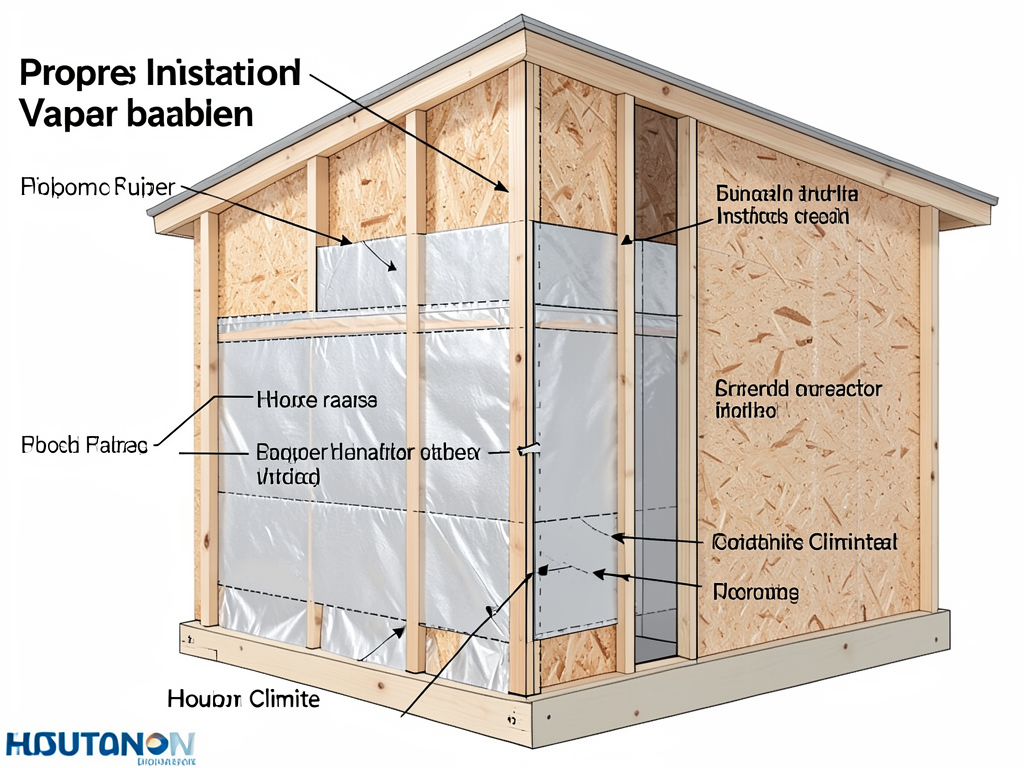
Vapor barriers are non-negotiable in Houston. Install 6-mil polyethylene sheeting on the warm side of insulation to prevent moisture from condensing inside walls. Without this you’ll face mold growth within months especially during Houston’s humid spring and fall seasons.
Pay special attention to the roof. Houston’s intense sun can heat a bare metal roof to 150°F radiating heat into your shed all night. Add at least R-30 insulation plus a radiant barrier to keep roof temperatures manageable.
Foundation insulation matters too. If your shed sits on a concrete slab insulate the perimeter with 2-inch rigid foam to prevent ground moisture from entering. This also helps maintain consistent temperatures year-round.
Calculating BTUs: What size AC does your shed office need?
Proper sizing prevents wasted energy and inadequate cooling. For Houston sheds use this formula: square footage × 25 = minimum BTU capacity then add 20% for humidity.
A 200-square-foot shed needs at least 5000 BTU but in Houston’s climate that becomes 6000 BTU after the humidity adjustment. However insulation quality dramatically affects this calculation. Why Your Memorial Home Needs a High-Efficiency AC Unit Right Now.
Well-insulated sheds might only need 400 BTU per square foot while poorly insulated ones require 600+ BTU per square foot. A 200-square-foot shed with good insulation needs 8000 BTU but the same space with minimal insulation needs 12000 BTU.
Consider these factors that increase cooling load:
- Direct sun exposure: Add 10% per hour of direct sunlight
- West-facing windows: Add 15% for afternoon heat
- Electronic equipment: Add 400 BTU per computer or printer
- Ceiling height over 8 feet: Add 10% per extra foot
Use this table to estimate your needs based on common shed sizes and insulation levels:
| Shed Size | Insulation Level | Required BTU | Recommended System |
|---|---|---|---|
| 100 sq ft | Minimal | 6000 | Window unit |
| 100 sq ft | Good | 4000 | Mini-split |
| 200 sq ft | Minimal | 12000 | Mini-split or through-wall |
| 200 sq ft | Good | 8000 | Mini-split |
| 300 sq ft | Minimal | 18000 | Mini-split |
| 300 sq ft | Good | 12000 | Mini-split |
Professional installation vs. DIY: Local Houston codes and permits
DIY installation might seem cost-effective but Houston’s codes create complications. The City of Houston requires permits for any new HVAC installation including shed units. This means you need licensed professionals who can pull permits and pass inspections.
Electrical requirements pose another hurdle. Most effective cooling systems need dedicated 220V circuits. Houston’s electrical code requires GFCI protection for all outdoor receptacles and the wiring must be buried at least 18 inches deep or run in conduit.
Professional installation ensures compliance with these requirements. Licensed HVAC contractors understand Houston’s specific challenges from condensate drainage to seismic strapping requirements for equipment in flood-prone areas.
The permit process typically takes 3-5 business days. Your contractor submits plans showing equipment location electrical connections and drainage paths. Inspections verify proper installation before you can use the system.
Insurance considerations matter too. DIY electrical work can void your homeowner’s insurance if it causes a fire. Professional installation includes liability coverage and often comes with manufacturer warranties that require professional installation.
Maintenance tips for longevity in the Gulf Coast climate
Houston’s climate demands specific maintenance to keep your shed AC running efficiently. The high humidity and salt air from the Gulf accelerate corrosion and reduce system lifespan if not properly maintained.
Clean or replace air filters monthly during cooling season. Houston’s pollen and dust load clogs filters faster than in other regions. Dirty filters reduce efficiency by up to 15% and strain the compressor.
Check the condensate drain line quarterly. Houston’s humidity means your system removes significant moisture and algae can grow in the drain line causing clogs. Pour a cup of bleach-water mixture down the line every three months to prevent buildup.
Inspect the outdoor unit monthly. Houston’s storms bring debris that can block condenser coils. Keep at least 2 feet of clearance around the unit and gently clean coils with a garden hose every spring.
Listen for unusual sounds. A healthy system should operate quietly. Grinding rattling or hissing sounds indicate problems that worsen quickly in Houston’s heat. Address issues immediately to prevent costly repairs.
Consider annual professional maintenance. A technician can check refrigerant levels clean internal components and identify potential issues before they cause system failure during Houston’s hottest months.
Energy efficiency and cost considerations
Energy efficiency directly impacts your monthly costs in Houston’s long cooling season. Look for SEER2 ratings of 16 or higher for mini-splits. Higher ratings mean lower electricity bills but higher upfront costs.
A 12000 BTU mini-split with SEER2 18 might cost $1200-1500 installed while a basic 10000 BTU window unit costs $300-400. However the mini-split uses 40% less electricity potentially saving $25-40 monthly during peak season.
Consider the system’s expected lifespan. Window units typically last 5-7 years in Houston’s harsh conditions. Mini-splits often last 15-20 years with proper maintenance. The longer lifespan and lower operating costs often justify the higher initial investment.
Look for Energy Star certification which ensures the unit meets strict efficiency guidelines. Some units qualify for local utility rebates potentially offsetting 10-15% of the purchase price.
Smart thermostats can further reduce costs by optimizing cooling schedules. Many mini-split systems include Wi-Fi connectivity allowing you to adjust temperatures remotely and monitor energy usage.
Common mistakes to avoid
Undersizing the system is the most common error. Houston’s humidity means you need more cooling capacity than standard charts suggest. Don’t try to save money by choosing a smaller unit.
Skipping insulation to save money backfires quickly. Without proper insulation even a large AC unit can’t maintain comfortable temperatures. The energy waste often costs more than the insulation would have.
Ignoring condensate drainage leads to water damage and code violations. Houston’s Building Code requires proper drainage that doesn’t create standing water or flow onto neighboring properties.
Using extension cords for AC units is dangerous and violates electrical codes. These units draw significant current and need dedicated circuits with proper overcurrent protection.
Neglecting maintenance shortens system life dramatically in Houston’s climate. The combination of humidity salt air and pollen creates conditions that rapidly degrade components without regular care.
Frequently Asked Questions
What’s the best AC option for a 150-square-foot shed in Houston?
A 9000 BTU mini-split heat pump offers the best balance of efficiency humidity control and quiet operation for a 150-square-foot shed. The inverter technology handles Houston’s humidity while using less electricity than window units.
Do I need a permit to install AC in my backyard shed?
Yes Houston requires permits for any new HVAC installation including shed units. You’ll need electrical permits for the dedicated circuit and possibly building permits depending on your shed’s construction and the installation method.
How much does it cost to cool a shed office in Houston?
Installation costs range from $800 for a basic window unit to $2500-3500 for a mini-split system with professional installation. Monthly operating costs during peak season typically run $30-60 depending on insulation quality and system efficiency.
Can I use a portable AC in my Houston shed?
Portable ACs work poorly in Houston’s humidity. They exhaust hot air through a hose that often leaks back into the space and they have lower efficiency ratings than window or mini-split units. They’re better suited for temporary use only.
How do I prevent mold in my shed AC system?
Install proper vapor barriers ensure good insulation and maintain the condensate drain line. Clean or replace filters monthly and consider UV light systems that kill mold spores in the air handler. Houston’s humidity makes mold prevention essential.
What SEER rating should I look for in Houston?
Look for SEER2 ratings of 16 or higher. Houston’s long cooling season means the higher upfront cost of efficient units pays off through lower electricity bills. Units with SEER2 18-20 offer the best long-term value for frequent use.
Ready to cool your Second Ward shed office?
Don’t let Houston’s heat and humidity make your backyard office unbearable. The right cooling system transforms your shed from a seasonal space to a year-round productivity zone. Whether you need a basic window unit or a complete mini-split installation proper sizing and professional installation make all the difference.
Call (281) 552-7766 today to schedule your consultation. We’ll evaluate your shed’s specific needs check local code requirements and recommend the most efficient solution for your budget. Our licensed technicians understand Houston’s unique climate challenges and can install your system quickly so you can start enjoying your cooled space this week.
Pick up the phone and call (281) 552-7766 before the next heat wave hits. Your comfortable productive backyard office is just one call away. For more information, visit Energy.gov on mini-split systems.
{
“@context”: “https://schema.org”,
“@type”: “BlogPosting”,
“headline”: “The best ways to air condition a backyard she-shed or hobby room in the Second Ward”,
“description”: “Learn how to cool your backyard shed in Houston’s Second Ward with proper AC sizing, insulation, and code-compliant installation for year-round comfort.”,
“wordCount”: 2426,
“datePublished”: “2026-05-19T10:11:00.000Z”,
“dateModified”: “2026-05-19T10:11:00.000Z”,
“inLanguage”: “en-US”,
“mainEntityOfPage”: {
“@type”: “WebPage”,
“@id”: “https://titanhvachouston.com”
},
“publisher”: {
“@type”: “LocalBusiness”,
“name”: “Titan HVAC Houston”,
“url”: “https://titanhvachouston.com”
},
“author”: {
“@type”: “Organization”,
“name”: “Titan HVAC Houston”,
“url”: “https://titanhvachouston.com”
},
“image”: {
“@type”: “ImageObject”,
“url”: “https://titanhvachouston.com/wp-content/uploads/2026/03/the-best-ways-to-air-condition-a-backyard-she-shed-1.png”
}
}
{
“@context”: “https://schema.org”,
“@type”: “HVACBusiness”,
“name”: “Titan HVAC Houston”,
“url”: “https://titanhvachouston.com”,
“address”: {
“@type”: “PostalAddress”,
“addressLocality”: “Houston”
},
“areaServed”: {
“@type”: “City”,
“name”: “Houston”
}
}
{
“@context”: “https://schema.org”,
“@type”: “FAQPage”,
“mainEntity”: [
{
“@type”: “Question”,
“name”: “Calculating BTUs: What size AC does your shed office need?”,
“acceptedAnswer”: {
“@type”: “Answer”,
“text”: “Proper sizing prevents wasted energy and inadequate cooling. For Houston sheds use this formula: square footage × 25 = minimum BTU capacity then add 20% for humidity.”
}
},
{
“@type”: “Question”,
“name”: “What’s the best AC option for a 150-square-foot shed in Houston?”,
“acceptedAnswer”: {
“@type”: “Answer”,
“text”: “A 9000 BTU mini-split heat pump offers the best balance of efficiency humidity control and quiet operation for a 150-square-foot shed. The inverter technology handles Houston’s humidity while using less electricity than window units.”
}
},
{
“@type”: “Question”,
“name”: “Do I need a permit to install AC in my backyard shed?”,
“acceptedAnswer”: {
“@type”: “Answer”,
“text”: “Yes Houston requires permits for any new HVAC installation including shed units. You’ll need electrical permits for the dedicated circuit and possibly building permits depending on your shed’s construction and the installation method.”
}
},
{
“@type”: “Question”,
“name”: “How much does it cost to cool a shed office in Houston?”,
“acceptedAnswer”: {
“@type”: “Answer”,
“text”: “Installation costs range from $800 for a basic window unit to $2500-3500 for a mini-split system with professional installation. Monthly operating costs during peak season typically run $30-60 depending on insulation quality and system efficiency.”
}
},
{
“@type”: “Question”,
“name”: “Can I use a portable AC in my Houston shed?”,
“acceptedAnswer”: {
“@type”: “Answer”,
“text”: “Portable ACs work poorly in Houston’s humidity. They exhaust hot air through a hose that often leaks back into the space and they have lower efficiency ratings than window or mini-split units. They’re better suited for temporary use only.”
}
},
{
“@type”: “Question”,
“name”: “How do I prevent mold in my shed AC system?”,
“acceptedAnswer”: {
“@type”: “Answer”,
“text”: “Install proper vapor barriers ensure good insulation and maintain the condensate drain line. Clean or replace filters monthly and consider UV light systems that kill mold spores in the air handler. Houston’s humidity makes mold prevention essential.”
}
},
{
“@type”: “Question”,
“name”: “What SEER rating should I look for in Houston?”,
“acceptedAnswer”: {
“@type”: “Answer”,
“text”: “Look for SEER2 ratings of 16 or higher. Houston’s long cooling season means the higher upfront cost of efficient units pays off through lower electricity bills. Units with SEER2 18-20 offer the best long-term value for frequent use.”
}
},
{
“@type”: “Question”,
“name”: “Ready to cool your Second Ward shed office?”,
“acceptedAnswer”: {
“@type”: “Answer”,
“text”: “Don’t let Houston’s heat and humidity make your backyard office unbearable. The right cooling system transforms your shed from a seasonal space to a year-round productivity zone. Whether you need a basic window unit or a complete mini-split installation proper sizing and professional installation make all the difference.”
}
}
]
}
{
“@context”: “https://schema.org”,
“@type”: “BreadcrumbList”,
“itemListElement”: [
{
“@type”: “ListItem”,
“position”: 1,
“name”: “Home”,
“item”: “https://titanhvachouston.com”
},
{
“@type”: “ListItem”,
“position”: 2,
“name”: “Blog”,
“item”: “https://titanhvachouston.com/blog”
},
{
“@type”: “ListItem”,
“position”: 3,
“name”: “The best ways to air condition a backyard she-shed or hobby room in the Second Ward”
}
]
}
{
“@context”: “https://schema.org”,
“@type”: “Service”,
“serviceType”: “HVAC”,
“provider”: {
“@type”: “LocalBusiness”,
“name”: “Titan HVAC Houston”,
“url”: “https://titanhvachouston.com”
},
“areaServed”: {
“@type”: “City”,
“name”: “Houston”
},
“description”: “Learn how to cool your backyard shed in Houston’s Second Ward with proper AC sizing, insulation, and code-compliant installation for year-round comfort.”
}