







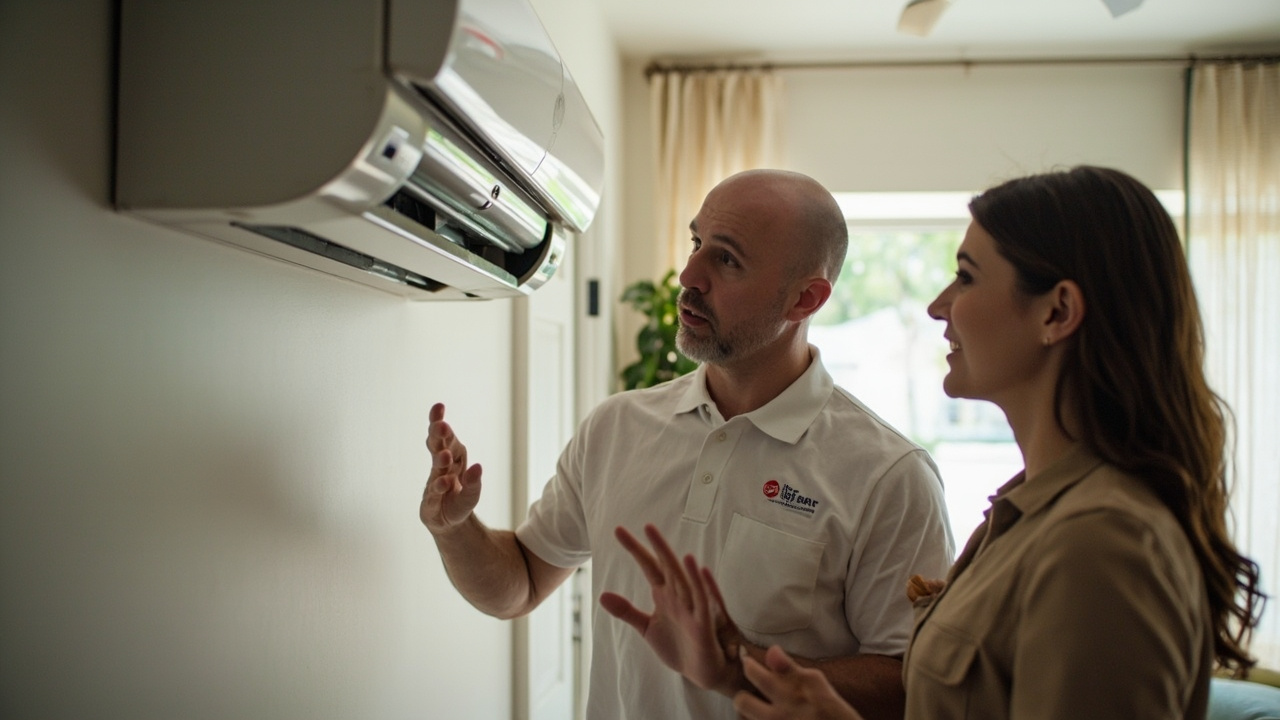
Understanding Ductless Systems in Houston – Your Complete Guide to How Mini Splits Work in Our Humid Climate

Learn how ductless heat pumps and mini split systems operate in Houston's unique climate, what makes them efficient alternatives to traditional HVAC, and whether a ductless air conditioning system fits your home or business needs.

Slider Image 1
Slider Image 2
Slider Image 3
Slider Image 4
Slider Image 5
Slider Image 7
Slider Image 8
Slider Image 9
Slider Image 10
Slider Image 11

Why Houston Homeowners Are Switching to Ductless HVAC Systems

Houston's relentless humidity and brutal summer heat create specific cooling challenges that traditional ducted systems struggle to address efficiently. Ductless mini splits are gaining traction across neighborhoods from River Oaks to Cypress because they solve problems unique to our climate.

A ductless air conditioning system consists of an outdoor compressor unit and one or more indoor air handlers connected by refrigerant lines. No ductwork means no energy loss through leaky ducts, which can waste up to 30 percent of cooled air in Houston's attic spaces where temperatures exceed 150 degrees in July and August.

How ductless mini splits work is simple. The outdoor unit compresses refrigerant and pumps it to indoor units mounted on walls or ceilings. These air handlers blow cooled or heated air directly into the room. Each indoor unit operates independently, creating zones you control separately. Your second-floor bedrooms can stay cooler at night while you raise temperatures in unused guest rooms during the day.

Ductless heat pumps reverse this refrigerant cycle in winter, pulling heat from outdoor air and moving it inside. This sounds counterintuitive, but heat pumps extract thermal energy from air down to around 25 degrees Fahrenheit. Houston rarely sees temperatures that low, making ductless systems highly efficient for our mild winters.

The basics of mini split systems include three main components. The compressor sits outside, similar to a traditional AC condenser. Refrigerant lines run through a three-inch hole in your exterior wall. Indoor units mount high on walls or recessed into ceilings. Installation takes one day for most residential applications. No major demolition, no ductwork fabrication, no drywall repair across your entire home.

Why Houston Homeowners Are Switching to Ductless HVAC Systems
How Ductless Systems Outperform Traditional HVAC in Houston's Climate

How Ductless Systems Outperform Traditional HVAC in Houston's Climate

The ductless hvac system explained reveals why these units handle Houston's weather better than conventional split systems. Traditional central air pushes cooled air through metal ducts running through unconditioned attics. Your attic reaches 140 to 160 degrees on summer afternoons. Even insulated ductwork gains significant heat during the journey from your air handler to your supply registers.

Ductless systems eliminate this thermal transfer completely. The refrigerant lines connecting outdoor and indoor units are insulated copper tubing, typically 15 to 25 feet long. Refrigerant loses minimal temperature traveling through these lines compared to cooled air traveling 40 feet through hot ductwork.

Inverter-driven compressors give ductless systems another efficiency advantage. Traditional AC units run at full capacity until reaching setpoint temperature, then shut off completely. This constant cycling wastes energy and creates temperature swings. Ductless compressors modulate from 30 to 100 percent capacity, ramping up when you need cooling and dialing back to maintain temperature without cycling off.

Houston's humidity requires constant dehumidification, not just temperature control. Ductless indoor units run longer at lower speeds, pulling more moisture from air compared to short bursts of maximum cooling. Your indoor coil stays cold longer, condensing more water vapor. This matters in a city where outdoor humidity regularly exceeds 90 percent at dawn.

Zoning capability addresses another Houston-specific challenge. Homes built in the 1970s and 1980s often have room additions served by undersized ductwork. A ductless mini split added to that sunroom or converted garage provides dedicated cooling without overloading your existing system. Titan HVAC Houston installs these supplemental zones across older neighborhoods where duct modification would require tearing into walls and ceilings.

What Happens During a Ductless System Consultation

Understanding Ductless Systems in Houston – Your Complete Guide to How Mini Splits Work in Our Humid Climate
01

Load Calculation and Zoning

We measure each room or zone you want to condition, accounting for window orientation, insulation levels, and sun exposure. Houston homes with west-facing windows need higher capacity units due to afternoon solar gain. We calculate British Thermal Units per hour required based on actual conditions, not square footage alone. This determines how many indoor units you need and what capacity compressor will support them efficiently.
02

Equipment Selection and Placement

We specify SEER ratings appropriate for Houston's 2,500-plus annual cooling hours. Higher SEER units cost more upfront but deliver measurable utility savings in our climate. Indoor unit placement considers airflow patterns, furniture placement, and aesthetic preferences. Wall-mounted units install seven to eight feet high for optimal air distribution. We identify the shortest refrigerant line path to your outdoor unit location, minimizing installation cost and efficiency loss.
03

System Commissioning and Training

After installation, we verify refrigerant charge using superheat and subcooling measurements, not just pressure readings. We test each indoor unit at multiple fan speeds and temperature setpoints. You receive hands-on training with your wireless remote controls, learning how to set schedules, adjust zones independently, and activate energy-saving modes. We explain filter cleaning procedures and show you the condensate drain line to monitor for clogs.

Why Houston Properties Need Local Ductless Expertise

Installing ductless systems in Houston requires understanding our specific building characteristics and climate patterns. Homes in older neighborhoods like Montrose and The Heights often lack adequate electrical service for high-capacity heat pumps. We evaluate your existing panel capacity and circuit availability before recommending equipment sizes.

Hurricane preparation matters for outdoor unit placement. We mount compressors on reinforced concrete pads or elevated platforms rated for sustained winds. Coastal proximity from Galveston Bay creates salt air exposure that corrodes standard outdoor coils within five to seven years. We recommend coated coils for properties east of Interstate 45 or near the Ship Channel.

Houston's clay soil expands and contracts with moisture changes, shifting foundations and exterior walls. We use flexible refrigerant line connections and vibration-dampening mounts to prevent stress on copper tubing as your home settles. Rigid connections crack over time, causing refrigerant leaks that kill system efficiency and require expensive repairs.

Local building codes require specific electrical disconnects and refrigerant line protection. Harris County and City of Houston inspectors expect particular installation methods for penetrations through exterior walls. We pull permits and coordinate inspections, ensuring your system meets code without delays or failed inspections.

Titan HVAC Houston stocks replacement parts for major ductless brands, eliminating the multi-day waits common with specialty HVAC equipment. When a control board fails or a fan motor burns out, we carry inventory to restore your system the same day. National chains order parts from regional warehouses, leaving you without cooling for three to five business days during summer heat waves.

We understand how Houston's extended cooling season affects maintenance schedules. Your ductless system runs nine months per year, accumulating more operating hours than systems in moderate climates. We recommend service intervals based on actual runtime, not generic manufacturer suggestions written for national audiences.

What to Expect When Choosing a Ductless System

Installation Timeline and Disruption

Most residential ductless installations complete in four to eight hours depending on the number of indoor units. Single-zone systems with one indoor head and outdoor compressor take half a day. Multi-zone systems serving three to four rooms require a full day. We drill one three-inch penetration per indoor unit through your exterior wall for refrigerant lines and electrical connections. You can occupy your home during installation. We protect floors and furniture with drop cloths, and we remove all packaging materials and debris. Commercial installations in office buildings or retail spaces often occur after business hours to avoid disrupting operations.

System Sizing and Consultation Process

We perform Manual J load calculations using actual measurements and thermal imaging when needed. Houston's temperature extremes and humidity levels require precise sizing. Oversized units short-cycle and fail to dehumidify properly. Undersized units run constantly without reaching comfort levels during July and August peaks. We account for ceiling height, insulation R-value, window U-factor, and internal heat gains from appliances and occupants. You receive equipment specifications in writing with expected SEER efficiency ratings and projected energy costs. We explain capacity in tons of cooling and BTUs of heating so you understand what you are purchasing.

Performance and Efficiency Results

Properly installed ductless systems reach setpoint temperature in 15 to 20 minutes, faster than central air systems moving cooled air through long duct runs. You control each zone independently, eliminating the temperature battles common with single-thermostat systems. Most Houston homeowners see 20 to 40 percent lower cooling costs compared to aging central systems with leaky ductwork. Inverter-driven compressors maintain consistent temperatures within one degree of setpoint, preventing the temperature swings that trigger frequent thermostat adjustments. Quiet operation means indoor sound levels around 30 decibels, equivalent to a whisper. You sleep comfortably without the noise from traditional air handlers and ductwork expansion.

Maintenance Requirements and Filter Care

Indoor units require filter cleaning every two to four weeks during cooling season. You remove the front cover and rinse washable filters under warm water, letting them dry before reinstalling. This takes five minutes per unit. Outdoor compressors need annual coil cleaning to remove cottonwood seeds, grass clippings, and dirt that accumulate on fins. We inspect refrigerant pressures, electrical connections, and condensate drainage during yearly maintenance visits. Most manufacturers recommend professional service every 12 months to maintain efficiency and catch small problems before they become expensive failures. We check for refrigerant leaks using electronic detectors and verify proper airflow across indoor coils.

Frequently Asked Questions

You Have Questions,
We Have Answers

What is the $5000 AC rule? +

The $5000 AC rule refers to an IRS guideline that helps you decide whether to repair or replace an HVAC system. If repairs cost more than $5000 and your unit is in the last 25 percent of its expected lifespan, you may need to capitalize the cost rather than deduct it as a repair. In Houston, where AC units work harder due to extreme heat and humidity, this threshold matters for tax purposes. Most residential systems last 10 to 15 years here, so units older than 12 years approaching this cost threshold often warrant replacement instead of major repairs.

What are the disadvantages of a ductless mini-split? +

Ductless mini-splits have upfront costs that exceed traditional systems. Installation requires wall penetrations for refrigerant lines, which can complicate historic Houston homes. Indoor air handlers are visible and may clash with your decor. You need separate units for each zone, which increases complexity. Filters require monthly cleaning, especially during Houston's pollen-heavy spring months. If one outdoor compressor fails, multiple indoor units lose cooling. Older mini-splits can struggle with Houston's humidity if undersized. Professional installation is critical because improper refrigerant charging in humid climates leads to efficiency losses and premature compressor failure.

Why is my electric bill so high with mini-split? +

Your electric bill spikes when mini-splits are undersized for Houston's heat, forcing them to run constantly. Dirty filters block airflow and kill efficiency. Incorrect thermostat settings, like running in heating mode during summer or setting temps below 68 degrees, waste power. Refrigerant leaks reduce cooling capacity and increase compressor runtime. Poor insulation or air leaks make the system work harder. You may be cooling unused rooms. Houston's humidity forces the compressor to cycle more often if the unit lacks proper dehumidification capacity. Check your SEER rating. Units below 16 SEER consume more electricity in climates like ours.

How many mini splits do I need for a 2000 square foot house? +

A 2000 square foot Houston home typically needs 60,000 BTUs total, which breaks down to two or three mini-split zones depending on your layout. Open floor plans may use one 36,000 BTU unit for common areas plus two 12,000 BTU units for bedrooms. Homes with poor insulation or west-facing walls need extra capacity. Houston's humidity demands units with strong dehumidification specs, not just cooling power. Room usage matters. You can skip guest rooms or closets. A professional load calculation accounts for ceiling height, window exposure, and insulation quality. Undersizing leads to constant runtime and high bills.

What is the 3 minute rule for air conditioners? +

The 3 minute rule means you should wait at least three minutes after your air conditioner shuts off before restarting it. This delay allows refrigerant pressure to equalize throughout the system. Restarting too quickly forces the compressor to start against high pressure, which damages internal components and shortens lifespan. In Houston, where AC units cycle frequently due to high cooling demand, this rule protects your investment. Most modern systems have built-in delay timers. If your thermostat clicks off and you immediately adjust it lower, the compressor may attempt a hard start, leading to premature wear or tripped breakers.

Can I write off my new AC unit on my taxes? +

You can write off a new AC unit if it qualifies under specific IRS rules. Residential energy credits apply to high-efficiency systems meeting ENERGY STAR criteria, typically 16 SEER or higher. You may claim a percentage of the cost, but caps apply. The unit must be installed in your primary residence, not a rental. Medically necessary AC systems prescribed by a doctor may qualify as medical deductions if they exceed 7.5 percent of your adjusted gross income. In Houston, where AC is essential, consult a tax professional to determine eligibility. Business properties follow different depreciation schedules and Section 179 rules.

How do Amish cool their homes without air conditioning? +

Amish communities cool homes using passive strategies that work poorly in Houston's humidity. They build homes with cross-ventilation, high ceilings, and wrap-around porches for shade. Whole-house fans exhaust hot air at night. Root cellars and basements provide naturally cool spaces. Some use evaporative coolers, which add moisture and fail in humid climates. They wear lightweight fabrics and adjust activity schedules to avoid midday heat. Houston's 90-plus percent humidity and 100-degree summer temps make these methods inadequate for most residents. Modern HVAC systems exist because passive cooling cannot handle Gulf Coast conditions without risking heat exhaustion or mold growth.

Do mini splits work in 100 degree weather? +

Yes, quality mini-splits work effectively in 100-degree Houston weather if properly sized and installed. Look for units rated for high ambient temperatures, typically up to 115 degrees outdoor temp. Inverter-driven compressors adjust output to match demand without losing efficiency. Poor installation, like undersized line sets or insufficient refrigerant charge, causes failures in extreme heat. Dirty coils reduce heat transfer. Units placed in direct sun or near heat sources struggle. Houston's combination of heat and humidity requires mini-splits with strong dehumidification capacity, not just cooling power. Cheap units or those below 16 SEER often underperform when outdoor temps stay above 95 degrees for days.

Where should you not install a mini split? +

Avoid installing mini-splits in damp basements or humid spaces without addressing moisture issues first. Do not mount indoor units above beds or seating areas where cold air blows directly on occupants. Skip locations near heat sources like ovens or west-facing windows with direct sun exposure. Tight spaces with poor airflow reduce efficiency. Avoid exterior walls facing prevailing winds, which stress outdoor compressors. In Houston, do not install units where hurricane debris could damage outdoor condensers. Skip attics unless properly insulated, as extreme heat reduces lifespan. Avoid rooms with doorways that allow conditioned air to escape into uncooled hallways or garages.

What runs your electric bill up the most? +

Air conditioning drives Houston electric bills, consuming 40 to 60 percent of summer energy use. Heating elements in water heaters rank second. Clothes dryers and electric ovens create heat spikes. Pool pumps running 24/7 waste power. Phantom loads from devices on standby mode add up. Poor insulation and air leaks force HVAC systems to run constantly. Older appliances lack efficiency standards. Thermostat settings below 72 degrees increase costs sharply. Houston's humidity forces AC compressors to cycle more often, even on mild days. Dirty HVAC filters reduce airflow and increase runtime. Programmable thermostats and regular maintenance cut waste significantly.

How Houston's Humidity and Heat Stress Traditional Ductwork

Houston averages 2,650 cooling degree days annually, meaning your AC runs far more than systems in moderate climates. Traditional ductwork in unconditioned attics faces extreme thermal stress. Metal ducts expand and contract daily as attic temperatures swing from 80 degrees at dawn to 150 degrees by mid-afternoon. These cycles loosen duct joints and separate mastic sealant, creating air leaks that waste cooled air. Fiberglass duct insulation deteriorates from heat exposure and moisture condensation, losing R-value after 10 to 15 years. Ductless systems avoid these problems completely by eliminating attic ductwork and moving only refrigerant through insulated copper lines.

Local HVAC contractors who understand Houston's climate install ductless systems differently than installers in dry or moderate regions. We account for the high dew points that cause condensate overflow problems in improperly pitched drain lines. We size condensate pumps to handle the gallons of water these systems extract daily from humid air. Titan HVAC Houston trains specifically on humidity control strategies that matter in our climate, not generic installation procedures written for national audiences. We have worked in neighborhoods from Sugar Land to Kingwood, and we recognize how building age, construction quality, and foundation type affect ductless system performance.


HVAC Services in The Houston Area

Titan HVAC is proud to serve Houston and the surrounding areas with expert heating and cooling solutions. Our central location allows us to respond quickly to both residential and commercial clients. Whether you need an emergency fix or scheduled service, we’re never far away. Explore our service area and see how close comfort really is. We're just a call or click away—connect with us today.

Address:
Titan HVAC Houston, 3730 Kirby DrHouston, Houston, TX, 77098

Additional Services We Offer

Our news updates

Latest Articles & News from The Blogs

Dealing with Coastal Salt Air Corrosion on Your Seabrook AC Unit Living in Seabrook means enjoying coastal breezes and waterfront…

Dealing with Coastal Salt Air Corrosion on Your Seabrook AC Unit

Dealing with Coastal Salt Air Corrosion on Your Seabrook AC Unit Living in Seabrook means enjoying coastal breezes and waterfront…

What to Do When Your AC Drain Line Backs Up in Atascocita

What to Do When Your AC Drain Line Backs Up in Atascocita Your AC drain line backs up when condensation…

Managing HVAC Pet Dander and Fur for Animal Lovers in Neartown

Managing HVAC Pet Dander and Fur for Animal Lovers in Neartown Pet dander and fur can quickly overwhelm your HVAC…

Contact Us

You need answers specific to your home and your cooling challenges. Call Titan HVAC Houston at (281) 552-7766 for a detailed consultation. We assess your property, calculate actual cooling loads, and explain whether ductless makes sense for your situation. No pressure, just facts.