






Weak Airflow from Vents in Houston – Fast Diagnosis and Repair When Your AC Barely Blows

Expert HVAC technicians identify and fix the root cause of weak airflow from vents so you stop sweating and wasting energy on an underperforming system.

Slider Image 1
Slider Image 2
Slider Image 3
Slider Image 4
Slider Image 5
Slider Image 7
Slider Image 8
Slider Image 9
Slider Image 10
Slider Image 11

Why Your AC Vents Barely Push Air in Houston Homes

You walk up to a register expecting cool relief, but all you feel is a faint trickle of air. The compressor runs, the thermostat drops, yet rooms stay muggy and uncomfortable. Low air pressure from vents is not just annoying. It signals a deeper issue inside your duct system, blower assembly, or evaporator coil.

Houston's extreme heat and humidity put immense strain on HVAC systems. Units run longer cycles to fight 95-degree afternoons and 80 percent humidity. When airflow drops, the evaporator coil freezes over because refrigerant cannot absorb heat efficiently. Ice blocks the coil, worsening the problem. Dust and pollen infiltrate through gaps in older ductwork, clogging filters in days instead of weeks. Poor airflow from AC means your system works harder, uses more electricity, and cools less effectively.

Reduced air flow from registers also creates pressure imbalances. Some rooms feel like saunas while others stay tolerable. The blower motor struggles against restrictions, shortening its lifespan. If you notice little air coming out of vents, the problem rarely fixes itself. Ignoring weak airflow leads to compressor failure, refrigerant leaks, and complete system shutdown during the hottest months.

Houston homeowners face unique challenges. Older homes near the Heights or Montrose have undersized ductwork installed decades ago. Newer construction in Katy or Sugar Land sometimes uses flexible ducts that kink or collapse in attics. Clay soil shifts foundations, disconnecting duct joints and creating leaks. AC blowing weakly is not just about comfort. It is about preventing expensive repairs and keeping indoor air quality safe.

Why Your AC Vents Barely Push Air in Houston Homes
How Titan HVAC Houston Restores Full Airflow to Your System

How Titan HVAC Houston Restores Full Airflow to Your System

We do not guess. We measure static pressure at the supply and return plenums using a manometer to quantify airflow restrictions. High static pressure means the blower works against blockages, coil freeze, or undersized ducts. Low static pressure points to duct leaks or disconnected joints. We check delta T, the temperature difference between supply and return air, to verify refrigerant charge and coil performance.

Next, we inspect the air handler cabinet. A clogged evaporator coil looks like a solid block of dust and debris. We remove the coil, clean it with non-acidic coil cleaner, and check for fin damage that restricts airflow. We pull the blower wheel and examine it for dust buildup, which reduces blade efficiency by 30 percent or more. A dirty blower wheel cannot move the cubic feet per minute required for proper cooling.

We inspect every accessible duct joint, looking for gaps, disconnections, or crushed sections. Flex duct in attics often sags or kinks where it bends around trusses. We check filter fit, because gaps around the filter frame allow dust to bypass and coat the coil. We test capacitor voltage on the blower motor to verify it spins at full RPM. A weak capacitor causes the motor to lag, reducing airflow even when the system runs.

If the ductwork is undersized, we calculate the required CFM per ton of cooling and compare it to your existing layout. We recommend modifications only when physics demands it. Titan HVAC Houston does not sell you a new system unless airflow cannot be restored through cleaning, sealing, or component replacement. We fix the problem, not your wallet.

What Happens During Your Airflow Diagnosis and Repair

Weak Airflow from Vents in Houston – Fast Diagnosis and Repair When Your AC Barely Blows
01

System Airflow Testing

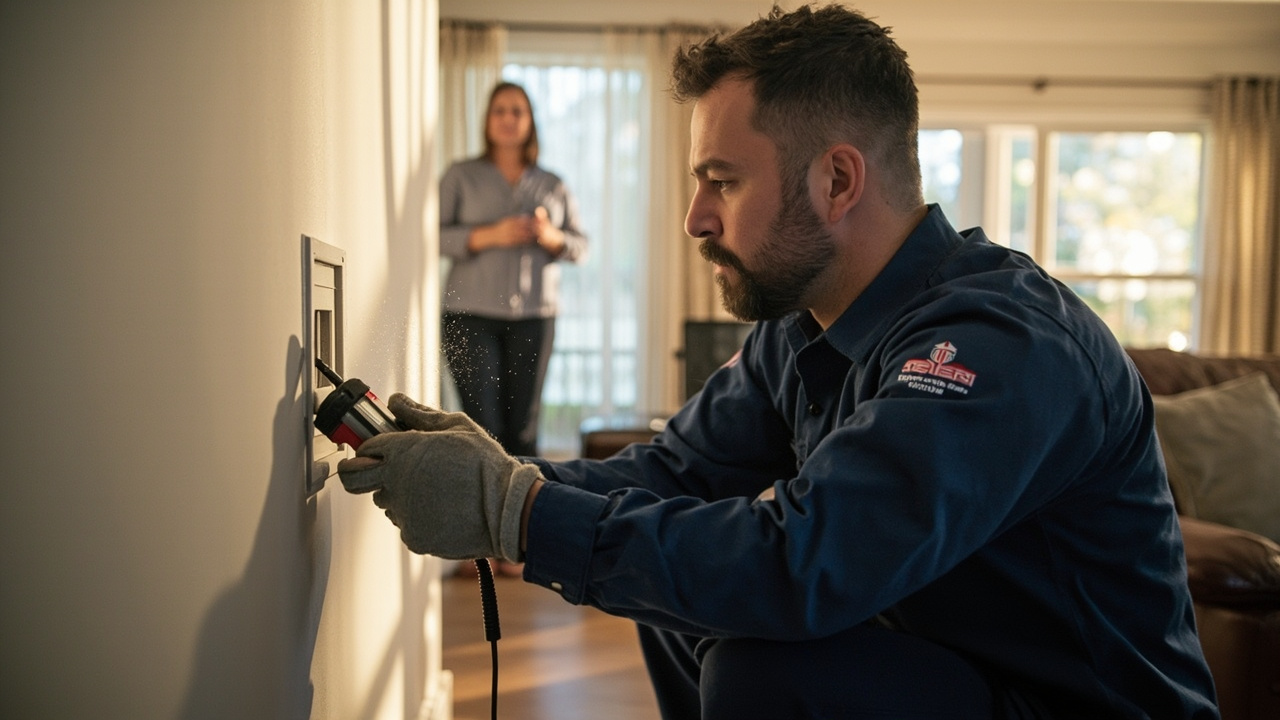
We measure static pressure at the air handler and test airflow velocity at each register using an anemometer. This data reveals whether the restriction is at the coil, blower, filter, or duct system. We check blower motor amperage and capacitor microfarads to verify motor performance. You get a written summary of findings before any work begins.
02

Component Cleaning and Repair

We remove and clean the evaporator coil, blower wheel, and drain pan. We seal duct leaks with mastic and mechanical fasteners, not tape. We replace worn capacitors, clogged filters, and damaged duct sections. If the system uses an undersized return, we add a return drop to balance airflow. Every repair targets the specific restriction we identified during testing.
03

Airflow Verification and Testing

After repairs, we retest static pressure and register velocity to confirm airflow meets ACCA Manual D standards. We measure supply air temperature to verify the system hits design delta T. You feel the difference immediately. Rooms cool evenly, the system cycles less, and your energy bill drops. We document the improvement so you know exactly what changed.

Why Houston Homeowners Trust Titan HVAC for Airflow Problems

Houston HVAC systems face brutal conditions. Units run nine months a year in punishing heat. Humidity corrodes electrical connections and promotes mold growth inside ductwork. Airflow problems are not abstract issues. They lead to frozen coils, tripped breakers, and indoor air quality disasters.

Titan HVAC Houston understands the specific challenges of this climate. We see the same problems in older homes near Rice Village, where ductwork was never designed for modern high-efficiency systems. We work in new construction across Cypress and Pearland, where builders cut corners on duct sizing to save on materials. We know how foundation settlement in Houston's clay soil disconnects duct joints and creates massive air leaks.

We do not push equipment upgrades unless your system is beyond repair. Many companies diagnose weak airflow and immediately sell a new unit. We restore performance first. If your blower motor, coil, and ductwork can be fixed, we fix them. You save thousands compared to premature replacement.

Our technicians carry the tools to solve airflow problems on the first visit. We stock blower wheels, capacitors, coil cleaner, and duct sealing materials on every truck. We do not schedule a diagnostic visit, leave, order parts, and return days later. We complete most airflow repairs the same day.

We also educate you on prevention. You learn how often to change filters based on your home's dust load, not a generic schedule. You understand why sealing ductwork matters more than adding insulation. You see the data that proves your system works correctly after we leave. Titan HVAC Houston treats your home like our own.

What to Expect When You Schedule Airflow Repair

Same-Day Diagnosis and Repair

We arrive within hours, not days. Most airflow repairs finish the same day because we stock the parts and tools needed to fix blower motors, clogged coils, and duct leaks. You do not wait in discomfort while we order components. We test your system immediately, identify the restriction, and restore full airflow before we leave. If your issue requires custom ductwork or major modifications, we provide a detailed timeline and start work as soon as materials arrive.

Comprehensive Airflow Assessment

We do not assume the filter is the problem. We measure static pressure, test blower motor performance, inspect ductwork for leaks, and check coil cleanliness. You receive a written report explaining what caused the weak airflow and what we did to fix it. We show you the dirty blower wheel, the clogged coil, or the disconnected duct so you understand the issue. No surprises, no upselling, just facts.

Verified Airflow Restoration

We prove the repair worked. You see the static pressure readings before and after. You feel the difference at the registers. We verify the system delivers the correct CFM per ton of cooling and achieves design temperature split. Rooms that stayed warm now cool evenly. The system cycles properly instead of running continuously. You get measurable results, not vague promises about improved performance.

Preventive Maintenance Guidance

We teach you how to prevent future airflow problems. You learn the correct filter MERV rating for your system, how to spot early signs of coil freeze, and when to schedule professional coil cleaning. We recommend a maintenance schedule based on your home's dust load and system runtime, not a one-size-fits-all plan. Many airflow problems are preventable with proper filter changes and annual coil cleaning. We make sure you know how to protect your investment.

Frequently Asked Questions

You Have Questions,
We Have Answers

Why do I barely feel air coming out of my vents? +

Weak airflow usually means a clogged air filter, blocked return vents, or ductwork issues. In Houston's humid climate, filters load up fast with dust and mold spores. Check your filter first. If it looks dirty, replace it. Next, make sure furniture or curtains are not covering your return grilles. Closed or blocked supply registers also reduce flow. If those fixes do not help, you may have duct leaks, a failing blower motor, or an undersized system. A technician can measure static pressure and airflow to pinpoint the real cause.

How to increase airflow through vents? +

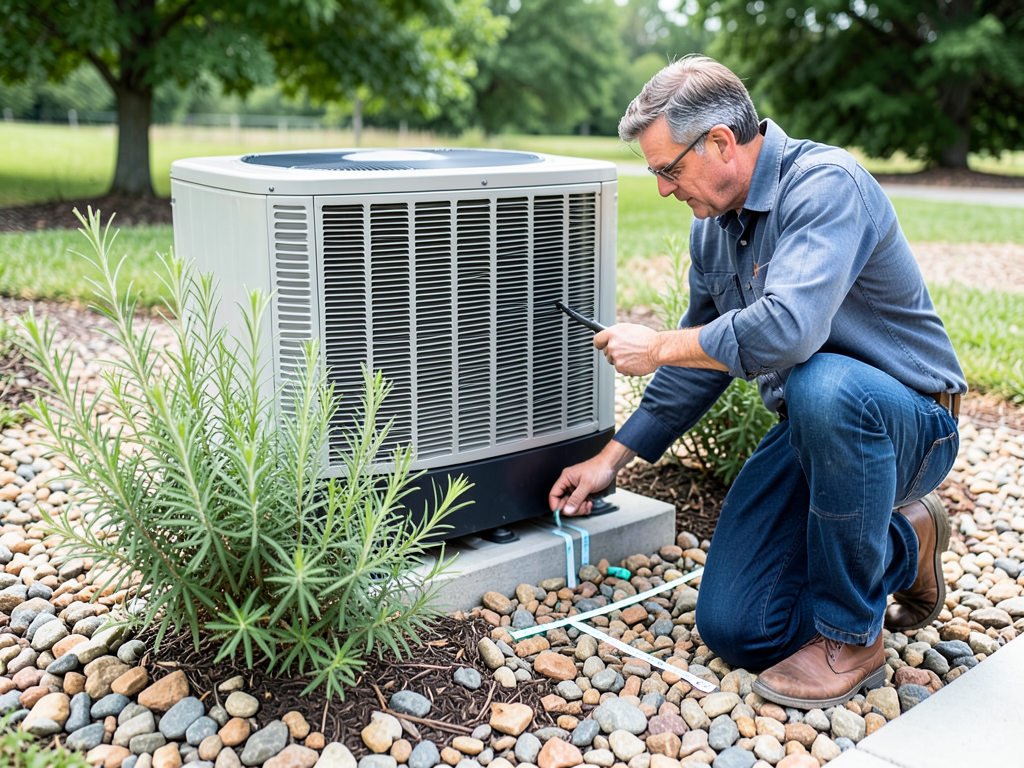
Start by replacing your air filter. A clean filter is the easiest fix. Open all supply registers fully and remove any obstructions like rugs or furniture from return vents. Check your outdoor condenser unit for debris or overgrown landscaping that restricts airflow. Inside, inspect ductwork in your attic or crawlspace for disconnected joints or crushed flex duct. In older Houston homes, duct sealing can recover significant lost airflow. If the problem persists, a blower motor upgrade or duct redesign may be necessary. An HVAC technician can test and adjust fan speed settings.

Why are my AC vents not blowing hard? +

Low airflow from AC vents points to a dirty filter, duct leaks, or blower motor problems. Houston's heat forces AC systems to run long hours, which clogs filters quickly. Replace your filter every 30 to 60 days during summer. Check that your blower compartment door is sealed tight. A loose door cuts airflow. Inspect ductwork for leaks or collapsed sections, especially in attics where heat can soften flex duct. If the blower motor capacitor fails, the fan spins slower. A technician can test the motor and measure airflow to diagnose the issue.

Why is my AC set at 74 but reads 78? +

Your thermostat reads 78 because your AC cannot keep up with heat gain. In Houston, poor insulation, air leaks, or undersized equipment cause this. Check that your outdoor unit is not clogged with cottonwood seeds or debris. A dirty condenser coil reduces cooling capacity. Low refrigerant from a leak also causes weak cooling. Duct leaks in the attic waste cooled air before it reaches your rooms. Thermostat placement matters too. If it sits near a window or heat source, it reads warmer than the actual room temperature. Schedule a system inspection to find the root cause.

What is the $5000 AC rule? +

The $5,000 rule is a guideline for repair-versus-replace decisions. Multiply the age of your AC unit by the repair cost. If the result exceeds $5,000, replacement makes more financial sense. For example, a 12-year-old unit needing a $500 compressor repair equals $6,000, so replace it. This rule accounts for diminishing efficiency and upcoming failures in older systems. In Houston's brutal summers, aging AC equipment loses efficiency fast. A new high-efficiency system reduces utility bills and avoids repeated breakdowns. Always get a second opinion before committing to a costly repair.

How to tell if a house has poor ventilation? +

Signs of poor ventilation include stuffy air, lingering odors, high humidity, and condensation on windows. In Houston homes, excess moisture causes mold growth on walls or in closets. You may notice static pressure when opening interior doors, which means your return air system is undersized. Dust buildup on surfaces, even after cleaning, signals poor air circulation. Hot spots in certain rooms indicate blocked or leaking ductwork. Check your attic for visible duct damage or disconnected sections. An HVAC technician can perform a blower door test to measure air leakage and ventilation effectiveness.

What is the 2 foot rule in HVAC? +

The 2-foot rule means keeping furniture, drapes, and obstructions at least two feet away from supply and return vents. Blocked vents create pressure imbalances that force your AC to work harder and waste energy. In Houston homes, this rule matters even more because high humidity and heat demand maximum airflow. Curtains over return grilles starve the system of air, causing the evaporator coil to freeze. Furniture blocking supply registers traps cool air, leaving other rooms warm. Clear space around all vents for balanced airflow and efficient operation. This simple fix improves comfort and lowers utility bills.

Do air vent boosters really work? +

Vent boosters can help in specific situations but do not fix underlying problems. If one room at the end of a long duct run stays warm, a booster fan may improve airflow there. However, boosters do not solve clogged filters, duct leaks, or undersized equipment. In Houston homes with flex duct running through hot attics, a booster cannot overcome poor insulation or duct leaks. They also add noise and consume electricity. Before buying a booster, check your filter, open all registers, and seal visible duct leaks. A technician can rebalance your ductwork for a permanent fix.

What is the 3 minute rule for AC? +

The 3-minute rule protects your compressor. After your AC shuts off, wait at least three minutes before restarting it. This delay allows refrigerant pressure to equalize between the high and low sides of the system. Restarting too quickly forces the compressor to start against high pressure, which can damage it or blow the start capacitor. In Houston's heat, impatient homeowners often cycle the thermostat on and off, risking compressor failure. Most modern thermostats have built-in delay timers. If your system short-cycles frequently, you may have a bad thermostat or refrigerant issue. Schedule a service call.

What should my AC be set at if it's 100 degrees outside? +

Set your AC to 75 to 78 degrees when outdoor temps hit 100 in Houston. Your system can only cool about 20 degrees below outdoor temperature efficiently. Setting the thermostat lower forces the unit to run nonstop without reaching the target, wasting energy and stressing components. Use ceiling fans to improve comfort without lowering the thermostat. Close blinds during peak sun hours to reduce heat gain. If your home will not stay comfortable at 78, you may have insulation problems, duct leaks, or an undersized system. An energy audit identifies weak points in your home's thermal envelope.

How Houston's Climate and Home Construction Worsen Airflow Issues

Houston's combination of heat, humidity, and clay soil creates unique airflow challenges. Units run longer cycles to combat 95-degree heat and 80 percent humidity, accelerating dust buildup on coils and blower wheels. Older homes in areas like Bellaire and Memorial have ductwork sized for lower-efficiency systems, creating excessive static pressure when paired with modern high-SEER units. Foundation movement from expansive clay soil disconnects duct joints, causing massive air leaks that rob your system of airflow. New construction in suburbs like Kingwood and Friendswood often uses undersized ductwork to cut costs, leading to weak airflow from the day you move in. These local factors make professional airflow diagnosis critical.

Choosing a local HVAC contractor who understands Houston's specific challenges makes a measurable difference. We see the same airflow problems across different neighborhoods and home styles. We know which builders cut corners on duct sizing and which older subdivisions need return air upgrades. We understand how Houston's building codes impact ductwork installation and repairs. Local expertise means we diagnose problems faster, carry the right parts, and recommend solutions that work in this climate. Titan HVAC Houston has repaired airflow issues in hundreds of homes across Harris County, Fort Bend County, and Montgomery County, giving us insight into regional patterns that out-of-town contractors miss.
HVAC Services in The Houston Area

Titan HVAC is proud to serve Houston and the surrounding areas with expert heating and cooling solutions. Our central location allows us to respond quickly to both residential and commercial clients. Whether you need an emergency fix or scheduled service, we’re never far away. Explore our service area and see how close comfort really is. We're just a call or click away—connect with us today.

Address:
Titan HVAC Houston, 3730 Kirby DrHouston, Houston, TX, 77098

Additional Services We Offer

Our news updates

Latest Articles & News from The Blogs

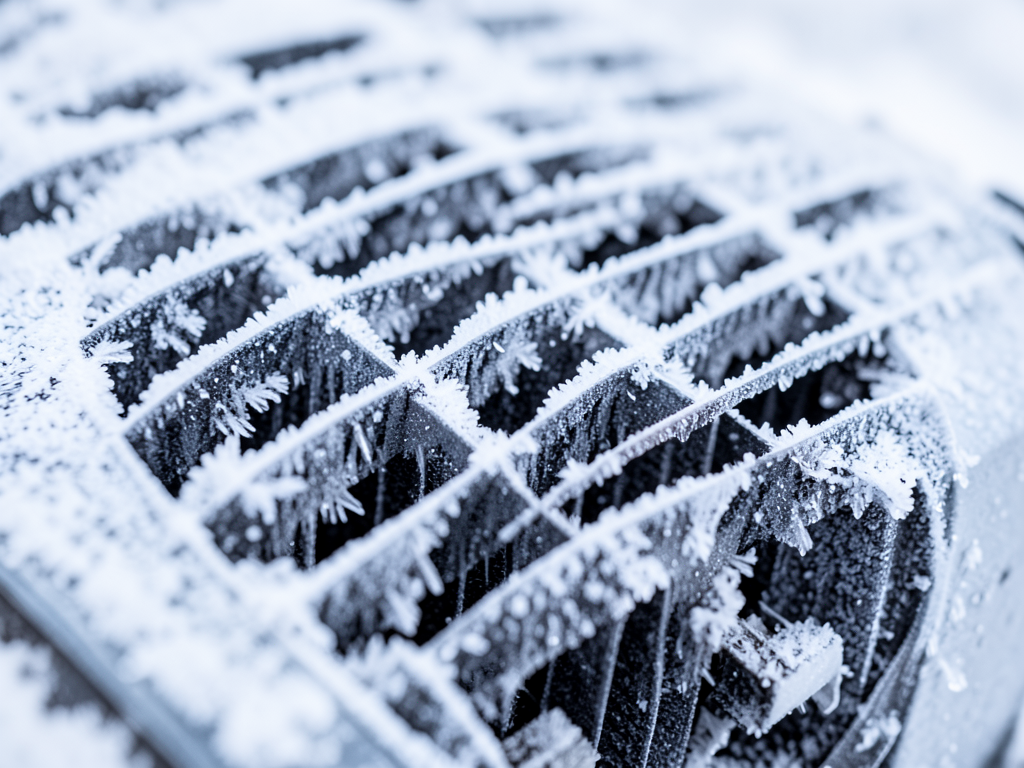
Why Your AC Is Freezing Up Even When It’s 100 Degrees in Sienna When your air conditioner freezes up on…

Why Your AC Is Freezing Up Even When It’s 100 Degrees in Sienna

Why Your AC Is Freezing Up Even When It’s 100 Degrees in Sienna When your air conditioner freezes up on…

What That Screeching Sound from Your AC Actually Means (Hint—It’s Not Good)

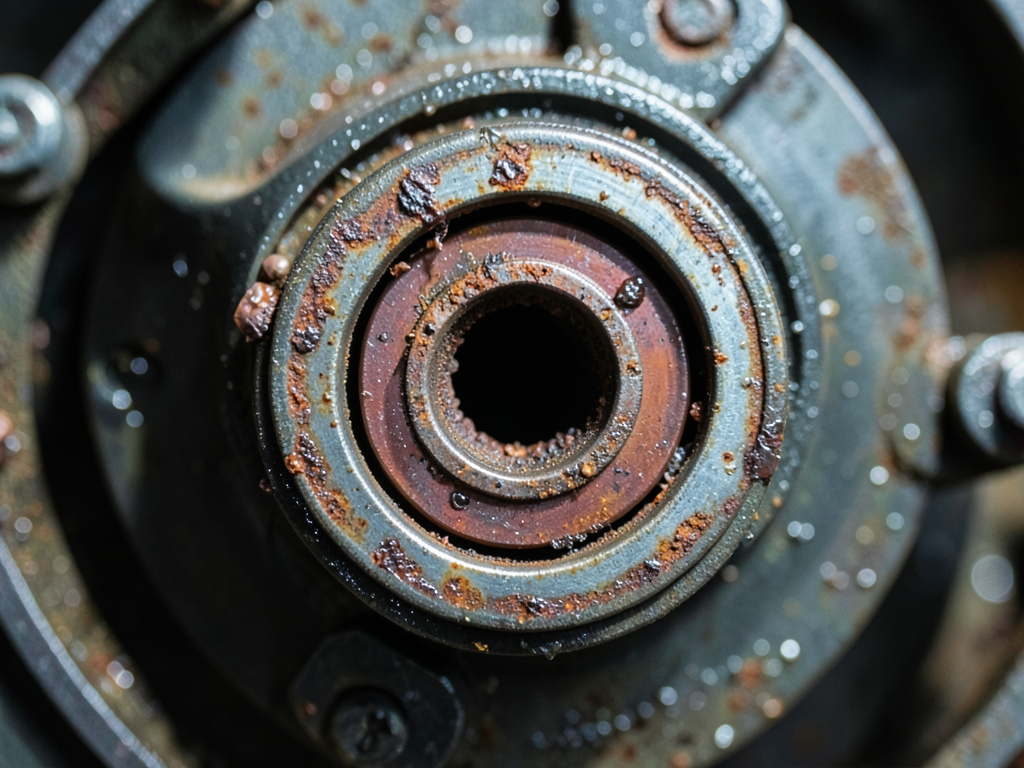
What That Screeching Sound from Your AC Actually Means (Hint—It’s Not Good) Your Houston air conditioner works overtime for most…

Safe Ways to Landscape Around Your AC Unit in Hedwig Village

Safe Ways to Landscape Around Your AC Unit in Hedwig Village Your air conditioner works hardest during Houston’s brutal summer…

Contact Us

Your home should cool evenly and efficiently. If your vents barely blow air, call (281) 552-7766 now. We diagnose and repair airflow problems the same day. Stop wasting energy and start feeling comfortable again.