
What That Screeching Sound from Your AC Actually Means (Hint—It’s Not Good)
Your Houston air conditioner works overtime for most of the year. When it suddenly starts making a high-pitched screeching noise that’s your system’s way of screaming for help. That sound isn’t just annoying—it’s a warning sign that something inside your AC could be failing fast. Ignoring it could leave you without cooling during a heatwave or worse cause expensive damage to your entire system. Houston Code of Ordinances Section 25-14.
The good news is that most screeching noises point to specific problems you can identify. The bad news is that nearly all of them require professional attention. Houston’s brutal humidity and 100-degree days put extra stress on AC components making certain failures more common here than in other parts of the country.
Here’s the bottom line: if your AC is screeching turn it off immediately and call a licensed Houston HVAC technician. Running a system with these symptoms can destroy your compressor or create dangerous pressure situations inside the unit.
Common Causes of AC Screeching Noises
Understanding what that screech means helps you explain the problem to your technician and know what to expect. Here are the most frequent culprits:
Failed Motor Bearings
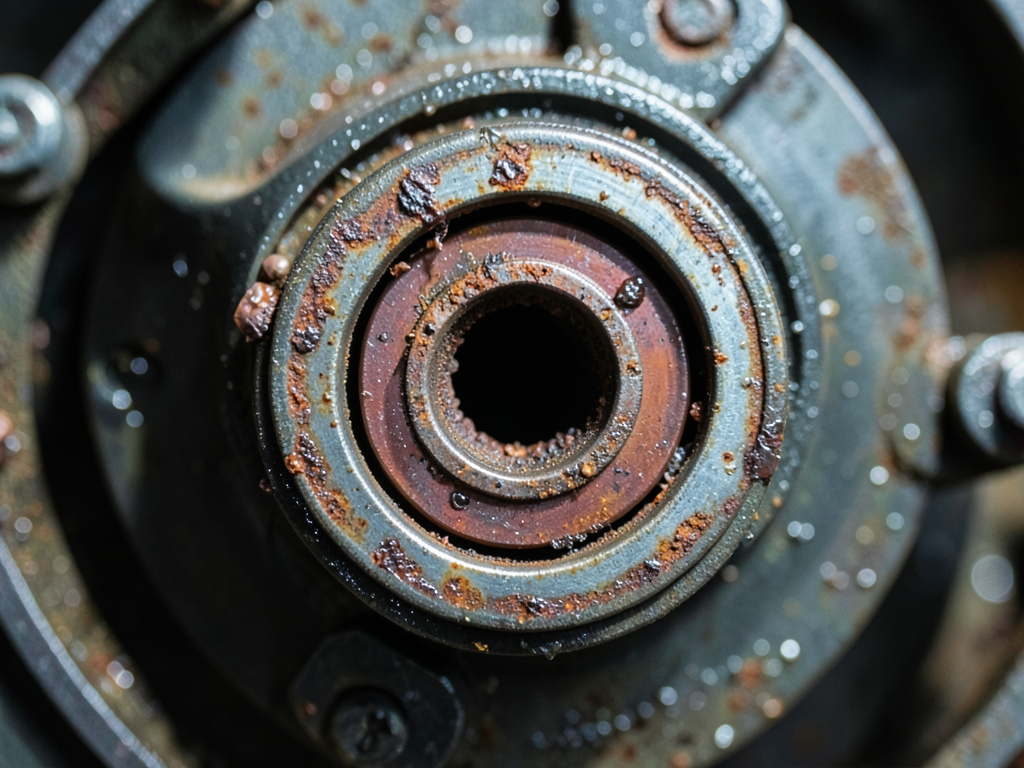
Most screeching sounds come from failing bearings in either the condenser fan motor or the blower motor inside your air handler. These bearings allow smooth rotation but Houston’s humidity accelerates corrosion and wear. When bearings fail you’ll hear a metal-on-metal grinding or high-pitched squeal that gets louder as the motor struggles.
The sound typically starts as occasional squeaks and progresses to constant screeching. You might also notice the fan blade wobbling or the motor feeling hot to touch. This is especially common in older units or those near the coast where salt air speeds up corrosion.
Fan Belt Problems
If your system uses a belt-driven blower (common in older units) a worn or misaligned belt creates a distinctive squealing noise. The belt slips on the pulleys especially when the system first starts up. Houston’s humidity can cause belts to stretch and deteriorate faster than in drier climates.
You’ll hear the squeal mainly when the blower starts and it may go away once the belt warms up. But don’t ignore it—a failing belt can snap and leave your system unable to circulate air at all.
Compressor Issues
A high-pitched screaming sound from your outdoor unit often indicates dangerous high-pressure buildup inside the compressor. This is the most serious cause and requires immediate shutdown. The compressor might be struggling against a blocked refrigerant line failed expansion valve or other internal problems.
This sound is unmistakable—it’s loud constant and sounds like the unit is under extreme stress. Running the system in this condition risks compressor explosion or severe damage to other components.
Debris in Moving Parts
Sometimes the simplest explanation is correct. Sticks leaves or other debris can get caught in the outdoor fan blades or blower wheel creating a scraping or screeching noise. Houston’s frequent storms and high winds make this more common than you’d think.
The sound will be irregular and might change pitch as debris moves around. While this is the easiest problem to fix it still requires professional removal to prevent damage to the fan motor or blades.
Why Houston’s Climate Makes These Problems Worse
Houston’s combination of heat humidity and coastal proximity creates unique challenges for AC systems. The constant moisture in the air accelerates corrosion on metal components especially bearings and electrical connections. Salt particles carried inland from the Gulf settle on outdoor units eating away at protective coatings.
Our 90+ degree days mean AC units run almost continuously during summer putting motors under constant stress. The high humidity also means your system works harder to remove moisture from the air increasing wear on all moving parts.
Additionally Houston’s clay soil expands and contracts with moisture changes which can cause slight shifts in your home’s foundation. These shifts might affect the alignment of outdoor units or cause refrigerant lines to kink leading to pressure problems that create screeching sounds.
DIY Checks Before Calling for Help
While most AC problems need professional repair you can check a few things before making the call. These steps help you describe the problem accurately and might reveal simple fixes: EPA Section 608 certification.
- Listen Carefully
Identify where the noise comes from—outdoor condenser or indoor air handler. Note if it’s constant or only when starting up.
- Check for Visible Damage
Look at the outdoor unit for bent fan blades debris caught in the fan or oil stains around the base (indicating leaks).
- Inspect Air Filters
Clogged filters force the blower motor to work harder potentially causing bearing wear. Replace if dirty.
- Check Thermostat Settings
Ensure the system isn’t cycling on and off rapidly which stresses components.
- Look for Ice Buildup
Ice on refrigerant lines or coils indicates airflow problems or refrigerant issues that can cause compressor strain.
If you hear screeching don’t attempt to open the unit yourself. Even with power off capacitors can hold dangerous charges. Plus you might void your warranty by tampering with sealed components.
When to Call for Emergency AC Repair
Some AC problems can wait for regular business hours but screeching noises usually signal emergencies. Here’s when to call immediately:
- The screeching is loud and constant especially from the outdoor unit
- You notice burning smells or see smoke
- The system won’t start or keeps tripping breakers
- You hear clicking sounds along with the screech (indicating electrical issues)
- The noise started suddenly and is getting worse quickly
Emergency repair services understand Houston’s urgency—when it’s 95 degrees outside every hour without AC matters. Most reputable companies offer 24/7 service with no extra charge for nights or weekends. Finding Emergency AC Repair in Sugar Land Without Getting Ripped Off.
Cost Expectations for Common Repairs
Repair costs vary widely depending on the problem but here are typical ranges for Houston homeowners:
| Problem | Typical Cost Range | Urgency Level | Common Houston Zip Codes |
|---|---|---|---|
| Motor Bearing Replacement | $350 – $700 | High | 77002, 77004, 77007 |
| Fan Belt Replacement | $150 – $300 | Medium | 77005, 77006, 77008 |
| Compressor Replacement | $1,500 – $2,500 | Emergency | 77019, 77027, 77056 |
| Debris Removal & Cleaning | $100 – $200 | Low | 77031, 77033, 77036 |
| Refrigerant Recharge | $200 – $500 | Medium | 77041, 77043, 77055 |
These prices assume standard residential systems. Larger homes or commercial properties will cost more. Always get a written estimate before work begins.
Preventing Future AC Problems
Regular maintenance prevents most screeching and other AC failures. Houston’s climate demands more frequent service than other regions. Here’s what proactive homeowners do:
- Schedule professional tune-ups twice yearly—spring before summer heat and fall before winter
- Change air filters monthly during peak cooling season
- Keep outdoor units clear of vegetation and debris
- Install a programmable thermostat to reduce system cycling
- Consider a maintenance plan with your HVAC company for priority service
Many Houston companies offer maintenance agreements that include annual inspections priority scheduling and discounts on repairs. These plans often pay for themselves by preventing major breakdowns.
Understanding Houston Building Codes and Regulations
Houston requires all HVAC work to comply with Texas Department of Licensing and Regulation (TDLR) standards. Technicians must hold valid licenses and follow EPA refrigerant handling guidelines. The city also enforces specific requirements for outdoor unit placement especially in historic districts or areas with strict noise ordinances. Texas Department of Licensing and Regulation.
For example Section 25-14 of the Houston Code of Ordinances limits noise levels from mechanical equipment to 70 decibels at property lines during daytime hours. A failing AC unit that’s already screeching could violate these codes and result in fines.
Additionally the EPA’s Section 608 certification is mandatory for any technician handling refrigerants. This ensures proper recovery and recycling protecting both the environment and your system’s performance.
Frequently Asked Questions
Is it safe to keep running my AC if it’s making a screeching noise?
No. Screeching usually indicates mechanical failure or dangerous pressure buildup. Continuing to run the system risks severe damage or even safety hazards like compressor explosion.
How quickly should I call for repair when I hear screeching?
Immediately. Turn off the system and call a licensed technician right away. The longer you wait the more damage can occur and the more expensive repairs become.
Can I fix a screeching AC myself?
Most screeching issues require professional diagnosis and repair. While you can check for obvious debris or change filters internal components need specialized tools and expertise to repair safely.
Will my AC warranty cover screeching noise repairs?
It depends on the cause and your warranty terms. Manufacturing defects on major components like compressors are usually covered but wear-and-tear items like bearings or belts typically aren’t. Check your warranty documentation.
How can I tell if the noise is coming from the indoor or outdoor unit?
Go to each location and listen carefully. The indoor noise usually comes from the air handler in your attic or closet while outdoor noise comes from the condenser unit. This helps your technician diagnose the problem faster.
Call for Professional Help Today
Don’t let that screeching sound turn into a complete system failure. Houston’s heat won’t wait for convenient repair times and neither should you. Professional technicians can diagnose the exact cause provide upfront pricing and get your system running quietly again.
Call (281) 552-7766 now to schedule your emergency AC repair. Our licensed Houston technicians are ready to help whether it’s the middle of the night or during a holiday weekend. We’ll diagnose the problem explain your options clearly and get your home comfortable again fast. Emergency 24-Hour AC Service for Families in Katy.
Pick up the phone and call (281) 552-7766 before that screech turns into silence—the wrong kind of silence that means your AC is completely dead.
Don’t wait until Houston’s next heat wave hits. Call (281) 552-7766 today to schedule your inspection and keep your family cool all summer long.