




Whole Home Humidifiers in Houston – Complete Installation and Retrofitting for Year-Round Indoor Air Quality

Titan HVAC Houston installs central humidifiers that work seamlessly with your existing HVAC system, solving Houston's extreme humidity swings and improving respiratory comfort in every room of your home.

Slider Image 1
Slider Image 2
Slider Image 3
Slider Image 4
Slider Image 5
Slider Image 7
Slider Image 8
Slider Image 9
Slider Image 10
Slider Image 11

Why Houston Homes Need Whole Home Humidifiers Despite the Climate

Houston's reputation for swampy summers masks a hidden problem. When your air conditioner runs nonstop from May through October, it strips moisture from your indoor air. The refrigeration cycle cools by condensing water vapor, which drains outside. By mid-summer, many Houston homes drop to 30 percent relative humidity indoors, even while it feels like a steam bath outside.

Winter heating compounds the issue. Gas furnaces and heat pumps both dry out air as they warm it. You notice the effects in cracked wood trim, static shocks on doorknobs, and persistent sinus irritation. Dust mites thrive in dry conditions, and respiratory infections spread more easily when nasal passages lose their protective moisture barrier.

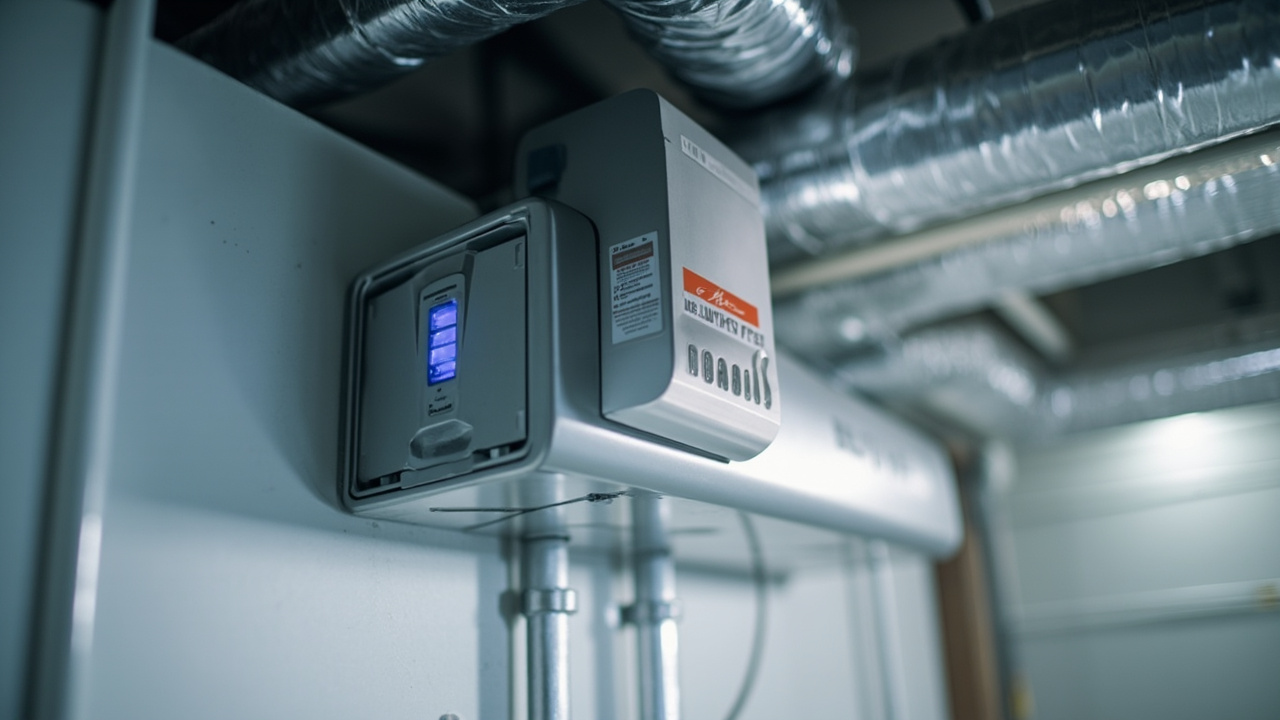
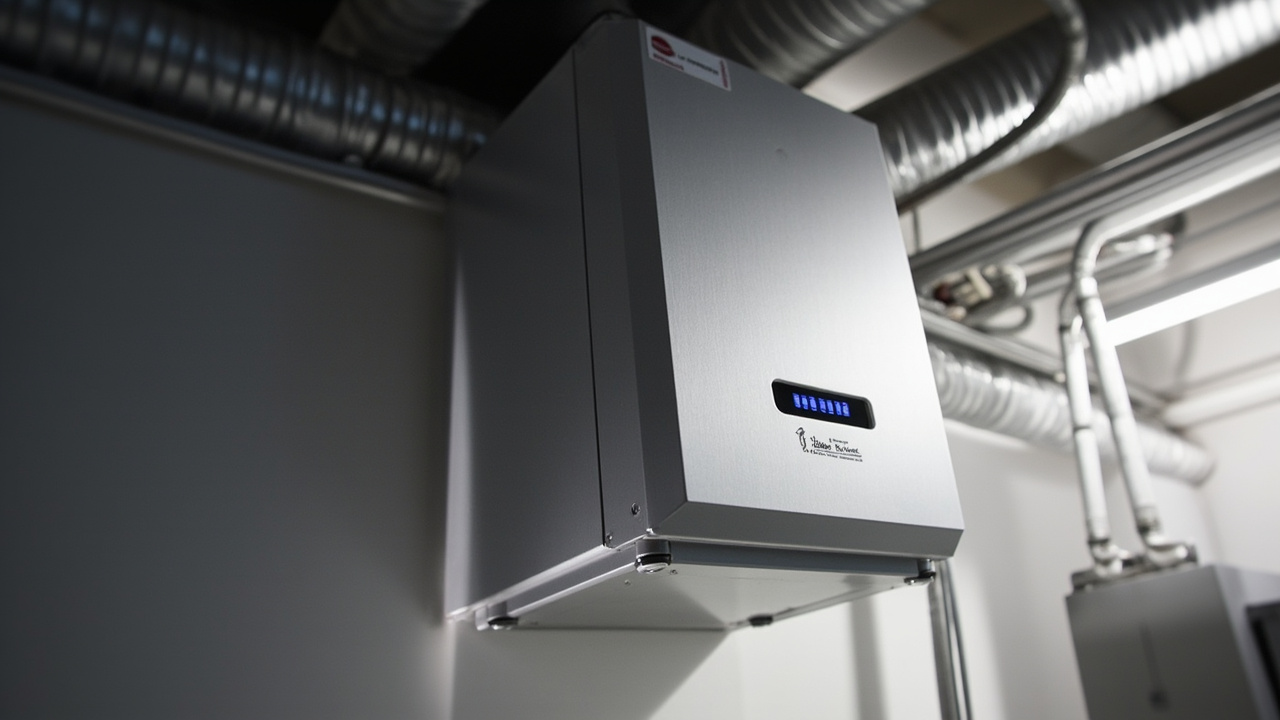
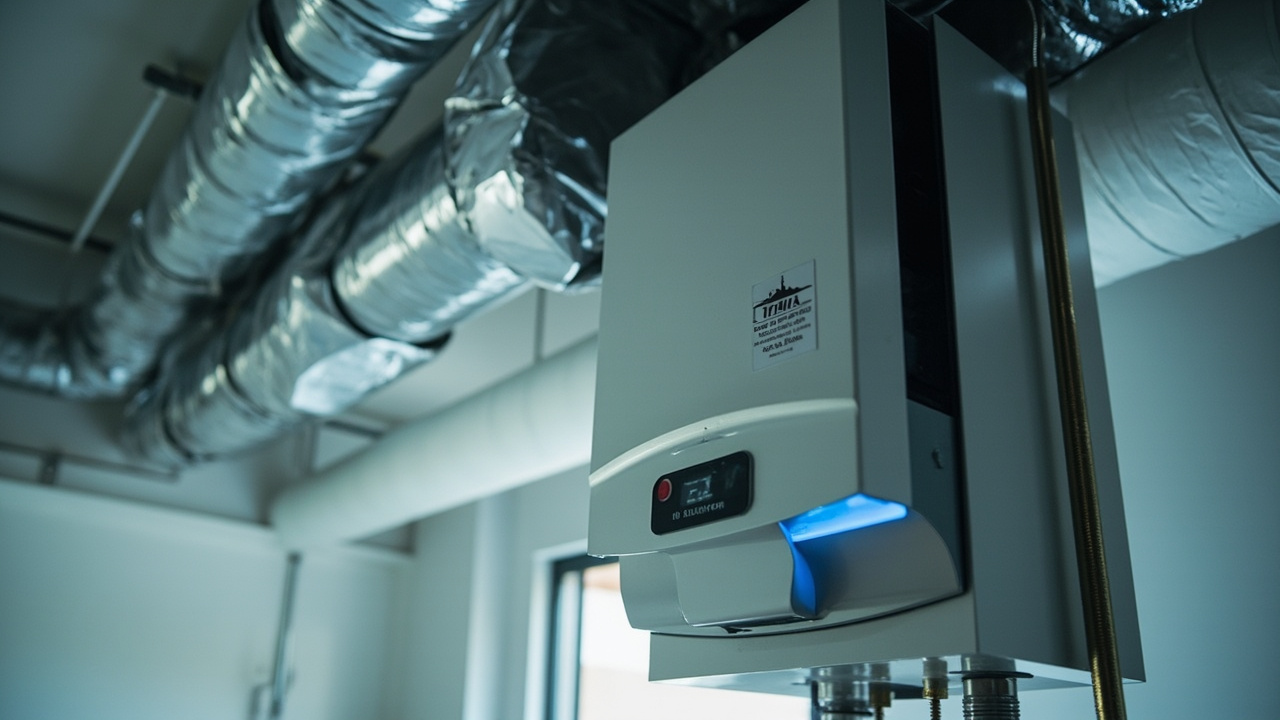
Whole house humidifiers integrate directly into your ductwork, adding measured moisture to every supply register. Unlike portable units that serve one room and breed mold in their reservoirs, central humidifiers tie into your plumbing and cycle with your HVAC system. Furnace humidifiers mount on your air handler, while ducted humidifiers install in the main trunk line.

The ideal indoor humidity range sits between 40 and 50 percent. Houston's clay soil foundation movement means your home already faces seasonal stress. Maintaining consistent humidity protects hardwood floors, prevents door frames from shrinking, and keeps your family's mucous membranes functioning properly. HVAC humidifiers solve these problems automatically, with no refilling or daily maintenance.

Why Houston Homes Need Whole Home Humidifiers Despite the Climate
How We Install and Integrate Central Humidifiers With Your Existing System

How We Install and Integrate Central Humidifiers With Your Existing System

Titan HVAC Houston starts every humidifier installation with a load calculation. We measure your home's square footage, ductwork capacity, and existing airflow patterns to determine the correct humidifier output in gallons per day. Undersized units run constantly without reaching target humidity. Oversized units create condensation problems and waste water.

We install bypass humidifiers, fan-powered humidifiers, or steam humidifiers depending on your system configuration. Bypass models use your furnace's heat to evaporate water into a media pad. Fan-powered units push air through the humidifier independently, delivering higher output without relying on furnace cycles. Steam humidifiers boil water into vapor, offering the fastest humidity recovery and the most precise control.

The installation involves cutting into your supply or return duct, mounting the humidifier cabinet, and running a dedicated water line from your nearest copper pipe. We install a saddle valve or compression fitting, then connect the humidifier's solenoid valve. The unit ties into your thermostat through a humidistat controller, which monitors indoor humidity and signals the humidifier to activate when levels drop below your setpoint.

We verify proper drainage for bypass and fan-powered models, which need a floor drain or condensate pump connection. Steam humidifiers require 120-volt or 240-volt electrical service, which we pull from your breaker panel with appropriate wire gauge. After pressurizing the water line, we run a full cycle test to confirm the solenoid opens, water flows evenly across the media pad or evaporator, and the humidistat responds accurately to humidity changes.

What Happens During Your Humidifier Installation Appointment

Whole Home Humidifiers in Houston – Complete Installation and Retrofitting for Year-Round Indoor Air Quality
01

System Compatibility Assessment

Our technician inspects your air handler, ductwork layout, and thermostat wiring to determine the best humidifier type for your equipment. We check static pressure in your ducts, measure available mounting space, and locate the nearest water supply line. This assessment prevents compatibility issues and ensures your existing blower motor can handle the added airflow resistance from the humidifier.
02

Mounting and Plumbing Integration

We cut a precise opening in your supply or return plenum, mount the humidifier cabinet with sheet metal screws and foil tape, and run a quarter-inch copper or braided water line to the solenoid valve. The humidistat controller mounts on your wall or integrates with your smart thermostat. We test for leaks at every connection point before sealing the ductwork and restoring airflow.
03

Calibration and Humidity Testing

We set your humidistat to the recommended 45 percent relative humidity, then run your HVAC system through a complete heating cycle. Using a digital hygrometer, we verify humidity levels rise evenly throughout your home. We adjust water flow rates, check for standing water in the drain line, and explain how to change your humidifier pad seasonally and adjust settings during Houston's wildly variable spring and fall months.

Why Houston Homeowners Trust Titan HVAC for Whole House Humidifier Projects

Whole home humidifiers fail when installers skip the engineering. We see bypass units installed backwards, with no airflow crossing the media pad. We find fan-powered humidifiers wired to run continuously, flooding ducts with condensation. Steam humidifiers installed without dedicated circuits trip breakers mid-cycle.

Titan HVAC Houston sizes every installation to your specific equipment. Houston's variable climate means your humidifier needs different output capacity than identical homes in Dallas or San Antonio. Our technicians account for your home's air exchange rate, insulation values, and how often you run exhaust fans in kitchens and bathrooms. These factors determine whether you need a standard bypass model or a high-output steam unit.

We install humidifiers that communicate with modern thermostats. If you have a smart thermostat with humidity control, we wire the humidistat to integrate seamlessly. You can monitor and adjust humidity from your phone, and the system automatically compensates when outdoor humidity spikes during Houston's spring thunderstorms or tropical systems.

Our installations meet the Houston Building Code requirements for backflow prevention and electrical safety. We pull permits when required for steam humidifier electrical work, and we document all plumbing connections for warranty purposes. Many HVAC manufacturers void equipment warranties if unauthorized modifications affect airflow or introduce water into the air handler. Our installs protect your investment.

We service every brand of central humidifier, from Aprilaire and Honeywell to GeneralAire and Skuttle. When you need pad replacement, solenoid cleaning, or humidistat recalibration, we stock the parts and perform the work without waiting on special orders.

What You Should Know Before Installing a Whole House Humidifier

Installation Timeline and Scheduling

Most whole house humidifier installations take three to five hours, depending on the unit type and your ductwork accessibility. Bypass and fan-powered models install faster because they need only low-voltage wiring. Steam humidifiers require electrical panel work, which adds time. We schedule installations during fall and early winter when you will notice immediate results. Your HVAC system remains operational during installation, though we shut it down temporarily while cutting into ductwork and making electrical connections.

Pre-Installation System Evaluation

Before installing a humidifier, we verify your ductwork has no major leaks that would waste conditioned air. We inspect your drain pan and condensate line to ensure they handle the additional moisture load. If your air filter is clogged or your blower motor struggles with current airflow, we address those issues first. Adding a humidifier to a system with restricted airflow creates pressure imbalances that reduce efficiency and shorten equipment life. We also check your water quality, because high mineral content clogs humidifier pads faster and may require a water treatment solution.

Performance and Humidity Control Accuracy

You should feel the difference within 24 hours of installation. Dry skin improves, static shocks disappear, and your home feels more comfortable at lower thermostat settings. Properly humidified air feels warmer, which lets you reduce heating costs. Your humidifier runs automatically based on humidity readings, cycling on when levels drop and shutting off when your setpoint is reached. Modern humidistats maintain accuracy within two percent, preventing over-humidification that causes window condensation or mold growth. We calibrate your system to Houston's climate, accounting for seasonal variations.

Maintenance Requirements and Longevity

Bypass and fan-powered humidifiers need pad replacement once or twice per year, depending on water hardness and runtime. We recommend changing pads at the start of heating season and again mid-winter if you run your system heavily. Steam humidifiers require annual descaling to remove mineral buildup in the evaporator chamber. Solenoid valves occasionally stick or fail, which we catch during routine maintenance visits. Your humidifier should last 10 to 15 years with proper care. We offer maintenance plans that include humidifier inspection, pad replacement, and system testing as part of your seasonal HVAC tune-up.

Frequently Asked Questions

You Have Questions,
We Have Answers

What is the downside of a whole-house humidifier? +

Whole-house humidifiers require regular maintenance to prevent mold and mineral buildup. You need to change the water panel or filter at least once per season, sometimes more often in Houston due to our hard water. If you neglect this, bacteria and scale accumulate in the unit and can spread through your ductwork. Over-humidification is another risk. Setting the humidistat too high creates condensation on windows and promotes mold growth in walls. Installation adds upfront cost to your HVAC system, and you will see a slight increase in water usage during operation.

What is the best whole-house humidifier? +

The best whole-house humidifier depends on your system and home size. Bypass humidifiers work well for most Houston homes and require minimal ductwork changes. They pull air from your return duct, add moisture, then push it into the supply duct. Fan-powered models deliver more moisture and work better for larger homes or when your HVAC fan does not run often. Steam humidifiers offer precise control and no mineral dust but cost more upfront. Choose a model that matches your furnace or air handler capacity and uses a washable or replaceable water panel.

How much does it cost to add a humidifier to your HVAC system? +

Adding a whole-house humidifier to your HVAC system in Houston depends on the unit type and your existing ductwork configuration. Bypass models are the most affordable option and typically work with most existing systems. Fan-powered units cost more but deliver better performance. Steam humidifiers sit at the higher end of the range. Installation complexity increases if your ducts need modifications or if you lack a nearby water line. You should also budget for an annual maintenance visit to replace filters and check settings, especially given Houston's hard water conditions.

What size humidifier for 1500 sq ft? +

A 1500 square foot home in Houston needs a humidifier that delivers 8 to 12 gallons per day, depending on insulation quality and how often your HVAC runs. Most bypass humidifiers fall in this range and work well for this size. Check your unit's output rating in gallons per day, not just the square footage claim on the box. Houston's mild winters mean your furnace does not run constantly, so you may need a fan-powered model to circulate enough humidified air. Oversizing wastes water and creates condensation problems.

What are signs I need a humidifier? +

You need a humidifier if you notice static shocks when touching metal, dry or cracked skin, and frequent nosebleeds during winter months. Wood floors and furniture show gaps or cracks as they shrink in low humidity. You may wake with a dry throat or experience worsened allergy symptoms. In Houston, indoor humidity drops when you run heat during cold snaps or when air conditioning removes moisture in summer. A hygrometer measures indoor humidity. If readings stay below 30 percent, you need supplemental humidity to protect your health and home.

Where does the water go from a whole house dehumidifier? +

This question confuses humidifiers with dehumidifiers. A whole-house dehumidifier removes moisture from air and drains water through a condensate line, similar to your air conditioner. The line typically connects to a floor drain, condensate pump, or exterior drainage point. In Houston homes, dehumidifiers often tie into the same drain system as your AC unit. The water is pure condensation, safe to drain into your plumbing system or outside. Make sure the drain line has a trap to prevent sewer gas from entering your ductwork. Check the line quarterly for clogs.

What humidifier do consumer reports recommend? +

Consumer Reports evaluates humidifiers based on moisture output, ease of maintenance, and energy efficiency. They typically recommend models with washable components and adjustable humidistats. The publication does not endorse specific brands in their ratings, but they favor units that use evaporative technology over ultrasonic or steam for whole-house applications. For Houston homeowners, focus on models that handle hard water well and offer easy filter access. Check their website for current ratings, as recommendations change when manufacturers update product lines. Look for units with at least a four-star rating for reliability.

What are the signs of too much humidity? +

Too much humidity causes condensation on windows, damp spots on walls or ceilings, and a musty odor in your home. You may see mold growth around window frames or in corners. Paint or wallpaper may peel or bubble. In Houston, excess humidity creates a clammy feeling and makes your home feel warmer than the thermostat reading. Your air conditioner runs longer but struggles to cool effectively. Dust mites and allergens thrive above 60 percent humidity. Use a hygrometer to monitor levels and keep indoor humidity between 30 and 50 percent year-round.

Where to put a whole home humidifier? +

Install a whole-home humidifier on your HVAC supply or return plenum, depending on the model type. Bypass units mount on the return duct and connect to the supply side through a bypass tube. Fan-powered models install directly on the supply plenum and push moisture into conditioned air. Steam humidifiers can mount in multiple locations but work best on the supply side. In Houston homes, avoid placing the unit near the air conditioner evaporator coil to prevent excess condensation. Your installer should mount it within six feet of a water supply line.

How much does a carrier whole home humidifier cost? +

Carrier whole-home humidifiers vary in price based on model and capacity. Bypass models sit at the lower end of the range, while fan-powered and steam units cost more. Installation fees depend on your existing ductwork and whether you need electrical work or water line extensions. In Houston, hard water conditions may push you toward models with washable components to reduce long-term filter replacement expenses. The unit's capacity should match your home size and furnace output. Factor in annual maintenance visits to keep the system running efficiently throughout the heating season.

How Houston's Air Conditioning Load Affects Whole House Humidifier Performance

Houston homes run air conditioning six to eight months per year, which creates a unique challenge for humidity control. Your AC removes 10 to 30 gallons of water daily during summer, draining it outside through the condensate line. This dehumidification is essential for comfort, but it drops indoor humidity to desert levels. When fall arrives and you switch to heating, your home never fully recovers its moisture balance. Whole house humidifiers counteract this cycle, adding moisture back during heating season and maintaining stable humidity year-round. Without active humidification, Houston homes swing between 25 percent humidity in winter and uncontrolled moisture during spring and fall shoulder seasons.

Titan HVAC Houston understands how the Houston climate affects HVAC humidifiers. We account for your home's thermal envelope, attic insulation, and air leakage when sizing your humidifier. Houston's older homes with pier and beam foundations need different humidity management than newer slab-on-grade construction. We also navigate the permitting requirements for homes in historic districts like the Heights or Montrose, where exterior modifications require architectural review. Our familiarity with local building inspectors and code enforcement ensures your installation passes inspection without delays or rework.


HVAC Services in The Houston Area

Titan HVAC is proud to serve Houston and the surrounding areas with expert heating and cooling solutions. Our central location allows us to respond quickly to both residential and commercial clients. Whether you need an emergency fix or scheduled service, we’re never far away. Explore our service area and see how close comfort really is. We're just a call or click away—connect with us today.

Address:
Titan HVAC Houston, 3730 Kirby DrHouston, Houston, TX, 77098

Additional Services We Offer

Our news updates

Latest Articles & News from The Blogs

Why Your AC Is Freezing Up Even When It’s 100 Degrees in Sienna When your air conditioner freezes up on…

Why Your AC Is Freezing Up Even When It’s 100 Degrees in Sienna

Why Your AC Is Freezing Up Even When It’s 100 Degrees in Sienna When your air conditioner freezes up on…

What That Screeching Sound from Your AC Actually Means (Hint—It’s Not Good)

What That Screeching Sound from Your AC Actually Means (Hint—It’s Not Good) Your Houston air conditioner works overtime for most…

Safe Ways to Landscape Around Your AC Unit in Hedwig Village

Safe Ways to Landscape Around Your AC Unit in Hedwig Village Your air conditioner works hardest during Houston’s brutal summer…

Contact Us

Stop fighting dry air and static shocks. Call Titan HVAC Houston at (281) 552-7766 to schedule your humidifier assessment. We provide upfront pricing, same-week installation, and systems that integrate seamlessly with your existing HVAC equipment.