
Why Communicating HVAC Systems are the Superior Choice for Custom Builds in Piney Point Village
Custom home builders in Piney Point Village face unique climate challenges. The combination of Houston’s extreme humidity and the demand for precise temperature control in luxury estates makes communicating HVAC systems the clear choice for new construction. These advanced systems use serial communication between components to deliver superior comfort while reducing energy costs over time.. Read more about Navigating Builder HVAC Warranties for New Homeowners in Manvel.
Communicating systems connect the thermostat, air handler, and outdoor unit through proprietary protocols like Trane’s ComfortLink II or Carrier’s Infinity system. This allows real-time adjustments based on actual conditions inside your Piney Point Village estate. Non-communicating systems operate independently, missing opportunities for optimization.
The initial investment runs 15-25% higher than traditional setups but delivers measurable returns through lower utility bills and enhanced comfort. For homes exceeding 3,000 square feet in Piney Point Village, the benefits compound significantly.. Read more about The Benefits of Inverter Technology for Modern Energy Efficient Homes in Briargrove.
Understanding How Communicating Systems Work
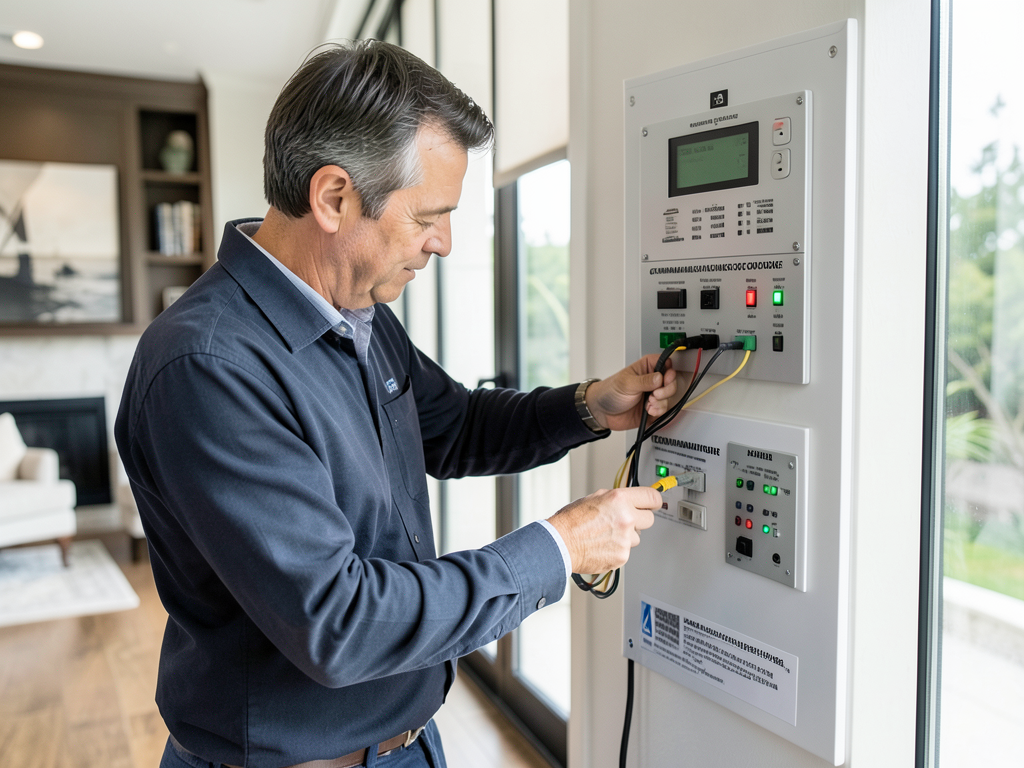
A communicating HVAC system functions like a smart network. The outdoor unit, indoor air handler, and thermostat exchange data continuously through a single communication bus. When the thermostat detects rising humidity levels typical of Piney Point Village summers, it signals the system to adjust compressor speed and fan operation automatically.
This contrasts sharply with non-communicating systems where each component operates on preset parameters. The thermostat simply calls for cooling without knowing the outdoor unit’s actual capacity or the air handler’s current performance.
Variable-speed compressors in communicating systems can operate at 40-100% capacity. During mild spring days in Piney Point Village, the system might run at 35% power, maintaining steady temperatures while using minimal electricity. Traditional single-stage units cycle on and off, creating temperature swings and higher energy consumption.
Diagnostic capabilities represent another major advantage. When a communicating system detects a pressure imbalance or airflow restriction, it logs specific error codes accessible through the thermostat interface. Technicians arrive with precise information about the problem, reducing diagnostic time and labor costs.
Non-Communicating Systems: The Traditional Approach
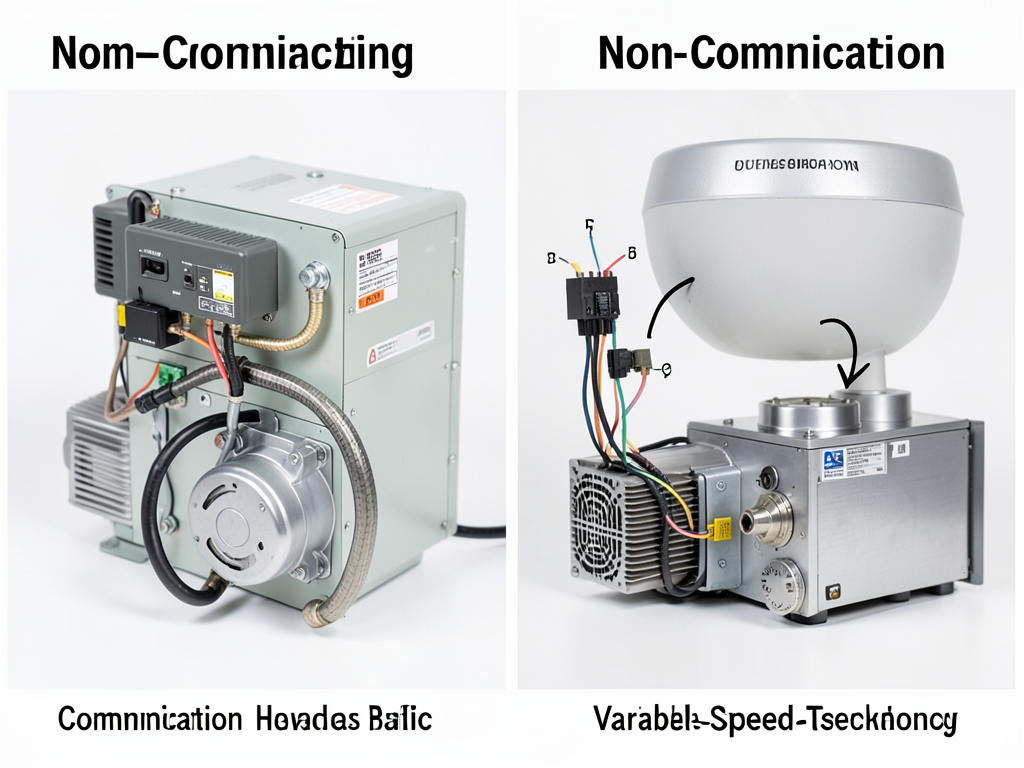
Non-communicating HVAC systems use 24V legacy wiring where each component operates independently. The thermostat sends simple on/off signals to the outdoor unit and air handler. These systems typically feature single-stage or two-stage compressors that run at fixed speeds.
Installation costs for non-communicating systems run 15-25% lower than their communicating counterparts. The simpler technology means fewer specialized tools and less training for technicians. Most contractors in Piney Point Village have extensive experience with these traditional setups. What a New AC Installation Actually Costs in The Woodlands.
However, efficiency suffers in Houston’s climate. Single-stage compressors cannot modulate output based on actual cooling demand. They run at full capacity until the thermostat satisfies, then shut off completely. This cycling creates temperature variations of 2-4 degrees and wastes energy during mild conditions.
Humidity control presents particular challenges. Non-communicating systems remove moisture based on run time rather than actual humidity levels. In Piney Point Village’s muggy summer conditions, this often results in uncomfortable indoor environments despite technically meeting temperature setpoints.
Maintenance requires more guesswork. Without system-wide communication, technicians must manually test each component to identify issues. What appears as a cooling problem might actually stem from the air handler’s fan motor or the thermostat’s calibration.
Performance Comparison: Comfort and Efficiency
Communicating systems achieve 18-25 SEER2 ratings in real-world conditions, compared to 16-20 SEER2 for premium non-communicating units. The difference becomes more pronounced in Piney Point Village where cooling loads remain high for eight months annually.
Humidity removal rates tell a compelling story. Communicating systems extract 12-15 pints of moisture per hour at design conditions. Non-communicating units typically manage 8-10 pints per hour. This 30-50% improvement prevents the clammy feeling common in Houston homes during summer.
Temperature stability improves dramatically. Communicating systems maintain indoor temperatures within 0.5 degrees of the setpoint. Traditional systems allow variations of 2-3 degrees as compressors cycle on and off.
Sound levels drop significantly with communicating technology. Variable-speed operation at partial loads produces 55-65 decibels compared to 70-75 decibels for single-stage units. For luxury homes in Piney Point Village, this quieter operation enhances the premium living experience.
Energy consumption data reveals substantial savings. A 4-ton communicating system uses 1,200-1,400 watts during typical summer operation. Non-communicating units of similar capacity consume 1,800-2,200 watts. Over a cooling season, this difference can save $300-500 in electricity costs.
Climate Considerations for Piney Point Village
Houston’s climate creates unique demands for HVAC systems. The combination of high sensible heat loads and extreme latent heat (humidity) requires sophisticated moisture removal capabilities. Piney Point Village’s proximity to Buffalo Bayou and the Houston Ship Channel amplifies these challenges.
Communicating systems excel at managing Houston’s humidity through enhanced dehumidification cycles. When indoor humidity exceeds 55%, the system can activate a dedicated dehumidification mode that runs the blower at reduced speed while the compressor operates at optimal moisture-removal capacity.
The 2023 SEER2 regulations specifically address Southern region performance requirements. Communicating systems more consistently meet these standards because their variable-speed operation adapts to actual load conditions rather than worst-case scenarios used for testing.
Foundation considerations matter in Piney Point Village. Many homes sit on expansive clay soils that shift seasonally. Communicating systems include vibration monitoring that can detect abnormal movements in the outdoor unit, potentially preventing damage from foundation settling.
Power quality issues affect both system types but communicating units handle voltage fluctuations better. Their electronic controls include surge protection and brownout compensation, extending component life in areas prone to electrical grid instability.
Cost Analysis: Initial Investment vs Long-Term Value
A communicating HVAC system for a typical 3,500-square-foot Piney Point Village home costs $12,000-16,000 installed. Non-communicating alternatives range from $9,000-12,000. The $3,000-4,000 premium buys significant performance advantages.
Energy savings accumulate quickly. At Houston’s current electricity rates averaging $0.13 per kilowatt-hour, the efficiency difference saves $25-40 monthly during cooling season. Over a 10-year system life, this equals $3,000-4,800 in utility savings.
Maintenance costs favor communicating systems. Their diagnostic capabilities reduce service calls by 30-40%. When technicians arrive with specific error codes, repairs complete faster and more accurately. Annual maintenance typically costs $150-200 versus $200-300 for non-communicating units. EPA Energy Star HVAC equipment specifications.
Component longevity improves with communicating technology. The reduced cycling and optimized operation extends compressor life by 2-3 years. Given that compressor replacement costs $2,000-3,000, this represents substantial savings.
Warranty coverage often exceeds non-communicating alternatives. Many manufacturers offer 12-year parts warranties on communicating systems versus 10 years for standard units. Some include extended labor coverage when installed by certified dealers.
Installation Requirements and Considerations
Communicating systems require specialized training and tools. Technicians must understand proprietary protocols, have access to manufacturer software, and complete certification programs. Not all HVAC contractors in Piney Point Village possess these qualifications.
Control wiring differs significantly. Communicating systems use a single low-voltage communication bus instead of multiple individual control wires. This simplifies installation but requires specific connectors and programming procedures.
Thermostat compatibility creates limitations. Communicating systems require manufacturer-specific thermostats. Popular smart thermostats like Nest or Ecobee cannot control these units directly. Homeowners must choose between advanced HVAC control or third-party smart home integration.
Future serviceability requires consideration. If the manufacturer discontinues a communicating system, finding replacement parts becomes challenging. Non-communicating units use more standardized components available from multiple suppliers. Finding Emergency AC Repair in Sugar Land Without Getting Ripped Off.
Electrical requirements may increase. Communicating systems often need dedicated circuits with specific voltage and amperage ratings. Older homes in Piney Point Village might require electrical panel upgrades to support these advanced units.
Making the Right Choice for Your Custom Home
Budget constraints influence many decisions. If upfront cost drives your choice, non-communicating systems deliver reliable performance at lower initial investment. For price-sensitive buyers, the 15-25% cost premium for communicating technology may seem prohibitive.
However, long-term ownership costs tell a different story. Over a 15-year system life, communicating units typically cost $2,000-3,000 less to own and operate. The efficiency savings, reduced maintenance, and extended lifespan offset the higher purchase price.
Comfort priorities matter significantly. Homeowners who value precise temperature control, superior humidity management, and quiet operation consistently prefer communicating systems. The ability to maintain 72 degrees with 45% relative humidity creates noticeably better living conditions.
Smart home integration preferences affect compatibility. If you’ve invested in comprehensive home automation, non-communicating systems offer more flexibility with third-party controls. Communicating systems require their proprietary interfaces, potentially limiting integration options.
Resale value considerations apply in Piney Point Village’s luxury market. High-end buyers expect premium HVAC performance. A communicating system with its advanced features and efficiency ratings may enhance property appeal and market value.
Technical Deep Dive: Understanding the Protocols
Communicating HVAC systems use various proprietary protocols. Trane’s ComfortLink II employs a two-wire serial communication bus operating at 76.8K baud. Carrier’s Infinity system uses similar technology with their own command structure. These protocols enable continuous data exchange between components.
The communication bus carries temperature readings, pressure data, fan speeds, and error codes. This information allows the system to optimize performance in real-time. When outdoor temperatures spike, the compressor adjusts output to maintain efficiency without sacrificing cooling capacity.
Modulating gas valves in communicating furnaces provide another efficiency advantage. These valves adjust fuel flow in 1% increments, maintaining precise temperature control. Traditional furnaces operate at fixed input rates, cycling on and off to meet heating demands. Getting Your Furnace Ready for a Houston Cold Snap (Katy and West Houston).
Airflow management improves with communicating technology. The system monitors static pressure and adjusts blower speeds to maintain optimal air delivery. This prevents the hot and cold spots common in larger Piney Point Village homes with complex ductwork layouts.
Diagnostic capabilities extend beyond simple error reporting. Communicating systems track performance trends, alerting homeowners to developing issues before failures occur. This predictive maintenance approach prevents costly emergency repairs during Houston’s hottest months. Emergency 24-Hour AC Service for Families in Katy.
Installation Best Practices for Piney Point Village
Proper sizing becomes critical with communicating systems. Their efficiency advantages diminish if oversized or undersized. Load calculations must account for Piney Point Village’s specific conditions, including large windows, high ceilings, and outdoor living spaces common in custom homes.
Duct design requires careful attention. Communicating systems perform best with properly sized, sealed ductwork. In older Piney Point Village homes undergoing renovation, duct replacement often proves necessary to realize the full efficiency potential.
Refrigerant charging demands precision. Communicating units use critical refrigerant charges for optimal performance. Technicians must use digital scales and follow manufacturer procedures exactly. Improper charging reduces efficiency by 10-15% and can damage compressors.
Control programming requires manufacturer software and training. Each system needs specific setup procedures, including thermostat configuration, outdoor unit settings, and air handler parameters. This programming determines whether the system achieves its rated efficiency. Why Your Memorial Home Needs a High-Efficiency AC Unit Right Now.
Testing procedures verify proper operation. Technicians should measure temperature splits, check refrigerant pressures, verify airflow, and confirm communication between components. These tests ensure the system operates as designed before final commissioning.
Frequently Asked Questions
Can I use my existing thermostat with a communicating HVAC system?
No. Communicating systems require manufacturer-specific thermostats that understand their proprietary protocols. Standard thermostats cannot control these advanced units. However, the included thermostats often offer smartphone apps and web interfaces for remote control.
How much more do communicating systems cost to repair?
Repair costs vary by issue but generally run similar to or slightly below non-communicating systems. The diagnostic advantages often reduce labor time, offsetting any premium parts costs. Plus, the ability to identify problems early prevents more expensive failures.
Do communicating systems work with zoning?
Yes, and they excel with zoning applications. The system can adjust compressor speed and airflow based on which zones request heating or cooling. This prevents the energy waste common when single-stage systems heat or cool unused areas of large homes.
What happens if the communication bus fails?
Most communicating systems include fail-safe modes. If communication fails, components typically revert to basic on/off operation. While you lose the efficiency advantages, the system continues providing heating or cooling until repairs restore full functionality.
Are communicating systems worth it for smaller homes?
The benefits diminish with smaller homes under 2,000 square feet. The efficiency gains and comfort improvements become more noticeable in larger homes where temperature variations and humidity control present bigger challenges. For smaller Piney Point Village cottages, traditional systems often provide better value.
- Assess Your Priorities
Determine whether comfort, efficiency, or initial cost matters most. Communicating systems excel at comfort and efficiency but cost more upfront.
- Evaluate Your Home Size
Larger homes benefit more from communicating technology. Homes over 3,000 square feet see the greatest advantages in comfort and efficiency.
- Consider Smart Home Integration
If you want comprehensive smart home control, non-communicating systems offer more flexibility with third-party devices and platforms.
- Calculate Long-Term Costs
Factor in energy savings, maintenance, and potential repairs over 10-15 years. Communicating systems often cost less to own despite higher purchase prices.
- Verify Contractor Expertise
Ensure your HVAC contractor has specific training and certification for communicating systems. Not all technicians possess the required expertise.
Call (281) 552-7766 for Your Piney Point Village HVAC Consultation
Ready to upgrade your custom home with the perfect HVAC system? Our NATE-certified technicians understand Piney Point Village’s unique climate challenges. We’ll evaluate your specific needs and recommend the ideal solution whether you choose communicating or non-communicating technology.
Don’t wait until summer heat arrives. Call (281) 552-7766 today to schedule your free consultation. We’ll assess your home’s requirements and provide transparent pricing with no hidden fees. Our team installs both communicating and non-communicating systems, ensuring you get unbiased recommendations based on your actual needs.
Pick up the phone and call (281) 552-7766 before the next heat wave hits Piney Point Village. Your comfort is our priority, and we’re ready to help you make the best choice for your custom home investment. For more information, visit U.S. Department of Energy HVAC efficiency guidelines.
{
“@context”: “https://schema.org”,
“@type”: “BlogPosting”,
“headline”: “Why Communicating HVAC Systems are the Superior Choice for Custom Builds in Piney Point Village”,
“description”: “Discover why communicating HVAC systems outperform non-communicating setups in Piney Point Village’s luxury custom homes. Learn about efficiency, humidity control, and ROI.”,
“wordCount”: 2298,
“datePublished”: “2026-05-22T14:57:00.000Z”,
“dateModified”: “2026-05-22T14:57:00.000Z”,
“inLanguage”: “en-US”,
“mainEntityOfPage”: {
“@type”: “WebPage”,
“@id”: “https://titanhvachouston.com”
},
“publisher”: {
“@type”: “LocalBusiness”,
“name”: “Titan HVAC Houston”,
“url”: “https://titanhvachouston.com”
},
“author”: {
“@type”: “Organization”,
“name”: “Titan HVAC Houston”,
“url”: “https://titanhvachouston.com”
},
“image”: {
“@type”: “ImageObject”,
“url”: “https://titanhvachouston.com/wp-content/uploads/2026/03/why-communicating-hvac-systems-are-the-superior-ch-1.png”
}
}
{
“@context”: “https://schema.org”,
“@type”: “HVACBusiness”,
“name”: “Titan HVAC Houston”,
“url”: “https://titanhvachouston.com”,
“address”: {
“@type”: “PostalAddress”,
“addressLocality”: “Houston”
},
“areaServed”: {
“@type”: “City”,
“name”: “Houston”
}
}
{
“@context”: “https://schema.org”,
“@type”: “FAQPage”,
“mainEntity”: [
{
“@type”: “Question”,
“name”: “Can I use my existing thermostat with a communicating HVAC system?”,
“acceptedAnswer”: {
“@type”: “Answer”,
“text”: “No. Communicating systems require manufacturer-specific thermostats that understand their proprietary protocols. Standard thermostats cannot control these advanced units. However, the included thermostats often offer smartphone apps and web interfaces for remote control.”
}
},
{
“@type”: “Question”,
“name”: “How much more do communicating systems cost to repair?”,
“acceptedAnswer”: {
“@type”: “Answer”,
“text”: “Repair costs vary by issue but generally run similar to or slightly below non-communicating systems. The diagnostic advantages often reduce labor time, offsetting any premium parts costs. Plus, the ability to identify problems early prevents more expensive failures.”
}
},
{
“@type”: “Question”,
“name”: “Do communicating systems work with zoning?”,
“acceptedAnswer”: {
“@type”: “Answer”,
“text”: “Yes, and they excel with zoning applications. The system can adjust compressor speed and airflow based on which zones request heating or cooling. This prevents the energy waste common when single-stage systems heat or cool unused areas of large homes.”
}
},
{
“@type”: “Question”,
“name”: “What happens if the communication bus fails?”,
“acceptedAnswer”: {
“@type”: “Answer”,
“text”: “Most communicating systems include fail-safe modes. If communication fails, components typically revert to basic on/off operation. While you lose the efficiency advantages, the system continues providing heating or cooling until repairs restore full functionality.”
}
},
{
“@type”: “Question”,
“name”: “Are communicating systems worth it for smaller homes?”,
“acceptedAnswer”: {
“@type”: “Answer”,
“text”: “The benefits diminish with smaller homes under 2,000 square feet. The efficiency gains and comfort improvements become more noticeable in larger homes where temperature variations and humidity control present bigger challenges. For smaller Piney Point Village cottages, traditional systems often provide better value.”
}
}
]
}
{
“@context”: “https://schema.org”,
“@type”: “HowTo”,
“name”: “How to Choose Between Communicating and Non-Communicating HVAC Systems”,
“step”: [
{
“@type”: “HowToStep”,
“position”: 1,
“name”: “Assess Your Priorities”,
“text”: “Determine whether comfort, efficiency, or initial cost matters most. Communicating systems excel at comfort and efficiency but cost more upfront.”
},
{
“@type”: “HowToStep”,
“position”: 2,
“name”: “Evaluate Your Home Size”,
“text”: “Larger homes benefit more from communicating technology. Homes over 3,000 square feet see the greatest advantages in comfort and efficiency.”
},
{
“@type”: “HowToStep”,
“position”: 3,
“name”: “Consider Smart Home Integration”,
“text”: “If you want comprehensive smart home control, non-communicating systems offer more flexibility with third-party devices and platforms.”
},
{
“@type”: “HowToStep”,
“position”: 4,
“name”: “Calculate Long-Term Costs”,
“text”: “Factor in energy savings, maintenance, and potential repairs over 10-15 years. Communicating systems often cost less to own despite higher purchase prices.”
},
{
“@type”: “HowToStep”,
“position”: 5,
“name”: “Verify Contractor Expertise”,
“text”: “Ensure your HVAC contractor has specific training and certification for communicating systems. Not all technicians possess the required expertise.”
}
],
“image”: “https://titanhvachouston.com/wp-content/uploads/2026/03/why-communicating-hvac-systems-are-the-superior-ch-1.png”
}
{
“@context”: “https://schema.org”,
“@type”: “BreadcrumbList”,
“itemListElement”: [
{
“@type”: “ListItem”,
“position”: 1,
“name”: “Home”,
“item”: “https://titanhvachouston.com”
},
{
“@type”: “ListItem”,
“position”: 2,
“name”: “Blog”,
“item”: “https://titanhvachouston.com/blog”
},
{
“@type”: “ListItem”,
“position”: 3,
“name”: “Why Communicating HVAC Systems are the Superior Choice for Custom Builds in Piney Point Village”
}
]
}
{
“@context”: “https://schema.org”,
“@type”: “Service”,
“serviceType”: “HVAC”,
“provider”: {
“@type”: “LocalBusiness”,
“name”: “Titan HVAC Houston”,
“url”: “https://titanhvachouston.com”
},
“areaServed”: {
“@type”: “City”,
“name”: “Houston”
},
“description”: “Discover why communicating HVAC systems outperform non-communicating setups in Piney Point Village’s luxury custom homes. Learn about efficiency, humidity control, and ROI.”
}